

The caffeine debate between coffee enthusiasts and cola fans is not just a matter of taste; it also involves understanding the significant differences in caffeine content. A standard cup of brewed coffee, typically ranging from 80 to 150 mg of caffeine, far exceeds the caffeine levels in a regular can of cola, which contains about 30 to 40 mg. This article delves into the intricacies of caffeine content in both beverages, explores the health implications, investigates consumer preferences, and looks at cultural and societal perspectives surrounding these popular drinks. As business owners, recognizing these nuances helps in tailoring products that meet customer expectations and enhance their coffee or soda offerings.
Coffee vs Cola: Understanding Caffeine and Daily Energy

Starting with the numbers helps anchor the discussion. A standard 12-ounce can of regular cola contains roughly 34 milligrams of caffeine, while diet cola is around 46 mg per 12-ounce serving. In contrast, an 8-ounce cup of brewed coffee commonly ranges from 95 to 200 mg of caffeine depending on bean, roast, grind, and brew method. That means coffee typically delivers roughly two to six times as much caffeine as cola per serving, with coffee’s higher payload often translating into stronger and longer-lasting alertness for many people.\n\nCaffeine’s effects depend on absorption rate and individual tolerance. Peak caffeine in the bloodstream usually occurs 30 to 60 minutes after ingestion and can last for several hours. Cola’s additional effects from carbonation and sugar can sharpen the perception of energy briefly but do not substitute for the longer-lasting caffeine signal that coffee can provide, especially when consumed as part of a morning routine or during extended mental work.\n\nThere is variability. Coffee caffeine varies with bean, roast, grind, water temperature, and extraction; lighter roasts can have slightly higher caffeine by weight, while the total caffeine per cup depends on serving size. Cola products tend to be more uniform per serving, though brands and sweetener options can shift caffeine modestly. Understanding these differences helps people tailor intake to goals—steady focus with coffee, milder lift or social refreshment with cola.\n\nFor those who want a practical rule of thumb: a can of cola provides roughly one-third to one-half of the caffeine of a similar amount of coffee. This context supports planning caffeine around work, study, or workouts and avoiding unintended overstimulation or sleep disruption.\n\nIf you want to explore caffeine across foods and drinks more broadly, resources like Healthline’s caffeine content overview offer up-to-date data on servings and formulations across markets (example: https://www.healthline.com/nutrition/caffeine-content-in-foods-and-drinks#coffee).
Beyond the Buzz: Health Implications of Caffeine in Coffee Versus Cola
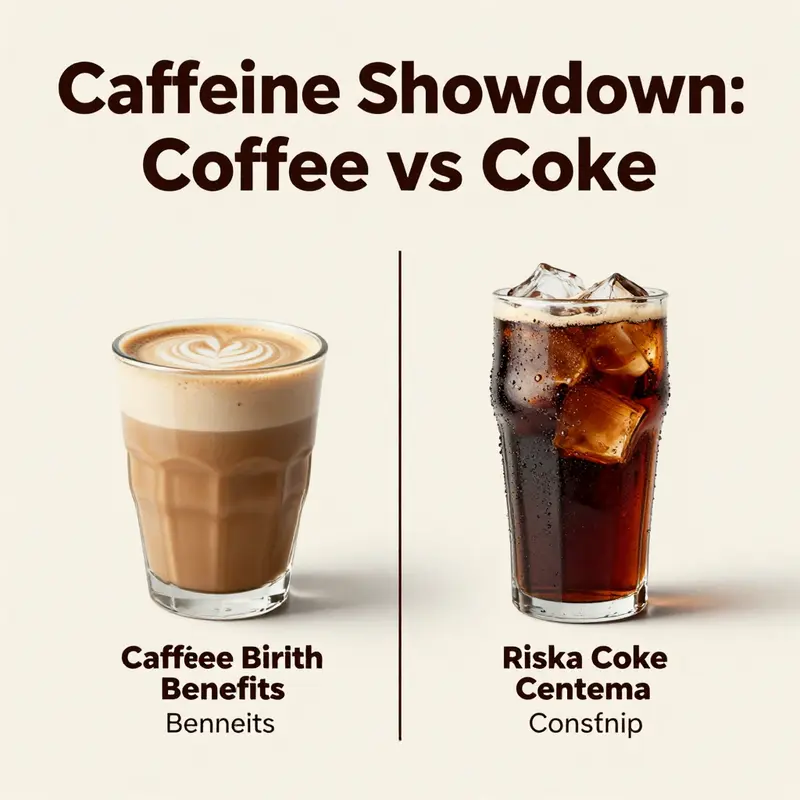
Caffeine is the most widely consumed psychoactive substance in the world, and two everyday beverages frame the way many people experience its effects: a cup of coffee and a can of cola. The numbers matter, because the same dose can feel very different depending on the vehicle delivering it. In brewed coffee, a typical 8-ounce cup carries roughly 95 to 200 milligrams of caffeine, with the exact amount swayed by bean variety, roast, grind size, water temperature, and brewing method. Espresso-based drinks can top these figures, while lighter or weaker brews sit toward the lower end. By contrast, a 12-ounce can of regular cola contains about 34 milligrams of caffeine—a fraction of what a standard cup can deliver. The contrast is stark: coffee can supply well over twice the caffeine in many cases, and in some brews, several times as much.
That difference translates into real-world daily exposure. For many adults, coffee is the primary source of caffeine, a pattern reinforced by social rituals and workplace demands. A single morning cup might start the day, but the risk arises when several cups are consumed or when caffeinated beverages are spaced irregularly or late in the day. In numbers, if a person starts the day with two robust cups, caffeine intake might already approach 200 mg, leaving little room for other sources before hitting the 400 mg guideline. A few cola servings can add another 60–100 mg, which sounds modest, yet it adds to the total burden. It’s this cumulative exposure that makes the context of a beverage important for health, not just the instantaneous dose.
Beyond the arithmetic, the source of caffeine shapes your experience. Coffee contains a complex mix of compounds, including various chlorogenic acids and bitter-tasting alkaloids that modulate digestion, appetite, and metabolism in ways that go beyond caffeine alone. Cola, meanwhile, brings carbonation, sugar, and acidity that alter how the stomach and intestines respond to caffeine, affecting absorption speed and the overall metabolic load. The carbonation can make the beverage feel lighter and more refreshing, while the sugar rush can contribute to a quick energy spike followed by a crash. Because caffeine concentration is lower per can, cola offers a gentler lift, but the accompanying sugar can tilt the balance toward weight gain and insulin fluctuations over time when consumed in excess.
From a sleep perspective, the differences matter. Caffeine works primarily by blocking adenosine receptors in the brain, a mechanism that promotes wakefulness but also disrupts the natural buildup of sleep pressure. The higher caffeine content of coffee means the potential to delay sleep onset or shorten total sleep time is greater, especially when a cup is enjoyed in the late afternoon or evening. Even moderate amounts can shift circadian timing, nudging wakefulness into earlier hours and altering the rhythm of sleep over weeks of consistent use. cola, with its lower caffeine load, can still disrupt sleep if consumed late, but the effect is typically subtler and more dependent on the timing and the individual’s sensitivity. The sugar and carbonation add another layer: a late-night cola may provoke a stronger metabolic response and stomach upset that interferes with rest.
Health considerations extend beyond caffeine alone. A can of cola delivers a substantial dose of added sugars—roughly 39 grams in many regular formulations—which carries a clear association with weight gain, insulin resistance, and a higher risk of type 2 diabetes and cardiovascular disease when consumed habitually. Black coffee, by contrast, is virtually sugar-free and low in calories, making it compatible with metabolic health when consumed without high-calorie additions. The caveat is obvious: adding large amounts of sugar, cream, or flavored syrups to coffee can erase the metabolic advantages by turning it into a caloric bomb in disguise. The caffeine content still matters for alertness and sleep, but the broader dietary impact hinges on what accompanies the caffeine, not only the caffeine itself.
Another dimension is personal tolerance and sensitivity. Some people experience jitters, palpitations, or gastrointestinal upset at relatively low doses of caffeine, while others tolerate far larger amounts with minimal disturbance. Genomic differences, baseline anxiety, and existing cardiovascular conditions all play a part. In sensitive individuals, even the caffeine from cola can provoke noticeable symptoms if consumption is frequent or late in the day. Those with hypertension or irregular heartbeat patterns are often advised to monitor caffeine intake carefully, regardless of the beverage source. For many adults, a practical target sits around four hundred milligrams per day as a ceiling, with moderation being especially important when caffeine is swallowed alongside meals or combined with alcohol or sugary snacks, which can amplify metabolic stress.
Taken together, the contrast between coffee and cola becomes a story about balance rather than a simple equation of caffeine grams. Coffee’s higher caffeine content offers robust, reliable energy but demands mindful timing and portion control to protect sleep and anxiety levels. Cola’s lower caffeine load might seem safer on the surface, yet its sugar content introduces metabolic and dental risks that offset the easier caffeine lift. The best approach is contextual: use coffee as a café-style or home-brewed energy source when you want sustained focus without overloading on sugar, and treat cola as an occasional treat, mindful of the sugar and acid load that accompanies carbonation. For some readers, the most effective way to manage daily caffeine is to think of it as a composite experience—how caffeine interacts with hydration, meals, exercise, and sleep—not as a single number to chase.
To anchor this perspective in everyday life, consider the ripple effects of timing, quantity, and accompanying ingredients. If you drink coffee with no added sugar, the beverage remains lean on calories while still delivering strong alertness. If you prefer a touch of sweetness, a small amount of a natural sweetener or milk can soften the impact, though it adds a few calories and minimal carbohydrates. The same logics applies to cola: choosing a smaller serving, savoring it with meals rather than pre-bedtime snacking, and recognizing that the combination of caffeine, sugar, and carbonation can yield a different physiological response than coffee alone. Readers who want to explore how caffeine can slot into a wellness routine may find it useful to reflect on a simple, practical framework: observe, measure, and adjust. Track how a given amount of caffeine affects your sleep, mood, and appetite, then calibrate your daily intake accordingly. A minimal, consistent pattern reduces the risk of surprising late-day energy crashes or restless nights.
Embedded in these considerations is a broader point about lifestyle synergy. Caffeine is not a neutral molecule but a cue that interacts with stress, physical activity, and recovery. In athletic contexts, caffeine can enhance endurance and focus, but the dose matters: too much caffeine can raise heart rate and interfere with hydration, undermining performance. In sedentary work life, it can become a crutch that substitutes for real breaks and rest, prolonging a cycle of dependence rather than sustainable energy management. In both cases, a clear plan that accounts for caffeine sources, timing, and total daily intake makes for a healthier, steadier energy rhythm. For more ideas on fitting caffeine into daily life without tipping balance, see the blog post on coffee-rich-life.
Interpreting caffeine numbers requires nuance. The wide range for coffee reflects differences in extraction. An 8-ounce cup can deliver as little as 70 mg in a pale brew and as much as 200 mg in a concentrated brew. A single espresso shot, a common 30- to 40-milliliter serve, often carries 63 to 90 mg, depending on the roast and grind. When you pull a double shot, the math doubles. For those chasing caffeine with a purpose, this means the exact drink matters as much as the label. Decaf coffee is not entirely caffeine-free; trace amounts linger and can matter for highly sensitive individuals. Cola beverages are more predictable, but the whole beverage experience matters: the presence of carbonation can speed absorption in some people, while the sugar can trigger insulin responses that shape how the body uses energy. In practice, this means that a one-to-one mg comparison between a cup of coffee and a can of cola can be misleading if the drinker’s routine includes multiple beverages, different meal timing, and varied sleep patterns. The bigger picture becomes a question of how much caffeine you actually metabolize in a day, and how late you consume it.
With that in mind, the chapters that follow can be read as a guide to aligning caffeine choices with personal health goals, rather than a sermon on abstinence. The takeaway is that coffee often serves as the primary caffeine source, but the metabolic and sleep implications depend on how it is prepared and consumed. Cola adds sugar and acid to the caffeine equation, offering a lighter lift but greater risk if used regularly. By paying attention to how close intake sits to bedtime, how much caffeine you consume in total, and how you respond to it, you gain agency over energy levels without sacrificing sleep. The next sections will explore strategies to optimize caffeine use for focus, mood, and rest, including timing tactics, beverage choices, and practical routines that respect both the science and your lived experience.
External resource: https://www.ncbi.nlm.nih.gov/pmc/articles/PMC10763259/
Measuring the Burst: How Coffee Outpaces Cola in Caffeine—and What That Means for Your Day

In discussions about daily energy, the obvious question often centers on how much caffeine sits in a cup or a can. Yet the real story unfolds not just in the absolute milligrams, but in how those milligrams arrive with a serving and what that means for alertness, mood, and routine. A typical conversation about caffeine compares a standard cup of coffee with a can of regular cola, and the numbers tell a clear tale: coffee delivers far more caffeine per serving than cola. An average eight-ounce cup of brewed coffee contains about ninety-five milligrams of caffeine, while a twelve-ounce can of regular cola contains roughly thirty-four milligrams. If you opt for the diet version of cola, you gain a little more caffeine—around forty-six milligrams for the same size—yet even that amount rarely approaches the punch of a standard cup of coffee. When you translate these figures into per-volume terms, the difference becomes even starker. Coffee, roasted and brewed to extract caffeine efficiently, comes in at nearly twelve milligrams per ounce on average. Cola sits closer to three milligrams per ounce, and even the diet variant lands in the mid-threes. In practical terms, a single cup of coffee carries roughly three to four times the caffeine of a similarly sized serving of cola. This disparity aligns with the purposes many people assign to these beverages: coffee as a vehicle for sustained alertness and focus, cola as a refreshing, flavor-forward treat with a lighter stimulant profile.
The distinction also reflects how people structure their caffeine intake across a day. Coffee functions as a cornerstone of morning routines for many, a reliable dose that supports concentration during the early hours and the tasks that follow. Cola, by contrast, often serves social, sensory, or palate-driven roles—an afternoon lift, a nostalgic flavor cue, or a beverage to pair with meals or social moments. The preference pattern is telling: when the goal is a strong caffeine boost to sharpen attention and sustain performance, coffee is the obvious choice. When the objective is flavor, carbonation, and a lighter stimulant, cola fits the bill. These preferences are not formed in a vacuum. They reflect broader trends in health awareness, energy management, and the daily calculus people perform about sleep, anxiety, and cardiovascular comfort. As people become more mindful of how caffeine interacts with sleep schedules or stress levels, the idea of “knowing your dose” becomes a practical decision rather than a vague hope for stimulation from a vague source.
Brewing methods and product formulations add nuance to the caffeine picture. The amount of caffeine in coffee is not a fixed absolute; it is shaped by bean type, roast level, grind size, water temperature, extraction time, and even the brewing apparatus. A light roast can yield a higher caffeine content than a dark roast when the grounds are measured by weight, because the denser beans used in lighter roasts can store more caffeine per bean. Drip brew and French press methods extract caffeine at different rates, yet the overall range tends to cluster near the ninety- to one-hundred-twenty-milligram mark for a standard cup, depending on how the drink is prepared. Cola beverages, in contrast, are standardized by manufacturers with a fixed formula per serving. The caffeine content in a regular cola is generally stable enough to allow consumers to anticipate their intake from a can. Even then, small variations in formulation, production lot, or serving size can modulate the actual caffeine hit, reinforcing the value of reading nutrition labels when available. The broader pattern remains unambiguous: coffee sets a higher baseline for caffeine, while cola delivers a lower, more manageable dose.
From a wellness perspective, the implications of these differences show up in several everyday concerns. Sleep disruption is a central consideration for many who monitor caffeine intake. The half-life of caffeine—the time it takes for half of the compound to be cleared from the body—varies among individuals and can range from about three to seven hours, influenced by genetics, age, pregnancy, and concurrent medications. A morning cup of coffee can therefore have meaningful consequences for a late afternoon or evening bed time for some people, even if it feels like a routine comfort at sunrise. By contrast, the lighter caffeine load in a typical cola makes it a smaller contributor to late-day sleep issues for most individuals, though it can still affect sleep if consumed late in the day. Anxiety and heart-rate responses are other factors people weigh. Higher caffeine doses can heighten these sensations, especially in sensitive individuals or those with certain cardiovascular considerations. Informed choices hinge on understanding the dose you actually receive, not merely the beverage you drink. The clearer the labeling and the more transparent the content, the easier it is to tailor intake to personal thresholds.
Transparency in labeling has become a behavior driver for many consumers. The modern shopper increasingly looks for explicit caffeine information on packaging, alongside other nutritional details. When a product clearly states its caffeine content, it empowers people to calibrate intake against personal goals—whether that means staying within a daily limit, avoiding late-day stimulation, or balancing caffeine with other dietary considerations. The numbers become more than trivia; they resemble tools for daily management. This trend dovetails with a broader cultural shift toward accountability and authenticity in what we put into our bodies. The same attention to caffeine among beverage choices reflects how people approach nutrition with a mindset of comparison, measurement, and personal responsibility. In this context, coffee’s role as a high-caffeine option is reinforced, while cola’s lighter profile is framed as a more modest stimulant that complements flavor and enjoyment rather than drives energy strategy.
The landscape of consumer choice is further shaped by how information is presented and understood. For many, the ability to recognize the relatively large difference in caffeine between these two beverages helps explain why coffee dominates the high-caffeine segment of the market. It is not only the dose that matters but the predictability of that dose. With coffee, one can dial in caffeine exposure by choosing a lighter roast or a specific brewing method, or by limiting servings to manage total daily intake. Cola products offer steadier, smaller doses per serving, which can be appealing for those who prefer consistency without strong stimulants. In both cases, the choice aligns with personal energy needs, sleep patterns, and health considerations. The impulse to compare just the numbers alone can obscure the practical reality: people select beverages that fit their routines, their tolerance, and their ambitions for the day ahead.
In considering the social and cultural dimensions of caffeine, coffee’s prominence in daily life becomes even more visible. The beverage’s ritualized preparation, its aroma, and its warmth contribute to a sense of starting the day with intention. Colas occupy different social spaces—lastingly present at gatherings, paired with casual meals, and valued for the sensory experience of carbonation and sweetness. These contexts matter because caffeine is never consumed in isolation; it travels with taste preferences, mood, and the expectations of those around us. When a drink choice is influenced by a desire to perform a task well, the caffeine content can guide the decision. A high-caffeine option may be preferred for tasks requiring prolonged concentration, while a lighter option might be chosen for social enjoyment without an intense stimulant effect. The interplay between physiology, psychology, and culture shapes not only what people drink but why they drink it and how they feel after consumption.
For readers seeking a broader sense of how caffeine infuses daily life beyond just the numbers, a deeper look at coffee culture can illuminate the story further. A broader view of caffeine culture and coffee’s role in daily life can be explored at Coffee Rich Life, where readers can engage with ideas about brewing, balance, and the rhythms of caffeine in ordinary days. Such explorations remind us that beverages act as much as social signals as they do chemical agents, and that the choice between high and low caffeine options can reflect personal priorities, from sleep health to productivity to savoring moments with friends.
In sum, the caffeine conversation between coffee and cola centers on more than milligrams. It is about how those milligrams are delivered, how predictable they are, and how they harmonize with lifestyle goals. Coffee delivers a robust, dose-forward profile that supports alertness and focus for many, making it the preferred choice when a strong caffeine boost is required. Cola offers a lighter stimulant, one that can complement flavor and refreshment without necessarily driving energy strategy. As health-conscious consumption becomes more nuanced, consumers benefit from transparent labeling and the ability to align beverage choices with sleep, anxiety, and cardiovascular comfort. The numbers are a guide, but the real story lies in the day-to-day decisions they help illuminate, the routines they reinforce, and the moments they color with taste, texture, and energy. For those who crave a reliable caffeine plan, coffee remains the anchor; for those who want a gentler lift or a different sensory experience, cola stands as a versatile, widely enjoyed option. External resources provide official data to ground these conversations, while ongoing dialogue about labeling and education helps ensure that consumers can translate numbers into confident, personalized choices.
External reference: For official nutrition data and a broader look at how caffeine content is presented in cola beverages, see the external resource at https://www.coca-colacompany.com/nutrition. This information complements the consumer-facing insights discussed here and reinforces the value of clear, accessible data when evaluating daily caffeine exposure.
null

null
Final thoughts
In conclusion, understanding the caffeine content in coffee and Coke is pivotal for business owners looking to cater to customer preferences while also considering health implications. The stark differences in caffeine levels not only shape individual choices but also influence how these beverages are marketed and consumed globally. As you navigate this landscape, recognizing the balance between consumer desires and health consciousness will position your offerings effectively in a competitive market.