
Understanding the caffeine content in popular beverages like Diet Dr Pepper is vital for business owners catering to health-conscious consumers. With a moderate caffeine level of 44 mg per 12-ounce serving, Diet Dr Pepper presents unique implications for product positioning. This article will delve into the caffeine content, compare it with other soft drinks, explore health considerations, dissect its nutritional profile, and review recommended dietary guidelines, providing essential insights for businesses navigating the increasingly health-oriented beverage market.
Between Zeros and Zest: The Caffeine Reality in a Pepper-Flavored Diet Soda
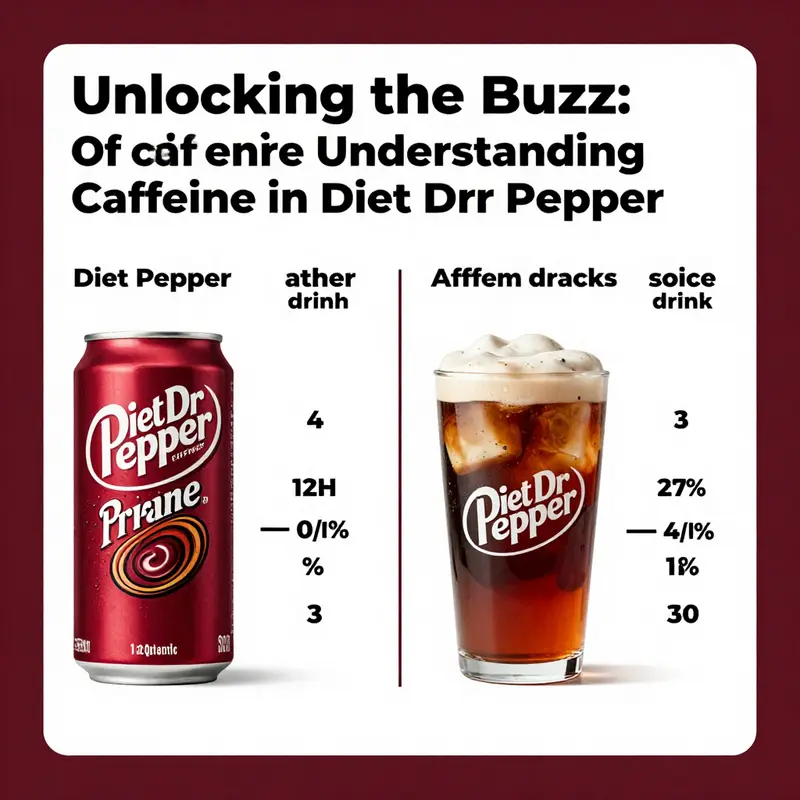
Caffeine sits in many beverages like a quiet pulse under the surface, never quite stealing the show but always present enough to influence how we feel after a sip or two. In the case of a pepper-flavored diet soda, that pulse matters just as much as the calorie count or the sweeteners used to replace sugar. The common assumption that “diet” equals caffeine-free crops up often in consumer conversations, yet the label reality tells a different story. The beverage in question carries caffeine, a stimulant, and its quantified amount is not a mystery once you look at the data behind the label. In the United States, the standard 12-ounce can or bottle of this diet option contains roughly 41 to 42 milligrams of caffeine. That figure holds steady across markets and matches the caffeine content of its regular counterpart, even though the two drinks diverge in sweetness and calories. To put that in context, the caffeine level is roughly in the same neighborhood as a cup of black tea, a touch higher than the caffeine found in a 12-ounce Coke, and still well below the amount present in a 12-ounce can of the more heavily caffeinated Diet Coke. These comparisons help place the caffeine signal in a practical frame for a daily routine that might include coffee, tea, or other caffeinated beverages. Where the label and the USDA data align, consumers gain a reliable sense of how much stimulant they are actually ingesting with each serving.
The storyline about caffeine in this pepper-forward diet option also serves as a reminder that the word diet can mislead in other ways. The product’s marketing emphasizes low calorie or zero-calorie content, but it does not erase the stimulant profile that caffeine brings. The misconception that diet sodas are caffeine-free persists for some shoppers, and this can contribute to unintentional overconsumption when people mix multiple caffeinated products across the day. It is easy to overlook the cumulative effect of caffeine when the information is scattered across different product labels or when the beverage choice is framed primarily by calories. In truth, the caffeine present here aligns with what a consumer would expect from many other lightly sweetened caffeinated beverages, though the flavor profile and brand identity may make it feel more like a treat than a stimulant.
From a health perspective, the caffeine content represents a moderate dose for most healthy adults. The daily guideline commonly cited for caffeine intake is up to about 400 milligrams per day for many adults. In practical terms, that means several servings of this particular beverage could push someone close to that limit, especially if they also drink coffee, tea, or energy beverages. For a person who tolerates caffeine well, one or two servings can fit comfortably into a day without significant sleep disruption or jitters. For others—those who are particularly sensitive to caffeine, individuals with anxiety disorders, people who have insomnia, or anyone with certain cardiovascular conditions—the same amount can provoke heightened alertness, a rapid heartbeat, or restlessness. Even if the dose feels modest in isolation, the timing of consumption matters; sipping a caffeinated beverage late in the day can interfere with sleep for many people, turning a mild pick-me-up into a late-night barrier to rest.
Acknowledging these nuances is essential for readers who balance multiple health considerations. The diet label underscores a calorie-conscious choice, but it does not imply a caffeine-free compromise. This is where label literacy becomes a practical habit. Reading the caffeine content alongside calorie counts empowers individuals to tailor their daily intake to their health goals, not just their waistline. When people limit caffeine because of anxiety, sleep concerns, or cardiovascular considerations, it helps to map the day as a sequence of beverages rather than a single moment of indulgence. In this way, the pepper-flavored diet option can be enjoyed as part of a thoughtful routine rather than as an impulsive grab-and-go caffeine source.
For those seeking a concise anchor on the caffeine specifics of this beverage, a focused look is available in a dedicated post that breaks down the content in clear terms. The article explains how the caffeine figure compares to other common beverages and why the numbers matter for daily planning. It also underscores the broader point that many consumers misinterpret the term “diet” as a signal of no caffeine. The takeaway is straightforward: dose matters, and labels matter. As with any caffeinated product, the best practice is to read the nutrition panel, consider your entire day’s intake, and, if you’re managing anxiety, sleep, or heart health, plan accordingly. For readers who want a quick reference to the exact caffeine amount in this pepper-flavored diet option, the post on caffeine-content-diet-dr-pepper provides a precise snapshot of the numbers and the comparisons that help situate them within everyday caffeine use.
The conversation around caffeine in this context naturally invites a brief look at how it sits within the broader beverage ecosystem. A 12-ounce serving of this diet option delivers caffeine in a range that sits between tea and some colas but not at the very high end of the spectrum. Black tea can approach or exceed similar amounts, depending on preparation, while Coca-Cola typically carries a bit less than Diet Coke in the same serving size. These relative figures matter when someone is juggling multiple caffeine sources across a day, whether for alertness during work, study sessions, or commuting. The consistency of caffeine content between the regular and diet versions of the pepper-flavored beverage also signals a straightforward consumer story: if you enjoy the flavor and are watching calories, you can expect a predictable caffeine profile across versions.
Label reading becomes particularly important when one is optimizing daily caffeine intake for performance or health. The presence of caffeine in a diet beverage should not surprise, but the exact number does enable more precise planning. People who monitor their intake for performance reasons—like athletes balancing stimulation with hydration already accounted for in training plans—can factor in this beverage alongside coffee or tea. Similarly, individuals who are pregnant or nursing often consult guidelines that emphasize moderation, and in those cases the 41–42 mg per serving figure helps in constructing a safer daily consumption pattern. When a person evaluates options for a morning boost, an afternoon pick-me-up, or a late-evening break, the caffeine content in this pepper-flavored diet option offers a predictable variable to consider rather than a mystery.
The USDA’s data on caffeine content in beverages remains a foundational reference for anyone who wants a clear, external check on the general landscape. This data supports the specific figures found on product labels and helps illuminate how caffeine stacks up across categories. Including this kind of context is not about endorsing or discouraging caffeine use; it is about supporting informed choices. Consumers who want to explore the caffeine content of a broad set of drinks can consult the USDA FoodData Central resource, which provides a structured view of caffeine across beverage types. In practice, the knowledge that this pepper-flavored diet option carries roughly the same caffeine as a standard cup of tea and more than many sodas invites a more nuanced approach to daily beverage planning. It is a reminder that even beverages marketed for low calories still participate in the stimulant economy that many people navigate daily.
For further reading and a deeper dive into the numbers, see the linked internal discussion that dives into the exact caffeine content of this diet option and how it stacks up against other popular drinks. The internal resource offers a precise account of the caffeine figures and contextual comparisons that help readers visualize how this beverage fits into a broader caffeine budget. caffeine-content-diet-dr-pepper
External resource for broader context:
USDA FoodData Central – Caffeine Content in Beverages: https://fdc.nal.usda.gov/fdc-app.html#/food-details/170578/nutrients
null
null
Caffeine in Diet-Forward Beverages: Health, Habits, and Boundaries
A regular cue in many daily routines is a chill, lightly sweetened beverage that offers a familiar jolt without adding calories. In conversations about caffeine and diet beverages, it is easy to focus on the buzz and the label, but the broader story is about how a modest caffeine dose fits into a larger pattern of consumption, health, and personal risk. For many adults, a single 12-ounce serving in this category delivers a caffeine kick comparable to a strong cup of coffee, a fact that shapes how people plan their days, especially when work, study, or stress demands attention. The caffeine content in these beverages typically lands in a middle ground: enough to be noticeable, but not so high as to trigger the most intense effects seen with higher-caffeine options. The practical implication is that the drink can be a convenient, predictable source of stimulation, but it remains essential to consider how it fits with other caffeine sources and with individual tolerances.
In numerical terms, the caffeine present in a standard 12-ounce serving of this diet-forward beverage family is often cited around the mid-40 milligram range. The figure is frequently reported as about 42 to 44 mg per 12-ounce container. That range reflects minor formulation differences while staying within what manufacturers and regulators consider a moderate amount for most healthy adults. When placed side by side with other common caffeinated drinks, the dose lines up with a cup-and-a-half of lighter coffee or a robust cup of tea. It is important to recognize that even within this moderate window, the caffeine you ingest can accumulate across the day if multiple servings are consumed or if one’s total intake includes other sources such as tea, coffee, or energy drinks. A single serving is not a health verdict; it is a line item in a daily balance sheet that weighs alertness against potential discomfort, sleep disruption, or anxiety.
People with certain sensitivities or health concerns may experience more pronounced effects at this dose. For pregnant individuals, guidelines consistently urge cautious use, because caffeine can cross the placenta and influence fetal development. Those with anxiety disorders may notice amplified jitters, restlessness, or sleep disturbances after consuming even moderate amounts. Individuals with heart rhythm irregularities might feel palpitations or heightened awareness of their heartbeat after caffeine intake. These considerations are not warnings against moderation but reminders that caffeine is a stimulant whose effects vary with physiology, genetics, and concurrent health conditions. Consumer conversations often overlook these individual differences in favor of general norms, but personalized caution remains wise for anyone navigating pregnancy, anxiety, or cardiac concerns.
Beyond the stimulant effects, the broader health landscape of this beverage category includes the use of artificial sweeteners. Many products in this realm rely on non-nutritive sweeteners such as aspartame and acesulfame K. These sweeteners are approved by the U.S. Food and Drug Administration for general use, and for many people they enable a familiar sweetness without added calories. Still, research has explored potential links between long-term consumption of artificial sweeteners and changes in gut microbiota, metabolic signaling, and even cravings for sweets. The evidence is not definitive, and experts emphasize that more long-term research is needed to draw firm conclusions about ecosystem-level effects or metabolic outcomes. From a consumer standpoint, this means that enjoyment of a diet beverage should be part of an overall dietary pattern, not the sole strategy for managing appetite or energy. Those who remain curious about the science can follow ongoing investigations while applying practical mindfulness to daily choices.
In balancing caffeine with health, the question often becomes one of moderation rather than elimination. Moderation looks different for different people. The general public has long been advised that up to about 400 milligrams of caffeine per day is a reasonable upper limit for healthy adults, though individual needs may be lower or higher. Keeping track of caffeine sources is more achievable today than ever, thanks to labeling and consumer education. For many, a routine that includes a mid-morning or mid-afternoon lift from a diet-forward beverage can be perfectly compatible with healthy sleep, steady digestion, and calm mood—so long as it does not crowd out other important patterns like hydration with water, regular meals, and sufficient rest. The key is to avoid stacking caffeine in a way that produces lingering wakefulness or anxious arousal, especially late in the day. Adapting consumption to work schedules, sleep quality, and stress levels helps maintain the balance between alertness and wellbeing.
To make sense of personal choices, a practical approach is to treat caffeine like a budget item. Track the number of milligrams consumed throughout the day and consider other caffeine sources such as tea, coffee, and energy products. If the daily total climbs toward the upper end of the range, it may be prudent to prune additional sources or shift some intake to earlier hours. This approach is particularly important for individuals who already experience sleep disruption, elevated blood pressure, or digestive sensitivity. The goal is a stable energy pattern that supports daily function without tipping into restlessness or discomfort. The conversation about diet beverages then becomes less about avoiding caffeine entirely and more about integrating these products into a measured, attentive lifestyle.
For readers who want a concise, research-grounded snapshot, a detailed breakdown of caffeine content in this category can be found in a dedicated resource. See the article on caffeine content of diet drinks for precise figures and comparisons across common formulations. The linked resource helps translate label numbers into practical intake decisions and offers context on how this category compares with other caffeinated beverages. This kind of evidence-based reference supports readers in making choices that align with their health goals, daily routines, and comfort with stimulants. caffeine content of diet dr pepper.
As with any dietary component, the science around artificial sweeteners and caffeine is evolving. Some studies suggest that long-term use of non-nutritive sweeteners could influence gut microbiota composition and metabolic signaling in ways that are not yet fully understood. Other studies find no definitive harm at typical consumption levels. Given the current state of evidence, the prudent path is cautious curiosity rather than categorical certainty. Individuals who are exploring changes to their caffeine or sweetener intake may benefit from a gradual approach, monitoring not only energy levels but also sleep quality, digestion, mood, and overall energy patterns. When in doubt, consulting with a healthcare professional who can interpret personal health history and risk factors is a sensible step.
Finally, context matters. In a world of busy schedules and shifting routines, a diet-forward beverage can function as a convenient tool for momentary focus or lift. It should not be the sole mechanism by which one manages energy or mood, and it should be weighed alongside other risk factors and daily habits. The health considerations discussed here are not a verdict against the beverage category; they are a reminder that caffeine can be a useful companion when used thoughtfully—and potentially a source of discomfort if misused. In other words, awareness and moderation are not prohibitions but practical strategies for enjoying a familiar, calorie-free option without compromising comfort, sleep, or heart rhythm.
External resource: For official guidance on caffeine regulation and safety, refer to the U.S. Food and Drug Administration’s information on caffeine: https://www.fda.gov/food/ingredients-additives-and-supplements/caffeine.
Diet Dr Pepper: Caffeine, Calories, and the Zero Calorie Flavor Puzzle
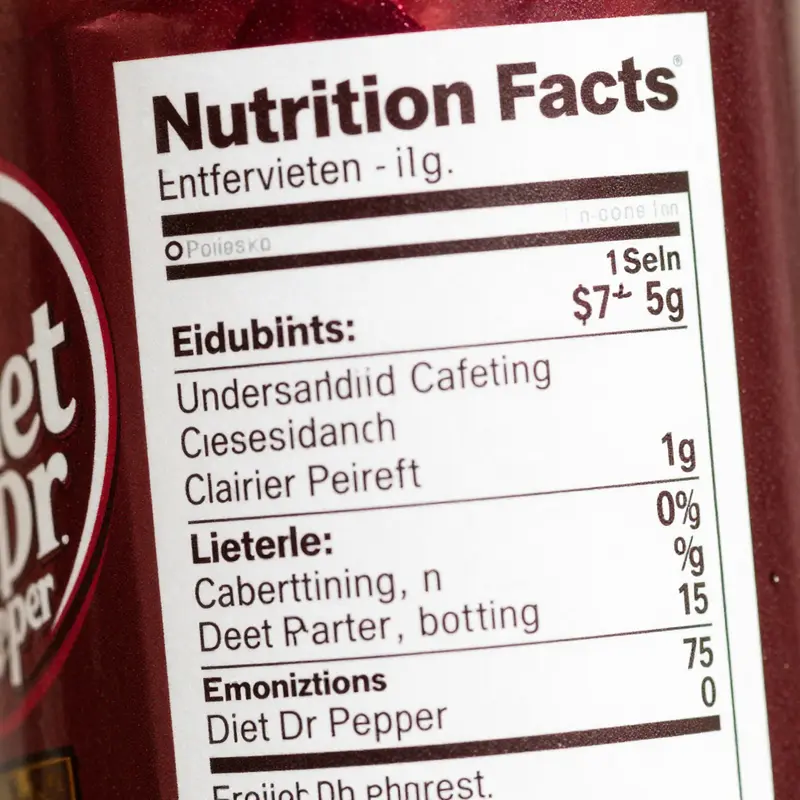
Diet Dr Pepper sits at a practical crossroads in the beverage world. It delivers a cola like flavor without sugar or calories, using a blend of artificial sweeteners and caffeine to create a balanced experience. The caffeine content is a key part of its profile, giving a mild alertness boost without the jitters of high caffeine drinks. In this chapter we explore the caffeine content and the zero sugar formula. The typical 12 ounce serving contains about 44 milligrams of caffeine, placing it in a moderate range among diet colas. That level is enough to notice a lift but not so high as to dominate your day. The ingredient list centers on carbonated water, caramel color, acids such as phosphoric and citric acid, and a flavor system that evokes classic cola with distinct cherry vanillin hints. The beverage relies on aspartame and Ace-K as sweeteners to maintain its zero calorie profile. Nutrition basics for an 8 ounce serving show zero calories, zero fat, zero sugars, and zero protein, with around 55 milligrams of sodium. This combination makes it a practical option for those tracking calorie intake while still wanting flavor and caffeine. As with all caffeinated products, moderation matters and individual tolerance varies. Readers should review official nutrition information for precise values, since formulations can change over time. In short, Diet Dr Pepper offers a sugar free, low calorie option with a familiar cola taste and a moderate caffeine level that fits into many daily routines.
Caffeine in a Zero-Sugar Classic: Navigating Diet and Daily Limits

A caffeine lift can feel like a small, reliable anchor in a day that moves quickly from task to task. When thinking about a popular zero-sugar cola-style beverage as part of daily caffeine intake, the number on the can matters as more than just a label. In this context, caffeine content matters not only for energy but for how a person plans around other sources of caffeine, what they drink with meals, and how they approach sleep and calm. The latest detailed research results for this chapter place the caffeine content at about 41 mg per 12 oz (355 ml) can, a figure that sits squarely in the moderate range for soft drinks. This level is not designed to replace coffee or tea but to complement them for those who want a lighter, steady lift without sugar. The label confirms caffeine as an included ingredient, and that acknowledgment can be a helpful reminder to map caffeine alongside other daily sources rather than treating a single can as a standalone decision.
Within the broader landscape of caffeinated beverages, this zero-sugar option often falls in the mid-range. Some sugar-free colas deliver a little more caffeine per 12 oz, while others hover closer to the 40 mg mark. The important takeaway is that the caffeine boost from this beverage is modest enough to be part of many adults’ routine, but it still counts toward a daily total. For anyone who tracks caffeine for anxiety, heart health, or pregnancy, that 41 mg per serving becomes a practical reference point. It’s not a standalone guideline, but it helps shape a daily plan that keeps total caffeine within safe and comfortable limits.
Despite the modest caffeine content, there are other ingredients to consider in dietary planning. This beverage is marketed as zero sugar, which makes it a lower-calorie option compared with its sugared counterparts. However, it contains an artificial sweetener that some individuals prefer to avoid or limit. The safety profile of this sweetener has been evaluated and approved by the U.S. Food and Drug Administration within established daily intake levels, yet ongoing discussions persist about long-term effects, particularly when consumption is high. For someone watching total artificial sweetener intake, this detail matters as part of a broader conversation about how processed beverages fit into a balanced diet. When one flavor, texture, and caffeine effect blend together, the decision becomes less about a single product and more about a daily pattern that supports both energy and well-being.
From a dietary standpoint, the central recommendation remains straightforward: integrate caffeine-containing beverages with awareness of total daily intake. The FDA sets a practical benchmark for many adults at up to 400 mg of caffeine per day. In that context, a single can of this beverage accounts for roughly 10% of the daily limit. When other caffeinated sources—coffee, tea, energy drinks, or medications—are part of the day, the cumulative total can increase quickly. The reader is encouraged to count, not merely to estimate, because even small additions can push the total over a comfortable threshold for sensitive individuals. A practical approach is to track caffeine from all sources over the course of a day, then decide how many cans, if any, best fit into that plan.
In addition to caffeine, an important dietary dimension involves the sweetener. While the absence of sugar reduces carbohydrate load and calories, artificial sweeteners are still active ingredients with potential effects and sensitivities for some people. The FDA has approved aspartame as safe within established intake levels, but ongoing discussions persist about long-term exposure, particularly for those who consume multiple products containing sweeteners daily. For anyone who notices discomfort, headaches, or digestive upset after consuming products with artificial sweeteners, a cautious approach is warranted. This means considering alternatives, such as unsweetened beverages, plain water, or herbal options, as part of a hydration strategy that supports overall health.
Dietary Recommendations:
- Limit intake to one can per day or fewer if consuming other caffeinated products. This helps keep daily caffeine exposure predictable and manageable.
- Be mindful of total daily sugar and artificial sweetener intake; even though this beverage has no sugar, it contributes artificial sweeteners to the daily mix, which may be a consideration for some individuals.
- Prioritize water, herbal teas, or unsweetened beverages as primary hydration sources. Caffeine-containing drinks can fit into a balanced day, but they should not replace hydration or nutritionally dense beverages.
- If you are pregnant, have a heart condition, or are particularly sensitive to caffeine or artificial sweeteners, consult a healthcare provider for personalized guidance.
- Consider how caffeine interacts with sleep, stress, and anxiety. If you notice sleep disruption or jitters, reduce intake or adjust timing, especially later in the day.
For readers who want a deeper dive into the caffeine specifics behind this zero-sugar option, a detailed breakdown is available in the linked resource that specifically focuses on caffeine content. See the linked article here: https://coffeerichlife.com/blog/caffeine-content-of-diet-dr-pepper/. The discussion there helps connect the numbers on the can with practical daily choices, ensuring that caffeine remains a tool for energy rather than a source of unintended effects.
As this chapter threads through the broader article, the takeaway is not just about a single product’s caffeine figure but about building a personal caffeine strategy that respects total intake, tolerances, and health goals. The chapter invites readers to translate a numeric value into a daily rhythm: a can here, an additional cup of tea there, and a mindful approach to where caffeine fits alongside meals, hydration, and rest. In that sense, the beverage becomes a case study in how people can navigate caffeine within a diet that values both flavor and function. The moderation implicit in a 41 mg can supports a middle ground—enough to maintain alertness when needed, but not so much that sleep or anxiety patterns are disrupted for most adults.
External resources can provide further assurance and context. For official guidance on caffeine intake limits, the U.S. Food and Drug Administration offers evidence-based information and recommendations that help frame daily patterns for a broad audience. https://www.fda.gov/food/food-additives-petitions/caffeine
Final thoughts
In summary, Diet Dr Pepper’s caffeine content provides valuable insights for business owners looking to align their offerings with consumer health trends. Its positioning as a moderately caffeinated beverage appeals to those seeking enjoyment without excessive stimulation. By understanding its comparative caffeine levels, health implications, nutritional profile, and consumer guidelines, businesses can effectively promote Diet Dr Pepper and cater to a conscientious market. This holistic approach not only enhances customer satisfaction but also strengthens branding in a competitive landscape.