
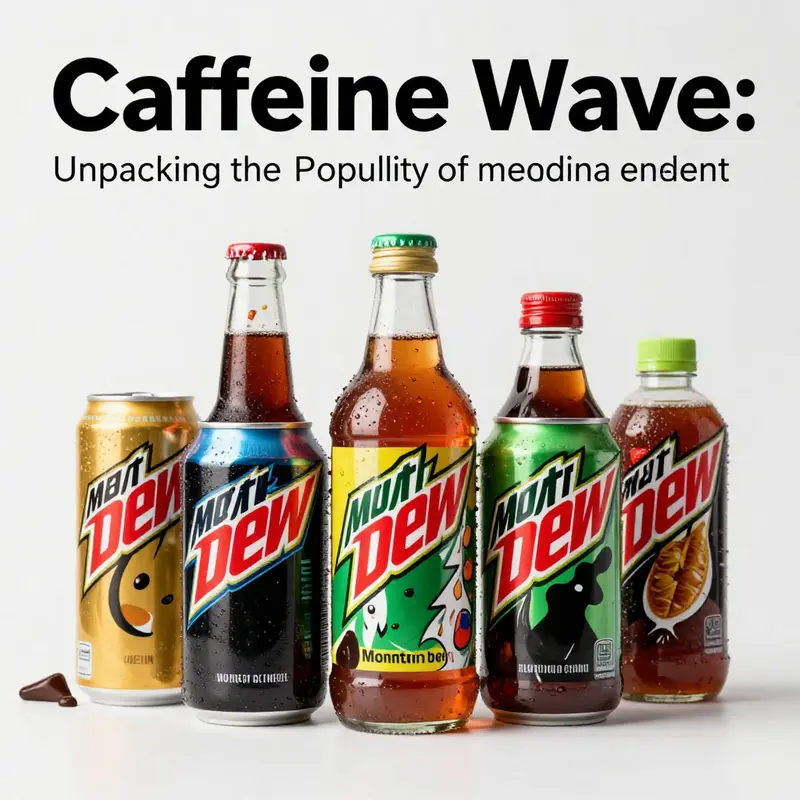
In today’s marketplace, caffeine content serves as a significant distinguishing factor for beverages, particularly among younger demographics. Mountain Dew, with its distinctly high caffeine levels, has solidified its place in consumer preferences, appealing to those seeking both refreshment and energy. This article delves into the caffeine content variations within the Mountain Dew product line, including Mountain Dew Kickstart, which positions itself as an energy drink. As we explore its brand evolution marked by a notable 2024 refresh, we’ll also analyze consumer preferences and market trends that have shaped Mountain Dew’s ongoing success. Each chapter offers insights vital for business owners aiming to tap into the evolving landscape of caffeinated drinks.
Caffeine Currents in Mountain Dew: How a Bold Kick Shapes Energy, Flavor, and Brand Identity
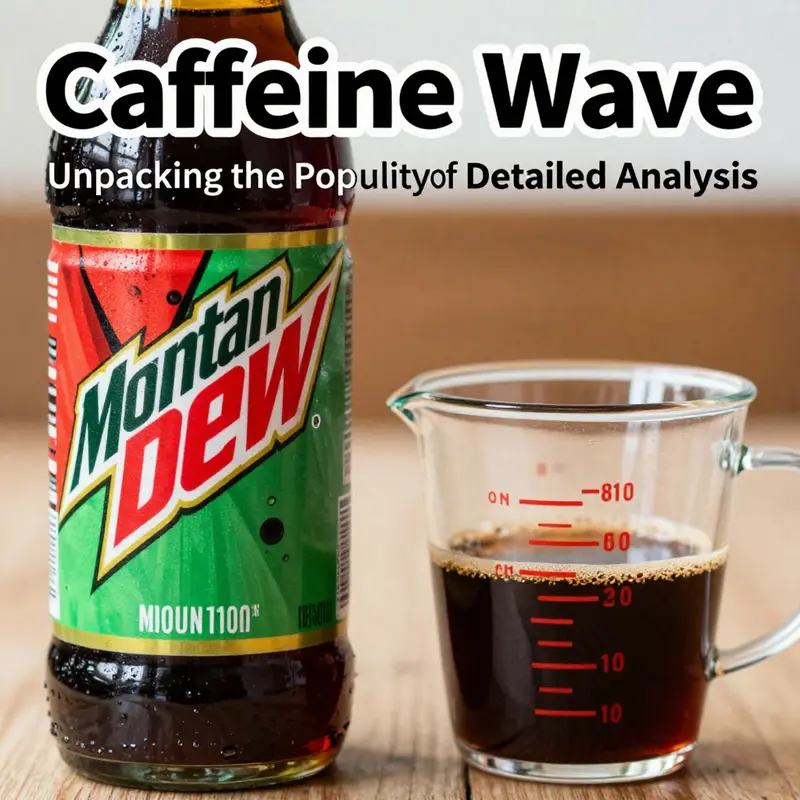
Caffeine has long been more than a simple stimulant in the world of soft drinks. In Mountain Dew, it acts as a defining current that runs through taste, marketing, and the rituals of refreshment. The can or bottle design carries a certain promise of alertness, a quick surge of focus, and a momentary lift from fatigue. In this slowly widening current, caffeine is not just an ingredient; it is a cultural cue that aligns with the brand’s audacious, high-energy persona. The standard Mountain Dew, a staple in many fridges and vending machines, delivers about 54 to 55 milligrams of caffeine per 12-ounce serving. That level places it above many other mainstream sodas and signals a deliberate choice for those who want more than a gentle caffeine nudge. It is a number that works in concert with the drink’s lemon-lime brightness and its iconic neon palette, a pairing that has conditioned consumer expectations: when you pick up Mountain Dew, you’re choosing a beverage that glints with kinetic energy as much as with citrus flavor.
Yet Mountain Dew’s caffeine story is not monolithic. The lineup extends beyond the standard formulation, and in the modern market, variants exist that intensify the energizing effect without changing the core identity that fans expect. Kickstart, a variant designed to marry energy and nutrition signals, elevates the caffeine punch to roughly 92 milligrams per 16-ounce bottle. That figure places Kickstart squarely in the realm of beverages marketed for endurance or mid-day surges, while also highlighting a branding strategy that leans into wholesome associations. Kickstart’s formulation adds vitamins B and C and includes about 5 percent juice, a trio of cues aimed at shaping a health-forward image alongside the rapid alertness that caffeine supplies. This dual impulse—strong stimulation plus a more “nutritionally framed” narrative—reveals how caffeine content interacts with marketing messages to widen appeal beyond the traditional soda consumer base.
The consumer psychology behind these numbers runs deep. For many younger drinkers, caffeine becomes part of a social ritual—the quick pick-me-up before study sessions, gaming marathons, or a night out with friends. Caffeine makes the experience feel more purposeful and, in a world of short attention spans, it can help sustain attention for a stretch of time. Mountain Dew’s higher caffeine levels, compared with classic colas, carve out a distinct niche. A glance at the broader landscape shows the contrast: Coca-Cola’s standard soda sits around 34 milligrams per 12-ounce can, and Pepsi around 38 milligrams. Mountain Dew, with its more robust caffeine profile, positions itself as the bolder option in the consumer’s mental map of energy beverages. This positioning becomes meaningful when paired with the drink’s aggressive flavor profile, the electric branding, and the cultural associations that Mountain Dew has cultivated with sports, gaming, and youth culture. The interplay of taste and stimulant effect helps explain why the brand can maintain a premium in consumer perception—even as markets shift and competitors adjust their formulations.
But any discussion of caffeine in Mountain Dew must also acknowledge health considerations. Caffeine is not a neutral substance; it interacts with sugar, acidity, and individual sensitivity to produce a spectrum of effects—from improved alertness and faster reaction times to jitters, sleep disruption, or gastrointestinal discomfort in some people. Mountain Dew’s relatively high sugar content and acidity contribute to a rapid energy spike that can feel satisfying in the moment but may carry a longer-term impact on energy regulation and dental health if consumed in excess. These factors are especially salient for younger consumers, for whom the combination of caffeine and sugar can shape daily consumption patterns and sleep quality. In this context, the brand’s energy story intersects with evolving consumer expectations around wellness, labeling transparency, and responsible marketing. The rise of smaller, more frequent energy boosts in a consumer’s day can be as compelling as a single, larger caffeine dose; Mountain Dew’s portfolio offers both, with standard and Kickstart formats serving different usage scenarios.
The design and branding narrative surrounding Mountain Dew’s caffeinated lineup further complicates the conversation. In October 2024, PepsiCo (the parent company) undertook a brand refresh that returning to the design elements of 1996, a strategic choice that leverages nostalgia while syncing with contemporary aesthetics. The refreshed visuals incorporate natural landscape symbols and a bold, outdoorsy mood that aligns with the perception of caffeine as a catalyst for exploration, adventure, and high-energy activity. This alignment is not incidental. Visual branding shapes how people interpret a drink’s functionality. By weaving nature-inspired imagery with a familiar, high-energy bottle silhouette, Mountain Dew reinforces a connection between caffeine-driven alertness and the feeling of vitality that comes with outdoor, action-oriented experiences. In consumer terms, the caffeine kick is not just about staying awake; it becomes a feeling of being ready for whatever comes next—whether that means basketball practice, a late-night gaming session, or a road trip with friends.
From a formulations standpoint, the brand’s attention to caffeine content is matched by attention to taste balance and mouthfeel. The caffeine hit must feel brisk yet controllable, never harsh, and it must harmonize with the drink’s acidity and sweetness profile. In the standard 12-ounce version, the caffeine presence is noticeable but not overwhelming, allowing the citrus notes and the drink’s characteristic sparkle to carry the sensory experience. In Kickstart’s larger format, the somewhat heavier caffeine load has to be integrated carefully with the beverage’s vitamin adds and juice percentage so that the overall profile remains refreshing rather than medicinal. This is a difficult balance to strike in a crowded market where consumers taste-test hundreds of products each year. The subtle art of achieving a memorable kick without an overpowering bite is part of why Mountain Dew has endured as a reference point for caffeinated soft drinks.
For readers seeking a more precise view of how caffeine stacks up in various Mountain Dew formulations, there is value in examining the numbers closely. The standard 12-ounce can, whether original or Code Red, typically delivers around 54 to 55 milligrams of caffeine. Live Wire, with its vibrant orange hue and zesty flavor, follows a similar path, hovering around the same caffeine level per 12-ounce serving. These close alignments across the lineup emphasize a deliberate design choice: maintain a strong caffeine identity across core flavors while offering occasional variations that cater to different consumer goals, whether those goals are a quick mental lift, sustained energy for a long activity, or simply a preferred flavor profile that delivers a reliable stimulant effect.
From a health communications perspective, it is important to recognize that caffeine is just one piece of the broader nutritional picture. The sugar content in Mountain Dew is high enough to raise concerns about caloric intake and glycemic response when consumed in large amounts. The acidity of the beverage can impact dental enamel over time, especially when sipped frequently throughout the day. These considerations do not invalidate the product; rather, they underscore the need for mindful consumption, especially among younger audiences whose dietary patterns are still developing. The conversation around Mountain Dew’s caffeine content therefore sits at the intersection of energy cognition—how people perceive and use caffeine for wakefulness—and nutrition literacy, which shapes how individuals monitor daily sugar intake and overall dietary balance. In the end, caffeine content is a signal, a prompt for choice rather than a verdict on health. It invites consumers to weigh their own needs for alertness with their preferences for taste, sugar, and dietary goals.
As the brand narrative evolves, it becomes clear that caffeine content is as much about signaling as it is about stimulation. The choice between a 12-ounce standard can and a larger Kickstart bottle reframes the decision from purely taste-based to strategically timed intake. A student burning the midnight oil might reach for Kickstart for a longer-lasting energy profile, while a casual consumer may opt for a standard can to enjoy a brisk, immediate lift during a hot afternoon. The beauty of Mountain Dew’s approach lies in offering options that cater to different moments without sacrificing the core identity—the bright, relentless surge that lingers in memory after the last sip. The brand refresh, with its nod to the 1990s aesthetic and its emphasis on natural imagery, supports this multi-moment strategy by aligning the visual language with the idea that caffeine can be a companion for exploration, not just a quick fix. In this sense, caffeine content becomes a multi-layered storytelling device, one that connects the chemistry inside the can with experiences outside the can: the game, the gym, the late-night chat, and the road trip that doesn’t want to end.
For readers who want a compact snapshot of the caffeine landscape in Mountain Dew, a deeper dive into the precise figures and variant-by-variant breakdown is available in dedicated resources that compile formulation data and consumer-focused analysis. This contextualized view helps illuminate how a relatively simple ingredient—caffeine—can carry so much cultural ballast. It also invites a more nuanced discussion about how brands calibrate stimulant levels in order to remain competitive while addressing diverse consumer needs. The conversation extends beyond numbers into how caffeine content shapes perception, influences consumption patterns, and interacts with branding strategies that aim to create an enduring association between Mountain Dew and high-energy experiences. With every reformulation, redesign, or new flavor, caffeine remains a cornerstone that anchors expectations and guides interpretations of taste and efficacy. The result is a beverage line that feels both familiar and adventurous, a rare blend that can satisfy the desire for a reliable lift while still inviting experimentation with new flavors and experiences. In this light, caffeine content is not simply a statistic; it is a narrative thread that connects taste, health, marketing, and culture in a single, effervescent continuum. For readers who want to explore the topic further, a concise overview of caffeine content across Mountain Dew variants can be found here: caffeine content in Mountain Dew.
Of course, the conversation about caffeine and Mountain Dew does not exist in isolation from broader dietary choices or daily routines. The product’s popularity among younger consumers is reinforced by accessibility and social signaling. The brand’s evolving design language, which now invokes nostalgia alongside a fresh, nature-forward aesthetic, helps maintain relevance in a crowded market where new energy beverages constantly jockey for attention. The caffeine story, then, is a gateway into a larger discussion about how energy drinks and caffeinated sodas fit into contemporary lifestyles: as convenient, social, and sometimes strategic tools for managing time and cognitive load. The numbers matter, but the meanings behind them matter just as much. In the end, Mountain Dew’s caffeine content is a carefully tuned instrument—one that contributes to the beverage’s recognizable zing, reinforces its place in a fast-paced culture, and invites ongoing dialogue about energy, health, and identity in a changing beverage landscape.
External reference: https://www.mountaindew.com/products
Caffeine in Citrus Energy Drinks: A Close Look at a Mid-Range Boost Within a Popular Soda Line
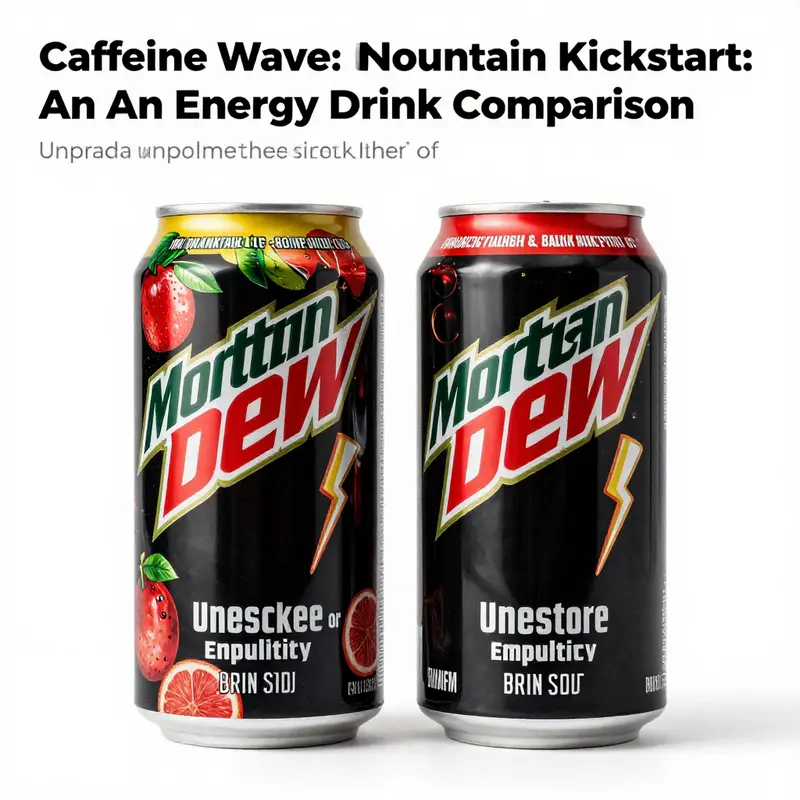
Few beverage categories linger at the intersection of everyday refreshment and cognitive edge like citrus-flavored energy drinks. They promise a lift without the heavy jolt of the most potent formulas, a balance that appeals to young adults juggling classes, deadlines, and social lives. In the broader lineup of a well-known soda brand, the standard, non-boosted option carries about 55 milligrams of caffeine per 12-ounce serving. In contrast, a mid-range, higher-caffeine variant—a variant designed to preserve flavor while offering a more noticeable mental nudge—delivers roughly 90 to 92 milligrams of caffeine per 16-ounce can. Those numbers position it squarely between a modest energy uptick and the steeper elevations found in many other energy-focused beverages. If we think of caffeine as a dimmer switch for alertness, this mid-range option sits at a steady channel, high enough to sharpen focus for tasks and commutes, yet not so intense that it shakes the user awake in a way that feels rapid or jittery. In a market that ranges from everyday sodas to specialized energy drinks, this middle ground has proven attractive to readers who want longer-lasting attention without a caffeine avalanche.
To understand why this mid-range option resonates, it helps to place its caffeine content in context. A standard eight-ounce cup of brewed coffee typically contains around 95 milligrams of caffeine, give or take based on grind, brew time, and bean. In other words, a 16-ounce can of the higher-caffeine citrus beverage provides about as much caffeine as a standard cup and a half of coffee, or a bit less, depending on the exact coffee preparation. This relative positioning matters because it affects how consumers pace their intake across a day. The mid-range formula is not the most potently caffeinated product on shelves, but it offers a reliable, consistent lift that can sustain attention during long study sessions, a late-afternoon stretch at the desk, or a workout warm-up where a crisp mental edge complements physical energy.
Flavor is inseparable from function in this segment. The appealing profile—bright pineapple, citrusy orange, and tropical mango notes—contributes to a perception of refreshment that makes the drink feel lighter than some high-caffeine competitors. In practice, the flavor helps mask the intensity of the caffeine for many tasters, allowing the beverage to feel approachable rather than harsh. The product’s formulation doesn’t rely solely on caffeine to deliver its effect; it includes vitamins B and C as well, hooks that position the drink as contributing to daily wellness rather than simply delivering a burst of energy. A subtle facet is the juice content in some versions—often around 5 to 10 percent—providing a natural taste element that can soften edge and sweetness, producing a more balanced sensory experience.
This is where the broader marketing narrative begins to matter as much as the numbers. In late 2024, the brand behind this line reimagined its visual identity, revisiting design elements first popular in the mid-1990s while weaving in modern landscapes and a sense of natural vitality. The refresh is more than cosmetic; it signals a deliberate shift to evoke a sense of authenticity, outdoor energy, and a focus on the lifestyle values of a new generation. That branding shift matters because perception often informs how people interpret the caffeine signal itself. If the packaging communicates a blend of vigor and natural imagery, readers may interpret the caffeine content as a component of a well-rounded energy strategy rather than a chemical rush. It’s a marketing echo of a broader cultural conversation about energy, health, and taste—a conversation that continues to evolve as consumer expectations shift toward flavor-forward, lower-calorie options that still deliver reliable cognitive support.
Caffeine, of course, is only part of the story. The mid-range option’s calorie count—around 80 calories per 16-ounce can—also plays a decisive role in consumer choice, especially for those who monitor daily intake. For many, the appeal rests on balancing energy with a lighter overall nutritional footprint. The presence of 5 percent juice in certain versions contributes a touch of natural sweetness and a hint of fruit character, which helps reduce the perceived heaviness that sometimes accompanies caffeinated beverages that rely on sugar alone. In practical terms, this can translate to a more palatable experience over the course of a workday or a study session, where the drink becomes less of a “caffeine delivery system” and more of a taste-forward, refreshing pick-me-up.
This nuanced balance is also reflected in how the product positions itself against a broad spectrum of caffeinated beverages. Without naming competitors, it’s fair to say that the market offers a wide range—from lighter sodas with modest caffeine levels to potent energy drinks designed for rapid, intense effects. The mid-range citrus option sits in a careful middle ground: it’s strong enough to support alertness and sustained attention, but not so intense that it triggers a rapid onset or heavy aftertaste. For many users—students, professionals, and weekend athletes alike—that steady, dependable lift ends up being more compatible with daily routines than a sharper, more aggressive stimulant. The flavor profile supports this stance, because the taste can be enjoyed over longer periods, encouraging steady sipping rather than a single, rapid chug that might amplify jitters or a caffeine crash later on.
In a broader sense, this mid-range approach reflects a practical philosophy about caffeine in popular beverages. Caffeine is a tool for focus, not a performance enhancement that must feel like a sprint. The ability to cradle wakefulness over hours requires a combination of chemical potency, flavor, and accompanying nutrients that help the body metabolize the stimulant without undue stress. Vitamins B and C contribute to the sense that the drink carries more than just caffeine; they offer a daily nutrient touchpoint that aligns with wellness-conscious consumer narratives. The juice content further reinforces this alignment by introducing a natural flavor depth that pairs well with the caffeine’s bite, making the experience feel balanced rather than purely functional.
As readers consider whether such a beverage belongs in their daily routine, it’s helpful to acknowledge how consumption patterns shape its value. A can of the mid-range citrus drink is an easy, portable option for a mid-afternoon lift or a pre-workout nudge. It’s not designed to replace sleep or water intake, nor to substitute a well-rounded diet. Instead, it offers a practical caffeine delivery method that fits into a broader balance of hydration, nutrition, and rest. For those who track intake, the numbers present a straightforward framework: a single 16-ounce can provides a caffeine amount comparable to a typical cup-and-a-half of coffee, with a calorie count modest enough to keep daily totals in check when consumed as part of a varied beverage lineup. The vitamins add a familiar, everyday nutrition touch, which can make the drink feel less like a guilty pleasure and more like a small, mindful component of a focused day.
From a consumer behavior perspective, the choice to opt for a mid-range option often hinges on taste experience as much as caffeine content. The flavor profile matters because it directly influences whether the user will reach for this beverage again tomorrow. If the taste is bright and satisfying, the user is more likely to incorporate the drink into a regular routine, thereby turning caffeine into a predictable ally rather than a surprising disruptor. The 80-calorie count helps here, reducing the perception of the drink as an indulgence and supporting a sense of moderation. In this light, the mid-range citrus option becomes less about chasing the strongest possible stimulus and more about achieving a reliable, daytime-ready energy lift that harmonizes with food, work, and exercise.
To illustrate how this category fits within a broader landscape, consider the caffeine content in other common beverages. A standard 8-ounce cup of coffee sits just under 100 milligrams of caffeine, while many high-energy beverages pack far more—often in the 150 to 160 milligram range for similar 16-ounce servings. In that spectrum, the citrus mid-range option offers a comfortable middle ground. It is potent enough to support concentration through tasks that require sustained attention, yet controlled enough to avoid the abrupt spikes and the subsequent crashes that can accompany more extreme caffeine profiles. For shoppers whose priorities include flavor, calories, and a gentle extension of alertness, that middle ground can become a preferred default. It’s a practical choice in a world where time pressures frequently demand both mental clarity and calendar-friendly, tangible health-consciousness.
This balanced proposition is not merely about the chemistry of caffeine or the chemistry of taste; it’s about how brands communicate a lifestyle through a seemingly simple product. The 2024 branding refresh—reminiscent of a retro architectural language and framed by natural imagery—speaks to a broader consumer appetite for authenticity and outdoor-minded vitality. The packaging tells a story of energy that’s not about excess but about sustainable momentum. It invites consumers to see the drink as a companion for daily rituals rather than a one-off indulgence. If the packaging promises a daylit sense of momentum, the caffeine content then delivers the practical capacity to sustain that momentum through multiple hours. It’s a synergy of perception and physiology, with taste sealing the experience.
Within this narrative, there is also a conversation about accessibility and inclusivity. Caffeine affects individuals differently, depending on genetics, tolerance, and overall health. The mid-range option, by offering a moderate caffeine dose, provides a more broadly tolerable option for a wider audience. It serves as a baseline for those who want a reliable lift without needing to calibrate their intake to avoid overstimulation. For people who are more caffeine-sensitive or who are watching their daily total, this can become a practical default—an everyday choice that respects personal limits while still delivering a meaningful cognitive edge. At the same time, the vitamins and the fruit-forward flavor profile broaden its appeal beyond the stereotype of a purely functional stimulant. It becomes, for many, a beverage that fits into a healthy lifestyle narrative rather than something that conflicts with it.
For researchers and curious readers who want to dig deeper into the caffeine landscape of this segment, there is a tangible, accessible reference point that maps caffeine content across products within the same family. See the detailed breakdown that discusses caffeine content in this line and how it compares to other caffeinated beverages. It offers a practical framework for understanding where the mid-range option sits in the hierarchy of energy delivery, taste, and nutrition. This kind of comparison matters for consumers who prefer to make informed choices rather than rely on instinct or marketing promises alone. Linking to that resource provides a grounded, evidence-based view that complements the lived experiences of people who rely on such beverages for focus and stamina. For readers who want a direct path to a deeper numerical understanding, this reference serves as a solid anchor that helps translate taste and branding into measurable effects and daily choices.
For readers seeking a quick, practical takeaway, the middle-ground citrus option represents a thoughtful compromise between flavor, calories, and caffeine. It offers a steady, manageable lift that many will experience as sustained focus rather than an abrupt rush. The combination of caffeine, vitamins, and a fruit-forward flavor profile helps this beverage carve out a niche in a crowded market. It is not about delivering the strongest possible caffeine hit, but rather about delivering a reliable, pleasant experience that can become part of a daily routine—whether cramming for exams, preparing for late-night work shifts, or training for an afternoon workout. The branding refresh supports this narrative by reinforcing the association between energy, nature, and a balanced lifestyle, encouraging consumers to perceive the drink as a practical ally rather than a mere stimulant. In this sense, the mid-range option speaks to a broader shift in consumer expectations: energy products that are tasty, healthy-seeming, and easy to integrate into a busy day.
For those who want a concise, action-oriented takeaway, consider the following: if you value a caffeine boost that is clearly noticeable but not overpowering, with a refreshing fruit motif and a relatively light calorie load, this mid-range citrus beverage is a viable option. Its caffeine level sits comfortably between a standard cup of coffee and the higher-end energy formulas, offering a dependable degree of mental sharpness without the intensity that can accompany more extreme formulations. The taste profile helps sustain this experience over time, and the packaging refresh reinforces the sense that the product is part of a modern, outdoor-inspired lifestyle rather than a one-note stimulant. If you are curious about how this particular line stacks up against other caffeinated beverages in real-world use, a deeper dive into numerical comparisons can provide a clearer map for your daily caffeine decisions. See the linked resource for a detailed breakdown of caffeine content across the Mountain Dew family and related beverages.
To explore that numerical landscape more directly, you can consult the detailed overview focused on caffeine content within this beverage family. It offers a precise, side-by-side sense of where the mid-range option lands in relation to coffee and other caffeinated beverages, helping readers translate flavor choices into caffeine realities. caffeine-content-mt-dew
External reference: for a product-level specification and a consumer-facing listing that confirms caffeine amounts, ingredients, and nutritional facts, see the official product page on the retailer platform: https://www.amazon.com/dp/B08YXZKQFJ. This external resource provides a concrete data point to accompany the narrative, grounding the discussion in verifiable, user-facing information.
null
null
Caffeine Pulse: How a High-Energy Citrus Soda Shapes Consumer Desires and Market Momentum
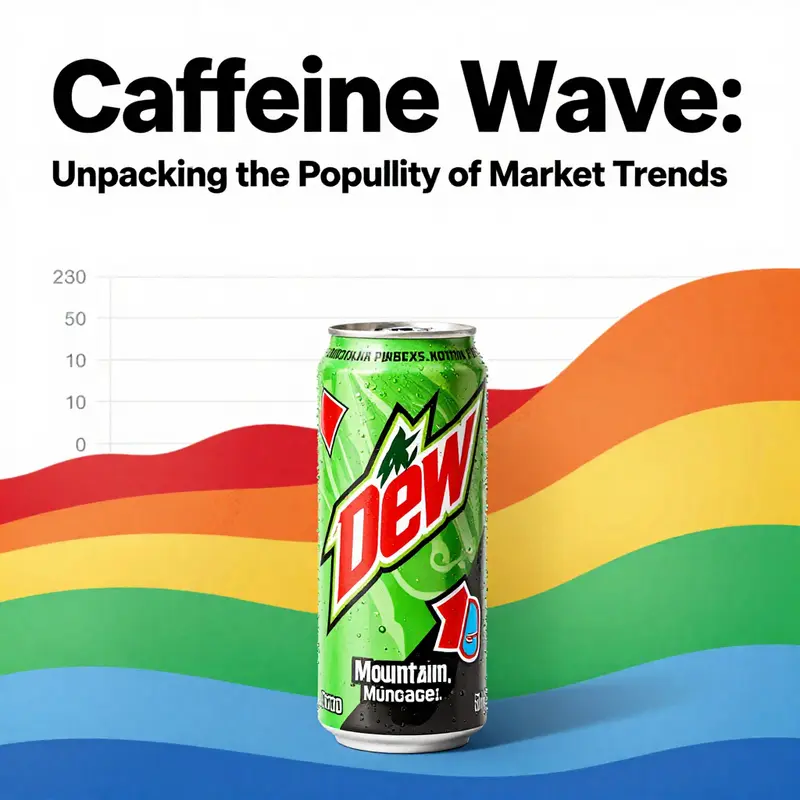
Caffeine sits at the heart of the citrus energy beverage category, a trait that has long defined its appeal and its promise. In the crowded aisles of mainstream refreshment, the ability to deliver a quick, noticeable lift without a trip to the coffee urn has proven irresistible to a generation that values speed, focus, and a sense of play. The standard formulation in this segment registers a caffeine content around fifty-four to fifty-five milligrams per typical 12-ounce serving, a level that places it in the upper tier of non-coffee soft drinks. That figure matters because it signals a clear positioning: this is not merely a flavored fizz; it is an energy-leaning option that can accompany late-night study sessions, marathon gaming, or long shifts where alertness is a critical asset. For many young consumers, caffeine is less a separate ingredient than a defining attribute of the product experience, a characteristic that blends with flavor, branding, and the practicalities of daily life. When a beverage can combine taste with a reliable lift, it becomes more than a refreshment; it becomes a tool for momentum.
The emphasis on caffeine content is not a one-dimensional story about numbers. It shapes expectations, influences purchasing decisions, and underpins a broader marketing narrative that the category has refined over years. The caffeine-to-flavor equation is seldom linear; it is a balancing act where the taste profile must still feel satisfying even as the caffeine delivers its glint of energy. In practice, this means crafting a profile that lands cleanly on the palate while offering enough bite to be perceived as effective. The result is a brand proposition that resonates with gamers, desk-bound workers, students, and anyone who wants a quick reset to attention without interrupting the tempo of their day. In a landscape where many beverages tout wellness benefits or natural ingredients, the energy soda retains a distinct advantage: it foregrounds a straightforward, tangible payoff—alertness—without asking the consumer to compromise on flavor or refreshment.
As a marker of scale, the category’s leadership has also pursued broader global strategies that reflect a growing appetite for standardized caffeine concepts across markets. A recent regional reformulation initiative in a major consumer market demonstrates the push to align with international expectations for caffeine content in high-energy beverages. This reformulation signals a broader trend: the global demand for reliably caffeinated beverages that meet evolving regulatory and cultural expectations while maintaining a recognizable flavor and brand personality. The move underscores a broader shift toward energy-forward beverages that can travel across borders with minimal compromise, a trend that reflects both consumer curiosity and corporate ambition. In practice, the focus is not only on how much caffeine a drink delivers but on how that lift is perceived in relation to taste, sugar content, and ingredient transparency. The goal is to offer a product that feels honest about its energy proposition, relevant in markets with divergent sensitivities to caffeine, and capable of maintaining consistency across a global portfolio.
The category’s evolution is inseparable from the way it markets itself to new generations. A branding refresh carried out by the parent company in late 2024 revisited a familiar visual language from the mid-1990s, reintroducing design cues that evoke a sense of nostalgia while integrating contemporary visuals. The refreshed look leans into natural landscapes and bold, kinetic imagery, an approach designed to signal both heritage and modernity. This fusion of old and new serves a strategic purpose: it speaks to a generation that is simultaneously drawn to retro aesthetics and tuned to the present moment’s fast-paced, image-forward culture. The messaging aligns with the broader intent of the category—to be seen not merely as a drink, but as a lifestyle companion that supports focus, energy, and momentum in the moments that count. The visual modernization is not just cosmetic. It communicates a commitment to a recognizable energy identity that can travel globally while remaining true to its core sensory and functional promises. The branding decisions, in other words, are as much about consumer psychology as about taste propulsion, and they underscore how closely marketing and product design are intertwined in shaping preference.
Beyond the branding narrative, the market dynamics reveal a persistent consumer appetite for functional beverages, with high-caffeine options occupying a distinctive niche within the broader non-alcoholic segment. The appeal is not limited to a single activity but spans a spectrum of consumer experiences. For many, the lift provided by caffeine complements the social and digital ecosystems in which young people spend substantial time. This is a population for whom attention, reaction speed, and sustained mental clarity can translate into everyday success, whether in a classroom, a streaming session, or a campus turf where collaboration and competition coexist. The energy-forward positioning helps explain why these beverages maintain a steady presence on shelves and in online carts, even as health-conscious discourse continues to demand transparency around sugar, calories, and natural ingredient sourcing. The tension between energy and wellness is real, yet the category has so far managed to preserve its core value proposition by balancing potency with flavor integrity and by narrating a clear use-case: a fast, dependable lift that fits the rhythm of modern life.
A key element of the ongoing market narrative is the tension between simplicity and flavor exploration. The core product remains the dominant workhorse, yet consumer interest in new taste experiences and limited editions persists. What drives these innovations is not whimsy but a methodical, data-informed process. Social media sentiment analysis, consumer focus groups, and regional sales performance feed into a disciplined experimentation cycle. The aim is to expand the sensory repertoire without diluting the energy promise. In practice, this means testing bold, seasonally inspired flavor concepts that can create a sense of novelty and urgency, driving short-term demand while reinforcing long-term loyalty to the category. The strategy recognizes that taste diversity can be a catalyst for trial and repeat purchase, especially when the energy attribute remains clearly identifiable and reliable. The result is a dynamic product line that can respond to regional preferences and global trends without compromising the core perception of energy and focus.
The narrative around taste and energy is not static. As health consciousness rises, so does scrutiny of sugar content and ingredient transparency. Market observers note a growing expectation that brands balance the intensity of the caffeine lift with clearer labeling, possible reductions in sugar, and a more overt accounting of ingredients. In this climate, the category’s leadership faces a dual mandate: preserve the quick-acting energy that has defined the experience and respond to consumers who want safer, simpler, and more straightforward formulations. This is not a retreat from energy but a recalibration to ensure that the category remains credible and attractive to a generation that can access information instantaneously and demands honesty in product storytelling. The path forward, in turn, will likely involve ongoing optimization of the sugar-to-flavor equation, continued attention to ingredient transparency, and marketing that ties the energy experience to concrete, relatable scenarios—gaming sessions that demand precision, long study nights that require stamina, or work shifts that hinge on a steady pulse of alertness.
Within this evolving framework, it is worth noting how the external landscape interacts with internal product development. The Australian market’s 2026 reformulation, designed to harmonize with international standards for caffeine content, exemplifies how regional regulatory contexts shape global product strategies. This alignment is more than a compliance exercise; it is a signal of the category’s maturity and its readiness to serve a global audience with a consistent energy proposition. When a regional edition adjusts its caffeine levels to meet standards while maintaining a familiar taste profile, it reinforces a broader message: energy beverages can scale across cultures if the core energy signal remains intact and the flavor language remains accessible. The result is a more cohesive global narrative in which energy remains the through line, but the packaging, messaging, and formula can flexibly accommodate local expectations without sacrificing cross-market recognition.
For readers seeking a concrete sense of how caffeine content intersects with consumer choice, the literature and industry updates point to a consistent pattern: high-caffeine beverages attract a specific demographic that values alertness and quick, reliable performance. Yet this same demographic is increasingly attentive to how such products communicate their energy claims. The most persuasive brands are those that deliver a straightforward lift while also offering clarity about sugar, calories, and the source of caffeine. In practical terms, this translates into packaging and marketing that speak to real-life use cases—studies, gaming marathons, late-night work sessions—without sensationalism. The narrative is not merely about caffeine as a statistic; it is about caffeine as a functional signal that a consumer can trust to support focus when needed most. This trust is reinforced by branding that blends nostalgia with modernity, ensuring that the product feels both familiar and exciting to a new generation of shoppers.
For those who want a concise snapshot of how high-caffeine formulations shape consumer choices, one can explore a focused resource that examines caffeine content in this category and its implications for taste and behavior. caffeine-content-mt-dew offers a lens on how caffeine levels correlate with perceived effectiveness, flavor satisfaction, and repeat purchase dynamics. This link exemplifies how data-driven analysis can illuminate the interplay between energy, taste, and consumer expectations, even as the broader market continues to experiment with seasonal flavors and regional variations. The intradomain dialogue between caffeine intensity and flavor clarity remains central to understanding why these beverages attract a steady following among a youthful audience that treats energy as a portable asset rather than a luxury.
External research and industry commentary reinforce the sense that the category’s trajectory will rely on two intertwined paths: sustaining a robust energy signal and cultivating credibility through ingredient transparency and responsible formulation. The energy claim must stay legible in a crowded, ingredient-conscious marketplace. Meanwhile, brands will need to balance taste variety with a predictable lift, ensuring that new flavors do not dilute the core experience. In this sense, the chapter’s central question is not only how much caffeine a drink contains, but how that caffeine integrates with flavor, labeling, and brand identity in a global, fast-moving cultural landscape. The answer lies in a careful choreography of product development, market testing, and design that can bridge the gap between nostalgic resonance and contemporary expectations. The outcome is a dynamic, responsive category that can entertain new preferences while preserving the essential energy promise that has defined it from the start.
External reading and policy considerations aside, the consumer-facing narrative remains clear: for a growing cohort of young adults who value efficiency, a high-caffeine, flavorful option can serve as a dependable companion. The appeal is anchored in sensory satisfaction and a reliable lift, but it is amplified by a branding ecosystem that honors heritage while embracing change. As the market continues to evolve, expect continued experimentation with formulation and presentation, guided by consumer feedback, regulatory developments, and a global push toward standardized energy expectations that make cross-border adoption smoother. The result will likely be a better-aligned product family—one that treats caffeine not as a mere additive, but as a carefully managed element of a broader lifestyle proposition.
External Resource: For broader context on how the category engages with the market and the media landscape, you can explore industry-facing discussions and brand storytelling at http://www.mountaindew.com.
Final thoughts
Mountain Dew’s strategic caffeine integration has carved a niche in a competitive beverage landscape, capturing the interests of a youthful demographic eager for both refreshment and alertness. As we’ve examined the intricate details of its caffeine content and brand evolution, it’s evident that Mountain Dew’s adaptive strategies and innovative marketing will continue to resonate with consumers. Business owners should take these insights into account, leveraging the brand’s strengths to potentially enhance their offerings in energy and refreshment sectors.