
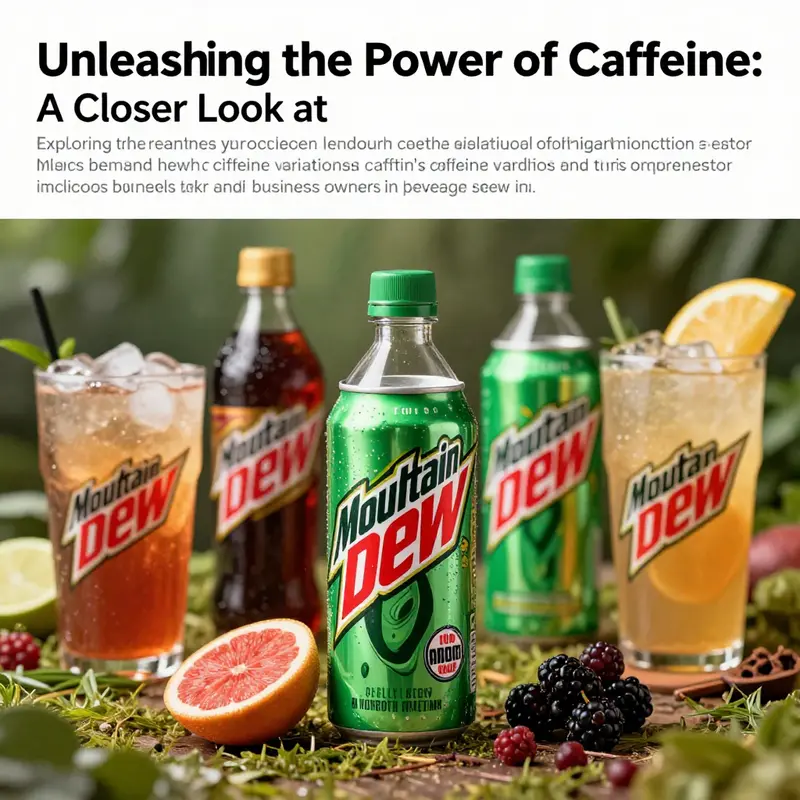
Mountain Dew stands as a major player in the caffeinated beverage market, and understanding its various caffeine levels is essential for business owners. As Mountain Dew has diversified its offerings with its classic varieties and higher-caffeine options like Kickstart, each product meets different consumer needs. This article investigates the caffeine content variations in Mountain Dew, delves into the impact of its Kickstart series, reflects on its brand evolution, considers health implications of its caffeine consumption, and analyzes current market trends and consumer preferences. Together, these insights provide a comprehensive view of Mountain Dew’s caffeine strategy and its relevance in the soft drink industry today.
Buzz by the Bottle: Mapping Caffeine Across Mountain Dew and Its Flavors
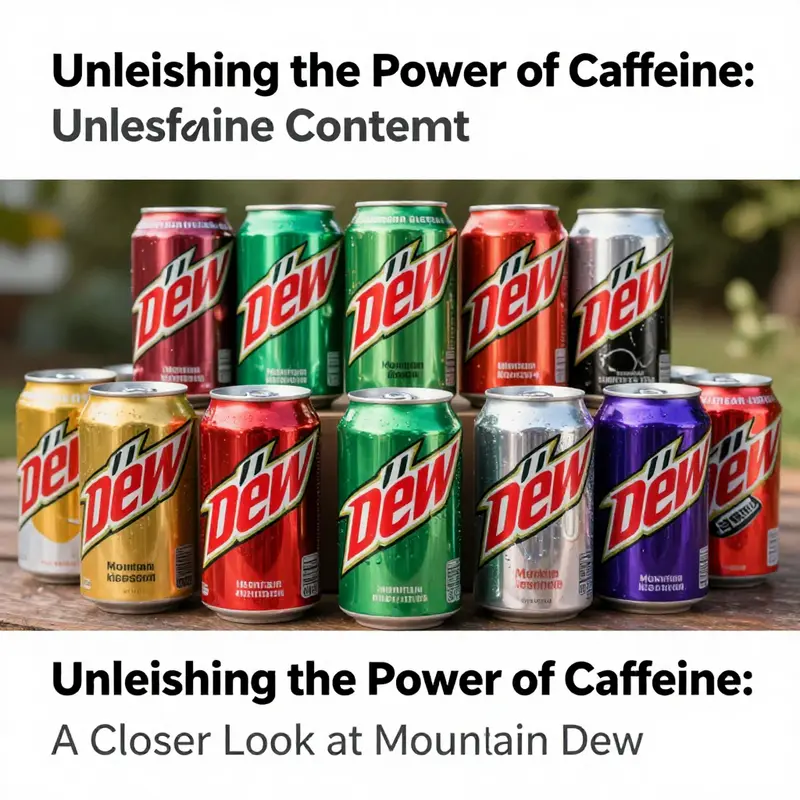
Caffeine has a way of turning a cold drink into a moment of momentum, and within the citrus-forward universe of Mountain Dew, that momentum is part of the brand’s identity as much as its lemon-lime snap and its signature bubble. The conversation about how much caffeine sits in a can or a bottle is not merely about numbers; it’s about how a product positions itself in a crowded market, how it supports a user’s daily rhythm, and how the consumer’s taste preferences intersect with a desire for a reliable lift. For regular Mountain Dew, the baseline is roughly 55 milligrams of caffeine per 12-ounce serving. That specific figure, once the standard the brand has carried for years, has become a touchstone for many fans and a reference point when they compare this citrusy vessel to other caffeinated options. The consistency across the core line—Original Mountain Dew and Code Red, for instance—sits at about 54 to 55 milligrams per 12-ounce serving, a range that signals not just flavor similarity but a predictable caffeinated profile that fans can count on. This consistency matters in a category where the range of caffeine options is wide and the expectations of energy can be highly individualized. When people discuss a “Mountain Dew buzz,” they are often capturing a blend of taste and caffeine that feels dependable rather than erratic, a sense that the drink has a fixed role in a busy day rather than a gamble on the effect being wildly variable. In this way, the numbers anchor a broader narrative about the brand’s approach to caffeination: a steady, recognizable lift that complements the product’s bold flavor rather than delivering a chaotic energy surge. The 55 mg baseline thus becomes a cultural marker of the product’s reputation for a quick, flavorful energy recharge, a reputation reinforced by the brand’s ongoing product evolution rather than a sudden shift in formulation.
Yet Mountain Dew does not rest on a single caffeinated niche. The brand’s Kickstart line, designed explicitly for higher caffeine intake, marks a deliberate shift in how caffeination can be dialed up without straying far from the familiar sweetness and acidity that define the Dew family. A 16-ounce Kickstart can contains about 92 milligrams of caffeine. That figure places Kickstart squarely in the domain of beverages intended for brisk, sustained alertness, making it a popular option for individuals who need more caffeine per ounce in a single, flavorful package. The higher caffeine content is paired with added vitamins B and C, as well as 5 percent juice content, a formulation strategy that sweetens the deal for some consumers while underscoring that this line is a different category within the Mountain Dew ecosystem. The existence of this higher-caffeine variant demonstrates that the brand understands its audience does not always want the same amount of energy from the same flavor profile. It’s a deliberate segmentation, not a random variation, and it reflects a broader trend in caffeinated beverages where flavor, vitamin content, and fruit juice incorporation can coexist with a higher caffeine payload.
As the product family expands, the flavor map remains entwined with the caffeine map. The Original Mountain Dew maintains its citrus backbone—a bright, lemon-lime core with subtle grapefruit notes—while Code Red introduces a sweeter cherry-citrus fusion that still rides the same carbonation backbone. Live Wire, the Wild Orange offering, channels a different fruit profile, yet it preserves the characteristic effervescence and the brand’s overall caffeinated framework. In practice, this means that regardless of taste direction, the caffeine content in the standard variants tends to cluster around the mid-50s per 12-ounce serving. The uniformity across these flavors helps consumers calibrate their intake, enabling a quick mental calculation when they reach for a can during a work break, a workout, or a late-night study session. It is, in a way, a quiet design principle: flavor exploration without sacrificing predictability in caffeine exposure.
Behind the scenes, the formulation of Mountain Dew’s caffeine content is guided by nutrition and regulatory considerations, but it is also steered by brand storytelling. The brand’s decision to maintain a consistent caffeine level across most standard variants reflects an emphasis on reliability. In a beverage landscape where some brands experiment with abrupt shifts in caffeine to drive short-term buzz, Mountain Dew’s approach leans toward a stable consumer experience. The steady profil e supports a long-term relationship with the product, a relationship built on the memory of taste and a dependable lift rather than the thrill of an unpredictable caffeine spike. The result is a product line that can feel both familiar and adventurous at once—the familiar in flavor, the adventurous in choosing between a mid-range lift and a higher-energy alternative.
Context matters, too, when considering how caffeine content interacts with consumer choice. For many fans, the decision to pick a standard Mountain Dew versus Kickstart is not only about how much caffeine they want but about the overall sensory and functional experience. A 12-ounce can of the standard line delivers a recognizable energy boost aligned with a classic flavor profile, enabling a quick, confident pick-me-up. The Kickstart option, by contrast, is a strategic choice when greater caffeination is desirable, perhaps paired with a morning routine, a late-afternoon project sprint, or a post-work workout session where a stronger lift feels warranted. The interplay between flavor identity and caffeine level is where the brand’s product architecture reveals its sophistication: caffeine content is not merely a number but a signal that helps consumers navigate a spectrum of energy needs without stepping outside a coherent brand universe.
From a consumer behavior perspective, the consistency of the baseline caffeine in the regular line is comforting. It reduces the cognitive load of deciding how much caffeine you will ingest with every can. If someone has a preferred rhythm—two regular Mountain Dew can sessions a day, for example—the predictable 55 mg per can becomes a reliable metric. Conversely, those seeking a more pronounced effect may naturally gravitate toward Kickstart. The higher caffeine content is a practical tool that empowers choice, aligning energy needs with flavor expectations without forcing a switch to a wholly different beverage category. The broader implications extend into how the brand positions itself in a dynamic beverage market that includes tea, coffee-based drinks, sodas with added energy, and cross-category alternatives. The Mountain Dew hierarchy—standard flavor lineup with a steady caffeine baseline, complemented by high-caffeine variants and fruit-forward innovations—offers a nuanced narrative about how a legacy brand remains relevant in a fast-evolving landscape.
For readers who want to dive deeper into the exact formulation details of various Mountain Dew flavors, a concise overview can be found in dedicated product information resources that lay out caffeine levels alongside ingredient disclosures. This precise data is essential for anyone who tracks caffeine exposure, whether for health monitoring, athletic performance planning, or simply personal curiosity about how much energy a particular can delivers. The consistency across the core flavors, coupled with selective variation in higher-caffeine lines, reveals a deliberate balancing act. It respects the taste identity fans expect while accommodating different consumer needs, a balance that is difficult to achieve when a brand operates across multiple product formats and regional markets. In this way, Mountain Dew’s caffeine story mirrors a broader industry pattern: brands who want to widen appeal without sacrificing core identity must craft offerings that speak to both tradition and experimentation.
If you would like to explore a more technical breakdown of caffeine content across Mountain Dew’s broader lineup and compare it with similar beverages, see the detailed analysis at caffeine-content-mt-dew. This reference provides a structured look at how caffeine content is distributed across the flagship variants and how those numbers align with consumer expectations. While numbers guide perception, the taste experience remains central—the sharp citrus zing, the carbonation 팝, and the satisfying finish that makes a can feel like part of a routine rather than a one-off decision. The interplay between science and flavor is the quiet engine behind the brand’s enduring appeal, and understanding caffeine levels is a practical doorway into that larger narrative.
As the beverage landscape continues to evolve—with new flavors and line extensions riding the momentum of branding refreshes and market demand—the caffeine conversation remains a constant frame for evaluating what a given Mountain Dew delivers. The brand’s 2022 Baja Blast expansions and 2025 energy-focused directions illustrate how caffeination can be leveraged to broaden scope while preserving a recognizable taste signature. The Oct. 2024 branding refresh, echoing a 1996-era logo, reinforces a narrative of outdoorsy endurance and a rugged, nature-inspired ethos that complements the energy-forward persona of Mountain Dew. In that light, caffeine content becomes not only a numeric measure but a piece of a larger storytelling puzzle about vitality, flavor, and the rhythms of modern life. The result is a beverage family that can be both comforting and exhilarating, a combination that reflects how people actually use caffeinated drinks: as tools to navigate the day, to enhance focus, to celebrate taste, and to satisfy a craving for something bright and bold.
External resource: https://www.pepsico.com/products/mountain-dew
Beyond the Buzz: Tracing Caffeine, Flavor, and Habit in a Higher-Caffeine Citrus Beverage Line
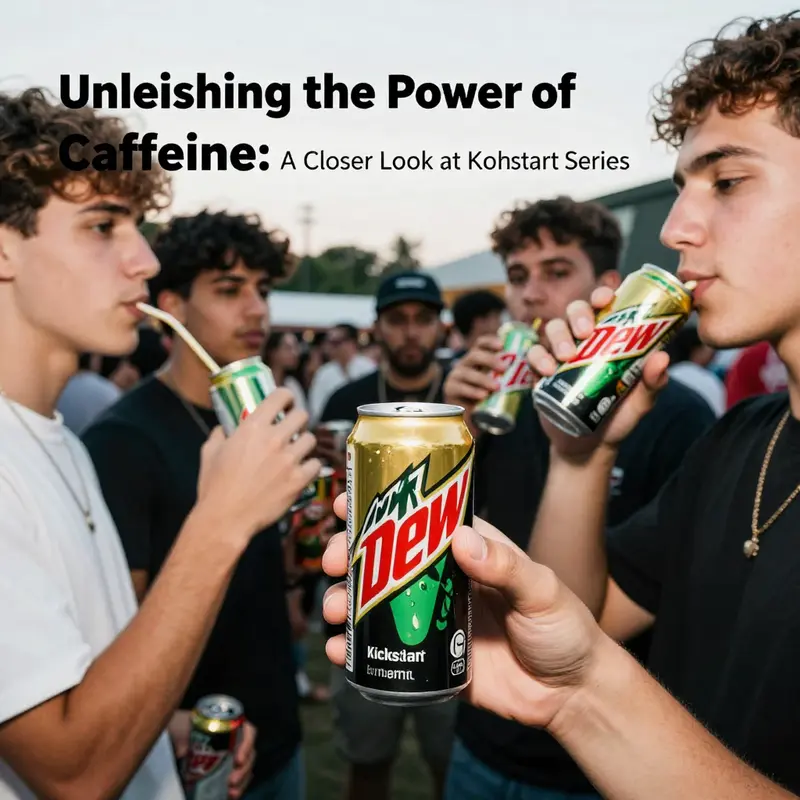
A higher-caffeine citrus-forward beverage line from a major soft drink brand sits at an interesting intersection of taste, energy, and daily ritual. It isn’t just about waking up; it is about how caffeine is packaged, flavored, and positioned to ride the momentum of a crowded beverage landscape while inviting a broader audience to rethink how they energize their days. The caffeine dose in this line sits in a careful middle ground: enough to feel the lift, but not so excessive that it demands a fixed morning routine or a parallel addiction to coffee. In this sense, the product becomes a focal point for understanding how contemporary caffeinated beverages balance taste with stimulation, and how consumers negotiate the line between a refreshing pick-me-up and a reliable cognitive boost.
From a formulation standpoint, the line aims to deliver a noticeable alertness without the extremes of higher-energy products. The caffeine content lands in the 90-92 milligram range per a 16-ounce serving, a level that many adults will recognize as approaching a strong cup of coffee. That equivalence is meaningful because it reframes how people think about energy. Coffee has long tethered caffeine to focus and wakefulness; a packaged citrus beverage seeking to rival that effect with a sweeter, fruit-forward profile invites a broader audience—students, professionals, parents, and shift workers—who want a crisp, on-the-go option that tastes less like a ritual and more like a convenient, daytime companion. The flavor profile matters here as much as the caffeine count. A bright, fruity canvas can make a lift feel lighter and more approachable, reducing the friction that some people encounter when they reach for coffee or traditional energy drinks.
Yet the figure of 90-something milligrams is not merely a counting exercise. It sits alongside a broader nutrition story that positions the beverage as a functional choice rather than a mere flavor experience. A 16-ounce can carries about 80 calories, and the composition includes a modest portion of real fruit juice—roughly 5 to 10 percent—along with added vitamins B and C. This blend matters because it signals a marketing move that can resonate with consumers who want something that feels a bit more nourishing than a straight sugar/soda punch. It is not a health claim festival, but rather a framing that the product can slot into mornings, commutes, or mid-afternoon slumps as a practical option rather than a guilty indulgence. The presence of juice and vitamins creates a perception of added value that complements the caffeine lift, even if the primary purpose remains energy and focus.
For many shoppers, the daily rhythm of caffeine intake often begins with coffee but quickly expands to include other sources. In this context, the higher-caffeine citrus line is positioned as a bridge between a beverage that is primarily refreshing and one that is primarily energizing. It offers a familiar flavor canvas—the citrus note that many associate with a bright start to the day—paired with a measurable caffeine increment that can sustain attention through a stretch of tasks or a long drive. The practical takeaway for consumers is not simply the number on the can but the repeatable experience: a drink that provides a consistent lift with less perceived heaviness than a heavy energy formula and less immediate sugar-driven energy crash than some traditional sodas. The practical benefit cited by many users is a steadier focus during the initial work or study hours, a perceived alignment with productivity without the jittery edge that sometimes accompanies higher-caffeine or higher-sugar options.
Feedback from consumers—gleaned from online reviews and community discussion—paints a nuanced picture. Many readers report that the lift is smooth and manageable, a favorable balance between alertness and the end of the sugar rush. They appreciate the flavor profile for its fruity brightness, which can make the caffeine feel more approachable and less clinical. The sentiment often pairs the taste with packaging that feels convenient for an on-the-go lifestyle: a sizeable 16-ounce can that travels well in a bag or a car cup holder, and a form factor that reinforces a quick, at-a-glance energy solution. However, not all feedback is uniformly positive. Some consumers express concern about the ease with which energy-focused beverages can slip into habitual use, especially when the taste is appealing and the packaging is handy. The conversation around habit formation, dependency, and daily intake remains a persistent thread in the broader discourse about caffeinated beverages. In that sense, the line functions as a case study in how modern caffeinated drinks must walk the line between enjoyable flavor and responsible consumption.
The broader market context helps explain why this line matters beyond individual taste and caffeine cravings. The beverage landscape continues to expand with new flavor territories, crossovers into juice-plus formulations, and even energy-oriented lines teased for younger audiences. The shift toward branding that nods to heritage and outdoor storytelling—evident in a 2024 refresh that echoes a 1990s-era logo aesthetic—speaks to a strategy that treats energy as an experience rather than just a chemical incentive. By reviving a logo that invokes nature and outdoorsy adventure, the brand signals that energy has a social and aspirational dimension. This narrative aligns with consumer desires for beverages that feel authentic, vibrant, and integral to an active lifestyle. It is not only about what the drink does on a chemical level but also about what it represents in daily life—the idea that an elixir of caffeine can coexist with outdoor exploration and a sense of vitality.
In practice, the line invites a particular kind of routine. It becomes part of a morning cadence for some, a mid-moments boost for others, and a social ritual for still more. The caffeine dose is carefully calibrated to support alertness without creating the kind of sharp, rapid peak-and-crash cycle that some energy products can induce. The fruity notes and lower calorie count help position the drink as a lighter alternative to more indulgent energy formats, which may be appealing to individuals seeking to manage total daily intake without sacrificing momentum. This nuanced positioning matters in today’s crowded market, where many consumers are weighing taste, perceived healthfulness, and the reliability of a lift when they reach for a bottle or can.
From a consumer education perspective, it is important to acknowledge that sensitivity to caffeine varies widely. The Mayo Clinic’s general guidance places a safe daily intake ceiling for most healthy adults around 400 milligrams. In this context, a single 16-ounce can of the higher-caffeine line represents roughly 23 to 25 percent of that limit. For individuals who metabolize caffeine more slowly, or for those who use caffeine late in the day, even this moderate amount can affect sleep patterns or cause jitteriness. The messaging around this product, therefore, benefits from clear guidance about timing and personal tolerance. In practice, that means encouraging mindful consumption—enjoying the lift when it serves a purpose, while avoiding late-afternoon or evening use that could interfere with rest. It also means recognizing that while this line can support focus and momentum, it should be integrated into a larger pattern of daily caffeine sources and sleep hygiene rather than treated as a sole performance hack.
For brands and researchers tracking consumer behavior, the Kickstart-style line offers a unique lens on how flavor, caffeine, and form factor interact to shape usage habits. The flavor-forward approach lowers the barrier to experiment with higher caffeine without surrendering taste. The package size, real-juice content, and vitamin fortification contribute to a perception of balance—an energy drink that is not purely a stimulant but a small, flavorful daily ally. In terms of habit formation, this translates into a potential for routine consistency: a familiar flavor, a predictable lift, and a packaging format that travels easily. Yet it also raises questions about how often someone should rely on a caffeinated beverage to maintain focus and energy, particularly as daily schedules become more varied and work-life boundaries blur. The narrative here is less about a single product and more about a broader pattern—consumers seeking a practical, tasty, and steady energy source that can slide into daily life with fewer compromises.
For readers who want to situate this discussion within a broader frame, a quick reference to related explorations can be helpful. To explore how this line compares with other caffeinated beverages in terms of caffeine content and flavor strategy, see this explainer on caffeine content and market placement caffeine-content-mt-dew. This cross-reference anchors the discussion in a wider landscape of how caffeinated beverages are designed for taste and function, beyond any single product line.
In sum, the higher-caffeine citrus beverage line embodies a pragmatic approach to energy. It prioritizes a manageable lift, flavorful brightness, and a packaging that appeals to busy, flavor-conscious consumers. It sits at a junction where caffeine, taste, and daily routines intersect, prompting both enthusiasts and cautious consumers to consider how they structure their day, how they monitor intake, and how they pair taste with function. As the market continues to evolve—with flavor extensions, new formats, and fresher branding—the line serves as a useful case study in how modern caffeinated beverages balance stimulation with habit, taste with utility, and brand heritage with contemporary health and wellness narratives. For those who wish to examine external, product-specific details about this line, the following page provides direct reference to the product offering: https://www.amazon.com/dp/B0C7BQJYXV
Caffeine, Culture, and the Dew: Mountain Dew’s Brand Evolution
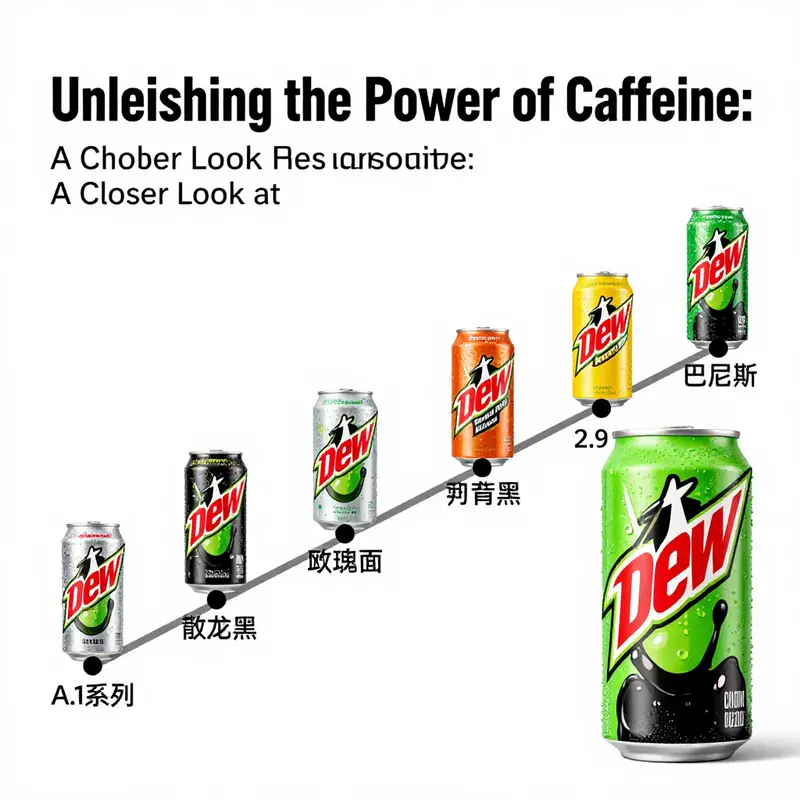
The story of Mountain Dew unfolds as a layered chronicle of appetite, culture, and a relentless search for energy. It is a narrative that begins in back rooms and rural storefronts, where citrus flavor and a need for stamina collided in a way that would redefine how a soda could be perceived. At its core, the brand’s arc is a study in caffeine literacy—knowing what a drink can do for focus, pace, and mood—and why that knowledge matters as life moves faster. As consumers traded slower rhythms for digital pace, Mountain Dew evolved from a regional oddity to a global badge of wakefulness, aligning energy with youth culture rather than clinging to nostalgia.
The roots go back to the 1940s, when two Hartman brothers experimented with a citrus-flavored syrup designed to mix with moonshine. The flavor offered a practical solution to a cultural problem: how to brighten and smooth harsh experiences with something lively and refreshing. The original formulation blended lemon, lime, and grapefruit in a bright, sugary profile that could stand up to the strength of its mixer. In folk language, Mountain Dew was also slang for illicit spirits, weaving the drink into a rural American mythos. This early identity—rugged, local, a touch rebellious—anchored the brand in a distinctive corner even as it held back mainstream appeal.
The pivotal shift arrived in the 1950s, when the Hartmans partnered with Tip Corporation to reposition Mountain Dew as a standalone soft drink. The move broadened its reach from a barroom staple to a family-friendly beverage that could travel beyond Appalachian roots. The marketing leaned into a vivid citrus profile, a brighter label, and a distribution network designed for wide sampling. It reframed the drink’s rough edges as part of a bold personality—an energy-forward persona that could keep pace with a changing American landscape and still feel distinctly American in flavor and attitude.
The real inflection point came with PepsiCo’s acquisition in 1964. Under PepsiCo, Mountain Dew transformed its image by embracing high-energy aesthetics—extreme sports, fast-paced visuals, and youth culture. The brand’s voice celebrated risk, speed, and action, embedding Mountain Dew as a cultural cue for a generation chasing velocity in daily life. Beyond marketing, the shift established caffeine as a differentiator, positioning the drink as a mental amplifier for gamers, students, and outdoor enthusiasts. This lasting core—flavor plus alertness—helped Mountain Dew stay relevant through decades of change.
Caffeine itself became a throughline in the brand’s evolution. A typical 12-ounce can delivered around 55 milligrams of caffeine, signaling energy that complemented taste without feeling aggressive. The recipe choice supported a practical promise: a beverage that helps people stay focused, energized, and ready for long study sessions, late-night play, and weekend adventures alike. To widen the energy proposition, Mountain Dew introduced higher-caffeine lines such as Kickstart, which combined a larger format with intensified caffeine and added vitamins. The broader family added Code Red, Live Wire, and Voltage, expanding flavor options while preserving a shared emphasis on energy and pace. Even as some consumers sought lower sugar, Mountain Dew introduced Mountain Dew Zero Sugar to preserve the caffeine-forward identity while offering a lighter sugar footprint.
Globally, the brand’s energy narrative has found varied resonance. In markets like Australia, Mountain Dew Energised foregrounds caffeine content and a modernized formula, while maintaining the citrus-forward spirit. The international approach shows that caffeine branding travels well when aligned with local tastes and lifestyle cues, allowing Mountain Dew to feel both universal and regionally relevant. Branding continuity has mattered too: refreshed aesthetics have nodded to earlier design moments, reinforcing the idea that Mountain Dew’s energy identity is a lifestyle—outdoor, bold, and ready for action—rather than a single trend.
Looking ahead, Mountain Dew’s evolution continues to focus on new flavors and formats that fit modern life. The aim is to extend the wheel’s usefulness—introducing complementary flavors, testing packaging and digital-friendly formats, and maintaining a reliable caffeine profile that supports quick thinking and sustained momentum. By balancing taste with function and staying connected to youth culture and the outdoors, Mountain Dew remains a stimulant-centered brand that translates energy into everyday experience.
Bright Buzz, Hard Truth: The Health Footprint of Caffeine in Mountain Dew
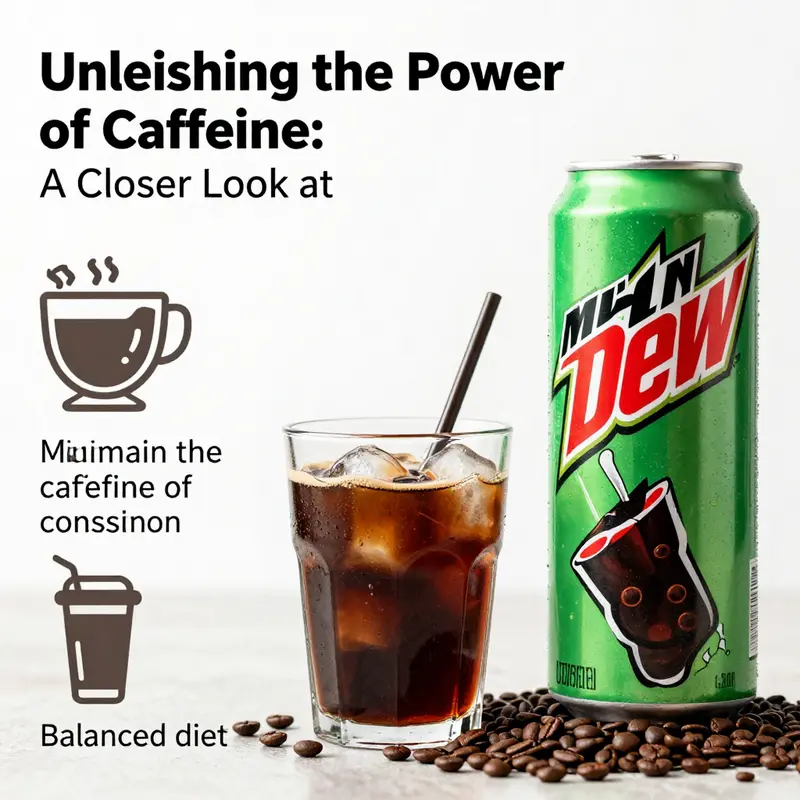
Caffeine sits at the center of modern snacking culture, offering a quick lift at the cost of a longer menu of health considerations. In the realm of caffeinated beverages, Mountain Dew occupies a particular niche: a citrus-forward, high-spirited option that has evolved with the market to provide a spectrum of caffeine levels and formulations. Understanding its health footprint requires looking at both the dose of caffeine and the accompanying ingredients that shape how that caffeine interacts with the body and the teeth over time. Regular Mountain Dew, as it has commonly been described in nutritional profiles, delivers about 55 milligrams of caffeine per 12-ounce serving. This is a moderate jolt by daily-caffeine standards, enough to notice a lift without the intensity of some energy drinks. Yet for those who want a bolder lift in a larger gulp, the Kickstart line is designed to deliver more caffeine in a bigger can—92 milligrams per 16-ounce (473-milliliter) can. The combination of higher caffeine content with added vitamins and a modest juice component makes Kickstart a distinct option in the caffeinated landscape, one that appeals to people seeking sustained alertness during long afternoons or early-mby-time crunches. The market’s trajectory suggests further expansion into flavors and formats, including energy-forward variants aimed at younger demographics, which raises important questions about how those caffeinated experiences accumulate. The beverage sector’s evolution intersects with consumer interest in branding that emphasizes outdoorsy, adventurous narratives, a shift that in turn calibrates how people think about caffeine as a functional tool rather than a casual treat.
Caffeine’s physiological effects are not simply a function of milligrams per serving. The context of consumption—how often, with what other foods, and in what physiological state—shapes mood, sleep, and metabolism in meaningful ways. Research has drawn a nuanced picture of how caffeine interacts with mood: some studies have found that regular caffeine use, particularly when withdrawal is present, is positively associated with mood disturbances such as depressive symptoms for certain individuals. This suggests that relying on caffeinated beverages for mood regulation can create a cycle in which withdrawal intensifies low mood, potentially promoting repeat use. Yet the same lines of inquiry often report that anxiety levels do not show a straightforward, universal rise in tandem with caffeine intake. The relationship appears to be modulated by individual sensitivity, genetic factors, and the broader lifestyle context. In other words, caffeine can be a helpful nudge for some and a destabilizing factor for others, depending on the constellation of stress, sleep debt, and coping mechanisms in play.
Beyond mood, the health implications of these drinks stretch into dental, metabolic, and digestive domains. The citrus- or phosphoric-acid foundations of many citrus-flavored sodas act as chemical abrasives to enamel. Citric acid and phosphoric acid together soften enamel, creating a higher risk for erosion with repeated exposure. Over time, enamel erosion can heighten tooth sensitivity and increase susceptibility to cavities, especially when combined with the high sugar content that accompanies many caffeinated soft drinks. While a single serving might be inconsequential, habitual consumption—especially in the form of multiple daily servings—elevates cumulative acid exposure. The sugar load compounds the risk by feeding oral bacteria that produce acids as they metabolize sugar, further challenging dental health.
The product formulation also invites attention to brominated vegetable oil (BVO). BVO has historically served as an emulsifier in some citrus beverages, helping to stabilize flavors in high-acid environments. While regulatory agencies have deemed BVO safe at the trace levels used in beverages, concerns about long-term bioaccumulation and potential neurological or dermal effects have persisted in public discourse. In practice, manufacturers have responded to consumer scrutiny by reformulating or removing BVO from many products, a pattern that reflects a broader trend toward ingredient transparency and ingredient-class safety reassessments. The presence or absence of BVO can influence consumer trust and choices, particularly for those who routinely monitor what travels across their taste and health boundaries.
Meanwhile, the metabolic story of these drinks is intertwined with sugar and energy balance. The sweetness that flavors the experience of a caffeinated soda contributes a caloric load that, if consumed in excess, can disrupt energy regulation and contribute to weight gain over time. For those who drink Mountain Dew or its higher-caffeine counterparts in larger volumes, the combination of caffeine, sugar, and acids can influence satiety, appetite, and caloric intake across a day. This triad—caffeine dose, sugar load, and enamel-friendly acidity—frames a practical guideline: moderation remains a prudent default, particularly for individuals with glucose regulation concerns, sleep challenges, or a history of mood fluctuations that caffeine might aggravate.
The landscape of product options has grown to accommodate varied caffeine appetites. The 92-milligram-per-can profile of Kickstart, relative to the regular version’s more modest caffeine content, is a deliberate design choice that captures a demographic seeking more pronounced stimulation in a single, portable container. This distinction is not just about a number on a label; it signals different lifestyle contexts—long study sessions, late shifts, or active days that demand steady alertness. Yet the health considerations outlined above—enamel erosion, sugar exposure, and the potential for mood-related fluctuations—apply across the spectrum, with intensity modulated by how often and how much a person consumes.
In discussing these beverages, it is useful to consider the broader consumer environment. The brand’s branding refresh in late 2024, echoing a heritage-inspired, nature-oriented outdoor narrative, underscores how beverage choices are embedded in cultural cues as much as in taste and caffeine math. People do not merely ingest caffeine; they participate in a ritual that blends taste, memory, and identity. This social dimension can influence how individuals regulate intake: a drink associated with energy and outdoor adventure may be perceived as more than a source of stimulation, becoming part of a self-concept that cushions against fatigue or reinforces preference for a particular flavor profile. Yet when framed against health considerations, that cultural resonance cannot substitute for mindful consumption.
What does all this mean for everyday choices? The core guidance remains anchored in moderation, label-reading, and self-awareness. For someone who experiences sleep disruption, cardiovascular sensitivity, or mood instability, the timing and quantity of caffeine intake become critical. Reading labels for total caffeine content, sugar, and any lingering additives helps demystify what reaches the body. For those who want a more nuanced understanding of how this caffeine content translates into personal experience, a practical approach is to compare caffeine content across different varieties and consider their respective sugar and acidity profiles. This is where a closer look at one’s daily caffeine budget—and how Mountain Dew fits into it—can illuminate patterns and potential adjustments. If you want a concise reference to how these specific caffeine figures stack up, you can explore the topic further at this dedicated resource: caffeine content of Mt. Dew.
The conversation also invites a cautious note about ingredient controversies that sometimes accompany popular caffeinated beverages. While a single product may not be the sole cause of health issues, habitual or binge consumption can compound risks, especially for adolescents, pregnant individuals, or those with heartbeat irregularities. The emerging public discourse around additives and food safety reinforces the importance of choosing beverages with transparency and evidence-backed formulations. In short, caffeine can be part of a balanced approach to energy and focus, but it should be paired with attentive consumption patterns, dental hygiene, and a diet that supports metabolic health rather than undermines it.
For readers who want to situate these considerations within a broader evidence base, exploring external resources that examine controversial ingredients and regulatory perspectives can be enlightening. A recent article delves into the ingredient controversy surrounding Mountain Dew and similar products, offering context for why certain additives spark ongoing safety debates and consumer pushback. See the external resource for a broader view of ingredient safety and regulatory considerations: https://www.healthline.com/nutrition/mountain-dew-banned.
In sum, Mountain Dew and its caffeinated kin occupy a space where taste, energy, and risk intersect. The caffeine dose varies by product, from a moderate lift in the regular formula to a stronger push in the higher-caffeine variants, while acidity and sugar contribute additional health dimensions to consider. The practical path forward is clear: stay mindful of how much and when you drink, read labels carefully, and weigh the benefits of alertness against the potential costs to dental health, mood stability, and metabolic balance. The chapter of personal health is rarely written by a single factor, but in the case of caffeinated beverages, caffeine itself is a potent protagonist whose role depends on the company it keeps—the foods, drinks, and routines that frame its daily appearance.
Caffeine, Citrus, and the Conscious Consumer: Market Trends Shaping High-Caffeine Citrus Beverages
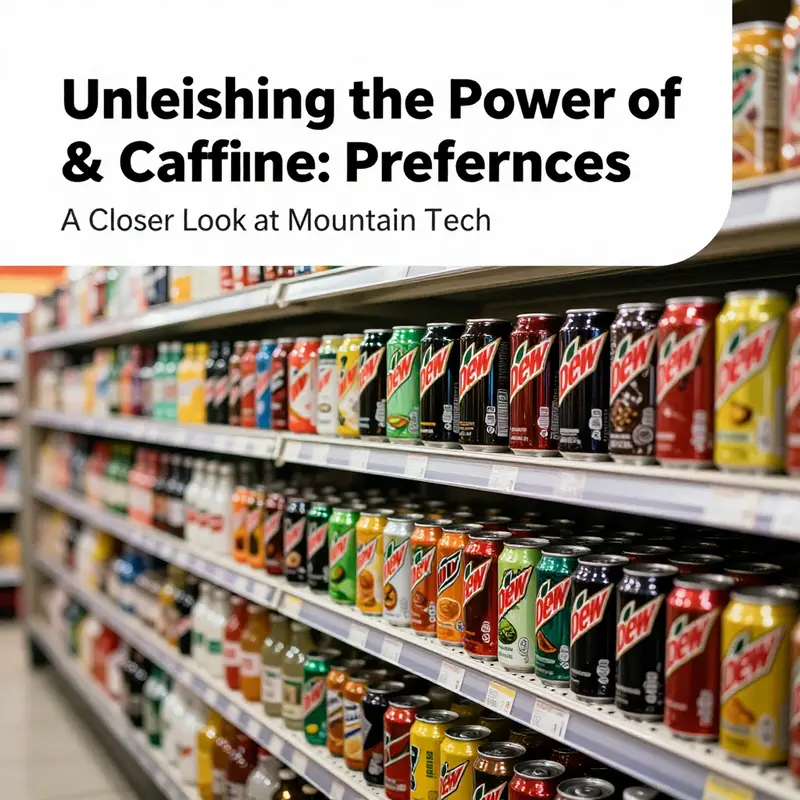
Across the broader beverage landscape, caffeinated, citrus-forward drinks have grown from niche curiosities to familiar staples for a wide audience. The impulse driving this growth is not merely a desire for a quick lift; it is a shift toward products that can be enjoyed with intention. Consumers increasingly seek clarity about what they are consuming, how much caffeine is in a given serving, and what trade-offs come with higher or lower caffeine levels. This awareness has reframed how brands approach formulation, labeling, and messaging. Rather than making sweeping claims about health benefits, many producers emphasize responsible consumption, balanced sweetness, and the ability to tailor intake to different moments in the day. In this context, a flagship citrus beverage within a major beverage portfolio has leaned into a measured caffeine strategy that reflects a broader industry pattern: publics want options, not absolutes, and they want those options to be transparent and predictable. The standard 12-ounce serving tends to deliver roughly 55 milligrams of caffeine, a level that provides a recognizable lift without overpowering the palate or the stomach. When the same brand offers a high-caffeine variant in a larger can, the caffeine content climbs to approximately 92 milligrams per 16-ounce serving. Such numbers are not mere trivia; they signal a deliberate tiering of products that mirrors consumer segmentation. Some shoppers seek sustained alertness for work, study, or hands-on tasks, while others prefer a lighter caffeine profile for casual refreshment. By presenting these tiers openly, the brand communicates respect for diverse routines and reinforces a shared expectation: caffeine intake should be controllable and accountable, not mysterious or sensationalized. This approach aligns with a growing demand for moderation and wellness across the sector, where innovators experiment with lower-sugar options, smaller can formats, and clearer labeling to help consumers manage their intake without sacrificing flavor or satisfaction.
Market signals also reveal a keen interest in how products fit into a balanced lifestyle. The data streams feeding product teams—social media sentiment, focus group feedback, and regional sales performance—are not siloed but integrated into iterative development. A beverage innovation panel within the parent company reviews these inputs to map taste preferences to caffeine levels, sweetness profiles, and even perceived sweetness from sugar substitutes. The intent is to avoid overclaiming on health benefits while still acknowledging consumer concerns about dietary sugar, caffeine exposure, and the overall wellness narrative. In practice, this translates into a portfolio that offers choices across caffeine intensities and sweetness strategies, enabling a shopper to select a product that suits a moment’s demand. The emphasis on transparency helps build trust with a generation that is increasingly mindful of how much, when, and why they consume caffeinated beverages. In addition to caffeine, the portfolio often includes complementary nutrients and minimal juice content to broaden appeal without compromising the core taste profile that defines the category’s citrus-forward character. For readers seeking a more granular view of caffeine content in this segment, a dedicated article that dissects mg-per-serving and serving sizes provides a useful reference point, illustrating how a brand communicates caffeine science without sacrificing experience. See caffeine-content-mt-dew for additional context on caffeine content in this category.
The trend toward moderation has influenced the lineup in meaningful ways. Brands are not simply pairing caffeine with sugar and flavor; they are rethinking the entire sweetness architecture and the balance between flavor intensity and aftertaste. Lower-caffeine variants have emerged as a deliberate option for consumers who want the citrus-forward profile but prefer a gentler lift, perhaps for daytime rituals or late-evening occasions when sleep hygiene matters. Reduced-sugar options further signal a shift away from default formulations that relied on high sugar content to mask bitterness or to amplify mouthfeel. Instead, product teams experiment with measured sweetness, natural flavors, and, where permissible, alternative sweetness sources that maintain the beverage’s body without introducing excessive caloric load. This evolution aligns with a broader market impulse: give people practical ways to enjoy taste while preserving a sense of control over sugar intake, calories, and caffeine exposure.
From a branding perspective, the responses to evolving consumer expectations have intersected with a refreshed visual narrative that honors the product’s heritage while signaling modernity. In late 2024, the brand refreshed its branding, returning to a logo design reminiscent of a mid-1990s era. This choice is not merely aesthetic; it reinforces a storytelling arc that ties outdoor, nature-inflected branding to a sense of reliability and rugged energy. The rebrand communicates continuity with the past while signaling a readiness to engage new audiences who value authenticity and clarity. The narrative around the logo refresh intersects with broader sustainability commitments and accountability standards. Consumers today do not merely want products to be bright and flavorful; they want brands to demonstrate responsibility in sourcing, packaging, and marketing. In this light, the citrus-forward line becomes a case study in balancing high-energy performance with mindful consumption. The product team’s communications emphasize that caffeine, when paired with a familiar flavor profile, should be understood as one element of a broader wellness equation—one that includes portion control, transparent labeling, and a thoughtful approach to sugar content.
Consumer preferences are also shaped by the shifting mental model around energy and focus. For many, energy is not a polemic issue of “more is better,” but a tapestry of moments where timing, context, and cognitive load matter. The product family’s architecture supports this by presenting clear cues about when a particular level of caffeine might be most appropriate. This clarity helps shoppers choose according to their schedules—early morning commutes, late-night study sessions, or mid-afternoon slumps—without feeling constrained by a one-size-fits-all proposition. The marketing approach mirrors this philosophy by avoiding misleading health claims and instead underscoring responsible consumption. Messaging prioritizes taste, reliability, and predictable effects, which resonates with families, students, and professionals who rely on consistency as much as novelty.
As the category continues to mature, the industry’s attention turns to sustainability as a differentiator. Consumers are increasingly asking not only what is inside the can but what happens after it is discarded. The brand’s emphasis on accountability includes packaging innovations, recycling initiatives, and supply-chain transparency. For a citrus-forward product line that sits at the intersection of everyday refreshment and functional energy, sustainability credentials are no longer a side note; they are an operational baseline. The integration of environmental considerations with consumer messaging strengthens trust and helps the brand stand out in a crowded market where taste alone is insufficient to sustain loyalty. The result is a holistic experience: a beverage that delivers a recognizable lift, respects consumer boundaries around caffeine and sugar, and aligns with values that matter to modern shoppers.
Looking ahead, the landscape suggests continued experimentation in flavor and format. Beyond the steady core offerings, there are plans for new flavor introductions and energy-oriented options designed to appeal to younger demographics in subsequent years. The strategic emphasis remains on delivering options that cover a spectrum of caffeine intensities, sweetness strategies, and juice incorporations, all while maintaining a clear, honest dialogue about what each product can and cannot do. Such a portfolio strategy does more than extend market reach; it creates a reliable framework for consumers to integrate caffeinated citrus beverages into their routines without ambiguity. In practice, this translates into better-informed choices at the point of purchase and a sense that brands are listening to real consumer needs rather than pursuing short-term novelty.
The chapter’s exploration of trends, preferences, and brand stewardship illustrates how a single category can evolve while staying true to core taste identities. Consumers want taste, yes, but they also want transparency, choice, and accountability. They expect products to fit into their lives, not dictate their schedules. In response, product developers are adopting a more modular approach to formulation—distinct caffeine tiers, sugar-conscious options, and formats that honor portion control. This modularity enables shoppers to assemble a personal energy profile anchored in flavor fidelity and practical consumption. The social contract here is explicit: provide reliable options, communicate clearly, and defend the idea that caffeine can be part of a balanced, enjoyable lifestyle. That contract is not merely theoretical; it is reinforced by data-driven product design, branding choices that nod to heritage while embracing contemporary values, and a marketing narrative that values consumer agency over sensational promises. For anyone following the evolution of caffeinated citrus beverages, the trajectory is unmistakable: more choice, more transparency, and a mature approach to energy that respects both taste and well-being.
External resource: https://www.mountaindew.com
Final thoughts
Understanding the caffeine levels in Mountain Dew—and its varied product lines like Kickstart—provides business owners with insights into consumer preferences and health implications. As the beverage market continues to evolve, staying informed on these aspects will aid in making strategic decisions for product offerings and marketing strategies. Mountain Dew’s commitment to engaging its audience through innovative flavors and branding reinforces its position in the market, allowing business owners to anticipate trends and consumer desires effectively.