

Caffeine plays a significant role in consumer beverage choices, particularly with popular brands like Coca-Cola. As a business owner, understanding the caffeine content in Coca-Cola products is crucial for catering to diverse consumer preferences and health considerations. This article delves into the caffeine levels in Coca-Cola, examining the variations between products and their implications for customer health. Additionally, we’ll discuss the available caffeine-free options and how to position yourself in a global market that increasingly values health-conscious choices, considering regulatory dynamics. Each chapter contributes unique insights, helping you make informed business decisions regarding product offerings and customer engagement.
The Quiet Buzz Within a Classic Cola: Tracing Caffeine Levels, Variations, and What It Means for Everyday Sipping

A familiar fizz, a familiar amber glow, and a signal from the brain that something is happening—these are the traits that link many people’s daily routines to a cola. But beyond color and the pop of the cap lies a small, measurable tale: caffeine. In the story of the classic cola and its variants, caffeine acts as a subtle conductor, guiding the tempo of a consumer’s day without the drama of espresso. This chapter follows that conductor’s score, not as advertisement, but as a careful accounting of how much caffeine sits in a standard can, how that amount shifts across regions and formulations, and what the numbers imply for routine intake, health guidelines, and personal choice. The numbers matter not as a badge of energy but as a practical piece of information for anyone who plans meals, work, or rest around beverages that are part of daily life.
The baseline figure is modest when viewed against a cup of coffee. In a typical 12-ounce can, the classic formulation contains roughly 33 to 34 milligrams of caffeine. That bracket reflects standardized formulation across markets, where the familiar 330 milliliter serving corresponds to a standard can. The comparison to coffee is instructive: a cup of coffee commonly delivers anywhere from about 95 to 200 milligrams of caffeine, depending on bean, roast, and brewing method. When you hear that the cola’s caffeine is roughly three to four times less than coffee, it is not meant to diminish the stimulant’s effect; it positions the beverage within a landscape of everyday caffeine sources. This lower dose helps many people include it as part of a broader daily intake without the sharper arousal associated with a strong cup of coffee.
Formulation and regional variation add texture to that simple arithmetic. Across markets, a standard 12-ounce can of the classic cola typically lands in the 33–34 mg range. Yet not all formulations are identical, and the precise caffeine figure can shift slightly with regional production standards, label updates, or slight recipe adjustments. A snapshot from product data confirms a 330 ml serving of the regular formulation delivering about 33 mg of caffeine, while some variants carry a different profile. The same comparative idea emerges with the diet variant: for understandable reasons, a lighter, zero-sugar option often contains more caffeine per serving than the regular version. In the standard 12-ounce serving, the diet option tends to hover around the mid-40s in milligrams—roughly 46 mg in common labeling. If you are watching caffeine intake closely, these nuances matter, because a steady hand with daily totals depends on tracking all sources, not one drink alone.
Beyond the bottle and can, the discussion about caffeine in this cola extends to fountain beverages and other service-point preparations. Early research shows that caffeine levels in dispensed fountain drinks can be somewhat higher on average. A study by McCusker and colleagues in the mid-2000s reported an average caffeine content around 44.5 milligrams per serving in fountain dispensers, with minor fluctuations tied to preparation method, concentrate used, and serving size. Those findings remind us that how a drink is served can push caffeine amounts up or down by a meaningful margin. For many people, that margin is enough to alter the daily balance of caffeine across drinks if fountain or restaurant beverages are a major source.
In interpreting these numbers, safety and everyday use become central themes. Caffeine, in the amounts typical for this class of beverages, is generally considered safe for most adults when consumption remains within established daily limits. Regulatory bodies recognize moderate caffeine intake as compatible with a normal diet for most people. The practical implication for someone who enjoys the classic cola is straightforward: the drink can fit into a daily pattern alongside other caffeine sources—tea, coffee, chocolate, certain energy options, and even some medications—without pushing total exposure into a risky range for the average adult. Yet individuals differ. Sensitivity to caffeine varies, and withdrawal symptoms can occur when stopping abruptly. The point is not to demonize or glorify caffeine, but to acknowledge that, like many dietary elements, it is best managed with awareness.
The discussion also covers those who choose to avoid caffeine altogether. The beverage line often includes caffeine-free options, providing a non-caffeinated alternative for health, pregnancy, sensitivity, or personal preference. The presence of such an option underscores that consumer choice in soft drinks can hinge on caffeine content, sweetness, calories, and flavor profile, all of which can be balanced to align with health considerations and personal taste. Many households manage caffeine intake by rotating beverages across a spectrum of choices, including sugar-free, low-calorie, and regular formulations, each with its own caffeine footprint. The net effect is a consumer landscape that offers variety rather than a single universal standard, enabling people to form a pattern of consumption that matches energy needs, sleep schedules, and dietary goals.
The numbers also matter in a broader sense: they anchor a practical approach to daily caffeine management. For someone who tracks total caffeine intake and aims to balance it with other dietary considerations, understanding per-serving figures across formats matters. It is not merely about whether a drink contains caffeine; it is about how that caffeine combines with other sources and how it interacts with times of day, work demands, or sleep schedules. If a day includes multiple sources of caffeine, the fixed quantity in a can becomes a small but meaningful piece of the planning puzzle. In this sense, the classic cola becomes not the focal point of energy decisions but a contributor to a rounded understanding of total caffeine exposure.
To emphasize practicality, consider how a can compares to a standard cup of coffee and account for serving size. If a single can provides about 33 mg and a cup of coffee varies from 95 to 200 mg, a single can is a modest energizer rather than a primary source of alertness. But multiple drinks in a day add up. The key is to understand how each choice contributes to the day’s total rather than demonize any one beverage.
For readers seeking context beyond the numbers, there is a broader field of resources that discusses caffeine content across popular beverages. A related page offers a practical synthesis of caffeine content across several drinks, highlighting common ground and notable differences. If you want to explore that angle, see the overview at the external reference for official information from the company that makes the classic cola and its variants: https://www.coca-colacompany.com/
The Quiet Buzz: Understanding Caffeine in the Classic Cola and What It Means for Everyday Choices

From the consumer standpoint, the choices are as much about preference as they are about safety. A clear path to informed decisions begins with understanding the label, recognizing that caffeine content is not always presented in the same way across markets or product lines. Some products market themselves on taste, others on reduced calories, and still others on caffeine content as a feature. In all cases, the practical move is to consider not just one can but your entire day’s intake. If a person starts the day with a caffeinated beverage from one category and ends with another from a different category, the total can drift beyond what they anticipate. The good news is that most people can exercise control without discomfort by listening to their bodies, setting reasonable limits, and choosing alternatives when needed. A broader sense of health comes from combining moderation with flexibility. The science behind caffeine is nuanced but reassuring for many adults who keep consumption within the commonly accepted safety margins. There is an understanding that moderate consumption does not confer a blanket risk across the population, though individual tolerance is real and significant. For those who are not sure where their own tolerance lies, a practical strategy is to start with a smaller serving and observe effects over a day or two. If sleep quality, daytime energy, or digestive comfort are affected, it may be wise to reduce intake or schedule caffeine-containing beverages earlier in the day. This personalized approach aligns with a modern view of nutrition as a spectrum rather than a rigid rulebook. It respects the science while acknowledging human variation. In this sense, the classic cola becomes a case study in everyday decision-making rather than a single verdict of healthfulness. The drink’s caffeine content sits at a well-defined middle ground: enough to offer a perceptible lift for some, but not so potent as to overwhelm most adults when consumed in moderation and in appropriate timing. The public health message remains pragmatic: enjoy what you like, but do so with awareness of dosage, timing, and personal health status. For those who want to widen their context beyond the bottle, the literature offers a broader frame on caffeine safety guidelines and daily limits at EFSA’s resources, which provide formal guidance for how much caffeine is considered safe in different populations. This external framework complements the personal, day-to-day calculus that each reader must perform. In that spirit of balanced understanding, the journey through caffeine in the classic cola becomes not a fear-based caution but a thoughtful, informed practice of mindful consumption. The final takeaway is not a prohibition but a skill: reading labels, recognizing your own sensitivity, and making choices that fit your life rhythm while staying within established safety boundaries. If you wish to explore how caffeine content shows up in other popular beverages and how that affects daily totals, the linked overview at coffee-rich-life can offer additional perspective by situating caffeinated drinks within a broader landscape of everyday caffeine sources. For readers seeking a formal safety framework to ground these judgments, EFSA’s guidelines provide the official reference point for healthy adults and specialized populations alike. External resources such as the EFSA caffeine safety guidelines can be consulted for more detail and nuance, including considerations for pregnancy and individual sensitivity. See https://www.efsa.europa.eu/en/press/news/150519 for authoritative context that supports the consumer choices outlined here.
Navigating Caffeine in the Classic Cola and Its Caffeine-Free Relatives
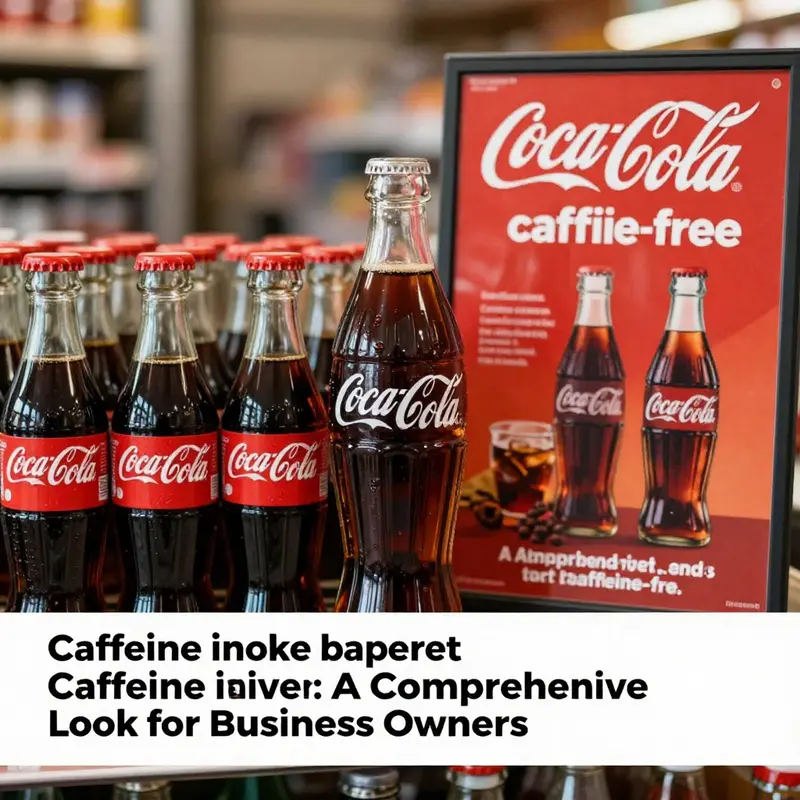
A familiar fizz carries more complexity than its bright label suggests. The classic cola, the long-running flagship in the global soft-drink arena, contains measurable amounts of caffeine, a compound that has earned its place in modern daily routines as a mild stimulant. In practical terms, a standard 12-ounce (355 ml) can of this traditional formulation carries roughly 33.9 milligrams of caffeine. That is enough to impart a slight lift, a subtle lift that can wake the senses without pushing into the realm of jitters or heavy stimulation for most people. The presence of caffeine here is not a secret so much as a characteristic—one that varies with regional recipes, product lines, and even the time of year as manufacturers adjust formulas to suit local preferences. In the same family of beverages, the diet version tends to carry a higher caffeine load, clocking in at about 46.3 milligrams per 12-ounce can. Those numbers matter not only to caffeine-conscious readers but to anyone trying to balance a daily intake or gauge how an afternoon pick-me-up might affect sleep, digestion, or focus later on. And yet, beyond the math lies a broader question about caffeine itself: for most people, caffeine is a mild stimulant rather than an addictive trap. The vast majority manage their intake without relying on it, and if they decide to cut back or stop, withdrawal—when it happens—tends to be a noticeable headache rather than a crisis. The relationship between caffeine and habit is nuanced, varying with biology, tolerance, and even the social rituals that accompany buying and enjoying a cold can.
This nuance becomes especially relevant when considering the wide range of options the beverage producer offers to consumers who want to avoid caffeine altogether. Across its lineup, there are caffeine-free variants designed to preserve the familiar taste and refreshing experience without the stimulant effects. The most recognizable of these are a caffeine-free cola, a caffeine-free diet cola, and several non-caffeinated citrus-forward sodas. The absence of caffeine in these drinks opens doors to late-afternoon or evening consumption without concerns about sleep disruption or late naps, while still delivering the sensory satisfaction of a cold, bubbly drink. For many people, that balance—familiar mouthfeel, predictable sweetness, and zero caffeine—becomes the deciding factor when choosing what to sip after a long day.
Taste, too, matters. Caffeine can interact with the perception of sweetness and bitterness in cola, subtly shaping how the beverage finishes on the palate. When caffeine is removed, producers strive to maintain a consistent flavor profile so the drink remains comforting and recognizable. In practice, caffeine-free versions often aim to preserve the characteristic caramel notes, the effervescence, and the crisp finish that fans expect, while swapping out caffeine for other elements that preserve mouthfeel and body. This is not about masking a lack of flavor; it is about preserving identity. For those who have grown up with a particular cola flavor, the caffeine-free variant should feel like the same drink in spirit, if not in the precise caffeine content. The practical upshot is that people can choose based on time of day, personal health considerations, or simple preference for a certain taste profile without sacrificing the ritual of a cold, fizzy drink.
From a consumer perspective, the availability of caffeine-free options represents a thoughtful response to diverse lifestyles. There are places or moments when an afternoon or evening beverage feels more comfortable without caffeine’s lift, or where caffeine could interfere with sleep or rest. In those contexts, the caffeine-free versions offer a reliable alternative that preserves the familiar brand’s mouthfeel and aroma without the stimulant effect. For households that want variety, there are also non-caffeinated citrus-forward options that deliver a crisp, refreshing experience without caffeine. The aim is not to force a choice but to provide a spectrum of choices that reflect different routines and health considerations. In this sense, the portfolio communicates a simple, practical message: taste and refreshment can coexist with personal wellness preferences.
The practical skill for a thoughtful consumer is label literacy. Reading the nutrition information panel helps determine caffeine content across products, which can shift by region, formula, or product line. For families trying to moderate caffeine uptake, understanding these numbers translates into a convenient planning tool—especially for households with children or individuals who prefer a caffeine-free lifestyle. Even when caffeine content seems straightforward, there can be subtle regional differences, and product labels are the most reliable guide. The broader narrative here is not purely numeric; it is about empowerment through information. When readers understand how much caffeine a standard serving contains and how that amount compares across the family of drinks, they can make choices aligned with daily rhythms and personal comfort.
In this context, the existence of caffeine-free lines is not an anomaly but a deliberate, ongoing strategy. The company has built a portfolio designed to respect a spectrum of consumer needs while preserving the recognizable sensory signature that many people associate with the classic cola experience. This balance reflects a broader industry trend: brands recognize that beverages used to accompany meals, workouts, commutes, and leisure time can play different roles in daily life. Not every moment calls for caffeine, and not every palate wants to chase energy with every sip. The caffeine-free variants respond to this reality with reliability and consistency, allowing a person to choose a drink that fits the moment rather than one that imposes a stimulant expectation.
To illustrate how this translates into everyday practice, consider the practical options available to someone who wants to avoid caffeine altogether. A caffeine-free cola offers the closest experience to the original, preserving familiar carbonation, sweetness, and aroma while eliminating caffeine. A caffeine-free diet cola serves a similar purpose for people who also want to limit sugar, offering a leaner alternative that still adheres to the same core flavor profile. Beyond the cola family, several non-caffeinated citrus sodas exist to provide variety without caffeine. These beverages give a clean, crisp finish with bright, zesty notes that can complement a meal, a light snack, or a simple pause between tasks. Availability is broad—standard 12-ounce cans and larger 2-liter bottles are common, ensuring that households can stock up with convenience for home use or gatherings.
Readers who want a practical touchstone can reference the official product pages for caffeine-free options, where ingredient lists and caffeine content are clearly indicated. The information helps ensure accuracy when comparing products or planning daily consumption. Even if the taste legends differ slightly from one beverage to another, the underlying principle remains intact: caffeine-free options exist to preserve refreshment and enjoyment without the stimulant effect. For those curious about how caffeine interacts with other popular sodas, a quick look at a non-brand-specific resource on whether orange soda contains caffeine can offer a useful comparison point. Does orange soda have caffeine? is a question that shifts the lens from a flagship cola to a broader soda family and helps readers see the caffeine landscape with a wider view. Does orange soda have caffeine?
With this understanding, the decision to choose a caffeinated or caffeine-free beverage becomes a small but meaningful moment of personal agency. It is not merely about avoiding a stimulant; it is about aligning a beverage with a moment’s needs. After a long run, a caffeinated option might provide a needed lift; after dinner, a caffeine-free variant can offer a sense of closure without compromising rest. For parents guiding children through daily routines, these distinctions help shape habits that feel natural rather than forced. The beverage landscape has learned to respect these preferences, offering a spectrum rather than a single path. In practice, that means a robust portfolio of caffeine-free options is not a novelty but a standard feature of a well-rounded beverage program.
From a broader perspective, this approach speaks to how beverage producers balance tradition with modern wellness expectations. The classic cola remains a cultural touchstone, a symbol of conviviality and refreshment. Yet the same company has evolved to meet the needs of a diverse audience by introducing caffeine-free alternatives and non-caffeinated flavors that still deliver the spray of carbonation and the crisp finish that many crave. This evolution reflects a larger industry pattern: brands that stay relevant do so by listening to consumers, acknowledging that taste and health considerations can coexist. The result is not a compromise but a curated selection that respects different moments in a person’s day—from a quick midday lift to a post-dinner refreshment without caffeine’s footprint.
For readers navigating these options in real life, the practical takeaway is straightforward. When in doubt about caffeine content, turn to the label. If a desire is to avoid caffeine entirely, prioritize a caffeine-free option, whether that means a cola variant dedicated to zero caffeine, a diet-focused alternative, or a citrus-forward, non-caffeinated choice. The goal is to preserve the ritual of drinking something cold and satisfying while staying aligned with personal health goals and daily schedules. In turning a casual preference into an informed choice, readers can enjoy the familiar comfort of a well-loved beverage without the trade-offs that come with caffeine consumption.
External resource for reference provides additional context on what a caffeine-free option looks like in practice and where to find official product information. For readers seeking the most authoritative details on a caffeine-free diet cola, the official product page offers a comprehensive guide to ingredients and labeling.
External reference: https://www.coca-colacompany.com/drinks/diet-coke/caffeine-free-diet-coke
Caffeine in Coke: Global Regulation, Flavor, and Public Health in a Caffeinated Era
Caffeine in Coke has traveled far beyond the glass to sit at the crossroads of flavor, regulation, and public health. The flavor profile that defines the flagship cola—its familiar sweetness, caramel notes, and a whisper of bitterness—owes part of its complexity to caffeine. This is not a single national story but a global narrative in which the same basic formulation travels through different markets, scales, and consumer expectations. In numerical terms, a standard 12-ounce can of the iconic cola contains about 33.9 milligrams of caffeine, while the diet variant carries roughly 46.3 milligrams per 12-ounce serving. Those figures come from a 2007 analysis of national-brand carbonated beverages and illuminate a broader truth: caffeine levels in cola beverages are not fixed by some universal standard. They shift with product lines, regional formulations, and regulatory constraints, even as the sensory role of caffeine—its gentle bite that can sharpen perceived sweetness and accentuate mouthfeel—remains consistent across borders. This variability is more than a curiosity for nutrition nerds; it frames how people experience caffeine in everyday life and how regulators think about labeling, safety, and access.
Caffeine itself is a mild stimulant, not an on/off switch for addiction in the way some other substances might be framed. For most people, caffeine does not become “highly addictive” in the clinical sense, though regular use can lead to mild withdrawal symptoms like headaches if consumption stops abruptly. This nuance matters because it sits at the heart of regulatory debates and consumer education. If caffeine is a regular feature of a favorite beverage, consumers deserve to know how much they are consuming and to have choices about how to obtain or avoid it. The practical corollary is that, alongside taste and branding, caffeine content becomes a factor in how people plan their daily intake—especially when caffeine is consumed across a portfolio of beverages throughout the day. In addition to a standard caffeinated cola, many households also rotate through lower- or zero-caffeine options, whether for children, for sleep considerations, or for personal preference. The company’s portfolio includes a caffeine-free cola option and a range of other beverages that vary in their caffeine content. This spectrum underscores a broader theme in modern consumer markets: caffeine is embedded in both flavor engineering and public health conversations, and the two cannot be easily separated.
From a public health perspective, the presence of caffeine in cola beverages triggers questions about exposure, sleep quality, anxiety, and cardiovascular considerations, especially when consumption occurs in the evenings or alongside other caffeine-containing products. The regulatory framework in the United States treats caffeine as a substance approved for use in cola-type beverages at levels that do not exceed a certain threshold. The federal stance has long framed caffeine as a flavoring agent more than as a stimulant with a direct, isolated health risk, allowing manufacturers to leverage caffeine’s sensory properties while maintaining a relatively permissive stance on its inclusion. The relevant baseline is a standard expressed in parts per million (ppm), with a maximum that has guided manufacturing practices for decades. This regulatory posture reflects a balance: it recognizes caffeine’s long history of consumption and its acceptable risk profile for the average consumer, while maintaining a ceiling meant to prevent excessive exposure for the general population.
Yet the regulatory landscape around caffeinated beverages is not uniform around the world. In the European Union, caffeine is permitted in soft drinks but is subject to stricter disclosure and labeling requirements. The EU’s approach emphasizes transparency, with explicit labeling of caffeine content on product packaging designed to empower consumers to make informed choices. That emphasis on clear information is part of a broader precautionary ethos that can influence how products are formulated, marketed, and consumed within member states. By contrast, many regions outside the EU have comparatively patchier regulatory regimes. Some countries lack comprehensive regulations or enforceable labeling standards, which can lead to consumer confusion and potentially higher exposure, particularly among vulnerable groups such as children and adolescents. The regulatory mosaic thus creates a dynamic environment in which beverage manufacturers may adjust caffeine content and labeling strategies to align with local rules while maintaining global brand consistency.
These regional differences feed into a more fundamental public health conversation about the adequacy of current regulations. In a 2013 analysis by J. Kole, the state of caffeine regulation in many places was described as incoherent and insufficient for safeguarding consumer interests. The critique centers on the absence of harmonized standards for labeling, serving-size declarations, and risk communication. When consumers cannot compare caffeine content across products or when labeling lags behind evolving scientific knowledge about sleep disruption, anxiety, or cardiovascular considerations, the opportunity for misinterpretation and overconsumption grows. The call for uniform, science-based labeling—specifically the mandatory declaration of caffeine content per serving—gains traction in such critiques. The aim is not to demonize caffeine but to enhance informed decision-making. A standardized per-serving label from a global perspective would help consumers gauge their daily intake across beverages and brand lines, reduce the risk of inadvertent overconsumption, and enable a more predictable regulatory environment for manufacturers who already navigate a complex landscape.
The industry’s response to these regulatory realities often centers on clarity, consistency, and consumer autonomy. In markets where labeling requirements are robust, manufacturers tend to provide explicit caffeine content and to ensure that serving sizes are standardized in labeling. This approach makes it easier for consumers to track caffeine intake alongside other daily stimulants, particularly when multiple caffeinated drinks are consumed within a short period. It also supports a broader cultural shift toward transparency in food and beverage information. When regulators push for more explicit per-serving data, product development teams face a practical challenge: balancing taste and consumer appeal with dose control. Caffeine’s contribution to taste is subtle, but its presence can influence the sensory profile of a drink through slight bitterness and the overall mouthfeel. Flavor engineers must therefore manage the intersection of taste, stimulant effects, and label accuracy, a balancing act that can shape reformulations, the introduction of caffeine-free variants, and adjustments across regional product lines.
In considering these dynamics, it is important to acknowledge the real-world implications for diverse consumers. For families, schools, and workplace cultures, access to clear information about caffeine content can influence beverage choices and daily consumption patterns. For youth in particular, clearer labeling and stricter advertising controls can help reduce exposure that might contribute to sleep disruption or heightened anxiety in sensitive individuals. For adults who rely on caffeine for alertness, accessible information supports responsible use and planning around daily routines. In this sense, caffeine in cola is not merely a matter of taste preference; it is a public health issue that intersects with sleep health, cardiovascular considerations, and behavioral patterns around stimulant use. The push toward universal, serving-size based labeling reflects a growing recognition that information is a form of consumer protection, one that can empower individuals to tailor their intake to personal health needs and daily rhythms.
Looking ahead, the regulatory conversation around caffeine in cola beverages is likely to become more nuanced as societies confront evolving evidence about caffeine’s short- and long-term effects. The case for harmonized labeling—clear, per-serving caffeine content that travels across borders—gains emphasis as global markets expand and consumer information ecosystems become more sophisticated. Policymakers, researchers, and industry stakeholders are increasingly aligned around the principle that transparency should be the default, not the exception. The result could be a future in which a consumer in one country sees a familiar caffeine metric on a bottle or can, makes straightforward comparisons across products in a platform-agnostic way, and uses that information to align beverage choices with personal health goals. In this world, caffeine in a beloved cola becomes a touchpoint for broader conversations about how we regulate, label, and think about everyday stimulants in a connected, health-conscious society.
For readers seeking a broader regulatory perspective beyond national frameworks, the literature on caffeine regulation provides a foundation for understanding how policy evolves in response to science, industry practices, and consumer demand. The United States, with its GRAS approach and the long-standing practice of treating caffeine as a permissible additive within defined limits, sits at one end of a spectrum that includes stricter labeling regimes in parts of Europe and more heterogeneous approaches in other regions. The conversation is not about banning caffeine from cola beverages but about ensuring that information is comprehensive, accessible, and actionable for consumers. The tension between flavor, marketing, and safety underscores the complexity of a product that has become a cultural staple in many societies. It also highlights the fact that the regulatory conversation around caffeine in cola is really about public health literacy as much as it is about chemistry or taste science. With standardized labeling, regional transparency, and ongoing research into caffeine’s health effects, the beverage industry can continue to innovate while meeting the information needs of a diverse global audience.
External resource: Regulatory status of caffeine in the United States. https://www.ncbi.nlm.nih.gov/pmc/articles/PMC4085697/
Final thoughts
In summary, the caffeine content in Coca-Cola products affects consumer choices and health perspectives, making it essential for business owners to stay informed. Understanding the nuances of caffeine levels, health implications, and available alternatives enables companies to cater to diverse customer needs. As consumers become more health-conscious, offering caffeine-free options alongside traditional beverages can help businesses capture a broader market. Furthermore, being aware of global regulations can ensure compliance and enhance brand reputation. Ultimately, adapting to these insights will empower business owners to make strategic decisions that benefit both customers and the company’s bottom line.