

Caffeine has long been a topic of interest among consumers and business owners alike. With beverages like Mountain Dew prominently featuring caffeine in their formulations, analyzing its content, effects, and consumption trends provides critical insights for business strategies. This exploration will unfold in five detailed chapters, beginning with the caffeine content in Mountain Dew compared to other beverages, followed by its health implications. Next, we will delve into consumption trends and demographics, followed by regulations and labeling insights. Finally, we will discuss the caffeine’s role in enhancing energy and performance in various contexts.
The 55-Milligram Jolt: How Mountain Dew Delivers Energy and Why It Shapes Your Day
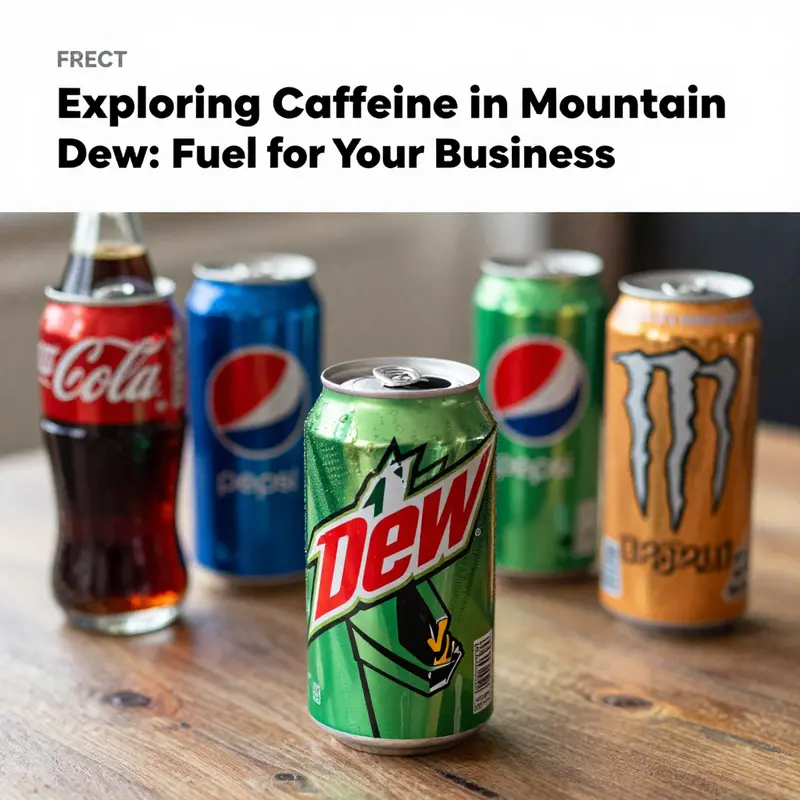
The idea of Mountain Dew as a bold, almost audacious pick-me-up rests not just on taste but on a precise chemical nudge: caffeine. Across the popular lemon-lime spectrum of sodas, Mountain Dew has built a reputation for delivering a sharper burst of alertness, a perception that study after study has connected to its caffeine content. In regular 12-ounce cans, the figure most commonly cited is about 55 milligrams of caffeine. That number isn’t a rumor born of anecdote; it crops up in official nutritional data and in multiple beverage analyses. What makes this figure meaningful isn’t simply a metric on a label. It helps shape choices—whether a gamer eyes a late-night session, or a student plans a study sprint, or a worker needs a mental reset after a long afternoon. The caffeine that sits in that familiar can is part of a larger story about how soft drinks sit on the caffeinated spectrum, and how consumers balance energy needs with other considerations like sleep, mood, and overall daily intake.
To see where Mountain Dew sits in the broader caffeine landscape, it helps to compare it with a few benchmarks. A standard cup of brewed coffee—eight ounces—typically carries around 95 milligrams of caffeine, though this can vary with roast and brewing method. In the same realm, popular energy beverages can swing higher per serving; for example, a typical energy drink in a similarly sized can often presents around 80 milligrams of caffeine. Against these anchors, Mountain Dew’s ~55 mg places it toward the upper end of the soft-drink category, but still shy of coffee and many energy drinks. There are exceptions within the Mountain Dew family, too. Some specialty variants and limited editions carry more caffeine per 12-ounce serving, with Mountain Dew Kickstart clocking around 93 milligrams per can, which positions it among the more caffeinated soft drinks on the market. Those numbers matter because they shape how a consumer experiences the product. Caffeine, after all, is not a flavor—it is a pharmacological signal that can sharpen attention, improve reaction time, and prime the brain for faster information processing. Its effects often feel most pronounced when the stomach is empty, the body is under stress, or the day has already demanded more than one cup’s worth of focus.
The caffeine in Mountain Dew comes from both natural and synthetic sources used during production. In beverage science, the source of caffeine isn’t the whole story, but it is part of the narrative about how the drink delivers its kick. The compound interacts with the beverage’s acidity and the brisk carbonation that defines Mountain Dew’s sensory profile. that sharp, zesty lemon-lime taste is not just a flavor note; it’s part of the experience that makes the caffeine feel more immediate. The combination of a high acidity level and fast-acting carbonation can amplify sensations of freshness and alertness, which many consumers interpret as a quick shove toward wakefulness. That perception matters as much as the numbers themselves. A quick jolt can help with focus during a long coding session, a marathon gaming night, or a demanding stretch of work, but it can also contribute to jitteriness if consumed in excess or late in the day.
Taste and caffeine don’t act in isolation. The flavor profile remains faithful across most versions—the bold lemon-lime base with subtle grapefruit notes—yet caffeine content can show subtle variation across variants. For example, both Diet Mountain Dew and Code Red come in around the same 55 milligrams per 12-ounce can as the regular formulation. Those numbers underscore a central theme: the energy punch in Mountain Dew is built into the brand’s design, not an afterthought layered on top. The consistency across mainline variants helps explain why the beverage has earned a reputation as a reliable, if bold, pick-me-up. It is not just about sweetness or brightness; it is about a calibrated caffeine delivery that aligns with a consumer’s expectation of energy.
To place Mountain Dew in a broader context, consider that many teas and instant coffees deliver caffeine in the 55 to 65 milligram range per typical serving. In that sense, a single can of Mountain Dew can deliver a dose comparable to a strong cup of tea or a small serving of instant coffee—a comparison that helps explain why some people reach for it as a non-coffee alternative when they want a quick mental lift without brewing a pot. The caffeine dose is enough to be noticeable, especially when combined with the drink’s other stimulating cues, but it also remains within a range that is generally regarded as manageable for many adults when consumed in moderation.
The context becomes more nuanced when Mountain Dew is consumed alongside other stimulants or with alcohol, a combination that pops up in real-world scenarios. In such mixed-use environments, the cumulative effects of caffeine can become more pronounced, influencing heart rate, sleep patterns, and perceived energy. This is not a universal admonition against any particular practice, but a reminder that caffeine interacts with every person differently, depending on tolerance, body chemistry, and timing. For the caffeine-conscious consumer, this means paying attention to total daily intake and recognizing how a single can contributes to the bigger picture of daily energy management. Moderation remains a prudent compass, especially for individuals who are sensitive to stimulants, children, or those who are pregnant.
Label literacy also matters. Official information from the brand confirms the 55 mg benchmark for the major flavors, though the landscape of flavors and seasonal releases can shift the numbers. For readers who want a fast, practical reference, a quick glance at the ingredient and nutrition panel can provide clarity. And for those who prefer a narrative that connects the data to everyday life, the internal textures of the caffeine story—how it feels in the moment, how it interacts with taste and carbonation, and how it fits within a full day’s energy plan—often explains why the caffeine amount feels exactly right to some and too bracing to others.
If you want to explore the topic further in a broader context, a dedicated overview of caffeine content across beverages provides helpful background. For a deeper dive into how caffeine content is measured across different products and what those numbers imply for daily intake, see the detailed resource on caffeine content of Mountain Dew. This write-up situates Mountain Dew within the wider caffeine landscape and helps readers interpret the 55 mg figure in practical terms. caffeine content of Mountain Dew
In the end, the 55 milligrams per 12-ounce can is more than a label. It’s a carefully tuned energy signal that aligns with Mountain Dew’s brand identity: bold, brisk, and ready to nudge attention when needed. For a subset of consumers, that nudge is exactly what makes the beverage a preferred go-to during tasks that demand quick thinking, quick reactions, and a refreshed mental tempo. For others, it’s a reminder to watch timing, to balance caffeine with rest, and to consider how a regular pattern of intake plays into sleep and daily rhythms. The value of the caffeine content lies less in the number itself and more in how it resonates with daily routines—an energetic rhythm that can help sustain focus, or a reminder to slow down when the day’s pace spikes too high.
External resource for broader context: https://www.ncbi.nlm.nih.gov/pmc/articles/PMC2836757/
A Caffeinated Pulse in a Citrus Soda: Effects on Focus, Sleep, and Dental Well-Being
A citrus-flavored, widely sold soft drink sits squarely in the middle of the caffeine conversation. In a standard 12-ounce can, caffeine content hovers around 54.8 milligrams. That level is notably higher than many other soft drinks and sits in the neighborhood of some energy-boosting beverages. The caffeine here is the principal driver of the drink’s awake-and-awake capability, the factor most likely to influence mood, attention, and task endurance on days when mental effort runs long. For students burning the midnight oil or gamers pushing through marathon sessions, that bump in neural wakefulness can translate into a measurable difference in focus, persistence, and reaction time. It is not a miracle cure for fatigue, but it is a reliable, if modest, cognitive aid under the right conditions. To ground this discussion in the data, consider the figure most often cited across official nutritional labels and beverage analyses: about 54.8 mg of caffeine per 355-milliliter can. That tight, consistent range helps explain why the beverage has earned a reputation as a quick, portable mental lift. For readers curious about how this particular beverage stacks up against other caffeinated drinks, one concise reference summarizing caffeine measurements across popular prepackaged beverages is the peer-reviewed work by Chou from 2007. But the practical takeaway remains straightforward: this is one of the higher-caffeine soft drinks you’ll encounter in a typical grocery aisle. Caffeine content MT Dew.
The stimulant effect of caffeine is well established. It acts on the central nervous system by blocking adenosine receptors, which normally signal fatigue. With those signals dampened, individuals often notice increased alertness, quicker reaction times, and a sense of steadier attention. In controlled settings, moderate caffeine intake has been associated with improved cognitive performance, especially on tasks that are repetitive or monotonous. The practical upshot for someone engaged in long gaming sessions or study blocks is a more consistent level of mental tempo rather than a dramatic, all-at-once surge. This can translate into longer periods of productive focus, fewer lapses in attention, and a reduced perception of effort during tedious tasks. Yet this is a dosage-sensitive molecule. When the same drink is consumed in rapid succession or when multiple servings are stacked within a short window, the risk of jitteriness, heightened heart rate, anxiety, and sleep disruption rises. The same chemical that sharpens attention can tip into overstimulation if not spaced appropriately. The line between a helpful nudge and a disruptive surge is not hard and fast, but it becomes clearer when one considers timing, existing caffeine tolerance, and the rhythm of other daily stimulants such as nicotine or certain medications.
A broader health lens also calls attention to what accompanies the caffeine in this beverage. Alongside caffeine, the drink contains strong acidulants—citric acid and phosphoric acid—that give the beverage its characteristic bright, tart profile. These acids contribute to a palate-pleasing tang but also pose dental considerations. Frequent exposure to acidic drinks can erode enamel over time, especially when sipping is spread across many hours rather than consumed in a single, shorter session. Enamel erosion is a slow process, often invisible day-to-day, but cumulative over months and years with regular, prolonged consumption. The risk isn’t just about cavities; enamel thinning can heighten sensitivity and alter how the teeth interact with hot and cold stimuli. In other words, the same beverage that offers a cognitive lift can also demand attention to oral health through practice of good dental hygiene and mindful drinking patterns.
Given these dynamics, moderation becomes the central recommendation for anyone who values both alertness and long-term wellness. General guidance from health authorities emphasizes keeping total daily caffeine intake below about 400 milligrams for most healthy adults. That ceiling means more than one 12-ounce can per day could edge someone toward the upper end of the safe range, particularly if there are other caffeine-containing sources in the same day—coffee, tea, energy drinks, or certain medications. It is not merely about avoiding insomnia. The combination of caffeine, acidity, and the body’s own rhythms can influence blood pressure, heart rate, and sleep architecture in ways that compound over time if dosing is inconsistent or excessive. Pairing the drink with water, as a simple habit, helps maintain hydration and can mitigate some of the gastric or dental concerns that accompany acidic beverages. It also creates a natural interval that helps prevent the overeager “chug-and-crash” pattern that can accompany rapid, repeated dosing. And while the caffeine provides a clear benefit for sustained attention, it is wise to balance this with secure sleep hygiene and predictable daily routines.
The social and psychological fabric around a caffeinated citrus soda further complicates its wellness footprint. For many people, the flavor and fizz are part of a ritual—a break in the day when a quick boost can be paired with a conversational pause, a mental reset, or a planned study lull. In these contexts, caffeine serves not only as a stimulant but as a cue that signals a transition from rest to work or from casual to more focused activity. Gamers, in particular, often report that the caffeine-lift helps sustain concentration through extended streams, reducing perceived fatigue and allowing for steadier performance on tasks that reward sustained attention and precise timing. Yet the very traits that empower extended sessions—heightened arousal, faster response, and a sense of mental perseverance—can also creep into irritability, reduced fine motor control, or sleep disturbances later if the intake is not spaced with care. With any such stimulant, the narrative remains one of balance rather than optimization.
From a dental-health perspective, the interplay between caffeine and tooth enamel is a separate but related dimension of health that deserves attention. The acids that color the drink’s tang contribute to enamel demineralization, especially during periods of frequent or long sipping. Over time, repeated acid exposure favors enamel softening, which can lead to increased tooth sensitivity or higher cavity risk when combined with dietary sugars or a crowded dental-care routine. The counseling here is pragmatic: enjoy the lift in moderation, sip rather than swig, drink water alongside, and maintain regular dental checkups. Oral hygiene—brushing after meals and rinsing with water after acidic beverages—can help protect enamel and reduce the cumulative impact of daily indulgences. The goal is not to vilify a single drink but to acknowledge the real-world trade-offs between cognitive benefit, sleep feasibility, and dental integrity.
In practice, the takeaway is straightforward: if you value alertness during demanding tasks but want to safeguard sleep and teeth, approach this beverage with intention. Use it as a timely ally rather than a daily crutch. Space out intake to early daytime hours when possible, calibrate how many cans fit within your personal caffeine tolerance, and couple consumption with water and good oral hygiene. If you’re sensitive to caffeine or if you notice sleep disturbance, shifting to a lower-caffeine alternative later in the day can be a practical move. The science supports a nuanced view: caffeine in this citrus soda can deliver a meaningful boost for attention and reaction time, but its benefits are not universal and depend on timing, dose, and individual sensitivity.
For readers who want to see a broader, more rigorous measurement landscape beyond personal experience, consider the peer-reviewed research that compares caffeine content across nationally branded beverages. This work confirms the relative standing of higher-caffeine soft drinks within the wider beverage ecosystem and offers a quantitative backdrop to the discussion about how much caffeine is truly in a can. External data from this line of inquiry helps translate personal observation into a more standardized understanding of exposure and risk. https://www.ncbi.nlm.nih.gov/pmc/articles/PMC2068747/
Buzz in the Can: Caffeine, Youthful Patterns, and Health Implications in Mountain Dew
A twelve-ounce can of Mountain Dew carries more than citrus spark and a familiar fizz; it carries a measurable jolt of caffeine—about 54 to 55 milligrams per 12-ounce serving. This range appears consistently across official nutrition data and beverage analyses, placing Mountain Dew among the more stimulant-heavy soft drinks on the market. The parallel figures for related variants—regular, Diet Mountain Dew at roughly 55.2 mg, and Code Red near 55 mg—show a pattern: the brand’s caffeinated profile remains steady across the line. Within the broader world of sodas, that level sits above many classic colas and most fruit-flavored soft drinks, and it has shaped the drink’s reputation as an energy-boosting option rather than simply a sweet refresher. For individuals balancing caffeine intake with daily responsibilities, those 54 to 55 milligrams per can are a meaningful dose, enough to sharpen attention for a stretch, but not so concentrated as to carry a heavy caffeine load all at once. The practical takeaway is simple: in a single can, Mountain Dew offers a quick lift that can complement long study sessions, late shifts, or a gaming marathon, yet it calls for mindful timing to avoid sleep disruption or jitteriness later in the day.
The consistency across variants is notable not merely for labeling clarity but for consumer expectations. The caffeine content, anchored in 12-ounce formats, provides a reference point for comparing Mountain Dew with other caffeinated beverages. When people consider alternatives—whether switching to a lighter option or choosing another energy-related beverage—the roughly mid-50s milligram figure serves as a practical benchmark. In the surrounding literature, the emphasis often shifts from the numbers themselves to how those numbers interact with patterns of use, age, and health. In this sense, the caffeine content of Mountain Dew becomes a lens for understanding consumption behavior rather than a standalone statistic.
A look at who reaches for Mountain Dew reveals a distinct demographic pattern. In a U.S. study conducted in 2018, the beverage’s consumer base skewed younger. Those aged 18–24 emerged as the most frequent users, with approximately a quarter—nearly 27%—reporting Mountain Dew consumption within the past four weeks. Adolescents aged 12–17 followed closely, with around 22% indicating recent use. In contrast, adults aged 25–34 registered about 18% and those over 35 reported even lower engagement. Taken together, these figures highlight a strong connection between youth and Mountain Dew consumption, underscoring the drink’s appeal to younger populations and the potential for cumulative caffeine exposure during adolescence and early adulthood. The data invite reflection on how taste preferences and branding messages intersect with daily caffeine intake, especially as many youths navigate school, sports, and after-school activities that can be supported by a quick cognitive lift.
The public health conversation around this pattern of use has grown more urgent as caffeine intake among younger cohorts becomes a focal point for concerns about mental health and wellness. A pilot investigation published in August 2025 examined caffeine use parameters among fifth-grade students and reported associations between regular Mountain Dew consumption and elevated symptoms of anxiety and depression. While the researchers cautioned that the study was small and not definitive, the findings contribute to a larger dialogue about how caffeinated beverages may intersect with mood and psychological well-being in youth. The study’s framing—linking repeated caffeinated beverage use to anxiety and depression indicators—reminds readers that caffeine is not a neutral additive. It interacts with developing brains and social circumstances in ways that can amplify stress, disrupt sleep, and influence mood, particularly when consumption occurs in larger volumes or late in the day.
Yet the picture is not simply one of risk. Caffeine, when consumed in moderate amounts, can support alertness, concentration, and performance in contexts such as long study sessions or complex tasks. The practical challenge lies in balancing the perceived benefits with potential downsides. In the Mountain Dew context, the observed high caffeine content of a single can prompts careful consideration of total daily intake, especially for young people who may already be consuming multiple caffeinated products. The health conversations surrounding Mountain Dew thus extend beyond the can itself to questions about labeling clarity, consumer education, and the marketing environment that often pairs high-energy imagery with extreme sports and fast-paced lifestyles. Public health advocates have argued for clearer labeling and targeted education campaigns aimed at parents and youth, acknowledging that awareness can shape more thoughtful consumption patterns and prevent a pattern of habitual overuse.
As families and educators wrestle with these issues, several practical considerations emerge. For one, timing matters. Consuming a caffeinated beverage like Mountain Dew in the late afternoon or evening can interfere with sleep architecture and circadian rhythms, particularly for adolescents and young adults who already juggle school schedules, extracurriculars, and social commitments. For the same reason, many people prefer to reserve caffeinated drinks for earlier in the day, using the cognitive lift to power tasks that require sustained attention while avoiding the late-night wakefulness that can follow. For those who enjoy the ritual of a caffeinated beverage, understanding the fixed caffeine content in a standard 12-ounce can helps in planning daily intake. It also invites readers to think about cumulative caffeine exposure when combining beverages, snacks, and even medications that contain caffeine.
The demographic patterns, health concerns, and the brand’s consistent caffeine profile together sketch a narrative about modern soft drinks: products that promise quick energy but also challenge families to monitor intake and understand potential effects. The data invite a balanced approach—one that honors personal preference and performance needs while acknowledging the responsibilities of youth protection, informed choice, and open conversations about caffeine. In this sense, the chapter threads together nutrition, psychology, marketing, and public health into a single tapestry that explains not just how much caffeine is in a can, but how that caffeine touches everyday life across ages and contexts. For readers seeking a deeper look at the caffeine content itself in Mountain Dew, a concise examination is available in resources that discuss the broader spectrum of caffeine in Mountain Dew and similar beverages. See caffeine content of Mountain Dew for a focused look at the numbers behind the lift.
External research for readers who want a broader scientific context beyond consumer data is available here: https://www.ncbi.nlm.nih.gov/pmc/articles/PMC2836757/
Caffeine in Mountain Dew: Reading the Label, Understanding Regulation, and the Real-World Balance
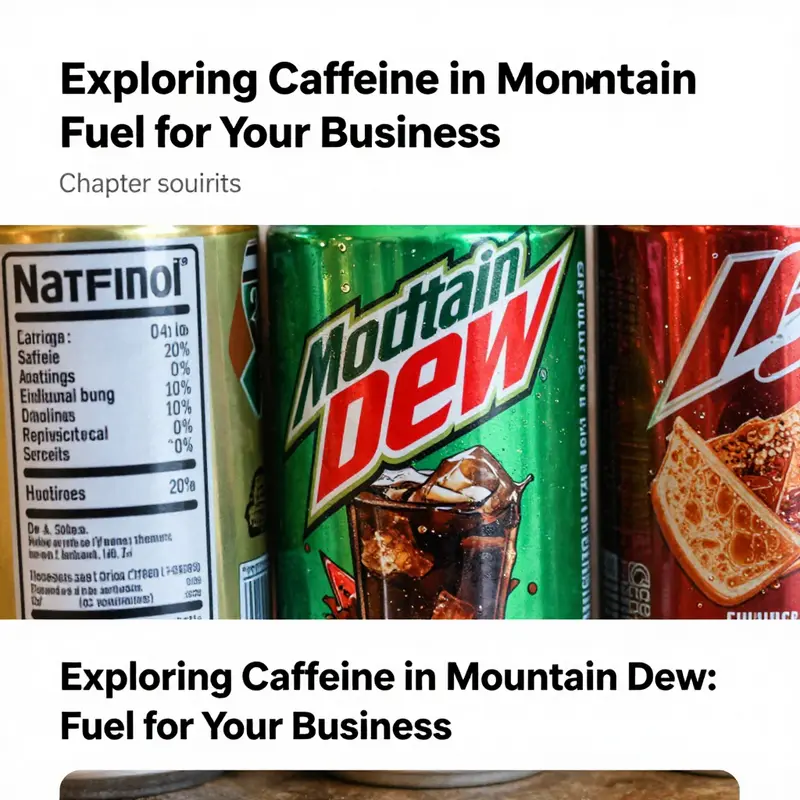
Caffeine has become a defining element of a certain neon-can icon in the soft drink aisle, a feature that shapes how people perceive energy, focus, and even what they reach for during long gaming sessions or late-night work sprints. In the public conversation about caffeine and soda, Mountain Dew often sits at the center because its caffeine content is notable among its peers. A standard 12-ounce can contains roughly 54 to 55 milligrams of caffeine, a figure that appears consistently across official nutritional data and beverage analyses. That consistency matters. It suggests a deliberate formulation choice rather than a one-off variation between batches. For consumers tracking daily caffeine intake, those numbers become practical benchmarks. They help translate the idea of “one can” into a concrete dose, especially when other drinks—coffee, tea, energy drinks—join the day’s tally. The experience, however, is not only about the punch of caffeine. It also intersects with labeling practices, safety considerations, and regulatory guidance that many people overlook until they pause to inspect a label more closely.
To understand why this matters, it helps to look at the regulatory scaffolding that governs caffeinated beverages in the United States. The U.S. Food and Drug Administration oversees caffeine as a food additive and sets overarching expectations for safety, labeling, and disclosure. Unlike some other nutrients, the FDA does not publish a single daily limit for caffeine that applies to everyone. Instead, a frequently cited benchmark for many adults is around 400 milligrams per day, a figure that accounts for ordinary variability in sensitivity and exposure from multiple sources. Yet individuals differ in how they metabolize caffeine; a dose that feels manageable to one person can cause sleep disruption, jitteriness, or increased heart rate in another. This variability is an important backdrop for any discussion of a popular soft drink’s caffeine content, because labeling and consumer education hinge on helping people tailor intake to their own tolerance.
Labeling, in particular, is central to how consumers interpret caffeine in Mountain Dew. The FDA requires that products containing added caffeine clearly disclose caffeine on the ingredient list. In the case of Mountain Dew, the caffeine is part of the formula and is listed as a distinct ingredient. The approach is straightforward: the label communicates that caffeine contributes to the drink’s effects, but it does not always present a per-serving mg figure on the front of the package. The 54–55 mg per 12-ounce serving is a value you often see recited in analyses and official data, and it sits below a regulatory trigger that would invite heightened scrutiny. The threshold to watch, according to current guidance, is 71 milligrams per serving. If a beverage exceeded that level, it could fall under the FDA’s higher-caffeine scrutiny framework. In that sense, Mountain Dew remains within a range that is substantial for a soft drink but not considered a high-caffeine product by that specific standard.
This regulatory stance helps illuminate a broader truth: the labeling environment reflects a balance between providing useful information and avoiding information overload that can overwhelm consumers. When a drink clearly lists caffeine as an ingredient, it signals that caffeine is a deliberate addition rather than a passive byproduct of the beverage’s flavoring and sweetening profile. The same labeling logic is applicable across various caffeinated beverages, including those with similar caffeine footprints in the 50-something milligram per 12-ounce range. It’s a reminder that coffee and tea are not the sole sources of caffeine in daily life; many everyday beverages contribute to total caffeine intake, and labeling practices aim to reflect that reality without overstating the case.
What does this mean for the consumer who wants a quick, reliable read on caffeine content? First, it means that the caffeine level in Mountain Dew is relatively consistent across the main product lines. The regular version sits in the mid-50s per 12-ounce can. Diet Mountain Dew mirrors that roughly 55 mg figure, while Code Red—a variant beloved by fans of the brand’s citrusy lineup—also contains about 55 mg per 12-ounce serving. The consistency across these products reinforces a predictable caffeine profile, which helps people manage intake when they rotate among different flavors or varieties. For someone keeping a running tally of caffeine from beverages, a simple rule of thumb emerges: tally roughly 55 mg per 12-ounce can for the usual suspects, then adjust for any additional caffeine from other sources—coffee, tea, energy shots—throughout the day.
Beyond the numerics, the labeling and the regulatory context invite a closer reading of what the can is actually communicating. The presence of caffeine as an ingredient is not a mere formality; it signals that the beverage is intended to deliver a stimulatory effect and that the caffeine content is deliberate. For parents and caregivers, for athletes, for night owls—anyone who wonders how much caffeine they are ingesting—the label provides a starting point for planning. It also prompts a larger question about where to draw the line between a beverage that helps with alertness and one that could contribute to sleep disturbances when consumed late in the day. The FDA’s ongoing evaluations of high-caffeine products, especially those marketed toward younger audiences, reflect a broader concern about cumulative caffeine exposure and its potential health implications. While Mountain Dew does not cross the high-caffeine threshold, the conversation it fuels is part of a larger public health dialogue about how caffeine in popular beverages intersects with daily routines and sleep timing.
For readers seeking a deeper dive into the finer-grained data about caffeine content across Mountain Dew variants, there is a resource that presents the numbers in a concise, comparative way: caffeine content of Mountain Dew. This journal-style reference site collates per-serving caffeine figures and helps readers compare how a standard can stacks up against a spectrum of caffeinated drinks. The value of such a resource lies not in sensationalism but in clarity: the ability to translate the label into a real-world, day-long caffeine budget. Within this context, the Moonlit glow of a neon can makes sense not only as a flavor statement but as a piece of a consumer’s daily caffeine puzzle. For those who want to trace the precise mg figures to the label, the linked page acts as a practical companion to the FDA’s guidance and to the product’s own ingredient disclosures.
In thinking about the placement of caffeine on the label, it’s also worth considering how regulations influence marketing practices and consumer expectations. The FDA’s approach to caffeine does not create a “green light” for aggressive caffeine content in any one category, but it does set expectations for transparency and safety. Marketers and producers respond to those expectations by clearly listing caffeine as an ingredient and by providing common-sense consumption guidance, particularly for populations who may be more sensitive to caffeine’s effects. The net result is a labeling ecosystem that seeks to empower informed choices rather than to obscure the stimulant’s presence behind color and branding.
As a reader navigates this landscape, there is a practical takeaway: caffeine in Mountain Dew is a real, measurable dose that belongs to a broader conversation about daily caffeine intake. When you count up the drinks you consume, you’ll likely encounter a mix of sources—soft drinks, coffee, tea, and possibly energy beverages. The regulatory and labeling framework is designed to support the kind of mindful consumption that modern audiences increasingly seek: a balance between energy, focus, and the rhythms of sleep. The can remains a compact package of information, with a definite caffeine footprint that helps anchor conversations about how much caffeine one person can reasonably enjoy without tipping into discomfort or disruption. And because the numbers stay relatively steady across the line, consumers can develop a practical familiar gauge rather than needing to memorize a shifting landscape of caffeine contents.
For anyone who wants to explore the precise labeling language and the broader regulatory rationale in one place, the discussion above points toward a trusted internal resource that presents the caffeine content more broadly. You can read about the topic here: caffeine content of Mountain Dew. The link provides a focused look at how these figures translate into everyday choices and how they relate to the general framework provided by regulatory bodies.
External resource: To learn more about the FDA’s current stance on caffeine in beverages and official guidance, see the FDA’s caffeine guidelines page: https://www.fda.gov/food/food-additives-petitions/caffeine
Caffeine in Mountain Dew: A Citrus-Driven Edge for Focus, Energy, and Gaming Performance

Mountain Dew’s caffeine profile sits at a robust level for a soft drink, widely cited as around 54.8 mg per 12-ounce can. Diet Mountain Dew edges just above that, at about 55.2 mg, and Code Red lands in a similar range. This concentration stands out in the soda aisle and explains why the drink is often discussed as an energy-boosting option, especially among crowds that want to stay alert during long periods of screen time. The mere presence of caffeine, however, is only part of the story; it is how that caffeine interacts with a consumer’s rhythms, hydration, and sleep that ultimately shapes its real-world effects. In a culture that prizes quick, predictable bursts of focus, Mountain Dew presents a practical, if not extraordinary, option for energy without reaching for an explicit energy drink.
Across the literature, a single 12-ounce serve in this range delivers a stimulatory cue that many people find useful for tasks requiring vigilance and rapid responses. In a 2007 study led by KH Chou and colleagues, the measured caffeine content of Mountain Dew was reported as approximately 54.8 mg per 12 oz, while Diet Mountain Dew hovered around 55.2 mg. The values align with other analytical assessments, underscoring that the product line delivers a consistent caffeine dose across formats. Such consistency matters for anyone using the drink to pace energy across a gaming session or an intense study window. The measurement methods—typically precise chemical analyses—give researchers confidence that the numbers reflect real-world servings, not mere estimates.
The next question is what that caffeine does, beyond a label on the can. Caffeine’s stimulant effects are well documented: it tends to sharpen attention, heighten vigilance, and improve motor coordination when exposure is moderate. For someone engaged in prolonged cognitive work or strategy-heavy play, these enhancements translate into smoother decision-making, fewer lapses in concentration, and, in many cases, faster reaction times. In controlled trials, moderate caffeine doses have been linked to higher energy expenditure, favorable substrate metabolism, and clearer mental focus. For gamers and streamers, the practical takeaway is straightforward: a steady, manageable caffeine input can help sustain the tempo of a session, especially during late-night marathons or highly technical tasks that demand consistent mental engagement. Yet the same literature warns that more caffeine does not always equal more benefit. The line between enablement and overstimulation is narrow, and individual sensitivity varies widely.
With benefits come risks. High caffeine intake, particularly when consumed in rapid succession or late in the day, can provoke jitteriness, anxiety, and sleep disruption. The body’s response to caffeine is shaped by genetics, habitual use, and total daily caffeine load, so a dose that feels manageable for one person may feel excessive to another. The practical strategy is to distribute caffeine intake rather than front-load a single surge. A few smaller servings spaced across a long session can help maintain a steadier energy level and minimize the post-dose crash that often follows a single large intake. Hydration matters too; caffeine has mild diuretic effects for some people, and dehydration can amplify symptoms like headaches and fatigue. Pairing moderate caffeine with water, a balanced snack, and breaks to rest the eyes and mind creates a more reliable energy pattern than relying on caffeine alone.
Beyond the pharmacology, there is a cultural texture to Mountain Dew’s popularity in energetic contexts. The drink’s bold citrus flavor and high-contrast branding have long made it a go-to choice for people who want a sensory cue that matches an energized mindset. The brand’s flavors—designed to feel intense and fast-paced—mesh with the expectations of streaming, competitive gaming, and long-form content creation. The appeal is not only the caffeine; it is the overall sensory package that signals pace and momentum. In the brand’s internal development processes, real-time data on social sentiment, regional sales, and consumer feedback help steer flavor innovation so that the product continues to feel relevant to a younger, high-energy demographic. This alignment between flavor, cultural moment, and caffeine content helps explain why many gamers and creators keep this beverage in rotation, even when the exact caffeine mg per serving remains modest compared to some energy-focused formulations.
From a practical perspective, the goal is to convert caffeine into reliable performance support without letting it disrupt rest or trigger discomfort. That means starting with a modest baseline of one 12-ounce serving early in a long effort, followed by an optional second serving later if the session persists and alertness wanes. The timing matters: consuming caffeine too close to bedtime diminishes sleep quality and makes the next day’s focus harder to achieve. For individuals who are more caffeine-sensitive, a smaller portion or a longer interval between servings can preserve the same cognitive edge without the downsides. For those who want a targeted focus during a demanding stream or an endurance test of memory and speed, the value lies in predictability. For a precise caffeine figure per 12-ounce serving, see caffeine content Mt. Dew.
While caffeine is one piece of the energy puzzle, beverages like Mountain Dew should be viewed as a supporting actor in a broader routine. Sleep quality, regular hydration, and nutrition all intersect with caffeine’s effectiveness. A user who waits until after a heavy late-night gaming session to fuel on sugar, for example, may experience amplified crash effects as the body returns to baseline. Our understanding of caffeine is that it can alert and sustain attention when used thoughtfully; it does not create stamina out of thin air. The interplay between caffeine, hydration, and rest determines the quality of focus during a session. In practice, that means pairing the drink with water, a small protein snack, and short breaks to stretch or reset the eyes. The goal is a stable energy curve, not a peak-and-crash cycle that undermines performance a few hours later.
To round out the discussion, consider how this caffeine level sits within the broader landscape of caffeinated beverages. The figure remains high for a non-energy-beverage category, which is part of what makes it distinctive. Comparisons with other popular drinks reveal a range that can sometimes approach or exceed the caffeine content of some energy-focused formulations, especially when multiple servings are consumed in sequence. Yet the difference between a soda and an energy drink often lies in other ingredients, such as B-vitamins, amino acids, or taurine, and in the marketing frame that encourages rapid, frequent consumption. Yet for many readers, this means recognizing that Mountain Dew offers a convenient caffeine source that is familiar and widely accessible, but using it for sustained cognitive work still benefits from a mindful approach. Concerns about caffeine are not purely about numbers; they involve when and how this stimulant integrates with daily life and sleep patterns, a balance that becomes increasingly important as sessions extend into the wee hours.
External resource: https://www.ncbi.nlm.nih.gov/pmc/articles/PMC2836757/
Final thoughts
The caffeine in Mountain Dew offers more than just a boost; it shapes consumer habits, influences health perceptions, and plays a pivotal role in market dynamics. Understanding these elements enables business owners to tailor marketing strategies effectively and connect with target demographics. By leveraging the insights from caffeine consumption trends, health impacts, regulatory frameworks, and performance implications, businesses can maximize their engagement with consumers in a caffeine-driven market.