
Understanding the caffeine content in beverages like Diet Dr Pepper is crucial for business owners, especially those in the food and beverage industry. This popular soda contains caffeine, with a 12-ounce can typically delivering 41 milligrams, akin to a standard cup of black tea. Despite the common belief that diet sodas may be caffeine-free, consumers often require transparency about caffeine levels for health, sleep, and dietary considerations. Throughout this article, we will explore the caffeine content in Diet Dr Pepper compared to other sodas, examine potential health implications, and clarify misconceptions surrounding caffeine in diet sodas—essential information for making informed business decisions.
Caffeine in Diet Cola: Understanding the Diet Variant, Caffeine Levels, and Your Daily Budget
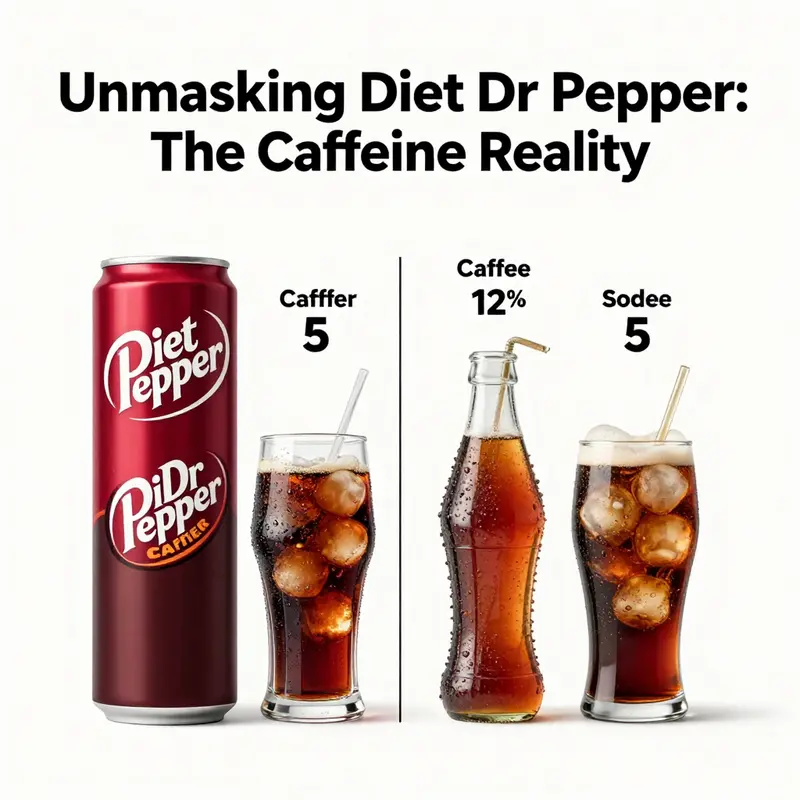
Evidence shows that many diet colas contain caffeine, typically in the range of about 40 to 45 milligrams per 12-ounce (355 ml) can. This places them in the mid-range for caffeinated soft drinks, lower than many energy drinks but higher than caffeine-free beverages. Diet labels mainly indicate lowered calories and sugar, not absence of caffeine. Readers monitoring caffeine for health, sleep, or sensitivity should consider the total daily load and timing, not just the presence of caffeine in one product.
A standard serving, the twelve-ounce can, contains approximately forty-one to forty-four milligrams of caffeine depending on formulation and region. In the United States this range is common across many products in this category. The regular sugar-sweetened version often shows a similar caffeine footprint, while some variants may edge higher or lower by a few milligrams.
For those seeking minimal caffeine exposure, caffeine-free variants exist within the same product family. They offer the familiar flavor profile without stimulant effects. The choice between caffeinated and caffeine-free options is a practical way to tailor a daily caffeine budget.
Health considerations: most healthy adults can tolerate up to around four hundred milligrams of caffeine per day, though individual tolerance varies. Pregnant people, people with sleep disorders, or those taking certain medications should consult a clinician about caffeine limits. The timing of consumption matters: caffeine absorbed within 30 to 60 minutes can affect alertness, and the half-life ranges from roughly 3 to 5 hours, depending on physiology and other factors.
In planning a daily caffeine budget, it helps to track all sources, including coffee, tea, chocolate, and other caffeinated beverages. This diet cola variant can contribute a steady, predictable amount of caffeine, which supports planning but should be balanced with other daily sources. For readers comparing brands, note that some diet colas in other markets may differ slightly in caffeine content due to regional formulations or different serving sizes.
If avoiding caffeine entirely is important, the caffeine-free variant is a reliable alternative that preserves flavor while eliminating the stimulant. See official nutrient data for precise values and consider using reputable databases to compare caffeine across beverages. Finally, remember that caffeine sensitivity varies widely; what feels modest for one person can be more noticeable for another. By understanding the range and timing, readers can incorporate this beverage into a balanced routine without sacrificing sleep or well-being.
null
null
Beyond the Label: Demystifying Caffeine in Diet Sodas and Its Role in Daily Hydration
When people ask whether a diet soda can wake them up or keep them going, the question often hides a more fundamental one: does this beverage contain caffeine, and if so, how much? The straightforward answer is yes. In a standard 12-ounce can, Diet Dr Pepper contains about 41 milligrams of caffeine. That figure places it in the same general range as many common caffeinated beverages, and it aligns with what most people expect from a soda marketed as a darker, fuller-flavored option rather than a purely zero-caffeine treat. It is also worth noting that the regular version of the same brand mirrors this caffeine content, which means the distinction between diet and regular beverages in this case is largely about calories and sugar rather than caffeine presence. For individuals seeking a caffeine-free alternative, there is a dedicated caffeine-free variant that delivers zero milligrams of caffeine. This clarity challenges a widespread assumption: the term diet often signals a reduction in calories or sugar, but it does not automatically indicate a caffeine-free profile. Understanding this nuance helps people plan their daily intake with more precision and less guesswork.
Caffeine in a diet soda, therefore, is not an aberration but a standard feature in many mainstream options. The caffeine content in Diet Dr Pepper is similar to that of many other popular sodas and teas, with variations depending on the product line and serving size. The takeaway is that you cannot rely on the word diet as a cue for caffeine absence. Instead, look at the actual milligrams per serving. This invites a broader reflection on how people manage their caffeine budgets across different beverages, from coffee and tea to energy drinks and carbonated options. If you want to verify the specifics, a trusted explainer on caffeine content discusses the general landscape of caffeine in diet sodas and similar beverages, which can help readers contextualize the numbers and avoid overgeneralizations about what diet means in this setting.
The broader conversation around caffeine in diet sodas also invites readers to consider how these beverages fit into daily hydration. Hydration is a critical factor in health, and the common belief that caffeine significantly dehydrates the body can lead to unnecessary avoidance of caffeinated drinks. The scientific picture is more nuanced. The diuretic effect of caffeine is real but modest, and tolerance to that effect develops in regular caffeine consumers. A well-cited study in the American Journal of Clinical Nutrition indicates that moderate caffeine intake—up to about 400 milligrams per day, which roughly equates to 3–4 cups of coffee—does not measurably alter total body water or hydration status. In practical terms, this means that a daily diet soda containing around 34–46 milligrams of caffeine contributes to overall fluid intake rather than draining it. Readers should consider their entire fluid portfolio when assessing hydration, not fixate on a single beverage. This perspective makes it clearer why many people include caffeinated sodas in their daily routines without experiencing clear signs of dehydration, provided they balance fluids from other sources.
The hydration discussion naturally prompts a closer look at health concerns that sometimes accompany caffeine. A persistent myth holds that caffeine in diet sodas is harmful or even stunts growth. The roots of that belief trace back to earlier concerns about calcium absorption and bone development, a line of inquiry that has not held up under modern scrutiny. Contemporary research has not demonstrated a causal link between normal caffeine consumption and reduced adult height. The amounts found in typical beverages, including diet sodas, are small relative to coffee or energy drinks. In fact, the total caffeine exposure from everyday diet is unlikely to pose a meaningful risk to bone health for most people, especially when balanced with adequate nutrition and a healthy lifestyle. This nuance matters because it shifts the focus from alarm to awareness, helping readers distinguish between plausible cautions and exaggerated warnings.
Another common myth is that caffeine in diet sodas automatically leads to weight gain or metabolic disruption. In practice, these beverages are often formulated to offer little or no calories. The caffeine content in such products may even support metabolic processes in some individuals, though the effects are modest and vary widely among people. Rather than viewing caffeine as a villain, it makes sense to see it as a tool that can influence alertness, mood, and, for some, appetite regulation. The real picture emerges when considering overall dietary patterns. If someone substitutes high-calorie drinks with diet sodas, they may reduce caloric intake overall, which can be favorable for weight management. However, relying on caffeine alone to drive weight loss is misguided. Sensitivity to caffeine varies, and individuals with anxiety, sleep disturbances, or certain cardiovascular conditions should monitor their intake closely. In addition, caffeine can interact with medications and other dietary components, underscoring the value of a balanced approach rather than a caffeine-centric strategy.
A crucial part of the conversation concerns how people incorporate caffeinated beverages into a healthy routine. The energy and focus offered by caffeine can be helpful for staying productive, but it is not a substitute for sleep, rest, and a well-rounded diet. It is wise to track caffeine sources across the day, including coffee, tea, chocolate, and various sodas. For most healthy adults, moderate intake is tolerable, but thresholds exist. Individual tolerance, lifestyle, and health status matter. If sleep is compromised or anxiety is heightened, even ordinary amounts can become excessive. This is why the guidance to many health professionals is not a blanket injunction against caffeine but a personalized plan that respects one’s unique physiology and daily demands.
Where does this leave someone who enjoys the taste and routine of Diet Dr Pepper, but also wants to make informed choices about caffeine? An important step is to recognize that the caffeine content in diet sodas is a fixed parameter you can plan around. In the case of Diet Dr Pepper, the 41 milligrams per 12-ounce serving provides a reliable data point for daily budgeting. If someone needs to avoid caffeine entirely, the accessible option is the caffeine-free variant, which delivers zero milligrams per serving. The presence of a caffeine-free alternative underscores a practical truth: beverage choices can be adapted without sacrificing flavor or satisfaction. For readers who want a concise, direct breakdown that ties the numbers to everyday decisions, a dedicated explainer on does-diet-dr-pepper-have-caffeine-in-it offers a compact overview that mirrors the larger conversation about caffeine content across diet sodas and other beverages. See does-diet-dr-pepper-have-caffeine-in-it for a straightforward summary of the caffeine profile and what it means for daily planning.
Beyond individual choices, the larger social and dietary context matters. People often juggle multiple caffeinated sources, from coffee to energy drinks to various sodas. The cumulative caffeine load is what matters most, particularly when sleep quality or cardiovascular health is a concern. The 41-milligram figure per 12-ounce can is a useful reference point, but it does not exist in isolation. It should be added to the rest of one’s caffeine exposures, including beverages consumed earlier in the day and any medications or supplements that contain caffeine. For those who track caffeine for sleep or health reasons, creating a simple ledger can be surprisingly effective. Note the serving size, caffeine per serving, and the number of servings consumed in a day. Doing so helps maintain a steady balance between alertness during waking hours and restful sleep. In many cases, people find that moderate, well-timed caffeine fits smoothly into a healthy lifestyle without triggering adverse effects.
The practical upshot is that Diet Dr Pepper does contain caffeine, and the amount is within the moderate range for many adults. This means that for those who have no allergy, no medical contraindication, and no sensitivity that would demand an avoidance, it can be part of a varied and satisfying hydration strategy. It also means that individuals who prefer caffeine-free options can confidently choose a variant that aligns with their goals without having to sacrifice taste or experience. The key is mindfulness: understanding the caffeine content of the beverages you drink, recognizing how it fits into your daily total, and choosing products that align with your health priorities.
For readers who want to dive deeper into the specifics of caffeine content in Diet Dr Pepper and related beverages, there is a reliable resource that breaks down the numbers in a user-friendly way. This explainer helps translate the milligrams into practical daily decisions, linking the data to real-life choices about hydration, sleep, and daily rhythm. It’s a helpful companion piece when you are sorting through the many options on a grocery shelf or in a convenience-store lineup. If you are seeking a direct reference that ties the caffeine content to everyday decisions, you can explore the detailed breakdown at the linked explainer that focuses on caffeine content in diet sodas and related beverages. does-diet-dr-pepper-have-caffeine-in-it.
In summary, the narrative around caffeine in diet sodas like Diet Dr Pepper is not a simple yes-or-no question but a nuanced picture of how caffeine operates in our bodies, how hydration works in concert with caffeinated fluids, and how individuals can tailor their intake to their health realities. The key numbers are straightforward: a 12-ounce serving of Diet Dr Pepper contains about 41 milligrams of caffeine, the same as regular Dr Pepper, while the caffeine-free version contains zero. Hydration remains a function of overall fluid balance rather than a single beverage; growth concerns linked to caffeine are not supported by modern, long-term data at typical consumption levels; and metabolic effects are modest and context-dependent. With this framework, readers can enjoy their preferred beverages without fear or guilt, while maintaining a thoughtful approach to caffeine exposure. For those who crave an accessible reference to the caffeine profile, the external research on caffeine and hydration provides a scientific backdrop that reinforces the practical takeaways and helps translate laboratory findings into everyday choices. External resource: https://academic.oup.com/ajcn/article/105/6/1489/4759494
Final thoughts
As we have explored, the caffeine content in Diet Dr Pepper is significant for both consumers and business owners to recognize. With 41 milligrams of caffeine per 12-ounce can, it mirrors many caffeine-containing beverages, debunking the notion that diet sodas are free from caffeine. Understanding this aspect places businesses in a better position to cater to their customers’ needs and preferences, ultimately fostering informed consumption choices. As a takeaway, awareness and transparency about caffeine in beverages like Diet Dr Pepper should guide how businesses communicate with their customers and shape their product offerings.