
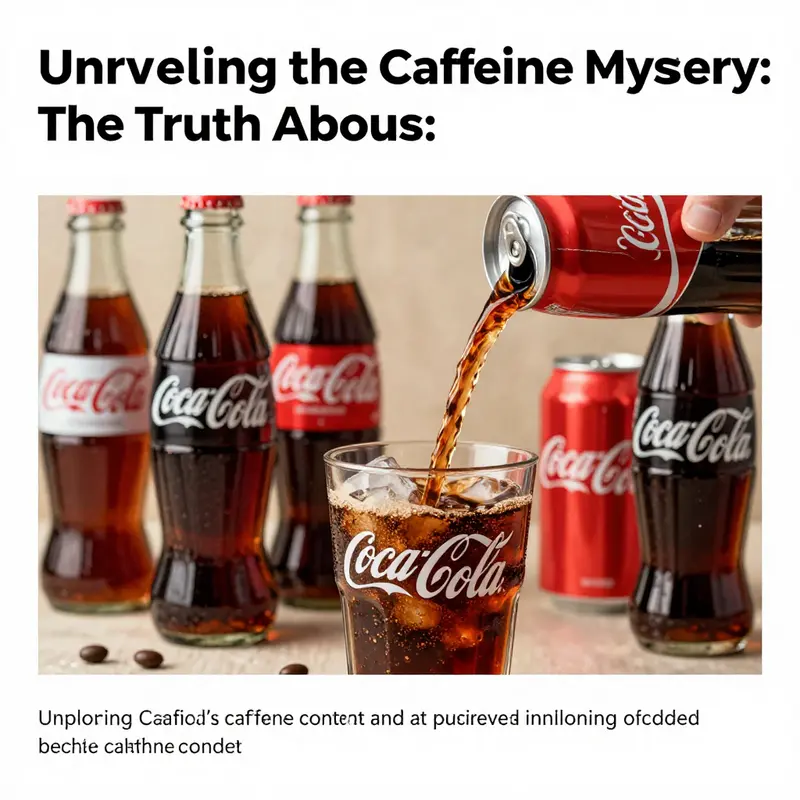
Understanding the caffeine content in Coca-Cola is critical for business owners, especially those in the beverage or food service industry. With consumers increasingly conscious of their caffeine intake, knowing how much caffeine is present in products like Coca-Cola can impact menu decisions, marketing strategies, and customer satisfaction. This exploration not only addresses whether Coca-Cola has caffeine but also delves into a comparative analysis of different Coke products. Finally, we will examine how caffeine affects lifestyles, providing insights that can guide your business decisions.
Caffeine in Coca-Cola: Unpacking the Buzz Behind Coke’s Spark

Caffeine in Coca-Cola is a question that surfaces as often as the fizz itself. People wonder not just about the caffeine content, but how a single can fits into daily routines that already include tea, coffee, and an array of energy drinks. The simple answer is yes: Coca-Cola, in its classic form, contains caffeine. The exact amount varies by region and product, and the brand has long provided clear labeling to help consumers make informed choices. To understand what that means in practical terms, it helps to look at the numbers, the different products on offer, and the broader context of caffeine consumption in everyday life.
In the United States, the standard Coca-Cola Original, the familiar caramel-brown potion that many reach for as a quick pick-me-up, carries about 34 milligrams of caffeine per 12-ounce (355 ml) can. That figure places it well below a typical cup of coffee, whose caffeine content commonly lands in the range of around 70 to 140 milligrams for an eight-ounce serving, depending on roast, grind, and brew time. In plain terms, you’re looking at roughly a third to a half of the caffeine found in a cup of coffee for the same volume of Coca-Cola Original. This relative difference—significantly less caffeine per serving than coffee—helps explain why many people reach for Coke as a daytime beverage or a light, more manageable alternative when they want a mild jolt without the intensity of a coffee pickup.
The caffeine story doesn’t stop there. Diet Coke, the lighter formulation that many associate with a crisper, more refreshing finish, contains more caffeine per similar serving than Coca-Cola Original. A 12-ounce can of Diet Coke clocks in at around 46 milligrams of caffeine. The contrast between the two isn’t just about sweetness or flavor; it’s about balancing taste, calories, and caffeine load in a single sleek can. It’s worth noting that these numbers are typical benchmarks for the U.S. market and may vary slightly by batch, but they remain reliable guides when comparing these two staples side by side. In addition to these, Coca-Cola also offers a Caffeine-Free line, including Coca-Cola Caffeine-Free and a Caffeine-Free Diet Coke variant. As the names imply, these options deliver the classic cola taste without any caffeine at all, catering to consumers who want or need to minimize their stimulant intake.
To put these numbers into practical terms, consider serving sizes beyond the standard 12-ounce can. A typical large bottle or a two-liter format contains multiple servings, and the total caffeine content scales accordingly. For example, a two-liter bottle of Coca-Cola Original would provide roughly 92 to 100 milligrams of caffeine if consumed in its entirety, distributed across several servings. That means the caffeine experience from a bottle is more about how you partition the drink rather than an entirely different caffeine profile. The same logic applies to Diet Coke and the caffeine-free variants: the broader bottle sizes deliver more total caffeine than a single can, but the content per serving remains the same as the labeled amount on the can. In practice, most people don’t drink an entire two-liter bottle in one sitting, so the daily caffeine total tends to stay within modest bounds unless multiple caffeinated beverages are consumed throughout the day.
The labeling conventions reinforce this clarity. On nutrition facts panels, the caffeine content is clearly listed for each product variant. For those who are sensitive to caffeine or who must manage intake for health reasons, these panels serve as a reliable guide. The presence of caffeine is stated explicitly, and for the caffeine-free versions, you’ll see the absence of caffeine reflected in the nutrition facts. This transparency helps consumers make informed choices that align with their sleep schedules, medical guidance, or personal caffeine tolerance. For readers comparing Coke with other caffeinated beverages, the landscape can still feel like a mixed bag, where a single can contributes a modest, predictable amount to the day’s total, rather than an overwhelming surge.
In the grand scheme of caffeine culture, Coca-Cola’s approach offers a blend of familiarity and variety. A classic Coke provides a gentle, readily available caffeine source without the intensity of a cup of coffee. Diet Coke offers a slightly higher caffeine punch in the same format, which some people may prefer for its briskness in taste and bite. The caffeine-free options, meanwhile, acknowledge that not everyone wants caffeine in every moment—from late afternoon to late evening, or in contexts where caffeine could interfere with sleep or medical considerations. This spectrum—from caffeine-containing Original to higher-caffeine Diet Coke, down to caffeine-free variants—captures a nuanced approach to beverage design that respects both flavor and physiology.
For readers who enjoy a broader comparison, it’s useful to situate Coca-Cola’s caffeine alongside other popular caffeinated beverages. A single 12-ounce serving of many traditional coffees tends to deliver a caffeine load that is roughly three to four times higher than Coca-Cola Original. This contrast helps explain why some people reach for Coke when they want a lighter lift, or for coffee when they seek a stronger, more focused jolt. It also underscores the importance of context: the same caffeine content can feel different depending on how sugar, acidity, and other stimulants interact with your body. In addition, the sensory experience—the temperature, the carbonation, the flavor profile—shapes how you perceive the pick-me-up, not just the caffeine milligrams alone.
Caffeine, after all, is not just a chemical compound in a lab test; it’s a lived experience. For many, a can of Coca-Cola Original is a familiar comfort with a predictable amount of caffeine that fits into daily rhythms—a midday lift, a post-lunch reset, or a social moment shared with friends. For others, especially those with caffeine sensitivity, pregnancy, certain medical considerations, or sleep concerns, the caffeine-free options become essential. The brand’s lineup reflects this reality, offering a spectrum of choices so that consumers can tailor their beverage intake to personal needs rather than conform to a single one-size-fits-all rule.
A final word on context: regional formulations do exist, and caffeine content can vary slightly by market due to local sourcing, regulatory guidance, and manufacturing practices. The numbers above are representative benchmarks for the U.S. market, and global fans may encounter small differences. Still, the overarching pattern remains consistent: Coca-Cola Original contains a modest amount of caffeine, Diet Coke carries a somewhat higher level, and there are unmistakable caffeine-free variants for those who wish to avoid caffeine altogether. With clear labeling and a range of options, consumers can make choices that align with taste preferences, daily routines, and health considerations.
For readers curious about how Coke stacks up against other popular caffeinated beverages, consider the broader landscape of caffeination and taste. The comparison isn’t solely about milligrams; it’s about how a drink’s caffeine interacts with your day, your sleep, and your metabolism. The bottom line is straightforward: Coca-Cola delivers caffeine in measured, labeled amounts, with accessible alternatives that let you tailor your intake without sacrificing the familiar, refreshing fizz many people love.
External resource: For a detailed official reference on Coca-Cola’s caffeine content and ingredients, you can explore the nutrition and ingredients information on the brand’s own site, which lays out the specifics for Coca-Cola Original and related products.
In the broader conversation about caffeine and beverages, readers who want a deeper dive into how cola flavors compare with other caffeinated options can explore related discussions, including cross-genre comparisons such as Caffeine content in Mountain Dew vs Coke. This kind of side-by-side examination helps put Coca-Cola’s caffeine in a practical frame, guiding choices in contexts ranging from daily routines to travel and social occasions.
As we continue to map caffeine across the beverage landscape, the takeaway remains clear: you don’t have to guess or rely on rumor. Coca-Cola and its variants provide transparent caffeine labeling and a clear lineup of options, from standard caffeinated classics to caffeine-free alternatives. This empowered approach supports informed consumption, enabling you to align your drinks with energy needs, taste preferences, and wellness considerations.
External resource: https://www.coca-colacompany.com/nutrition-facts/coca-cola-original
Caffeine in the Cola Spectrum: Does Regular Cola Carry Less Buzz Than Its Diet Counterpart?
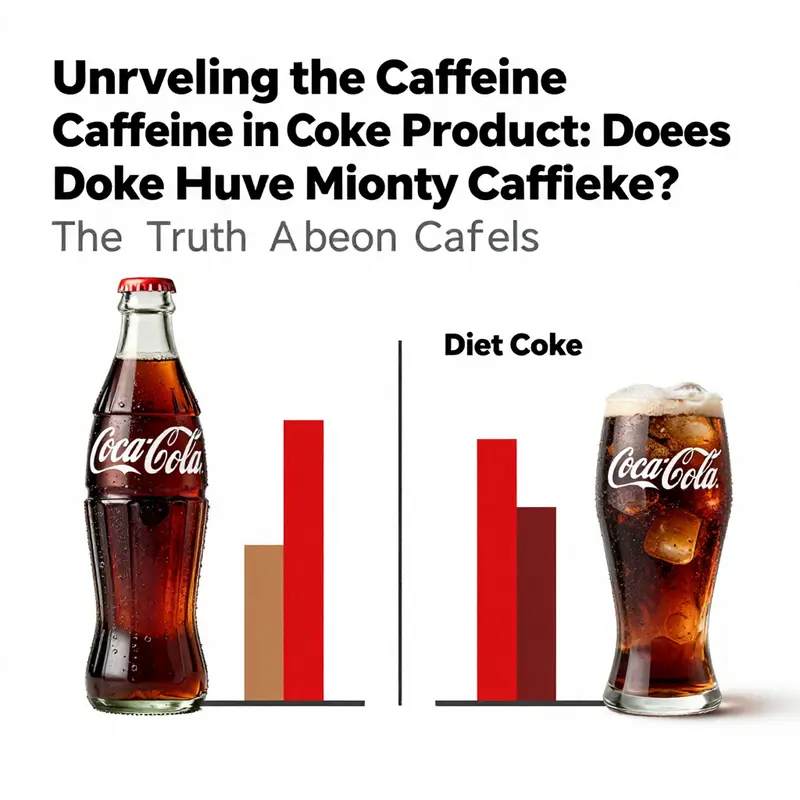
Caffeine in the cola spectrum is a question that sits at the intersection of chemistry, market formulation, and daily consumer choices. When people reach for a familiar bubbly drink, they often wonder how much of that familiar buzz is produced by caffeine rather than the sweetness, the acidity, or the carbonation. The short answer is that caffeine is present in most mainstream colas, but the amounts differ between the regular version and the diet version. In many markets, the standard can of regular cola contains about one third to one half as much caffeine as a similarly sized diet cola. The exact numbers vary by packaging size and regional formulations, but a consistent picture emerges from manufacturer data and independent measurements: the diet variant generally delivers more caffeine per can than the regular variant. This is not simply an academic distinction; for some people, those 12 extra milligrams per 12-ounce can make a noticeable difference in how they experience the drink, while for others the difference is negligible in the context of their daily caffeine intake. It is also helpful to keep in mind that the caffeine content in beverages is just one axis of comparison. Flavor profile, sweetness, acidity, and even the perceived bite of the drink all contribute to the overall sensory experience that makes a cola feel energizing or refreshing, regardless of the precise caffeine figure.
To ground the discussion in concrete figures, consider the widely cited data from the manufacturer’s own documentation. In the standard 12-ounce can, the diet variant is reported to contain about 46 milligrams of caffeine, while the regular version sits at roughly 34 milligrams. In other words, the diet cola can deliver around 12 milligrams more caffeine per can than its regular counterpart. This finding aligns with several independent studies and repeated measurements across different markets, underscoring a real, measurable difference in caffeine load between the two products. It also helps explain why some regular consumers who track caffeine intake may notice the diet version as having a stronger wakeful effect, even when both beverages are consumed in the same amount. Yet this observation should be tempered by context: caffeine sensitivity varies widely among individuals, and the difference between 34 mg and 46 mg can be more or less meaningful depending on one’s total daily intake and personal tolerance.
The numbers cited above reflect a standard serving size that many people enjoy in North American and European markets. It is common to refer to a 12-ounce (355-milliliter) can as the reference unit when discussing caffeine content. When you switch to different packaging—such as a 330-milliliter can or a larger 20-ounce bottle—the caffeine content per serving adjusts accordingly, but the ratio between the regular and the diet version tends to remain consistent. In practice, this means that in markets where the 330-ml can is the norm, you might see figures around the low 30s for the regular version and mid-40s for the diet version. These variations stem from regional formulation tweaks and regulatory labeling standards, not from a wholesale redefinition of the caffeine content in a single product line. The broader point is that, while there is some fluctuation, the diet variant has historically carried a higher caffeine load per comparable serving than the regular variant, and this difference has persisted across multiple regions and years.
Understanding these figures also means placing them in the larger caffeine landscape. A typical cup of coffee contains substantially more caffeine than a serving of cola, often ranging from roughly 70 to 140 milligrams per eight-ounce cup, and sometimes much more depending on the brew and roast. An espresso shot, by contrast, packs around 63 milligrams in a standard sip, and tea often lands in the 20 to 50 milligram range per cup. In other words, even the higher-end caffeine content found in the diet cola is still a fraction of what many people ingest in a single coffee-based beverage. This relative scale helps clarify why many people rely on cola as a milder source of caffeine that offers a quick, familiar taste without approaching the intensity of a coffee ritual.
Of course, caffeine is only one dimension of how these beverages function in daily routines. The regular version typically contains sugar, while the diet version relies on artificial sweeteners to achieve a similar sweetness without calories. Those differences have implications beyond caffeine: sugar drives energy spikes followed by declines for some people, while artificial sweeteners interact with taste perception in complex ways that can affect appetite and satisfaction. For someone who is monitoring caloric intake, the diet variant offers a different set of trade-offs, including a caffeine profile that is higher by a dozen milligrams per can yet devoid of the sugar that some find energizing in the immediate term but fatiguing later. In another sense, the two products embody a classic consumer question: should one optimize for caffeine loading, flavor intensity, calorie content, or a combination of these factors? The answer is deeply personal and situational, and it often depends on how a person structures their day around meals, workouts, and rest.
In discussing these differences, it is important to acknowledge the nuances that come from the way manufacturers present information. The precise caffeine numbers can appear straightforward on a nutrition panel, yet the true picture often includes context about serving size and variation across markets. For instance, a commonly cited value from the manufacturer’s documentation states 34 milligrams per 12-ounce can for the regular version and 46 milligrams per 12-ounce can for the diet version. This explicit comparison provides a clear reference point for consumers seeking to quantify their caffeine intake from these beverages. It is worth noting that these figures may differ slightly depending on the country, the exact can size, and the year of formulation. In some markets, smaller cans or different regulatory standards yield figures that arrive in the low 30s or mid-40s. A separate, older regional figure sometimes cited is a 330-milliliter can containing about 32 milligrams, which highlights how even seemingly minor packaging differences can influence the caffeine per-serving calculation. These variations do not overturn the central observation—the diet variant typically carries more caffeine per standard serving than the regular version—but they do remind readers to check local labeling and to be mindful of what “per can” means in their own context.
From a consumer perspective, this information is practical because it informs decisions for people who are sensitive to caffeine or who must limit their daily intake for health reasons. A person who drinks multiple caffeinated beverages per day may find that choosing the regular version helps reduce overall caffeine exposure, whereas someone who relies on caffeine from soft drinks for a morning boost might opt for the diet variant if they enjoy a stronger kick without increasing sugar intake. The key is not a rigid rule but an awareness of the caffeine ladder—the regular version offers a modest amount, the diet version pushes the envelope a little higher, and both remain well below the caffeine content of a standard cup of coffee. Readers who are balancing caffeine with other sources—tea, chocolate, energy drinks, medications—can integrate these figures into a simple daily plan, gradually building an intake that aligns with personal health goals and tolerance.
A practical takeaway for most households is simple: if you monitor caffeine intake, count a diet cola can as roughly 12 milligrams more caffeine than a regular cola of the same size. If you are comparing to coffee, you might treat a can as a light to moderate caffeine source rather than a primary stimulant. If your goal is to curb caffeine altogether, you can substitute with non-caffeinated beverages or opt for decaffeinated versions where available. If your goal is to understand the sensory experience more than the caffeine punch, the flavor profile and the sweetness profile of the two products become more important than the exact milligram count. In the complex ecosystem of beverages that people choose to drink, caffeine is one factor among many that shape convenience, taste, and daily rhythm.
To connect this discussion with broader beverage contexts, consider how caffeine content is discussed alongside other popular sodas and energy drinks. For readers who want a broader benchmark, there is value in looking at other caffeinated options and how they compare in terms of milligrams per serving. A widely cited reference in the field of beverage science notes that caffeine content can vary by product line, by batch, and by regional formulation, yet the relative ordering of regular versus diet variants tends to persist across markets. This consistency helps consumers make informed choices, especially when aligning beverage choices with caffeine-sensitive days or with specific daily limits. When you plan a day that includes a range of caffeinated products, the routine becomes less about chasing a single high note and more about orchestrating a steady, predictable flow of caffeine that matches personal needs.
For readers who want a more concrete anchor beyond the numbers, the official stance from the producer’s documentation places the two products on a distinct caffeine spectrum. Diet variants consistently show a higher caffeine content per standard serving than their regular counterparts. This explicit comparison is among the most authoritative sources for current product formulations and serves as a reliable reference point for anyone who wants to understand the caffeine landscape in common cola beverages. It is also a reminder that even familiar drinks can differ in meaningful ways when you compare the details rather than the headlines. If one’s objective is a careful accounting of caffeine, it is prudent to rely on the most recent manufacturer data and cross-check with local nutrition panels, which may reflect regional packaging and formulation adjustments.
In sum, the clearer, durable takeaway is this: among standard cola formats, the diet version carries more caffeine per can than the regular version. The magnitude of that difference—roughly 12 milligrams per 12-ounce serving—may seem small, but for caffeine-conscious individuals it can push total daily intake past a threshold that matters. The practical implications extend beyond the caffeine count; they touch on sugar content, caloric load, and the broader daily pattern of beverage consumption. The topic, while seemingly narrow, opens a window into how product formulations are engineered to deliver specific sensory experiences while addressing health considerations, regulatory standards, and consumer expectations. As with many food and drink decisions, the best approach is informed curiosity: know the numbers, understand how serving sizes shape those numbers, and choose the option that best aligns with your own health goals and daily routine.
For readers who want to explore related questions about caffeine in other popular sodas, a helpful reference is the discussion around the caffeine content of Mountain Dew. The linked resource provides a broader context for how caffeine is distributed across different cola and non-cola beverages and can help readers understand how a given brand stacks up against others in terms of caffeine per serving. caffeine content of Mountain Dew
External resource: Coca-Cola’s official site offers the most direct, product-specific confirmation of current formulations and their caffeine content. While numbers can vary by market and packaging, the producer’s own documentation consistently places the diet version at a higher caffeine level than the regular version per standard serving. For readers seeking a primary source of data, consulting the producer’s site provides the authoritative basis for the figures discussed here. Coca-Cola Official Site
null

null
Final thoughts
In summary, Coca-Cola does contain caffeine, and understanding its amount can help business owners make informed choices. By comparing Coca-Cola with its counterparts, like Diet Coke, we uncover the varying caffeine levels that may appeal to different consumer preferences. Additionally, recognizing the potential impact of caffeine on lifestyle choices enriches your ability to cater to your customer base effectively. Thus, integrating this knowledge into your business strategy can enhance customer satisfaction and drive sales.