
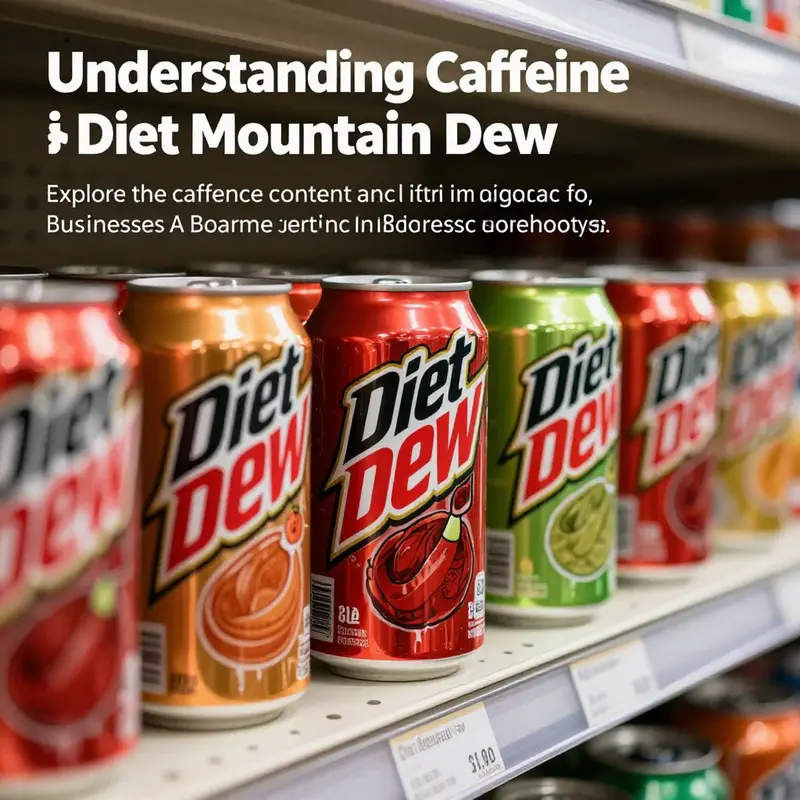
Caffeine is a significant consideration for beverage consumers, and understanding its presence in products like Diet Mountain Dew can directly influence business decisions. This article delves into the caffeine content in Diet Mountain Dew—54 milligrams per 12-ounce can—and its implications for health, market trends, and consumer preferences. We will analyze Diet Mountain Dew’s standing compared to other caffeinated beverages, raise awareness around consumer understanding of caffeine content, and discuss the health implications of caffeine consumption to equip business owners with the insights they need to refine their product offerings and marketing strategies.
Caffeine in Diet Mountain Dew: Parsing the Buzz in a Can

Caffeine sits in the everyday landscape of popular beverages, and Diet Mountain Dew is a common example. The label typically lists about 54 milligrams of caffeine per 12-fluid-ounce can, which translates to roughly 4.5 milligrams per ounce. This labeling figure is supported by laboratory analyses that test prepackaged drinks for caffeine content. A peer-reviewed study from a national survey reported a similar figure, around 55.2 milligrams per 12-ounce can, reflecting batch variability and measurement methods. Together, these numbers place the drink in the mid range for caffeine among diet sodas. For readers tracking caffeine intake, the practical takeaway is to read the can label and consider that caffeine amounts can vary over time due to formulation changes. In practice, if you drink one can, you can estimate your daily dose by using 54 mg as a baseline; if you drink multiple cans, multiply accordingly. It is also worth noting that individual sensitivity matters; the same milligram amount can feel different from person to person. The broader context is that Diet Mountain Dew provides a predictable, moderate lift compared to stronger caffeinated beverages, which can help regulate daily caffeine planning, workouts, or study sessions. Beyond labeling, peer-reviewed analyses help situate this product in the spectrum of caffeinated options and remind readers to consult updated sources for new formulations or regional variants.
Caffeine, Calories, and Choices: Weighing a Diet Citrus Soda Against Its Caffeinated Counterparts

Caffeine is one of the most ubiquitous additives in the modern beverage landscape. It travels through aisles in casual cola, in specialized energy formulas, and in the simple morning cup that many rely on to start the day. When you look at a diet citrus soda marketed as a zero-calorie option, the appeal is clear: a familiar, lightly tart refreshment without sugar, a drink that won’t add to daily calorie counts. Yet caffeine content complicates that appeal. In a standard 12-ounce can of this diet variant, the caffeine load clocks in at about 54 milligrams. That figure places it in the middle of the spectrum for common caffeinated drinks: noticeable, enough to wake the senses, but not as intense as most energy-forward beverages. The label declaration is straightforward: zero calories, zero sugar, and a blend of artificial sweeteners—sucralose and acesulfame K—that provide sweetness without fuel. This combination is part of a broader pattern that has earned both interest and scrutiny from researchers and health professionals. The acid profile, including citric and phosphoric acids, adds a tang that also comes with a price: potential enamel erosion over time. The story of this beverage isn’t just about caffeine; it’s a reminder that what we sip can influence both the body’s energy systems and its longer-term health in nuanced ways.
To understand where this diet citrus soda fits, it helps to compare it with its sugar-containing counterpart. The regular version of the same citrus-flavored cola provides a stark contrast: roughly 170 calories per can and about 46 grams of sugar, amounting to more than 11 teaspoons in a single serving. The health implications associated with that sugar load are broad and well-documented. Frequent consumption has been linked with increased risks for weight gain, insulin resistance, and dental decay. The caffeine content remains present in the regular variant, but the sugar and caloric load shift the conversation toward metabolic and dental health concerns rather than just alertness and mood effects. In simple terms, choosing the diet version may cut calories, but it still introduces caffeine and acids that can affect the mouth and energy rhythms just as the sugar version does—yet without the sugar spike that accompanies the sweetened option.
Beyond these two close cousins, the landscape of caffeinated beverages spans a wide range of formulations. Consider regular soda from other brands; most contain caffeine but come with calories and a sugar burden that stacks up quickly. A typical can delivers around 150 calories and roughly 39 to 40 grams of sugar, depending on formulation. The health risks associated with that combination echo the concerns seen with the sugar-sweetened citrus cola: weight considerations, metabolic strain, and dental problems emerge as common threads when consumption is frequent. Then there are energy drinks, which often cluster caffeine with other stimulants and a suite of vitamins. Caffeine in these beverages commonly falls in the 80 to 160 milligram range per serving, sometimes higher. The extra stimulants can amplify effects on heart rate and blood pressure, and they may interact with medications or conditions in ways that warrant careful attention for sensitive individuals.
In contrast, the traditional black coffee offers a different set of advantages and caveats. Its calories are naturally low, especially when consumed without sugar or dairy additions, and it brings antioxidants into the daily mix. Moderate coffee intake has been associated with several potential benefits, including improved focus and, in some studies, metabolic advantages. Tea—whether green or black—presents a similar calorie profile but with its own blend of polyphenols and antioxidants. The caffeine delivered by tea tends to be gentler in some people, especially when paired with the calming compounds found in tea leaves. The caffeine content of a typical cup varies, often clocking in around 20 to 50 milligrams per cup, depending on type and brewing strength. In this broader comparison, caffeine is a common thread, yet the vehicle—a diet soda, a regular soda, an energy drink, coffee, or tea—drives different metabolic and physiological responses.
If one takes a step back to examine the numbers, the diet citrus soda’s 54 milligrams per 12 ounces sits between a modest cup of coffee and a strong tea. It outruns most tea in caffeine by volume, yet it rarely matches the higher end found in energy-dense drinks. For consumers, this means that a single can can offer a recognizable alertness cue without the more intense, jittery sensations that some energy beverages provoke. It also means that caffeine’s impact is not merely about wakefulness. People with sensitivity to caffeine may notice effects on sleep latency, heart rhythm, or digestive comfort even at these levels. For those who must manage caffeine intake carefully—for example, individuals who are pregnant, teens, or people with anxiety disorders—the exact milligrams matter. Reading labels becomes essential, not merely for calories or sugar but for the precise caffeine content that can influence daily planning, exercise timing, and bedtime routines.
The diet citrus option also invites a closer look at the sweeteners and acids it uses. Sucralose and acesulfame K have been the subject of ongoing research into how artificial sweeteners interact with metabolism and gut health when consumed regularly. While many studies have not established a clear, universal harm, researchers continue to explore how these sweeteners may influence appetite signals, gut microbiota, and glucose regulation in long-term patterns. In practice, this means that even zero-calorie beverages can have more than a superficial impact on how the body processes food and energy. For most people, occasional use is unlikely to cause major disruption, but habitual consumption invites a more nuanced evaluation of personal health goals and metabolic responses. The acidic content—citric and phosphoric acids—adds a layer of consideration for dental health. Acid exposure can soften enamel and contribute to erosion over time, particularly with frequent sipping and in the absence of protective minerals from meals or water. These factors collectively remind us that a single can’s impact extends beyond its face value in calories and caffeine.
From a practical standpoint, the takeaway centers on mindful consumption and labeling literacy. Reading nutrition facts panels and ingredient lists becomes more than a habit; it becomes a way to tailor intake to personal health needs and daily energy goals. For some, replacing sugar with non-caloric sweeteners might reduce caloric load while preserving taste and caffeine-driven alertness. For others, limiting caffeine intake altogether or choosing beverages with lower caffeine content may be the right approach to avoid sleep disruption or anxiety. The broader message remains consistent: nothing exists in isolation. A diet citrus soda can be a convenient mood lifter or mid-afternoon pick-me-up, but its effects should be weighed alongside meals, hydration status, sleep quality, and overall dietary patterns.
For readers who want to explore the content more deeply, there is value in pursuing a focused resource that dissects caffeine content across popular beverages. A detailed examination of caffeine levels in various drinks helps translate these numbers into everyday decisions. See the resource on caffeine content Mt. Dew for a deeper dive into the specifics of this category. caffeine content Mt. Dew.
As with any discussion of caffeinated beverages, context matters. A single can contributes to daily caffeine exposure, but habitual patterns compound that exposure. The decision to include or exclude such drinks should consider total daily caffeine intake, timing relative to sleep, and individual sensitivities. People who rely on caffeine to power workouts or late shifts may tolerate slightly higher loads, while those who experience sleeplessness or elevated heart rate after modest amounts will benefit from choosing lower-caffeine options or curtailing consumption altogether. The choice is not simply about taste or calories; it is about how caffeine interacts with sleep, mood, and energy throughout the day. In that sense, the diet citrus option is not inherently good or bad. It is a tool—one among many—whose usefulness depends on how it fits into a larger, intentional approach to hydration and nourishment.
In the end, what matters most is an informed perspective that respects both the desire for taste and the need for balance. A zero-calorie beverage can satisfy sweetness without contributing to daily energy intake, yet it carries caffeine and acidity that influence alertness and oral health. A sugar-containing version delivers more energy in the form of calories and glucose, with similar caffeine potential but with metabolic and dental considerations that extend beyond immediate taste. Other caffeinated beverages offer different blends of caffeine, sugar, calories, and additional ingredients, creating a spectrum of options that can be matched to personal health priorities. The path to healthier choices often lies in swapping toward unsweetened tea or black coffee when caffeine is the primary goal, or in savoring water infused with fruit for hydration without stimulant-driven effects. Regardless of the choice, the key is awareness: knowing not only how much caffeine is present, but how it fits into daily life, sleep patterns, and long-term health goals.
External resource note: for a broader understanding of caffeine’s health implications, consult Mayo Clinic’s overview on caffeine and health: https://www.mayoclinic.org/healthy-lifestyle/nutrition-and-healthy-eating/in-depth/caffeine/art-20045678. This resource provides balanced context about caffeine’s effects, benefits, and potential risks across different populations and consumption levels.
Caffeine on the Label: Public Understanding of Stimulant Content in a Popular Diet Citrus Soda

Amid the bright colors and brisk fizz of a widely consumed diet citrus soda, a single question sits at the intersection of taste, health, and daily routine: does this drink contain caffeine? The straightforward answer is that it does. Official product information lists 54 milligrams of caffeine in a 12-ounce can, which works out to about 4.5 milligrams per fluid ounce. This places the beverage toward the higher end of caffeine content for non-energy, carbonated drinks, and it underscores a simple point: even beverages marketed as lighter or calorie-conscious can carry a meaningful stimulant load. The labeling approach—framing caffeine as a per-serving quantity—is helpful, yet not always intuitive for every consumer. When a can is held up to the light, the caffeine number sits among claims about flavor, calories, and brand identity. The figure matters because it shapes how the drink fits into a person’s overall caffeine plan, especially when other caffeinated sources are part of a busy day. Consumers who routinely monitor numbers often find that a single can contributes a noticeable share of their daily intake, depending on what else they sip or swallow in the hours that follow.
Label literacy, however, extends beyond the raw mg figure. While the label may clearly state a per-serving amount, translating that amount into practical daily guidance depends on context. Health authorities typically outline general limits—for adults, around 400 milligrams per day, with lower thresholds for expectant or caffeine-sensitive individuals. Yet these thresholds are rarely integrated automatically into consumer minds. People juggle multiple beverages and foods that contain caffeine, making a precise tally feel like arithmetic on the fly. The result is a familiar mismatch: the number on the can is precise, but the interpretation in real life is often fuzzy. This is especially true for items marketed as “diet” or “zero calorie,” where the expectation of absence can subconsciously lower the guard for stimulant intake. The combination of a clear numeric label and a sometimes opaque context creates an opportunity for better communication, not more warnings, but more usable guidance that helps shoppers align each choice with their goals and sensitivities.
From a consumer-awareness perspective, the documentation reflects a clear gap between information available and information actually absorbed by the public. Even with a precise caffeine figure on the can, many shoppers lack a gut sense of what 54 milligrams feels like in daily life. The research notes that questions about caffeine levels appear frequently in online retail environments, including customer Q&A sections, product pages, and reviews. This pattern suggests more than idle curiosity: it reveals a broader uncertainty about what counts as a caffeinated beverage in a consumer’s daily diet. The public often categories drinks into broad buckets—coffee, tea, soda, energy drinks—without mapping those categories to specific milligrams. Without a simple frame of reference, the boundary between a little caffeine and too much becomes a matter of personal memory rather than a shared standard. Transparent labeling helps, but it also benefits from quick, accessible explanations that connect the number on the can to everyday decisions, such as how a particular option fits with a morning coffee tradition or an afternoon slump remedy.
These considerations have tangible implications for how people manage caffeine in their routines. Individuals who are highly sensitive to stimulants—older teens, students managing heavy schedules, or workers with late shifts—often rely on straightforward cues when choosing beverages. A label that only offers a number can still leave them uncertain about timing and total daily impact. A more informative approach would keep the per-serving figure on display while adding plain-language guidance about how that amount relates to daily limits. Such context does not demand long legalese; it invites a brief comparison that most readers can grasp in seconds. For example, a note stating that one can contribute roughly the same caffeine as a small cup of drip coffee, or that it accounts for a significant portion of a daily threshold, could make the information actionable without overwhelming the reader. When readers can place a single can within the arc of their day, their choices feel less impulsive and more intentional, a small but meaningful step toward healthier patterns over time.
To situate the caffeine content within a broader frame, it helps to consider how this beverage’s stimulant profile sits alongside other popular options. The exact milligram figures vary, but a useful takeaway is that a single serving can be a substantial contribution to daily caffeine intake, not merely a taste-enhancing additive. A concise side-by-side perspective can illuminate these relationships without turning into a taxonomy lecture. If you’re curious about how a diet citrus soda compares to other caffeinated beverages, you can explore a concise overview here caffeine content across similar beverages. This resource can provide a quick yardstick for readers who are weighing multiple sources of caffeine in a single day, helping them see the landscape more clearly without needing a calculator every time they reach for a can.
Yet the story here is not only about numbers. The information ecosystem around caffeinated beverages shapes how people interpret and use those numbers. The study shows that questions about caffeine levels arise not only in physical stores but across online shopping environments where shoppers assemble information from product descriptions, Q&As, and user commentary. A noticeable pattern is the repetition of questions about caffeine content across various products, which signals a broader call for standardized reporting practices. This is not simply a consumer education issue; it is a matter of how products speak to daily life. When a drink is described as diet-friendly or low-calorie, there is a tendency to assume that caffeine is a non-issue. Realistically, the stimulant profile can be substantial, and consumers deserve labeling that reflects that reality in a way that is quick to interpret. Clarity—delivered through consistent formatting, per-serving declarations, and succinct contextual notes—can transform a label from static information into practical guidance that informs everyday choices rather than leaving readers to infer meanings from marketing language.
From a policy standpoint, the findings invite reflection on labeling standards that align with how people actually use information. A straightforward path forward would emphasize uniform serving sizes, standardized mg-per-serving figures, and brief, accessible guidance about how those figures interact with daily limits. Importantly, this does not require overwhelming text or heavy disclosures; it requires a predictable framework that consumers can learn and apply across brands and categories. When a reader encounters a consistent format—mg per serving, a quick comparison to a familiar reference, and a note about who should exercise caution—the task of managing caffeine becomes less about habit and more about informed choice. The ultimate aim is not to frighten readers but to equip them with a reliable tool for navigating a marketplace saturated with caffeinated options. In this way, labeling supports autonomy rather than anxiety, enabling people to sustain habits that suit their health and lifestyle.
The broader drinks landscape is fertile ground for extending these insights. The central question—whether a given beverage contains caffeine—serves as a practical test of how well the market communicates stimulants across the spectrum, from energy-forward offerings to those marketed as lighter alternatives. The data reinforce a theme: labeling matters more when the information is contextual and consistent. A diet citrus drink can offer a refreshing option without the intensity of coffee, yet it can still contribute meaningfully to caffeine intake. Conversely, a reader seeking to minimize caffeine can rely on clear signals that help them avoid unintended stimulants. In either case, the label’s clarity shapes daily routines, shopping behavior, and even conversations with healthcare professionals about safe and appropriate consumption.
Online and offline realities converge in a marketplace that prizes quick, digestible information. The presence of a clearly stated caffeine figure on packaging is valuable, but only if readers can interpret it within the tapestry of their overall intake. The modern news cycle—social feeds, parenting blogs, and health forums—feeds a steady stream of questions about which beverages count toward daily limits. This dynamic underscores the importance of accessible education alongside labeling. When a reader sees 54 milligrams per 12-ounce can, they may picture a budget already engaged by morning coffee and afternoon tea. The more a brand, retailer, or regulator can provide—brief explanations, short conversion notes, or links to educational resources—the easier it becomes to align beverage choices with personal health goals. The point is not to induce fear but to empower, to turn a moment of purchase into a deliberate, health-minded decision that accumulates over time.
External resources can deepen understanding and offer a broader perspective. For readers who want to see how this kind of labeling stacks up against other drinks, and for those seeking direct evidence of shopper questions, a widely used consumer Q&A platform hosts discussions that illuminate everyday uncertainty around caffeine content. To explore that online dialogue, refer to this resource: https://www.amazon.com/dp/B00007X3FJ?th=1
Buzz with Boundaries: The Health Implications of Caffeine in Diet Mt Dew

Caffeine is a familiar companion in many daily routines, a small stimulant that can sharpen focus, lift mood, and nudge the body into a state of readiness. In the realm of popular beverages, one diet option has built a distinct place for itself by offering a caffeine lift without calories from sugar. Diet Mountain Dew delivers about 54 milligrams of caffeine in a 12-ounce (355 ml) can, which works out to roughly 4.5 milligrams per fluid ounce. This level positions the drink higher on the caffeine scale than many non-coffee beverages, yet it remains well below a typical 8-ounce cup of coffee, which commonly contains around 95 milligrams or more, depending on the beans and the brew. The result is a reliable, accessible stimulant for many who want alertness without added sugar, but the health implications of that caffeine load are more nuanced than simply labeling the drink as good or bad. The story of caffeine here is less about a single dose and more about how repeated, moderate intake fits into a broader dietary and lifestyle pattern.
One of the striking features of caffeine as a nutrient is its dual role: short-term benefits for attention, reaction time, and perceived energy, paired with potential risks when consumption becomes excessive or poorly timed with sleep and stress. In Diet Mountain Dew, the caffeine content is substantial enough to produce noticeable cognitive effects for many people. For example, a single can can support heightened alertness during a mid-afternoon slump or provide a quick mental lift during tasks that demand sustained attention. Yet the same stimulant can contribute to sleep disturbances or anxiety in sensitive individuals, particularly if consumed late in the day or stacked with other caffeine sources. The dose matters, and so does the context in which it’s consumed.
Beyond the immediate buzz, the broader health implications of caffeine consumption are increasingly nuanced, shaped by genetics, metabolism, and overall lifestyle. A 2024 phenome-wide study explored how genetically predicted higher circulating caffeine levels relate to health outcomes, revealing associations with a lower risk of obesity and osteoarthritis, with bodyweight reduction mediating roughly one-third of the protective effect against osteoarthritis. These findings suggest that caffeine’s influence can extend into body composition and joint health, though the pathways are complex and not necessarily universal. Other reviews have pointed to potential protective associations between caffeine intake and risks of type 2 diabetes, certain liver conditions, and some cancers, while suggesting that caffeine may bolster immune function in certain contexts. While these associations are encouraging in aggregate, they do not justify unbridled consumption. They must be weighed against potential adverse effects that can arise when caffeine intake is too high or misaligned with sleep and overall health.
However, the balance is not purely a calculus of benefits. The same caffeine that can sharpen attention can also heighten anxiety, trigger jitteriness, elevate heart rate, and disrupt sleep—outcomes particularly relevant for individuals with underlying anxiety disorders, arrhythmias, or sleep disorders. In Diet Mountain Dew, caffeine arrives alongside artificial sweeteners and citric acid, a combination that some researchers worry might influence appetite regulation, gut function, and metabolic signaling when consumed frequently. While the beverage is calorie-free, its sweet taste can condition cravings and preferences, subtly shaping dietary choices over time. When caffeine enters a daily routine, the body’s baseline exposure rises, and the total daily load—across all foods and drinks—becomes a more important determinant of who feels energetic versus overwhelmed, rested versus fatigued.
Public health discussions around caffeinated beverages also extend to younger audiences. In several regions, policymakers have begun to scrutinize access to highly caffeinated products by minors, given concerns about stimulant exposure during developmental years. Although Diet Mountain Dew is not marketed as an energy drink, its caffeine content places it in a category of public health interest, especially for youths who may be more sensitive to stimulation and for whom sleep quality is particularly crucial for growth and learning. This context underscores a precautionary principle: caffeine is a tool, and like any tool, its value depends on how and when it’s used, who uses it, and what other daily habits accompany it.
For individuals armed with knowledge of their own sensitivity, a practical guideline emerges: account for total caffeine intake from all sources and align consumption with sleep, activity, and personal health goals. A reasonable daily ceiling for most healthy adults is commonly cited around 400 milligrams, though individual responses vary widely. In the case of Diet Mountain Dew, a single can contributes a meaningful chunk to that total, especially for someone who consumes other caffeine sources such as coffee, tea, or energy drinks in a single day. If sleep is a priority, or if anxiety or heart rate changes are noticeable, many people find it prudent to limit late-afternoon and evening caffeine and to consider alternate beverages without stimulants.
The beverage’s composition deserves attention beyond caffeine alone. The combination of caffeine with artificial sweeteners and citric acid can influence digestive comfort for some individuals. Some people report acid-related symptoms or stomach upset after acidic, artificially sweetened drinks, even when those drinks carry no calories. The cumulative effect of consuming multiple such beverages can also affect dental health due to acidity and enamel exposure, and long-term consumption patterns may influence metabolic signaling in ways that are not entirely predictable from caffeine alone. These considerations remind readers that even calorie-free drinks are active dietary components with the potential to influence well-being, mood, and energy balance over time.
From a policy and population-health perspective, the caffeine question intersects with considerations about adolescence, sleep, and behavior. The conversation around access to caffeinated products for minors is not about one product alone but about a class of beverages that deliver stimulant effects without calories. In societies facing rising concerns about sleep quality and mental health among youths, regulatory discussions often emphasize education about caffeine content and mindful consumption rather than outright restriction. The nuance is important: a moderate, well-timed caffeine intake can be compatible with a healthy lifestyle for many adults, but when the same stimulant is consumed in large amounts or late in the day, the restorative quality of sleep can suffer.
Ultimately, the health implications of caffeine in Diet Mountain Dew are best understood as part of a broader dietary and lifestyle mosaic. For some, a single can can provide a reliable cognitive nudge without calories; for others, even this amount may contribute to sleep disturbances, anxiety, or digestive discomfort if habit forms around it or it compounds with other stimulants. Individuals should monitor their own responses, consider the total daily caffeine load, and weigh them against personal health goals. In those seeking a more evidence-based frame, the 2024 phenome-wide study offers a sense of caffeine’s possible protective dimension on obesity and joint health, while reminding us that these effects are not universal and depend on many interacting factors, including how caffeine influences body weight and metabolic signaling. For readers who want to ground their understanding in primary research, a peer-reviewed exploration of caffeine’s health effects provides a broader scientific context beyond any single product. See the external resource for a rigorous perspective on caffeine’s wide-ranging health implications: https://www.ncbi.nlm.nih.gov/pmc/articles/PMC10976883/.
For readers who want to explore a focused, product-specific view within this site, a concise article examines whether Diet Mountain Dew contains caffeine and what that means for daily routines. If you’re curious about the precise caffeine content and how it compares to other caffeinated beverages, you can read Does Diet Mountain Dew Have Caffeine? Discover the Truth.
In the end, caffeine is a companion worth understanding rather than a villain to fear. It can offer a helpful boost when used thoughtfully and in concert with healthy sleep, regular physical activity, and a balanced diet. The key is awareness: know the dose you’re consuming, the total caffeine you ingest in a day, and how your body responds to it. With that awareness, Diet Mountain Dew can be part of a measured approach to energy and focus rather than an unexamined habit that subtly shifts mood, sleep, and health trajectories.
External reading for context and nuance: https://www.ncbi.nlm.nih.gov/pmc/articles/PMC10976883/
Final thoughts
Understanding the caffeine content in Diet Mountain Dew is vital for business owners catering to health-conscious consumers. With 54 milligrams of caffeine per 12-ounce can, this beverage can affect consumer choices and requires careful marketing and educational strategies. Raising awareness about caffeine levels and the potential health implications can create a more informed consumer base while enhancing the company’s credibility. Ultimately, aligning product offerings with consumer knowledge and preferences can drive business success in the competitive beverage industry.