
Understanding the caffeine content in Mountain Dew is essential for business owners as this soft drink commands a significant market share due to its energy-boosting reputation. Not only does this high caffeine level attract consumers looking for a jolt of energy, but it also influences their purchasing decisions. This article will explore Mountain Dew’s caffeine content across various flavors, examine health implications, analyze consumer preferences, and provide insights into the brand’s market standing. Additionally, we will present interesting facts about Mountain Dew and its caffeine that every business owner should consider.
Caffeine Kick in a Popular Citrus Soda: A Close Look at Variants
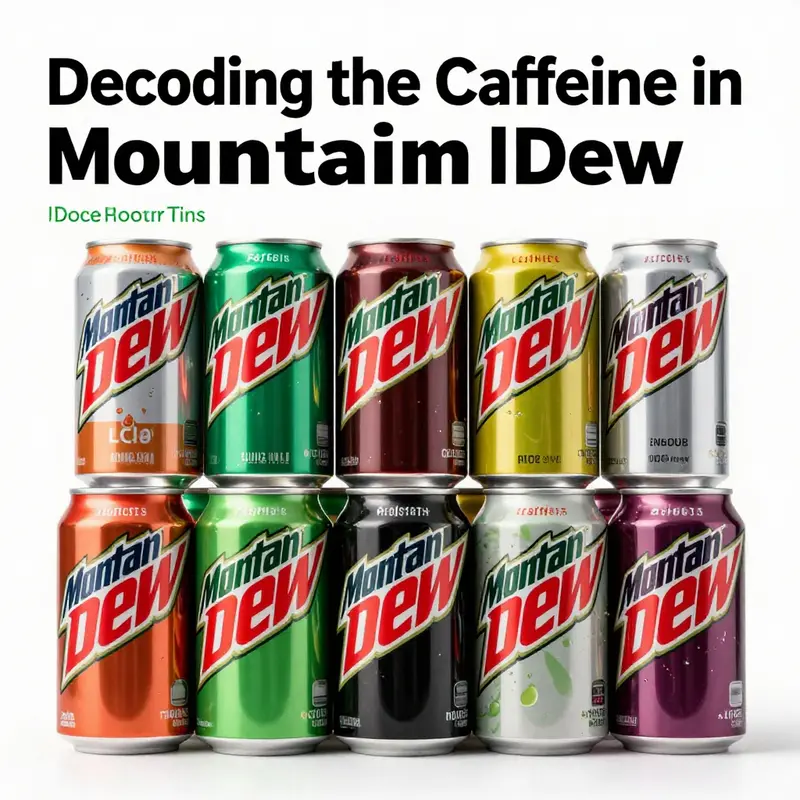
People often wonder whether the neon-bright citrus-flavored soft drink that dominates store shelves carries caffeine. The short answer is yes. The drink market has a long tradition of infusing soft drinks with caffeine to create a light stimulant effect. In the case of the flagship formulation, the caffeine content sits in a high range for soft drinks, giving it a noticeable kick without crossing into energy-drink territory. This caffeine presence helps explain why many consumers reach for it as a quick mental lift or a caffeine boost when their day needs a jolt. The conversation about caffeine in this category is not just about one flavor or one bottle; it’s about a family of beverages that share a common stimulant profile, even as they experiment with color, sweetness, and aroma to capture different moods and moments.
From a labeling and nutrition perspective, a typical 12-ounce can of the original formulation contains roughly 54 to 55 milligrams of caffeine. That range is not a rounding artifact; it reflects how manufacturers present caffeine on the label and how third-party databases track the numbers. In practical terms, this amount is substantial for a non-coffee beverage. It places the drink on par with other caffeinated, non-coffee alternatives that people reach for when they want a quick energy lift without brewing a pot of coffee. The caffeine level is one of the defining characteristics that sets this citrus-forward soda apart in a crowded soft-drink landscape. Consumers who monitor caffeine intake often remember this figure, because it frames how the beverage can fit into a daily pattern that includes breakfast, mid-afternoon slumps, or late-evening study sessions.
It’s worth noting that the caffeine story isn’t limited to the original formula. Across widely consumed variants, the caffeine content tends to align closely with that flagship level. In many cases, a 12-ounce can of a diet variant or a citrus-forward edition contains about 55 milligrams of caffeine. The consistency across these versions reinforces the perception of a reliable, predictable caffeine punch. The uniformity helps people compare this drink to other non-coffee sources of caffeine and to plan their intake with a sense of certainty. Yet there are occasional exceptions. Specialty or limited-edition runs sometimes experiment with formulation adjustments, which can lead to small deviations from the standard caffeine figure. The takeaway remains that, for the core lineup, caffeine content is a constant companion rather than a fluctuating variable.
For readers who want to anchor these numbers to official sources, the most accurate and up-to-date information comes from product labeling and nutritional databases maintained by the brand and independent compilers. In practice, this means checking the nutrition facts panel on the can and consulting trusted databases that mirror those figures. The labeling approach is designed to keep consumers informed in a straightforward way, avoiding surprises for those who track caffeine intake. When people discuss whether a particular beverage is “strong” in caffeine, it’s this labeling tradition that often provides the first, and sometimes the most reliable, reference point. A quick search of the brand’s nutrition pages typically confirms the 54 to 55 mg range for a standard 12-ounce serving, with the caveat that regional packaging or rare product variants may present slight variations. The emphasis on a consistent caffeine profile underlines a broader industry pattern: many widely distributed soft drinks aim to offer a familiar energy profile that consumers can rely on, week after week.
Beyond the numbers lies the practical side of consumption. For those who sip this drink as part of a daily routine, the caffeine content translates into a tangible effect that can sharpen focus, heighten alertness, and, for some, improve mood during low-energy periods. The psychological association between energy and the flavor-forward, citrus-forward profile is not accidental. The flavor is chosen not only for taste but also for the sensory cues that accompany a stimulant effect—bright citrus, a brisk finish, and a smooth aftertaste that makes the caffeine feel approachable rather than abrasive. This alignment of taste and stimulant effect helps explain the beverage’s staying power in a market saturated with competing options.
From a broader health and wellness perspective, it is sensible to think about caffeine in the context of daily limits and individual sensitivity. For adults who do not have medical constraints, moderate caffeine consumption is commonly considered acceptable. The exact threshold varies by body weight, caffeine tolerance, and concurrent stimulant use from other sources. In practical terms, the roughly 54 to 55 milligrams per 12-ounce serving can add up quickly if multiple servings are consumed in a day. People who monitor caffeine for sleep, anxiety, or heart-related considerations may choose to time their intake earlier in the day or limit the number of servings they drink. It’s also prudent for pregnant individuals or those with certain medical conditions to consult healthcare professionals about caffeine in any beverage, including those without traditional coffee or tea branding. The central idea is pragmatic: knowing the caffeine content helps consumers make choices that align with their health goals and daily rhythms, rather than relying on mood alone to dictate intake.
For curious readers who want a concise, label-backed breakdown beyond memory, there is a straightforward way to explore the data further. A dedicated page that consolidates caffeine content across the product family presents the figures in a consistent, easy-to-compare format. This resource is especially helpful for readers who juggle multiple caffeinated beverages in a single day or who compare offerings across brands. The page not only confirms the 54 to 55 mg range but also highlights the consistency across common variants, reinforcing the idea that this is a signature attribute rather than a marketing flourish. It’s a reminder that the caffeine story in this segment rests on numbers that are, ideally, easy to verify and reproduce for everyday planning. For readers seeking a quick reference that aligns with labeling, the internal resource provides a compact, credible answer in one place. caffeine-content-mt-dew offers a compact synthesis of the data and invites readers to compare what they’re reading with the official labeling. While the anchor text mirrors the URL slug, the linked page itself presents a broader discussion that helps readers situate these figures within the wider caffeinated beverage landscape.
The practical implications of this information extend beyond a single product line. When people map out their caffeine intake for the day, they often consider the cumulative effect of all sources. A typical 12-ounce serving of the flagship formulation contributes a modest but meaningful portion of daily caffeine. If a person consumes two to three servings, the daily total rises accordingly, approaching a level that resembles a modest coffee portion in terms of stimulant exposure. For those who enjoy the flavor and the energy lift, the numbers offer a way to enjoy the beverage without inadvertently exceeding personal thresholds. And for readers who are curious about how this beverage stacks up against other popular caffeinated choices, the comparison becomes instructive: it sits above some non-coffee beverages and below many energy drinks that are designed to deliver higher caffeine doses per serving. In short, the caffeine content is both a defining attribute and a practical factor in daily planning.
For readers seeking a credible endpoint to the data, it’s helpful to anchor the discussion in a reliable external resource. The official nutrition facts page of the brand is the primary reference point for the core figures, and it complements the broader research landscape that catalogs caffeine content in beverages. This external reference serves as a maintenance point for readers who want to verify numbers as formulation and labeling practices evolve over time. It also provides a useful contrast against independent databases, which may annotate small variances due to regional packaging or updated formulations. The end result is a well-rounded picture: caffeine exists in these widely consumed soft drinks, with a consistent role across the standard lineup and an easy reference for consumers intent on mindful consumption.
External resource for further verification: https://www.mountaindew.com/nutrition
Caffeine in the Citrus Spark: Unpacking Whether This Popular Soda Contains Caffeine
The central question around the citrus-flavored, widely consumed soda is straightforward: does it contain caffeine? In practical terms, the answer is yes. A typical 12-ounce can carries about 54 milligrams of caffeine, with some measurements rounding to 55 milligrams. This level places the beverage in the higher end of caffeine content for soft drinks, especially when compared with many other non-energy beverages. Across several variants in the same family, the caffeine content tends to stay in roughly the same range, creating a defining profile for the brand as a whole. For a concise breakdown of caffeine content across this beverage line, see caffeine-content-mt-dew. The consistency of caffeine across flavors helps explain why many people reach for it when they want a quick alertness boost without moving to an entirely different category of drink. Yet the caffeine value is only one piece of the bigger picture people should consider when deciding how often to reach for this drink.
Beyond caffeine, the beverage is frequently described as a high-sugar option. The sweetness and acidity are part of what gives it its recognizable bite, but those same traits also carry health considerations. Sugary drinks contribute to a larger daily sugar load, which has been linked in research to weight gain and a higher risk of metabolic issues when consumed regularly in excess. The combination of caffeine with a notably sweet profile can amplify both the immediate effects—such as a quick lift in perceived energy—and the longer-term concerns if the drink is enjoyed frequently in place of other, less sugar-heavy options. The potential impact on dental enamel is another practical consideration, since acidulants and sugars can interact to erode enamel over time if consumption is habitual. While the exact sugar content is not the same for every flavor, the general pattern of sweetness remains a consistent feature across the product family, reinforcing the need for mindful consumption.
From a physiological standpoint, caffeine acts as a mild stimulant that can increase alertness and reduce the perception of fatigue for a period. For individuals who metabolize caffeine quickly, the wakeful effect may be brief, followed by a rebound period where sleep or relaxation is more difficult. For those who are sensitive to caffeine, even moderate amounts can contribute to symptoms such as trouble falling asleep, restlessness, or jitters. The link between caffeine and sleep is well-documented, and when caffeine is consumed later in the day, it can shift circadian rhythms enough to interfere with restful night-time sleep. In addition to sleep concerns, caffeine intake can influence heart rate and blood pressure in some people, particularly those who already have cardiovascular risk factors or who consume caffeine in higher-than-average quantities. It is not uncommon for readers to notice that their pulse feels steadier on days when they skip caffeinated beverages, a reminder that caffeine does not affect everyone in the same way.
Mental health considerations add another layer of complexity. Some studies suggest a relationship between caffeine use and mood fluctuations, where regular withdrawal or inconsistent intake can influence feelings of irritability or low mood in certain individuals. The evidence is nuanced and heterogeneous, which means that caffeine’s mental-health footprint may differ depending on a person’s baseline mood, stress levels, sleep quality, and overall caffeine portfolio across the day. This underscores a broader point: caffeine is not a one-size-fits-all solution for energy or focus. It interacts with sleep, appetite, stress, and even hydration in ways that can either support or undermine well-being depending on how it’s used.
When people consider whether to include this beverage in their routine, practical guidance matters as much as policy-level observations. For individuals who are sensitive to caffeine or who aim to optimize their health, a simple rule of thumb is to monitor daily intake and be mindful of how this specific drink fits into the larger caffeine tally. The beverage’s role in a daily pattern should be reviewed in light of other caffeinated sources—coffee, tea, and even certain energy products—so that the total daily caffeine intake remains within personal comfort and health guidelines. It is also worth recognizing that some variants marketed as energy drinks or breakfast blends may contain higher caffeine levels than the standard version. This difference can shift the overall caffeine exposure and should be factored into any personal consumption plan.
For readers seeking a concise digest of caffeine content across this family of beverages, the internal breakdown linked earlier provides a quick reference point. Reading product labels remains the most reliable method to understand the caffeine content of a specific can or bottle, since flavors and production runs can influence the exact amount. This is especially true for products that position themselves as more than a traditional soft drink—those variants may push caffeine above the baseline established by the standard version. The practice of checking the label before consuming is a straightforward habit that helps maintain control over daily caffeine exposure.
Ultimately, the choice to drink this beverage, or any caffeinated beverage, rests on balancing desired effects with potential health trade-offs. The caffeine present explains why it’s valued by some for alertness and quick focus, yet it is paired with a high-sugar profile that invites careful consideration for regular use. If the goal is occasional enjoyment with minimal impact on sleep and daily sugar intake, consuming a single 12-ounce can earlier in the day can fit into many healthy patterns. If sleep or anxiety sensitivity is a concern, alternatives without caffeine or with lower sugar content may be a better fit. The key is to approach this beverage with an informed mindset about both its stimulant component and its metabolic footprint.
For those who want to explore this topic further and compare caffeine content with other popular drinks, the broader landscape shows a spectrum. Soft drinks that are not marketed as energy-focused generally carry lower caffeine levels per serving, but the exact numbers vary by brand and flavor. When planning daily caffeine consumption, it helps to consider not just a single drink, but the cumulative effect of all sources consumed across the day. In the end, knowledge about caffeine content, sugar load, and individual sensitivity equips readers to decide when this beverage belongs in their routine and when it might be better enjoyed less frequently. The aim is a sustainable approach that aligns with personal health goals and lifestyle demands, rather than a one-size-fits-all prescription.
External resource: For the official manufacturer data on caffeine content across the product line, see the provider’s page. (https://www.mountaindew.com)
Electric Citrus: How Mountain Dew’s Caffeine Shapes Consumer Choices

The question, does Mountain Dew have caffeine, is more than a simple yes or no. It is a doorway into a broader conversation about how a single ingredient can redefine a drink’s role in daily life. Mountain Dew, in its standard 12-ounce form, delivers 54 milligrams of caffeine per serving. That figure places it well above many non-cola soft drinks and near the upper end of caffeinated beverages sold as mainstream soft drinks. It isn’t just the sugar that makes Mountain Dew memorable; the caffeine acts as a practical and emotional cue, signaling energy, focus, and a willingness to push through a long day or a late-night study session. In that sense, caffeine is not merely an additive. It is a core characteristic that helps shape the brand’s identity, its market position, and the daily rituals of a broad swath of consumers. The brand’s bold citrus flavor, paired with a noticeable energy lift, creates a distinctive profile that sticks in memory long after the can is empty.
The high caffeine content becomes a magnet for specific consumer segments. It resonates with gamers who seek sustained alertness during long streaming sessions, with students and professionals who pull all-nighters to meet deadlines, and with anyone who values a quick and reliable cognitive boost during demanding tasks. A 2025 report highlighted that Mountain Dew’s caffeine level is integral to its appeal among so-called energy seekers and daily soda drinkers alike. Those groups don’t just want flavor; they want a tangible sensation—a momentary lift that aligns with the pace of gaming tournaments, late-night coding marathons, and early-moments of new creative bursts. In markets where caffeine labeling is transparent, the drink’s reputation becomes a marker of reliability: when a consumer spots 54 mg, they recognize an expectation of a certain kind of stimulation, not merely sweetness.
That expectation interacts with how people consume the beverage. For many, Mountain Dew serves as both a standalone refreshment and a practical solution for mid-afternoon fatigue. It’s easy to imagine a friend cracking a can during a cooperative game session, where the citrus tang cuts through the room’s charged atmosphere while the caffeine quietly lengthens the window of sustained attention. Others reach for it as a companion to work tasks that demand correlating, rapid-fire decision-making. The alignment of flavor and function—great taste with a meaningful energy component—gives the drink a dual role: sensory pleasure and cognitive support. The combination can shape daily routines, turning a casual soft drink into a habit that pairs with late-night study, early-morning shifts, or extended periods of concentration. In this light, caffeine is not just an ingredient; it is a signal of purpose and a cue for a particular kind of behavioral pattern.
The brand has leaned into caffeine as a defining feature across multiple variants, a strategy that broadens its reach without diluting the core identity. Diet Mountain Dew, for example, offers the same 54 milligrams of caffeine per 12-ounce serving but without the sugar that accompanies the original formula. This sugar-to-caffeine balance expands the audience to health-conscious consumers who still crave the energy lift, enabling a form of customization that respects calorie management. The introduction of lighter, zero-sugar lines is less about abandoning the original energy proposition and more about offering options for different life circumstances. Even flavors that carry bold names like Code Red or Live Wire keep caffeine front and center, ensuring that each variant remains recognizable as part of the same energetic family. The consistent caffeine level across variants underscores a strategic message: you can choose how you drink—with or without sugar—yet you still receive a reliable energy kick that aligns with the brand’s identity.
The Australian market’s caffeine reintroduction provides a telling case study. Described as a rebirth, the move signaled something deeper than compliance with international standards. It admitted that caffeine is a central pillar of the brand’s allure. Schweppes and PepsiCo framed the refreshed formula as a way to attract both loyal fans and new audiences, preserving citrus intensity while delivering a potent lift. The approach underscores caffeine’s role as a cultural and commercial anchor: it differentiates the product in a crowded soft-drink landscape and makes the beverage a flexible ingredient in more adventurous consumption contexts, including its growing use as a mixer in cocktails and energy-forward beverage blends. The reintroduction did not merely restore an old formula; it reinforced a narrative that caffeine is essential to what the drink is today—a bold, citrus-forward beverage with a recognizable energy signature.
Amid the enthusiasm, health considerations remain part of the conversation. The very appeal of a 54 mg caffeine hit comes with trade-offs. Sugar content in the original formulation sits around 46 grams per 12-ounce can, a factor that motivates some consumers to seek alternatives. Diet Mountain Dew offers the same caffeine punch without the sugar, appealing to those who monitor calorie intake or manage weight while still enjoying a kick of energy. Yet, no product exists in a vacuum. For some, artificial sweeteners raise questions about aftertaste, mood, and long-term health implications. The balance between caffeine and sugar—or caffeine and zero sugar—permeates consumer decision-making. It helps explain why the product line has grown to accommodate diverse preferences, from flavor intensity to energy expectations to dietary considerations. In a market that increasingly foregrounds wellness alongside taste, the brand’s willingness to offer sugar-free variants demonstrates an adaptive strategy rather than a retreat from its core identity.
The psychological dimensions of caffeine consumption among younger audiences add another layer of complexity. Research indicates that adolescents and young adults experience stimulating effects when caffeine is consumed, sometimes in ways that influence mood, attention, and even social behavior. While such findings invite caution regarding high intake levels, they also illuminate why Mountain Dew can be so compelling for younger consumers who are navigating school, social life, and burgeoning independence. The flavor profile—a bright citrus note with a tangy finish—paired with caffeine creates a sensory and cognitive package that feels both exciting and practical. This combination can drive brand loyalty during formative years and seed long-term associations between the product and personal energy management strategies. In turn, marketers and researchers must balance the thrill of the product with responsible consumption messaging that respects individual tolerance, health guidelines, and the social implications of caffeine-heavy beverages.
From a product strategy perspective, caffeine is a critical differentiator. It supports a cohesive portfolio that remains recognizable across flavors while offering choices aligned with dietary goals. The brand’s positioning as a bold, high-energy option helps it stand out in a crowded soft-drink aisle that includes countless flavor profiles and caffeine levels. The ability to scale the energy proposition—maintaining a stable caffeine baseline across variants while varying sweetness and flavor—offers a practical advantage for retailers seeking predictable consumer demand and for consumers seeking consistency. In practice, this means a consumer can trust the “kick” they get from 54 mg per serving, whether they reach for Original, Diet, or a flavored variant. It also leaves room for creative spontaneous uses, such as mixing with other beverages in a party setting or fueling a long gaming session with a familiar, dependable energy lift.
The broader narrative around Mountain Dew’s caffeine thus weaves together taste, function, health considerations, and cultural resonance. The brand’s energy-forward identity makes caffeine feel less like a stimulant and more like a lifestyle cue—an invitation to power through tasks, to enjoy high-intensity flavors, and to participate in a social ritual built around quick bursts of focus and momentum. For consumers evaluating whether caffeine makes sense for them, the product offers a concrete reference point: 54 mg per 12-ounce serving, a standard that translates into a reliable energy profile across the portfolio. The question, then, becomes not only whether caffeine exists in Mountain Dew, but how that caffeine shapes choices, habit formation, and the ongoing conversation about energy, flavor, and wellness in a world saturated with rapid-fire information and countless beverage options.
For readers who want to see how Mountain Dew’s caffeine stacks against other popular beverages, a concise comparison is available online under the slug caffeine-in-mountain-dew-vs-coke. This internal reference helps illuminate how 54 mg positions Mountain Dew relative to common alternatives and why the brand continues to attract a curious mix of enthusiasts and casual sippers alike. As the literature on caffeinated beverages evolves, the story of Mountain Dew remains a compelling case study in how a single ingredient can define a product’s identity, influence purchasing decisions, and shape consumption habits across generations. The caffeine question is, in many ways, the story of what it means to crave energy in a world that never slows down.
External resources can enrich this understanding. A recent industry overview discusses how formulations like Mountain Dew’s energised profile contribute to brand vitality and market resonance, offering additional perspectives on how caffeinated soft drinks navigate health concerns and consumer expectations. See Soft Drinks International’s analysis for a broader context on how energised beverages position themselves in the modern beverage landscape: https://www.softdrinksinternational.com/mountain-dew-energised/
Internal link: for a direct look at caffeine levels across beverages and a side-by-side comparison with a well-known cola, refer to the article with the slug caffeine-in-mountain-dew-vs-coke. The anchor text here reflects the URL path directly as requested: caffeine-in-mountain-dew-vs-coke.
Caffeine at the Core: Mountain Dew’s Bold Position in the Citrus-Energy Market
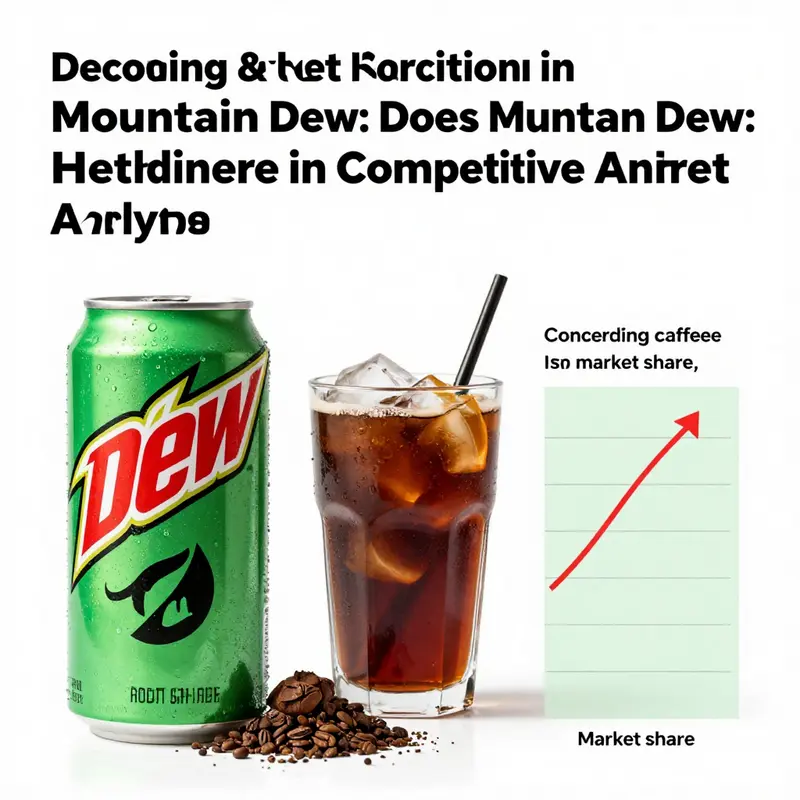
Caffeine sits at the heart of Mountain Dew, not as an afterthought but as a defining trait that shapes flavor, consumer expectations, and even the way the beverage is marketed. The caffeine level is roughly 55 mg per 12-ounce can, a figure that places it among the higher caffeine offerings in the soft drink space. This potency helps the drink earn a reputation as an energy forward option within citrus profiles, a pairing that resonates with a public seeking a quick lift alongside a bold taste. The alignment of stimulant power with a bright taste is not incidental; it is a deliberate feature that signals energy and momentum to those who want both flavor punch and a usable jolt to power through an afternoon or an evening. In practice, this combination creates a recognizable identity that fans come to rely on and that others in the category watch closely as a benchmark for what a citrus flavored, caffeine heavy option can be.
That high caffeine level is not a mere numeric detail. It acts as a strategic differentiator in a crowded landscape dominated by traditional colas, fruit sodas, and newer functional beverages. The flavor profile, which leans toward a bold citrus kick, complements the stimulant effect rather than competing with it. This harmony between taste and function helps explain why a younger demographic looks for a drink that can deliver both excitement and alertness in one moment. Market researchers describe the choice as a convergence of sensory desirability and practical utility: a beverage that delivers a noticeable lift without sacrificing flavor intensity. The result is a product narrative that blends identity with utility, a combination that makes the brand stand out when shelf space is at a premium and when consumers are deciding which drink to pick during a study session, a long drive, or a social gathering where speed and clarity matter.
The breadth of the brand’s appeal is amplified through its lineup and ongoing flavor innovation. Variants such as Voltage and Baja Blast extend the core message of energy through flavor variety, offering a spectrum of experiences all anchored by the same underlying caffeine level. These flavors are not arbitrary experiments; they are deliberate extensions designed to maintain momentum and to invite repeat purchases across different moments of the day and across different regional tastes. The official site reinforces this approach by highlighting new and limited releases, which create a sense of urgency and exclusivity. When a limited edition hits the shelves, it becomes a talking point that cycles through online conversations and in-person conversations alike. The caffeine threshold remains a constant reference point, a familiar anchor that makes new flavors seem like purposeful evolutions rather than random deviations from a tried and true formula.
From a competitive standpoint, caffeine content functions as both a signal and a tool. The regular version typically sits around 55 mg per can, with diet versions often mirroring that potency. This cross-variant consistency signals to consumers that the brand values a standard of energy across its lineup, reinforcing expectations about what a can in this family should deliver. The practical impact on consumer behavior is subtle and layered. Some drinkers seek a reliable energy lift during afternoon hours or late-night study sessions, while others simply want the refreshing brightness that accompanies the citrus base. In short, caffeine becomes a cue that the product is engineered for momentum, while the flavor design ensures that the experience remains approachable rather than overwhelming.
The market narrative does not stop with caffeine and flavor alone. Packaging, distribution, and cultural associations work in concert to shape the overall perception. Electric hues, bold fonts, and the perception of speed in the marketing creative all reinforce the sense of vitality that the caffeine implies. In addition, sponsorships and cross promotions help place the beverage in moments of social energy, whether in casual hangouts or more active settings. This multi-dimensional positioning—that blends stimulant power with an unmistakable taste identity—helps sustain interest over time even as competitors push into similar spaces. The result is a brand story that feels both timeless and timely: a citrus flavored, caffeine rich option that remains fresh through continual flavor experiments and thoughtful market placement.
From a consumer insight perspective, the dynamics around caffeine in this category can be unpacked without losing sight of the bigger picture. The mg per serving matters, but so does the perception of safety, the cultural conversation around energy and rest, and the way a brand communicates responsibility. Regulatory frames and health guidance have evolved to shape how caffeinated beverages are perceived and consumed, especially among younger audiences. The Mountain Dew position demonstrates a careful balance: a strong stimulant feature that is framed within a broader dialogue about energy, consumption context, and daily routines. The messaging tends to emphasize excitement and flavor while avoiding sensational claims, reinforcing a sense of reliability. This balance between potency and palatability is essential for maintaining credibility in a market that increasingly scrutinizes energy related products while still seeking bold taste experiences.
The conversation around caffeine also expands through digital channels, where consumer voices amplify both the sensory and functional dimensions of the drink. Online discussions highlight not only the sharp citrus lift but also the drink’s willingness to push flavor boundaries through limited runs and collaborations. Those conversations feed back into product development and marketing, creating a dynamic loop in which feedback, taste, and stimulant strength inform each other. The result is a brand that evolves with its audience rather than one that stays static, a crucial advantage in a sector where novelty often outpaces loyalty. The caffeine narrative thus becomes a living part of the brand’s identity, continually reinterpreted as new flavors, formats, and cultural moments emerge.
For readers seeking a concise anchor to the caffeine narrative within a single unit, a targeted reference can provide a clear lens on the numbers while the broader story unfolds. See the detailed breakdown in caffeine-content-mt-dew, which collects the mg per serving across variants and explains how the caffeine profile compares with other popular beverages. This internal link offers a practical touchstone for readers who want to connect the numeric attribute with the larger discussion about market positioning, consumer behavior, and brand strategy, while still exploring the chapter’s emphasis on flavor innovation and the energy narrative that drives purchase decisions.
In sum, caffeine is more than an ingredient in Mountain Dew. It is a strategic axis that supports a bold citrus flavor, a nimble product lineup, and a marketing approach built around energy, speed, and modern vitality. The brand leverages this axis to occupy a distinctive niche that few citrus sodas can claim, balancing intensity with approachability in a way that invites casual sipping and scenario driven consumption alike. The result is a durable market position, reinforced by ongoing flavor development and a consistent message about energy that speaks to a generation accustomed to fast pace and rapid pace of life. As the landscape shifts with new entrants and evolving consumer expectations, the core association of high caffeine with bold citrus remains a stable anchor that helps readers understand why Mountain Dew has earned its place in the competitive matrix of citrus and energy beverages.
External resource: https://www.mountaindew.com
Caffeine in the Neon Citrus: Unpacking the Wake-Up Kick Behind the Popular Soft Drink
Caffeine is a term that often surfaces when people talk about their favorite neon-hued citrus soda, and for good reason. The beverage has crafted a reputation not just for its bold flavor, but for its ability to provide a quick, noticeable pick-me-up. In the world of soft drinks, caffeine level can become a defining feature, shaping how a product is perceived by students pulling all-nighters, workers juggling deadlines, or anyone needing a little extra focus for a midafternoon slump. In the case of this iconic brand, the standard 12-ounce can contains roughly 54 to 55 milligrams of caffeine. That figure places it in the upper tier for nonalcoholic, non-energy beverages, a category that includes many classic sodas whose caffeine counts hover in the 30s. The effect is a caffeine profile that many describe as a mild to moderate boost—enough to sharpen attention without the jitters that sometimes accompany higher-stimulant choices. The result is a beverage that has become synonymous with a quick, refreshing lift, delivered in a body of flavor that is unmistakably bold and citrus-forward.
When we look at the core lineup, this caffeine level appears to be a steady characteristic rather than a loophole or exception. For the standard regular formulation, the 12-ounce serving maintains that 54 to 55 milligram range. This consistency is part of what has helped the drink carve out a niche as a go-to option for people who want a familiar taste and a clear, accessible caffeine boost without resorting to coffee or energy drinks. The same caffeine benchmark often carries over into many of the brand’s other offerings that share the same citrus zip and recognizable sweetness. In a market where beverages frequently vie for attention with novelty flavors or caffeine blends, a predictable level can be a quiet selling point. It makes planning around daily caffeine intake a bit easier for regular consumers and provides a reliable baseline for anyone comparing caffeinated beverages side by side.
Yet the story doesn’t end with a single number. The beverage family includes variants that maintain the same baseline caffeine amount per 12-ounce serving, while others may push beyond it. In practical terms, that means checking the label if you’re tracking caffeine intake with precision. The difference between 54 and 60 milligrams in a single can can feel small, but it matters for daily totals, especially for those who sip multiple servings or pair the drink with other caffeine-containing products. Understanding these nuances invites a deeper consideration of how caffeine is distributed across flavors and formats. It also invites a practical question for consumers who weigh flavor against stimulant content: how much caffeine is in a given variant and how does that align with personal sensitivity and daily limits?
If you step back and compare with other caffeinated beverages, the numbers become clearer. In broad terms, a small cup of brewed coffee typically holds around 95 milligrams of caffeine, though that figure can swing higher or lower depending on the roast and brewing method. The beverage in question thus sits between a light cup of coffee and many other widely consumed sodas. It is higher than the caffeine found in the most common cola brands, which often clock in the 30-40 milligram range per 12-ounce serving. Those comparisons aren’t merely academic; they shape how people incorporate this drink into daily routines. A schedule that involves school, work, or late-day tasks can be influenced by this level of caffeine, leading some to treat the beverage as a reliable midafternoon lift while others opt for lighter choices to avoid disrupting sleep patterns.
What makes caffeine in this citrus-forward beverage particularly interesting is not just the amount, but the context in which it appears. The caffeine content sits within a broader formulation designed to deliver a distinctive sensory experience: a bright citrus aroma, a crisp mouthfeel, and a tongue-tingling acidity that accents the sweetness. The caffeine acts as a stimulant in the same way that other caffeinated drinks do, but its interaction with the drink’s acidity, carbonation, and sugar can influence how quickly the caffeine is absorbed and how long the perceived energy boost lasts. In plain terms, caffeine isn’t just a number; it is part of a complex sensory and physiological equation that shapes how people perceive the drink’s energizing effect. For many, that combination—refreshing flavor plus a predictable caffeine kick—creates a reproducible ritual that feels both familiar and effective.
From a sourcing standpoint, the research results presented in the materials indicate a straightforward truth: caffeine is present and contributes meaningfully to the drink’s overall profile. The standard 12-ounce can delivers a consistent stimulant presence, which positions the beverage as a top contender among caffeinated soft drinks. Some specialty variants may exceed the 55 milligrams per 12-ounce benchmark, which underscores the importance of label-reading when managing caffeine intake. While the exact formulation details can vary by batch and by flavor, the core idea remains the same: for many consumers, a familiar citrus-forward taste comes packaged with a reliable caffeine dose that supports focus or alertness through the afternoon hours. In practice, this means that enjoyment and energy can be pursued in tandem, but with the caveat that caffeine counts are not identical across all offerings and should be monitored by anyone who must limit intake for health, age, or personal reasons.
The broader conversation around caffeine in beverages often touches on health guidelines and daily limits. For adults, experts commonly cite a maximum around 400 milligrams of caffeine per day as a general precaution to avoid adverse effects like sleep disruption, jitters, or heightened anxiety in sensitive individuals. A single 12-ounce can delivering about 54 to 55 milligrams represents roughly one-tenth of that daily ceiling for most people, leaving ample room for other sources of caffeine while still maintaining a comfortable margin. Of course, individual tolerance varies, and certain populations—such as pregnant people or those with specific medical conditions—face stricter recommendations. In those cases, limiting intake or avoiding caffeine altogether may be advised, and this drink’s place in a daily routine would be adjusted accordingly. These considerations remind us that caffeine is not a universal remedy or a risk-free stimulant; it is a compound whose effects hinge on context, timing, and the total load from all sources.
For readers who want a more granular look at how caffeine content varies across flavors and how it stacks up against similar beverages, there is a useful entry point that keeps the discussion grounded in data. See the article linked here for a focused comparison that traces caffeine content across a spectrum of options and helps translate the numbers into practical guidance for daily planning. caffeine-content-mt-dew
Beyond the numbers, the conversation about caffeine in this citrus-forward drink often intersects with consumer habits and the dynamics of social consumption. People tend to pair it with activities that require sustained attention, such as studying, commuting, or completing tasks that demand a steady focus. The flavor profile—bright, tangy, and undeniably refreshing—can make it feel like a suitable companion for long days, which explains its enduring appeal. At the same time, there is a growing emphasis on mindful consumption: recognizing how caffeine contributes to total daily intake and understanding how other drivers—sleep, stress, and overall energy needs—play into how much of this beverage is sensible to enjoy. In the end, the product’s appeal lies not only in its assertive taste but in its role as a reliable, adjustable source of stimulation that many people can incorporate into their routines without stepping outside personal boundaries for caffeine. The balance between flavor and function is what keeps the beverage relevant as tastes evolve and health considerations become increasingly central to consumer choices.
External resource: for the official numbers and nutritional details, readers can consult the brand’s nutrition facts page. This reference provides the most current specifications and helps clarify which variants maintain the standard caffeine level and which may differ due to formulation changes over time. External reference: https://www.mountaindew.com/nutrition-facts
Final thoughts
In conclusion, Mountain Dew’s caffeine content is a key factor that influences consumer behavior in the beverage market. Business owners should recognize how this attribute not only defines the brand’s identity but also shapes purchasing decisions among various consumer demographics. As caffeine continues to be a major selling point, understanding its implications can empower business owners to create informed strategies that attract and retain customers. By leveraging the unique characteristics of Mountain Dew, businesses can enhance their offerings and resonate with their target audience effectively.