
Understanding the caffeine content in soft drinks is crucial for business owners in the beverage industry. As popular sodas like Dr Pepper continue to delight consumers, awareness surrounding caffeine levels becomes important for informed decision-making. This comprehensive exploration will delve into whether Dr Pepper contains caffeine, its content across different sizes, comparisons with other sodas, the health implications for consumers, and how caffeine influences consumer preferences. By the end, business owners will be equipped with valuable insights into navigating the evolving landscape of soft drink offerings.
Does Dr Pepper Have Caffeine? A Closer Look at Its Caffeine Content
Dr Pepper contains caffeine and its amount is typically modest for a soft drink, with a standard 12-ounce can averaging about 41 to 42 milligrams of caffeine. This level places it above many non-caffeinated sodas but well below a typical cup of coffee, and the caffeine content remains consistent between the classic and zero sugar versions in major markets. The caffeine contributes a mild bitterness that can balance the drink’s sweetness and should be considered in daily caffeine budgeting, especially if you consume other caffeinated beverages. For precise figures, refer to the official nutrition facts on the label or the producer’s site, since exact mg per serving can vary by region and formulation. If you want a quick reference, you can compare it to other beverages to see where it fits within a daily caffeine plan.
Caffeine by the Can: Tracing Dr Pepper’s Buzz Across Every Size
Caffeine is a topic that seems straightforward until you start measuring. People want to know whether their favorite beverages keep them alert, and how much of that wakefulness is packed into each container. The conversation around Dr Pepper, a long-standing fixture in many refrigerators and lunch bags, often centers on one question: does it contain caffeine, and if so, how much? The short answer is yes, but the full story is more nuanced. Caffeine content in soft drinks follows a familiar pattern: the amount per fluid ounce stays relatively steady, so the total caffeine scales with the size of the bottle or can. What makes Dr Pepper notable in this context is not a dramatic spike in caffeine, but rather a modest, consistent level that sits somewhere between many non-colas and the stronger caffeine sources we might reach for in the morning. This consistency matters for anyone who drinks Dr Pepper regularly, whether they are managing caffeine intake for personal reasons, monitoring family caffeine exposure, or simply curious about how the numbers stack up against coffee and energy drinks. When we look at the caffeine content by size, a simple trend emerges: as the volume increases, the total mg of caffeine climbs in nearly a straight line. That linear relationship is a practical guide for estimating caffeine intake without needing to recalculate every time you switch from a 12-ounce can to a larger bottle. The numbers themselves come from standard formulations and the brand’s own disclosures, which, while they can vary by version, provide a reliable baseline for most audiences. It’s important to keep in mind that formulation tweaks do occur from time to time, regional differences exist, and packaging can influence the exact numbers on a given batch. Still, the core takeaway remains stable: Dr Pepper contains caffeine, and the amount scales with how much you drink.
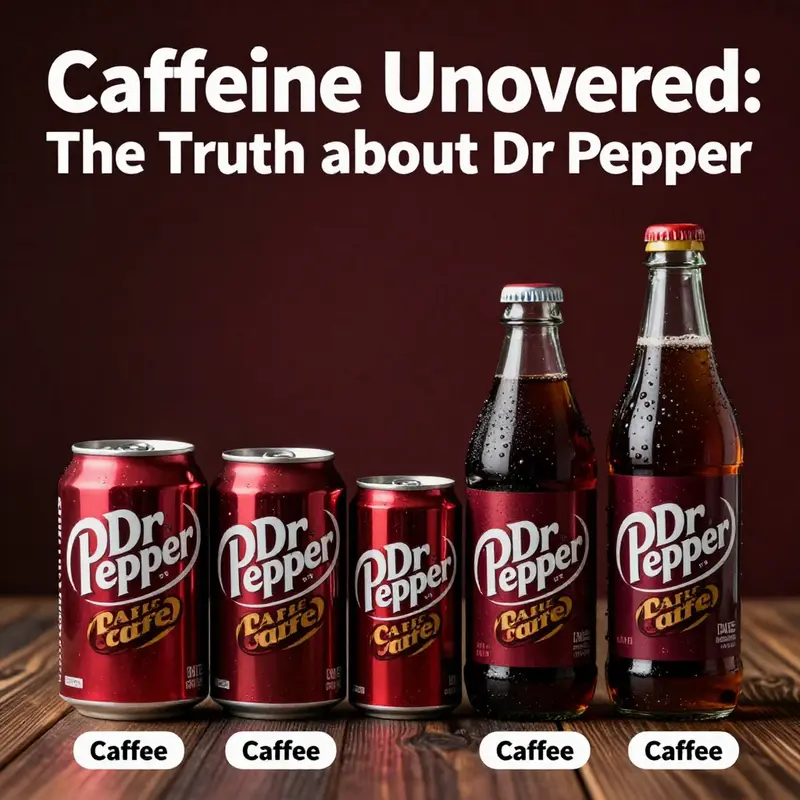
Across the spectrum of common sizes, the caffeine content aligns with a simple arithmetic that many fans will recognize from other soft drinks. A 12 fluid ounce (355 ml) can contains roughly 41 to 42 milligrams of caffeine. This range reflects the standard concentration that applies to both the regular and the zero-sugar version, suggesting a shared caffeine profile irrespective of sweetener choice. The proportional math then carries through larger servings. A 16 fluid ounce (473 ml) bottle holds about 55 milligrams of caffeine, which translates to roughly 3.4 milligrams per ounce. Extend that scale, and a 20-ounce (591 ml) bottle arrives at about 68 milligrams. The math remains clean and intuitive: doubling the size roughly doubles the caffeine, within the margins of rounding and formulation constants.
Continuing upward, a 32-ounce (946 ml) bottle brings the caffeine total to around 109 milligrams. And for the ambitious, a 64-ounce (1.89 liter) bottle carries approximately 218 milligrams of caffeine. These figures are more than curiosities; they offer a practical framework for daily planning. They help answer common questions for people who track caffeine intake for health, school, or work, as well as for parents who want to gauge how much caffeine a household might be consuming when multiple people share a single beverage. The concentration roundly sits at about 3.4 milligrams of caffeine per ounce across the typical range, a tidy reminder that caffeine scales predictably with volume. This steadiness also means that, regardless of whether you opt for a regular full-sugar version or a zero-sugar variant, the caffeine per 12-ounce unit does not vary dramatically. If you pour the same size multiple times, you can expect a similar caffeine yield each time.
This consistency does, however, invite a closer look at why the numbers sit where they do. Caffeine is a relatively small molecule, but its effects accumulate. For many, the caffeine content in a 12-ounce can—about 41 to 42 mg—provides a mild, manageable lift that is distinctly less intense than a cup of coffee. Coffee, by comparison, often lands in the 95 to 200 mg range per 8-ounce serving, depending on the brew and the bean. Energy drinks form a different category again, frequently offering more concentrated amounts per serving, sometimes with additional stimulants. In that landscape, Dr Pepper’s caffeine content is moderate—enough to be noticeable, but not so high as to demand tight monitoring for casual sippers. The practical implication is that a single can contributes a recognizable caffeine signature to the day, but it’s typically a modest one.
Of course, not every consumer reads every label with the same rigor, and not every packaging run remains perfectly uniform. Some readers have reported higher numbers on certain listings or in different markets, an outcome that typically traces back to regional formulations or minor product variations. When you encounter numbers that diverge from the standard pattern, the safest approach is to check the nutrition facts panel on the specific can or bottle you’re drinking. The panel reflects the exact caffeine content for that product variation, including any regional tweaks. For readers who want a definitive, official baseline, the brand’s own caffeine content page offers a consolidated reference point that groups the regular and zero-sugar variants under a single, predictable framework. It’s a useful anchor when comparing Dr Pepper to other beverages and when calculating daily caffeine intake.
For readers who want to take a deeper, more contextual look at Dr Pepper’s caffeine profile, an internal note can be helpful. If you’re curious about how these numbers are framed across the blog’s broader caffeine discussions, you can explore the topic further through the internal discussion that covers caffeine content across versions. In particular, a concise explainer focused on whether Dr Pepper contains caffeine and how much can provide a quick, reliable reference point. dr-pepper-has-caffeine offers a compact synthesis that complements the data presented here, linking the core question to the broader habit of tracking caffeine across beverages. This internal link serves as a bridge between the specific Dr Pepper figures and the wider landscape of caffeinated drinks explored on the site.
Beyond the numbers, there are meaningful implications for how people think about caffeine in their daily routines. A shopper choosing a 12-ounce can to pair with a midmorning task will encounter a small but meaningful jolt. Someone planning an afternoon break might reach for a larger bottle, aware that the caffeine content scales with the quantity. The arithmetic can become a practical tool: if you’re comfortable with about 40 mg of caffeine in a single 12-ounce serving, a 16-ounce bottle will contribute a little more than 50 mg, and a 20-ounce bottle will push toward the high end of the mid-range for soft drinks. The framework helps consumers compare Dr Pepper not only against coffee and energy drinks, but also against other sodas with similar caffeine profiles. It’s a reminder that the beverage world offers a spectrum of caffeine strengths, and that even within a single brand, the size you choose defines your total caffeine intake as clearly as your choice of flavor or sweetener.
In the end, the story is less about a dramatic caffeine spike and more about predictable, volume-driven clarity. The numbers, anchored by the 12-ounce baseline of about 41 to 42 mg, are easy to apply. The 3.4 mg per ounce rule of thumb emerges naturally from the data, turning a potentially opaque detail into a straightforward calculation. For anyone who wants to gauge how Dr Pepper fits into a balanced caffeine plan, the approach is simple: know your serving size, multiply by roughly 3.4 mg, and compare against personal limits or daily recommendations. While individual responses to caffeine vary, the structural fact remains constant: Dr Pepper does contain caffeine, and its impact is closely tied to the size in hand. This understanding helps demystify a question that many people ask while selecting beverages for work, school, or leisure, and it keeps the decision grounded in transparent, verifiable numbers.
External reference: https://www.drpepper.com/caffeine-content/.
In the Caffeine Ring: Dr Pepper Compared with Other Sodas
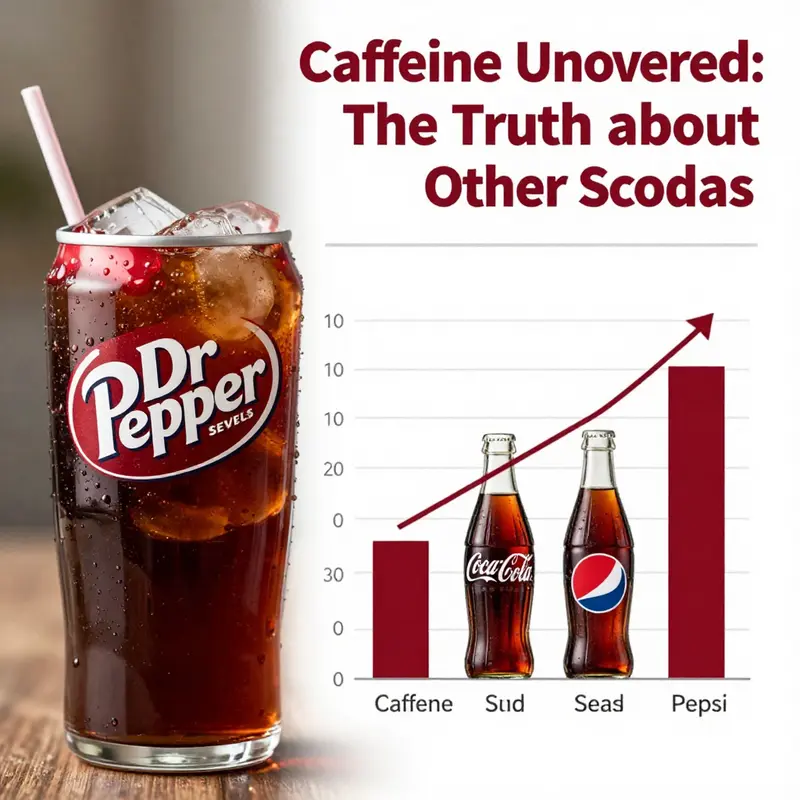
Dr Pepper contains a moderate amount of caffeine for a soft drink. In a typical 12-ounce can, you can expect roughly 35 to 42 milligrams of caffeine, with some variation by batch or formulation. The regular version tends to sit toward the lower end of that range, while the zero-sugar variant is sometimes reported slightly higher. By comparison, many regular colas fall in the high 30s to low 40s milligrams per 12 ounces, and some releases approach the 50 mg mark. For most people, this creates a gentle stimulant effect that supports focus without a pronounced jittery feeling, particularly when consumed earlier in the day. Remember that serving size matters: a 16-ounce bottle could carry roughly 60 to 65 mg if the per-12-ounce rate stays similar. As with any caffeinated beverage, individual sensitivity, other sources of caffeine, and daily limits will shape how Dr Pepper fits into a day.
The Caffeine Question in a Classic Fizz: How Much Buzz Does Dr Pepper Deliver?
The question of whether a can of Dr Pepper contains caffeine is more than curiosity for many casual sippers and caffeine trackers alike. It taps into how people balance flavor, energy, and daily limits. The short answer is that caffeine does play a role in this drink, but the amount isn’t identical across all sources or versions. In discussions of caffeine in soft drinks, numbers can float depending on who did the measuring and which formulation is in hand. The most commonly cited figure in recent consumer nutrition analyses places Dr Pepper at about 41 milligrams of caffeine per 12-ounce can. This estimate, which applies to both the regular and the zero-sugar version, frames the drink as a moderate source of caffeine—enough to provide a mild lift, yet typically not a jolt unless someone is consuming multiple servings in a short period. At the same time, other retailer listings have suggested higher numbers, around 63 milligrams per 12-ounce can, with proportional scaling yielding roughly 84 milligrams per 16-ounce bottle. Those discrepancies are more than cosmetic; they highlight how variable data can be when it meets different labeling practices, regional formulations, or even misinterpretations of serving sizes. The nuanced takeaway is that caffeine content is real, but it exists on a spectrum rather than as a single fixed value. This matters because people who are sensitive to stimulants, or who try to track caffeine across everything they drink, need to account for potential variability as they plan their day. In practical terms, a single standard can provides a moderate caffeine experience: enough to notice a lift, especially if you’re not used to caffeine, but not a heavy caffeine hit for most adults.
Within the broader landscape of caffeinated beverages, the amount per can in this category tends to fall into a familiar mid-range. A 12-ounce cola or similar soft drink typically contains somewhere around 30 to 45 milligrams of caffeine, with many brands hovering near the lower end of that range. Dr Pepper, by sitting at roughly 41 milligrams per can according to Healthline’s analysis, lands squarely in that middle zone. It’s a reminder that caffeine content in non-diet, everyday beverages isn’t a fixed benchmark so much as a relative measure—one that depends on formulation choices, including sweeteners, flavor compounds, and even the way caffeine is extracted and blended during production.
For those who opt for the zero-sugar variant, the caffeine content remains consistent with the regular version on a per-can basis. This consistency is notable because it means fans of the sugar-free option don’t trade off their caffeine experiences when they choose to avoid sugar or calories. The caffeine’s role in the drink isn’t merely a separate health consideration; it also interacts with the flavor profile. Caffeine can contribute to the perceived bitterness that often complements sweet flavors, and in a complex, high-sugar soda, that bitter edge can subtly shape the overall tasting experience. In that sense, caffeine is not only a stimulant; it’s an ingredient that helps sculpt the drink’s character, adding depth to the palate’s response and potentially influencing how long the flavor lingers after the swallow.
Yet any daily habit built around caffeine invites questions about timing, tolerance, and cumulative intake. For most adults, the moderate level found in a single can is unlikely to cause adverse effects when consumed in moderation. The real caveat appears when three or more servings are consumed in a day or when a person is particularly sensitive to stimulants. Sleep disturbances and heightened anxiety are among the more common concerns reported by sensitive individuals when caffeine intake piles up, especially late in the day. Those effects aren’t a universal consequence of a single can; they emerge when caffeine becomes a daily, multiple-serving staple. The practical implication is simple: like any stimulant, caffeine should be understood as part of a wider intake picture. If you routinely drink several caffeinated beverages, you’ll want to map out how a drink with roughly 41 milligrams per can fits into your total daily caffeine budget, alongside coffee, tea, energy drinks, and even some chocolate-containing snacks.
There’s also a broader health context to consider. The zero-sugar variant, while free of sugar and carbohydrates, relies on artificial sweeteners such as aspartame and acesulfame potassium (Ace-K). Regulatory agencies have approved these sweeteners for general use, but ongoing discussions about their long-term health implications persist in some consumer conversations and research circles. The caffeine content itself remains moderate, but the lifestyle choices around a sugar-free option—combined with caffeine—can shape a person’s daily intake profile in ways worth noticing. In other words, the caffeine figure is important, but it sits alongside other dietary components that influence how the drink affects you. Reading the label, understanding serving sizes, and tracking total caffeine intake are prudent steps for anyone who is monitoring stimulants or who is sensitive to caffeine’s effects.
From a consumer perspective, the decision to reach for a can of this classic soda is never just about caffeine alone. Flavor, aroma, and mouthfeel all interact with caffeine to create a recognizable sensory experience. The mild lift blends with a familiar, fruit-forward tasting profile, and that combination helps explain the enduring popularity of the drink. If you’re balancing caffeine with other beverages, a practical approach is to estimate your day’s caffeine by counting the number of 12-ounce servings you consume and then mapping that against personal tolerance and sleep needs. For those who prefer a sugar-conscious option, the zero-sugar version offers the same caffeine content per can, so the choice can focus more on sweetener type and taste rather than energy level alone.
In the end, the caffeine question about this familiar fizz comes down to a blend of numbers, sensations, and daily rhythm. While the robust, high-volume caffeine figures you might see in some retailer listings can be misleading for the average consumer, the mid-range figure reported by reputable health-focused analyses provides a reliable baseline. A single can delivers a modest lift without overpowering the palate, and even when you consider multiple servings across a day, the total often remains within what many adults tolerate well—provided it’s balanced with sleep, hydration, and overall dietary patterns. For people who are more sensitive to stimulants or who are watching caffeine intake for medical reasons, the straightforward guidance is to treat a can as a discrete unit and plan accordingly. Keep a running tally if you’re combining this drink with coffee, tea, or energy products, and be mindful of late-day consumption that could interfere with sleep.
As a closing point, it’s useful to reaffirm that the caffeine content discussed here reflects the general findings in recent consumer nutrition literature. The specifics can vary by formulation and market, and misalignments across sources remind us to consult product labels when exact figures matter for your personal plan. If you’re curious about the zero-sugar variant and how its caffeine stacks up in your own mix of beverages, you can explore practical comparisons through related discussions that break down caffeine content across different Dr Pepper offerings. How Much Caffeine in Dr Pepper Zero.
External resource: https://www.healthline.com/nutrition/caffeine-in-dr-pepper
null
null
Final thoughts
Dr Pepper does indeed contain caffeine, offering a competitive edge in today’s beverage market. As business owners, understanding the caffeine levels in Dr Pepper compared to other soft drinks can help make informed decisions about product offerings. Additionally, being aware of consumer preferences and health implications related to caffeine can aid in creating marketing strategies that resonate with health-conscious customers. Ultimately, by leveraging this information, businesses can better position themselves in a dynamic beverage landscape and cater to consumer demand effectively.