
Gatorade Zero has emerged as a popular choice among athletes and health-conscious consumers seeking hydration without the calories or caffeine commonly found in beverages. As business owners in the fitness and beverage sectors look to cater to this growing market, understanding the composition, benefits, and consumer preferences surrounding Gatorade Zero becomes increasingly vital. This article will delve into an overview of its ingredients and nutritional facts, examine its hydration benefits for athletes, compare it with other sports drinks on the market, explore insights into consumer preferences, and investigate its role in modern fitness culture. By the end, business owners will be equipped with valuable insights to enhance their offerings and better serve their clientele.
Hydration Without Stimulants: A Closer Look at Gatorade Zero’s Caffeine-Free Formula
When athletes speak of performance and recovery, hydration sits at the core of the conversation. Gatorade Zero enters that conversation with a clear promise: to rehydrate and replenish electrolytes without added calories or sugar, and without any caffeine to stir the nervous system. This makes it a versatile companion for workouts, long rides, or any activity where the body sweats and thirst becomes real. The aim is not to spark alertness or to power a late night sprint with a caffeine jolt, but to support fluid balance and muscular function as fluids shift in and out of the cells. In that sense, the drink becomes less about energy in the traditional sense and more about maintaining the conditions the body relies on during exertion: steady hydration, steady ion exchange, and steady recovery afterward. A closer look at the backbone of Gatorade Zero reveals the electrolyte strategy that underpins its utility. Sodium sits in a practical range, approximately 120 to 130 milligrams per serving, while potassium clocks in at about 45 to 55 milligrams. These minerals are not glamorous, but they are essential. Sodium helps preserve circulating fluid volume and supports the body’s ability to respond to sweat loss, preventing the uncomfortable cascade of dehydration that can blunt performance. Potassium works with sodium to maintain cellular function and muscle operation, reducing the risk of cramping and helping preserve the fine balance that supports endurance. In a product designed to be calorie- and sugar-free, these electrolytes are the quiet workhorses, delivering a tangible hydration advantage without extra grams of fuel to burn. In addition to electrolytes, Gatorade Zero includes vitamins that contribute to metabolic processes without introducing stimulants. Vitamin B6 plays a role in amino acid metabolism and nervous system health, while Vitamin B12 supports red blood cell formation and energy production at the cellular level. The presence of these vitamins underscores a broader purpose: the drink is positioned as a recovery and rehydration aid, not a source of immediate energy. The emphasis stays on hydrating effectively and supporting muscle function, a distinction that matters when the goal is steady performance rather than a quick energy spike. The formulation leans on natural flavors to deliver taste without relying on sugar, which aligns with the zero-calorie, zero-sugar objective and makes the beverage appealing during extended sessions where thirst can mask the need for sustained hydration. Caffeine is conspicuously absent from the standard Gatorade Zero profile, a deliberate choice that broadens its applicability. The absence of stimulants means the drink can be consumed at any time, including before bed or during late training sessions where sleep quality is a priority. While collaborations or limited editions may introduce trace ingredients, the core product remains caffeine-free, and that simplicity is part of its appeal. This is especially relevant for individuals who are caffeine-sensitive, looking to avoid insomnia, jitters, or heightened heart rate during recovery periods. The value proposition extends beyond athletes; anyone seeking a calorie-free, sugar-free option that replenishes fluids and electrolytes without altering sleep or rest patterns can consider it a reliable choice. Packaging and convenience further strengthens its practicality. Gatorade Zero is offered in single-serving packaging that’s easy to grab, carry, and consume on the move. The standard serving size is about 8 ounces or 237 milliliters, a familiar portion that fits neatly into a bottle, a gym bag, or a post-workout bottle that’s ready for refilling. This portability is a practical benefit during long training days, road sessions, or workouts that involve transitions between different venues. The combination of portability, zero calories, and zero sugar makes it straightforward to plan hydration without counting grams or recalibrating a fueling strategy around calories that aren’t contributing to performance. From a nutrition standpoint, the zero-calorie, sugar-free profile signals a straightforward hydration option for those tracking intake. It is a drink designed to supply the electrolytic support and taste that make hydration sustainable during exercise, without complicating daily diets with extra calories. While some athletes rely on carbohydrate-containing drinks to maintain energy during prolonged exercise, Gatorade Zero serves a different role: it preserves hydration status and electrolyte balance when the aim is to minimize caloric load or keep sugar intake in check. In this context, it complements other fueling strategies rather than replacing them, offering a reliable way to stay hydrated when calories from beverages are a consideration. The experiential aspect matters, too. Hydration is not merely about swallowing fluid; it’s about the body’s ability to retain that fluid, distribute it where it’s needed, and recover efficiently after sweating. The electrolytes in Gatorade Zero assist in maintaining plasma volume, which can influence perceived effort and comfort during extended activity. The absence of sugar reduces the risk of gastrointestinal distress that sometimes accompanies sweeter drinks in the heat of performance. The natural flavors provide a refreshing taste without adding calories or sugar, making it easier to drink on a schedule during training blocks or recovery days. In this way, the drink supports consistent hydration habits, which are foundational to both performance and long-term health. For readers curious about how caffeine content factors into the broader landscape of sports beverages, there is a useful point of comparison to consider. If you’re evaluating whether a drink can support caffeine-dependent routines or want to avoid stimulants altogether, you can explore how various beverages differ in caffeine content. See Does Gatorade Have Caffeine for a concise overview and clarify how caffeine-free products fit into a broader hydration strategy. Does Gatorade Have Caffeine In the end, the value of Gatorade Zero lies in its straightforward promise: hydration and electrolyte restoration without calories, sugars, or stimulants. It is a practical option for athletes who want reliable fluid replacement during and after exercise while avoiding added sugars and caffeine. It supports repeatable, predictable hydration patterns that can contribute to comfort, performance, and recovery across a range of activities. Those who monitor caffeine intake for health, sleep, or personal preference will find a predictable template here—one that aligns with rest periods, late-day workouts, or any moment when a caffeine-free option is preferable. The product’s design encourages discipline in hydration without forcing compromises on taste or convenience. For the most authoritative nutrition facts and ingredient details, readers may consult the official product page, which provides the authoritative resource in English on Gatorade Zero’s composition and benefits: https://www.gatorade.com/en-us/products/gatorade-zero
Quiet Power: Hydration, Electrolytes, and the Caffeine-Free Edge for Athletes
Hydration is more than quenching thirst. It is a finely tuned system of fluids and minerals that supports every muscle contraction, skin temperature regulation, and mental focus during training. In that system, a caffeine-free, zero-calorie electrolyte beverage occupies a distinctive place. For athletes who measure calories, track macros, and pursue reliable recovery, a zero-calorie option that still delivers essential electrolytes can simplify hydration plans and help sustain performance across repeated sessions. The idea is not to replace fueling with energy drinks, but to optimize the ship that carries energy to the muscles: the body’s hydration and electrolyte balance. In practice, this balance translates to steadier sweat rates, steadier heart rate during hard efforts, and a reduced risk of cramping when athletes push into the later stages of a workout. The absence of calories or sugars means there is less noise in the body’s metabolic ledger, allowing hydration to take center stage during intense training blocks where precision matters as much as tempo or mileage.
Low in calories and sugar-free, the zero-calorie electrolyte beverage provides a practical pathway for athletes who want to manage body composition goals without sacrificing hydration quality. The electrolyte profile—primarily sodium and potassium—supports the body’s fluid balance and helps maintain intramuscular function as sweat wipes away minerals that nerves and muscles rely on to fire correctly. Sodium aids fluid retention and thirst signaling, ensuring that the drink helps replace what sweat strands out of the body. Potassium supports muscle function and helps preserve electrical gradients that keep contractions smooth, reducing the risk of cramping when activity lasts longer than a simple sprint. The combination matters most in endurance efforts—runs, rides, swims, or mixed disciplines—where sustained hydration becomes a foundation, not an afterthought.
For endurance athletes, the message is nuanced. Hydration strategies often diverge from energy strategies. Drinks focused on hydration give muscles the water and minerals they need to function efficiently, yet they may not supply the carbohydrates that fuel prolonged activity. During workouts longer than an hour, the body typically taps a mix of fat, carbohydrate, and sometimes protein for energy. In many cases, a zero-calorie electrolyte beverage can pair with a carbohydrate source during complex sessions to keep fluid balance steady without overshooting calories. This division of roles—hydration support from a sugar-free electrolyte drink and energy supply from carbs—helps athletes tailor fueling plans to the day’s objectives. The practical upshot is that such beverages can be used as a reliable hydration anchor during steady-state efforts or technical work when the aim is to maintain rhythm without introducing stimulants or extra calories that might interfere with weight-class goals or digestive comfort.
The absence of caffeine in the formula carries its own advantages. Not every session benefits from stimulants, and many athletes value predictable recovery, unaltered sleep quality, and consistent training blocks. A caffeine-free option means no stimulant interference with sleep-wake cycles or sleep recovery, which is particularly relevant when workouts spill into the evening or when back-to-back training days demand restorative rest. In the context of practice and competition, the caffeine-free nature of this electrolyte beverage supports a consistent training cadence. It helps athletes stay hydrated without risking overstimulation that could complicate post-exercise recovery, digestion, or focus during late-day sessions. The result is a more predictable training routine in which hydration remains constant and recovery pathways stay clear of stimulant-related variability.
This approach aligns with established guidelines on hydration during extended physical activity. The American College of Sports Medicine emphasizes maintaining fluid and electrolyte balance to prevent dehydration and performance decrement during long bouts of exercise. A formulation that targets electrolyte replacement without added sugars or calories dovetails with those recommendations, offering a practical tool for athletes who need to manage energy expenditure while maintaining physiologic stability. The idea is to replace the minerals lost through sweating and to preserve plasma volume, skin temperature regulation, and cardiac efficiency as an ongoing training adaptation.
The research picture supporting these benefits has grown clearer. A 2026 review in Healthline highlights that the zero-calorie electrolyte beverage is effective for hydration during moderate to intense exercise. It notes, however, that for longer-duration exertion, hydration should be complemented with additional fuel sources to sustain energy delivery. Put simply, hydration is foundational, but energy needs still require carbohydrate intake or other fuel strategies when workouts extend well beyond the hour mark. This nuance matters because it helps athletes structure a holistic plan that uses the right tools at the right times. The takeaway is not to rely on a single beverage for all circumstances, but to recognize the role of a caffeine-free, low-calorie option as a stable hydration anchor within a broader fueling strategy.
In practice, athletes who value steady hydration can integrate this option into a broader routine without compromising performance. For example, during training blocks focused on technique, endurance, or repeated intervals, a zero-calorie electrolyte drink provides the consistent mineral delivery needed to maintain muscle function and fluid balance. It offers a convenient, portable way to replenish sodium and potassium that can be paired with a separate energy source when the workload requires it. This separation of hydration and fueling resources helps athletes modulate their intake according to the day’s demands, the length of the session, and personal digestive comfort. It also lets athletes minimize unnecessary calories while preserving the biochemical environment that supports performance.
For readers curious about the caffeine content in this zero-calorie option, a quick check can be informative. If you want to verify caffeine data, see does-gatorade-zero-have-caffeine. This reference point serves as a reminder that hydration and stimulation are distinct conversations, and that athletes can select tools that align with their sleep, recovery, and daily rhythm while still meeting hydration and electrolyte targets.
Looking ahead, the practical takeaway is clear. Hydration strategies grounded in electrolyte balance offer a stable platform for training and recovery, while caffeine-free formulations protect sleep quality and post-exercise restoration. The evolving body of evidence, including guidelines from major sports medicine bodies and synthesis reviews, continues to validate this approach. The goal is not novelty for its own sake but a coherent system in which hydration supports performance and recovery across a spectrum of training realities. External resources continue to refine our understanding, guiding athletes toward hydration tools that fit their personal needs and training schedules. External resource: https://www.healthline.com/health/fitness-nutrition/gatorade-zero-caffeine-for-athletes#
Zero-Calorie, Caffeine-Free Hydration: Reading the Electrolyte Map in a Caffeine-Rich Market
When the body sweats, your hydration strategy should do more than replace fluid. It should replenish the minerals that power muscles, nerves, and the steady rhythm of performance. In a market crowded with options, a zero-calorie, caffeine-free hydration beverage stands out not for a surge of energy, but for a quiet, reliable return to balance. This type of drink centers hydration on electrolyte restoration and fluid absorption rather than stimulation. It is crafted for athletes who train at all hours, for weekend warriors chasing consistency, and for anyone who wants to hydrate without adding sugar, calories, or caffeine to the day. The absence of calories and caffeine makes it a candidate for use before sleep, between sets, or during long endurance efforts when the goal is steady hydration rather than a jolt of wakefulness. The product profile is straightforward: electrolytes in the right proportions, zero calories, and a flavor profile that mirrors the familiar sweetness of traditional sports drinks without the sugar crash that follows later. The emphasis is on restoring what sweat erodes—fluid balance and mineral content—so recovery can begin as soon as the last rep is completed or the last mile is logged.
In this landscape, the electrolyte mix takes center stage. Sodium and potassium are the usual anchors, but calcium and magnesium also play essential supporting roles. Sodium helps retain fluids and aids in quick absorption of water from the gut, while potassium supports nerve function and muscle contraction. Calcium and magnesium contribute to muscle performance and relaxation, potentially reducing cramps and aiding recovery after intense sessions. The exact balance of these minerals can vary among beverages, but the shared cornerstone remains: a clean, calorie-light channel to replenish what heavy sweating depletes. With no sugar to fuel rapid swings in blood glucose, the drink tends to deliver a smoother hydration experience. The absence of caffeine, meanwhile, means there is no stimulant-driven alteration of heart rate or sleep patterns. That can be a distinct advantage for athletes who train late in the day or who are particularly sensitive to stimulants, as well as for individuals who want hydration to be a simple, daily habit rather than part of a performance regimen.
Flavor and sweetness play their part in adherence. A zero-calorie, caffeine-free formula often relies on artificial sweeteners to achieve a satisfying taste without calories. The choice of sweeteners, like sucralose and acesulfame K, can influence mouthfeel and aftertaste, and some consumers will prefer natural alternatives offered by other brands. The goal is a refreshing finish that invites hydration again and again, not a beverage that leaves a lingering aftertaste or a sense of heaviness. In practice, this means a flavor range that leans familiar—the same citrus, fruit, or cool, neutral profiles that athletes recognize from classic sports drinks—yet with a lighter, crisper finish that aligns with the zero-calorie promise. Availability tends to be strong, with broad distribution in supermarkets, gas stations, and gym facilities, which makes it a convenient choice for daily hydration in addition to training sessions.
A key consideration is how this option stacks up against alternatives when heat, duration, and intensity push sweat rates higher. In hot climates or during long endurance efforts, the body loses more sodium, potassium, and water. A beverage designed with a robust electrolyte blend helps maintain plasma volume, supports performance, and accelerates rehydration once fluids are ingested. The zero-calorie approach means you can sustain hydration without having to account for calories or carbohydrate load, which can be advantageous for those monitoring intake for weight management or recovery strategies. The lack of caffeine also means there is less concern about sleep disruption or jitteriness if hydration is needed in the hours leading up to bedtime or during multi-day training blocks. The science underlying electrolyte replacement emphasizes not just the minerals themselves but the timing of intake. Sipping small amounts regularly during activity tends to support absorption and maintains a steadier state of hydration than large, infrequent drinks.
For readers curious about whether this category can coexist with caffeinated options, the simple answer is yes, and the distinction matters. A caffeine-containing option has its own niche: a potential quick mobilization of alertness, a boost some athletes want during early morning sessions or long intervals. Yet caffeine’s diuretic potential, stimulant effects, and sleep-interference trade-offs can complicate its use, especially for those balancing training with rest and recovery. In contrast, a caffeine-free, zero-calorie choice offers a dependable hydration tool without stimulating effects or a post-consumption energy dip. This makes it an appealing baseline beverage—one that can be used across the day, in practice sessions, and in the hours leading up to sleep without compromising recovery or circadian rhythms. The end benefit is consistency: predictable hydration support that aligns with personalized training plans rather than a one-size-fits-all energy strategy.
The topic of customization enters the discussion through the idea that hydration is not a single, universal equation. Personal sweat rates and electrolyte losses vary widely among individuals, making some athletes thrive on a straightforward electrolyte solution while others seek more tailored approaches. Hydration science has evolved to acknowledge these differences, with options that offer varying mineral profiles and flexibilities for those who want to adjust for climate, altitude, or training intensity. While this chapter avoids naming specific brands or products, the broader takeaway remains clear: a well-formulated zero-calorie, caffeine-free drink can serve as a dependable base, while more personalized hydration strategies may involve monitoring sweat rates and electrolyte needs to fine-tune intake. In practice, many athletes blend this platform with other hydration tools, choosing the everyday staple for routine days and reserving specialized, personalized options for peak training blocks or competition ladders. The beauty of the zero-calorie caffeine-free approach is that it reduces barriers to consistent consumption, promoting habitual hydration without adding a layer of complexity to daily routines.
When it comes to practical usage, the guidance is straightforward. During training, sip at regular intervals to sustain plasma volume and support ongoing performance, especially in hotter environments. Post-workout, the same drink helps replenish fluids and electrolytes, accelerating recovery without introducing extra calories that could complicate dietary goals. Late-evening workouts can benefit from the caffeine-free feature, helping athletes wind down without worrying about sleep disruption. The taste, the electrolyte balance, and the calorie-free nature work together to create a predictable, reliable hydration partner. For readers who want a quick, context-driven check on caffeine content in this category, see Does Gatorade Zero Have Caffeine. Does Gatorade Zero Have Caffeine.
As this chapter threads through the complexities of the hydration landscape, the broader theme remains essential: lack of sugar and caffeine does not mean a compromise in performance support. The electrolyte blend is the real workhorse, sustaining fluid balance and muscular function even as pace, duration, and environment push the body. In short, zero-calorie, caffeine-free hydration offers a practical, science-aligned option for those who value consistency, comfort, and recovery as much as competition itself. It stands as a steady anchor in a market where energy drinks and added sugars often draw attention away from the fundamentals of hydration. For readers who want to explore the science and formulation behind zero-calorie electrolyte beverages more deeply, the discussion can extend into how mineral ratios are tuned for different activity profiles, how the absorption kinetics of electrolytes affect performance, and how taste and mouthfeel influence long-term adherence to hydration routines. The conversation remains grounded in practical application: hydrate intelligently, recover efficiently, and choose the option that aligns with your sleep, training schedule, and daily rhythm.
External resource: https://www.fda.gov/food/caffeine-containing-foods-and-drinks
Between Energy and Rest: The Rise of Caffeine-Free Hydration in Modern Functional Beverages
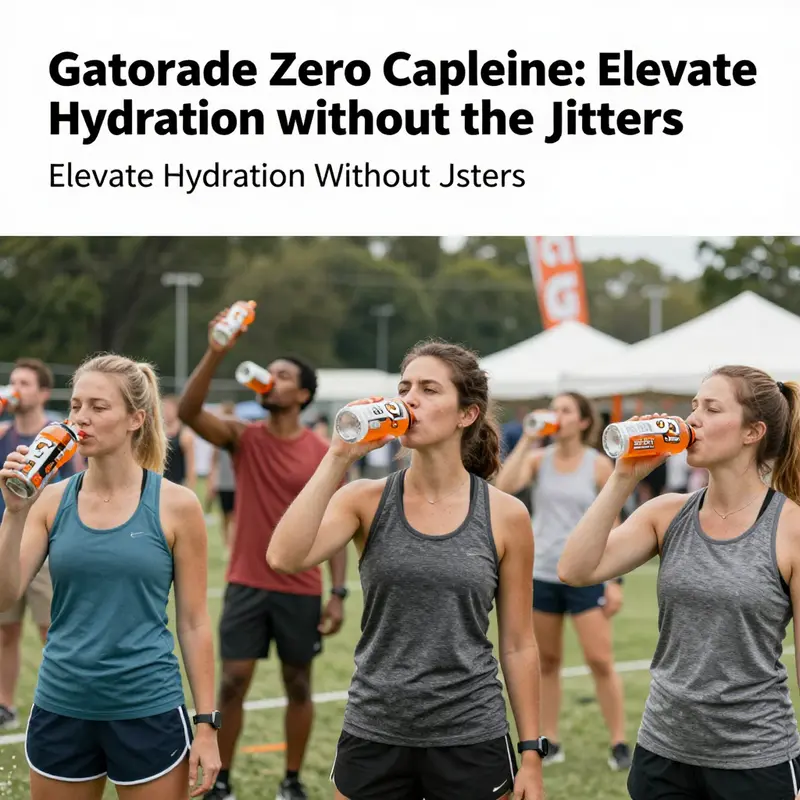
A simmering shift has taken hold in how people approach hydration and performance, a shift that foregrounds clarity, transparency, and balance. The modern beverage landscape is no longer content to offer a top-line promise of refreshment; it seeks to prove, in every ingredient, that health and practicality can coexist. In this milieu, zero-calorie, caffeine-free electrolyte beverages have emerged as compelling choices for a broad audience. They promise efficient electrolyte replacement without calories, sugars, or stimulants, aligning with a growing preference for products that support daily routines rather than spur rapid, unsustainable bursts of energy. The official product information for these formulations emphasizes their caffeine-free stance, underscoring a design intent focused on hydration and recovery rather than energy enhancement. This distinction matters, because it invites a broader range of consumers—from serious athletes to desk-bound professionals and late-evening exercisers—to consider hydration as a steady habit rather than a prelude to stimulation. When a beverage is marketed as zero-calorie and caffeine-free, it signals a quiet confidence: you can replenish what you lose while preserving balance in the body’s systems, without the adrenaline-driven jitters or sleep-disrupting effects associated with stimulants. The result is a product that feels like a reliable companion for both the gym and everyday life, a fluid ally for people who want to stay refreshed without crossing into hyperarousal or fatigue later in the day. In this context, the appeal is not just about avoiding caffeine; it is about choosing a clean hydration solution that respects the body’s rhythm and supports consistent performance over time.
The consumer research landscape from 2025 reinforces this direction. A NielsenIQ trend report highlights a clear demand for transparency: more than two-thirds of respondents actively verify caffeine content when evaluating functional beverages. This is not a niche concern; it spans a broad age range but is especially pronounced among adults aged 35 to 45, a cohort balancing career, family, and fitness. The data describe a lifestyle sometimes summarized as “clear but not wired”—a preference for products that contribute to wakefulness and focus without overstimulation. The rise of caffeine-free, zero-calorie options reflects a market response to that desire for steadiness: energy needs are addressed not through stimulants, but through thoughtfully designed hydration that respects sleep cycles, anxiety levels, and heart rate. The NielsenIQ report, cited broadly in market analyses, provides a lens to understand why brands are leaning into clarity and simplicity in their ingredient decks, why flavor innovation is pursued alongside label readability, and why the health halo around zero-calorie, caffeine-free formulations resonates with today’s wellness narratives. For those who want to dive deeper into the broader trends shaping the functional beverage category, the NielsenIQ insights offer a comprehensive view of how consumers are balancing energy, hydration, and body load in a single purchase. External resource: NielsenIQ 2025 Consumer Trends Report on Functional Beverages.
From a practical standpoint, caffeine-free hydration is appealing in multiple everyday contexts. For athletes, the absence of caffeine means fewer variables to manage during the recovery window after intense effort. For office workers, it offers a dependable option to replenish electrolytes during long meetings or after a sedentary day, without the lingering jitters that caffeine can provoke. For night owls and late exercisers, it becomes possible to hydrate effectively after a workout without compromising sleep quality. The emphasis on electrolytes—those charged minerals that support fluid balance, nerve function, and muscle activity—adds a layer of functional value that goes beyond taste. In this light, the beverage’s value proposition is not merely “hydration with zero sugar” but a holistic approach to daily wellness: a calm, consistent intake that helps the body reset, recover, and prepare for the next session or task. The zero-calorie attribute contributes to this balance by removing the energy surplus that sugar or other caloric ingredients can introduce, which means a drink that can be consumed freely within various daily moments without needing calorie budgeting in the mind. This is less about denying the body a spark and more about honoring the rhythm of regular activity, rest, and recovery—an approach many modern consumers are now seeking as part of a broader wellness routine.
Transparency remains central to trust in this category. When ingredient lists are clear and straightforward, consumers feel empowered to make choices aligned with their values—whether those values include reducing added sugars, avoiding stimulant limits, or choosing products with clean labeling that reduces cognitive load at the point of purchase. The ethos of simplicity in these formulations is not a surrender to blandness; it is a deliberate design choice that pairs essential electrolytes with flavor options that satisfy palate preferences without complicating the scalp of nutrition science. The social aspect of this trend should not be underestimated. Friends, teammates, and coworkers who share training goals or office routines often motivate each other to select beverages that fit a shared standard of health. In such communities, a caffeine-free option becomes a practical default in workouts, meetings, and commuting alike, a steady companion that supports performance without disrupting daily life. This social dimension reinforces the market traction of caffeine-free, zero-calorie hybrids and explains why such products continue to gain shelf space and consumer attention in a crowded arena.
As this landscape evolves, the consumer expectation extends beyond the bottle and into the narrative surrounding the product. Consumers want to understand why caffeine-free matters, how electrolytes work, and what the beverage delivers in terms of hydration, recovery, and overall well-being. They expect to see evidence of responsible formulation, including transparent sourcing, accurate labeling, and attention to potential allergens. They also crave a sense of reliability: a product that shows up consistently in taste, texture, and effect. In response, brands are investing in flavor diversification that respects dietary preferences—recipes that avoid sugar and artificial sweeteners where possible, while still delivering a palate-pleasing experience. They are also investing in education that connects the dots between hydration, electrolyte balance, and everyday performance, helping consumers translate a simple drink into a practical daily habit that supports long-term vitality. This is more than a marketing message; it is a framework for living well in a pace that remains intense yet sustainable.
For readers exploring how caffeine interacts with hydration, there is a practical touchpoint you can consult. The article on caffeine content in popular sports drinks offers a concise primer on how caffeine presence or absence can influence daily hydration routines and sleep patterns. This resource can help you compare different options without getting mired in brand-specific debates and instead focus on how caffeine status aligns with personal goals. Does Gatorade Zero Have Caffeine? provides a window into the broader conversation about caffeine content in widely available beverages and how that content shapes consumer expectations. While the exact formulation details vary by brand and product line, the underlying principle remains consistent: caffeine-free options reduce stimulatory load and can simplify daily routines for many people.
In closing, the rise of caffeine-free, zero-calorie electrolyte beverages is a story of alignment—alignment between what consumers want in terms of health and clarity, and what brands can deliver through thoughtful, transparent formulation. It is a narrative about balance: energy needs met through hydration and recovery rather than stimulants, daily routines supported by straightforward ingredients, and trust earned through labeling that respects the consumer’s right to know. The chapter of hydration that reconciles performance with rest is still being written, and it will likely continue to unfold as researchers, marketers, and everyday users share experiences about how best to stay hydrated, focused, and resilient across the varied tempos of modern life. The conversation is far from over, but the trajectory is clear: caffeine-free hydration is becoming a default operating mode for many who value steadiness and sustainability as much as speed and strength.
External resource: NielsenIQ 2025 Consumer Trends Report on Functional Beverages
Hydration Without the Buzz: The Caffeine-Free Edge of Modern Fitness Hydration
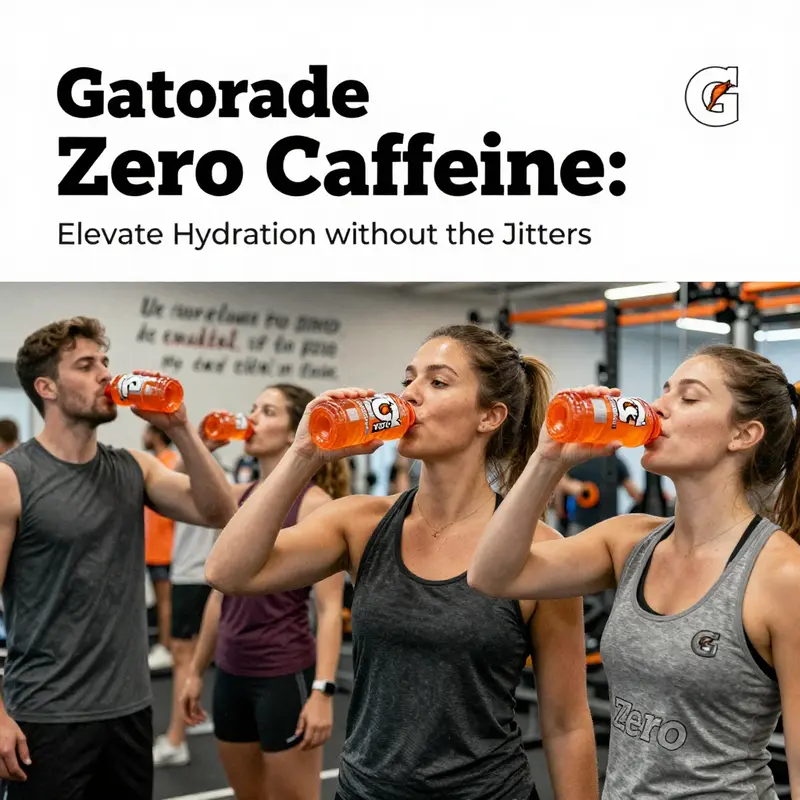
Hydration sits at a quiet crossroads in modern fitness culture, where athletes and everyday exercisers seek reliable performance without extraneous ingredients. In this landscape, a zero-calorie, caffeine-free hydration option has emerged as a staple for those who want to sustain fluid balance and muscle function without adding calories or stimulants. The appeal is practical as much as it is principled: a beverage that replenishes electrolytes, supports recovery, and stays out of the way of personal schedules, whether that means a late-evening workout or a pre-dawn training block. The core idea is simple, yet powerful. Hydration is a dynamic process, and electrolytes are the real workhorses. Too little sodium and potassium can tilt the scales toward dizziness, cramping, or fatigue during long sessions. Too little fluid, and the bloodstream thickens, impeding heat dissipation and nutrient transport. A zero-calorie, caffeine-free formulation concentrates on restoring that balance after activity while avoiding the glucose load or the caffeine-driven stimulation that not everyone wants or can tolerate. In practice, this kind of beverage aligns with a broader shift toward transparent, functional drinks that fit contemporary dietary patterns—low carbohydrate, ketogenic-leaning, or simply calorie-conscious. It asks athletes to consider not only what they drink for energy, but what they drink to maintain hydration and support muscle performance when the clock is ticking and sleep is precious. The focus is recovery as a process, not a burst of energy, and the result is a drink that can be trusted during and after workouts of varying intensity.
From a physiological standpoint, electrolyte replenishment is the thread that ties hydration to performance. Sodium helps retain fluids and supports blood volume, which in turn sustains cardiac output during steady-state effort and prolonged work. Potassium supports muscle function and helps regulate fluid balance across cells. Magnesium and calcium—often present in balanced formulations—support neuromuscular function and help keep the body in a state where nerves and muscles can communicate efficiently. When a beverage emphasizes these electrolytes without calories, it becomes a tool for hydration strategy rather than a source of energy. This distinction matters, because for many athletes, adding calories to every sip can be unnecessary or undesirable, especially when those calories are primarily sweetening agents. A caffeine-free option therefore provides a predictable hydration experience that can be matched to a training plan without complicated timing around stimulant effects or sugar intake. The absence of caffeine is not a negation of effort; rather, it signals a deliberate choice about how to fuel the body during and after exertion. It allows athletes to tailor their caffeine use independently from hydration, choosing stimulant timing based on sleep patterns, race schedules, or personal sensitivity. In the heat of summer training or the fatigue of back-to-back sessions, the clarity of a refreshment that does not carry a stimulant can feel like a relief. It’s a quiet efficiency—fluid, electrolyte, and moisture management without adding energy metabolism side effects to the equation.
The cultural moment around beverages designed for performance has evolved in tandem with dietary trends and transparency expectations. People want products that tell a straightforward story: no added sugars, no hidden calories, and clear electrolyte content. In a world where labeling and ingredient lists matter as much as flavor, a caffeine-free, zero-calorie option delivers exactly that. It becomes part of a wider conversation about how athletes balance multiple goals: staying hydrated, managing carbohydrate intake for those on low-carb or ketogenic plans, and avoiding sleep-disrupting stimulants when training late or on off days. The result is a beverage that fits cleanly into training regimens without forcing dietary compromises. The sensory side—that familiar thirst-quenching satisfaction without a sugar crash—also plays a role. Flavor variety matters, but the underlying satisfaction comes from a sense of balance: hydration that completes a workout without demanding a metabolic price in the form of added sugars or caffeine.
Beyond the gym floor or the track, this caffeine-free hydration approach speaks to long-term health priorities. Consistent hydration supports kidney function, cognitive clarity, and cardiovascular stability, especially during heat exposure and endurance events. For athletes who track macronutrients, the absence of carbohydrates and calories in such drinks helps preserve a calorie budget for meals or for a post-workout recovery snack. The option thus invites a more holistic view of performance, one that treats fluids as a fundamental, investable resource rather than an afterthought. It also respects individual variation in caffeine tolerance. Some athletes respond quickly to stimulants, experiencing jitters, sleep disturbance, or heightened anxiety, which can blunt late-evening training gains. A caffeine-free alternative removes those concerns while still delivering the essential hydration signals the body needs during strenuous activity.
In practice, athletes weave this beverage into a spectrum of hydration strategies. During HIIT sessions, it offers a steady solvent for fluids and electrolytes between high-intensity intervals. For longer runs and endurance workouts, maintaining electrolyte balance helps sustain muscle contraction and prevent cramping when fatigue sets in. In team sports, where repeated sprints and quick direction changes tax both hydration status and neuromuscular performance, a reliable, zero-calorie hydrator can bridge the gap between meals and post-exercise recovery windows. And because it contains no caffeine, it remains suitable for athletes who train at any hour or who need to avoid stimulants during sensitive training periods, such as late-night sessions or tapering phases. The practicality of sipping steadily rather than chasing a caffeine rush makes it a versatile companion across disciplines and seasons.
The narrative surrounding these beverages is not only about immediate performance. It’s about a longer arc of practice that embraces experimentation, personalization, and accountability. Athletes increasingly seek products that align with their values—evidence-based hydration, minimal processing, and straightforward nutrition. A caffeine-free, zero-calorie option embodies that ethos by delivering a clear, measurable benefit: hydration and electrolyte restoration without calories or stimulants. In this light, it becomes part of a broader habit formation pattern. Consistent hydration routines, paired with thoughtful nutrition and sleep practices, support sustainable progress over a season, a marathon training cycle, or a year of gym-era milestones. The emphasis shifts from chasing a single workout peak to sustaining a reliable baseline of performance. When the body is well-hydrated and electrolytes are in balance, the brain and muscles function with less friction; workouts feel more controllable, recovery feels more complete, and the next training block can begin with confidence.
Thus the caffeine-free, zero-calorie hydration option speaks to a modern fitness culture that prizes transparency, adaptability, and practical performance. It offers a straightforward solution for those who want to honor dietary goals while preserving the essential physiological needs that fuel consistent training. The story is not about a dramatic energy spike or a temporary edge; it’s about clarity, reliability, and the quiet efficiency of well-managed hydration. As training environments grow more diverse—urban runs, rugged endurance challenges, and high-intensity studio sessions—the value of a dependable hydration partner that doesn’t complicate nutrition or sleep becomes increasingly clear. The result is a subtle but meaningful shift in how athletes approach fluids: hydration first, calories and stimulants second, with an eye toward sustainable, long-term progress. External influence and consumer expectations continue to push beverage makers toward simpler formulations that honor the body’s needs, not just the appeal of flavor or quick boosts. In this evolving landscape, the caffeine-free, zero-calorie hydration option serves as a steady companion for those who train with intention and recover with intention, too. For readers curious about the exact formulation and electrolyte balance, the official product information offers a precise reference point as a baseline for understanding how such beverages fit into a modern, evidence-informed training plan: https://www.gatorade.com/en-us/products/gatorade-zero.html
Final thoughts
The rise of Gatorade Zero aligns perfectly with the increasing demand for healthier, hydrating beverages that cater to a caffeine-free lifestyle. As explored, its ingredient benefits, hydration capabilities, and vital role in the fitness community make it a significant player in both athlete and consumer preferences. Business owners stand to benefit greatly by offering Gatorade Zero alongside traditional options to meet diverse client needs and enhance overall sport hydration experiences. Understanding this product’s unique context could empower operational decisions that resonate with health-conscious consumers, fortifying both brand loyalty and market presence.