
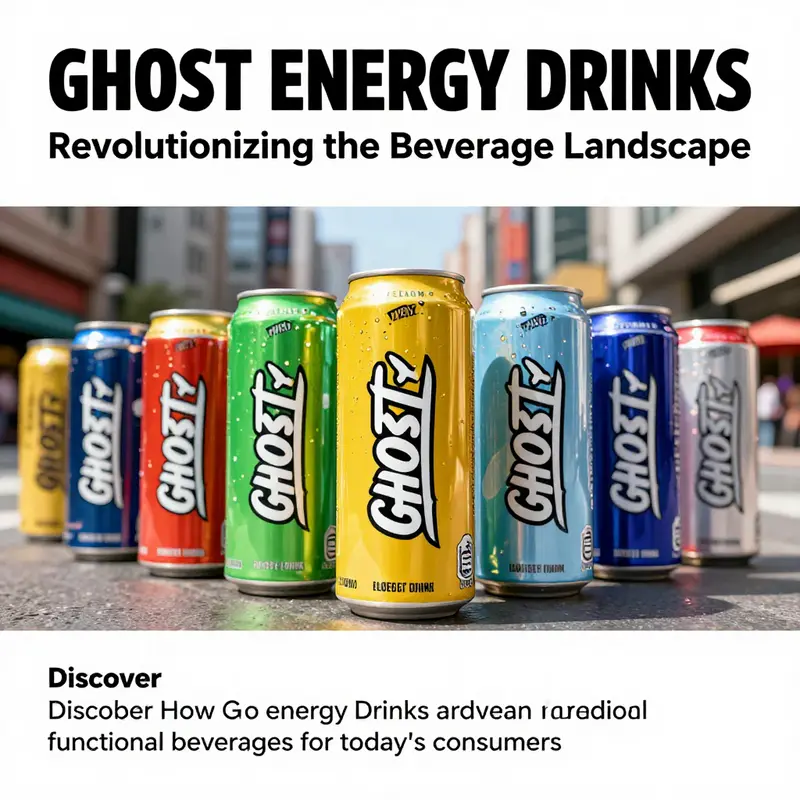
GHOST Energy Drinks are transforming the landscape of functional beverages with innovative flavors and a focus on health-conscious ingredients. Since its inception in 2016, the brand has gained momentum by offering a unique product that combines natural ingredients with a commitment to quality and sustainability. This article will explore the multifaceted aspects of GHOST Energy Drinks, including the carefully selected ingredients that contribute to its nutritional profile, current market trends that inform its consumer demographics, and the strategic sponsorship and marketing efforts that have elevated the brand’s visibility in a competitive market. Lastly, we will look ahead at the future prospects and distribution strategies that are set to enhance GHOST’s market coverage, making it increasingly accessible to consumers. Each chapter will provide valuable insights for business owners looking to understand this rising beverage star and leverage its success.
Transparency in a Can: Redefining Energy, Flavor, and Community in the Modern Beverage Arena
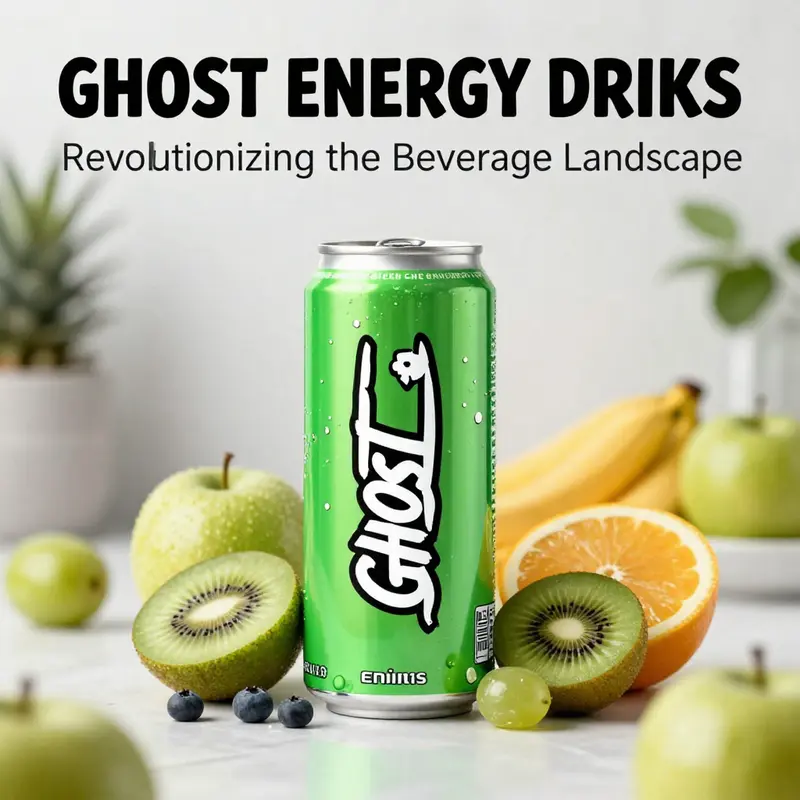
The energy drink landscape is crowded with promises of focus, endurance, and quick mood elevation, yet the most compelling chapters in its story often come from brands that treat a can as more than a beverage—it becomes a manifesto. In this vein, the brand we examine differentiates itself not just through caffeine punch or sugar-free formulas, but through a deliberate stance on openness, performance support, and a sense of belonging. When the first glance at the label reveals more than a list of ingredients, the drink becomes a story about trust, clarity, and the dialogue between performance and daily life. In this narrative, the can signals something sturdier than caffeinated boost; it signals a commitment to transparency that stakeholders increasingly seek in functional beverages. The approach begins with what appears on the surface: a high-energy, zero-sugar, vegan, gluten-free option designed to appeal to athletes, gamers, and morning ritualists alike. A 16-ounce container delivers roughly 200 milligrams of natural caffeine, aligning it with the standard among major players while avoiding the ambiguity that sometimes cloaks proprietary blends. Yet novelty here does not end at caffeine content. The formulation unfolds as a curated toolkit rather than a black box. Alongside caffeine, the product features L-Carnitine, L-Tyrosine, and Alpha GPC—ingredients celebrated in performance and cognitive contexts for support in metabolic pathways, mood, and focus. The inclusion of these elements is not merely about the additive novelty; it is a statement about the kind of energy the brand intends to deliver: steady, focused, and usable, rather than a jittery surge followed by a crash. This intent is echoed in the label’s commitment to disclosure. The brand embraces what many competitors withhold behind proprietary blends commonly defend as a marketing shield. Instead, every component is named and traceable, a stance that builds consumer confidence and invites scrutiny, questions, and conversation. The effect is not simply transparency for its own sake; it is a foundation for meaningful decision-making by athletes, programmers, students, and weekend warriors who balance demanding routines with the need for calm, controlled energy. It is a rare fusion: a functional beverage that does not force a one-size-fits-all story but instead invites users to understand how each ingredient aligns with their unique rhythms. The flavor palette plays a pivotal, almost cultural role in this narrative. The team leans into nostalgic and inventive profiles, partnering with recognizable confectionery lines and dessert-inspired concepts to craft taste experiences that feel both familiar and adventurous. The goal is not merely to shock the palate but to attach flavor to memory, to turn a routine into a small, shareable celebration. In this sense, taste becomes a conduit for a community ethos that extends beyond the can. The drinks’ positioning targets a spectrum of lifestyles—fitness enthusiasts who log miles, gamers who crave heightened reaction times, and digital natives who value quick, reliable bursts of energy without sacrificing conscience about what they consume. The marketing machinery that supports this positioning leans heavily on social media dynamics and influencer-led storytelling. It is a modern playbook: harness the power of authentic voices, allow room for conversation, and let the product’s clarity do some of the persuasive work in the background. The end result is a brand aura built on participation rather than mere consumption. The distribution story mirrors this modern vibe. Availability spans e-commerce and traditional retail platforms, expanding the reach from online marketplaces to large-format retailers. The logistics backbone aims to keep shelves stocked in ways that matter to dedicated communities and casual shoppers alike, an approach that acknowledges the friction points between impulse buys and planned purchases. The strategy is not just about accessibility; it is about reliability. Consumers should be able to trust that the product they reach for in a time of need is the same in taste, ingredient disclosure, caffeine content, and overall experience as the one they sampled or read about in reviews. Within this landscape, the corporate layer adds a nuanced dimension. The brand’s trajectory includes a significant corporate ownership evolution, moving into the portfolio of a large beverage group in a two-stage acquisition that amounts to a substantial strategic realignment for the market. Even as the parent company scales the footprint, the founding team maintains a degree of independence that preserves the product’s core ethos—innovation, quality control, and the direct line of communication with fans. This governance arrangement matters: it creates a bridge between the agility of a nimble startup and the distribution muscle, capital in place, and research and development bandwidth of a multinational. The practical upshot is a brand that can push new flavors, new formulations, and new partnerships with a reliability that undercuts the fear of homogenization that sometimes follows a big acquisition. The sporting arena has long served as a proving ground for energy drinks, and the brand uses this stage to reinforce its message of performance with responsibility. Sponsorships and partnerships with professional teams anchor the narrative in real-world athletic contexts, underscoring a link between what happens on the field or the court and what happens in the gym, at the desk, or during a late-night gaming session. This alignment is not accidental. It reflects a broader market shift toward brands that can claim credibility through personal relevance—brands that athletes and e-sports competitors alike can rely on when they need to sustain pace, sharpen focus, and recover energy without compromising dietary commitments or personal health standards. The net effect of these connected strands is a brand architecture that feels both practical and aspirational. The consumer encounter is not a one-off moment of caffeine delivery; it is the entry into a living ecosystem where transparency builds trust, performance ingredients align with purposeful living, and flavor becomes a memory cue that binds a community together. It is a narrative that appreciates the real-world demands of modern life: the early-morning rush of a commute, the mid-afternoon slump that threatens focus, the late-night stream that requires composure and clarity. In each of these moments, the energy drink under discussion positions itself as a reliable collaborator rather than a fleeting fix. The result is a compelling case study for contemporary brand-building in the functional beverage space. It demonstrates how openness about formulation can coexist with strategic partnerships, how a robust distribution plan can be married to a community-centric marketing approach, and how a large corporate umbrella can still leave room for founder-led innovation. For readers tracing the arc from ingredient transparency to market influence, the path offers tangible lessons: clarity in every label invites informed choices; thoughtful ingredient selection supports varied performance goals; and a community-focused narrative can transform a daily habit into a shared culture. For those who want to explore a broader context of caffeine, energy, and daily rituals in the realm of flavor and function, the following reflection may offer a practical resonance: Coffee Rich Life. Coffee Rich Life. In this sense, the chain from label to lifestyle is not simply about what goes into a can, but about what the consumer believes and how that belief translates into daily practice. The story also invites a cautious, well-grounded perspective on health implications. While moderation remains a prudent guideline, the combination of zero sugar, vegan and gluten-free status, and transparent ingredient disclosure can help consumers align energy needs with personal health goals. The focus shifts from chasing a nebulous peak to cultivating a sustainable rhythm—one that supports athletic routines, cognitive sharpness for work or study, and the social rituals that give life texture. In this broader frame, the product’s appeal becomes less about a singular advantage and more about a reliable partner across different contexts. It is a reminder that the most enduring brands in the functional beverage sector do not rely on novelty alone; they anchor themselves in a coherent philosophy that customers can reason with, trust, and share. The tale thus unfolds as a blend of science, storytelling, and community—a modern formulation of what a “revolutionary” beverage can look like when openness, performance, and personality converge. External resource: https://www.fda.gov/consumers/consumer-news-alerts/caffeine-and-energy-drinks-facts
Power, Purity, and Processing: A Close Look at the Ingredient Map and Nutritional Footprint of a Modern Functional Energy Drink
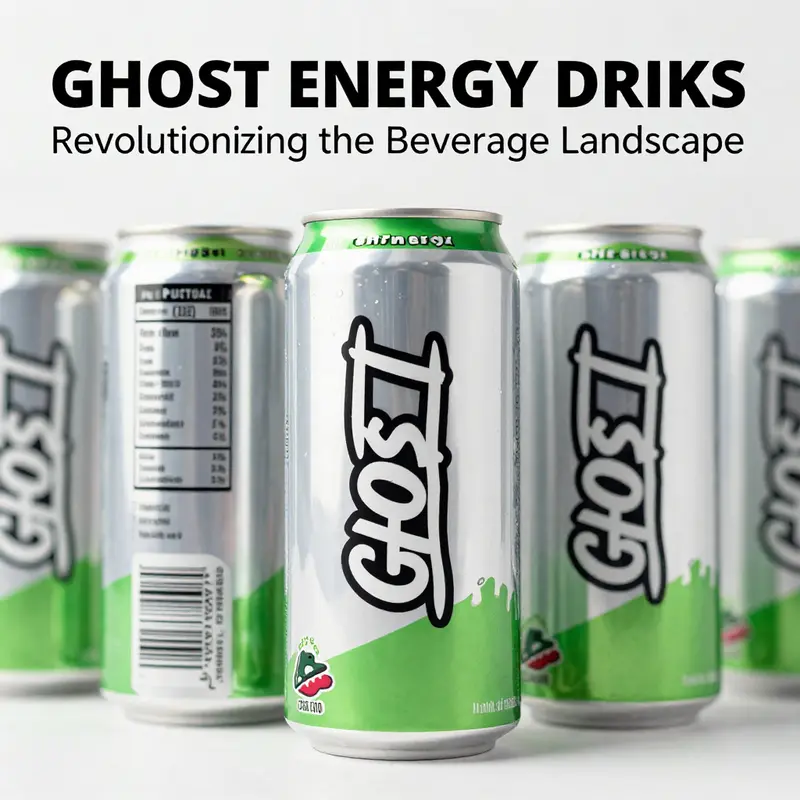
In the crowded field of functional beverages, a single can can represent a carefully engineered balance between energy, focus, and metabolic intention. The ingredient map behind a leading energy drink in this space speaks to a growing consumer demand: energy that stays clean, precise, and label-friendly. Rather than relying on a blanket sugar rush, this formulation emphasizes a combination of natural caffeine sources, targeted amino acids, and cognition-boosting compounds. The result is a beverage that positions itself not merely as a quick lift but as a small, science-informed toolkit for performance—whether someone is pushing through a workout, grinding through a late study session, or simply navigating a demanding day. The story behind the ingredients, their interactions, and the resulting nutritional profile reflects a broader trend in which developers seek to optimize energy with minimal carbohydrate load, zero artificial sugars, and clear, vegan- and gluten-free claims. For readers who want to see how such a balance translates into real-world effects, the narrative begins at the core of the bottle: the ingredients themselves, and the way each piece contributes to a cohesive whole.
The cornerstone of the formula is natural caffeine, dosed at two hundred milligrams per can and sourced from green tea extract and guarana. This approach matters because the origin of caffeine can shape how energy feels. Natural sources are associated with a smoother ramp and a longer, steadier alertness compared with some synthetic equivalents. Caffeine works primarily by blocking adenosine receptors in the brain, reducing the perception of fatigue and increasing neuronal firing in circuits responsible for attention and motivation. In a product designed for sustained performance, the choice of a green tea and guarana blend aims to extract not only a robust energy kick but also a gentler bounce back—a nuance that matters to athletes, students, and professionals who depend on consistency rather than a sudden peak-and-crash cycle. This focus on a balanced caffeine experience echoes a broader consumer appetite for energy drinks that can slot into a daily routine without demanding careful timing around meals or workouts.
Complementing caffeine are nutrients and amino acids that support the body’s energy machinery and the mind’s acuity. L-Carnitine L-Tartrate is present at a substantial milligram level, and its proposed role is to facilitate the transport of fatty acids into mitochondria. In practical terms, this can translate to a more efficient use of fat stores as an energy substrate during endurance efforts and a potential aid to recovery by supporting metabolic flexibility after strenuous exertion. Taurine threads through the formula as a multifunctional ally: it has a long track record in energy beverages for promoting hydration balance, supporting cellular membrane stability, and potentially contributing to clearer mental perception during sustained activity. While the exact physiological impact can be context-dependent, the combination with caffeine and carnitine creates a synergy that many athletes and fitness enthusiasts seek—the sense of resilience that comes from having multiple pathways contributing to energy and recovery, rather than a single mechanism dominating the experience.
The cognitive edge in this blend rests on a carefully selected suite of nootropic ingredients designed to sharpen focus, memory, and mental stamina. Alpha-GPC, a choline-containing compound, is included at a modest but meaningful dose to help elevate acetylcholine levels in the brain. Acetylcholine plays a central role in attention, learning, and the encoding of new information, so Alpha-GPC can be thought of as a gas pedal for cognitive processes that underwrite quick decision-making and sustained concentration. In close company with Alpha-GPC is NeuroFactor® coffee bean extract, a proprietary ingredient that has been studied for effects on neuroplasticity and attentional performance. While the science in this space is nuanced, the inclusion of NeuroFactor aligns with a growing interest in plant- and fruit-derived constituents that may support neural resilience and sharper perception during demanding tasks. Together, these two components form a cognitive spine for the beverage, aiming to translate peripheral energy into a steadier, more focused mental state.
AstraGin® is the final piece in the absorption puzzle—an ingredient designed to optimize how the other actives are taken up by the body. In the context of a beverage, which relies on fast absorption to deliver a quick and reliable effect, AstraGin can help ensure that the amino acids, caffeine, and cognitive botanicals reach their target sites with minimal dilution. Bioavailability matters because it determines how efficiently the body can convert the formula into usable energy and neural signaling. When consumers expect a consistent performance boost, even small improvements in absorption can meaningfully impact the overall experience by reducing variability from one can to the next. The inclusion of AstraGin reflects a broader trend in functional beverages: a convergence of ingredient science and practical consumption where not only what is included but how it is delivered matters.
From a nutritional standpoint, the beverage profile reinforces its positioning as a lean, keto-friendly option. With calories resting at a mere ten per can and net carbohydrates just around one gram, it is designed to align with low-carbohydrate or ketogenic dietary patterns. In an era when many energy drinks lean on sugars or calorie-dense matrices to deliver taste and energy, the zero-sugar stance and the use of non-nutritive sweeteners—sucralose and stevia—signal a deliberate choice to maintain flavor and energy without the metabolic baggage of added sugars. The decision to avoid artificial colors and to emphasize a clean ingredient list further strengthens its appeal to health-conscious consumers who scrutinize labels for artificial additives. Yet this purity claim sits alongside a note about processing: while the formulation aims for a clean-to-use aesthetic, the presence of isolated actives and proprietary blends underscores that the beverage is a highly processed product. For some readers, this tension—between natural sourcing and highly engineered delivery—becomes a meaningful lens through which to assess the trade-offs involved in functional beverages.
The surrounding nutritional framework also includes practical considerations for daily use. The product is vegan and gluten-free, which broadens accessibility for people with dietary restrictions. Sodium benzoate is listed as a preservative, a standard choice for shelf stability in liquid formats. The combination of a low-calorie profile, minimal net carbs, and robust caffeine content makes the beverage attractive to people who want a disciplined energy source without the gravity of heavy calories or sugar. The absence of artificial sweeteners beyond sucralose and stevia satisfies the demand for sweetness without calories yet invites ongoing conversations about sweetener intake, individual tolerance, and long-term dietary patterns. These considerations are not merely about taste; they touch on broader questions about metabolic response, appetite signaling, and how people time energy around workouts, study sessions, or competitive events.
In evaluating the total package, it helps to keep the concept of a “functional beverage” in mind: this is a product that aims to deliver a precise, consistent effect by blending energy compounds with cognitive enhancers, all while respecting contemporary dietary preferences. The story is not simply about sugar-free energy or a single star ingredient; it is about how multiple ingredients interact to create a balanced experience. Some consumers will notice a more sustained sense of alertness and steadier focus, while others may be more sensitive to caffeine and choose to moderate their intake accordingly. Importantly, the formulation advises mindful use rather than meal replacement, recognizing that reliance on a single drink should not substitute for balanced meals or hydration strategies. In practice, this means consuming in moderation, particularly for those who are sensitive to caffeine, and pairing with water to support hydration during workouts or long study blocks.
For readers curious about how the coffee-derived elements might interact with cognition in everyday life, exploring broader conversations around coffee’s role in mental performance can be illuminating. A resource such as Coffee Rich Life offers deeper dives into how coffee compounds influence mood, attention, and cognitive flexibility, providing useful context for interpreting nootropic ingredients in energy beverages. Coffee Rich Life can serve as a companion read for those who want to connect the dots between familiar cup-based rituals and the more research-oriented world of branded performance beverages. As with any health-forward product, individual responses vary, and listening to one’s body remains essential.
Ultimately, the ingredient and nutrition story of this energy drink line mirrors the evolution of modern functional beverages: a careful orchestration of energy, focus, and metabolic harmony. The beverages aim to offer enough caffeine for a productive lift, backed by compounds that support fat utilization, hydration, and cognitive processing, all wrapped in a label that seeks transparency and dietary compatibility. The result is a product that speaks to a specific consumer profile—athletes, students, professionals, and everyday movers—who seek a reliable performance edge without a heavy metabolic footprint. As distribution expands and consumer understanding deepens, the conversation around such beverages will continue to hinge on how well the science behind the ingredients translates into consistent, real-world benefits while navigating personal health considerations and taste preferences. External resources can provide additional perspectives on caffeine’s cognitive implications and the broader science of nootropics. For a closer look at how coffee compounds inform mental performance, see the linked exploration of coffee’s cognitive effects, and for a broad overview of the brand’s official energy offerings, the primary reference point remains the producer’s product pages.
External resource: https://ghostenergy.com/products/ghost-energy
Momentum in the Spectral Market: Trends, Demographics, and the Global Rise of a Bold Energy Beverage Brand
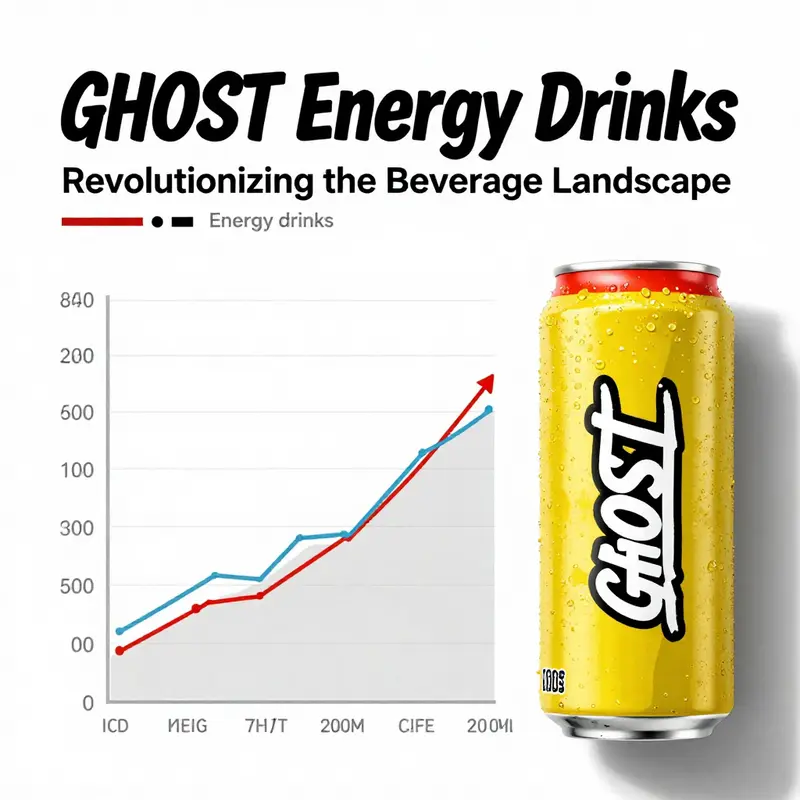
A standout in the rapidly evolving functional beverage category has emerged not merely through clever marketing but through a deliberate alignment of formulation, health orientation, and distribution strategy. This brand has built its appeal around a clean-label promise: natural caffeine sourced from plant-based origins, the inclusion of performance-enhancing ingredients like L-carnitine and taurine, and a zero-sugar, zero-artificial-color profile that respects vegan and gluten-free standards. From its beginnings in the mid-2010s, the brand has leveraged flavor innovation to draw in a youthful audience while maintaining a steady emphasis on transparency in sourcing and manufacturing. The narrative here is not just about taste but about how a product can position itself at the intersection of vitality, lifestyle, and principled ingredients in a crowded market. The result is a consumer perception of reliability and modern usefulness, a perception that travels beyond single-occasion consumption and into everyday routines where energy, focus, and endurance are valued commodities. In this setting, the acquisition of a major beverage portfolio in late 2024 signaled a shift in scale that would ripple across the broader U.S. refreshment landscape, highlighting how strategic capital can extend reach while preserving the operational ethos that helped the brand gain traction among early adopters and fitness-oriented consumers. Though the corporate move was large in dollar terms, the core objective described by executives was clear: to maintain the brand’s independence in creative leadership while embedding it in a distribution framework capable of accelerating access across traditional and non-traditional retail channels. In practice, this meant two phased integrations designed to minimize disruption to product development cycles while expanding the velocity with which new flavors and limited-edition releases could reach shelves. The approach underscored a central truth about the category: consumers who seek performance-oriented beverages respond when they encounter authentic products that deliver a tangible sense of uplift without compromising dietary principles. This is not merely a story about scale, but about how scale can be deployed to sustain innovation that resonates with a broad, wellness-minded audience over time. In the wake of the deal, the brand’s footprint extended from popular e-commerce platforms into warehouse clubs, mainstream supermarkets, and regional chains, a distribution expansion that promised to reduce friction between intention and action for millions of potential shoppers who value both accessibility and reliability in a fast-moving category. The strategic rationale extended beyond shelf space; it encompassed the back-end architecture of supply, quality assurance, and consumer engagement, ensuring that the broader corporate umbrella could support the brand’s product cadence, customer education, and sustainability commitments without sacrificing the nimbleness that attracted early fans. Within this enlarged ecosystem, the emphasis on clean ingredients and transparent labeling appeared to resonate more than ever with health-conscious shoppers who prize consistency, traceability, and traceable flavors. In practical terms, this alignment translated into a measurable lift in overall portfolio volume and mix, with the second quarter of the following year signaling a sustained contribution to the parent company’s refreshment beverages unit. The market understood that the brand was not simply a trend but a durable element in a diversified lineup capable of appealing to fitness enthusiasts, students, professionals, and weekend athletes alike. The implications extended beyond the United States as well, given global consumer interest in energy-boosting beverages that align with urban lifestyles and time-constrained routines across different regions. The market’s appetite for clean labels, natural caffeine, and targeted functional benefits suggested a fertile ground for continued innovation, especially as competition intensified and as consumers became more discerning about where their energy came from and how it was sourced. The growth story is not one of simple volume expansion but of evolving taste profiles, refined ingredient quality, and a commitment to sustainability that reflects modern values around packaging, sourcing, and lifecycle impact. Within this evolving landscape, young consumers—particularly members of Generation Z and millennials—emerge as the core adopters who drive trial and repeat purchase. They are drawn not only to the immediate lift but to the narrative of energy that aligns with their values: active lifestyles, social responsibility, and a preference for brands that are transparent about where ingredients come from and how they are produced. The emphasis on clean-label ingredients dovetails with the broader wellness movement, where consumers increasingly seek products that feel authentic and trustworthy. This is reflected in demand for beverages that avoid artificial preservatives and colors, that announce ingredient origins clearly, and that articulate the relationship between energy and performance in a straightforward manner. The marketing messages that accompany these products have thus shifted away from hype toward credibility and evidence, often emphasizing peak performance without sacrificing safety or dietary integrity. A subtle but important dimension of this shift is the way brands communicate around sustainability. Packaging innovations, reductions in sugar and sweeteners, and commitments to ethical sourcing contribute to a sense of responsibility that many shoppers now expect to accompany any claim of enhanced performance. In this climate, the most resilient brands are those that can innovate on multiple fronts at once: taste, functional benefit, and sustainability, all while maintaining a consistent, authentic voice that resonates with a generation that values both results and responsibility. The synergy between product formulation and consumer expectations is what sustains growth in a market that remains intensely competitive, with new entrants continually challenging established players to reimagine flavor, texture, and experience. As the category matures, the successful brands will likely be the ones that recognize health consciousness not as a hurdle but as a launching pad for comprehensive lifestyle positioning that can extend beyond one-off purchases and into daily routines that blend study, work, training, and social life. This is where the broader narrative of the energy beverage sector intersects with ongoing shifts in consumer behavior, reflecting a market that rewards clarity, commitment, and the integrity of every ingredient. The path forward for a brand that wants to endure rests on a steady cadence of flavor innovation, rigorous quality standards, and a storytelling cadence that keeps pace with evolving wellness norms, all while ensuring accessibility across a diversified distribution network that can respond to regional preferences without compromising global consistency. For readers who want to explore the synergy between caffeine culture and everyday wellness, deeper considerations await at the Coffee Rich Life resource, which offers perspectives on how timing, ingredients, and rituals shape energy experiences in daily life, a reminder that market momentum is as much about lived habits as it is about numbers. Readers can explore that conversation here: Coffee Rich Life. The broader market context reinforces the idea that this category’s growth is not a temporary surge but a structural shift toward energy products that pair performance with principled formulation, a trajectory that invites continued attention from analysts, marketers, and wellness-minded consumers alike. External reference: https://www.globenewswire.com/en/newsroom/press-releases/energy-drinks-market-size-will-expand-to-109-69-billion-by-2031-global-industry-analysis-report-2025
Power Plays in the Sponsorship Playbook: How a Rising Energy Brand Scales through Sports Partnerships and Corporate Backing
Sponsorship and marketing for a rising energy brand function like a finely tuned engine, turning cultural moment, consumer behavior, and distribution power into a cohesive velocity. The most successful campaigns in this space do more than place a logo in front of an audience; they weave a narrative that resonates with athletes, fans, and everyday performers who share the brand’s energy and ethos. In this chapter, the strategy unfolds as a two-pronged approach: sport-driven credibility that creates authentic engagement with emotionally charged communities, and a corporate-backed expansion framework that unlocks scale, reliability, and reach. When these two strands are braided together, the brand does not merely advertise; it becomes part of the fan experience and the retail logistics that carry it from local markets to national shelves. The practical effect is visible in the way sponsorships align with distribution, content, and experiential marketing, forming a unified growth machine rather than a calendar of one-off activations.
The most powerful sponsorship move for a brand at this stage is to anchor itself in the world of sport through official partnerships. Sports affiliations confer credibility in a way that traditional ads rarely achieve, because fans connect with teams on identity, not just preference. The on-field presence—from banners to integrated in-stadium activations—provides a live stage where the brand can demonstrate its fit with performance, recovery, and the pace of modern life. Co-branded packaging that appears at the core of this strategy does more than look visually aligned; it creates a symbol that fans can carry with them into their routines. When you can offer a limited set of cans that are sold exclusively at a team’s home venue or in its surrounding market, you create a tangible connection between the stadium experience and everyday consumption. It’s not merely a product tie-in; it’s a local cultural moment that fans can own, share, and discuss with pride. And because these partnerships are anchored in two teams that symbolize different regional loyalties and rivalries, the brand gains a presence across diverse fan ecosystems, expanding its footprint while preserving a sense of exclusivity that fuels word-of-mouth and in-person sampling.
To capitalize on this energy, the activation must move beyond placards and appearances. Fans expect experiences that feel native to the sport and accessible to casual attendees as well as die-hard supporters. The co-branded cans serve as a tactile reminder of the collaboration, but they are most potent when paired with on-site activations—sampling stations, meet-and-greets with athletes in training facilities or fan zones, and QR-driven content that bridges the stadium moment with digital engagement. These elements convert passive spectators into participants who share photos, stream highlights, and join conversations about the game and the brand’s role in their routine. The exclusivity of the product in particular markets nudges fans to seek out the local experience, reinforcing loyalty not just to a flavor or formula but to a lifestyle alignment. In this sense, the sponsorship becomes a living ecosystem that feeds into both consumer behavior and retailer demand, turning spectators into advocates and occasional buyers into habitual ones.
Behind the scenes, a strategic investment partner plays a pivotal role in translating these fan moments into scalable growth. In the years leading up to 2022, a prominent beverage group took a substantial stake in the brand’s corporate parent, signaling a commitment to a long-term distribution and sales roadmap. The agreement laid out a framework for extensive reach across channels that would otherwise take years to cultivate. This kind of financial and logistical backing stabilizes supply, broadens shelf presence, and enables consistent execution of large-scale activations. It also signals to retailers that the brand has a reliable long-term partner who can support demand spikes around stadium events, digital campaigns, and seasonal promotions. Importantly, this phase preserves a degree of brand autonomy, allowing the creative teams to maintain the product’s integrity and the authenticity of its sponsorship-driven storytelling while benefiting from the scale and discipline that a major partner brings to distribution, merchandising, and data-driven marketing.
The narrative deepens with a more recent strategic move: a planned, phased acquisition that would increase the partner’s ownership in the brand and accelerate the expansion into national and international markets. The framework envisions a majority stake in the next phase, accompanied by performance-based milestones for the remaining portion. The implications are multi-faceted. First, the brand gains access to a broader, more integrated distribution network that seamlessly connects production, logistics, and retail execution. Second, marketing budgets and resources can be synchronized with the partner’s expansive media and consumer engagement platforms, amplifying sponsorship storytelling across digital, retail, and experiential channels. Third, governance flexibility comes into play—while the leadership remains responsible for product innovation and brand voice, the parent company’s oversight can align strategic priorities with capital planning, product development cycles, and cross-brand collaborations. In short, the marriage of sports credibility with corporate-scale execution creates a durable platform for aggressive growth while preserving the nimbleness essential to continued product innovation and responsive consumer engagement.
This combination of fan-first activation and corporate-scale expansion reframes how the brand intersects with consumer life. It makes sponsorships less about a single moment and more about a consistent presence across multiple dimensions of a consumer’s day. The activation calendar becomes a continuum: game days and rivalry weekends drive experiential engagement and sampling; the post-game period supports digital content, social conversations, and extended storytelling; and retail events, store tastings, and targeted promotions sustain the momentum in the weeks that follow. The narrative reinforces the idea that the brand’s energy is not just a flavor profile or a stimulant formula; it is a lifestyle aligned with athletic discipline, personal performance, and social connection. For consumers who crave authenticity and reliability, this is a compelling proposition that travels from stadiums to shopping aisles and into the digital feeds where communities gather around shared interests. Consumers can see themselves in the brand’s story, a narrative reinforced by practical access to the product in the places they frequent most—stadiums, local markets, and online destinations.
Within this ecosystem, the brand’s lifestyle positioning can be reinforced by thoughtful content partnerships. A natural seam exists between the sports narrative and broader lifestyle conversations around energy, focus, and well-being. In practice, this translates to content that highlights training routines, recovery tips, and performance psychology, all woven with the brand’s voice and values. The synergy can extend to collaborations with creators who embody a modern, active lifestyle, offering recipes, routines, and day-in-the-life formats that illustrate how the product fits into real-world, demanding schedules. An accessible touchpoint for readers who follow lifestyle and culture conversations is the blog landscape where topics on coffee culture, focus, and energy strategies frequently surface; a brief, natural reference to such conversations can appear as a nod to the audience’s broader interests. For readers inclined toward exploring lifestyle narratives beyond sports, a useful入口 is the Coffee Rich Life conversation, which can be accessed here: Coffee Rich Life.
Another feature of this strategy is the disciplined use of data to refine sponsorship choices and measure impact. The aim is not to flood channels with messages but to optimize the alignment of events, packaging, and messaging with consumer behavior patterns observed across key markets. Tracking metrics such as stadium attendance, sampling conversion rates, social engagement lift, and cross-channel sales momentum helps ensure that every activation contributes to a measurable lift in brand consideration and purchase intent. This data-informed approach enables the brand to test new formats—limited-edition cans celebrating regional fan traditions, micro-influencer programs tied to local teams, or time-bound offers that coincide with major games—without diluting the core narrative or overexposing audiences to promotional content. In the end, the sponsorship strategy becomes a living system where every moment feeds into a longer arc of recognition, recall, and repeat purchase, while the corporate backbone ensures the capacity to sustain that arc across seasons and geographies.
From a broader industry perspective, the parallel stories of large-scale sponsorships and strategic investments reveal a common thread: the power of alignment. When a brand’s core values—authenticity, performance, and community—find resonance in the sports environment and in the distribution network that carries products to the hands of consumers, the result is a durable, scalable momentum. The engagement is not only about a logo or a flavor; it is about a shared experience, a trusted choice under pressure, and a dependable presence in both fleeting moments and routine routines. As the brand moves toward greater distribution depth, the challenge will be maintaining the thread of authenticity that made the initial activations compelling. The leadership must balance the leverage of a corporate partner with the responsibility to protect the product’s clean ingredient story and the audience’s trust. If executed with discipline, this integrated model can accelerate adoption across diverse regional markets while preserving the intimate, fan-facing energy that sparked the journey in the first place.
For readers curious about how these dynamics translate into ongoing consumer engagement and retail presence, further context about industry consolidation and strategic investments can be found in broader coverage at reputable sources. External resources can provide additional perspective on how large beverage groups are shaping the competitive landscape through ownership and distribution partnerships. External resource: https://www.reuters.com/business/retail-consumer/keurig-dr-pepper-buy-energy-drinks-business-ghost-2025-04-30/)
Raising the Bar on On-Premise Energy: Charting a Billion-Dollar Footprint for a Bold Brand
The landscape of energy beverages is increasingly social, experiential, and on the move. In venues where conversations pulse with the beat of a crowd and the glow of screens, a bold brand is learning to move beyond the grocery aisle and into the rhythms of bars, restaurants, arenas, and entertainment spaces. It is here that on-premise distribution can turn a functional drink from a simple pickup into a social signal—a cue that a consumer’s moment is worth amplifying with a clean-label, high-energy option. The strategy is not merely about shelf space or tap handles; it is about embedding the brand into the social fabric of modern life. When the entry barrier is lowered—when ordering is straightforward, minimums are sensible, and the product displays are ready for quick service—the social experience itself becomes a gateway for discovery. In such settings, the brand is not just a can in a cooler; it is a companion to conversation, a facilitator of late-night study sessions, a boost during a gym cooldown, and a cue to keep pace with a dynamic schedule.
This approach grows from a rigorous understanding of what makes energy beverages appealing beyond taste. Consumers increasingly seek products that combine performance with clean-label integrity. The brand in question leans into natural caffeine, L-carnitine, and taurine, paired with zero sugar and no artificial colors. The promise of vegan and gluten-free standards speaks to a broader shift toward transparency and inclusivity in wellness-oriented consumption. In the on-premise environment, such attributes are not mere selling points; they become shared expectations. bartenders and venue managers, who are on the front lines of experiential marketing, look for products that can be efficiently stocked, consistently tasted, and confidently described to curious patrons. The result is a collaborative dynamic: operators gain a reliable, premium option that aligns with health-conscious and performance-driven consumers, and the brand gains a platform for real-time feedback and social validation.
To translate this into measurable growth, the distribution strategy must account for the cadence of on-premise life. It begins with a streamlined entry path. Skip the friction—offer flexible formats, clear point-of-sale materials, and product presentations that fit into a fast-service workflow. A one- or two-day shelf life, robust packaging that stands up to transport and climate, and a packaging design that commands attention on a crowded back bar all contribute to a smoother adoption curve. Once the brand secures a foothold, the on-premise channel becomes a laboratory for experimentation. Seasonal flavor pilots, limited-edition runs, and co-branded experiences with venues translate into higher turnover and deeper memory formation. A walk through a crowded venue reveals glimpses of what this looks like in practice: a crisp can nestled in a sleek cooler, a quick description that emphasizes clean-label traits, and an invoicing system that makes reordering painless for the manager who already has to balance countless SKUs.
Distribution is not a solitary effort but a coordinated pathway that connects on-premise success with broader retail momentum. The parent company’s ambitious targets lay a framework for what is possible: a portfolio of energy beverages, including the brand at hand and several others, reaching a combined retail sales milestone in excess of a billion dollars by 2025. These figures reflect more than brand hype; they signal a well-orchestrated push to align product differentiation with consumer appetite for performance, flavor, and transparency. The emphasis on clean-label ingredients—natural caffeine, zero sugar, no artificial additives—resonates with a generation that tracks what goes into its body and where it comes from. Bold flavors, too, play a central role in driving recognition and repeat purchases. In a crowded market, flavor becomes a conversation starter that cuts through the noise and helps the brand stand out not only on shelves but in the social spaces where people gather and decide what to sip during a game, a study session, or a late-night drive.
The channel strategy, then, is an ecosystem. On-premise growth acts as a powerful accelerant for wider distribution, with social venues serving as living showcases for the brand’s strengths. When a product moves confidently in bars, restaurants, and entertainment hubs, it creates a halo effect: consumers encounter it in multiple contexts, from casual nights out to high-intensity workouts between events. This multiplies word-of-mouth impact and accelerates trial, especially among segments that prize immediacy and convenience. Operators, in turn, benefit from a beverage that pairs well with food offerings, is easy to stock, and supports a compelling guest experience. The brand’s presence becomes part of the venue’s value proposition—an amplifier of mood, tempo, and loyalty. In such a system, even a casual consumer encounter can become a durable habit, particularly when the experience feels seamless and the product consistently meets expectations for energy, flavor, and digestive comfort.
The broader market logic supports this trajectory. A consumer base that values performance-minded products with clean ingredients is increasingly likely to seek out brands that align with a modern wellness standard. The on-premise channel is uniquely positioned to capture this audience at moments when context matters most: after a workout, during a night out with friends, or amid a busy workday push where a quick boost is welcome. In those moments, the brand’s flavor profiles—designed to surprise with boldness yet grounded in quality ingredients—become a talking point. The social dimension of the on-premise experience primes the audience for higher engagement, longer dwell times, and stronger associations between the brand and the lifestyle it seeks to support. And the narrative is reinforced by a broader corporate strategy that treats the energy beverage category as a long-term growth platform rather than a one-off opportunity.
To bridge the on-premise gains with retail continuity, the distribution framework emphasizes adaptability and responsiveness. In practice, this means flexible supply commitments that honor peak demand without sacrificing consistency during slower periods. It means collaboration with venue partners to tailor displays, run seasonal tastings, and coordinate with events that attract high traffic. It also means a data-informed approach to product assortment, ensuring that the most popular flavors and formats are readily accessible across channels. A key element is the ability to scale efficiently: the capacity to service both a nationwide chain of venues and a regional network of independent operators without compromising service levels or product integrity.
Amid this growth engine, the brand’s story remains anchored in its core DNA: clean-label ingredients, flavor courage, and a respect for the consumer’s time and health preferences. The on-premise push does not merely increase visibility; it strengthens the brand’s identity as a trusted, performance-forward energy option. That identity, in turn, fuels advocacy among both consumers and venue partners. When a customer experiences a consistent, high-quality product in multiple settings, a relationship forms. It is a relationship built on reliability, positive associations with energy and focus, and a sense of belonging to a modern lifestyle that values efficiency and authenticity. Over time, these connections accumulate into a durable footprint that stretches beyond the bar scene into everyday life—commuting, studying, exercising, gaming, and socializing.
The vision extends beyond current channels. As the on-premise network deepens, the path to broader distribution becomes clearer. Retail partners crave products that offer predictable demand, repeatable appeal, and story-driven marketing that is easy to communicate at scale. The brand’s emphasis on clean-label credentials and flavorful options provides precisely that. Moreover, the planned integration of distribution networks in the years following 2025 suggests a synchronized approach to growth. When a single strategy aligns on-premise activation with wholesale and e-commerce momentum, the outcome is a more resilient, diversified revenue stream. The consumer sees a consistent story across environments, while the business benefits from a more stable demand base and enhanced brand equity—that valuable currency in a crowded market.
In this unfolding narrative, the link between social experience and performance becomes a central thread. The brand is not merely chasing sales figures; it is cultivating a lifestyle around purposeful energy. The social cues that accompany consumption—shared moments, group challenges, late-night camaraderie—become implicit endorsements that travel from venue to kitchen table. As the brand grows, its language stays grounded in transparency and quality, inviting consumers to participate in a community that values intensity without compromise. The on-premise route thus serves as both a proving ground and a launchpad, a place where taste, energy, and ethics reinforce one another in a circle of trust and discovery. And as this cycle repeats across cities and venues, the brand’s footprint expands—steadily, measurably, and with a sense of momentum that mirrors the tempo of contemporary life.
For readers who want a fuller sense of the strategic groundwork behind such growth, the broader energy-drink portfolio storyline offers additional context about market expectations and the scale of ambition. The official communications describe a multi-brand strategy designed to capture diverse consumer segments while maintaining strict standards for quality and ingredient integrity. The emphasis on clean-label ingredients, bold flavors, and a clear commitment to performance underscores why on-premise experiences matter so deeply for this category. It is not merely about moving products; it is about shaping moments that become memories, and turning those memories into repeat encounters that strengthen both brand affinity and venue partnerships. The result is a coherent, scalable blueprint for growth that acknowledges the realities of retail cycles while exploiting the unique advantages of the social consumption environment. In that sense, the on-premise push is a catalyst for a broader, more resilient growth story that the entire portfolio can leverage as it moves toward this ambitious, billion-dollar horizon.
To explore the broader strategic context that informs this path, you can read the official announcement from the parent company that outlines strategic growth for the energy drink portfolio. It provides a framework for how on-premise activation, cross-channel distribution, and brand positioning can work together to deliver durable expansion. For more context on the strategic growth trajectory, see the external resource below. Additionally, a broader cultural conversation about caffeine, lifestyle, and wellness can be found in the Coffee Rich Life blog, which offers perspectives on how caffeinated beverages shape daily routines and social rituals. coffee-rich-life.
External resource: https://www.keurigdrpepper.com/news/keurig-dr-pepper-announces-strategic-growth-for-energy-drink-portfolio
Final thoughts
In summary, GHOST Energy Drinks represent a pivotal shift in the functional beverage market, driven by a commitment to innovation, quality, and health-conscious choices. By leveraging a unique blend of natural ingredients, strategic marketing, and sponsorships, GHOST has positioned itself as a key player in the industry. As the brand continues to evolve, its strategic focus on expanding distribution channels and integrating consumer trends will likely sustain its growth trajectory. For business owners, understanding GHOST’s approach offers valuable lessons on how to carve out space in the competitive beverage landscape, highlighting the importance of authenticity and innovation in meeting consumer demands.