
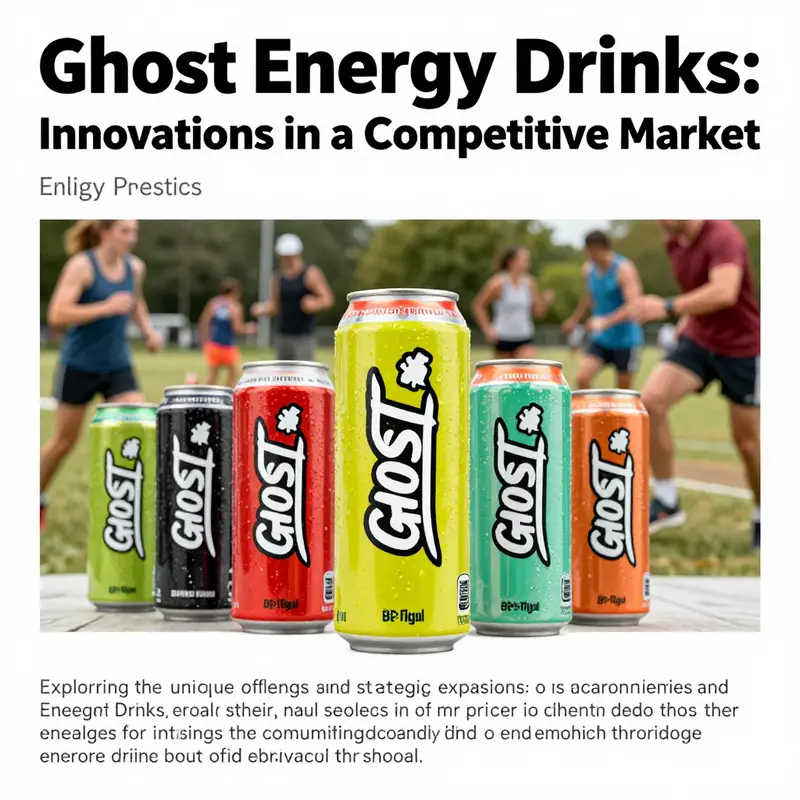
GHOST Energy Drinks represents a significant player in the energy beverages sector, merging natural ingredients with unique flavors, and thriving amidst competition since its inception in 2016. With core offerings that prioritize flavor authenticity and clean energy, the brand distinguishes itself in a crowded market. This article delves into GHOST’s brand ethos and innovative products, the expansion strategy through partnerships with professional sports teams, and the recent acquisition by Keurig Dr Pepper, all factors shaping its future trajectory. Understanding these facets is essential for business owners looking to identify market trends, partnership potentials, and strategic investments in this dynamic industry.
Ghost Energy Drinks: Real Flavor, Clean Energy, and a Brand-Built Path to Market Leadership
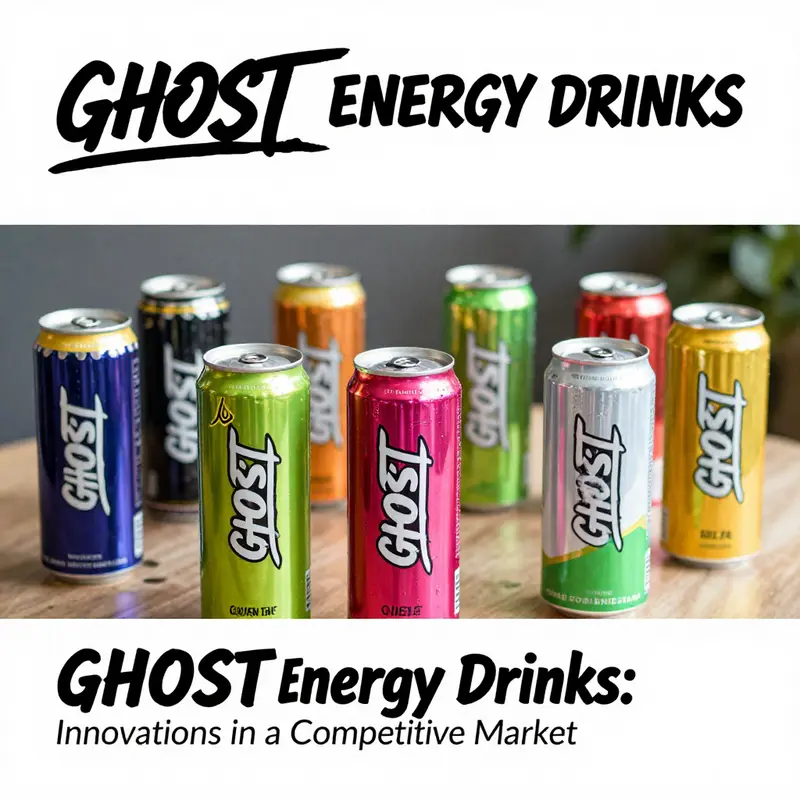
From the moment the bottles first hit shelves, Ghost Energy Drinks positioned itself as more than a beverage line. It presented a story about authenticity, about flavor you could trust, and about energy that kept pace with the demands of modern life without dragging you into the sugar crash pit. The founders built a brand that spoke in bold colors and even bolder partnerships, leaning into the idea that energy could be both effective and transparent. The foundational claims were simple and provocative: real flavor, no artificial colors, zero sugar, and a formulation designed to deliver steady energy with a level of mental clarity that ordinary caffeinated drinks often fail to provide. At the heart of the product lies a curated balance of ingredients commonly found in energy formulations—200 milligrams of natural caffeine, drawn from sources like green tea extract, paired with performance-based nutrients such as L-Carnitine and Taurine. The emphasis on clean labels—no artificial coloring, no sugar—appealed to a growing segment of consumers who wanted performance without compromising on health-conscious choices. In this sense, the brand did more than sell a drink; it marketed a philosophy of energy that aligned with fitness, gaming, work, and everything in between.
The flavor strategy was perhaps the most striking element of the Ghost narrative. Rather than sticking to conventional citrus or berry profiles, the brand embraced a flavor language borrowed from iconic candy and fruit experiences. This approach created a bridge between indulgence and function. It allowed fans to savor familiar tastes while receiving a purposeful boost. In practice, the lineup leaned into collaborations and licensed flavor concepts that resonated with a broad audience. The flavor palette included Pink Lemonade, Welch’s Grape, Cherry Limeade, Merica Pop, Strawbango, and Electric Limeade, among others, with multi-flavor bundles first showcased in limited-release or exclusive formats through major retailers. The Costco bundles, in particular, became a hallmark of value and accessibility, offering a practical way for fans to sample multiple profiles without committing to a full case of any single variety. The packaging language reinforced the narrative: a modern, premium aesthetic aligned with the science of energy, rather than a gimmicky, sugar-forward promise. Each can carried the message of real flavor meeting real energy, a combination that spoke to both the athlete and the everyday multitasker who wants to perform at a high level without compromising taste or integrity.
The formulation details underlined a philosophy of transparency and discipline. The absence of artificial colorings was not merely a marketing checkbox; it reflected a broader commitment to clean-label products that could be trusted in the long term. The zero-sugar stance addressed a growing concern among energy drink consumers who sought a sustained energy lift rather than a quick, unsustainable jolt. The caffeine content—200 milligrams of natural caffeine—was positioned as a robust dose, yet the branding emphasized a smoother profile rather than a jittery edge. The presence of L-Carnitine and Taurine aligned with the broader sports nutrition context, signaling a product intended to support endurance, focus, and cognitive clarity during workouts, study sessions, or high-pressure workdays. This combination offered a narrative of balance: potent energy without chaos, taste that evokes nostalgia without indulgence, and a label that invites scrutiny rather than skirting it.
Brand storytelling for Ghost Energy Drinks extended beyond the product itself and into cultural engagement. The brand’s approach to partnerships and sponsorships created a channel for authentic connection with fans, athletes, and enthusiasts. Official partnerships with professional sports organizations provided a platform to showcase the energy beverage in high-stakes environments—inside stadiums, on team sidelines, and during community events. These collaborations were more than marketing stunts; they were a statement about how the brand saw itself within a culture of performance and fandom. The energy drink also became part of the lifestyle conversation, entering conversations about fitness routines, gaming marathons, and late-night study sessions where sustained focus is essential.
As a case study in rapid growth and strategic branding, Ghost Energy Drinks navigated a marketplace that rewards both audacity and discipline. The company’s trajectory took a pivotal turn with an announcement that reshaped its scale and distribution philosophy. Late in 2024, Keurig Dr Pepper began a multi-stage acquisition process that culminated in a broader control of Ghost’s operations. The initial phase saw the purchaser acquire a substantial stake, with a plan to bring the remainder under its umbrella within a defined window. The implications of this move were not merely about capital; they signaled a shift in distribution philosophy, production scale, and access to a national footprint. The new parent company’s distribution network—the backbone of many successful beverage brands—offered Ghost an avenue to move from a partner-driven model toward a more direct, direct-store-delivery (DSD) approach. This meant Ghost could be more present in stores, more consistent in shelf placement, and more responsive to retailer demand signals, reducing variability and enhancing consumer access. The announcement did not erase the brand’s ingenuity or the founders’ imprint; instead, it framed a future in which the brand could maintain its independent spirit while leveraging global scale.
Founders Dan Lourenco and Ryan Hughes remained at the helm, a continuity that mattered to brand enthusiasts who equate Ghost with its founders’ creative instincts. This leadership continuity ensured that the core identity—reality-forward flavors, clean energy, and a rebellious yet thoughtful presentation—would endure even as the company reached broader markets. In practice, this meant Ghost would keep driving innovation from its own labs and kitchens, while the distribution engine and retail reach expanded behind the scenes under KDP’s strategic guidance. The plan also clarified that the brand’s dietary supplement powder line, including products in the Legend V4 series, would continue to be managed by the founders. This decision safeguarded the brand’s reputation within the sports nutrition space and preserved a product portfolio that sits outside the RTD (ready-to-drink) energy drink category. Consumers who follow both the energy drink and protein/nutrition ecosystems could increasingly see Ghost as a bridge across categories, rather than a single-purpose beverage.
The retail ecosystem surrounding Ghost Energy Drinks reflected a deliberate attempt to balance scale with experience. In addition to online channels like the brand’s official site and major e-commerce platforms, the products gained visibility through big-box retailers and warehouse clubs, creating a bundling dynamic that invited trial and repeat purchases. A key aspect of this strategy was the packaging and flavor cadence. Seasonal and limited-edition variants kept the brand feeling fresh and responsive to fan feedback, while the core lineup offered stability for consumers who rely on its energy promises during their routines. This approach also supported a broader cultural footprint; the brand’s visuals and flavor stories resonated in social media communities, fitness studios, gaming events, and student lounges where the demand for reliable, high-quality energy fuels daily endeavors.
Legal considerations accompanied the brand’s growth, reminding the market that bold branding needs careful navigation. Ghost Energy Drinks faced claims related to its candy-inspired packaging and whether such designs could mislead young consumers about caffeine exposure. The case reached a judicial conclusion that underscored consumer discernment: a judge ruled that any rational consumer would understand the candy-flavored framing as flavor inspiration rather than a signal of suitability for children. The outcome reinforced the brand’s emphasis on transparent marketing and the importance of consumer literacy in the crowded energy beverage space. It also highlighted the delicate balance Ghost has to strike between playful branding and regulatory risk, a balance the founders had already factored into their strategy by refusing to dilute the core message of real flavor and clean energy with misleading presentations.
Beyond the courtroom and the courtroom’s memory, Ghost Energy Drinks expanded its influence by building a narrative around performance and lifestyle. The brand didn’t merely tether itself to sports; it became part of the fabric of athletic and fan communities. By aligning with revered teams and broad fan bases, Ghost reinforced its positioning as a brand that stands for reliability and momentum. The flavor architecture, the clean energy proposition, and the cultural resonance coalesced into a voice that felt both authentic and aspirational. The result was a product experience that could be discussed not only in terms of caffeine content or electrolyte content but in terms of mood, focus, and the ability to enjoy a taste that felt earned rather than forced.
As the chapter of rapid growth progressed, the broader market began to pay attention to a segment of energy beverages that valued authenticity and branding as much as chemistry. Ghost Energy Drinks offered a blueprint for savory experimentation without compromising on health-conscious commitments. The zero-sugar, clean-label stance, combined with a potent caffeine dose and performance ingredients, gave the brand a competitive edge in an increasingly crowded shelf. The additional lane opened by Costco bundles demonstrated how value and discovery can coexist; consumers could sample a suite of flavors without a significant upfront cost, aligning taste exploration with practical consumption patterns. The brand’s online presence and retail partnerships created a multi-touchpoint experience that supported repeat purchases, word-of-mouth advocacy, and social media storytelling—elements that are essential in modern consumer goods branding.
Looking ahead, the Ghost story suggests a delicate but powerful potential: to grow thoughtfully within a larger corporate ecosystem while preserving the essence that first sparked consumer interest. The founders’ continued leadership signals continuity, even as the distribution and logistics machinery scales up. Consumers can expect ongoing flavor innovation, more strategic partnerships, and the expansion of the brand’s footprint into new channels that align with its clean-energy narrative. The Legend V4 line remains a separate thread within the broader Ghost family, ensuring that athletes and nutrition enthusiasts retain access to specialized products that echo the same philosophy of clarity, performance, and integrity. In this sense, Ghost Energy Drinks is not just a beverage; it is a case study in how a brand can navigate fast-changing markets while staying true to a compelling value proposition.
For readers who want to explore more about the Ghost universe and its approach to energy, flavor, and culture, a companion overview is available online. It offers deeper explorations of the brand’s flavor strategy, its licensing partnerships, and the way it negotiates the line between playful branding and consumer protection. As the market continues to evolve, Ghost’s path illustrates how a brand can cultivate a devoted following by marrying taste with purpose, and by turning a simple can into a ritual of focus and momentum. The story of Ghost Energy Drinks is an ongoing narrative about ambition and discipline—about a brand that chose to redefine what an energy drink can be and how a community can rally around a product that refuses to compromise on quality.
External reference: https://www.amazon.com/GHOST-Energy-Drink-Welchs-16oz/dp/B0CQV3XZJY
Internal note for further reading: ghost-energy-drinks
Fueling Fans: Ghost Energy’s Stadium Partnerships and the Road to Market Expansion
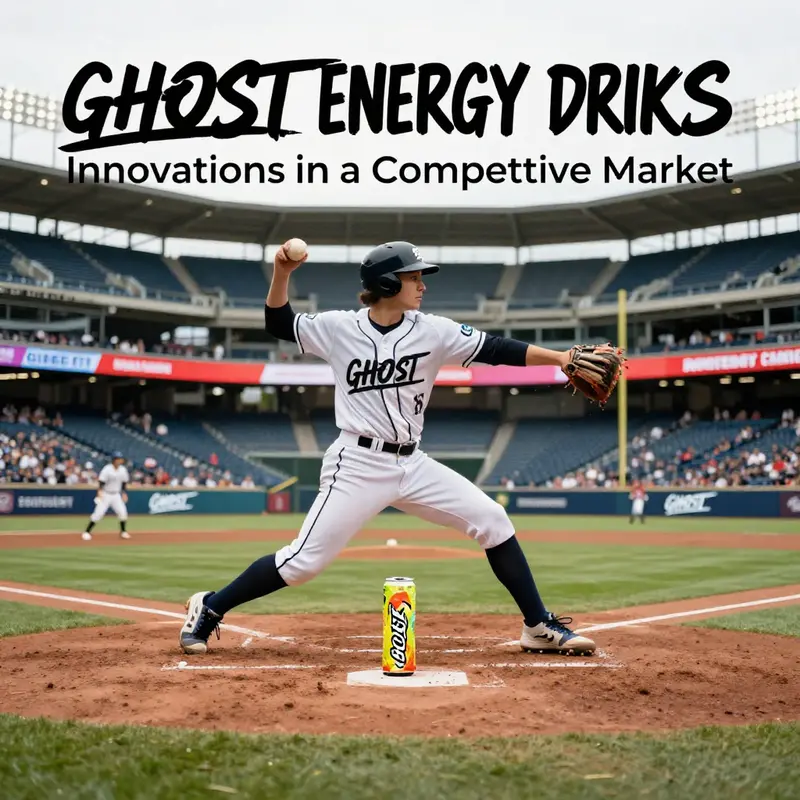
A modern energy brand often measures its ambition not just by the bottle count on shelves but by the reach of its signal in live moments. Ghost Energy understood this early, choosing to weave its narrative into the stadium experience where performance, recovery, and focus are part of the daily rhythm for athletes and fans alike. The strategy hinged on more than visibility; it was about aligning a beverage built on real flavor and clean energy with the tempo of professional sports events. In 2024, Ghost Energy expanded its footprint by forming exclusive partnerships with two MLB franchises and embedding its presence inside the game-day ecosystem. The goal was clear: place a product known for natural caffeine, precise formulations, and intentionally crafted taste in the hands of spectators who crave authenticity over hype. The move signaled a shift from relying on traditional retail routes to integrating the brand into the culture surrounding live sport, a space where loyalty can be as durable as a season-ticket holder’s commitment. For those who want a concise background on Ghost Energy Drinks, a broader overview can be found here.
The partnerships unfolded in the heart of American baseball, reaching fans at iconic venues where generations argue over fair balls and clutch hits while simultaneously reaching for an energy boost that aligns with athletic performance. The first phase involved populating ballparks with a fan-favorite flavor—Cherry Limeade—that resonated with Ghost’s reputation for high-quality taste paired with scientifically informed ingredients. The product itself was designed with the games in mind: natural caffeine delivers a steady lift rather than a quick spike, while L-Carnitine and Taurine support sustained energy and focus. Alpha-GPC and NeuroFactor coffee extract were included to underscore cognitive clarity, a subtle reminder that the brand’s promise extends beyond physical stamina to mental sharpness during late innings or tight combinations at the plate. These elements are not merely marketing claims; they reflect Ghost Energy’s philosophy of “real flavor, pure energy,” a posture that seeks to respect user experience as much as consumer demand.
On the ground, the implementation translated into an on-site presence that could alter how fans think about beverages on game day. Rather than defaulting to traditional options, stadium concessions and in-stadium shops began stocking Ghost Energy as a modern, performance-driven alternative to beer or soda. The collaborations were more than product placement; they were co-created experiences. Stadium signage, digital displays, and in-arena activations created touchpoints that reinforced the brand’s narrative: a beverage engineered to support momentum, both physically and cognitively, during the endurance and tempo of a long season. The design language extended to packaging and merchandising too, with custom can artwork and in-arena displays tailored to each venue’s atmosphere. This approach didn’t merely aim for shelf space. It sought to seat Ghost Energy in the mind of every attendee as a credible, authentic choice that respects the tradition of the sport while offering a contemporary edge.
The strategic rationale was built on more than a momentary alignment with a sport’s aesthetics. It leveraged a broader market trend where energy and sports drinks are increasingly perceived as functional, health-conscious options. The global energy and sports drinks market was projected to reach several billions in revenue in the mid-2020s, driven by a consumer base that seeks functional benefits beyond refreshment. Ghost Energy’s partnerships aligned with this by emphasizing the scientific underpinnings of their formula rather than relying solely on branding. This was a calculated choice to appeal to younger fans who value authenticity and are attentive to product rationales. The cherry-picked flavor profile, the clean label ingredients, and the credible performance narrative collectively positioned Ghost Energy as a modern alternative to legacy beverages that dominated game-day moments for decades. The collaboration also showed how sports partnerships can catalyze a brand’s legitimacy and relatability, turning a casual fan into a regular consumer who shares the same cultural lexicon as the team’s community.
As the partnerships matured, the brand began to reach beyond ballparks into broader channels that amplify the on-site experience. Retail partnerships with leading distributors and mass retailers provided a pathway to scale while keeping the grassroots credibility intact. The strategy included limited-run bundles that offered trial opportunities without overwhelming price points. In parallel, Ghost Energy continued to invest in its core line, ensuring that the production of Cherry Limeade and related variants adhered to the standards that had earned consumer trust in the first place. The emphasis on real flavor and clean energy was not a marketing veneer but a structural principle, guiding product development, packaging, and messaging across channels. This coherence—between circuitous stadium storytelling and retail-grade quality—helped Ghost Energy reinforce its identity as a brand that respects the fan’s time, budget, and expectations for effectiveness.
Beyond the stadiums, the brand’s market expansion was also propelled by a strategic distribution evolution. The acquisition landscape around Ghost Energy began to shift as a major beverage conglomerate recognized the potential of a platform built on authentic taste and sport-centric affinity. In late 2024, a prominent deal closed, giving the conglomerate a controlling interest while preserving the founders’ leadership and the brand’s independent culture. The 60% stake was valued at roughly $990 million, signaling a valuation around $1.65 billion for the total company. This capital infusion was not a one-off political move; it was a catalyst for nationwide distribution, amplified marketing, and deeper integration into sports, entertainment, and retail ecosystems. The effect was to accelerate Ghost Energy’s ability to reach more fans, across more venues, with more frequency, and at a price point accessible to a broad audience. The strategy did not imply a dilution of the brand’s personality. Instead, it provided a platform to deepen storytelling, increase touchpoints, and unlock new partnership models that could be tailored to different markets.
A fundamental part of the expansion was the shift in distribution strategy. The brand’s distribution landscape had previously relied on a mix of partner networks and selective direct channels. With the new ownership structure, Ghost Energy began leveraging a direct store delivery network that could ensure fresher stock, more reliable shelf placement, and faster restocks for large retailers and stadium venues alike. This shift, while operational in nature, had strategic implications for consumer experience. Fans who tasted Ghost Energy at a stadium could also encounter it in a Costco bundle or on Amazon’s online shelves, creating a seamless bridge from on-site enthusiasm to at-home consumption. The Costco collaboration, in particular, reflected a growing demand for value-driven, multi-pack offerings. In July 2025, the company introduced a line of limited editions: Pink Lemonade, a grape-flavored blend under a Welch’s-inspired profile, Merica Pop, Strawbango, and Electric Limeade. Each variety was packaged in an 18-can case, six cans per flavor, designed to encourage exploration while delivering the brand’s signature clean energy. This packaging architecture made it easier for first-timers to sample multiple flavors without committing to a full case of a single SKU. The Costco initiative is a tactical example of how mass retail partnerships can complement high- touch sports collaborations to fuel overall growth.
Crucially, the strategic expansion retained the core elements that defined Ghost Energy from its inception. The Legend V4 dietary supplement line—the brand’s powder offerings—remained under the founders’ management and was not encompassed within the acquisition. This separation preserved the brand’s core expertise in sports nutrition while allowing the ready-to-drink segment to scale through the new capital and distribution capabilities. For consumers who care about the science behind the product, Ghost Energy’s formulation remains a narrative anchor: natural caffeine provides a steadier uplift, while L-Carnitine and Taurine support energy metabolism and endurance. Alpha-GPC is positioned as a cognitive enhancer, and NeuroFactor coffee extract contributes to focus. The marketing story thus evolved from a simple energy drink pitch into a holistic performance narrative—one that speaks to athletes, fans, and everyday gym-goers who want consistent energy aligned with clear thinking.
The market dynamics around this expansion reveal why teams and brand partnerships have become a potent combination. In the mid-2020s, the energy and sports drink sector was characterized by demand for functional benefits, a willingness to pay for quality, and a preference for brands with authentic storytelling and credible performance claims. Ghost Energy’s approach — aligning with teams in a way that translates on-field energy into a consumer advantage off the field — taps into a civic dimension of fandom. It invites fans to participate in a culture where sport and lifestyle intersect, and where consumption becomes a recurring ritual tied to both spectacle and routine. The stadiums act as proving grounds where taste, texture, and energy must stand up to the volatility of a live event. In this context, the brand’s ability to sustain interest across seasons and oppositional market conditions becomes a measure of its long-term viability, not just a momentary surge driven by novelty.
As the partnerships matured and the ownership structure evolved, Ghost Energy’s narrative began to resemble a broader corporate story about how modern beverage brands scale without sacrificing their soul. The founders remained at the helm, maintaining a consistent voice that emphasizes quality, transparency, and a clean energy proposition. Meanwhile, the parent company offered resources to expand distribution channels, optimize production, and build more integrated marketing campaigns. The net effect was a more robust flywheel: on-site experiences drive off-site demand, efficient logistics solidifies retail execution, and a more expansive media footprint amplifies the brand message across multiple touchpoints. The result is not merely a collection of perks for fans or a clever marketing stunt; it is a cohesive market expansion strategy anchored in live experiences, credible product science, and a commitment to real flavor and pure energy.
For readers seeking a quick jump to additional background on Ghost Energy Drinks and its broader brand ecosystem, consider the overview linked here. This resource helps connect the live-event strategy to the product line and to the company’s evolving go-to-market approach, while preserving the emphasis on authentic taste and performance-oriented formulations. The internal bridge to Ghost Energy’s narrative complements the external context of the market, showing how a brand can ride the momentum of sports partnerships toward broader consumer adoption. The integration of on-site experiences with expanded retail access demonstrates a model that many functional beverage brands are now watching closely as they plan their own growth trajectories. The health of this model, of course, depends on staying true to product quality, maintaining credible performance claims, and continuing to nurture fan trust through consistent experiences.
In sum, Ghost Energy’s stadium partnerships exemplify a modern path for market expansion that leverages sport, science, and storytelling in equal measure. By situating real-flavor energy in the midst of game-day rituals, the brand built a dependable bridge between live enthusiasm and everyday consumption. The ownership shift, with Keurig Dr Pepper providing scale and reach, did not dilute the brand’s ethos; it amplified its capacity to connect with fans across venues, channels, and occasions. The result is a narrative that speaks not only to the taste buds but to the routines and rituals that make sports culture so enduring. For readers who want to explore Ghost Energy’s broader ecosystem and its stance on energy, flavor, and performance, the brand’s own overview provides a concise, insightful lens into the values driving its growth. Meanwhile, the real-world impact—fans choosing Ghost as part of their pre-game ritual or post-game recovery—will continue to shape how energy beverages are perceived in the world of sports and beyond. The story is still unfolding, but the foundation is clear: authentic flavor, measured energy, and partnerships that put the fan at the center of the experience. The journey continues with new flavors and new markets, built on the premise that sports culture is a powerful platform for meaningful, purpose-driven beverages.
External reference: https://www.phillies.com/news/ghost-energy-partnership-announced
A New Era for Ghost Energy Drinks: Strategic Convergence with a Global Beverage Giant and the Road Ahead
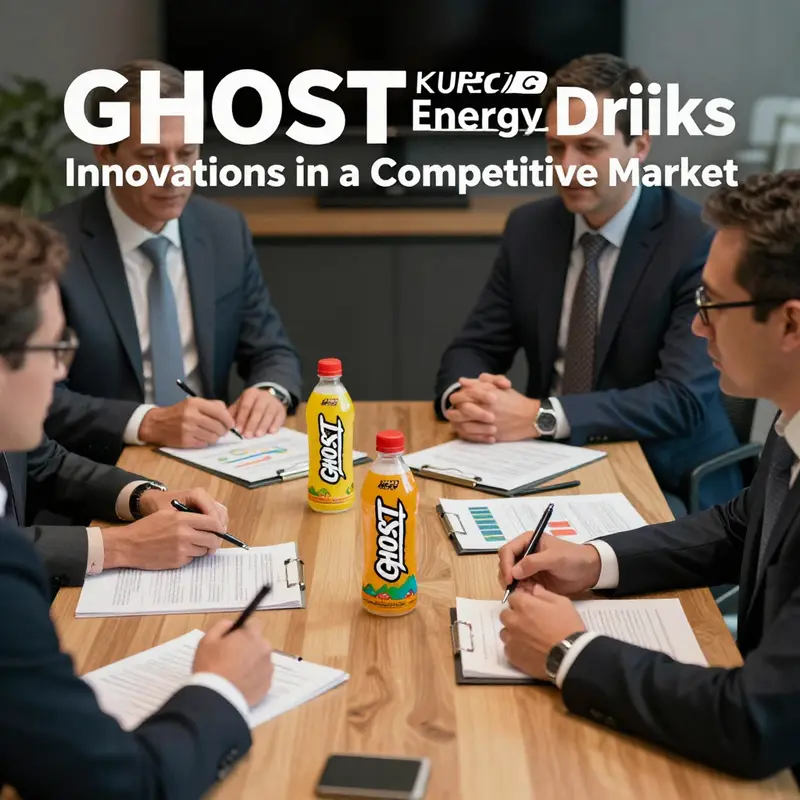
The acquisition of a nimble, design-forward energy drink line by a global beverage powerhouse marks a watershed moment in the broader story of functional beverages. It is not merely about a single brand joining a larger portfolio; it is about how a distinctive, transparency-driven product with roots in a lifestyle ethos can scale within a distribution system calibrated for mass reach, while preserving the creative energy that originally differentiated it. In this light, the deal, valued at roughly 16.5 billion dollars and structured in two stages, reads as a carefully calibrated bet on sustainable growth rather than a quick, top-line gain. The first phase commits almost ten billion in cash to acquire a majority stake, with the remaining share to be pursued by the acquiring party based on financial performance in the near future. This staged approach signals a robust confidence in the brand’s trajectory, a trajectory that has already seen net sales quadruple across the three-year window that precedes the transaction. What follows is less a simple financial transaction and more a reconfiguration of how a high-clarity, zero-sugar, naturally caffeinated beverage can travel from a niche, specialty footprint into the mainstream, without sacrificing the core qualities that built its initial following. For readers looking to trace the DNA of the brand that started as an extension of a lifestyle label, a concise overview exists in dedicated coverage that reflects the product’s emphasis on transparent ingredient disclosure and its unapologetically bold flavor architecture. The story is not just about taste; it is about how a company communicates its energy, its sourcing ethics, and its commitment to a clean label that resonates with a generation wary of artificial additives. See the Ghost Energy Drinks profile for a compact primer on the brand’s positioning and its distinctive approach to “real flavor” and “pure energy.” Ghost Energy Drinks. The current development arc is also a reminder that the energy beverage category remains a fertile ground for brands that combine clarity of ingredient lists with a modern sensibility around taste, texture, and functional performance. The acquisition narrative, therefore, is as much about process and distribution as it is about product authority. The party assuming control is a company with a global distribution footprint, an extensive logistics network, and a track record of scaling beverages across diverse retail environments. That capacity matters because the target brand has, since its inception in the early 2020s, demonstrated a rapid ability to move from specialty channels into national aisles and mainstream conveniences. The trajectory—from a boutique, specialty-stage footprint through to Kroger, 7-Eleven, Publix, and beyond—illustrates a pathway that a large distributor can animate, as long as the core brand promise remains intact. The decisive question is how to sustain the sense of authenticity while operating at scale, how to translate the energy of a creator-led movement into the reliability of a well-oiled supply chain, and how to maintain the consumer trust built around a transparent, ingredient-forward proposition. The answer, in part, lies in the structural choices that accompany the acquisition.
One of the most consequential elements concerns distribution. The brand has signaled a clear intent to pivot away from its existing distributor arrangement with AB InBev toward a direct store delivery network managed by the acquiring company. This transition is not merely logistical; it represents a strategic reorientation toward a distribution model that prioritizes health-and-wellness channels, specialty retailers, and streamlined in-store execution. The plan to invest up to $250 million beginning in mid-2025 to migrate distribution underscores how seriously the new owners view the importance of shelf presence, on-shelf consistency, and speed-to-market. In practical terms, this means a tighter alignment between brand messaging and retail execution, enabling faster restocks, more accurate planograms, and better in-store storytelling around flavor profiles, caffeine sources, and post-workout hydration benefits. For a consumer who scans shelves with a discerning eye for natural ingredients and minimal sugar, the result can be a more compelling purchase proposition that feels less like a compromise and more like an upgrade in everyday energy support. This shift also reflects a broader industry trend: high-growth functional beverages require specialized distribution that recognizes not just shelf space but the pathways by which shoppers seek information, try new products, and become repeat buyers. The effect may be a more cohesive consumer journey from discovery to loyalty, reinforced by the parent company’s resources and a more professionalized field force dedicated to execution in diverse retail formats.
The leadership and brand identity implications of the deal are equally significant. The founding team—two individuals who launched the lifestyle line and then expanded into the energy drink category—will continue to steer the brand’s creative and product direction. This continuity matters because it preserves the “story” that attracted early adopters and converts skeptics into brand advocates. Keurig Dr Pepper’s role, in this framework, is to provide a robust platform—leveraging scale, distribution reach, and data-driven marketing capabilities—while keeping the brand’s spirit intact. In practical terms, the strategy is to keep the core energy drink line distinct from the powdered supplement line, which will remain under the founders’ control. The powdered line’s ongoing independence serves a dual purpose: it protects the credibility of the supplement-as-nutrition-and-performance category and allows the brand to experiment with partnerships and formats without compromising the energy-focused flagship. This separation of brand territories—energy drink versus supplement powders—helps reduce cross-brand confusion and preserves a clean value proposition for each product family. It is a strategic choice that recognizes the different consumer ecosystems these products inhabit: one rooted in on-the-go refreshment and daily energy, the other anchored in targeted performance nutrition and athletic lifestyle appeal.
From the consumer’s lens, the functional beverage category has always hinged on three interlocking promises: clean ingredients, credible energy, and a flavor palette that resonates with modern tastes. The target brand has built a solid narrative around transparency—listing active ingredients on the nutrition facts panel in a forthright manner that many energy drinks either obfuscate or exaggerate. That promise remains at the brand’s core, now amplified by the distribution and logistics muscle of a corporate giant. The question then becomes how a public-facing brand maintains authenticity when scaled to millions of households. Here the balance is delicate but navigable. The founders’ continued leadership ensures the brand voice remains that of a creator-founded movement; the parent company supplies governance, risk management, and a broader marketing canvas. The result could be a hybrid model in which the brand maintains its distinctive flavor architecture and clean-label ethos, while the parent company expands retail execution, coefficient marketing, and cross-category opportunities that can reinforce the energy drink’s core benefits. The potential synergy extends beyond mere shelf space. It encompasses cross-brand collaborations, athlete-aligned campaigns, and a broader wellness narrative that can attract younger consumers who seek both efficacy and integrity in their daily energy rituals.
An often overlooked dimension of such a transformation concerns the channel mix and the evolving consumer shopping journey. The brand’s historical ascent—from boutique retailers to national chains—maps neatly onto the capabilities of a large-scale distributor with direct store delivery. The larger entity’s distribution infrastructure can unlock faster replenishment cycles, improved in-store visibility, and more precise pricing and promotion strategies. For families and office workers who rely on reliable, sugar-free options that avoid the jitters associated with some caffeinated beverages, a steady supply of familiar formats and reliable availability becomes a crucial determinant of regular consumption. The retail experience is where a lifestyle-forward brand can either flourish or falter; it requires synchronized marketing and merchandising, data-informed assortment decisions, and a consistent consumer promise across channels. The new arrangement thus foregrounds what many observers have long argued: scale does not have to erode character if it is managed with deliberate governance over every touchpoint—from packaging design to price, from product cadence to in-store storytelling. That governance, in this case, is being designed to preserve the brand’s authenticity while enabling it to meet the demands of a broader, more diverse retail base.
Another dimension to consider is the brand’s engagement with sports and athletic communities. The energy drink category has long benefited from alignment with teams, leagues, and individual athletes who embody the values of discipline, performance, and recovery. In practice, these partnerships help translate a product’s functional benefits into tangible, experiential touchpoints—games, fan engagements, and event activations that bring the energy story to life in real time. While the specifics of each collaboration are best left to the brand’s marketing team, the strategic value is clear: official partnerships can extend reach into arenas where fans seek a quick, reliable energy boost, and they offer branded moments that amplify word-of-mouth momentum. These alliances, when paired with the brand’s transparent ingredient stance, can generate a credibility loop that resonates with health-conscious consumers who crave effective, science-based energy without compromising taste or integrity. A reader who wants a concise snapshot of the brand’s public-facing positioning in this era can explore the existing profile of Ghost Energy Drinks for a clear sense of how flavor innovation and ingredient transparency inform the narrative, while acknowledging that the current corporate partnership structure is likely to deepen the brand’s exposure to fans and athletes alike.
Market dynamics in the broader energy and hydration space also underscore why this acquisition matters beyond a single product line. The functional beverage category has benefited from a consumer shift toward hydration-focused, low-sugar options that still deliver meaningful perceptible energy. In that context, the two-stage acquisition can be viewed as a bet on category normalization: a move away from niche, specialty channels toward more standardized, widely accessible formats without sacrificing the purity of the product’s proposition. The parent company’s extensive retail footprint, data capabilities, and marketing reach create a platform that can validate this normalization and speed adoption across regions that were previously difficult to reach for a product with a relatively niche fan base. Yet this trajectory is not without risk. The most salient risk centers on sustaining consumer trust and brand equity in the face of rapid scale. The existing consumer base is attracted to a sense of “real flavor” and “pure energy” that does not rely on artificial sweeteners or colors. Any deviation in taste, texture, or perceived energy quality risks alienating those early adopters who helped catalyze the product’s momentum. The founders’ continued leadership and a deliberate separation of product families offer a counterweight to these concerns, but ongoing diligence in quality control, supply chain resilience, and transparent communication will be essential to preserving the brand’s soul as it grows. In this sense, the acquisition is as much about governance as it is about growth, and the governance framework must harmonize the brand’s narrative with the larger corporate rhythm without dampening its creative voltage.
From a consumer education standpoint, there is an implicit opportunity to consolidate the messaging around why such a product matters in a world crowded with caffeine claims and wellness promises. The emphasis on 200 milligrams of natural caffeine, combined with L-Carnitine and Taurine, positions the product as a credible option for focus and endurance rather than a quick sugar spike. The zero-sugar formulation, when paired with a transparent ingredients list, speaks to a generation that increasingly questions hidden ingredients and seeks straightforward, functional benefits. The brand’s story—one of authenticity, flavor mastery, and clean energy—can be reinforced through the parent company’s resources in ways that feel natural rather than invasive. It is essential, however, that any scaled education efforts preserve the voice and character of the brand, avoiding generic wellness messaging that could dilute the personality that gave the product its initial traction. In the end, the chapter ahead will likely hinge on how well the brand preserves its edge while leveraging the parent company’s capabilities to reach new consumers in a meaningful, credible way.
For readers who want a quick route to a deeper dive into the brand’s heritage and its distinctive approach to energy, transparency, and flavor, the linked Ghost Energy Drinks article provides a succinct overview that aligns with the core themes discussed here. The chapter also gestures toward broader industry implications that will shape the next era of functional beverages, including how distribution ecosystems evolve to support quality, consistency, and trust at scale. In the long run, the success of this strategic move will be measured not by the sheer size of the acquisition, but by the degree to which the brand can preserve its unique voice while expanding its reach in ways that feel authentic to consumers who care about what they drink, how it’s made, and why it works for their daily energy needs. The case study represented by this transaction offers a lens into how the market’s most discerning consumers interpret growth, authenticity, and performance in a space where science, taste, and storytelling intersect at high velocity.
External context and official documentation of the deal provide additional layers of detail that can illuminate how this alignment unfolds. For those seeking the formal articulation of the transaction’s terms and anticipated milestones, the official press materials and investor updates are essential reading. The strategic implications, however, are not just about the numbers; they are about how a brand with a clearly defined purpose can navigate the complexity of scale while preserving what made it compelling in the first place. The interplay between independence and integration, between founder-led creativity and corporate-scale execution, will define the next chapter for this energy-forward brand and, more broadly, for the dynamic category it inhabits.
External reference for deeper reading: https://www.investors.keurigdrpepper.com/news-releases/news-release-details/keurig-dr-pepper-announces-acquisition-of-ghost
Final thoughts
GHOST Energy Drinks has effectively carved a niche within the energy beverage market through innovative products, strategic partnerships, and now, the backing of a major beverage company. As businesses look to the future, understanding GHOST’s unique approach provides invaluable insights into brand development and market expansion in a competitive landscape. The brand’s commitment to natural ingredients and distinctive flavors, combined with its strategic alliances in professional sports, establishes a strong foundation for growth, especially following its acquisition by Keurig Dr Pepper, which positions it for further success. For business owners, the evolution of GHOST serves as a case study in leveraging brand identity and market trends to capture consumer interest.