
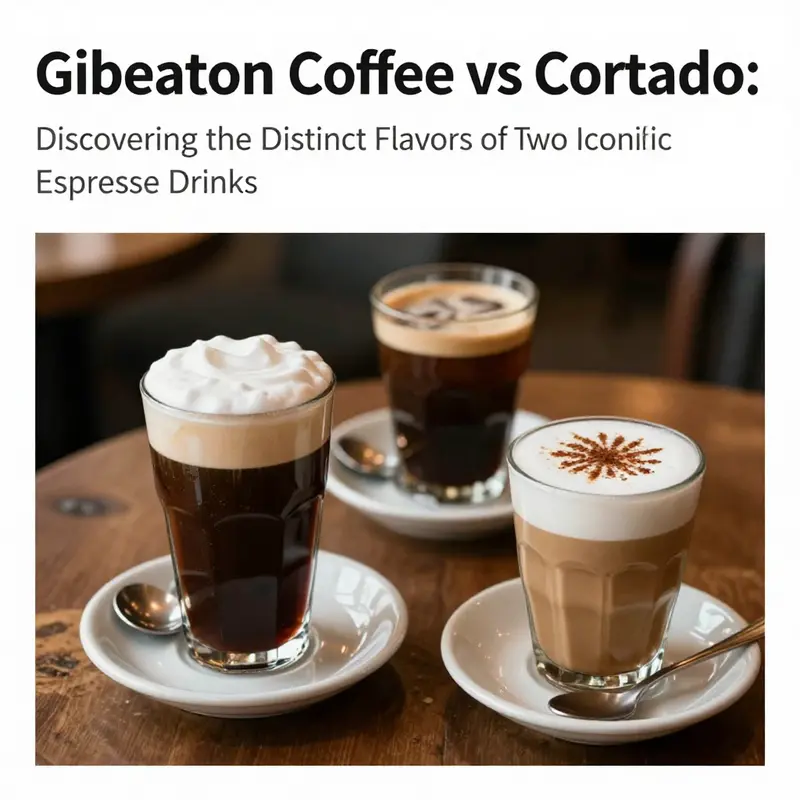
In the realm of coffee, few beverages elicit the passion and interest that Gibraltar coffee and Cortado do among enthusiasts and business owners alike. These two espresso-based drinks, though visually similar, boast distinct characteristics that set them apart. Understanding the origins and definitions of each drink is vital for business owners looking to expand their menu offerings and cater to diverse customer preferences. The subsequent chapters will delve into the unique flavor and texture profiles of both drinks, offering insights into consumer preferences, and will further explore the presentation and cultural significance that can enhance customer experience in cafes and restaurants.
Between a Glass and a Cut: Tracing Two Espresso-Milk Traditions Across Cultures
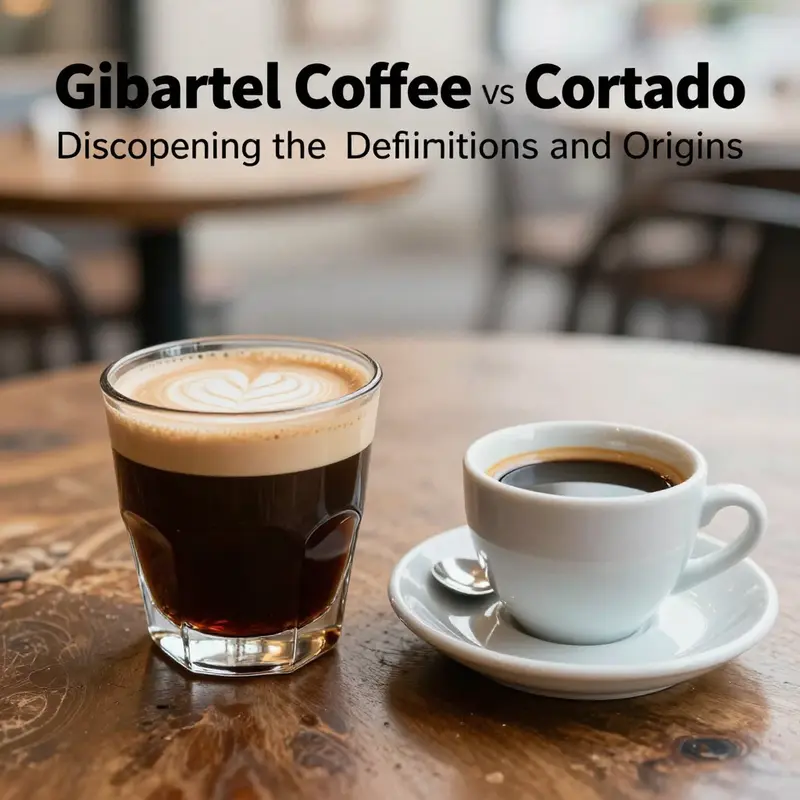
Two small, espresso-based drinks sit at the opposite ends of a shared spectrum: both rely on the intensity of a concentrated shot and a modest addition of milk. Yet their stories, rituals, and expressions reveal distinct cultural fingerprints. One arrives in a compact, slightly heated ceremony, a drink that lives in the realm of precise balance and bold aroma. The other journeys from a long, winding tradition that favors a smoother, more approachable finish. In a café, at home, or in transit, these beverages invite a comparison not just of ratios, but of histories, vessels, and the conversations they spark about coffee’s evolving identity.
One of these beverages emerged in the early 2000s within a United States specialty coffee scene. It was defined by a specific, small glass vessel whose capacity sits at about 133 milliliters. The preparation centers on a double shot of espresso and a measured splash of hot milk. The aim is to preserve as much of the espresso’s character as possible while softening its edges just enough to soften the bite without washing away its clarity. The result is a drink that borrows the espresso’s backbone but wears it in a refined, glassy silhouette that is instantly recognizable to those who have watched it travel across a bustling café counter. The other beverage hails from Spain and Latin America, a tradition long associated with street-level coffee culture. Its purpose is modesty in service and balance in flavor. The term that identifies this method in its original language literally signals a cut—an idea of tempering the drink’s intensity with an equal measure of steamed milk. The ratio traditionally lands around equal parts espresso and milk, creating a harmony where bitterness recedes and the intrinsic coffee notes remain audible.
Presentation matters as a mirror of intention. The glass-served beverage is presented in a short, clear vessel, a format that makes the level of milk visible and creates a visual rhythm with the dark espresso at the bottom and the lighter, milky top. The other drink usually arrives in a small ceramic or glass cup, designed for quick sipping and a moment of contemplation of the balance between steam-warmed milk and the espresso’s bite. The glass vessel, with its transparent body, feels like a stage for the chemistry inside: a layered, almost architectural display where crema crowns the surface and a thread of milk threads through the dark heart. The ceramic cup, by contrast, centers the experience on touch and aroma; its warmth invites a slower, more meditative pace.
Flavor wise, these beverages trace distinct trajectories. The glass-based drink leans toward intensity. The double espresso asserts itself, and milk softens the bite without diluting the core identity of the coffee. Aromas of roasted beans, cocoa, and subtle spice may emerge as the milk adds a veil that rounds edges rather than drifts away from the coffee’s character. In the equal-parts beverage, the balance aims for a seamless fusion. The milk’s sweetness and creaminess blend with the espresso to deliver a smooth, mellow, yet clearly defined coffee flavor. Bitterness is tempered, mouthfeel becomes silkier, and the finish lingers in a way that invites another sip without demanding a stronger caffeine nudge to push through. The result is a drink that feels cooperative by design, a partner to conversation rather than a solo act that commands attention.
Why does one drink feel more historical, the other more contemporary? The answer lies partly in purpose and partly in ritual. In a modern café, where speed and precision matter, the glass-based drink can be a concise narrative of technique and sourcing. The vessel becomes part of the story: its shape, weight, and even its temperature echo the drink’s intention—a precise balance that rewards attention. For the traditional Spanish-influenced beverage, the emphasis is on warmth, accessibility, and everyday comfort. The milk does more than temper; it invites a kinder interaction with the coffee. People reach for it as a daytime companion, a mid-morning pause or a midafternoon lift—never imposing, always approachable. These languages of the drinks diverge, yet they converge in a shared love for the small, concentrated espresso moment that travels easily from café to kitchen and from street stall to home brewing setup.
Even small shifts in ratio or technique can tilt the balance. If the milk runs too hot, the drink tilts toward overt sweetness and risks scalding the palate, dulling brightness and masking nuanced aromas. If the milk is cooler or less dense, the drink can lose creaminess and the espresso’s edge becomes sharper than intended. In the glass-based version, a double shot anchors the palate, with the milk acting as a soft veil rather than a content partner. In the equal-parts version, balance is a delicate negotiation; too much milk and the drink loses its defined character; too little and it becomes a robust, espresso-forward beverage that neglects the expected harmony of texture and aroma. The craft lies in controlling texture, temperature, and timing—factors that transform a routine coffee into a precise, remembered experience.
Beyond flavor, the serving vessels carry symbolic weight and signal a culture’s pacing. The compact glass, transparent and revealing, becomes a silent storyboard of the drink’s life: the dark coffee ground, a halo of crema, and then the milky veil that softens the edges. The small cup, perhaps ceramic, is a ritual in itself. Its warmth on the palm invites longer, more contemplative savoring. This physical drama signals two cultural speeds: one that embraces a staged, almost theatrical presentation, and another that values quiet efficiency and tactile comfort. In some cafés, the glass vessel is a badge of modern lineage, while the traditional cup nods to generations of practice that welcomed milk as a counterpoint to strength.
The chapter you are reading sits within a broader exploration of espresso-forward beverages that share a common love for milk without sacrificing the bean’s core voice. To appreciate where these styles sit within that spectrum, a broader narrative about coffee philosophy and daily ritual helps. For readers seeking a deeper dive into the everyday life and choices that shape coffee culture, there is an accessible overview at Coffee Rich Life. This link is a bridge to a larger conversation about how people relate to coffee in varied settings, from minimalistic routines to ceremonial rituals.
Origins matter because they frame expectation. The Spanish-rooted approach reflects a long-standing habit of balancing strength with gentleness, a philosophy that treats milk as more than a flavor enhancer and more as a partner in texture. The U.S.-born approach emerges out of a culture that celebrates experimentation, precision, and small-batch craft. It is a reminder that the world of coffee expands not just by new beans or new roasting techniques but by new ways to present a familiar stimulant in a form that feels intimate and precise. The result is a pair of beverages that can sit side by side on a menu and still tell different stories about how coffee can be enjoyed in moments of rest or focus—moments of warmth, brevity, and shared ritual.
History, technique, and style often intersect in the most subtle ways. The Spanish lineage carries with it a lineage of serving in small portions that invite a social, almost communal pace. Sipping a modest cup becomes a moment for conversation, a pause that punctuates the day with small ceremony. The U.S.-born practice foregrounds craft, measurement, and a culture of lab-like attention to balance. It invites experimentation with crema, ratios, and the interplay of aromas from darker roasts to sweeter milk notes. In cafés around the world, where menus shimmer with new ideas yet still cherish classic roots, these two approaches coexist. They illuminate how a single, concentrated coffee experience can be reframed through vessel design, technique, and regional taste preferences.
Perhaps the most compelling lesson lies in how these beverages invite a kind of tasting literacy. A guest can learn to read the stage set by a glass vessel: the depth of the coffee, the crema’s thickness, and the milk’s line of demarcation are not mere aesthetics but signals about production choices, bean origin, and the barista’s execution. In the cup-style drink, the small, warm cup itself becomes a cue about tempo, memory, and comfort. Its heat and weight encourage a quicker, more intimate pace that suits a segment of the day when mental focus is valued but physical steadiness is welcome. These dual stories do not cancel each other out; they complement a broader appetite for nuanced coffee experiences that respect both history and invention.
As the conversation evolves, it becomes clear that the distinction between these two approaches is less about which is better and more about where and how a person wants to place coffee in their day. Some mornings crave a bracing, character-forward moment that the glass-based drink can provide. It stands as a compact ritual that signals an intention to engage with the coffee as a subject of study: aroma, body, crema, and the precise moment when the milk crosses the line from flavor to texture. Other days call for gentleness and ease—the smooth lift that comes when equal parts espresso and steamed milk mingle gracefully, smoothing the espresso’s edges without masking its essence. Both options honor the bean and the craft, yet they invite different kinds of attention, different rituals, and different stories to be told at the bar.
To deepen the sense of history without losing sight of the present, consider the arc from street-level cafés to specialty rooms where a drink’s form communicates more than its ingredients. The modern glass-based approach embodies a narrative of innovation, where the glass becomes an instrument of storytelling as much as a vessel for caffeine. The traditional cut-based method embodies a narrative of continuity, where the milk’s tempering role preserves a communal memory of how coffee has long been enjoyed as a routine accompaniment to conversation and rest. Together, they map a spectrum of how people understand and savor espresso in a world that increasingly values both experimentation and heritage. This duality is not a tension to be resolved but a richness to be savored—a reminder that coffee culture is not monolithic but mosaic, with every sip supporting a larger conversation about what coffee can be in daily life.
For readers seeking a visual summary, picture a small, transparent glass holding a dense, roasted center with a pale ring of milk around the edge, the crema curling atop like a delicate crown. In the other image, a small, familiar ceramic cup containing a uniform, creamy, harmonious liquid, the color of caramel with a soft, inviting glow. The first invites closer inspection—the way the layers tell a story of extraction and milk integration. The second invites a longer, slower engagement—the sense of balance that makes the drink feel almost like a warm hug in a cup. These impressions matter because they influence decisions in a café line, in a home kitchen, or in a studio where a barista’s bench technique is as much a craft exhibit as a practical beverage.
If you are curious about how origin stories and serving rituals intersect with taste on a sensory level, you can consult diverse sources that trace the evolution of these small beverages. One external account offers a detailed historical note on how a particular glass and its drink became a recognizable duo within a certain café community. This piece situates the drink in a broader narrative about coffee culture and design, complementing the perspectives shared here. https://www.eater.com/2026/1/30/25357890/gibraltar-coffee-blue-bottle-libbey-origin-history. Reading such accounts can enrich the sense of how a single beverage family travels and mutates as it crosses oceans, markets, and barista training programs.
In the broader arc of the article you are following, this chapter serves as a doorway to the ways regional sensibilities shape the everyday coffee moment. It is not a doorway to a battlefield between traditions, but a lens on how two complementary threads weave through contemporary coffee culture. The journey from a bustling urban counter to a quiet home ritual reveals that the most meaningful coffee experiences are not always about finding a single perfect method. They are about learning how different methods respond to different moments, moods, and contexts—and about developing a vocabulary that makes those moments legible to others. As you move forward to the next chapter, keep in mind how these tiny, milk-enhanced espressos carry not only flavor but also memory, place, and intention, weaving together a global tapestry of what coffee can be when traditions meet modern craft.
Between Bold Glass and Gentle Cut: A Deep Dive into Gibraltar Coffee and Cortado
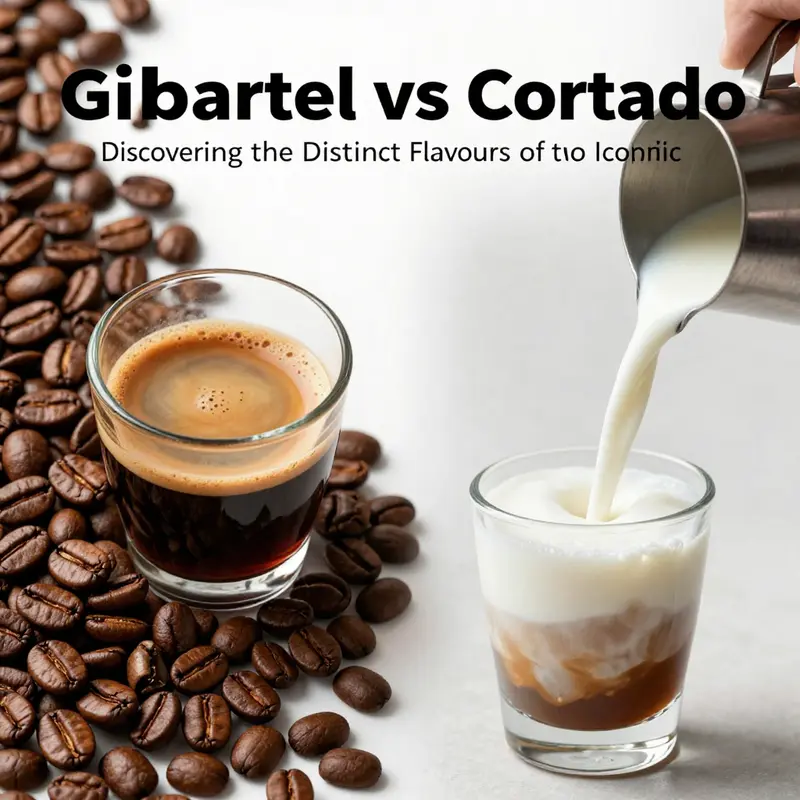
Two small but mighty espresso drinks sit at the crossroads of modern coffee culture, each offering a distinct way to frame the moment a cup meets the tongue. Gibraltar coffee and cortado share a lineage of small-milk technique and the desire to soften espresso without surrendering its identity. Yet they travel different paths: one hails from a contemporary American coffee scene with a distinctive vessel and an intentional emphasis on espresso intensity, while the other grows out of a long-standing Iberian tradition that treats milk as a precise moderating force. In the quiet rituals of ordering, pouring, and sipping, these drinks reveal more than taste; they reveal a philosophy about balance, texture, and the storytelling power of a single beverage. To understand why the two look and feel so different, it helps to follow the thread of their origins, then listen to how their flavors unfold on the palate. The Gibraltar is a modern experiment in precision and character, a crafted proof that a splash of milk can sharpen rather than soften. The cortado, by contrast, embodies a gentle art: milk and espresso in equal partnership, each keeping the other honest while offering a smooth, approachable experience that feels almost inevitable in a cosmopolitan café scene. The contrast is not just about measurements and cups; it is about the cultural contexts that shape preference, ritual, and even the pace of one’s day. If you read these drinks side by side, you begin to sense the way taste and container work together to tell a story about coffee’s evolving identity in a world that moves faster yet still craves nuance. This chapter doesn’t seek to crown a winner; it invites you to listen for the textures and rhythms that align with your mood, your roast preference, and the moment’s demands. It is a conversation about how a tiny vessel, cradling a modest amount of milk, can amplify or mute the memory of a roast, a planet’s worth of terroir, and the creator’s hand that pulled the shot. In that sense, Gibraltar and cortado function like two lenses through which the same espresso can be perceived anew, each refracting color, temperature, and aroma in a different way. As you read, it may become clear that the choice between them is less about superiority and more about direction—toward bolder, more textural coffee or toward a refined, balanced sip that invites the milk to do the gentle work of smoothing edges while preserving the bean’s essential signature. The chapter that follows is a careful walk through flavor and texture, but it is also an invitation to taste with intention, to notice the way a drink’s volume, temperature, and foam can alter perception as surely as any spice note or roasted fault might. What sets Gibraltar apart in a crowded field of espresso drinks is not merely the double shot beneath a thin veil of milk, though that is striking enough. It is the careful calibration—the choice of glass, the proportion of milk, the manner in which the microfoam weds with the crema—that makes the drink feel both contemporary and deliberate. The Gibraltar’s glass, typically about 8 ounces, becomes a visual cue that the drink’s identity is anchored in proportion and presentation. Some cafes place a tiny emphasis on the glass’s shape and heft, signaling that the drink exists as much as a piece of design as a beverage. The barista’s hand becomes part of the experience, guiding a guest toward a particular rhythm of sipping and savoring. The cortado, in its own right, answers with restraint. It arrives in a small ceramic cup, a vessel that communicates intimacy and focus. The ratio, usually 1:1, sets a stage where the espresso’s crispness meets milk’s creaminess in equal footing. There is no dramatic visual contrast as with the Gibraltar’s layered look; instead, the cortado presents a uniform, velvety surface and an aromatic invitation that makes the first sip feel almost inevitable. The two drinks share a foundation—espresso—yet their physics diverge: a stronger espresso presence and a lightly tailored milk layer in the Gibraltar, versus a true partnership where milk and coffee are peers in a single, compact moment. Within that divergence lies a spectrum of flavor impressions. When a bartender pulls a Gibraltar, the double shot asserts itself with confidence. The taste profile tends to be intensely coffee-forward, with a robust aroma and a mid-palate complexity that can reveal a range of roast nuances—from bright citrus and berry in a lighter roast to cocoa-like depth in a darker one. The milk acts as a gentle moderator, softening edges rather than washing them away, so the acidity does not dominate, but acidity remains detectable and, at times, even uplifting as the drink cools. The finish is often long and clean, with a hint of sweetness that can evolve as the temperature shifts. The cortado, meanwhile, invites a more integrated exploration. In a balanced 1:1 composition, the milk tames bitterness and rounds off the espresso’s sharper angles, producing a smoother and more immediate harmony. The roast’s character remains audible, yet the milk finds a way to reveal additional notes: sweetness from the milk can highlight toffee and caramel, while the roast’s intrinsic bitterness is curved into a more approachable grey area between bitter and sweet. Lighter roasts may show a fruity brightness enhanced by the milk’s natural dairy sugars, while darker roasts emphasize roasted cocoa and toasted grain, yielding a more grounded, comforting experience. The texture of a cortado often betrays its purpose through mouthfeel: the microfoam is fine enough to blend invisibly with the espresso, yet substantial enough to give the drink a gentle body that lasts through the cup. In the Gibraltar, the texture is more layered and sometimes perceptibly two-layered at the surface—an upper microfoam that wraps around a concentrated espresso core. The contrast creates a tactile experience that can feel almost sculptural, a reminder that this is not merely about taste but about how the drink is presented and perceived. The presentation itself matters. The Gibraltar’s square glass, with its distinctive geometry and measurement, becomes a visual shorthand for the drink’s ethos: precision, modernity, and a certain bravado in carrying a double shot with a modest amount of milk. It invites a moment of contemplation as you observe the crema kissing the milk and the glass catching light in a way that makes a ritual out of sipping. The cortado’s small cup brings a different education. It whispers of tradition, a long lineage of cafés where the drink was designed to be consumed quickly at a bar while conversation lingers nearby. The emphasis is not on spectacle but on experience—the sensory journey compressed into a few mouthfuls and shared with a calm sense of pace. The sensory story deepens when we consider how these drinks function in daily life. Gibraltar is often favored by those who want a bold coffee experience with a touch of softness, ideal for a morning moment that needs a characterful nudge without overwhelming the senses. It suits people who appreciate the intensity of espresso but also value the comfort of milk’s creaminess as a counterweight to acidity and bite. Cortado appeals to those who seek balance from the first sip. It’s a versatile, anytime drink—above all a keep-it-simple approach that respects the integrity of the espresso while acknowledging that milk can be a companion rather than a crutch. The cortado’s appeal lies in its clarity and predictability: you know what you’re getting, and what you’re getting is a refined, smooth coffee experience. The Gibraltar, by contrast, invites a little more curiosity. Its double shot offers a window into espresso’s potential when paired with a measured touch of milk, almost like a dialogue between two flavors that share a common stage. This is a drink you might choose when you want to explore the edge of what milk can do—how it can soften, yet not obscure, the roast’s memory and the bean’s character. The cortado offers a steady, faithful journey to the center of the cup, where you feel the espresso’s backbone but also the milk’s gentle support. Those choosing between them often reflect a broader conversation about personal taste: do you want the sense of a coffee story that leans toward intensity and texture or the sense of a coffee conversation that leans toward balance and approachability? Both answers can be correct, depending on the time of day, roast choice, and mood. A darker roast may sing with a more pronounced bitterness in a Gibraltar, while a lighter roast might reveal delicate citrus notes that ride the edge of espresso’s brightness with the milk’s softening influence. In a cortado, the roast’s voice tends to stay present but transformed by the equal partner of the milk, so the drink feels coherent from the first sip to the last. This is not a competition between two opposites; it is a dialogue between two ways of treating the same ingredient. The choice between a Gibraltar and a cortado can also be seen as a reflection of the drinker’s ritual and their coffee’s stage direction. Gibraltar is a performance piece—visible, bold, and designed to be seen as you lift the glass, to feel the momentum of a double shot anchored by a small but purposeful amount of milk. Cortado is a chamber piece—intimate, compact, and crafted for a focused listening to the espresso’s tale, with milk acting as the quiet collaborator that keeps pace with the shot. If you’re new to these drinks and want a practical starting point, try imagining your day as a composition: a Gibraltar might be your overture to a morning with urgency and clarity, a statement that coffee can be a force that remains precise and alive even as it softens. A cortado could be your midday interlude, offering a compact, balanced center that allows you to resume your work with a sense of calm and continuity. The palate benefits from experiencing a range of textures and temperatures. A Gibraltar often reveals its character as it cools slightly, when the milk takes on a creamier texture and the espresso’s aromatic notes—whether citrusy or chocolatey—become more pronounced. A cortado—already smooth—may open to subtler layers as warmth recedes, with the milk revealing caramel sweetness or nutty echoes that compliment the roast. In tasting, it is valuable to approach with curiosity about the milk’s role. In a Gibraltar, the milk is a softening agent, but its presence is deliberate enough to preserve the espresso’s edge. In a cortado, milk is more of a coequal agent, shaping how the espresso’s bitterness is perceived and how the roast’s complexity emerges. The broader cultural context matters, too. The Gibraltar is a product of a modern coffee movement steeped in experimentation and cross-pollination across the United States. Its emergence signals a willingness to reframe an espresso shot with attention to glassware, pour technique, and a deliberate balance that foregrounds the beverage’s story as much as its flavor. The cortado carries the weight of tradition, reflecting a culture that values minimalism and shared experience—an approach that places the emphasis on the drink being easy to enjoy without sacrificing depth. Both drinks remind us that the social aspect of coffee—the café, the bar, the quick conversation, the long quiet moment—shapes taste as much as any bean’s lineage. The ritual is part of what makes the Gibraltar and the cortado meaningful; the glass or cup, the steam, the foam, and the speed of service are all part of the flavor profile. It is not merely what you taste, but how you encounter it that completes the experience. For readers who want a deeper historical lens, a quick note: the Gibraltar’s story is tied to a specific glassware and a distinctive preparation that gained visibility in a particular era, while the cortado’s story rests on centuries of coffee cultures that embrace balancing acts between bitter and sweet, strong coffee and smooth milk. If you’re curious to connect this exploration with additional context and technique, a good starting point is the broader conversation about how modern cafés reimagine classic drinks while preserving the core sensory cues that define them. For a deeper dive into the culture and craft behind these drinks, see the Coffee Rich Life blog.
Another useful reference for readers who want to explore the ballroom of espresso drinks that live in the same neighborhood as these two is the famed early-20th-century café traditions that informed today’s barista practices. The parallel paths—from Spain’s cortado to the United States’ modern Gibraltar—show how context, container, and technique converge to shape a drink’s character. The journey through flavor and texture is not a simple matter of preference; it is an invitation to notice how small adjustments create large differences in perception. A single shot’s strength, a milliliter of milk, and the exact temperature at which the milk is frothed can transform a drink’s identity, producing a cascade of aroma and mouthfeel that leaves a lasting impression long after the cup is emptied. The decision to choose one over the other often comes down to a personal memory of coffee—where you were, who you were with, and how the drink fit into the rhythm of that moment. In the end, both Gibraltar and cortado stand as testimonies to coffee’s ability to adapt to human need without losing its essence. They remind us that the cup is a vessel for more than liquid: it is a container for time, mood, and connection. If the Gibraltar is your bold companion for the day’s first sprint, the cortado may be your quiet anchor as you navigate the afternoon’s flow. Each sip is a conversation between espresso’s starting point and the milk’s invitation to linger. The choice is rarely final; it often leads to a new experiment—the willingness to explore different roasts, different milk textures, or even alternate serving vessels to see how surface tension and light reflect off the drink as it moves from mouth to palate and onward into memory. As with all coffee conversations worth having, the key is to taste with attention, to let the drink reveal its story in your own line of sight. The Gibraltar’s intensity can be a teacher, showing what happens when milk is used sparingly but with intention. The cortado’s balance can be a mentor, demonstrating what happens when milk and espresso are allowed to meet as equals, each shaping the other’s destiny. Together, they map a spectrum that helps coffee drinkers better understand themselves: their textures, their tolerances for acidity, their preference for finish, and their appetite for aroma at the moment of sipping. The more you reflect on these drinks, the more you sense how the modern and the traditional coexist in the coffee world. The Gibraltar speaks to a culinary courage that values the drama of a double shot and a modest dairy compliment. The cortado speaks to a philosophy of restraint that recognizes milk as a collaborator rather than a veil. Both are valid expressions of espresso’s potential, and both can be delicious in the right moment with the right roast. The next time you stand at a café counter and hear the words “Gibraltar” or “cortado” whispered with calm confidence, listen for what those words imply about your own day. Do you want a drink that asserts its character with a glassy clarity and a surface of velvety milk, or do you crave a compact, balanced sip that invites you to linger and talk, or to savor a moment of quiet reflection between sips? The answer will likely depend on more than taste alone. It will depend on the context, the company, and the tempo of your morning or afternoon. And in that sense, the Gibraltar and cortado do more than provide different flavor profiles; they offer a language for coffee drinkers to articulate their mood, their curiosity, and their relationship with the bean. They demonstrate how a drink’s shape, size, and proportion can become a meaningful cue for what the mind expects and what the palate experiences. In a broader sense, they remind us that coffee culture thrives on variation. The journey from single-shot, no-milk espresso to a curtain-raiser like the Gibraltar, and onward to a balanced cortado, charts a map of coffee’s evolving identity—one that values both boldness and refinement, both storytelling and texture. So the next time you order in a café, consider what you want your coffee to say about your moment. Do you need a statement that carries you through the morning’s momentum, or a smoother, more intimate sip that helps you settle into a quieter pace? Either choice is a valid path, and both paths reveal a shared truth: coffee, at its best, offers a conversation—between roast and milk, between glass and cup, between the present moment and the memory it helps to frame. External resource: https://www.bluebottle.com/about/gibraltar
In Glass and Cup: The Visual Rituals, Origins, and Cultural Significance of Gibraltar Coffee and the Cortado
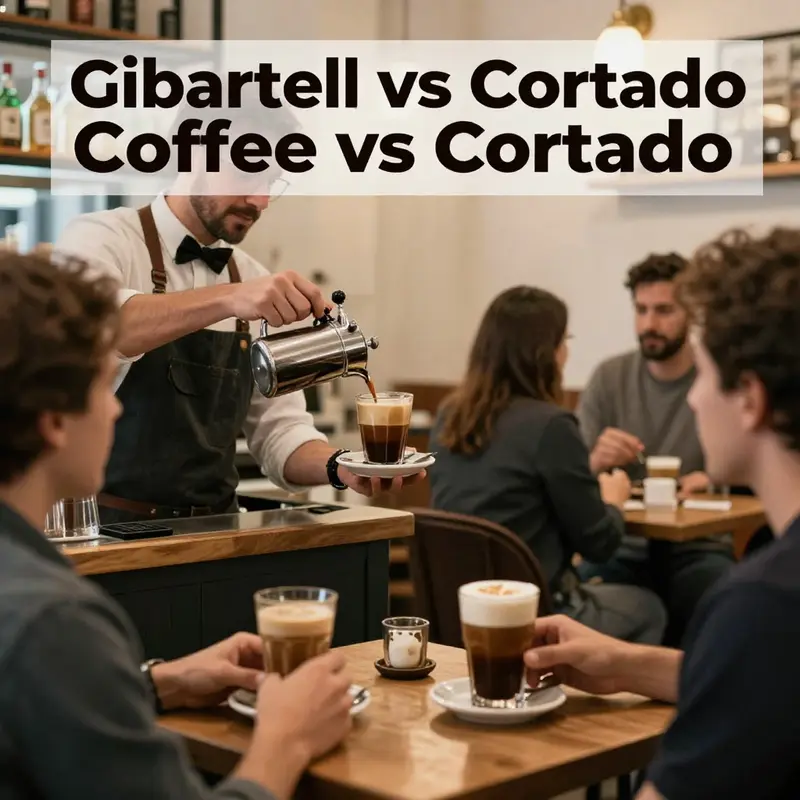
Two inconspicuous rituals sit at the heart of a world that often feels loud with technique and trend: a drink that balances bold espresso with a touch of milk, served in a glass or a cup. When we look at the two most discussed variants in this quiet corner of the cafe, we encounter not just taste differences but a broader story about how coffee culture negotiates intensity, technique, and identity. One drink arrives in a distinctive, square-bottomed glass, its glassy surface catching the eye as much as the aroma catches the breath. The other makes its statement in a small cup, unadorned, confident in its emphasis on balance rather than spectacle. Together they demonstrate a shared impulse in specialty coffee: to curate a precise, intimate experience from just two elements—espresso and milk—and to present that experience through a design choice that communicates mood before a sip is taken. The conversation around these drinks, then, unfolds as much in the glass or cup as in the mouth and memories attached to the first taste.
The presentation of a drink can be a first-language for the consumer, especially when the drink signals a particular cultural language. The Gibraltar, with its square-bottomed glass, makes a visual statement that aligns with a modern, design-forward coffee culture. The glass becomes part of the tasting ritual, not merely a vessel but a narrative device. Its capacity, roughly 133 milliliters, invites a double espresso with a careful, minimal amount of warmed milk. The milk texture is intentionally light, enough to veil the harsher edges of the espresso and to create a velvety mouthfeel that lingers without masking the coffee’s core character. In this setup, the glass shape and the preset milk proportion co-create a specific sensory journey: an aroma that blooms with the first whiff, a crema that forms a lacquered top, and a body that remains driven by the espresso’s edge. The visual separation—dark espresso at the bottom and a lighter, softly integrated layer above—is not accidental. It is a designed cue, signaling craft and precision. The experience is meant to be seen as well as savored.
The Cortado, by contrast, sits in a more modest, almost pragmatic tradition. It is typically served in a small ceramic cup or a compact glass, within a range of about 90 to 120 milliliters. The presentation leans toward understated elegance. The drink’s hallmark is balance: an espresso paired with an equal amount of steamed milk, creating a harmony that reduces acidity and bitterness without extinguishing the coffee’s intrinsic sharpness. The milk’s meet with the coffee is smooth, yielding a texture that is creamy yet not heavy. This is a drink that invites a quick, confident sip and a moment of reflection on how the milk has tempered the espresso’s intensity while preserving its essential aroma. Where the Gibraltar makes a statement through shape and scale, the Cortado makes its mark through proportion and poise. Taken together, they reveal two paths to the same destination: a coffee experience that reveals its depth through restraint and balance.
Origins deepen the distinction as much as the glass and cup do. The Gibraltar emerges from a distinctly modern, American coffee culture scene that has repeatedly claimed the mantle of experimentation and design-forward presentation. Its story is tied to an era when baristas began to view the glassware itself as part of the craft, a deliberate choice that communicates precision and artistry. The drink’s identity is inseparable from the vessel that carries it, and that vessel becomes a symbol of craft in the contemporary coffee narrative. In this sense, the Gibraltar’s appeal lies not only in its taste but in the narrative of invention that accompanies its appearance in the cafe window and on the social media feed. It is the product of a culture that celebrates the fusion of function, form, and storytelling in everyday rituals of caffeine.
The Cortado, meanwhile, travels from a long-standing Mediterranean and Latin American café culture. Its name—cut—instructs a simple, practical philosophy: espresso tempered by milk to create a smoother, more approachable coffee experience. The proportion, typically 1:1, is a deliberate cut that reduces the espresso’s bite while preserving its character. The drink’s roots in Spanish and broader Latin café tradition emphasize everyday accessibility and sociability. It is the kind of drink that appears in a morning lineup or a mid-mist break, a companion to conversations, quick work tasks, or a quiet pause in a bustling day. The Cortado’s presentation reflects its cultural ethos: unassuming, efficient, and functional, emphasizing the ritual of drinking rather than the spectacle of serving. In a sense, it embodies a democratic approach to coffee—a reminder that even a strong shot can be balanced and enjoyed in a community moment.
Both drinks share a foundational idea: espresso embraced with a touch of milk to soften, soften without overpowering, and to reveal a more nuanced coffee personality. The Gibraltar leans toward intensity with a double shot and a milk ratio that sits near 1:1 to 1.2:1 in favor of the espresso. That configuration preserves a pronounced coffee aroma and a layered texture that can feel almost velvet on the palate. The Cortado, with its equal parts, leans into smoothness and approachability. The milk acts as a gentle editor, smoothing bitterness and bringing a gentle sweetness forward without erasing the coffee’s natural bite. In the mouth, the two deliver different textures: the Gibraltar offers a bolder first impression, with a robust aroma and a multi-layered profile that invites careful exploration of its espresso notes, as if one were listening for the whispers within a crowded room. The Cortado invites immediate ease and balance—a single, clean arc of flavor that carries the espresso’s essence through a soft, even finish. The sensory differences are not just about taste; they are about the cadence of the drinking moment itself and the expectations a drink sets for the person who orders it.
That moment links directly to the social and cultural contexts in which these drinks live. The Gibraltar often enters the conversation as a characterful morning jolt, a drink that carries a story of innovation and craft. It is frequently chosen by those who want a coffee experience that feels deliberate and aesthetically satisfying, a small but potent ritual that signals a certain modern coffee literacy. The Cortado, by contrast, is a familiar companion in many daily routines. It serves those who seek a balanced, refined cup that slips easily into any hour without shouting for attention. It is the drink of casual cafes and intimate conversations, where the aim is to enjoy the essence of coffee without overwhelming the senses. The difference in usage scenarios—one leaning toward character and storytelling, the other toward balance and ease—reflects broader patterns in how people inhabit coffee spaces. These drinks are not just beverages but cues about when and how we want to experience caffeine, whether we crave drama or a quiet, reliable cadence in our day.
From a culinary perspective, the preparation of each drink highlights the skill sets that define contemporary barista training. The Gibraltar emphasizes control over extraction and milk microfoam, requiring a double espresso shot that remains distinct beneath a light, integrated milk layer. The barista’s aim is to maintain a crisp crema on the surface and a clear separation of tones as the drink is stirred or sipped, inviting the drinker to notice how the coffee’s aroma develops as the milk blends differently with each mouthful. The Cortado foregrounds balance and texture. The milk must be steamed to a gentle sheen, not too foamy, so that the milk and coffee converge smoothly at the lips. The barista’s task is to hold the espresso’s spirit while offering a soft, rounded finish. In both cases, the finish matters: the residual aroma, the lingering sweetness, and the comfortable mouthfeel all contribute to the memory of the drink, long after the last sip has vanished.
The cultural significance of these drinks is not merely about taste or vessel; it is also about how a cafe becomes a space of meaning. The Gibraltar, as a contemporary artifact, signals a cafe culture that prizes design, storytelling, and the experiential aspect of consumption. Its square glass becomes a conversation piece, an emblem of the craft economy that values aesthetics as part of the product. The Cortado, with its simple, everyday presentation, speaks to a culture of routine, efficiency, and shared rituals. It embodies the idea that quality coffee need not be loud or flamboyant to be meaningful. Instead, it can be deeply integrated into daily life, accompanying conversations, work, or a quiet moment of personal reflection. The contrast between the two is not a clash of styles but a portrait of a landscape where coffee culture travels along multiple tracks at once: the track of innovation and spectacle, and the track of tradition and everyday grace.
To speak plainly about the memory these drinks left behind, one can imagine what a cup of each would feel like after the day’s first light has warmed the room. The Gibraltar remains a powerful, characterful start to the day, especially for those who want a coffee that announces itself with a certain drama, a narrative that says the drink is an event as much as a beverage. The Cortado remains a steady friend, offering a reliable balance that does not overshadow the moment’s pace. In this sense, they are not merely drinks but two modalities of approaching coffee’s central question: how assertive should a cup be, and how much personality should it carry in the first few moments of tasting? The answer, of course, lies not in choosing one over the other but in recognizing that culture itself dresses different occasions in different forms.
For readers who want to explore the broader social and sensory literature around this topic, a good next step is to connect with the larger world of coffee culture that frames such drinks as more than recipes. This is a space where taste, ritual, and design converge to shape how we perceive a simple cup of coffee. If you’d like a broader perspective on how coffee can become a lifestyle rather than a mere habit, you may find value in exploring content that frames coffee as a holistic experience, from sourcing and roast to cup and community. For a deeper dive into the history and cultural context of these specialty drinks, a well-regarded external discussion offers a thorough background that complements the practical and sensory details discussed here: https://www.seriouseats.com/gibraltar-coffee-drink-history. Meanwhile, if you want to see how other writers think about coffee culture in everyday life, you can explore reflective pieces that treat coffee as a social technology that shapes mood, time, and interactions. To extend your reading and to situate your own tasting in a broader narrative, I invite you to consider further reflections at Coffee Rich Life. This page captures a philosophy of coffee as a living practice, a way to inhabit daily routines with intention and curiosity.
The overarching takeaway from examining these two drinks is that they illuminate what it means for a culture to balance intensity and restraint in a single cup. The Gibraltar and the Cortado embody two ways of inviting someone to slow down enough to notice detail—the kind of detail that makes you sniff, savor, and finally name what you taste. The glass and the cup become ambassadors of that intention, the drink itself acting as a small stage where aroma, texture, and memory perform together. And within the wider arc of the article, which surveys how espresso-based beverages articulate identity and tradition across regions, these two drinks function as a microcosm: they show how the same core ingredients can be orchestrated to tell different stories. The modern craft scene celebrates the Gibraltar as a design-led performance, while the Cortado stands as a quiet, enduring testament to regional café culture. Each approach has its charm and its purpose, and both invite us to savor not just the drink but the conversation around it—the conversation that asks how we want to experience coffee in our daily lives. The result is a richer vocabulary for talking about coffee, one that appreciates the elegance of balance just as much as the thrill of novelty.
Final thoughts
Both Gibraltar coffee and Cortado offer unique experiences that cater to different palates and preferences. Understanding their origins, flavors, and cultural significance can help business owners strategically position these drinks on their menus, attracting a wider audience. With their distinctive profiles, these beverages not only enhance your offerings but also invite customers into a rich coffee culture, showcasing the artistry behind each cup served.