
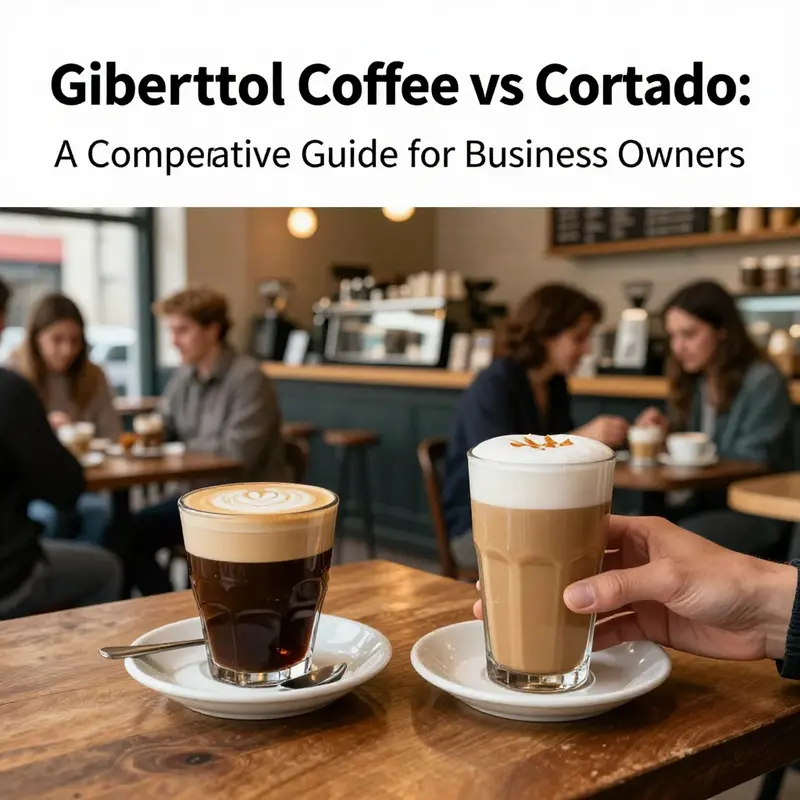
The coffee landscape is rich and diverse, with beverages like Gibraltar coffee and cortado rising to prominence. As business owners navigate the competitive coffee shop market, understanding the distinctions between these two espresso drinks can be instrumental in curating menu offerings that resonate with customers. This guide will delve into the origins, milk ratios, flavor profiles, and ideal serving contexts of Gibraltar coffee and cortado, providing vital insights for enhancing customer experience and expanding your beverage repertoire. Each chapter examines a specific aspect, ultimately equipping business owners with the knowledge to make informed choices in a vibrant coffee culture.
From Spain to the West Coast: Origins and Names Behind Gibraltar Coffee and Cortado
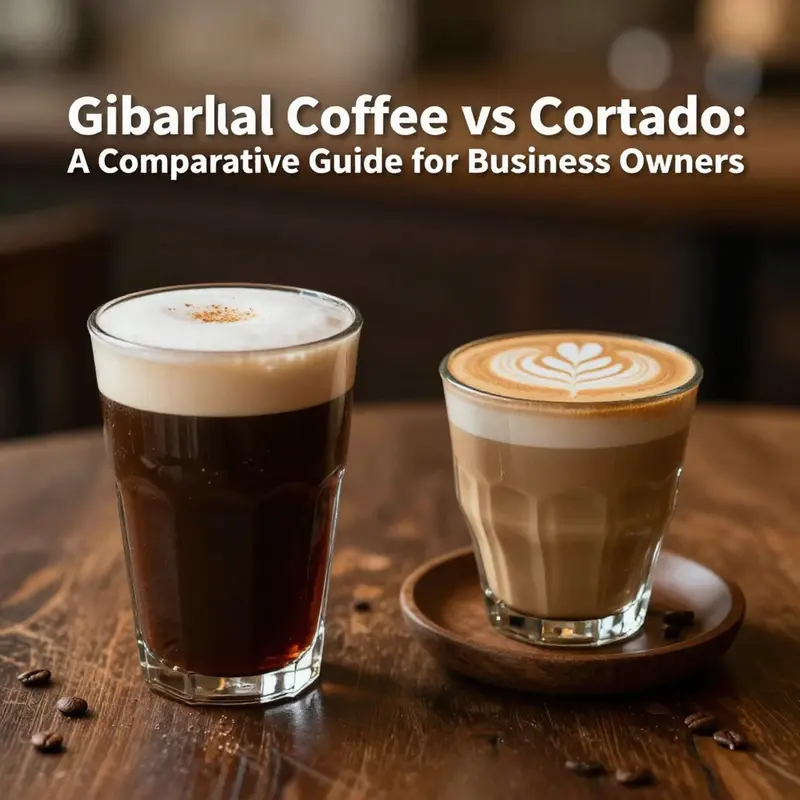
Two small beverages sit at the crossroads of espresso culture: Gibraltar and Cortado. Both begin with espresso and a touch of milk, yet they travel along different historical and regional lines, offering distinct rituals and glassware. This chapter traces their origins, names, and the subtle differences in proportion, texture, and perception.
Cortado has a name that comes from Spanish meaning cutting or slicing. It describes the drink’s function: to cut the espresso’s edge with milk while keeping the milk texture smooth and the coffee flavor clear. Cortado is traditionally served in a modest glass, often around 60 to 90 milliliters in capacity, with a roughly 1:1 ratio of espresso to milk, sometimes slightly milkier depending on cafe practice. The result is a balanced, approachable beverage that feels intimate and familiar in daily life across Spain and much of Latin America.
Gibraltar, by contrast, arose in the later, craft-focused wave of espresso culture on the West Coast. Its ascent is tied to a signature glass—the Gibraltar glass—that became emblematic of the drink in many specialty shops. The Gibraltar is a compact vessel, designed to hold roughly a little under five ounces, which shapes the drink’s eye-catching presentation: a bold espresso topped with only a touch of milk so much of the roast aroma remains front and center. Typical Gibraltar recipes call for a modest milk amount—often around 9 to 15 milliliters—producing a total volume near 4.5 ounces. The result is an espresso-forward drink with a light veil of dairy that maintains a crisp finish.
In practice, both drinks start with a double shot of espresso and a small dose of steamed milk, but their milk regimes and sensory goals diverge. Cortado emphasizes clarity of coffee flavor with a gentle, velvet texture that rounds off acidity. Gibraltar prioritizes the roast’s aroma and bitterness, using restrained milk to preserve intensity while softening the cup’s heat and crema.
Cortado’s naming and ritual speak to a tradition of intimate, everyday coffee moments, where the small glass and the balanced sip invite a pause in the day. Gibraltar’s name and presentation reflect a design-minded, branding-aware approach to coffee service, where the vessel and the story around it contribute to the tasting experience as much as the flavor itself.
These threads matter because they reveal how origin, equipment, and naming shape perception as much as taste. Cortado carries the memory of Iberian and Latin American cafe culture and its habit of tempering sharpness for daily enjoyment. Gibraltar embodies a modern craft ethos, where glassware, branding, and a carefully measured milk veil help define what the drink means in a contemporary coffee bar.
For a practical tasting approach, start with a Cortado if you want a clear but softly milked espresso experience. Move to a Gibraltar to test your palate’s response to a more espresso-forward profile with restrained dairy. Notice how the glass and milk amount affect aroma, mouthfeel, and finish, and how the drink evolves as it cools slightly. The exercise in contrast is less about right or wrong and more about how proportion, vessel, and routine shape your memory of the cup.
External reference for further context on the Gibraltar coffee phenomenon can be found here: https://sprudge.com/what-is-a-gibraltar-coffee/ .
等量背后的风味张力:Gibraltar 与 Cortado 的奶量与比例探析
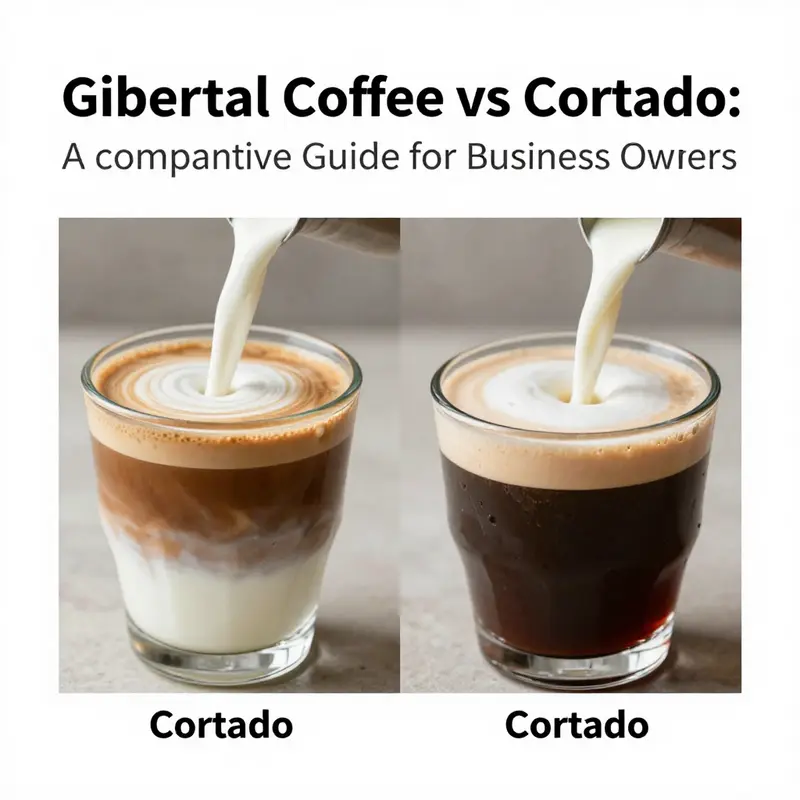
在口感的世界里,奶量与浓缩咖啡的比例往往不仅是数字,更是风味的调色盘。Gibraltar 与 Cortado 这两款小杯饮品,看似接近,实则在奶量、处理方式与口感目标上各自承担着不同的诉求。它们共同点是以少量奶来点亮咖啡的香气,但差异也来自奶的状态、加入时机及杯量的微妙差别。理解它们,需要从“牛奶的状态”出发,而非仅仅记住1:1的刻度。
从起源看,Gibraltar 的名字与容量有着湾区的历史印记。通常描述为4.5盎司左右,奶量极少,强调让咖啡的原始风味仍然清晰可闻。但不同地区的门店也会以1:1 或近似1:1 的呈现,奶量波动更大,这也揭示了区域风格与个人偏好对口感的影响。Cortado 来源于西班牙语“切开”,通过热牛奶“切开”浓缩咖啡,使苦味变得柔和,通常以1份浓缩对等量热牛奶,容量3–4盎司,且以微泡牛奶提升顺滑度。
在口感体验层面,Gibraltar 的奶量较少,往往保留更多咖啡的酸甜与香气轮廓,口感清晰而带有一定的清腔感;Cortado 的微泡牛奶则创造出更圆润、顺滑的口感,奶香与咖啡的酸苦在口腔中更容易融合。即使两者的杯量接近,牛奶的处理差异让口感的“厚重感”与“织密度”产生明显对比。
要在家中尝试复现,关键在于掌握牛奶的处理与比例。若追随 Gibraltar 的风格,可以使用两份浓缩咖啡配以约2盎司的蒸汽牛奶,让香气与口感保留咖啡主体;若追求 Cortado 的感觉,则以1:1 的比例搭配热牛奶并打出细腻微泡。温度控制也很关键,牛奶的设定在60–65摄氏度之间通常能实现较好的平衡。
最终,Gibraltar 与 Cortado 并非谁更强的对比,而是在同一饮品家族中的两种不同风味路径。理解它们的奶量、牛奶状态与加入时机,能帮助你在不同场景中做出更契合口味的选择。
Between the Gibraltar Glass and the Cortado Cup: A Deep Dive into Two Short Coffee Classics
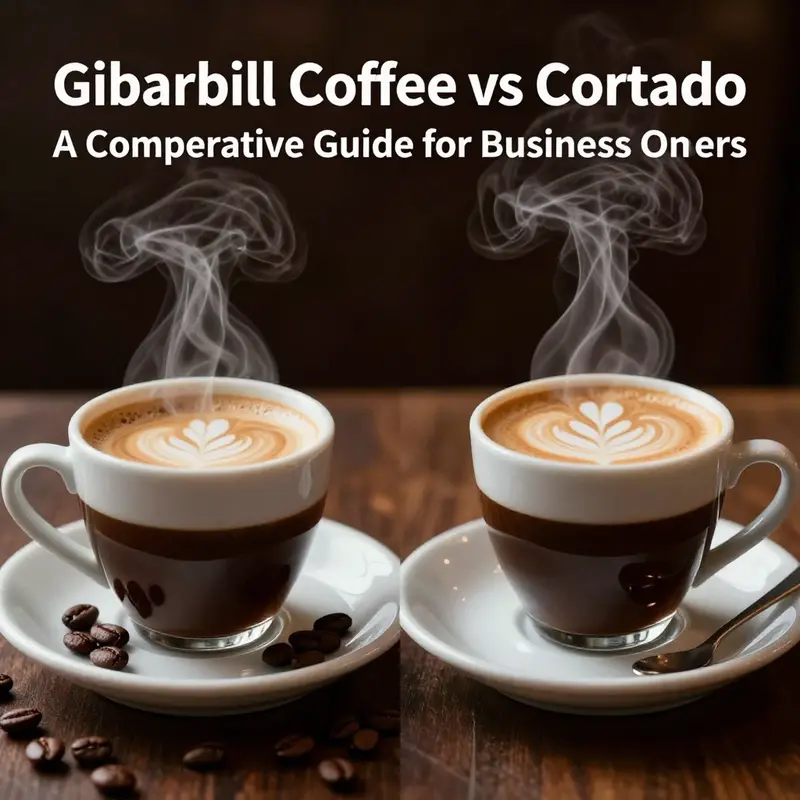
Two small coffees, two distinct stories. When you order a Gibraltar or a Cortado, you are not merely choosing a caffeine hit. You are selecting a way to hear the voice of the bean, a method that reveals aroma, acidity, sweetness, and texture through a carefully tuned dialogue between espresso and milk. In this chapter, we move beyond the easy surface comparison of strength versus creaminess to understand how the cup, the proportion, and the moment shape the experience. The dialogue between Gibraltar and Cortado is not simply a matter of nomenclature or size. It is a study in how a coffee moves from bean to cup, how heat and vessel influence perception, and how a few precise measurements can tilt the balance of flavor toward one characteristic or another. Read closely, and you will see that each drink is a pedagogical exercise in coffee craftsmanship, a small stage where the fundamental questions about coffee tasting—what is the dominant note, how does the sweetness come forward, where does acidity melt away—are answered in real time by the cup in your hand. For a concise side by side overview, you can refer to the Gibraltar coffee vs Cortado resource. Gibraltar coffee vs Cortado.
From the outset, the origins of these drinks set expectations. Cortado emerges from a long Iberian and Latin American tradition that favors a balance between the espresso and the milk component. The term cortado translates roughly to cut or pared down, signaling a deliberate softening of the espresso with milk so that the drink remains espresso forward but with a gentler bite. The Gibraltar story, by contrast, is rooted in the blue bottle of San Francisco and the clever use of a small, sturdy glass known as the Gibraltar glass. This vessel, with its compact footprint, narrows the moment in which heat and crema interact with milk. The result is a beverage that carries the soul of espresso but wears a modest cloak of milk to temper its edge. The origin narratives matter because they hint at the expectations around aroma, mouthfeel, and even the cadence of sipping. When a barista pours a Cortado, they are inviting a smoother, more seamless integration of milk and coffee. When a Gibraltar is poured, they invite a higher probability of catching the explicit perfume of the roast and the specific crispness of the crema with a more direct espresso undertone.
To understand the practical differences, a look at the proportions and vessels is illuminating. Cortado is typically a one to one ratio, a balanced blend of a standard espresso shot with an equal or slightly larger portion of steamed milk. The total volume sits around 3 to 4 ounces, closely hugging the boundaries of a compact, easy drink. In this arrangement, the milk serves as a gentle amplifier, lifting the sweetness and smoothing out the perceived acidity while leaving the backbone of the espresso intact. The texture tends to be velvety and cohesive, with the milk fat and microfoam delivering a creamy envelope around the coffee’s more volatile flavor notes. The Cortado rewards the drinker with a steady flow of flavor where fruit-forward acidity is tempered by the caramelized sweetness of milk and a familiar cocoa-dusted finish.
Gibraltar, by comparison, often relies on a double espresso foundation in a small glass that can range around 3.5 to 4.5 ounces in capacity depending on the café and the client’s preference. The milk added is modest, roughly a third to a half an ounce, just enough to soften the bite without diluting the intensity of the espresso. The effect is a drink whose character remains decisively espresso driven, yet it presents a refined softness that pulls the drinker toward the aromatic spectrum of the roast rather than toward milk sweetness alone. The Gibraltar is a study in restraint. It asks the barista to strike a precise balance where the crema sits just so, the espresso aroma is not overwhelmed, and the cooling slope is slow enough to reveal citrus zest, nutty tones, or chocolate hints that the roast already promised. The result is a cup that feels concentrated, a little sharp at first contact, and then resolutely smooth as the milk integrates with the coffee’s core.
This contrast in texture and aroma has a direct psychological effect on how a drink is perceived. The Cortado invites a gentler introduction; the first sip slides over the palate like satin, and the finish lingers with a little sweetness that suggests the presence of lactose or steams of milk. The Cortado also tends to mask some of the more volatile acids, so you notice the smoother side of the bean, often the chocolate and caramel notes, with a frame of light fruitiness that remains detectable but not aggressive. In the Gibraltar, the same origin notes can surface in a sharper, more angular form. You may catch a tang of citrus or a pop of roasted almond, and the texture remains distinctly toothsome. The mouthfeel is more compact, and the finish can be brisk, leaving a trace of espresso warmth that lingers in a way that invites another sip rather quickly. This is not to imply that one drink is better than the other; it is to acknowledge that their design nudges your palate in different directions and at different tempos.
Vessel choice matters in a surprising way. The Gibraltar glass is more than a vessel; it is a thermal instrument. The walls are typically thicker, and the architecture of the glass helps to hold heat longer as you drink. Heat retention matters because it modulates the evolution of aroma and the sweetness of the milk as it warms ever so slightly and blends with the espresso. The deeper nuance of the roast reveals itself as the drink cools, and the aroma shifts from sharp brightness to a subtler, more integrated bouquet. In other words, the glass itself becomes part of the tasting language. The Cortado, often served in a small ceramic cup or a glass that fits comfortably in the hand, emphasizes tactile comfort and approachability. The ceramic or glass fosters a slightly different comfort level: it can keep the drink cooler a touch longer, allowing a slower climb of sweetness and a mellower bitterness as the milk presents its own microfoam. The result is a smoother first impression, a mouthfeel that whispers rather than asserts.
Reading the flavor profile is an act of listening. Cortado flavors often arrive as a chorus of cocoa, toasted nuts, and a hint of caramel that is gently carried by the warmth and sweetness of the milk. The acidity is tempered, but not erased; it remains present as a soft counterpoint that prevents the drink from becoming merely a sweet, blind embrace of dairy. With Gibraltar, the flavor chorus tends toward the brighter and sharper side of the roast, because there is less milk to dampen the punch of the espresso. The aroma can be almost citrusy or reminiscent of toasted bread depending on the origin of the beans, with a certain edge that makes the finish feel crisp and clean. The milky undercurrent never disappears, but it plays a supporting role rather than taking center stage. If Cortado is the warm blanket, Gibraltar is the concise wind that carries you through the room with a brisk, satisfying breath of coffee.
In terms of acidity and sweetness, the two drinks walk slightly different lines. Cortado tends to show a balanced acidity that resolves quickly into sweetness. The milk acts as a bridge that smooths jagged edges, letting fruit notes appear in a more restrained way, often with chocolate and toast playing supporting roles. The sweetness feels natural and ready to be reciprocated with a bite of pastry or a bite of citrus rind. The Gibraltar, with its reduced milk footprint, lets acidity flash more vividly. You may notice a brighter lemon zest or a crisp green apple undercurrent if the roast is lively. The sweetness in a Gibraltar is more about the caramelized sugar that emerges as the drink sits in the cup and the heat remains high enough to coax sweetness from the bean rather than from added dairy. The aftertaste in a Gibraltar can be more persistent, a reminder of the crema and the clarity of the espresso shot you just tasted.
When you translate these sensory differences to daily routines, the choice becomes contextual. Cortado often finds itself as a companion for an afternoon refreshment or a midmorning ritual where you want sustenance without a sugar spike. Its balance makes it forgiving for many palates, including those new to the world of espresso. It invites a moment of pause, a chance to savor milk sweetness with a gentle espresso backbone. The Gibraltar, meanwhile, can feel like a morning wake-up call or a contemplative, short tasting session for the more experienced palate. It is a drink that rewards the curious—the person who wants to hear more of the roast, who wants to detect the origin notes and the roasting profile in a compact, intense package. The Gibraltar can be ideal when the goal is focus and immediacy, when you are ready to hear the espresso loud and clear, and when a small lift of milk is enough to soften the edges without surrendering the coffee’s character.
Beyond the café counter, the discussion about these drinks intersects with how we perceive coffee in the modern world. In many cafés, the choice between Gibraltar and Cortado has become less of a fixed rule and more of a personal inquiry. Baristas often adjust the milk microfoam and even the temperature to accommodate the drinker’s history with espresso. For a beginner, the Cortado might feel more approachable, a gentle introduction that does not overwhelm with espresso-driven intensity. For a seasoned coffee explorer, the Gibraltar can serve as a gateway to more nuanced roast profiles and origin notes, inviting a quick but meaningful exploration of flavor in a single small cup. Both drinks remind us that coffee is not a single flavor but a structured experience that changes with proportion, temperature, and the vessel used to deliver it.
The conversation about these beverages does not end at taste. It also touches on how they are integrated into different moments of the day and how they align with food pairings. Cortado pairs smoothly with a pastry that has a subtle sweetness, such as a buttery croissant or a light almond pastry. The milk’s presence gently echoes the pastry’s fat and sweetness while the espresso keeps the overall balance lively. A Gibraltar, with its stronger espresso voice, invites pairings that can stand up to more assertive flavors—nutty biscotti, darker chocolate, or a tart citrus pastry that can match the brightness of the coffee’s perception. The pairing logic, in short, mirrors the proportional logic of the drinks themselves: Cortado invites harmony, Gibraltar invites contrast.
In sum, the choice between a Gibraltar and a Cortado is a choice about how you want coffee to express itself in a given moment. If you seek a lucid expression of the roast and a cup that honors the espresso with minimal distraction, the Gibraltar is a clear candidate. If you desire a balanced, approachable, and easy drink that keeps the essence of espresso in view while offering a soft, creamy texture, the Cortado is the sensible path. Neither drink negates the other; each invites a slightly different sensory conversation that can reveal new dimensions of a familiar roasty profile. The magic lies not in finding a universal verdict but in learning how small adjustments in milk volume, cup size, and heat management can tilt the flavor map toward a sharper edge or a smoother horizon. And as you experiment, you may discover that your preferences shift with the season, the roast, or even the time of day, allowing you to switch between the two and hear in each cup the subtle weather of your palate.
For readers who want to revisit the side by side comparison with a concise label of what makes each drink behave differently, there is a resource that maps the core differences without losing the texture of the tasting experience. You can explore the Gibraltar coffee vs Cortado piece to anchor your understanding and to guide future tastings as you refine your own preferences.
External resource: For a deeper dive into the Gibraltar approach and the science behind how cup size and milk fraction influence flavor perception, you can consult Blue Bottle’s Gibraltar explanation and recipe guidance. https://www.bluebottlecoffee.com/recipes/gibraltar
在场景与时机之间:解码 Gibraltar 与 Cortado 的饮用情境与日常仪式
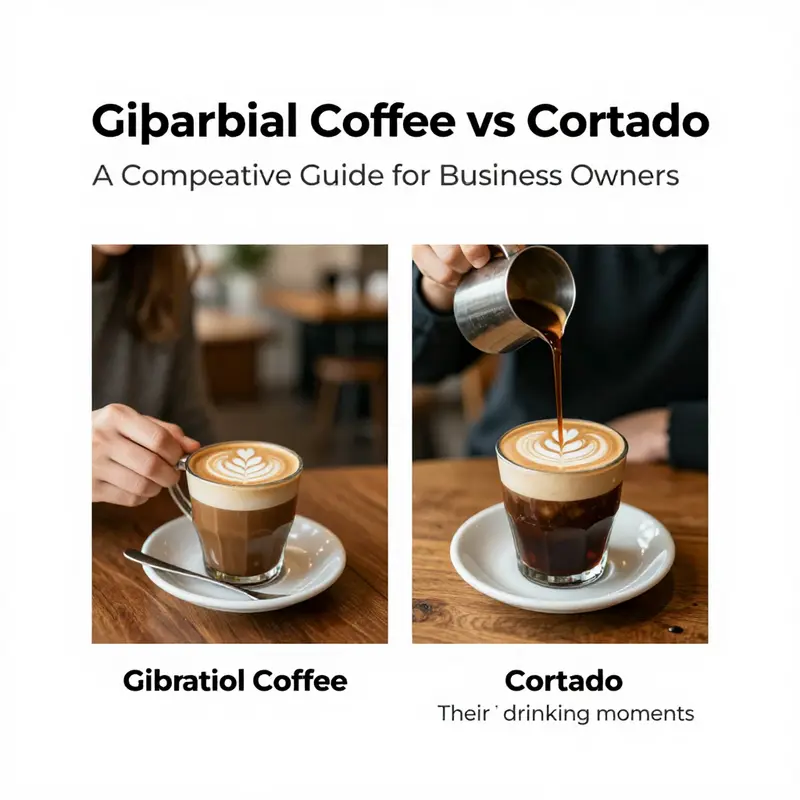
当你站在咖啡馆的吧台前,手心里还贴着清晨的凉意,桌上那杯看似相似的浓缩与微泡牛奶的组合,往往会在不经意间把情绪和日常的节奏拉回到不同的场景之中。Gibraltar 与 Cortado,作为两种以浓缩咖啡为骨架、以牛奶作点缀的饮品,外观确有相近之处,但在场景、时机与口感的微妙差异中,它们像两条并行的时间线,指引着你在不同的日子里选择不同的能量方式。
若把这两者放在同一张桌上,仿佛是在同一座城市的不同角落里,向你讲述同样的咖啡哲学:一条直指咖啡的原始强度,一条则以顺滑与平衡作回应。对许多咖啡爱好者来说,理解这两种饮品的差异,并不是仅仅记住配方比例,更是一种对场景的感知与对自我状态的回应。
在起源与名称的层面上,Gibraltar 的诞生带有一种街区式的卷入感。它的命名来自于使用的杯具——一个约133毫升的平底玻璃杯,外观简朴却极具视觉聚焦力。杯子的尺寸并不只是美学的选择,它决定了牛奶的拥挤程度与咖啡的暴露度:牛奶的量极少,更多的还是咖啡的香气与苦味被完整呈现。与之相比,Cortado 的命名来自于西班牙语中的“切开”之意,强调用热牛奶“切开”浓缩的苦味,使口感在香气中维持平衡与圆润。
两者的历史轨迹走向不同:Gibraltar 以极简的牛奶比例追求原汁原味的浓缩表达,像是一道直接的风味线;Cortado 则像是对风味的柔和降噪,借助奶香和微泡的温和来中和酸苦,带来更易入口的体验。为了避免混淆,我们将两者的基本结构作为对比框定:Gibraltar 通常是一份双份浓缩咖啡,加入约1/3至1/2盎司(约9–15毫升)的蒸汽牛奶,整杯大约4.5盎司(约133毫升),牛奶在其中的作用更像一个微小的调味剂,旨在削弱但不压制咖啡的冲击。Cortado 则以1:1的比例,或略多一点的热牛奶,与 Espresso 形成相对均衡的体量,通常总量控制在3–4盎司之间,使口感更柔顺、层次更清晰。
Final thoughts
As the coffee scene continues to evolve, distinguishing between beverages like Gibraltar coffee and cortado allows business owners to cater effectively to diverse customer preferences. While Gibraltar coffee shines with its bold, unadulterated espresso flavor, offering a purist experience, cortado presents a smoother and more accessible option that appeals to a broader audience. By incorporating both drinks into your menu, you can attract both seasoned coffee aficionados and newcomers alike, enhancing your establishment’s reputation and customer satisfaction. Consider these insights carefully as they can shape the culinary experience that your coffee business aims to deliver.