
Understanding caffeine content in energy drinks is pivotal for business owners, particularly in the growing health-focused market. Ghost Energy Drinks contain 200mg of natural caffeine per 16oz can, derived from coffee beans, offering a smooth energy boost without the jitters often associated with other brands. This article will delve into the precise caffeine content of Ghost Energy Drinks, compare it to leading competitors, explore the benefits of this caffeine level on performance, and analyze consumer trends towards health-conscious energy options.
200 Milligrams in a 16-Ounce Energy Drink: What It Means
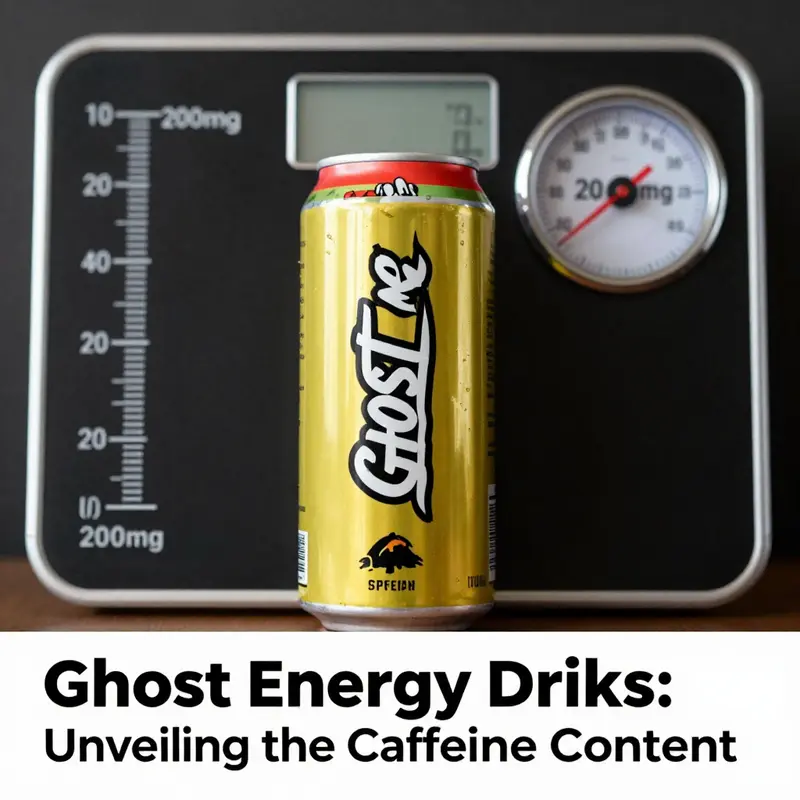
Caffeine content is a measurable part of how an energy drink positions itself in daily routines. A 16-ounce can with 200 milligrams of caffeine, sourced from coffee beans, sits in a middle range that many consumers associate with steady focus rather than a sharp spike. This amount is typically higher than many 12-ounce cans but lower than some high-dose products, and it invites readers to consider total daily caffeine exposure rather than a single dose. For context, a typical 8-ounce cup of brewed coffee often contains around 80 to 100 milligrams, so a 16-ounce can with 200 milligrams is roughly equivalent to two strong cups or more in a single serving, depending on brewing method. The natural source can contribute to a smoother perceived onset for some people, though individual tolerance, medication interactions, and sleep patterns greatly influence effects. When evaluating such a product, it’s helpful to think about timing across the day, potential cumulative intake, and personal sensitivity. The goal is mindful consumption aligned with daily activities, whether studying, working, or commuting. For further context on caffeine doses in the market, see external references such as https://www.amazon.com/dp/B0B9YQXZ5W.
Power Per Can: Measuring Caffeine in the Ghost-Branded Energy Drink Against Industry Standards
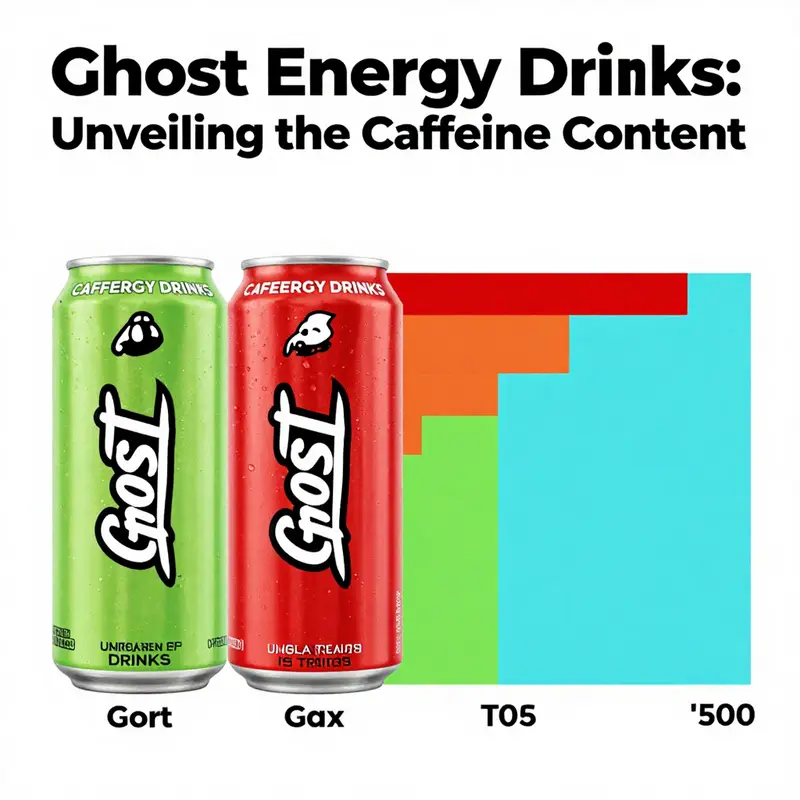
Caffeine has become the quiet meter by which energy drinks are judged, a numerical heartbeat that consumers read before ever lifting a can. In the product studied here, the brand in question delivers about 200 milligrams of natural caffeine in a 16-ounce can, a figure that sits at the higher end of mainstream offerings without drifting into the realm of outliers. What makes this 200 mg per can meaningful is less the number in isolation and more how it translates to the experience the label promises: a smooth, alert energy that avoids the jitters and anxious buzz that sometimes accompanies high-dose formulations. The caffeine here is described as sourced from coffee beans, a detail that matters to customers who are increasingly drawn to natural or cleaner ingredient profiles. In a crowded field where taste, ingredients, and perceived purity all sway purchasing decisions, the caffeine level becomes a signal of both potency and intent.
To place this in context, it helps to look at how other leading brands structure their caffeine payloads in similarly sized servings. The most widely available benchmark in the landscape is a compact can around 8.3 ounces that carries roughly 80 milligrams of caffeine. This lower-dose option has become a common baseline for brands positioning themselves as approachable and less aggressive on the stimulant front. The effect is a glassier, more repeatable energy profile that can be consumed earlier in the day or in combination with other beverages without stacking too heavily on caffeine at once. In contrast, two other stalwarts in the market typically present about 160 milligrams of caffeine in a 16-ounce serving. That figure sits squarely between the lower-dose option and the higher-end product, offering a robust lift without tipping toward overstimulation for most adults. The result in practical terms is a spectrum: from a mild, coffee-like lift to a pronounced, sustained alertness that fans of longer work sessions or extended activity find appealing. The numbers do not exist in a vacuum; they map onto real user experiences, and the psychology of energy drink consumption often hinges on this alignment between dosage and perceived effects.
This particular 200 mg per can position the brand as a high-point option within the standard 16-ounce format, yet not an outlier when viewed against the broader market. In plain terms, you can think of it as roughly equivalent to consuming about four cups of brewed coffee, a framing that has a certain persuasive resonance for readers who want a familiar reference point. It’s a comparison that helps translate milligrams into everyday behavior, especially for those who measure their caffeine in cups rather than capsules or cans. At the same time, the same can stands in contrast to a typical 12-ounce soda, where caffeine is often present but at a significantly reduced level—roughly a third of the energy-boosting punch found in the 16-ounce option under discussion. The takeaway is not merely a tally of milligrams but a narrative about how much energy the can is likely to deliver in a single sitting.
A noteworthy dimension of the product’s appeal is its claim of a clean ingredient profile and the absence of added sugar. In an era when consumers scrutinize labels for both artificial additives and the total sugar load, these attributes carry weight. The caffeine is framed as natural, derived from coffee beans, which aligns with a broader consumer preference for familiar, recognizable sources rather than synthetic substitutes. This branding choice — to emphasize natural caffeine alongside a sugar-free formula — contributes to a perception of balance: a strong lift that feels more controlled and approachable, rather than abrupt or chemically engineered. For readers who are balancing taste, health considerations, and performance, the combination of high caffeine content with a clean, straightforward ingredient list can be persuasive. The interest, then, extends beyond the pure math of mg per serving to how the entire formulation shapes the user experience.
Yet any discussion of caffeine is incomplete without acknowledging safety considerations and daily intake guidelines. Health professionals commonly reference a practical daily ceiling of around 400 milligrams of caffeine for most healthy adults. This benchmark provides a working guardrail to avoid adverse effects such as anxiety, insomnia, rapid heart rate, or gastrointestinal discomfort. The particular can under review, at 200 mg per serving, comfortably sits within that ceiling when consumed once daily. It becomes more consequential when people contemplate multiple servings in a day or pair such a can with other caffeine sources like coffee, tea, or caffeinated beverages. In other words, the quality of the experience matters as much as the quantity. The very fact that the energy drink relies on natural caffeine sources may influence consumer confidence, but it does not exempt the user from prudent dosing. In this context, the line between a productive boost and an uncomfortable overstep can hinge on individual sensitivity, sleep patterns, and overall caffeine tolerance.
From a regulatory and consumer guidance perspective, it is important to note that there is no universal legal cap on caffeine content in energy drinks enforced by the U.S. Food and Drug Administration. The agency has emphasized consumer education and responsible use rather than imposing a fixed limit across all products. This regulatory reality places greater responsibility on manufacturers to provide transparent labeling and on consumers to monitor their own intake relative to other daily caffeine sources. The American Heart Association and other health bodies consistently urge moderation and mindful consumption, especially for individuals with heart rate issues, anxiety disorders, or sleep disturbances. The practical implication for readers is straightforward: a high-caffeine can may deliver an impressive lift, but the total daily caffeine load matters just as much as the per-can amount. For a deeper dive into how these insights translate to policy and consumer protection, see the FDA resource on caffeine in energy drinks. And for those seeking a direct, consumer-friendly breakdown of the caffeine content in the Ghost-branded energy drink, a related resource provides a focused look at the per-serving figure and its sources. how-much-caffeine-in-ghost-energy-have
For readers who want a more concrete sense of how this product benchmarks against the wider set of options, a careful accounting of per-serving caffeine across the market helps. In the structure described here, the high-end option delivers a full 200 mg in a 16-ounce can, which translates into about 12.5 mg per ounce. The 8.3-ounce, 80 mg baseline option averages roughly 9.6 mg per ounce, a distinction that underscores the dose strategy of different brands. The 160 mg variants, whether in a 16-ounce can or a similarly sized formulation, yield roughly 10 mg per ounce. The difference in dosing strategies reflects brand positioning as much as chemical composition. Some brands lean toward a tighter caffeine punch per ounce, trading a lower total for the perception of a more immediate, shorter-lived lift. Others push higher totals per can in the belief that a larger dose in one sitting aligns with long periods of cognitive work or physical activity. The ghost-branded product, by virtue of its 200 mg figure, tends to straddle these positions: it offers a robust punch without resorting to staggered dosing over multiple servings, which can complicate daily caffeine accounting for busy consumers.
Beyond the arithmetic, there is a sensory and experiential story to tell. A smooth energy profile, free from jitters, invites people to trust the product as a consistent ally for concentration, study, or endurance tasks. The emphasis on natural caffeine sources feeds into a broader cultural trend that equates clean ingredients with dependable performance. This alignment matters because consumers increasingly translate value not just into what a product does, but how it feels while it does it. The careful balance between potency and tolerability is the real test of whether a higher-caffeine formulation earns long-term loyalty. When a single can promises clear alertness with minimal discomfort, it creates a favorable impression that can influence how a user experiences the rest of the day — moments of focus, a smoother afternoon, or the ability to sustain effort through an important assignment or workout.
In the end, the numbers lie beneath the surface of consumer perception. The 200 mg per can figure is not merely a statistic; it is a signal about the product’s intended role in a consumer’s daily rhythm. For some, that role is as a reliable cognitive enhancer during long study sessions or work sprints. For others, it becomes a way to maintain energy during physically demanding activities without sugar crashes or a heavy aftertaste. The clean ingredient claim reinforces the perception of a more straightforward, less distracting energy experience, which matters to people who prefer minimalist labels and straightforward benefits. The market, in turn, responds to these preferences by offering a spectrum: some formulations push the dose higher still, while others emphasize flavor, convenience, or lower total caffeine exposure per serving. The Ghost-branded option discussed here stands at a crossroads that many caffeine-conscious consumers navigate daily — the choice between a strong, clear lift and a manageable, predictable daily rhythm.
For readers who want to explore the topic further, the accompanying resources provide a broader lens on caffeine content in popular energy drinks and how those figures compare across brands. A key external reference offers a regulatory and safety overview that helps readers interpret the numbers in the context of health recommendations and policy. As with any stimulant, the guidance remains consistent: know your limits, track your total daily caffeine intake, and pay attention to how individual products interact with your own physiology and daily routines. The 200 mg per can standard is a strong signal of intent from the brand, but it is not a universal directive for how you should consume caffeine. It is, rather, one data point among many to consider when building a personal energy strategy.
External resource and regulatory context: For a broader regulatory overview, see the FDA resource on caffeine in energy drinks: https://www.fda.gov/food/food-additives-petitions/caffeine-ingredients-are-energy-drinks. This context complements the detailed comparison across brands and serves as a reminder that consumer education remains essential when navigating a market that now prices energy in milligrams per serving while inviting users to craft their own daily caffeine narrative.
Caffeine by the Can: Unpacking Ghost Energy’s 150 mg Boost and Its Role in Focus, Endurance, and Performance
Caffeine sits quietly at the edge of everyday life, a familiar stimulant that many reach for with meals, during study sessions, or before a workout. When we turn to a modern energy beverage, the question is not just whether caffeine is present, but how much and how it feels in the body. In the case of a 16-ounce can from a popular energy line, the label declares a precise amount: 150 milligrams of caffeine, derived from natural sources such as coffee beans. This figure is more than a number on a nutrition panel; it is a benchmark that shapes how the drink performs, who should use it, and when it should be consumed for best effect. The 150 mg dose sits within a wider conversation about caffeine’s capacity to sharpen attention, sustain performance, and support practical daily goals without tipping into discomfort for most people. To understand what that means in practice, it helps to follow the thread from the moment the beverage is opened to the quiet hours that follow, when the afterglow of alertness begins to wane and the body recalibrates. The story of this 150 mg dose is, at its core, a story about balance: enough stimulus to feel lucid and capable, but not so much that it undermines sleep, digestion, or mood. And because the caffeine in this drink is described as natural, many who are mindful of ingredient quality and sourcing look at this option as a cleaner, simpler energy choice in a crowded market.
The mechanism through which caffeine exerts its effects is well established. Caffeine operates primarily by blocking adenosine receptors in the brain. Adenosine is the body’s built-in signal of fatigue; when it is blocked, the sensation of tiredness recedes and wakefulness rises. The onset of effects typically begins somewhere in the range of 15 to 45 minutes after ingestion and can last roughly 3 to 5 hours, depending on individual metabolism, tolerance, and concurrent caffeine intake from other sources. It is this window that makes a 150 mg serving particularly versatile: for a morning study block, a mid-afternoon work sprint, or a pre-workout routine, the timing aligns with common daily rhythms. It is not merely a matter of having energy; it is about having a reliable surge of mental clarity and physical readiness that comes on without a parade of jitters or a rapid crash when the caffeine wears off.
To place the 150 mg dose in context, consider how caffeine contributes to both cognitive and physical performance. The stimulant’s central nervous system activation is a primary driver of improved focus, quicker reaction times, and greater sustained attention during tedious tasks. For activities that require deliberate focus—such as studying, problem solving, or long drives—the ability to maintain a steady level of alertness can be more valuable than a sharp, short-lived spike in energy. In athletic or fitness contexts, caffeine is frequently associated with improvements in endurance and muscular efficiency. The literature often highlights that caffeine can increase fat oxidation and spare glycogen during endurance efforts, factors that can translate into longer comfortable performance across various sports. The practical takeaway is that with a 150 mg dose, the body receives a measured nudge that supports both mental and physical tasks that demand steady output over extended periods.
The relationship between dose and performance is nuanced, however. A dose in the range of 3 to 6 milligrams per kilogram of body weight, taken about an hour before exercise, has repeatedly shown performance benefits in studies spanning aerobic and anaerobic activities. For an average adult, that yields a broad range that includes and often surpasses the 150 mg mark for smaller individuals, while still being within safe daily limits for many. When a drink provides 150 mg in a single can, it becomes an option that can be matched to personal tolerance—sufficient to support focus and energy, yet not so excessive that it nudges heart rate into uncomfortable territory or disrupts sleep later in the day. The key is balance and awareness: recognizing how caffeine affects one’s own physiology and adjusting consumption accordingly.
From a consumer perspective, the 150 mg figure carries marketing as well as science. Some eyes are drawn to the notion of “natural caffeine” sourced from coffee beans as a differentiator from synthetic caffeine. In practice, the source matters less to most end users than the felt experience: the drink should feel smooth, predictable, and clean, delivering alertness without the charged anxiety or jitteriness that can accompany other caffeinated beverages. For individuals who are sensitive to caffeine or who experience anxiety with stimulants, this distinction can be meaningful. The overall experience—calm focus, improved clarity, and steady energy—often emerges when caffeine is paired with precise dosing and mindful consumption habits. The company behind the product positions its formulation as aligning with clean-label expectations, a detail that resonates with health-conscious consumers seeking simplicity and reliability in their daily routines.
Yet the numbers tell a cautionary story that should not be forgotten. A single 16-ounce can containing 150 mg sits well within the commonly cited safe upper limit of about 400 mg of caffeine per day for the average healthy adult. That said, caffeine sensitivity varies widely. Someone who metabolizes caffeine slowly, has anxiety disorders, or manages cardiovascular conditions may encounter side effects even at moderate doses. Jitteriness, an elevated heart rate, insomnia, or digestive discomfort can appear when caffeine crosses personal thresholds, especially if multiple caffeinated products are consumed in a short time, or if the drink is taken late in the day. These considerations are essential when planning caffeine use around work, study, or athletic training. They are a reminder that numbers on a label do not replace self-awareness in daily practice.
The label’s explicit caffeine content also invites readers to think about timing and context. For a morning start, a 150 mg can can be part of a routine that includes hydration, protein or fiber-rich foods, and light activity to support nutrient absorption and slower absorption of caffeine. Consuming caffeine on an empty stomach can intensify feelings of nausea in some individuals, making the experience less comfortable and potentially dampening the long-term benefits of improved alertness. Conversely, pairing caffeine with a small, balanced meal or a snack can smooth energy delivery and help prevent a mid-morning crash. Hydration matters too. Caffeine has mild diuretic properties in some people, and maintaining fluid balance supports both cognitive performance and physical comfort during and after activity. These practical notes may seem modest, but they have a real impact on how effective a 150 mg dose feels in real life.
A broader conversation surrounds the sourcing of the caffeine itself. The appeal of natural caffeine goes beyond marketing; it is part of a larger consumer shift toward perceived purity and simplicity. When a beverage touts natural caffeine sourced from coffee beans, it aligns with a broader preference for ingredients that are familiar and traceable. In a marketplace crowded with flavor variants and proprietary blends, clarity about caffeine’s origin can matter a great deal to customers who read labels closely and value a straightforward energy profile. In this way, the 150 mg dose is not just a pharmacological figure; it is a reference point that helps readers compare options with their own health goals, workout schedules, and study plans.
Within the broader landscape of caffeinated beverages, 150 mg per can is often viewed as a middle ground. It provides sufficient stimulus for many users without pushing the upper limits that call for more cautious consumption. Some readers may recall reports of higher caffeine content in similar products, and it is reasonable to approach such claims with verification from the nutrition label. The conversation about these numbers is not merely about the science; it is about everyday choices. It is about how people structure their days around work, study, family responsibilities, and exercise. It is about the moment when a cup of coffee would be too much but a single can of a ready-to-drink option feels just right. In this sense, the 150 mg dose can be seen as a practical tool—a reliably effective stimulant that fits neatly into a modern routine, providing the mental legibility to navigate tasks and the physical energy to sustain movement when it matters most.
For readers who want to explore more about the product and its official labeling, a quick read of the brand’s page offers the exact caffeine figure, the source description, and the broader ingredient panel. This internal source corroborates the 150 mg per 16 oz serving and emphasizes a natural caffeine profile tied to coffee bean extracts. If you are curious about how this product positions itself within the nutrition-focused segment of energy beverages, the official product page can serve as a starting point for understanding not just caffeine content, but the balance of flavor, ingredients, and consumer messaging. And for those who want a quick connection to more informal discussions about caffeine in similar drinks, there is a related collection of articles that dives into comparative caffeine content across beverages, including studies on how caffeine performs in various contexts, from study environments to athletic settings. For readers who prefer an integrated view of the topic, an internal link can provide a concise, user-friendly bridge to a dedicated discussion on this exact product line: Ghost energy drinks.
In sum, the 150 mg caffeine figure in a 16-ounce can offers a balanced option that supports alertness, focus, and performance without the jittery edge often associated with higher-dose beverages. The timing window aligns with common daily activities, providing a dependable signal of readiness for tasks that require sustained attention or a sustained energy push before a workout. It is not a universal solution, but for many people, it is a reliable, moderate-dose choice that fits neatly into a broader strategy of mindful caffeine use. As with any stimulant, the key lies in listening to one’s body, planning around individual sleep cycles, and coordinating with other sources of caffeine to avoid cumulative effects that can undermine comfort and long-term well-being. External resources and the official labeling reinforce the central takeaway: a moderate, natural caffeine dose can be a practical ally for focus and performance when used thoughtfully and in consideration of personal tolerance and daily rhythm.
External resource: https://www.ghostenergy.com/products/ghost-energy-drink
Balanced Buzz: Understanding the 200 mg Caffeine in a Health-Aware Energy Drink Landscape
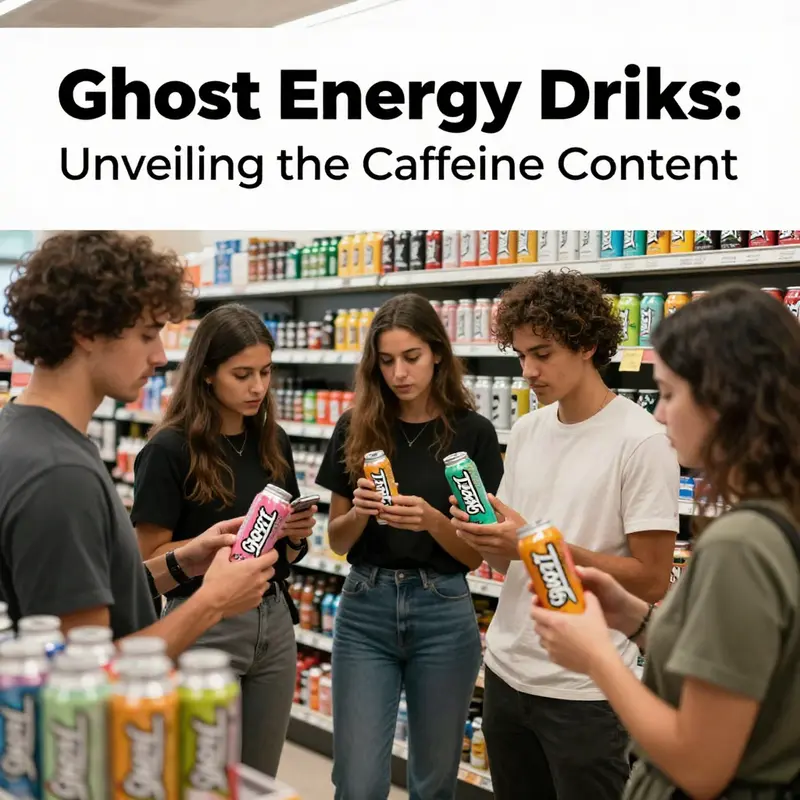
Caffeine sits at a crossroads in the modern beverage aisle. It is both a trusted tool for focus and a potential source of disruption when used without care. The energy drink in question contains 200 milligrams of caffeine in a single 16-ounce can, a figure that sits squarely in the high end of what many consumers consider a reasonable amount for a daytime pick-me-up. The caffeine is described as natural, sourced from coffee beans, a detail that resonates with health-minded shoppers who look for cleaner, more transparent ingredients. This sourcing angle adds a layer of reassurance for those who want energy without a heavy, chemically framed label. Yet the practical reality remains that a 200 mg dose in one sitting is substantial enough to influence how people think about their daily caffeine strategy, particularly when framed against broader wellness goals and long-term habits.
To understand the implications, it helps to anchor the discussion in a widely recognized benchmark: most healthy adults are generally advised to limit caffeine to about 400 milligrams per day. That daily ceiling aims to balance a boost in alertness and performance with a tolerance for side effects like jitteriness, anxiety, or sleep disturbances. In this light, one can represents roughly half of a commonly cited daily limit, depending on how many other caffeine sources a person consumes. The math is simple, but the behavioral implications are more nuanced. A single can can be a deliberate, strategic choice—the momentary energy boost you reach for when concentration flags, the late-afternoon lift that keeps a task from stalling, or the social cue that marks a break in the routine. The real question, then, is not just what the caffeine content is, but how the content fits into a larger pattern of daily consumption and personal tolerance.
The appeal of natural caffeine from coffee beans is not incidental. In a marketplace crowded with synthetic-sounding blends and concentrated energy shots, clean labeling and a perception of simplicity can become a differentiator. For health-conscious consumers, the idea that caffeine comes from a familiar plant source can translate into greater trust—less ambiguity about what they are ingesting, and a clearer sense of how it might interact with their body. This backdrop helps explain why some buyers gravitate toward beverages with higher caffeine counts, even as they remind themselves to stay mindful of total daily intake. The story, in this sense, is about balance: the energy you gain from a drink like this is real, but so is the responsibility to manage how that energy accumulates throughout the day.
From a physiological perspective, 200 milligrams is enough to influence wakefulness, reaction time, and subjective feelings of steadiness in mood and energy. It is not a catastrophic dose, but it is not a negligible one either. The effect depends on a constellation of factors: how recently you’ve eaten, your overall hydration, your baseline caffeine tolerance, and what other stimulants or medications you might be using. People who regularly sip coffee or tea may find the jump from their usual intake to a 200 mg can manageable, while those with lower tolerance or irregular caffeine patterns could notice stronger effects, including sleep disruption if consumed later in the day. The practical takeaway is that a high-caffeine option can perform as a reliable tool for focus, yet it invites similar caution as other potent stimulants when consumed without attention to timing and cumulative load.
Health-awareness conversations around this level of caffeine inevitably surface concerns about sleep. Insomnia and restless sleep are among the most common issues linked to high caffeine exposure, especially when caffeine finds its way into the late afternoon or evening routine. For some individuals, even a mid-morning dose can reverberate into trouble at night, particularly if sleep patterns are already fragile or if caffeine sensitivity is pronounced. The same 200 mg dose can accelerate heart rate in some people, contributing to a sensation of heightened arousal that, while useful for focus, can feel uneasy if it crosses into discomfort or anxiety. Digestive symptoms—such as stomach upset or acid reflux—have also been reported by some caffeine users, especially when caffeine products are consumed without food or in close proximity to meals. In short, the same drink that sharpens attention can also tilt the balance toward unsettled physiology for a subset of consumers.
Despite these cautions, there is a spectrum of potential benefits associated with moderate caffeine intake, benefits that keep caffeine at the center of many wellness conversations. A growing body of observational research has suggested that regular, moderate caffeine consumption may be associated with a lower risk of certain neurodegenerative conditions, such as Alzheimer’s disease and some forms of dementia. The mechanisms behind these associations are not fully settled, and researchers emphasize that benefits are typically linked to moderate patterns of intake rather than extreme doses. The high-dose context of energy drinks complicates that narrative. The question becomes not whether caffeine can be beneficial, but whether a single high-dose can reliably deliver those benefits without crossing into a threshold where risks escalate or benefits plateau. In that sense, the energy drink in question embodies a paradox common to caffeinated products: the same element that sharpens the mind when used wisely can contribute to discomfort or anxiety when used indiscriminately.
Public health professionals have been vocal about approaching high-caffeine products with caution. The consensus in many expert circles is not to demonize caffeine but to advocate for balanced usage and diversified sources. A beverage that delivers a concentrated dose in a single unit can be an effective tool for a targeted need—fighting fatigue during a long drive, for example, or delivering a quick lift during a demanding work session. Yet health experts also stress that relying on high-caffeine drinks as daily stimulation can erode sleep, increase tolerance, and foster a cycle of dependence that ends up requiring even higher doses for the same effect. The recommendation, therefore, often leans toward variety and moderation: rotating between caffeinated and non-caffeinated routines, choosing lower-dose options when appropriate, and aligning caffeine timing with circadian rhythms to minimize sleep disruption.
This tension between immediate benefits and longer-term health considerations underlines a broader consumer trend. Wellness-conscious shoppers increasingly scrutinize how a product fits within a holistic lifestyle. They ask questions about total daily caffeine intake, not just the caffeine per serving. They consider how caffeine interacts with food, hydration, exercise, and sleep. They weigh the appeal of natural sourcing against the realities of potency and timing. They seek transparency about ingredient quality, the reliability of label claims, and the credibility of health messaging. In this environment, a high-caffeine energy drink becomes a signal of a broader attitude: a readiness to optimize performance and mood within a framework that values long-term well-being and responsible consumption.
For readers navigating this landscape, a few practical takeaways emerge. First, it helps to track caffeine intake across all sources. A single can might represent half of a daily limit, but many people also drink coffee or tea, take caffeinated supplements, or enjoy chocolate products throughout the day. The cumulative effect matters more than any one source. Second, consider timing as part of the strategy. If a late-afternoon energy boost is necessary, opting for a lower-dose alternative or ensuring a substantial meal beforehand can help mitigate sleep disruption and stomach discomfort. Third, listen to the body’s signals. If you notice anxiety, heart palpitations, or unsettled sleep after consuming caffeinated products, it may be a sign to adjust your pattern or choose non-caffeinated days. Finally, embrace a varied approach to energy that prioritizes sleep quality, hydration, and regular exercise. Caffeine is a tool, not a substitute for healthy routines.
The ongoing conversation around caffeine in energy drinks also intersects with broader labeling and consumer-education efforts. Clean labeling that clearly communicates caffeine content and its sources reassures health-minded buyers and supports informed decisions. The narrative here is not simply about a single product or a single dose; it is about how people can harmonize their daily caffeine intake with wellness goals in a way that respects individual differences in tolerance and responsiveness. The caffeine content in this particular drink is a salient data point in a wider map of consumer choices. It highlights how potency, timing, and personal health context combine to shape the overall experience of energy-boosting products. As readers move through the rest of the article, they will encounter continued examination of how such products fit into the evolving expectations of health-aware consumers and how policymakers, scientists, and marketers alike respond to that demand for balance and clarity.
In closing, the chapter invites a nuanced view of high-caffeine options in a health-aware era. A 16-ounce can delivering 200 milligrams of natural caffeine is not simply a number; it is a signal about how people choose to fuel performance and mood within a broader commitment to wellness. The real value lies in recognizing personal tolerance, managing total daily intake, and pairing energy-boosting choices with sleep, nutrition, and activity patterns that reinforce long-term vitality. The landscape is not about avoiding caffeine but about deploying it thoughtfully. For some, that means a carefully timed can on a challenging day; for others, it means a more varied caffeine portfolio that blends coffee, tea, and smaller-energy formats with regular rest. Either path honors the central idea: caffeine is a powerful ally when used with awareness, and a potentially disruptive force when used without regard to the body’s signals and the rhythms of daily life.
External reference for readers seeking evidence-based guidelines on safe caffeine levels can be found here: https://www.healthline.com/health/food-nutrition/how-much-caffeine-is-too-much
Final thoughts
The 200mg of natural caffeine in Ghost Energy Drinks positions it favorably in the competitive energy drink market, appealing to health-conscious consumers seeking cleaner energy sources. Understanding this caffeine content not only aids in product selection for businesses but also aligns with growing trends towards health and wellness. Business owners can leverage these insights to tailor offerings that resonate with their target audience, fostering trust and loyalty amidst a discerning consumer base.