

Keeping your BUNN coffee maker clean is crucial for delivering great coffee consistently, especially in a business environment where quality matters most. This comprehensive guide will take you through effective methods to clean both the internal components and external surfaces of your coffee maker. In doing so, you will learn how to use vinegar as well as alternative solutions, maintain optimal performance through regular upkeep, and understand the importance of cleanliness for your equipment’s lifespan. Each chapter builds upon the last to equip you with the knowledge to uphold excellence in your coffee service.
null
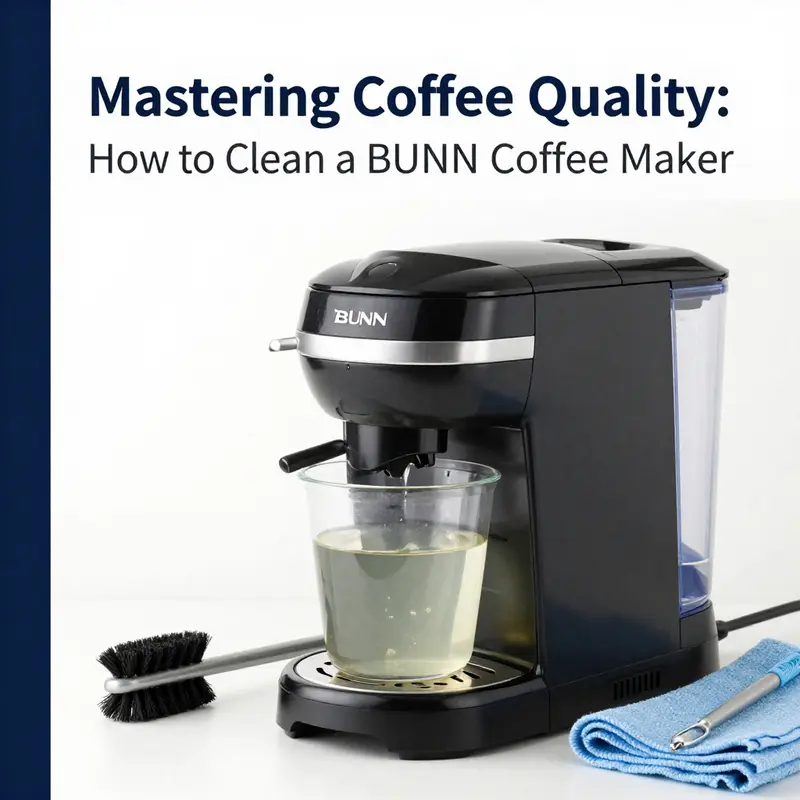
null
Polishing the Exterior and Carafe: A Gentle, Thorough Clean for Your BUNN Coffee Maker

Cleaning a BUNN coffee maker’s exterior and carafe may seem straightforward, yet it deserves a steady, deliberate rhythm that protects the machine while preserving the coffee’s clarity of taste. The goal is not just to wipe away spills but to create a welcoming, hygienic space for every morning ritual. Start with safety in mind. Unplug the unit before you touch any surface. This simple step keeps you safe and prevents accidental cycles while you clean. With the power off, you can approach the exterior with calm assurance, knowing that you won’t disrupt internal components or cause water to find its way into sensitive electronics.
Wipe down the exterior with a soft, clean cloth dampened in warm water and a dab of mild dish soap. The cloth should be just lightly soapy; heavy cleaners or scouring pads can scratch finishes, dull plastics, or loosen buttons. Work methodically around the housing, paying special attention to the control panel area, the drip tray, and the base where coffee dust and drips tend to accumulate after a busy morning. Those little splashes aren’t just unsightly; they can harbor oils that eventually foul future mornings if left to dry and harden. After you’ve wiped the surface, rinse the cloth in clean water and go over the machine again to remove any soapy residue. A dry microfiber cloth is then used to buff the surface, producing a gleam that’s not only visual but also helps prevent water spots from forming as the unit dries.
If you want a hint of brightness and a faint citrus note, a few drops of lemon juice can be added to the cleaning water. The lemon cut through grease and leaves the exterior smelling fresh as it dries. This small aromatic detail can make the cleaning feel less like maintenance and more like a ritual of renewal, reinforcing a positive association with your morning coffee. As you wipe, you may notice fingerprint smudges around the lid, the front edge of the carafe area, and the control panel. These spaces catch oils from fingers and steam, so a deliberate pass with the damp cloth followed by a dry wipe can restore the machine’s original luster without abrading finishes.
The external care you give the machine also supports the long life of the finish. Avoid abrasive cleaners, bleach, or solvents that may break down coatings, especially on plastic surfaces that can become cloudy with heavy scrubbing. A light touch and patience matter more than brute scrubbing power. If your model includes a removable drip tray, take it out and wash it separately with warm water and mild soap. Dry it completely before sliding it back into place. This approach not only prevents water buildup but also ensures that the drip tray won’t retain odors or stains that could transfer to freshly brewed coffee.
Beyond the immediate surface care, consider the area around the brew head and base. Spilled coffee can creep into crevices and corners where a damp cloth alone can’t reach. In these moments, a soft brush or a pipe cleaner can be used gently to dislodge residue. The aim is not to dismantle anything but to restore access to corners where grime tends to accumulate. A well-kept exterior, in turn, can influence how you perceive the act of brewing. When the machine looks clean, you’re nudged toward cleaner habits and, often, a cleaner kitchen rhythm overall. For readers exploring broader routines and philosophies around cleaning and daily life, a practical, thoughtful resource on everyday rituals is available at coffee-rich-life.
Carrying the same mindset into carafe care yields noticeable benefits. Remove the glass carafe from the brewer and wash it promptly after use to prevent staining or lingering odors. A simple wash with warm water and mild dish soap, using a non-abrasive sponge or cloth, is enough for daily upkeep. Rinse thoroughly to ensure no soap residue remains, which could alter the taste of your next brew. For a deeper clean, especially if stubborn stains or odors linger, soak the carafe in a warm water bath with a baking soda solution—about a tablespoon of baking soda per quart of water—for several hours or overnight. This gentle soak lifts mineral deposits and mild discolorations while remaining safe for glass. After soaking, scrub gently with a soft brush or sponge, rinse well, and allow the carafe to air-dry before reassembling.
If the carafe is labelled as dishwasher-safe by the manufacturer, you may place it on the top rack of the dishwasher. However, always consult your specific model’s care instructions to confirm. Some carafes with printed graduations or delicate handles may fare better with hand washing, preserving readability and structural integrity over time. In all cases, avoid harsh chemical cleaners, bleach, or abrasive pads on the carafe. These can scratch glass or plastic and may leave residues that influence flavor or safety. The goal is clarity of taste and the sense of freshness that comes with a well-maintained carafe.
Regular, mindful cleaning of external surfaces and the carafe reinforces a reliable, pleasant coffee routine. When you stay attentive to the details—the shield around the control panel, the drip path, the carafe’s interior—your morning coffee becomes a ritual steeped in care as well as caffeine. The brief investment in wiping, rinsing, and gentle scrubbing pays dividends in the cleanliness of the brew and the machine’s longevity, preserving the intention behind every pour. In the broader arc of appliance upkeep, exterior maintenance is as essential as anything you do inside the reservoir or brew pathway, because a well-kept exterior signals to you that the entire process is worth nurturing. And if you’re curious about other practical approaches to cleaning that avoid vinegar while remaining effective, refer to the external resource on vinegar-free deep cleaning for coffee makers.
External reference: https://www.coffeemakers.org/deep-clean-coffee-maker-without-vinegar-alternatives-included
Revitalizing the Brew: A Thorough, Odor-Smart Clean for Your BUNN Coffee Maker

Cleaning a BUNN coffee maker is more than just keeping the carafe free of coffee stains. It’s about preserving the machine’s efficiency, extending its lifespan, and ensuring every cup tastes as vibrant as the first brew. Mineral deposits from hard water can build up behind the scenes, quietly diminishing flow, heat, and even flavor. The routine described here blends traditional descaling with safer, odor-free alternatives so you can tailor the process to your preferences, your model, and your tolerance for smells in the kitchen. The goal is a quiet, thorough clean that makes the next pot feel as fresh as the first and avoids any aftertaste that can cling to the brew. For many, vinegar is the familiar ally in this fight against scale, but modern alternatives offer comparable power with less aroma. The sequence below weaves together the practical steps, the reasoning behind them, and the small checks that keep the machine in peak working order between cleanings. It’s a careful balance of patience, precision, and routine so the heart of your kitchen remains a dependable source of comfort rather than a ticking maintenance task hovering over your morning routine.
Begin with the basics: safety and accessibility. Always turn off and unplug your BUNN before you begin any cleaning. Remove the coffee basket and the water reservoir so you can access every nook the water touches during a brew. This is not a cosmetic wipe-down; it’s a deep clean that clears channels and surfaces where residue can hide. When you’re ready, prepare your descaling solution. For most BUNN models, the traditional mix is simple: equal parts white distilled vinegar and water. A common starting point is half a cup of vinegar with half a cup of water for smaller machines. Larger models, especially those built for higher volume, can tolerate more concentrated blends—up to two cups of vinegar and two cups of water. If you choose to follow a more neutral, odor-free route, citric acid powder is a highly effective alternative. Dissolve one to two tablespoons in a full reservoir of warm water. Citric acid dissolves mineral deposits efficiently without leaving a lingering vinegar scent, a benefit for kitchens where the scent of cleansing agents lingers longer than desired. If a model-specific descaling kit is recommended by the manufacturer, adhere to those instructions precisely. The consistency of the solution is less important than ensuring the mineral scale is dissolved and flushed out later in several rinses.
With the solution prepared, return to the machine. Pour the descaling mixture into the water reservoir. Then reattach or place the reservoir back in its position. Plug the machine back in and start a brewing cycle. As the brew progresses, watch for the moment when roughly half of the solution has emptied into the carafe. At that point, unplug the unit immediately and let the rest of the solution sit inside the system for a minimum of two hours. This soak time is the key to dissolving stubborn mineral buildup. If your water is particularly hard, you may extend this soaking period up to overnight. After soaking, replug the machine and run a full brew cycle with fresh water to flush out the descaling solution. Repeat this fresh-water rinse 3–4 times. The goal is to remove every trace of the cleaning solution so your next pot tastes like coffee instead of the process used to clean the machine. If you still detect a faint aroma or taste, extend the rinse cycle or perform an additional flush.
If you prefer to avoid vinegar altogether, the citric acid approach can stand on its own. Dissolve one to two tablespoons of citric acid powder in a full reservoir of warm water, pour it in, and run the same two-part process: soak for one to two hours, then rinse thoroughly with three to four clean-water cycles. Citric acid behaves gently on plastic and metal components while delivering robust descaling. A baking soda rinse is another option for light deodorizing and residue removal, though it is not a substitute for heavier scale removal. Mix a quarter cup of baking soda with warm water, run a cycle, and then follow with several rinses. This can help neutralize odors but may not eradicate heavier mineral buildup. Fresh lemon juice, about half a cup mixed with half a cup of water, is another mild, natural approach. It can provide a pleasant citrus scent and light descaling action, but it is best for maintenance rather than heavy cleaning. Either method should be followed by the same thorough rinsing to ensure there is no lingering flavor affecting your coffee. For those who rely on third-party descalers, simply follow the manufacturer’s instructions to the letter. Most descalers use organic acids such as citric, lactic, or gluconic acids designed to remove mineral deposits without harming the machine’s interior surfaces. These products can be especially convenient for those who want a purpose-built solution or who want a predictable, odorless result.
Once the descaling phase has been completed, it’s time to turn attention to the internal components that endure the most contact with water during operation. The showerhead, often referred to as the spray head, sits above the brew basket and distributes hot water evenly over the coffee bed. Remove the spray head from the basket and inspect the tiny holes for clogs. Use a toothpick or a small brush to gently clear any obstructed pathways. Wipe the exterior of the spray head and the filter basket with a damp cloth and a little mild dish soap to remove any coffee oils or mineral residue. For hard-to-reach areas, a flexible brush or a pipe cleaner can extend your reach. If your model includes a descaling tool or a specific brush for the spray tube, use that in place of a generic tool. Reassemble the spray head securely and ensure all connections are tight. These steps help ensure even water distribution, which translates to balanced extraction and a cleaner-tasting cup.
Beyond the internals, the exterior and the carafe warrant thoughtful attention. Wipe down the exterior with a soft cloth dampened in warm water and a touch of mild dish soap. Avoid abrasive cleaners that could scratch plastic or enamel surfaces. A quick wipe with a lemon-scented water rinse can leave the unit feeling refreshed. The carafe deserves a similar level of care: soak in warm, soapy water, scrub the interior with a sponge or bottle brush, rinse, and dry thoroughly before reusing. Eraizing stubborn stains on the carafe may take a bit longer, but patience pays off in how clean the glass looks and how clean the subsequent pours taste. If you routinely leave coffee in the carafe, consider a deeper soak on occasion to prevent stubborn residue from hardening on the glass.
With the hardware refreshed, you can look toward a smart maintenance rhythm. Allow the machine to cool before starting any cleaning procedure. Descale every three to six months, depending on water hardness and how often you brew. After cleaning, run a final cycle with fresh water and wait about 15 minutes before brewing again to ensure all residues have been cleared from the system. This small wait helps protect the next pot from any cleaning remnants and ensures a crisp, clean flavor from the first cup after maintenance. A simple, consistent schedule is the best defense against flavor drift and performance dips. If you keep a pulse on water hardness and scale formation, your BUNN coffee maker can stay both reliable and quiet for many years.
As you refine your cleaning routine, you might also explore related coffee knowledge that supports better brewing overall. For instance, understanding water-to-coffee ratios and grind sizes can complement your descaling efforts by ensuring the machine operates at peak performance when you finally return to regular brewing. If you’re curious to broaden that side of your practice, you can check a practical guide on French press coffee ratios, which offers straightforward tips that relate to general coffee extraction and flavor balance. French press coffee ratios guide.
While the steps here focus on odor-free maintenance and mineral removal, always tailor the approach to your unit and your water. Patients, attention to detail, and a willingness to adapt the process based on model-specific quirks will yield the best results. If you ever need model-specific instructions or troubleshooting, the official sources provide model-by-model guidance and cautions that can prevent accidental damage during descaling. Treat descaling as a practical ritual rather than a chore, one that preserves the heart of your morning ritual: coffee that tastes fresh, consistent, and true to its origin. The cleanliness you invest now translates into reliability tomorrow, so the ritual becomes a safeguard for flavor, aroma, and overall performance that you can trust.
External resource: https://www.bunn.com/support/how-to-clean-a-bunn-coffee-maker-and-descale-it/
Preserving Speed and Flavor: A Practical Guide to Maintaining Your BUNN Coffee Maker for Peak Performance

The allure of a BUNN coffee maker lies in the speed of its brew and the warmth that greets you with the first cup. Yet speed without reliability is a fragile promise. A well-maintained machine not only delivers consistent flavor and temperature but also lasts longer in high-demand environments where volume and daily use test every component. The guidance from experts and manufacturer manuals converges on a simple truth: regular, purposeful care—draining, descaling, and targeted cleaning—reduces wear, prevents mineral buildup, and preserves the internal pathways that define a fast brew. This is less about chore and more about engineering intelligence—an ongoing ritual that keeps the ritual of coffee punctual and predictable, hour after hour, cup after cup.
To appreciate why maintenance matters, consider the core idea that a brewer operates within a mineral-rich landscape. Water, as it travels through the reservoir, showerhead, and spray tube, carries dissolved minerals that can gradually crystallize on interior surfaces. Over time, these deposits form a barrier to heat transfer and water flow, nudging the machine toward longer brew times, uneven extraction, or even drips that betray a faulty seal. The manufacturer’s guidance makes a practical emphasis: regular draining helps prevent scale accumulation and keeps internal components functioning efficiently. This is not a punitive routine but a protective one. By emptying the reservoir and drip tray after each use, you curb the conditions that foster bacterial growth or clogging, especially in busy offices or cafés where water sits in contact with air and residual coffee oils for hours.
The most impactful rhythm, however, is a scheduled descaling. Hard water compounds demand a more deliberate intervention every 1–3 months depending on local water hardness and usage volume. Descaling restores the machine’s mineral-free highways, so to speak, enabling the spray tube to distribute water evenly and the heating element to recover the optimal thermal profile quickly. The descaling can be accomplished either with a commercial descaler recommended by the manufacturer or with a vinegar-water solution in equal parts. The important detail is fidelity to the chosen method’s instructions; mixed solutions should be used at the proper proportions and resident times, then thoroughly rinsed away with fresh water until no cleaning scent or taste lingers in the carafe. When performed correctly, this step not only extends the machine’s life but also guarantees that each cup delivers the same faithful warmth and clarity that coffee lovers expect.
The discipline of maintenance also invites attention to the machine’s visible touchpoints—the showerhead, the filter basket, and the carafe. The showerhead, often called a sprinkler head, is the gatekeeper of how water flows into the brew. Its tiny holes can become pinched with coffee oils and mineral residue, diminishing even spray and uniform extraction. The practical remedy is gentle, hands-on care: remove the basket, unscrew the showerhead, and inspect the holes with a fine tool like a toothpick or a small brush. Clear drainage points are critical; clogged openings can simulate wear that appears as a sluggish draw rather than a pure taste decline. Wipe the exterior of the showerhead and basket with a damp cloth and mild dish soap to release any oily film. If you hit a stubborn pocket of grime, a flexible brush or a pipe cleaner can reach the nooks. While this might seem meticulous, it is a small investment that yields more consistent pour patterns and a cleaner taste across repeatedly brewed batches.
The interior, meanwhile, rewards attentive cleaning with a deeper, almost meditative care. A descaling brush—sometimes sold with the machine as part of a descaling kit—belongs in the hand of the person who treats performance as a craft rather than a task. A careful pass through the brewing tub and along the spray tube, with steady back-and-forth motions and a light rotation, helps to lift mineral crusts from hidden corners. If the model in use includes a designed descaling tool from the manufacturer, prioritize that tool for the most precise fit and safest cleaning experience. The aim is not to scrub aggressively but to guide the brush along the interior contours enough to disrupt and remove mineral scale without compromising seals or pathways.
After the cleaning and descaling solution has sat and done its work, the rinse phase begins. Reconnect power and run a full brew cycle with fresh water, letting the carafe collect the liquid as a test of cleanliness. Empty the carafe and repeat the rinse 3–4 times. This thorough evacuation of cleaner residues is essential; any lingering solution can impart an off-taste or odor that undermines the entire purpose of the maintenance. In practical terms, this flush guarantees that the machine returns to brewing with the same neutral canvas it had when it was new, ensuring flavor stability across multiple brew cycles and the integrity of the brew temperatures that define a reliable cup.
Beyond the internal life of the machine, the external surfaces warrant a measured touch. Wipe down the exterior with a soft cloth dampened in warm water and a touch of mild dish soap, paying special attention to the control panel and drip tray where spills accumulate. A final rinse with a clean cloth removes soap residue, and a dry pat with a soft towel prevents watermarks that could encourage corrosion or discoloration over time. A few drops of lemon juice added to the water can leave a fresh scent that reinforces the sense of cleanliness, though this is optional and should be balanced against user sensitivity to citrus aromas in shared spaces. The carafe, too, deserves care: soak in warm water with dish soap, scrub the interior with a sponge or bottle brush, rinse thoroughly, and allow to air-dry before reassembly. A spotless carafe contributes not only to flavor clarity but also to an inviting aesthetic that makes the next morning’s routine feel purposeful rather than perfunctory.
In practice, these maintenance choices resonate most in high-volume environments. The Velocity Brew model, cited in industry discussions for its speed and durability, illustrates how thoughtful engineering can cooperate with regular care to deliver a dependable workflow. Its design supports a fast brew without sacrificing the long-term health of the heating elements and water pathways, underscoring the point that modern coffee makers reward consistent upkeep with sustained performance. Yet this is not a lesson limited to glossy specifications; it translates into daily habits that help preserve taste and efficiency. By combining routine draining after each service day with a disciplined descaling cadence, the machine remains responsive to quick returns from a busy floor, and each cycle maintains the same robust flavor profile that customers expect.
Readers seeking a broader perspective on daily routines that shape the coffee experience can explore resources devoted to the art of living with coffee. For example, a concise overview found in the community discussions on wellness and coffee culture highlights how the rituals surrounding cleaning contribute to overall taste and enjoyment. Such reflections reinforce the practical takeaway: regular, predictable care reduces hidden wear and makes the act of brewing less stressful and more enjoyable. The chapters in this guide have stitched together practical steps with a design-minded appreciation for a machine that can perform under pressure while still delivering a clean, bright flavor.
As you integrate this maintenance into your routine, remember to tailor the frequency and methods to your specific water chemistry and usage patterns. A simple rule of thumb is to perform draining after every shift, and schedule a more thorough descaling every couple of months in softer water and every month in harder water. Keep a small maintenance kit handy—descaling solution or vinegar, a brush set, and a clean cloth—and you will likely see fewer issues, fewer clogs, and more consistent extraction. The goal is not to transform cleaning into an elaborate ritual but to embed a dependable rhythm that preserves the machine’s built-in strength and the coffee’s unmistakable character. The payoff is measurable: faster brewing, stable temperatures, and a cup that tastes as intended, from first pour to last. For seasoned operators and casual users alike, such care translates into reliability, reproducibility, and a more satisfying, less anxious coffee experience.
External resource for deeper guidance: https://www.bunn.com/support/maintenance. For readers seeking a connecting thread to broader community insights and related topics, see the discussion at Coffee Life.
Regular Cleaning for Peak Flavor: How Consistent Care Keeps Your Home Brewer in Prime Form

Cleaning your coffee maker isn’t merely about appearance; it’s a practical habit that preserves flavor, speed, and reliability. Over time, minerals from hard water—calcium and magnesium—settle along the water pathways, heating element, and small channels that guide each brew. This mineral scale acts like a tiny coating of grime that saps heat, slows water flow, and dulls the aromas that make a cup worth waking up to. When you keep a regular cleaning routine, you not only protect the machine’s efficiency but also ensure that every pot reflects the full potential of your beans. A clean brewer heats more evenly, extracts more consistently, and minimizes the need for heavy maintenance later. The goal isn’t to chase perfection every week, but to establish a steady rhythm that matches your brewing habits. With a predictable schedule, you spend less time diagnosing off flavors and more time savoring a cup that tastes as though it unlocked a fresh batch of notes you didn’t know were there in the first place. That is the practical reward of routine care beyond any single cleaning session.
Mineral buildup does more than dull flavor; it can subtly alter timing and temperature. When scale builds up around the heating element and through the narrow water pathways, the brewer may take longer to reach optimum brewing temperature. The result can be a slower cycle, a weaker aroma, and a cup that isn’t as robust as it should be. Regular cleaning helps maintain the machine’s design intent. It keeps the internal surfaces smooth and allows hot water to move through the system without friction or disruption. Think of descaling as preventive medicine for your coffee routine: a proactive step that keeps the machine aligned with your expectations for speed and quality. Because the internal components aren’t serviceable with a simple wipe, keeping mineral deposits at bay is one of the most vital investments you can make in your brewer’s longevity and the consistency of your daily coffee ritual.
When you approach descaling, you have options, and each option fits different preferences and tolerances. The traditional, budget-friendly route is white distilled vinegar, prized for its affordability and proven efficacy. The acetic acid in vinegar dissolves mineral deposits, though the aroma can linger briefly during and after the cleaning cycle. If odors are a concern, a citric acid alternative offers a gentler, odor-free approach. Dissolve 1–2 tablespoons of food-grade citric acid in a full reservoir of warm water to create a descaling solution that targets scale without the vinegar scent. For larger models, such as those that brew more cups at once, the equivalent approach scales up to maintain effectiveness, using proportional amounts to guarantee full coverage of the internal pathways. If a commercial descaler is preferred, follow the manufacturer’s instructions precisely, as these products are designed to be compatible with the materials inside modern brewers.
The descaling step is just the beginning of a thorough cleansing. Once you prepare the solution, fill the reservoir and run a brew cycle until half the solution has drawn into the carafe. At that point, unplug the machine and let the solution sit inside the system for at least two hours. This soaking time gives the descaling agent a chance to dissolve mineral scale that has built up over months of use. After the two-hour pause, plug the machine back in and run a full brew cycle with fresh water to flush the system. Then repeat the rinsing with clean water three to four times to ensure any residual taste or odor is fully removed before you brew normally again. This sequence—soak, rinse, repeat—may feel like a small ritual, but it is the practical engine behind a reliable, flavor-driven brew month after month.
Beyond the internal pathways, the parts that touch water and coffee—such as the showerhead, the filter basket, and the spray tube—benefit from a hands-on, gentle cleaning. Start by removing the filter basket and carefully unscrewing the showerhead from the top of the basket. A toothpick or a small brush can clear clogged holes, restoring even water distribution across the coffee bed. Wipe the exterior of the showerhead and the basket with a damp cloth and a mild dish soap to lift oils and coffee residue. For hard-to-reach areas, a pipe cleaner or flexible brush helps, but avoid harsh tools that could scratch the surfaces. Inside the brewing tub, a descaling brush or spray-tube brush can be used to scrub the interior walls and the spray tube. If your machine includes a model-specific descaling tool, use it as directed in the manual. This careful attention to the internals ensures that water flows freely and that the coffee grounds are evenly saturated, contributing to a cleaner extraction and a truer expression of the beans you’ve chosen.
The outside of the machine and the carafe deserve their own attentiveness, because a clean exterior supports hygienic daily use and preserves the overall aesthetics of your kitchen routine. Wipe the exterior with a soft cloth dampened in warm water with a few drops of mild dish soap, then rinse and dry to prevent streaks. A fresh scent can come from a touch of lemon in the rinse water, which also leaves a pleasant reminder of the cleaning ritual. The carafe benefits from a warm soak with dish soap, followed by thorough scrubbing inside with a sponge or bottle brush. Rinse completely and dry before reassembling, ensuring your carafe remains clear and free of cloudy residues that can affect both appearance and taste. The goal is not perfection after every cycle but a consistent standard that supports easy daily use and a cup that tastes fresh and inviting each time.
Maintenance guidelines emphasize consistency and model-based care. Regardless of whether you use vinegar, citric acid, or a commercial descaler, the principle remains the same: follow the manufacturer’s guidelines to ensure safety and thoroughness. Cleanliness is not merely cosmetic; it is a practical discipline that protects seals, gaskets, and the integrity of water pathways over the long run. If you want tailored procedures that speak directly to your exact model, the official support resources can provide steps and cautions specific to your brewer. For broader guidance and ongoing tips on coffee care and routines, you can explore related insights at Coffee Rich Life. This link offers a wider view of how routine care interacts with daily coffee enjoyment, helping you translate machine maintenance into a richer overall experience with every cup.
In terms of a sustainable cadence, consider your water hardness, how often you brew, and how often scale tends to appear in your area. If your water is particularly hard, descaling may be needed monthly or every other month. If your water is softer, a quarterly check might suffice. The key is to align maintenance with your usage pattern so that cleaning becomes a routine part of your coffee life rather than a reactive afterthought. A simple calendar reminder or a quick note on the kitchen whiteboard can keep you honest about the schedule without turning the task into a chore. As soon as you realize the flavor of your coffee has shifted or the brew begins to take longer, that moment signals it’s time to reestablish the routine rather than attempt a half-measure. In practice, repairing or replacing worn seals or gaskets is far less costly than the cumulative impact of neglected cleaning on performance and taste.
For deeper procedural detail and model-specific instructions, consult the official support resources provided by the maker. The path to reliable, flavorful coffee begins with a clean start—every time you wake up, every time you pour, and every time you place a fresh carafe in the cabinet. By embracing a steady cleaning pattern, you protect the heart of your daily ritual: a dependable, delicious cup that reflects the care you invest in your equipment. External resources can complement this approach by offering alternative methods and fresh perspectives on descaling, aiding anyone who prefers vinegar-free options or who wants to experiment with different descalers. An additional external guide provides a vinegar-free approach for those seeking alternatives, enriching your toolbox for maintenance when taste, scent, or convenience matters. That combination of internal discipline and external expertise makes it possible to enjoy consistent coffees for years to come.
External resource: https://www.bunn.com/support
Final thoughts
Cleaning your BUNN coffee maker not only prolongs its lifespan but also ensures that you serve the best possible coffee to your customers. Each step in this comprehensive guide emphasizes the importance of both internal and external cleaning methods, including the effective use of vinegar and alternatives. Regular maintenance will allow for consistent performance, elevating your coffee service to meet business standards. By establishing a routine for cleaning, you commit to excellence and customer satisfaction.