

Maintaining a BUNN coffee maker is essential for business owners who rely on quality coffee to serve their customers. Regular cleaning not only enhances the flavor of the brew but also prolongs the lifespan of the machine. This article delves into effective cleaning practices specifically tailored for the BUNN coffee maker, focusing on five crucial areas: descaling to remove mineral buildup, cleaning the spray head, ensuring the brew group and spout are free from residue, caring for the carafe and external surfaces, and developing a robust maintenance schedule. By understanding these practices, you will keep your coffee maker in optimal condition and avoid service delays, ensuring consistency in your service quality.
Descaling Deep Dive: Restoring Peak Flavor and Flow in Your BUNN Coffee Maker
Mineral buildup is the quiet thief of good coffee. Over time, tiny deposits from hard water cling to the internal passages, showerhead, and spray tubes of a drip brewer, slowing water flow and muting flavor. When minerals accumulate, the machine works harder to deliver hot water, which costs energy and can alter extraction. Descaling is more than a routine; it is a renewal ritual that restores efficiency, temperature consistency, and that bright, clean profile you expect from a fresh pot. In this chapter we move through a practical, proven approach to descaling a BUNN coffee maker, so you can keep every cup crisp, balanced, and reliably hot. The aim is not to overwhelm with complex tricks but to offer a clear, repeatable method you can perform without specialized tools. The same principles apply whether you own a compact single-serve unit or a larger, model-specific brewer, and the process integrates naturally with the other cleaning steps you’ll read about in this guide. For a deeper, model-specific walkthrough, you can consult a step-by-step resource such as the detailed guide on cleaning a BUNN machine. How to clean a BUNN coffee maker.
Begin with a plan. Descaling is easiest when you can set aside a relaxed window, ideally during a quiet afternoon or after a morning rush. Prepare two essential elements: a descaling solution and a container or tray to catch and hold the flow as you work. If your water is very hard, you may want to perform a light soak first and then a full rinsing cycle. If you prefer not to use vinegar, there are reputable descaling formulas designed for coffee equipment. Alternatives include a warm-water mix with a small amount of baking soda, or a solution of lemon juice and water. The key is to avoid harsh, non-food-safe cleaners and to ensure thorough rinsing afterward so no taste lingers in the brew.
Step one centers on the descaling solution itself. For home use with a two-cup-to-two-cup mix, standard guidance recommends equal parts distilled white vinegar and water. In practical terms, a 10-cup brewer often uses about 2 cups of vinegar and 2 cups of water for the reservoir. For smaller models, scale the ratio to fit the device’s capacity. If you choose an alternative, measure precisely and avoid overly concentrated mixtures that could irritate gaskets or seals over time. The goal is a solution that travels through every narrow channel, dissolving mineral films without leaving residue that would require aggressive scrubbing later.
With the reservoir filled, plug in the machine and switch it on. Begin the descaling cycle as you would a normal brew, but watch the flow. Allow the descaling solution to pass through the system until the reservoir is roughly half empty. At that moment, for the sake of the mineral bonds you’re trying to break, immediately unplug the machine and let the solution sit inside the system for at least two hours. This soaking interval is the secret to loosening stubborn crust and loosening dried mineral films from the spray head and bypass lines. It is not a sign of defeat to pause; it is the decisive step that makes the rest of the process smoother and more effective.
After the soak, return to the machine. Remove the brew basket or funnel carefully to expose the spray head. Unscrew the showerhead by hand and inspect the tiny holes. A toothpick or a fine pipe cleaner works well for dislodging scale that has clogged openings. Be gentle but thorough; the goal is to restore a clean spray pattern so the water exits evenly across the coffee bed. Wipe the exterior of the showerhead with a soft cloth dampened in warm water and a drop of mild dish soap to remove any residue. Then turn your attention to the spray tube and any bypass lines. A flexible brush, similar to a pipe cleaner or a small cleaning brush designed for coffee equipment, can reach the interior passages. Gently scrub to remove any loosened scale and residues that the soak may have opened up. The interior strokes are short and careful, designed to expand the network of clean channels without forcing any part of the system.
Rinse is the foundation of good descaling. Reassemble the brew basket and refill the reservoir with fresh water. Turn the machine on and run a full brewing cycle. Do not brew coffee at this stage; instead, discard the water to carry away any lingering descaling solution. Repeat this rinsing sequence three to four times, or until the water runs clear and the vinegar or cleaning scent has completely faded. Rinsing is not merely a wash; it is the final step that ensures every crevice is flushed free of cleaning agents and mineral dust. Only after confirming a clean, odor-free flow should you proceed to the final verification stage.
The final check is simple but essential. Run one last full cycle with clean water, then pause for about 15 minutes before brewing your first cup. This brief wait gives gaskets a chance to re-seat and allows any residual moisture to dry, ensuring your next brew is not compromised by dampness or lingering taste. After the wait, prepare a test batch. If the brew tastes bright and consistent, you’re back to baseline performance, and your machine is ready for regular operation once more. If any off-flavors persist, consider repeating the rinse sequence once more or performing a light second pass with the same descaling solution, especially if you live in an area with exceptionally hard water.
Maintenance beyond descaling rounds out what you’ve just accomplished. Descaling should be scaled to water hardness and usage. If your home receives a great deal of mineral-rich water, or if you notice a slower pour or cooler temperatures, plan to descale every three to six months. For lighter mineral loads, you may extend to six months, but always be vigilant for any signs of scale—slower heating, uneven extraction, or a cloudy interior. Regular maintenance also benefits from cleaning the spray head and brew group after each significant use, so the system remains responsive and free of grounds or wash residue that can accelerate buildup. When you combine descaling with routine cleaning, you maximize the life of seals, spray tubes, and the heater, avoiding early wear that can accompany neglected deposits.
If you want to broaden the practice of maintenance beyond descaling, consider documenting a simple schedule that aligns with your water quality and coffee habits. A regular rhythm helps you avoid discovering scale only when you need to brew a big pot for guests. The same approach applies whether your operation is a compact unit or a larger brewer used in a busy kitchen or office. Integrating this descaling step into a broader cleaning routine creates a dependable cycle of care that preserves flavor, temperature, and flow. For readers who prefer more granular, model-specific guidance, there are resources that walk through individual setups and parts with diagrams and photos. As part of this cohesive approach, you might explore a detailed reference on cleaning a BUNN coffee maker, which provides a model-focused perspective and troubleshooting tips.
To keep you on course, remember that the descaling process is just one pillar of overall care. After descaling, you will typically perform targeted cleaning of the showerhead, spray tube, and by-pass lines, then move on to cleaning the carafe and exterior surfaces, followed by setting a sustainable maintenance schedule. The goal is a seamless, integrated routine rather than a sequence of isolated tasks. When you are ready for the broader context, you can read about the more granular steps in the surrounding sections of this guide and apply the same careful, patient approach to other components.
Internal reference: For a structured, model-specific walkthrough that complements this descaling chapter, you can consult the detailed how-to guide on cleaning a BUNN coffee maker. How to clean a BUNN coffee maker.
External resource: If you want to cross-check care recommendations with an official source, the manufacturer’s care hub offers guidance and contact information for questions or parts replacement. You can find that at the official support page: https://www.bunn.com/support.
The Water Symphony: Cleaning the Spray Head to Restore Even Brew in Your Drip Coffee Maker

A drip coffee maker relies on a small but mighty component to deliver uniform flavor every morning: the spray head. This network of tiny outlets disperses hot water over the coffee bed, inviting the grounds to release their oils and aromas into the brew. When the spray head is clean, every cup tastes balanced and the machine runs reliably. When oils, mineral deposits, or coffee residues linger, the spray head can clog, leading to uneven extraction and off-flavors. Keeping the spray head clean is a performance issue that affects your morning ritual. The steps below present a careful sequence, not a rushed one-and-done task. Each action matters, and every cycle offers a chance to reset the system so water can disperse evenly again.
Begin with a safe, effective cleaning solution. A straightforward mixture of equal parts white vinegar and water works well for breaking down mineral scale and dissolving oils that cling to spray outlets. White vinegar is a proven descaler that’s gentle enough for home appliances when used correctly. If you’re concerned about taste transfer, the subsequent rinses will remove vinegar notes, but you can substitute another descaling agent if your model recommends one. Fill the reservoir so the spray head is bathed in the cleansing solution during the next brew cycle. The goal is to reach every part of the spray network, not just the visible surface.
With the cleaning fluid in place, run a brew cycle—without coffee. This core flush forces the cleaning solution through the spray head, the brew tube, and microchannels that carry water from reservoir to grounds. You may hear a quiet hum and detect a faint vinegar aroma. The idea is to loosen oils and mineral residue hiding in tiny corners. Run the cycle fully, then prepare for the rinse phase. The rinse is deliberate and should carry away dissolved deposits and neutralize lingering flavors before the next step.
After the initial flush, rinse the system with fresh water. Run two full brew cycles with clean water. The first rinse dilutes and flushes out most residues; the second ensures any remaining vinegar or minerals are expelled. If you notice a faint vinegar aftertaste during those cycles, you likely need a longer rinse. Finish when the water runs clear and neutral in aroma. Patience matters here; rushing can leave traces that show up later in a cup.
If stubborn deposits resist, manual cleaning is a last resort. Power down the unit first to avoid shocks, then consult your model’s manual for disassembly guidance. A soft brush or wooden toothpick can clear narrow nozzles or clogged oil passages. Use gentle strokes and avoid forcing debris that could damage seals. Reassemble carefully before the next use. Reserve this step for situations where safe access exists and the manufacturer permits manual intervention.
Tips and maintenance mindset. Always refer to the official manual for model-specific diagrams and warnings. Descaling and cleaning should be part of a broader maintenance plan, including descaling, cleaning the brew path and spout, refreshing the carafe and lid, and wiping external surfaces. A well-maintained machine brews more consistently and lasts longer. Consider scheduling periodic descaling based on water hardness and usage, and keep a simple maintenance log of dates, solutions used, and any parts touched to track your machine’s health.
Closing thoughts. Clean spray heads help water land evenly on the grounds, supporting a steady extraction curve and reliable flavor. When the spray head is clean, you’ll notice more evenness across the cup and fewer flavor biases from the brew path. For readers seeking a concise, model-informed reference, refer to the linked instructions page for the appropriate steps to your machine. If you want external support, manufacturer manuals online offer diagrams and warnings to ensure safe handling and optimal results. You can learn more from maker manuals here: https://www.bunn.com/support/manuals/
Precision in Every Pour: A Thorough Clean of the Brew Group and Spout on a Bunn Coffee Maker
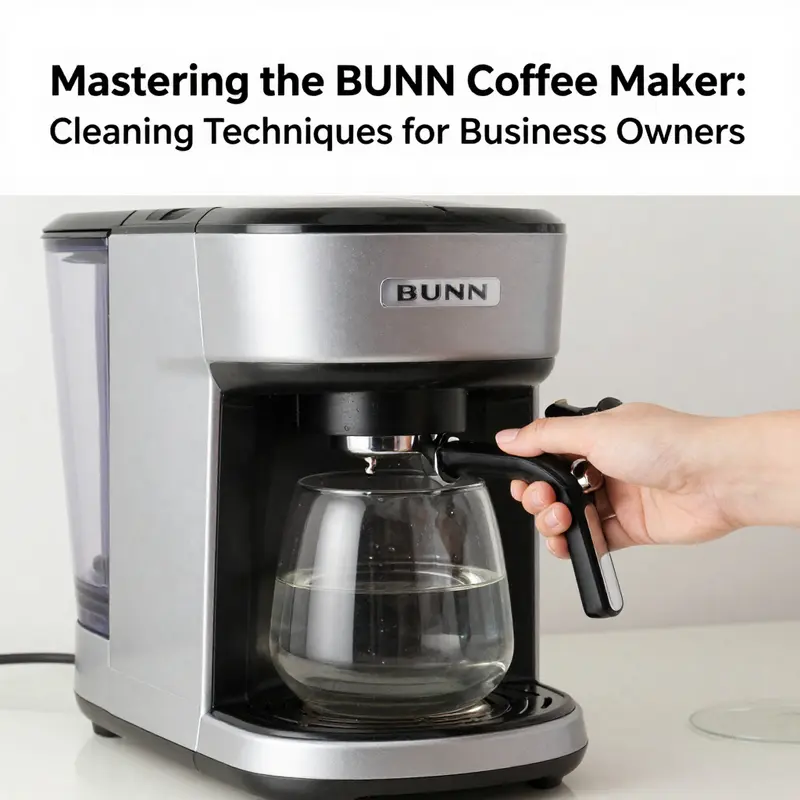
A clean brew group and spout are the quiet guardians of consistent flavor and reliable performance in a Bunn coffee maker. When oils, minerals, and coffee residue accumulate, they can hinder water flow, alter extraction, and even lead to clogs that disrupt the brew cycle. The goal of this chapter is not just to remove visible grime but to restore the machine’s internal pathways to their original smoothness. The process begins with a respect for safety and ends with the satisfaction of a brew that pours as cleanly as your first cup. It is a practice that, done regularly, keeps the heart of the machine responsive and the coffee tasting right, shot after shot, pot after pot.
Begin with a mindset of safety. Before you touch any internal components, unplug the machine and allow it to cool. Bunn makers, like many commercial-style brewers, rely on metal and plastic parts that can retain heat, and some assemblies can be delicate. The disassembly that follows should be guided by the manufacturer’s instructions for your exact model. The brew group is often designed to come apart in a few key steps: remove the filter basket, release any locking clips, and separate the spray head from its mounting. Do not force parts; if something resists, consult the manual or support resources to avoid damage. Once you have the brew group in hand, you are in a position to address two broad concerns at once: removing coffee oils from the components that contact the grounds and clearing mineral deposits from the internal pathways that feed water to the showerhead.
A thorough cleaning starts with washing the removable parts in warm, soapy water. The filter basket, screens, gaskets, and any detachable pieces accumulate oily residues that standard dish soap can break down more effectively than aggressive cleaners. Use a soft brush or cloth to knock away stubborn coffee oils, especially from the basket holes and the edges of the spray head where oils tend to cling. Rinse each piece with clean water and lay them out to air dry completely. The air-drying step is crucial; a damp gasket or partially dried component can trap moisture and breed mildew when reassembled, defeating the goal of a fresh start.
While the parts dry, turn your attention to the spout and the internal pathways the water travels through during a brew cycle. These channels are where mineral deposits from water—calcium, magnesium, lime—can accumulate over time, narrowing the flow and subtly changing the brew’s temperature and contact time. Prepare a cleaning solution using equal parts white vinegar and water. Vinegar acts as a gentle acid that dissolves mineral scale without harshness on most plastics and metals used in common home and entry-level commercial brewers. Place the machine in a safe position, and run a cleaning cycle with the vinegar-water mixture. If your model allows you to program a dedicated cleaning or descaling cycle, engage it and let the machine process the solution through the brew lines. The goal is not just the surface but the mineral-laden corridors that can trap old flavors and impede water flow.
After the cleaning cycle completes, it is essential to rinse thoroughly. Run two to three complete cycles with plain water to flush out any vinegar residue and to ensure that every internal passage is free of odor or tang. The rinse cycles serve a dual purpose: they remove the acid, and they physically push any loosened deposits out of the system. If you notice a faint vinegar scent after the first rinse, don’t worry—odor dissipates as the water runs through and is expelled, but do complete the full rinse sequence to silence any lingering tang. This step is a practical safeguard against off-flavors and is a texture-level assurance that the brew pathway has returned to a neutral state.
With the components dry, reassemble the brew group according to the manufacturer’s guidance. Reattach the spray head, reinsert the gasket, and ensure that the filter basket seats cleanly and securely. A common pitfall is reassembling parts slightly misaligned, which can create a seal that leaks or a pathway that doesn’t seat perfectly. Take a moment to line up each part accurately, and avoid forcing anything into place. Once the brew group is fully reassembled, run a small test cycle with plain water to confirm that the flow is even and the spray head distributes water across the coffee bed as designed. If the water pours unevenly or dribbles from the spout, power down, recheck the assembly, and try again. Small misalignments can cascade into larger issues during actual operation, so a careful check at this stage is well worth the time.
The value of this cleaning routine extends beyond the immediate return of a clean pour. Regular maintenance of the brew group and spout helps prevent clogs, maintains optimal extraction times, and stabilizes brew temperatures. Over time, mineral buildup and coffee oils can insidiously alter how quickly water travels through the pathways, affecting pre-wet times and overall extraction. By treating the brew group like a living component that benefits from periodic rehabilitation, you protect the integrity of every cup you brew and extend the life of the machine. Regular cleaning also makes it easier to detect emerging issues early—stray gaskets, worn seals, or damaged screens tend to reveal themselves more clearly after a thorough cleaning where everything is exposed and accessible.
To make this ritual practical, consider pairing it with the other core upkeep tasks mentioned in the broader maintenance guidance. Descaling the machine on a schedule appropriate to your water hardness, cleaning the spray head, and attending to the carafe and exterior surfaces all complement the work done on the brew group and spout. When you maintain these interdependent components, you preserve the machine’s ability to deliver consistent temperature, even extraction, and clean, balanced flavors that reflect your coffee’s true character. In practice, a short monthly session focused on the brew group, plus a more thorough quarterly descaling routine, can keep the unit performing near its peak. If your water is exceptionally hard, you might adjust the cadence accordingly, increasing the frequency to prevent mineral deposition that can quietly erode performance.
What helps many home and office users sustain this habit is a simple, repeatable sequence. Start by unplugging the machine and removing the brew group. Wash all removable parts in warm, soapy water, scrubbing with a soft brush to lift oils from the screens and baskets. Rinse and air dry completely. Then run the vinegar-water cleaning cycle and follow with two to three rinse cycles with fresh water. Reassemble, and run a test cycle with clean water before brewing real coffee. If your model includes a spray head chamber or a specific gasket you replace periodically, inspect those parts during the dry phase and replace as needed. This attention to small details—the tight seal, the clean edges, the unobstructed surfaces—ensures the water can move freely and that the hot plate or warming mechanism isn’t taxed by lingering debris.
For readers seeking a structured, model-specific walkthrough, a detailed, model-accurate guide is available here: How to Clean a Bunn Coffee Maker. This resource complements the practical steps outlined above by offering visual cues, model-specific notes, and troubleshooting tips that are especially helpful if you encounter a stubborn deposit or an odd spray pattern after reassembly. While the steps described in this chapter focus on the core principles of disassembly, cleaning, and rinsing, the linked guide provides an expanded reference that aligns with official recommendations and common user experiences. Integrating both approaches—hands-on cleaning and the supplementary guide—can demystify the process and empower you to maintain consistent performance without guesswork.
A final reminder: the aim is not to overhaul the machine at every turn but to sustain its precision and reliability through an honest, repeatable routine. The breath of care you invest in the brew group and spout pays back with cleaner pours, steadier temperatures, and a longer lifespan for the appliance. When you treat the brew group as a critical component that deserves regular attention, you create a predictable brewing rhythm—one where the water finds its way evenly through the bed, the grounds release their flavors without interference, and the resulting cup remains faithful to the coffee you chose. In other words, this is a maintenance practice that honors both the craft of coffee making and the durability of your equipment.
External resources can also deepen your understanding of the broader maintenance picture. For official guidance and model-specific notes, consult the manufacturer’s support materials and resources. These sources provide updated recommendations, safety considerations, and potential compatibility notes that can be crucial as parts wear or when you upgrade functional components over time. By combining hands-on practice with the authoritative guidance offered by the maker, you keep your Bunn coffee maker operating with the confidence of a well-tuned espresso machine in a café, even in a kitchen or office break room. You preserve the integrity of the water path, the cleanliness of the ground bed, and the overall experience of coffee that starts its journey in a pristine, well-maintained system.
External reference and official support: https://www.bunn.com/support
Bright Carafe, Pristine Exterior: Cleaning the Carafe and Exterior Surfaces on Your Bunn Coffee Maker
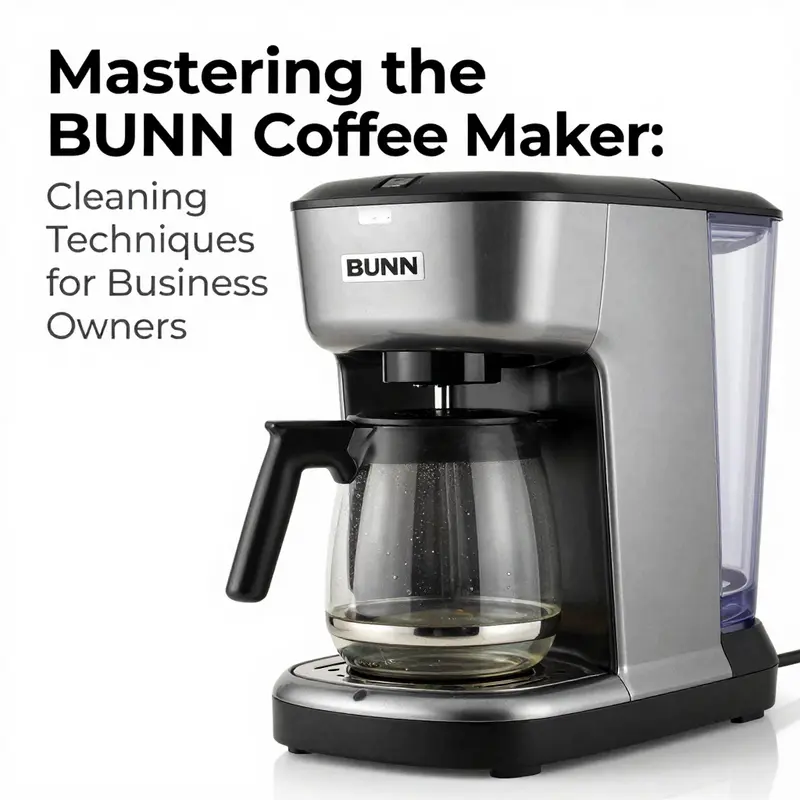
Cleaning a Bunn coffee maker with attention to the carafe and exterior helps preserve flavor and extend the machine’s life. After brewing, rinse the carafe with warm water to remove oils and residue. A tiny amount of mild dish soap can lift stubborn spots, but keep it minimal to avoid soap taste. Use a soft sponge to scrub the interior, focusing on the bottom where oils settle. Rinse thoroughly to remove all suds.\n\nFor tougher spots, soak the carafe in warm soapy water for a few minutes, then rinse and dry completely. Avoid abrasive pads that can scratch glass, which can harbor residues over time.\n\nThe exterior surfaces benefit from a gentle wipe with a damp microfiber cloth. If needed, use a drop of mild soap on the cloth to loosen stubborn marks, then wipe away any soap film with a clean damp cloth. Do not immerse the main unit in water or allow excess moisture near controls. Regular drying helps prevent water spots and mineral buildup.\n\nIncorporate this routine into your daily cleaning: rinse after each use, dry with a soft towel, and inspect for cracks or chips in the carafe. With consistent care, the carafe stays clear and the exterior stays gleaming, supporting both aesthetics and performance.
A Regular Rhythm for Clean Brews: Establishing a Maintenance Schedule for Your Bunn Coffee Maker
In every kitchen where the daily ritual of coffee mirrors the rhythm of the day, the reliability of the brewing machine matters as much as the grind size or water temperature. A Bunn-style brewer is built to endure, but it thrives when cleanliness and routine meet. The idea here is not to choreograph a difficult maintenance ritual but to weave a simple, repeatable pattern into daily life. If you treat the machine as part of the kitchen ecosystem with the same care you give to a sink, a stove, or a toaster, the coffee you pull from it will consistently taste clearer, more balanced, and free of off-notes that mineral buildup or coffee oils can invite. The strategy centers on three tiers of responsibility: daily hygiene, weekly deep-cleaning, and yearly checks that keep critical components in top condition. When these layers align, you reduce the chances of clogs, leaks, and temperature drift that can otherwise undermine even the best beans and grind.
On a daily basis, the most important move is the simplest one: start by cleaning the parts that touch the coffee right away. Remove the brew basket and carafe, clear away any grounds, and rinse both with fresh water. This quick rinse prevents stubborn residue from drying into small, stubborn clumps that can alter flavor and impede flow. While you’re at it, give the exterior surfaces and drip tray a quick wipe. A damp microfiber cloth is enough to remove fingerprints, splashes, and any dusty film that accumulates in a busy kitchen. The aim is not perfection in the moment but a reliably clean starting point for each new brew. A few minutes of attention here every morning can prevent days of more involved cleaning later, and it keeps everything sanitary for the next time you welcome guests or pour a late-night cup for yourself. For a more precise, guided walkthrough, you can consult a dedicated how-to resource that walks through the process step by step, including the handling of the spray head and related components. Link to a how-to resource: https://coffeerichlife.com/blog/how-to-clean-a-bunn-coffee-maker/.
The weekly cycle is where the routine becomes more deliberate. Descaling takes center stage, because mineral buildup especially in hard-water regions can subtly alter heat transfer, flow rate, and the overall height of the coffee aroma in the cup. Use a descaling cycle with a cleaner designed for coffee equipment, or opt for a well-diluted vinegar solution if that’s your preference. The key is to follow with a thorough rinse cycle that clears every trace of cleaner from the internal passages. After that, move beyond the obvious to the places that accumulate oils and coffee residue over time. A soft-bristled brush or a small cleaning tool can reach the showerhead, the group head, and, if your model includes a steam wand, the wand’s connection points and nozzles. Focus on the grooves and threads where oils cling; this is where flavor compounds can cling to your future brews if left unchecked. If your machine has removable parts, this is the moment to disassemble them and give them a careful scrubbing in warm, soapy water, followed by a thorough rinse and air dry. The weekly cleaning becomes a confidence-builder, not a chore, because you can see the results: a cleaner interior with fewer mineral rings, smoother water flow, and a more even spray that coats the coffee bed evenly. A gentle reminder: when you disassemble any part, keep track of screws and seals so that reassembly is straightforward and you don’t inadvertently misplace anything. This is also a good time to verify that the spray head seals snugly and that there are no cracks or wear signs that could lead to leaks.
A robust annual maintenance plan takes you from routine care to professional attention. This is the moment to inspect and if necessary replace parts that wear with time. Heating elements, gaskets, seals, and any water filtration components are common wear points that can drift from the original performance. If you suspect temperature variability, slow brewing, or dripping, consult the official manufacturer documentation for recommended intervals and procedures. The aim here is not to wait for a failure but to anticipate it with informed care. If the maker’s service schedule suggests replacement timing for critical wear parts, plan for it in your calendar rather than reacting to an interruption in service. In some markets, genuine replacement parts are available through reputable suppliers; if you choose this route, be sure to follow the manufacturer’s guidance on compatibility and installation to preserve safety and performance. Throughout the year, keep the machine in a dry, clean space and avoid letting liquids pool near electrical connections. If you ever notice unusual noises or inconsistent temperature, treat it as a signal to pause, reassess your maintenance routine, and seek professional advice when needed. This approach embodies a broader practice that professionals call a Pre-Startup Safety Review in a home context: a quick, repeatable check before the first brew of the day to confirm water is flowing correctly, there are no loose parts, and the cord and plug are in good condition. It’s not about overengineering, but about disciplined attention that pays off with safer operation and better tasting coffee.
To ensure ongoing alignment with the machine’s design, keep a simple record of your maintenance activities, but keep it unobtrusive. A one-line log—date, what you did, and any notable observations—fits neatly on a sticky note tucked near the machine or in a coffee journal. The point is continuity; the record helps you notice patterns, such as when flavor begins to drift or when a descaling cycle might be needed more frequently than expected. Integrating this routine into daily life also means recognizing your own limits and timing. Some days you’ll slip, or the schedule will shift due to travel or guests. The objective is resilience: a plan that accommodates life as it unfolds, rather than a rigid timetable that becomes a source of stress. If you adopt this mindset, the coffee you brew will consistently carry the clarity of freshly cleaned channels and the warmth of a well-fired element, rather than the dull backdrop of mineral shadows and oil buildup.
The philosophy behind a regular maintenance schedule is not merely about extending the life of the machine. It’s about preserving the integrity of every cup you pour. Descaling keeps water moving with purpose; cleaning the spray head and group head preserves the uniformity of extraction; and attending to carafes and seals protects flavor and prevents leaks. Even small, daily actions compound into a reliable performance over weeks, months, and years. The routine also reduces the risk of sudden downtime that interrupts a busy morning routine or a busy office, which means fewer frantic last-minute repairs and more time for appreciation of the craft that goes into good coffee. As you grow accustomed to the cadence, you’ll find the cadence becomes almost automatic: rinse, wipe, descale, rinse again, inspect, and store with intent. The quality of your brew depends on it, and so does the longevity of the equipment. When you share this practice with others in your household or workspace, you extend the benefits beyond your own cup—everyone enjoys a cleaner, more reliable, more fragrant coffee experience.
For continued guidance, consider returning to foundational resources that illuminate the exact steps and nuances of care for your specific model. The core message remains simple and universal: establish a routine that scales with your usage, and respect the parts that touch the water and the brew. If you want a concise, model-specific walkthrough, a focused guide can walk you through the precise sequence of actions and checks that apply to your unit. In practice, this means keeping the daily, weekly, and annual tasks in view and adapting the intensity of cleaning to your water quality and brew volume. In this way, you honor the machine’s design and your own preference for a consistently clean, delightful cup. The result is a quiet confidence: you know the routine works, you know what to look for when something seems off, and you know that a small daily effort translates into reliable performance and better flavor with every pot. External resource: https://www.consumerreports.org/kitchen-appliances/how-to-clean-a-coffee-maker/
Final thoughts
Effective maintenance of your BUNN coffee maker is paramount for delivering high-quality coffee and maintaining customer satisfaction. By systematically descaling, cleaning specific components, and adhering to a regular maintenance schedule, you can ensure your coffee maker performs optimally. This not only enhances the flavor of the beverages served but also promotes the longevity of the machine. Keeping a clean coffee maker sets a standard of quality that your customers will appreciate, ensuring they keep coming back for more.