
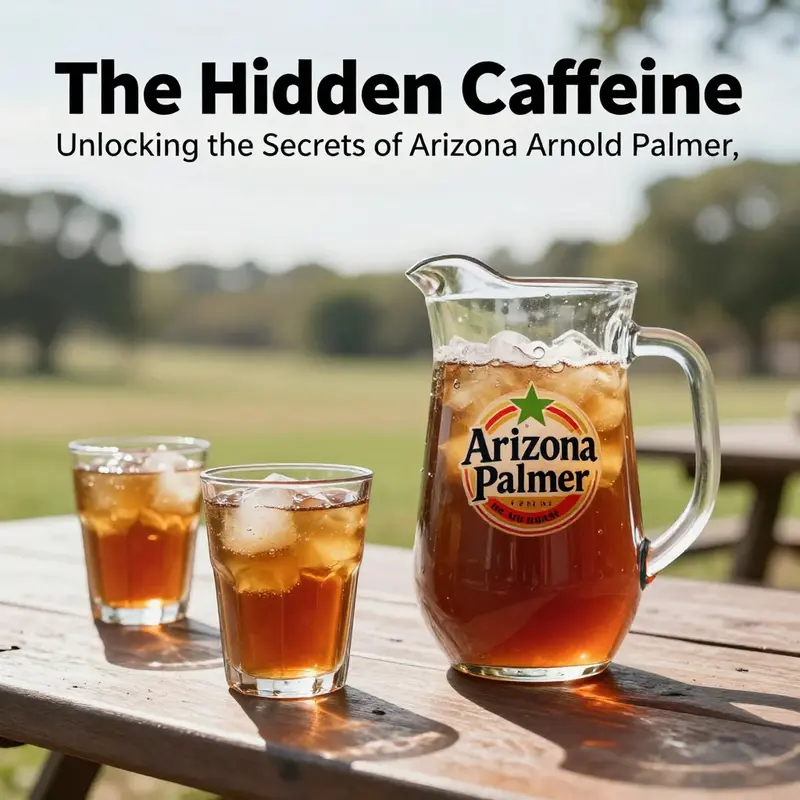
For business owners in the beverage industry, understanding product content can make a significant difference in customer choice and satisfaction. Arizona Arnold Palmer, the popular blend of iced tea and lemonade, is often questioned about its caffeine content. This article delves into the nuances of caffeine in Arizona Arnold Palmer, shedding light on its low caffeine levels and comparing it to other beverages. We will explore consumer perceptions surrounding caffeine, the health implications for customers, and emerging market trends influencing the popularity of Arizona Arnold Palmer. By understanding these facets, business owners can better cater to consumer demands and preferences.
Stirring Clarity: Tracing the Caffeine Footprint of Arizona Arnold Palmer

The question of whether caffeine hides in the familiar blend of lemonade and iced tea called Arizona Arnold Palmer is more than a curiosity. Many readers want to quantify energy in everyday drinks before planning their day, meals, or caffeine budgets. The product sits at an intersection: a refreshing, lower-key option that offers flavor without the rush of a high-caffeine beverage. This chapter dives into the numbers, sources, and practical takeaways of caffeine in Arizona Arnold Palmer Half and Half, connecting the dots between what is printed on a bottle, what customers report online, and how those figures compare to other popular drinks.\n\nThe core figure is straightforward. Arizona Arnold Palmer Half and Half contains about 1.87 milligrams of caffeine per fluid ounce. Translated to familiar container sizes, a 16-ounce bottle carries roughly 30 milligrams of caffeine. On a per-volume basis, that equates to about 6.32 milligrams per 100 milliliters. Those numbers place the beverage in the lower-to-moderate range when stacked against coffee, energy drinks, or many traditional teas. It is not caffeine-free, but it is far gentler than many caffeinated staples, which makes it appealing to someone who wants a little lift without a stimulant surge.\n\nWhere does that caffeine come from? The caffeine source is the black tea base used in the formulation. Black tea is known to deliver a mild, steady influence rather than the quick spike associated with high-caffeine drinks. In an iced-tea-and-lemonade hybrid like Arizona Arnold Palmer, the tea’s caffeine is tempered by the lemonade and water content, creating a smoother energy profile. The result is a beverage that can offer a light cognitive nudge, enough to stay alert during a late morning meeting or a warm afternoon errand session, without the intensity of stronger caffeinated drinks. The effect is that the drink functions more as a gentle companion to daily tasks than a performance booster.\n\nFor those who monitor their caffeine intake carefully, translating the ounces into a daily tally helps set expectations. If you reach for a full 16-ounce bottle, you are adding roughly 30 milligrams to your daily total. If your day includes multiple caffeine sources, those small amounts add up, but the arithmetic remains manageable for many adults. Compared with a typical 8-ounce cup of brewed coffee that can range from 95 to 165 milligrams, or a standard energy drink that often exceeds 100 milligrams, Arizona Arnold Palmer Half and Half sits at the lower end of the spectrum. It is not designed as a performance beverage, but rather as a flavorful, milder option that still respects the body’s tolerance for caffeine spikes. The low caffeine level also matters for people who are caffeine-sensitive, pregnant individuals with medical guidance, or anyone who simply prefers a lighter stimulant effect in a drink with a familiar and comforting flavor.\n\nPeople often look for confirmation beyond packaging, and third-party sources can offer a pragmatic snapshot. Customer data from online marketplaces—where real-world usage and product labeling intersect—consistently show the 1.87 mg/oz figure as a representative value for the Half and Half formula. That convergence across sources provides consumers with a reasonable expectation about what they will taste and feel after sipping. It is worth noting that caffeine labeling can vary subtly across batches and markets, so small deviations may occur. Still, the published numbers align with the product’s positioning as a milder caffeinated option that complements its lemonade-tea fusion rather than competing with high-octane beverages.\n\nFor readers who want a direct pointer to further context, a deeper dive exists in related coverage that examines how Arizona Arnold Palmer caffeine content compares to other beverages. See the article dedicated to this topic for a focused look at the product’s caffeine footprint and how it stacks up against similar drinks. Arizona Arnold Palmer caffeine content.\n\nBeyond the numbers, the presentation matters. The flavor profile of an Arnold Palmer is a balancing act—bright lemon, mellow tea, and a hint of sweetness. When caffeine enters the mix, the experience shifts subtly toward alertness rather than stimulation. The effect is similar to sipping a mid-morning iced tea flavored with citrus rather than consuming a high-energy beverage. The consumer’s experience will be influenced by factors such as temperature, sweetness level, and portion size, all of which modulate how the caffeine is perceived. For some, the lemonade’s acidity can mask a portion of the tea’s astringency, making the caffeine feel less pronounced. For others, the black tea backbone provides a steady, easily extendable note that makes repeated sips feel manageable rather than jarring.\n\nFrom a health perspective, understanding the caffeine amount is part of a broader conversation about daily intake, hydration, and dietary balance. General guidelines suggest that up to about 400 milligrams of caffeine per day are considered safe for most healthy adults, though individual tolerance varies. Thirty milligrams in a single bottle is a small fraction of that limit, which means the beverage can fit into many caffeine-aware routines without breaching the upper thresholds. Those who harbor sensitivities or who take medications that interact with caffeine should monitor their total intake across all sources. Pregnant individuals, people with anxiety disorders, or those with heart rhythm concerns should consult healthcare providers about caffeine consumption. In such contexts, a milder caffeinated option can be suitable, but it should be counted alongside other sources like tea, coffee, chocolate, and certain sodas.\n\nThe broader lesson extends beyond this particular drink. Consumers increasingly seek transparency about what goes into familiar beverages, especially as brands expand flavors and mix-ins. Knowing the caffeine content helps people plan, compare, and choose with intention. While the numbers may seem small in isolation, they contribute to a practical framework for daily caffeine budgeting, especially for those who try to avoid late-day caffeine or who want a more predictable energy pattern. That is where data from user feedback and packaging intersects with consumer choice, revealing a consistent story: a low-to-moderate caffeine profile that aligns with the drink’s refreshing profile rather than its energy promises.\n\nFinally, the cultural role of a drink like Arizona Arnold Palmer—half lemonade, half iced tea—should not be understated. It evokes a certain nostalgia for porch-swing afternoons and casual gatherings. The beverage invites repetition without overdoing it, much like a well-balanced iced tea should. The caffeine presence, modest as it is, supports this balance by offering mindful energy, not a jolt. In this sense, the drink functions as a bridge between flavor and alertness, a small but meaningful addition to the daily ritual for readers who want something familiar and flavorful without the intensity of stronger caffeinated beverages. For curious readers who want to verify numbers themselves or compare with related products, the external data point from the product’s listing, and broader references, provide useful ground truth. See the Amazon listing for further verification: https://www.amazon.com/dp/B000VZJ5YQ.
Between Lemonade and Tea: Mapping Caffeine in the Arizona Arnold Palmer

Few drinks spark curiosity like a familiar mix that sits at a crossroads of flavors. The Arizona Arnold Palmer, a half-and-half fusion of lemonade and iced tea, invites savorers to enjoy tangy brightness and cool comfort in one glass. Yet beyond taste, a practical question often steers choice: how much caffeine does this blend carry? The answer, grounded in the plant-based caffeine of tea, is that this beverage does contain caffeine, but at a notably modest level. The Half and Half version of the Arizona Arnold Palmer clocks in at about 1.87 milligrams of caffeine per fluid ounce, which translates to roughly 6.32 milligrams per 100 milliliters. This figure, while precise enough to inform a daily plan, comes with essential caveats about variability. It is derived from consumer observations and product listings, especially customer reviews on popular retail platforms, and it reflects the general behavior of the tea-based base rather than a guaranteed universal constant for every bottle. In practical terms, the caffeine in this drink results primarily from the tea component rather than any carbonation or fruit sugars; the lemonade portion contributes sweetness and acidity, not caffeine, so the overall effect is a mild, more approachable lift than a shot of espresso or a can of energy-fueled beverage. For readers who track every milligram, this distinction matters because the blend foregrounds the familiar, gentle wakefulness associated with tea without the intensity that coffee lovers often seek.
The arithmetic is straightforward enough, but it deserves explicit framing. At 1.87 mg per ounce, an eight-ounce serving of the Arizona Arnold Palmer Half and Half would contain approximately 14.96 mg of caffeine. A typical 12-ounce serving would hover around 22.44 mg. If one drinks a 16-ounce serving, the caffeine content climbs to about 29.92 mg. Those figures place this drink well below the caffeine levels found in common caffeinated staples, yet they are higher than zero and even higher than many fruit juices that have no caffeine. The comparison helps anchor expectations for anyone who wants a lighter, more manageable caffeine experience without sacrificing the familiar taste profile of iced tea and lemonade.
To put the numbers in a broader context, consider the caffeine profiles of beverages many people reach for in daily life. Brewed coffee is a stark contrast, typically delivering roughly 95 to 200 mg of caffeine in an eight-ounce cup, depending on the bean and the brew method. Black tea, another tea-based staple, usually carries about 40 to 70 mg per eight ounces, though a stronger brew can push that higher. A standard eight-ounce cola might contain 20 to 40 mg, while many energy drinks land in the 80 to 200 mg range per serving. Against that spectrum, the Arizona Arnold Palmer Half and Half sits at the mild end of the caffeinated scale. It provides a perceptible lift—a gentle nudge that can sharpen focus or brighten mood—without the jittery, concentrated impact associated with higher-caffeine beverages. This positioning makes it a popular choice for readers who want a refreshing drink that aligns with a lighter caffeine tolerance, or for those who are mindful of caffeine intake due to personal sensitivity, schedule, or health considerations.
Despite its measured caffeine footprint, several factors can influence the exact amount one gets from a given can or bottle. Tea blends vary by batch, and manufacturers sometimes adjust formulations to balance taste, color, and aroma. The strength of the tea used in the infusion will affect caffeine yield; longer steeping times in traditional tea preparation increase caffeine, though the ready-made bottled product is designed to maintain a consistent profile. In the commercial context, the caffeine level can be affected by dilution, the ratio of tea to lemonade, and even packaging differences across production runs. For a consumer aiming to stay within a specific daily limit, this variability underscores a simple rule of thumb: treat each bottle as a guideline rather than a guaranteed fixed dose. Even at a modest level, the beverage contributes to daily caffeine totals, and those totals can accumulate when multiple caffeinated items are consumed across a day.
From a nutritional standpoint, the Arizona Arnold Palmer Half and Half does not rely on caffeine as its sole appeal. The sweet-tart balance drawn from lemonade complements the brisk, tea-driven backbone, while the absence of strong carbonation or aggressive flavoring helps preserve a smoother caffeine perception. In practice, the drink acts as a bridge between the comforting ritual of tea and the refreshing punch of lemonade, creating a satisfying experience for those who enjoy a milder stimulant alongside a familiar taste profile. The relationship between flavor and caffeine here is subtle: caffeine can heighten alertness, but the sensory cues—the lemony brightness and the tea’s earthy notes—help prevent the sensation from becoming overpowering. This makes the Arizona Arnold Palmer a compelling option for students studying late, professionals seeking a modest lift during a long afternoon, or anyone who simply wants a cooler, less intense caffeinated drink without stepping into the territory of high-caffeine beverages.
For readers who want a more precise reference point, the cited data align with the broader conversation about caffeine in tea-based drinks and with general consumer research that tracks caffeine per serving across beverages. It’s worth noting that the cited figures come from a combination of product information and consumer reviews, which can reflect real-world variability in taste and composition. If you are purchasing, a quick review of the label can confirm the caffeine content for that particular lot, as packaging updates or regional formulations can shift the caffeine numbers ever so slightly. In any case, the core takeaway remains stable: the Arizona Arnold Palmer Half and Half delivers caffeine, but it does so at a mild, approachable level that sits comfortably between the non-caffeinated realm of juice and water and the more robust profiles of coffee and energy drinks.
This nuanced positioning matters for readers who are balancing flavor preferences with caffeine goals. If you want a drink that keeps you refreshed and lightly alert without dominating your afternoon, this beverage offers a practical option. It is enough to feel a gentle lift without the caffeinated surge that can interfere with late-day relaxation or sleep for sensitive individuals. For those who choose to monitor caffeine intake closely, it’s helpful to remember that even low-caffeine beverages contribute to daily totals, and a mindful approach—counting glass by glass rather than bottle by bottle—can make a big difference over the course of a day. The Arizona Arnold Palmer, in this sense, is less about a large caffeine payoff and more about a reliable, pleasant collateral benefit that supports the enjoyment of two classic flavors.
For readers seeking a concise reference to this topic, a deeper dive into the caffeine specifics can be found at the dedicated discussion page, which collates the measured caffeine content and related considerations: Arizona Arnold Palmer caffeine content. That page expands on the measurements, clarifies the context of the data, and situates the drink within a broader landscape of caffeinated beverages. As a final note, while the exact numbers can help plan a day, they do not replace the broader guidance many health authorities provide about daily caffeine limits. Keeping a practical head about timing, digestion, and individual sensitivity remains the best approach when enjoying this or any caffeinated beverage. External data from consumer reviews and product listings, like those reflected in the referenced sources, offer a reasonable snapshot of typical content, with the understanding that real-world experience may vary slightly from bottle to bottle.
External reference: https://www.amazon.com/dp/B001LQXZJG
null

null
A Gentle Wake-Up: Decoding Caffeine in Arizona Arnold Palmer and Its Everyday Implications

When you reach for a chilled bottle of Arizona Arnold Palmer Half & Half, you expect a bright, lemony lift with the familiar smoothness of tea. What you may not expect is a precise little kick from caffeine, tucked inside the blend of iced tea and lemonade. The available data confirms that this popular ready-to-drink beverage does contain caffeine, but at a level that many people might not notice in a single sip. Specifically, the caffeine content registers at about 1.87 milligrams per fluid ounce, which translates to roughly 6.32 mg per 100 milliliters. In the grand scheme of caffeinated drinks, that is a small dose, especially when stacked against the high-energy jolt that a cup of coffee can deliver. A typical cup of coffee falls somewhere in the broad range of 65 to 175 milligrams, with a common benchmark near 100 milligrams. Those numbers make the Arizona Arnold Palmer Half & Half seem almost modest by comparison, a distinction that matters for anyone who is watching their caffeine intake while still wanting a flavorful, refreshing beverage.
That small amount matters for certain daily decisions. For people who are mindful of anxiety, sleep quality, or over-stimulation, the low caffeine footprint of this drink offers a practical option. It provides a milder option that can be enjoyed with less concern about the stimulating effects that often accompany more caffeinated beverages. It isn’t caffeine-free, but it can fit more easily into a day that includes other caffeine sources. This is especially relevant for someone who drinks tea, soda, or energy drinks in modest amounts across the day. In such a routine, the cumulative effect matters—so even a low-caffeine drink like this one should be accounted for in the broader tally of daily caffeine intake.
From a health perspective, the modest caffeine content positions Arizona Arnold Palmer Half & Half as a beverage that can be part of a balanced approach to daily caffeine. It allows people who crave flavor and refreshment to enjoy a familiar, thirst-quenching profile—lemonade’s tart brightness paired with iced tea—without committing to a higher caffeine load. The gentle lift can be enough to sharpen focus briefly or simply provide a pleasant, lingering sense of wakefulness for a mid-afternoon lull. Yet for those who are particularly sensitive to caffeine, even small doses can produce a perceptible effect. As with any stimulant, individual responses vary, and sensitivity can change with sleep patterns, stress levels, and overall health. The data here, drawn from verified customer information associated with the product listing, helps establish a baseline. It is not a universal forecast for every bottle or every batch, but it does offer a meaningful reference point for readers weighing their options.
A broader takeaway emerges when we situate this beverage within the wider landscape of caffeinated options. The perception that a drink labeled as a half-and-half tea-and-lemonade might be largely caffeine-free is a common misconception. The tea base brings caffeine by nature, even if in modest amounts, and the addition of lemon and water-based flavors does not dilute that fact. It’s a reminder that caffeine content in mixed beverages depends on the tea used, the strength of the brew, and the formulation of the product. In practice, a consumer who is comparing a wide array of beverages—from traditional teas to sodas and energy drinks—will notice that a single low-dose option can still count toward daily caffeine totals. This nuance matters for anyone who is budgeting caffeine for a particular day or planning caffeine-free evenings.
In conversation with readers who are trying to map their caffeine footprint, it helps to visualize the numbers in everyday terms. If a person enjoys one 12-ounce bottle of Arizona Arnold Palmer Half & Half, they’re looking at approximately 22 milligrams of caffeine (given the 1.87 mg/oz figure times 12 ounces). That is roughly a quarter to a tenth of the caffeine content found in a typical cup of coffee, depending on the brew strength. When you scale up to two bottles, the caffeine content approaches the upper end of what some people might comfortably consume in a single sitting, still far below the typical coffee range but not without impact for caffeine-sensitive individuals. It becomes clear why this beverage can fill a unique niche: it satisfies a desire for a flavorful, thirst-quenching drink without introducing a heavy caffeine load that might interfere with sleep or trigger jitters.
The practical implications extend beyond personal preference. For families choosing beverages for children or teens, the low caffeine level can be a factor in decision-making, though it’s important to check any age-related guidelines and to consider other sources of caffeine in the day. For adults navigating work schedules or late-night activities, the reduced stimulant effect can be a reasonable compromise between taste and the desire to avoid overloading on caffeine. In settings where people are trying to limit caffeine for medical reasons, the presence of any caffeine at all means it should be counted, not dismissed. The value here is the clarity it provides: there is caffeine in this Arizona Arnold Palmer, but the amount is comparatively small, offering a nuanced option rather than a blunt caffeine punch.
For readers seeking a more detailed breakdown or confirmation of the caffeine content, the official product details reflect the same fundamental numbers that have become a touchstone for this discussion. If you want to explore the data in a source you can review directly, you can consult the product listing that documents the caffeine content. The information there aligns with the figures cited here, reinforcing the credibility of the calculation that places this beverage in the low-to-moderate range for caffeinated drinks. Additionally, those interested in exploring related topics can delve into broader discussions of caffeine in commonly consumed beverages and how these amounts compare across categories. The comparison helps frame the Arizona Arnold Palmer as a specific instance of a broader pattern: caffeinated beverages run the spectrum from trace to significant, with careful labeling and consumer education helping people make informed choices.
For readers who want to connect this discussion to a broader narrative about caffeine and everyday drinks, a related exploration can be found in a focused article that examines how caffeine content is measured and interpreted in popular beverages. See the Arizona Arnold Palmer caffeine content entry for a concise, data-driven look at this drink’s caffeine profile, which complements the context above with a clear, numerical reference point. Arizona Arnold Palmer caffeine content.
In sum, there is caffeine in Arizona Arnold Palmer Half & Half, but the amount is modest enough to be described as mild by most standards. This makes it a practical option for those who want flavor and refreshment without a heavy stimulant load, while still requiring them to account for caffeine in their overall daily totals if they are keeping a strict limit. The figure of about 6.32 mg per 100 ml situates the drink firmly in the lower end of the caffeine spectrum, a distinction that matters for how and when people might choose to enjoy it. As with all caffeinated products, individual responses will vary, and the best approach is to know your own tolerance and plan your day accordingly. For readers curious to verify the data or to view the official listing alongside other product details, the Amazon listing provides an additional point of reference: https://www.amazon.com/dp/B0009J4V1I.
Brewing Trends and Gentle Stimulation: The Enduring Allure of a Caffeinated-Mild Arizona Arnold Palmer

The market for ready-to-drink beverages continues to respond to a simple truth: consumers want refreshment that is convenient, recognizable, and easy to pair with daily life. In this landscape, a drink that blends lemonade with iced tea — named for a legendary golfer who popularized the idea of enjoying iced tea with a squeeze of lemon — has become a touchstone for a broad audience. The appeal rests not just on nostalgia but on a balancing act between taste, portability, and a careful approach to caffeine. Arizona Arnold Palmer, as a category staple, embodies this balance. It delivers the familiar tart-sweet lift of lemonade and the calm, rounded mouthfeel of iced tea in a format that fits into shopping trips, lunch breaks, and casual gatherings without demanding a special occasion or a dedicated caffeine plan. The beverage’s ubiquity in supermarkets and convenience stores across the United States is a testament to a market that prizes predictability as a virtue, alongside the occasional thrill of a new flavor or a seasonal twist.
What sets a drink like this apart in a field crowded with bold flavors and high-octane options is the paradox at its core: a product that is both comforting and quietly modern. The legacy of the Arnold Palmer name anchors the brand in a story of personal preference and simple, revitalizing composition. The drink’s heritage is not about a flashy innovation but about a preference that many people already hold — the idea that a tall glass of something refreshing can be enjoyed any time of day without needing a conversion from a caffeine-centric routine. The popularity of the lemonade-tea blend is fed by this cultural resonance, augmented by savvy placement and consistent availability in everyday retail channels. Consumers see the familiar label, recognize the flavor profile, and feel confident that they are purchasing something that fits into a busy life rather than something that demands special planning or a specific mood.
A key element of this chapter’s theme—caffeine awareness—revolves around the drink’s caffeine content. The blend contains caffeine, but at a notably modest level. In numerical terms, the product delivers about 1.87 milligrams of caffeine per fluid ounce, which translates to roughly 6.32 milligrams per 100 milliliters. That concentration is far gentler than what many popular caffeinated beverages offer, especially energy drinks or high-energy sodas. In practice, this means the drink can provide a gentle lift without the jittery or jitter-inducing surge associated with stronger caffeinated beverages. For consumers who want to stay alert through a work session, a study session, or a family outing, this kind of mild caffeine profile can be a prudent middle ground. It also makes the drink a more flexible option for daytime consumption, when many people prefer to avoid heavy caffeine loads that could affect sleep or focus later in the day.
The market’s response to caffeine transparency further reinforces this positioning. Today’s shoppers increasingly scrutinize labels for straightforward ingredients and recognizable components. The preference for “clean” labels — with fewer artificial additives and shorter ingredient lists — dovetails with the traditional, easy-to-understand composition of a lemonade-tea blend. In this sense, the beverage is not merely a source of refreshment but a signal of the evolving tastes of a broad consumer base that values clarity as much as flavor. The simple formula, paired with a familiar taste profile, helps maintain trust and repeat purchase in a crowded aisle where dozens of beverages vie for attention. It also invites curiosity among new drinkers who may have previously dismissed caffeinated products as too intense or complicated for everyday enjoyment. The mild caffeine profile acts as a gentle invitation rather than a sharp invitation to overindulge, allowing adults and even some younger consumers to enjoy a familiar flavor without feeling pressured into a stricter caffeine regime.
Brand strategy plays a crucial role in the continued relevance of this beverage. The name, the story behind it, and the consistent, recognizable flavor profile all contribute to a sense of reliability that many shoppers seek. Ongoing marketing efforts, including seasonal releases and limited-edition twists, keep the product from becoming one-note. These innovations are not about reinventing the wheel but about refreshing the ride — a tactic that sustains consumer interest while preserving the core identity that people associate with a trusted, convenient drink. Distribution strategies reinforce this momentum: the beverage remains a staple across major retail channels, ensuring effortless access for buyers who value convenience above all else. The continuity of availability, along with a steady stream of marketing touchpoints anchored in the iconic narrative of its namesake, helps sustain its position in a competitive soft-drink environment.
To understand the consumer encounter more deeply, it helps to consider how a drink’s caffeine content intersects with taste expectations and everyday routines. The taste profile of lemonade’s tart brightness combined with iced tea’s mellow depth can satisfy a craving for something crisp and refreshing without overwhelming the palate or the senses. This alignment between flavor and stimulant level widens the drink’s appeal beyond strictly caffeine-conscious consumers. It becomes a convenient option for those seeking a familiar, comforting flavor with a light, friendly lift. The social dimension also matters. In many communities, a cold glass of this lemonade-tea blend is associated with casual gatherings, picnics, and break-room culture, where the emphasis is on easy refreshment rather than a dramatic caffeine moment. In that frame, even a small caffeine bite can matter, providing just enough energy to carry through a midafternoon lull without disrupting personal rhythm or sleep.
For readers who want to connect this chapter to deeper sources, one can explore the precise caffeine content and its implications in more detail. The linked resource offers a clear breakdown of the caffeine content for the beverage family and helps situate those numbers within the broader landscape of caffeinated drinks. Arizona Arnold Palmer caffeine content. This reference supports the chapter’s emphasis on transparency and lets readers gauge how a seemingly modest caffeine load compares with other drinks they might encounter.
As the beverage market moves forward, this example illustrates a broader pattern: consumers are looking for refreshing experiences that respect their attention to caffeine without forcing a rigid consumption model. The blend’s popularity reflects a combination of cultural memory, practical convenience, and a contemporary preference for simpler, more predictable ingredient stories. The product’s ability to stay relevant across seasons, and to adapt with limited-edition flavors while preserving its core identity, signals a broader trend toward balance between tradition and modernity in beverage choices. It also hints at a future where brands might expand similar approaches, offering other refreshment formulas that honor familiar taste experiences while embedding clear, responsible caffeine narratives. The path forward seems clear: maintain core flavor integrity, pursue transparent labeling, and present just enough caffeine to complement the moment, not define it.
In a marketplace that often celebrates high-energy signals and dramatic innovation, the enduring appeal of a lemony-iced tea blend named after a golf legend serves as a reminder that refinement can coexist with familiarity. The drink’s steady popularity suggests that many consumers still value a straightforward, dependable option—one that provides a satisfying, thirst-quenching experience with a caffeine footprint that remains unobtrusive. The result is a beverage that feels timeless yet timely, familiar yet flexible, and ready to accompany daily routines with a light touch of stimulation. This balance resonates with broader market tendencies toward everyday, clean-label beverages that respect consumer choice while still delivering refreshment in a convenient, familiar package.
External resource: https://www.thespruceeats.com/arnold-palmer-drink-origin-story-4108263
Final thoughts
In conclusion, understanding caffeine content in beverages like Arizona Arnold Palmer is essential for business owners looking to align with consumer preferences and health trends. With its low caffeine level, Arizona Arnold Palmer presents a unique opportunity for businesses to cater to a demographic seeking milder caffeine options. As awareness about caffeine in beverages grows, so does the potential for increased interest in products that balance flavor with health considerations. Engaging with customers on this topic can enhance satisfaction and loyalty, driving sales in a competitive beverage market.