
Mountain Dew stands out in the beverage market, particularly for its notable caffeine content. As a business owner in the beverage or food sector, understanding this aspect is crucial for product positioning and marketing strategies. This exploration delves into four essential areas: the precise caffeine content found in Mountain Dew, a comparative analysis with other soft drinks, the physiological effects of caffeine on consumers, and the significance of caffeine in the brand’s marketing narrative. With informed insights, business owners can better navigate consumer preferences and make strategic decisions that align with market trends.
The Energizing Equation: Demystifying Caffeine in Mountain Dew
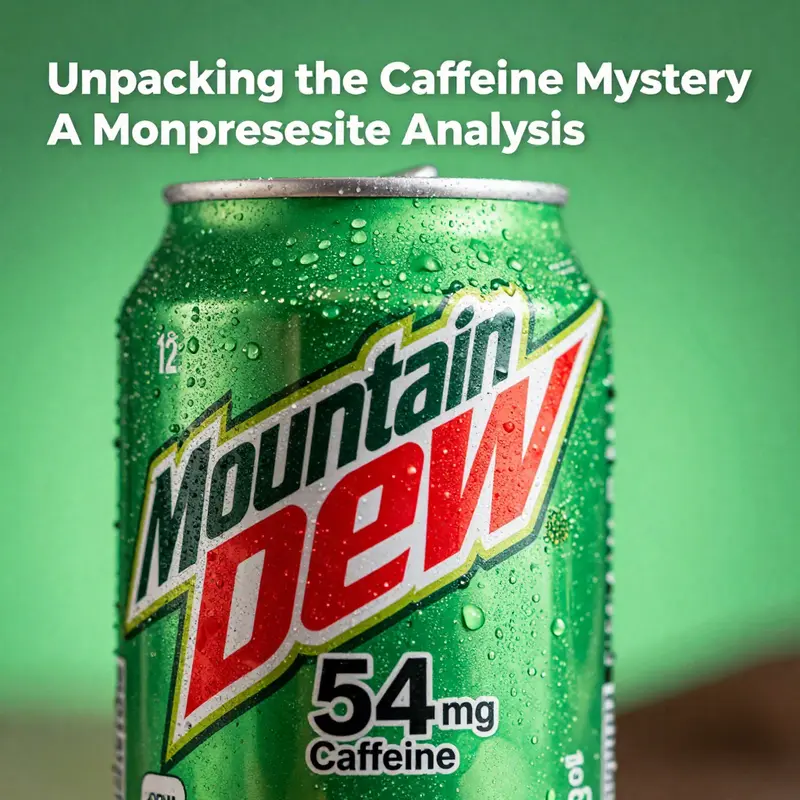
Caffeine sits at the core of Mountain Dew’s bold identity, hinting at a promise of quick focus and a bright, late-afternoon lift. The standard 12-ounce can, the size most people reach for in a quick break or a long drive, contains about 54 milligrams of caffeine. In plain terms, that’s roughly the same amount you’d find in a cup of coffee, and it’s noticeably more than what many other soft drinks offer. This high caffeine profile is not an accident or a marketing gimmick alone. It’s a calculated formulation choice that blends stimulant effects with the drink’s signature citrus-forward flavor and effervescence. The result is a beverage that markets itself as refreshing and energizing, rather than merely thirst-quenching, and the numbers behind it reinforce that brand message with empirical clarity.
The caffeine in Mountain Dew arises from a mixture of natural sources and what the industry often calls synthetic or added caffeine. While the exact sourcing details aren’t always disclosed on every package, the caffeine is described in the nutrition facts as a distinct ingredient, typically listed just as caffeine. This labeling mirrors a broader industry practice where caffeine can be derived from coffee beans, tea leaves, or other botanical or synthetic processes. The practical takeaway for most consumers is simple: whether the caffeine comes from a traditional natural source or a laboratory-processed form, the effect in the body—after ingestion, with carbonation and sugar present—tends to be consistent in magnitude. The body’s response hinges not only on the milligrams but also on the speed at which the caffeine is delivered into the bloodstream, and several factors in Mountain Dew’s formulation influence that delivery.
This is where the soda format plays a meaningful role. Carbonation acts as a vehicle that can alter the rate at which stomach contents empty into the small intestine, potentially affecting how quickly caffeine is absorbed. The sugar content in the regular version also interacts with absorption in nuanced ways. Sugar can influence the rate at which the stomach empties, and the presence of both sugar and carbonation might create a slightly different absorption profile than a non-carbonated beverage. In practical terms, caffeine in a carbonated, sweet drink can produce a rapid, noticeable kick for many people, especially those who are sensitive to stimulants or who consume caffeine on an empty stomach. For regular caffeine consumers, the figure of 54 mg per 12-ounce serving becomes a familiar benchmark that’s easily matched, repeated, and relied upon across the different flavor lines that share the same caffeine ceiling.
A closer look at the common variants reveals how consistent Mountain Dew’s energy profile remains, even as flavors and sugar content shift. Diet Mountain Dew and Zero Sugar Mountain Dew, for instance, preserve the same caffeine level per 12-ounce can, despite their changes to sugar content or sweetness profile. This deliberate consistency suggests a strategic balance between taste and stimulant effect. For shoppers who are monitoring their caffeine intake, this means that choosing a sugar-free option does not automatically reduce caffeine exposure. It also means that fans seeking a certain energy level can expect a predictable caffeine delivery, regardless of which variant they pick from the cooler shelf.
The caffeine story here sits alongside a longer history of ingredients that have provoked discussion or concern. In past decades, Mountain Dew—like some other sodas of its era—carried brominated vegetable oil in certain formulations. BVO drew scrutiny for potential health concerns, leading to changes in many markets and a retooling of product chemistry. The broader lesson from that chapter is not only about a single ingredient but about how consumer discussion and regulatory scrutiny can influence product composition over time. Today, BVO is largely out of the picture in most U.S. formulations, and that shift underlines the importance of ingredient transparency. Even as caffeine remains the centerpiece of the energy claim, the surrounding formulation—sugar, carbonation, flavors, and other additives—shapes the overall experience and the health considerations that accompany it.
From a health perspective, the caffeine content in Mountain Dew sits in a space that invites careful consideration. For adults, a common reference point for daily caffeine limits is around 400 milligrams per day. At 54 mg per serving, a single can contributes meaningfully to that ceiling, especially if someone tends to drink more than one can in a day, or if caffeine intake also comes from coffee, tea, or other caffeinated products. This is particularly relevant for individuals with heightened sensitivity to stimulants, people managing sleep disorders, or those who must avoid caffeine for medical reasons. People with anxiety disorders, heart rhythm sensitivities, or certain sleep-related conditions may find it prudent to limit intake and to avoid consuming caffeine in the late afternoon or evening. On the other hand, for casual consumers who enjoy the taste and want a reliable boost on a hot day, Mountain Dew provides a familiar, legible caffeine anchor that aligns with the beverage’s “energizing” label.
The topic inevitably invites comparisons with other caffeinated beverages that share the same arena. A caffeine content of 54 mg per 12-ounce serving makes Mountain Dew comparable to many mainstream energy drinks in terms of milligrams per bottle, though the delivery method remains a soda rather than a business-first energy product. The context matters: energy drinks often market themselves around a broader stimulant profile, additional ingredients like amino acids or vitamins, and branding that suggests a purpose beyond simple refreshment. Mountain Dew, with its bright citrus flavor and carbonated bite, presents a different sensory route to a similar stimulatory effect. The end result is that caffeine in Mountain Dew is both a functional stimulant and a cultural signal—a cue that a product is more than a mere beverage and that it occupies a precise rung in the ladder of popular caffeinated choices.
For readers who want to trace the specifics, the official nutrition facts label for Mountain Dew provides the precise caffeine figure. While this chapter roots its narrative in the consensus that 54 mg per 12-ounce can is the standard, the label confirms the canonical measurement that fans and researchers alike use for comparisons. It’s a reminder that the figure is not merely a marketing line but a stated fact that can guide daily decisions, dietary planning, and conversations about how much caffeine a person consumes across their day. The exact sourcing of caffeine—whether it is described as derived from coffee beans, tea leaves, or a synthetic origin—may sometimes remain implicit on packaging, but the effect is consistent and measurable.
In the broader landscape of caffeinated beverages, Mountain Dew’s caffeine level helps anchor discussions about how soft drinks fit into caffeine consumption patterns. The temptation to measure every 12-ounce can against a “cup of coffee” benchmark can lead to a useful intuition: Mountain Dew’s 54 mg is roughly equivalent to half the caffeine in a typical coffee cup. That comparison, while not perfect given the variability in coffee beverages—from a light drip to a robust espresso—offers a practical reference point for consumers trying to assimilate the numbers into everyday choices. The experience of drinking Mountain Dew combines sweetness, carbonation, and caffeine into a single sensory event. It’s a package that is easy to consume, easy to carry, and easy to forget that it carries a stimulant effect, especially for those who have grown up with the drink as a cultural staple.
To bridge the practical and the scientific, consider the decision-making that follows from knowing the caffeine content. If you’re balancing caffeine intake with sleep goals, or if you’re coordinating with a family member’s sensitive caffeine tolerance, the key is consistency and awareness. The 54 mg per 12-ounce serving becomes a straightforward arithmetic tool: multiply by the number of cans to estimate daily exposure, adjust for other sources, and factor in timing to align with daily rhythms. This approach respects both enjoyment and health considerations, enabling a more mindful, informed relationship with a beverage that many people reach for with a sense of nostalgia or preference for its distinctive taste and energy promise.
For readers seeking a deeper dive into the numbers and their sources, there is a detailed examination of caffeine content in Mountain Dew and related beverages that can illuminate how the same milligrams find their way into different formats. See the article dedicated to the caffeine content Mt Dew for a focused breakdown that aligns with this narrative while providing a broader context for how caffeine figures are interpreted across the beverage family. Caffeine content Mt Dew
In this chapter’s view, Mountain Dew’s caffeine content is less a rumor and more a reliably quantified feature that helps explain why the drink has such a persistent following. It’s not merely about the jolt; it’s about how the jolt fits into a larger pattern of daily energy needs, social rituals, and personal health considerations. The beverage sits at a unique intersection where flavor science and stimulant pharmacology meet, producing a product that’s at once refreshing and energizing. The numbers—the 54 milligrams in a 12-ounce can, consistent across major variants—are the quiet backbone of that intersection, guiding choices for casual consumers, parents, athletes, and busy professionals alike. For anyone charting caffeine intake or simply curious about how a famous citrus soda earned its reputation, the story is one of balance: flavor, function, and a measured dose that has stood the test of time and taste alike.
External reference for official metrics: PepsiCo Nutrition Facts Label – Mountain Dew Original (2025) https://www.pepsico.com/nutrition/facts/mountain-dew-original
Beyond the Buzz: How Mountain Dew’s Caffeine Stacks Up Against the Soda Shelf
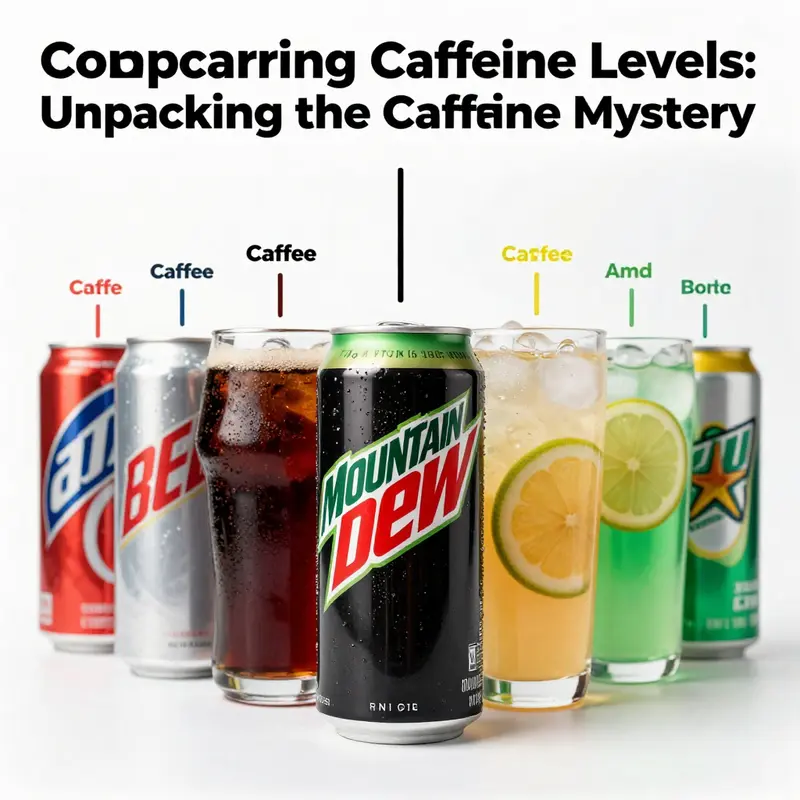
Caffeine has become a familiar companion in many aisles of the grocery store, and among the citrus-forward, neon-bright options that draw eyes from across the shelf, Mountain Dew stands out for a reason beyond flavor. It is widely recognized for delivering a noticeable caffeine kick, and that kick is quantifiable. A standard 12-ounce (355 ml) can contains about 54 milligrams of caffeine. That figure places it squarely in the upper tier for mainstream non-alcoholic beverages, offering a level of alertness that some turn to for a quick pick-me-up. This is not a mystery about a flavor alone; it is a deliberate formulation. The caffeine value comes from the ingredients themselves, and while the exact labeling sometimes lists caffeine as a simple line item, the effect it creates is part of the drink’s identity. The result is a beverage that can be both refreshing and energizing, depending on what a consumer needs from a single can or bottle.
Serving size matters in the caffeine conversation, and the 12-ounce standard is the reference point used by manufacturers, researchers, and nutrition guides. It’s easy to assume that the label tells the whole story, but the true picture becomes clearer when you compare serving sizes across the soda aisle. Mountain Dew’s caffeine content is consistently described in those terms, and the 54 mg per 12 oz figure is a benchmark others often measure against. In practice, this means that selecting a Mountain Dew as a mental or physical boost depends not only on taste but also on how much caffeine that serving delivers. If you’re monitoring daily intake, the 12-ounce can is the key unit of measurement to reference, especially when you’re juggling several caffeinated beverages in a single day. The amount is substantial enough to be felt, yet it remains within the bounds of what many adults consider a manageable energy curve when consumed in moderation.
To place Mountain Dew in context, a quick look at other popular sodas shows a clear range. Coca-Cola Classic delivers roughly 34 mg per 330 ml can, and Pepsi is around 38 mg per the same 330 ml size. Dr Pepper runs a bit higher, about 42 mg per 330 ml, while Diet Coke sits near 46 mg per 330 ml. Those figures highlight the relative intensity gap that Mountain Dew carves out within the conventional soft drink market. The contrast is not merely academic; for someone sensitive to caffeine or for a consumer who tracks how much caffeine they ingest daily, the difference between 54 mg and mid-30s mg translates into real impact on alertness, sleep timing, or jittery sensations. Even when compared to energy drinks that tout higher caffeine levels, Mountain Dew holds a notable position. For instance, some energy drinks announce caffeine in the 60-80 mg range per standard can, but many fall in the 40-50 mg territory as well, so Mountain Dew’s 54 mg across a typical serving is competitive within its category and has a recognizable, balanced effect that aligns with its branding as a refreshing, energizing pick-me-up rather than a pure stimulant.
Caffeine content is not a fickle statistic tied to a single flavor; it’s a characteristic of the line. Diet Mountain Dew and Zero Sugar Mountain Dew carry roughly the same caffeine level per 12-ounce serving as regular Mountain Dew, maintaining the same stimulating profile across the lineup. That consistency matters for people who switch between variants for calories or sugar content but still want a familiar caffeine-based experience. Even flavor extensions like Mountain Dew Voltage and Code Red retain the high caffeine level per the standard serving size, which helps explain why some fans reach for a specific variant not solely for taste but for the predictable energy lift. When you consider the broader market, this equivalence across products reinforces the idea that Mountain Dew’s caffeine is a defining attribute rather than a mere afterthought. It’s also worth noting that these values are frequently updated on the official Mountain Dew site as flavors come and go, ensuring consumers have current guidance about what they’re consuming.
The broader conversation about caffeine in soft drinks has evolved with new data and ongoing transparency. A 2026 study on soft drink caffeine levels consistently positioned Mountain Dew among the more caffeinated mainstream sodas, particularly when caffeine is assessed per standard serving. In other words, the beverage’s reputation for a robust energy boost isn’t just marketing folklore; it reflects measurable caffeine delivery that holds up when researchers compare products using the same serving framework. For readers who want a precise, apples-to-apples comparison, the 12-ounce standard remains the fairest unit of measure. The study helps explain why the drink has earned a reputation for its impact on energy and focus, a quality that has helped it stand out on crowded shelves where taste and texture often compete with caffeine and energy claims.
A practical takeaway emerges from these comparisons. If you’re curious about why a particular drink makes you feel alert, it’s not only the caffeine count but how your body absorbs and reacts to it. The 54 mg delivered per 12-ounce can of Mountain Dew can produce a noticeable midway boost that remains manageable for many adults. Yet this is not a universal signal for all consumers. People differ in caffeine sensitivity, daily routines, and total intake from other sources, including coffee, tea, or other caffeinated beverages. The conversation broadens when considering kids or teens, who often have stricter limits or recommendations regarding caffeine. In those cases, the choice of beverage might shift toward non-caffeinated or lower-caffeine options, illustrating how the same number—54 mg—can be viewed through several practical lenses depending on age, health considerations, and personal tolerance.
For anyone who wants to look beyond the headline figures, there is value in examining the lineup and the labeling. The caffeine comes from the formulation and is commonly listed on the label as caffeine, without any required disclosure beyond the numeric value. The precise origin of caffeine in these beverages is a combination of natural sources used in flavorings and the processing steps that blend ingredients into a final product. This means the energy boost consumers anticipate is the result of a deliberate recipe rather than a chance outcome of mixing ingredients. The consistency across variants—regular, Diet, and Zero Sugar—further reinforces the idea that Mountain Dew treats caffeine as a core component of the product experience rather than a sporadic addition. For readers seeking an accessible, data-driven rundown of caffeine content by flavor, a concise breakdown can be found in the article linked here: caffeine content of Mt. Dew.
From a regulatory standpoint, caffeine in soft drinks continues to be overseen by food safety authorities, with labeling practices designed to inform consumers about caffeine levels per serving. This framework helps explain why Mountain Dew and its peers publish caffeine figures in a clear, standardized way. The discussion also extends to how caffeine interacts with other ingredients, such as sugar or artificial sweeteners, and how this interaction can influence the perception of a boost. In a market that blends taste with function, caffeine becomes a bridge between flavor enjoyment and a measurable energy effect. Consumers who rely on this effect can appreciate the predictability that comes with knowing the caffeine content per serving and, in turn, plan their day around that knowledge. The result is a more informed approach to beverage choices, one that respects both taste and the physiological responses that caffeine can provoke.
For readers seeking the most accurate and up-to-date information about specific flavors and their caffeine content, the best source remains the manufacturer’s official pages. These resources periodically refresh their data to reflect new formulations, limited editions, or changes in serving sizes. Such updates ensure that the caffeine numbers you rely on aren’t out of date as the product lineup evolves. To deepen your understanding of Mountain Dew’s caffeine content and how it compares with other popular drinks, you can also explore related discussions and articles in the broader beverage-literacy landscape, which often harmonize consumer-friendly numbers with practical guidance for daily caffeine intake. In short, Mountain Dew’s 54 mg per 12-ounce serving stands as a defining feature that helps explain its lasting appeal among fans who want flavor plus a robust, recognizable energy lift. For a broader perspective on how this drink stacks up in the caffeine landscape, consider visiting the official product site and looking at the current flavor lineup.
External reference: https://www.mountaindew.com
Caffeine in Citrus: Tracing the Energy Pulse Behind Mountain Dew

Caffeine sits at the center of the modern energy narrative, and few beverages stake a louder claim than the bold, citrus-forward drink that has become a staple for gamers, commuters, and late-night workers alike. The question is simple in form but loaded in consequence: is there caffeine in Mountain Dew? The answer is yes, and the way caffeine threads through this beverage tells a broader story about how we seek focus, quick mood boosts, and a flavor that feels both refreshing and rebellious. A standard 12-ounce can contains about 54 milligrams of caffeine. That figure places it in the same neighborhood as a cup of coffee in terms of stimulant power, and it sits well above many other soft drinks that compete for a similar audience. This caffeine content is not an accident of branding; it is a calculated element of the drink’s identity, designed to deliver an energizing experience while maintaining a citrusy, spark-filled sensory profile that fans say they crave. For a precise reference on caffeine content, you can explore the deeper numbers here: how much caffeine in Mountain Dew.
Mechanistically, caffeine works in the brain by antagonizing adenosine receptors. Adenosine is the neuromodulator responsible for signaling fatigue, and when caffeine blocks those receptors, wakefulness improves, reaction time sharpens, and sustained attention becomes more feasible. This is not merely a subjective impression; controlled studies have shown that moderate caffeine intake can bolster cognitive performance on repetitive, mentally draining tasks—conditions that resemble long study sessions or extended gaming marathons. In the context of a high-caffeine citrus beverage, the effect is a combination of increased alertness and a sensory boost: a tangy flavor, buzzing carbonation, and the quick lift that many people associate with quick tasks completed or scores improved.
Yet the picture is not one-note. The dose and timing of caffeine intake matter as much as the dose itself. With roughly 54 milligrams delivered in a single 12-ounce serving, the beverage sits between a light caffeine boost and a more pronounced stimulant hit, depending on an individual’s baseline tolerance, recent sleep, and other caffeine sources in the day. The effects are strongest when caffeine is spaced across long sessions rather than consumed in one gulp. If a person drinks several cans in a day, the cumulative caffeine load rises, and so do potential side effects such as jitteriness, restlessness, and sleep disruption. Put simply, caffeine’s benefits are most reliable when used with awareness of timing and total daily intake, rather than as a daily ritual that compounds unchecked.
Flavor and consumer experience are inseparable from this stimulant chemistry. Mountain Dew has earned a reputation for its bold lemon-lime brightness, punctuated by subtler grapefruit notes and a high level of carbonation that creates a tingling, sensory-awakening effect even before the caffeine takes hold. The flavor profile matters, because taste affects how much of the drink people drink and how quickly they reach their desired level of alertness. The drink’s citrus-forward punch makes the caffeine feel like part of a larger package: clarity plus a satisfying snap of acidity that can accentuate focus during repetitive tasks or during long gaming sessions where steady attention is prized. Over time, this combination has helped the beverage carve out a distinctive cultural niche, tying itself to the rituals of late-night study, marathon gaming, and other activities requiring continuous attention.
The caffeine content operates in concert with other ingredients that define the drink’s overall health footprint. Sugar content is a critical factor here: a 12-ounce serving typically harbors around 46 grams of sugar in the original formulation. Sugar contributes to a quick, satisfying energy spike, but it also adds calories and potential dental concerns. The acidity in Mountain Dew—driven by citric and phosphoric acids—further influences how the mouth responds over time. Dental health professionals often highlight enamel erosion risks with frequent acidic, sugary beverages, especially when sips are spread across many hours or when combinations with other acidic foods or drinks occur. The combined effect of caffeine and sugar is a living reminder that a dose of energy can carry a collateral charge to health and daily rhythms if consumed without moderation or mindfulness.
From a behavioral perspective, caffeine’s reach extends beyond physiology into decision-making and spending. Some research suggests that even moderate caffeine intake could heighten arousal, potentially increasing impulsivity in certain contexts. In economic terms, arousal can translate into quicker purchasing decisions, less deliberation, and greater willingness to sample or stock up on favored products. In everyday life, this means that a familiar high-energy beverage might simultaneously satisfy a cognitive need for speed and inadvertently shape how a person allocates attention and money across days or weeks. The beverage thus functions as a microcosm of a broader dynamic: caffeine can be a cognitive tool, a sensory reward, and a behavioral cue wrapped into a single, convenient package.
Of course, flavor and caffeine are not the only levers at work. The beverage ecosystem thrives on product innovation, with limited-edition flavors and seasonal drops aimed at capturing a moment’s interest and tapping into social-media-driven sentiment. Market dynamics in this space are guided by real-time feedback from fans and regional demand, informing decisions about what new flavor profiles or branding angles will resonate. The result is a steady rhythm of novelty that keeps consumers returning to the brand’s core offering while also inviting them to explore subtler adjustments in taste and experience. In this frame, the caffeine content remains a stable anchor—reliable, predictable, and aligned with the drink’s promise of quick, energetic refreshment—while other elements of the formula shift with cultural trends and consumer feedback.
One practical implication for consumers is to consider how caffeine from this source fits into a broader daily pattern. If someone starts the day with a cup of coffee and then follows with a citrus-focused, caffeinated soda, the total daily caffeine intake climbs quickly. This is not inherently dangerous for everyone, but it does call for mindful use. People who are sensitive to caffeine, who sleep poorly, or who have certain health conditions should be especially careful about late-day consumption. The timing of caffeine can influence not only sleep quality but also next-day cognitive performance and mood. A well-timed dose can help sustain concentration through a long project or gaming session; an ill-timed dose, particularly late in the day, can create a cycle that undermines rest and recovery. The key is to align intake with personal goals for sleep, daily productivity, and overall well-being, viewing caffeine as a tool rather than a default habit.
In considering alternatives, many readers might wonder about choosing beverages with lower caffeine content or no sugar. There are options that emulate the sensory appeal—bright flavor, crisp carbonation, and a refreshing finish—without the same energy footprint. In practice, this means exploring lighter or zero-sugar formulations or rotating into non-caffeinated choices for certain parts of the day. The goal is not to demonize a single drink but to acknowledge the spectrum of options available and to tailor choices to individual health, activity levels, and sleep needs. The decision to use a high-caffeine citrus beverage becomes a personal balancing act rather than a blanket recommendation.
The cultural and commercial dynamics surrounding this beverage also deserve attention. The caffeine-to-flavor relationship has, over the years, become a lens through which people understand how modern food and drink products are designed to engage attention, mood, and behavior. The brand’s appeal is not simply about a drink; it is about a promise of quick focus, a moment of refreshment, and a sense of belonging to a community that values high-energy experiences. This social dimension matters because it helps explain why a caffeinated citrus drink can achieve lasting resonance even as health conversations evolve and new products enter the marketplace. It also helps explain why researchers and marketers alike pay attention to both the cognitive effects of caffeine and the sensory gratification that accompanies each sip.
For readers who want to explore the topic further, the interconnection between caffeine content and flavor can be a fruitful area of study. Understanding how caffeine interacts with taste, aroma, and texture can reveal why certain beverages feel more energizing than others, even when the caffeine dose is similar. The experience is not purely chemical; it is perceptual and psychological as well. The sugar, the acidity, the carbonation, and the mouthfeel all contribute to a multisensory impression of energy and alertness. In this sense, caffeine is a catalyst that amplifies a broader sensory experience rather than acting in isolation.
As with any caffeinated product, readers are encouraged to approach Mountain Dew with informed mindfulness: know the caffeine amount, understand how your body responds to caffeine, and pace intake in a way that protects sleep and long-term health. The drink’s citrus vibrancy and fizz offer a compelling sensory package, and the caffeine content provides a reliable kick that can be advantageous in the right context. But like any stimulant, its value is maximized when used in balance with other daily habits, including sleep, hydration, and nutrient-rich meals. In the end, the question isn’t only about whether caffeine exists in Mountain Dew; it is about how that caffeine fits into a thoughtful, individualized approach to energy, focus, and well-being.
Notes and references for this discussion point toward both consumer experience and health considerations. For a more detailed look at caffeine content and product specifics, see the linked page above. And for readers seeking an official source that states the caffeine figures directly from the brand, consult the brand’s FAQ. The synthesis here is designed to illuminate the practical implications of caffeine in a widely consumed citrus beverage while recognizing that individual responses will vary, and that informed choices best serve long-term goals. By keeping the focus on dose, timing, and context, you can enjoy the sensory and cognitive benefits that caffeine can offer without letting it complicate sleep or health.
External reference: Official caffeine information from the brand can be found here: https://www.mountaindew.com/faq/caffeine-in-mountain-dew
Caffeine as the Marketing Pulse: The High-Octane Branding of a Neon Citrus Beverage
When you hear about a bold neon citrus beverage, the conversation rarely stops at the fizz or the flavor. It often pivots to what sits inside the can: caffeine. In the world of mass-market soft drinks, caffeine is more than a kick of stimulation; it is a carefully calibrated instrument that shapes consumer expectations, informs brand personality, and even steers how a product is imagined in the minds of a generation that prizes speed, focus, and connection. The standard numbers are clear enough on the can or bottle: roughly 54 milligrams of caffeine per 12-ounce serving for the original formula, with similar levels carried across new variants that bear the same energetic claim. That amount—about the same caffeine punch as a strong cup of coffee—positions the drink not merely as a refreshment but as a portable source of alertness. In marketing terms, that distinction matters. It allows the brand to present itself not just as a thirst quencher but as a companion for long sessions, whether those sessions involve late-night gaming, marathon study blocks, or social encounters that stretch into the early hours. The caffeine narrative is therefore not an afterthought; it is a central pillar of the product’s identity and a visible thread that weaves through campaigns, sponsorships, and the everyday moments people associate with the drink.
From a branding perspective, caffeine functions both as a functional differentiator and as a symbol of energy. In a crowded beverage aisle, where taste and packaging can blur into a sea of options, the idea that a drink can help you stay awake, stay sharp, and stay engaged becomes a powerful shorthand. The messaging leans into a confident, even rebellious energy—a tone that resonates with audiences who value vitality, speed, and a sense of belonging to a culture that prizes high-intensity experiences. This is not accidental; it is the result of deliberate marketing strategy that views caffeine content as a feature rather than a side effect. Advertising campaigns frequently tether the idea of caffeine to performance attributes: better reaction time, steadier focus during long sessions, and the ability to push through fatigue when the stakes feel real, whether in a gaming lobby, a late-night study room, or a crowded festival crowd. In short, caffeine becomes the currency with which the brand buys credibility among people who want to feel ready to respond, whether the call to action is to level up in a game, finish a project, or keep conversations going well into the night.
This strategic use of caffeine aligns with the drink’s bold, high-energy persona. The brand has long cultivated a sense of rebellion and momentum, a narrative in which alertness is an edge rather than a mere physiological effect. In the marketing ecosystem, this translates into visuals that glow with electric color, copy that speaks in short, punchy lines, and partnerships that place the beverage side by side with rapid-fire activities—esports events, live streams, and other arenas where a quick refresh can feel like a practical tool rather than a mere indulgence. The consistency of this message—from product development to promotional content—helps create a coherent aura around the beverage. Even when flavor variants come and go, the underlying proposition remains the same: caffeine is part of what makes the drink versatile enough to accompany a wide range of high-energy moments. The brand’s voice stays loud and confident, a cadence that signals to consumers that this is the ally for those who refuse to slow down.
Variations within the lineup—some flavored with electric blue profiles, others offering a brighter, more citrus-forward experience—are more than stylistic differences. They function as experiments within the same energy universe. By introducing flavors that feel both fresh and familiar, the brand keeps caffeine at the center while inviting different sensory experiences. This approach makes the caffeine message more resilient: even if a consumer grows tired of a particular flavor, the core attribute—an energy-supporting level of caffeine—remains a constant point of reference. The marketing teams leverage this stability to tell a broader story about living with intensity. A digital campaign might invite fans to share clips of long gaming sessions or late-night study marathons, framing caffeine as the practical enabler of endurance. In esports sponsorships or live-stream activations, the drink is positioned as a reliable companion for focus, speed, and the kind of quick, sensory feedback that players associate with peak performance. The result is a cultivated culture around the beverage—one in which caffeine is not simply a chemical ingredient but a cultural signal that says, “We understand your rhythm, and we’ve built a product to match it.”
Caffeine’s marketing power also rests on the ability to speak to a demographic that values immediacy and community. For younger consumers, the appeal is not only the boost but the social ritual surrounding it: grabbing a can, opening it with a hiss, and sharing a moment with friends who are equally wired for the next challenge. The brand’s tone reinforces this social dimension, portraying caffeine as a shared resource that helps people stay present in conversations, in games, in music, and in the many micro-moments that make up an active lifestyle. In this sense, caffeine becomes a social glue—something that signals participation and readiness to engage with others at a high tempo. Marketing teams often frame the drink as a form of fuel for belonging, a practical way to align energy with social presence. The narrative stature of caffeine in these campaigns is reinforced by sensory experiences—bold flavors, bright packaging, and an energy that’s both audible and visible in the consumer’s day-to-day life.
Beyond the stickers and slogans, the brand’s strategy uses data-driven insights to keep caffeine at the heart of its evolution. Consumer feedback, sentiment analysis on social channels, and regional sales patterns inform not just flavor development but how the energy story is told across different markets. This approach ensures that the caffeine proposition remains relevant as tastes shift and as the competitive landscape changes. It also helps explain why new releases tend to preserve the signature high-caffeine profile while layering in sensory innovations that promise a fresh surge of excitement. In other words, caffeine becomes both a product attribute and a strategic lens through which every new flavor and campaign is evaluated. The aim is to sustain the sense that the beverage is more than a temporary pick-me-up; it is a dependable partner in daily routines that demand alertness, speed, and focus over extended periods.
This marketing architecture—caffeine as a functional differentiator, a symbol of energy, and a social glue—also comes with its own narrative risks and responsibilities. While consumers often welcome the energy boost, there is growing awareness about caffeine intake and health considerations. The brands that successfully navigate this terrain do so by being transparent about caffeine content and by framing their messaging around responsible consumption—acknowledging that caffeine interacts with other dietary factors and varies in effect from person to person. In practice, this translates to clear labeling and education in broader communications ecosystems, ensuring that the energy story remains credible rather than coercive. The marketing, therefore, becomes a balancing act between the appeal of an immediate lift and the long-term trust that comes from responsible, informed storytelling. Even as the pitch emphasizes staying sharp and powering through, savvy campaigns recognize the nuanced reality that caffeine affects individuals differently and that pacing and moderation matter just as much as momentum.
The branding narrative also finds reinforcement in product variants designed to extend the same energy promise into new sensory territories. A flavor like Voltage, with its electric blue raspberry profile, and Live Wire, a bright citrus-forward option, are not mere experiments in taste. Each variant signals a slightly different tuning fork for energy, inviting consumers to explore how caffeine interacts with flavor in ways that feel personal and new. Limited releases, cross-promotional tie-ins, and regionally popular flavors further keep the caffeine story dynamic, ensuring that the perception of a high-energy, high-pace lifestyle remains current in a fast-moving culture. The endurance of this message—caffeine as both a practical and symbolic resource—helps explain why the product consistently lands at the center of conversations about gaming, late-night study sessions, and social energy. It is a case study in how a single functional attribute can become a core pillar of a brand’s identity and a reliable driver of consumer loyalty.
If you want a focused, evidence-based snapshot of how caffeine content aligns with the marketing narrative, it’s helpful to consider the broader landscape of caffeinated beverages and how comparisons shape perceptions. A practical reference for readers who want to contrast caffeine levels across different sodas is the article on caffeine content across popular drinks, which lays out the arithmetic behind consumer expectations and helps explain why a 54-milligram can can feel so consequential in a marketing frame. For a focused look at the caffeine content of the beverage discussed here, see the article on caffeine content MT Dew. caffeine-content-mt-dew. This supportive material helps connect the dots between the label, the brand’s energy-centric storytelling, and the everyday experiences of fans who assume that a high-caffeine profile signals reliability and stamina rather than mere sweetness.
Across campaigns and fan communities, the persistent takeaway is that caffeine content matters not just as a measurement of stimulation but as a tangible link between product design and cultural lived experience. The brand positions itself as a catalyst for action, a meteor-like burst of energy that meets people where their day demands speed, engagement, and a readiness to respond. In this light, caffeine is less a simple ingredient and more a strategic asset—one that enables a consistent fantasy of vitality while inviting real-world participation in a lifestyle that many young adults and teens already inhabit. The result is a marketing ecosystem in which caffeine and culture reinforce one another, creating a recognizable, repeatable pattern of expectation: energy, resilience, community, and a willingness to push through the next challenge with the same bold, bright flavor leading the way.
For readers seeking a broader safety and policy context around caffeine, credible external resources provide a grounded counterpoint to the marketing narrative and remind readers that information should be balanced with health considerations. The U.S. Food and Drug Administration offers authoritative context on caffeine labeling, safety, and intake guidelines, which can help readers evaluate how brands communicate energy in a responsible, credible manner. External resource: https://www.fda.gov/food/food-additives-policies/caffeine
Final thoughts
In conclusion, understanding the caffeine content in Mountain Dew expands the landscape for business owners in the beverage industry. Its consistent caffeine level, comparable to many coffees and higher than most traditional sodas, positions Mountain Dew as a unique offering that can energize consumers. Moreover, the insights gathered from comparing its caffeine levels, examining consumer effects, and leveraging marketing strategies all underscore the critical role caffeine plays in driving purchase decisions. As competition in the beverage market intensifies, aligning product offerings with consumer expectations and preferences can enhance brand loyalty and sales.