
Mountain Dew, a popular soda brand, boasts a significant caffeine content that appeals to various demographics, particularly gamers and young adults. This article delves into the specifics of Mountain Dew’s caffeine levels, health implications, its role in gaming culture, and how it compares with other beverages. The intention behind this exploration is to provide business owners insights on product positioning, marketing strategies, and the evolving consumer preferences around caffeinated drinks, establishing a well-rounded understanding of its relevance in today’s marketplace.
Buzz, Balance, and Breaks: Decoding Mountain Dew’s Caffeine for the Gamer
Mountain Dew has long stood out in the beverage landscape for its bold citrus profile and a caffeine kick that seems built for late-night gaming and extended streaming sessions. In circles where precision and speed matter, a cold can this bright and brisk can feel like a companion that never tires. The caffeine content is a central part of that equation. A standard 12-ounce can of this citrus-forward drink typically carries about 54 milligrams of caffeine, a figure that aligns with recent measurements and helps explain its reputation as a high-energy option among everyday sodas. For those who prefer a sugar-free path, the diet version preserves the same magnitude of caffeine per 12 ounces, offering stimulation without the extra calories. This combination—bold flavor and dependable caffeine—creates a steady pull in the moment and a predictable baseline for players seeking focus over longer stretches of play. Yet the gustatory thrill and the stimulant effect do not exist in a vacuum; they are inseparable from how the body handles both the caffeine and the other components of the drink.
The brain’s response to caffeine is both simple and nuanced. Caffeine blocks adenosine receptors, reducing the sensation of tiredness and allowing neural circuits involved in attention and motor control to operate with a little more swagger. In controlled settings, caffeine can sharpen reaction times, smooth out occasional lapses in vigilance, and reduce the subjective effort required to push through repetitive tasks. In gaming, those effects can translate into quicker decisions, more precise aiming, and a steadier cadence during a tense encounter. The practical takeaway is straightforward: when used thoughtfully, caffeine can convert a long, monotonous session into a more manageable, less fatiguing experience. The caveat is equally straightforward. The benefit tends to arise from a pattern of moderate intake, not heavy dosing all at once. A measured approach—small sips timed across a session—tends to yield a more stable level of alertness and a lower likelihood of the dreaded caffeine crash that follows a sharp spike.
Within the gaming community, the sensory rail of the drink matters as well. The active stimulant is paired with a flavor profile that many find compelling; both Live Wire and Code Red variants share the same caffeine backbone even as the taste takes players on different citrus and berry-flavored detours. This means the user can choose intensity and palate preference while maintaining the same physiological input. The consistency of caffeine across core flavors underlines a deliberate design: flavor can enhance engagement without diluting the stimulant effect. For someone navigating a marathon gaming session, that predictability is valuable. The sweetness levels, though, interact with caffeine in a way that can influence energy perception. Sugar drives a quick rise in blood glucose, which can feel like a rapid surge of energy followed by a later decline. The result is a dynamic experience where taste and physiology converge, shaping how long a player can maintain peak performance before fatigue sets in.
The broader health picture invites a careful balance. The high sugar content common to these beverages has implications that extend beyond a single gaming session. While caffeine can enhance wakefulness and reaction speed in the near term, the sugar load can contribute to a rapid energy spike followed by a crash, which may undermine performance as the session wears on. In addition, the acidity that accompanies carbonation and citric or phosphoric acids can erode dental enamel over time, particularly for frequent consumers or those who sip throughout the day. Metabolic considerations also enter the frame when such drinks are consumed regularly; even if individual servings seem modest, the cumulative effect of daily intake can shift caloric balance and glucose management for some people. Taken together, these factors argue for a nuanced approach: caffeine can be a tool for focus, but it should be used with attention to overall diet, dental care, and personal tolerance.
With all this in mind, practical strategies emerge for players who want to harness caffeine’s cognitive benefits while minimizing downsides. First, pacing matters. Rather than consuming a large volume at the outset of a session, a steady rhythm of small doses can help sustain attention without triggering a sudden surge of energy followed by fatigue. This might mean pairing the beverage with short hydration breaks and a few minutes of light movement to keep the body from sinking into a tunnel of wakefulness that becomes uncomfortable later. Second, hydration should not be neglected. Caffeine’s diuretic effect is modest at typical gaming doses, but the sitting posture and long screen time can compound dehydration and reduce perceptual performance. A simple rule—drink water alongside any caffeinated beverage—keeps both focus and physical well-being in better balance. Third, it helps to be mindful of other caffeine sources. The total daily intake matters for sleep, mood, and heart rate, so many gamers benefit from setting a reasonable ceiling rather than chasing a late-night caffeine high that disrupts recovery and next-day performance. Finally, tolerance plays a central role. Regular consumers may require slightly higher amounts to achieve the same effect, but this increases the risk of jitteriness, anxiety, or a more pronounced crash if the intake is uneven. A conservative approach—assessing personal response, then adjusting gradually—often yields the most sustainable benefits over time.
For readers seeking a precise accounting of the caffeine content and how it stacks up against other beverages, a closer look at the exact caffeine content of Mountain Dew can illuminate the comparison. This resource offers a clear, data-driven view of how a single serving translates into energy and alertness in the moment. caffeine content of Mountain Dew. The information orientation here is not to promote glassy-eyed endurance but to equip players with a framework for responsible consumption. In practice, that means recognizing that caffeine is a tool with a timing and dose that can align with a specific gaming objective—long focus for a clutch moment, or a steady pace across an extended marathon—without becoming the sole driver of performance.
Finally, the broader takeaway is one of balance rather than bravado. The drink’s caffeine presence is real and predictable enough to be relied on, yet it never substitutes for foundational performance habits. Sleep quality, nutrition, eye strain management, posture, and deliberate breaks all contribute to sustained gaming excellence. Caffeine can complement those habits when applied thoughtfully, but it should never replace the rest of a healthy strategy. By understanding both the science of caffeine and the practical realities of gaming physiology, players can tailor their use to fit the demands of a session, the rhythms of their own bodies, and the goals they set for themselves. For a deeper dive into official product data and formulation details that extend beyond caffeine alone, readers may consult the official product information provided by the manufacturer.
Caffeine Lift in the Citrus Neon: Mountain Dew and the Gamer’s Edge
Caffeine has become a familiar ally for many gamers, providing a quick spark that helps sustain focus through long sessions. Among caffeinated beverages, Mountain Dew stands out with a bright citrus profile and a caffeine boost that many players rely on during marathon play. A typical 12-ounce can delivers around 54 milligrams of caffeine, placing it on the higher end of standard soft drinks and contributing to a noticeable alertness for those who enjoy it in moderation. This dose can support sharper attention, faster reactions, and reduced mental fatigue during demanding tasks, especially when a game demands sustained vigilance. Yet, as with any stimulant, it’s important to balance the lift with awareness of potential costs elsewhere in the body, particularly when consistently consuming multiple cans in a day. For readers seeking a quick reference, a detailed post on caffeine content in Mountain Dew offers a focused snapshot of the numbers and their context: https://coffeerichlife.com/blog/caffeine-content-mt-dew/. \n\nSafety guidelines for caffeine intake vary, but Health Canada’s reviews suggest that caffeine levels commonly found in soft drinks are generally considered safe for the average adult when consumed in moderation. Achieving a sense of safe, moderate intake means pacing consumption during a day and paying attention to personal sensitivity, sleep patterns, and total daily caffeine exposure. In other words, the practical takeaway is not to demonize the drink but to enjoy it with mindful timing rather than as a constant source of energy. \n\nBeyond caffeine, Mountain Dew’s composition includes sugar and acids that shape dental health and metabolic considerations. The beverage’s sweetness contributes to energy delivery that can be rapid but short-lived, while its acidity—driven by citric and phosphoric acids—can interact with dental enamel if sipped over extended periods. Practicing mindful sipping, hydrating with water, and pairing energy drinks with meals can help ease these concerns. \n\nFrom a behavioral perspective, caffeine’s effects interact with mood and performance in nuanced ways. For some gamers, the stimulant improves focus and reaction time during critical moments, while others may notice jitteriness or disrupted sleep if intake becomes excessive or poorly timed. A flexible approach—matching caffeine use to individual physiology, sleep cycles, and stress levels—tends to yield the best balance between short-term performance and long-term well-being. \n\nIn sum, Mountain Dew can provide a meaningful cognitive lift for gamers when enjoyed with moderation and timing. It sits at the intersection of flavor, stamina, and health considerations, inviting players to tune their consumption to their own energy needs and daily routines. For further grounding, exploring official caffeine guidance and comparing caffeine content across beverages can help inform smarter choices tailored to personal gaming habits.
Neon Energy, Quick Reflexes, and the Gaming Pulse: Caffeine, Culture, and the Beverage That Becomes Buffer
In the glow of screens and keyboards, a ritual forms around a single, fizzy companion. The neon citrus aroma cuts through the room, and the can or bottle becomes more than a drink; it acts as a signal that the next level, the next match, the next long haul, requires a little extra push. The beverage most closely associated with this ritual carries a caffeine load that sits high among the beverages humans reach for during prolonged focus. In a typical 12-ounce serving, the caffeine content hovers near fifty-five milligrams. Specifically, the original version carries about 54.8 milligrams, while the sugar-free alternative clocks in around 55.2 milligrams per 12-ounce serving. Those numbers place this drink well above many regular carbonated beverages, a fact that helps explain its popularity among players who want to sustain vigilance through late-night sessions. The impact is not purely about energy; it is a cultural cue that signals readiness for a challenge, a moment when fatigue is a friction to be overcome rather than a boundary to acknowledge. And in a gaming room, where focus can be as valuable as skill, that cue matters in subtle yet tangible ways.
Caffeine operates as a cognitive amplifier in the short term. When consumed in moderate amounts, it can sharpen attention, quicken reaction times, and blunt the fatigue that creeps in during repetitive tasks. These effects align with what gamers report when a steady stream of play stretches into the early hours. The literature on caffeine and performance supports this alignment: modest caffeine intake can improve alertness and motor coordination, which are essential for rapid eye-hand coordination during fast-paced play. Yet the same literature also warns of a balance to strike. The same stimulant that heightens vigilance can, in excess, provoke jitters, anxiety, or an anxious edge that reduces precision. The practical takeaway is not to demonize a single dose but to monitor personal responses and adjust timing and quantity accordingly. In the context of gaming, this means spacing out doses and avoiding large bursts that could backfire as soon as the rush subsides.
This is where the cultural dimension becomes crucial. The beverage in question has long carried more meaning than its fizzy content would suggest. It has been positioned as an energy symbol within gaming culture, a tangible signal of readiness for battle, a kind of portable power-up. The brand’s machinery—sponsorship of esports events, collaborations with streamers, and limited-edition packaging that nods to popular gaming franchises—augments its symbolic power. The message isn’t only about what the drink does for the brain; it is about what the drink represents in a shared culture. It becomes a shorthand for dedication, late-night endurance, and the willingness to invest in tempo and tempo control during a long shift of play. In a space where social identity and practice intertwine, such marketing helps to entrench the beverage not just as a beverage but as a companion to ritualized gaming behavior. The result is a cycle in which the drink supports extended play, and extended play reinforces the drink’s status in the culture, a feedback loop that can feel almost self-evident to those who inhabit these digital or live arenas.
But any such loop also invites caution. Research and clinical observations point to a potential link between frequent caffeine use and shifts in gaming duration that may correlate with problematic patterns of engagement. A recent mediation analysis explored how caffeine use could influence the relationship between how long people play and the emergence of problematic gaming behaviors. The findings suggest a small but statistically significant mediating effect: caffeine intake can contribute to heavier gaming indirectly, reinforcing patterns where longer sessions become more common and craving-like behavior follows. In plain terms, the more someone uses caffeine to push through fatigue, the more likely they are to extend play, and the more play extends, the more caffeine one might seek to sustain it. This is not a universal rule, but it underscores a legitimate risk: the stimulant can become part of a self-perpetuating cycle that blurs the line between focused play and overindulgence. Consequently, awareness and moderation are not merely prudent but essential, especially for players who already manage demanding schedules, sleep patterns, and social responsibilities.
To ground this discussion in practical terms, it helps to know the caffeine content precisely as it appears in the beverage category under consideration. This information matters not only for safety and performance planning but also for personal experimentation with tolerance and timing. A good practice is to track how different doses align with your own sleep, reaction times, and mood. Some players find a single serving during a session is adequate for the tasks at hand, while others discover that a carefully spaced, smaller amount sustains concentration without provoking a crash or restless wakefulness later. It is equally important to consider the overall daily intake from all sources. The goal is to optimize alertness for the moments that demand it without tipping into anxiety, sleeplessness, or persistent jitters that degrade finer motor control or represent a warning signal from the body. In this light, the beverage becomes less a crutch and more a barometer—one that can help players gauge their balance between drive and well-being.
The cultural resonance of this beverage is inseparable from its practical effects. In fields like competitive gaming and speedrunning, the demand for rapid decision-making and precise execution is constant, and any marginal gain can be meaningful. Yet the same settings are also sensitive to disruption from sleep loss, inconsistent attention, and mood swings—all of which caffeine can either mitigate or magnify depending on dose and timing. Marketers have seized on this dynamic by weaving the drink into game-related narratives and experiences that emphasize energy, focus, and resilience. The result is a social ecosystem where the beverage and gaming practice reinforce one another, shaping expectations about how a game session should feel and how it should be sustained. In this ecosystem, the drink does not merely quench thirst; it anchors a particular rhythm of play—one that pairs bursts of intense focus with moments of breathless perseverance. As players, spectators, and commentators share this rhythm, the line between tool and identity thins, making it easy to see the beverage as a reliable ally rather than a mere beverage.
For those who want to connect directly to the science behind this interplay, there is value in examining the specifics of caffeine content in the beverage. A concise reference point is available that details the exact caffeine content in mt-dew. caffeine-content-mt-dew.
The broader takeaway emerges from stitching together physiology, culture, and behavior. Caffeine, by design, can sharpen the brain’s responsiveness and support sustained attention. In the context of gaming, where milliseconds and consistent focus can decide outcomes, that effect carries weight. The beverage at the heart of this discussion functions as a cultural artifact as well as a stimulant. Its role is not simply to wake the senses but to accompany a shared practice—one that often unfolds in social spaces, online channels, and tournament floors. When practiced with mindfulness, it can support performance during demanding sessions. When mismanaged, it risks reinforcing a pattern of extended play that may erode sleep quality, mood stability, and long-term health. The education here is not about banning the drink but about cultivating awareness: knowing one’s own thresholds, recognizing the signs of overuse, and designing consumption patterns that honor both performance goals and well-being.
In the end, the neon energy drink that has become almost a cultural shorthand for gaming endurance embodies a paradox. It offers a practical shortcut to wakefulness while also posing a subtle threat if relied on too heavily or used as a substitute for rest. The discipline lies in responding to the body’s signals with intention rather than habit. Moderation, pacing, and a clear understanding of personal tolerance create the possibility of a balanced rhythm where caffeine serves the game rather than dominates it. Beyond the physics of caffeine—beyond the chemistry of alertness—this beverage inhabits a social space in which practice, identity, and performance converge. A gamer’s choice may be informed by science, but it is perfected through experience, reflection, and the ongoing negotiation between drive and rest. In that sense, the beverage remains both catalyst and mirror: a tool that awakens the reflexes and a cultural symbol that reveals how gaming cultures craft meaning around energy, time, and focus.
External research reference: https://www.mdpi.com/1660-4601/22/9/1078
Caffeine Quotients on the Mountain: Mountain Dew and the Spectrum of Beverages Shaping Gamer Sessions
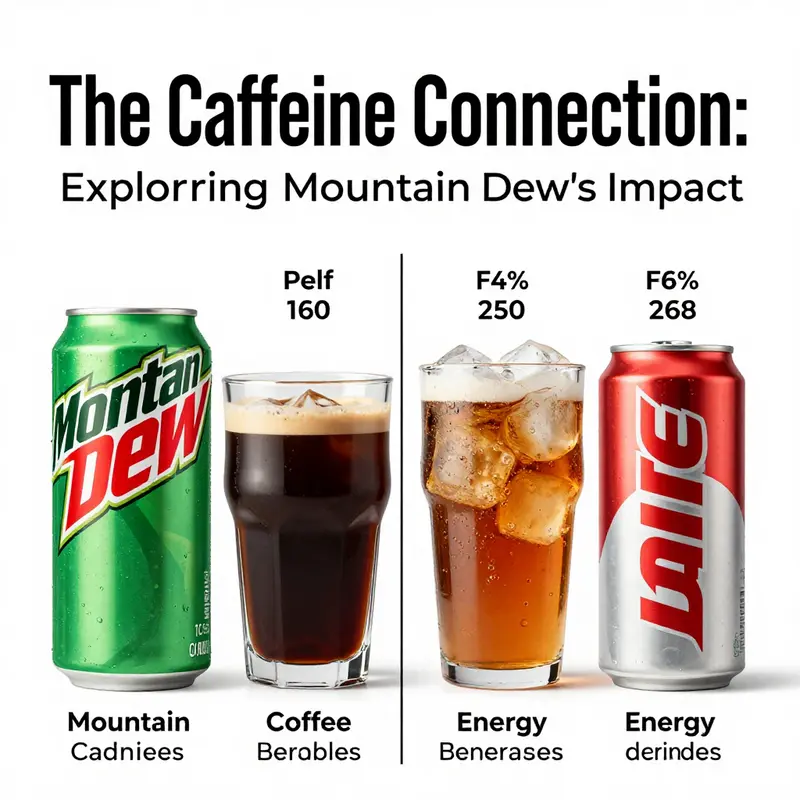
Caffeine content is more than a number; it is a signal about how a drink can influence focus, energy, and the pacing of a gaming session. In conversations about performance and endurance, the stacks of data around caffeine become a kind of map for players choosing what to drink while they chase the next level, the next kill, or the next streaming milestone. Among the beverages that populate this map, the citrus-forward, high-carbonation favorite often sits near the top for caffeine per serving among common sodas and energy-adjacent drinks. In practical terms, a standard 12-ounce serving of this popular citrus beverage contains roughly 54 to 55 milligrams of caffeine, with a sugar-free variant showing a nearly identical profile at about 55.2 milligrams per 12 ounces. That proximity in caffeine content between the sugared and sugar-free forms is notable for gamers who are watching both their energy and their intake of sugar or calories over the course of long sessions. The headline figure anchors a broader comparison that helps explain why this drink has become a default choice for many players who are trying to balance cognitive sharpness with the social and entertainment aspects of streaming and online competition. To place these numbers in a broader frame, consider the daily guidelines and the wider landscape of caffeinated beverages, where a single can can outpace many standard soft drinks yet still fall short of the most potent energy-focused options on the market. A thoughtful approach to caffeine in this context means recognizing not just the presence of a stimulant, but also its context within the total day’s intake and the individual’s tolerance and goals during play. For a sense of scale, the same 12-ounce measure used for the above beverage sits well ahead of many regular colas, but far below the most intense energy drinks that are designed for rapid, high-dose energy. The difference in caffeine density per ounce becomes especially telling when comparing beverages with different serving sizes. The drink discussed here delivers about 4.6 milligrams of caffeine per ounce, a level that is substantial for a soda but far lighter than the density in popular energizing beverages that come in smaller cans or bottles. The contrast is informative for gamers who are weighing choices during a marathon session or a long stream and who want to avoid the sudden spike and subsequent crash that can accompany a high-dose, short-interval caffeine hit. As a general rule, it is prudent to space out caffeine intake and avoid stacking multiple sources in a short window, a practice that can lead to jitters, anxiousness, or that dreaded caffeine crash that interrupts concentration and reaction time. This is not merely a comfort guideline; it aligns with observed effects on attention, alertness, and motor coordination that are most beneficial when they are predictable and steady rather than subject to rapid surges and dips. For players, the cognitive wins from caffeine—improved reaction times, more rapid switching between tasks, and a sense of reduced mental fatigue during repetitive tasks—are well-documented in broader research. Yet the same body of evidence emphasizes that performance benefits are most reliable when caffeine is consumed in moderate, well-timed doses rather than as a single, late-day surge. The practical implication for a gamer, then, is not simply to chase the highest number on a label, but to understand how that number interacts with personal tolerance, the duration of the gaming session, and the other dietary components that accompany it. To illustrate the spectrum of choices, imagine a lineup of beverages with caffeine content expressed in similar terms. A widely consumed regular cola typically lands around 34 milligrams per 12-ounce can, while a popular non-cola cola tends to hover around 38 milligrams per 12 ounces. A well-known cola-flavored mixer or a widely consumed variety with caffeine added brings up the same per-12-ounce reference range, but still typically remains below the levels observed in beverage options designed around energy and alertness. In contrast, energy drinks sold in smaller can sizes often deliver higher per-ounce densities; an energy drink commonly found in an 8.4-ounce can delivers about 80 milligrams total, which translates to roughly 9.5 milligrams of caffeine per ounce. Another category, larger energy drinks that come in 16-ounce cans, might total around 160 milligrams, equal to about 10 milligrams per ounce. When the numbers are laid out this way, the beverage discussed here occupies a middle path: higher caffeine than the average soda but not as dense per ounce as the most concentrated energy products, especially when one accounts for serving size and volume. This per-ounce perspective helps explain why gamers who prioritize a steady stream of energy might prefer this type of drink during long sessions, balancing the need for sustained alertness with a more predictable profile than some of the more intense options. The takeaway is not merely about choosing one beverage over another; it is about understanding caffeine as a tool within a broader strategy of hydration, nutrition, and cognitive stamina. In the context of gaming endurance, the total daily caffeine intake becomes a central consideration. The U.S. Food and Drug Administration recommends that up to 400 milligrams of caffeine per day is generally safe for most healthy adults. Translating that guideline into practical gaming behavior means that the equivalent of eight 12-ounce servings of this particular beverage would exceed the commonly accepted daily limit. Several factors influence how close a player should come to that threshold: body mass, sensitivity to caffeine, concurrent caffeine sources such as coffee or other energy products, and the nature of the gaming schedule itself. If a session is long and dense with focus demands—across streams, tournaments, or extended practice—the temptation to reach for additional caffeine can be strong. Yet the risk of diminishing returns grows as the body adapts and as the caffeine interacts with sleep patterns, hydration status, and overall metabolic health. Beyond caffeine alone, the sugar or acidity present in beverages of this kind introduces another dimension of consideration. The citric and phosphoric acids common to these drinks can contribute to dental erosion over time, particularly with frequent exposure in the context of other acidic foods and beverages. The sugar content, whether in its traditional or sugar-free form, also carries implications for energy metabolism, dental health, and longer-term metabolic risk, depending on overall dietary context and frequency of consumption. The gaming moment is often a blend of focus, momentum, and mood, and caffeine can influence each facet. Moderate caffeine intake can sharpen attention and improve certain reaction-time metrics, which matters in fast-paced gaming environments where microseconds can influence outcomes. However, these advantages require careful timing. A mid-session caffeine spike can help fight fatigue, but a mid-session crash can derail decision-making and situational awareness just as quickly. This is why the most practical guidance for gamers emphasizes moderation, pacing, and listening to one’s own body signals. The goal is to preserve sustained performance without inviting the overshadowing effects of too much caffeine at once, including heightened anxiety, sleep disruption, or restless energy that interferes with precise motor control. For readers seeking a compact reference, the data place this beverage in a familiar tier of caffeine content that sits above many regular soft drinks, while still offering a manageable dose for those who are mindful of cumulative daily intake. To connect the data to a brighter, gamer-focused picture, consider the chain of effects that a moderate caffeine dose can yield during a long practice or competition. Increased alertness can reduce reaction time lapses and improve the ability to maintain steady attention over repetitive tasks. This translates into more consistent aiming, faster target acquisition, and smoother task-switching—differences that compound over the course of a marathon session. Yet the same dose, delivered in different contexts or paired with erratic hydration, can produce the opposite results. The difference, as with any performance-enhancing quantity, lies in balance and timing. For readers who want to explore a deeper data reference, you can consult the broader literature on caffeine content comparisons across common beverages. A quick, practical approach is to think in terms of milligrams per 12-ounce serving, then translate that into your personal tolerance and the demands of the session ahead. When in doubt, moderate the intake and prioritize hydration with water or electrolyte beverages, which support cognitive function and physical performance without adding competing variables to the energy equation. The broader consumer education painted by these comparisons adds context to a gaming culture that often treats caffeine as a factor in its own right. It is a reminder that beverage choice is not only about taste or branding but also about dose, timing, and how a given stimulant fits into an overall approach to health, habit, and play. For those who want to explore the topic further, a concise reference to the caffeine content in Mountain Dew and similar beverages can be found at the linked article caffeine content of Mountain Dew. This resource helps situate the numbers in a real-world frame, where players balance flavor, dose, and duration in the rhythm of their sessions. While the immediate gaming payoff is personal and highly individual, the shared lesson remains consistent: caffeine is a tool best used with intention, not as an impulsive shortcut. In that light, the interplay between Mountain Dew and other beverages becomes a story of proportionality, timing, and self-awareness, guiding gamers toward choices that support performance without overshadowing health or sleep. External resources that widen the lens on caffeine and energy products, such as official guidance from health authorities, offer further grounding for those who want to navigate the margin between enhanced attention and the risks of overuse. For a broader regulatory perspective on caffeine safety and consumer guidance, see the FDA’s caffeine guidelines. https://www.fda.gov/consumers/consumer-updates/caffeine-and-energy-drinks
Buzz at the Keyboard: Caffeine, Mountain Dew, and the Cognitive Edge in Modern Gaming
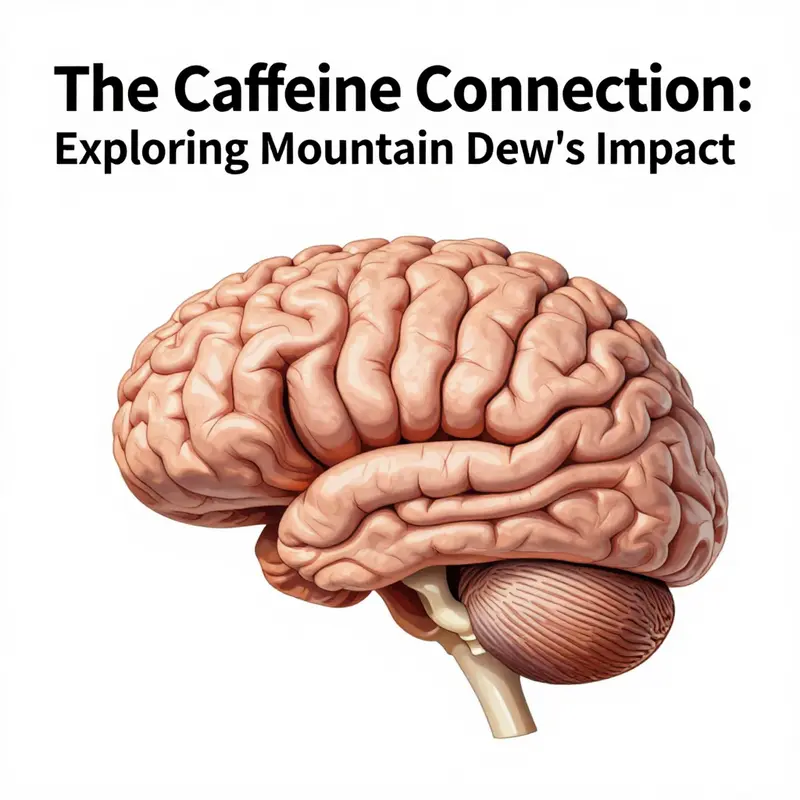
Caffeine has become a quiet companion for many gamers, a psychoactive ally that helps keep pace with the rapid tempo of modern play. In the landscape of energy and focus, Mountain Dew occupies a distinctive niche. Its citrus brightness masks a simple equation: a relatively high caffeine load paired with a flavor profile that many players associate with late-night streams and marathon sessions. When we parse the numbers, original Mountain Dew typically delivers about 54.8 milligrams of caffeine per 12-ounce serving, while the sugar-free Diet version sits close behind at roughly 55.2 milligrams per 12 ounces. Those figures place Mountain Dew well above many regular carbonated beverages, which often carry far less stimulation per ounce. The effect, for gamers, is a familiar sensation: a clearer line of thought, quicker reactions, and the ability to keep attention anchored on a screen that rewards speed and consistency. Yet the same data that promises sharper focus also invites caution, because the same mechanism that boosts alertness can, if mismanaged, tilt into jitteriness, anxiety, or a sudden post-peak dip that disrupts a crucial moment in gameplay.
Caffeine functions by modulating adenosine receptors in the brain, dampening fatigue signals and allowing neural pathways to stay responsive during demanding tasks. In gaming, where attention, vigilance, and motor coordination are constantly tested across extended periods, these effects can be meaningful. Moderate caffeine intake has been associated with improved reaction times and reduced mental fatigue during repetitive or sustained tasks, a pattern that resonates with the experience of streaming marathons, ladders, or long-rotation sessions. The cognitive lift is not a uniform upgrade for everyone, but it tends to be reliable enough for many players to view caffeinated beverages as tools rather than mere treats. Mountain Dew’s caffeine content sits at a level comparable to some common stimulants found in everyday beverages, and its acidity and sugar profile add further considerations that shape both the benefits and the drawbacks of its use during play. In particular, the brand’s alignment with energy-oriented branding and its presence in gaming culture underscore a broader social fabric: caffeine has become a cultural signal as much as a chemical aid, shorthand for the “right now” mood that gamers prize during tense moments or long streams.
Beyond the numbers, there is a notable shift in product strategy that mirrors a growing consumer appetite for performance-oriented beverages. A 2026 re-launch in Australia introduced Mountain Dew Energised, an iteration designed to emphasize energy-enhancing properties and a formulation that mirrors active, performance-driven consumption expectations. This move signals that the market increasingly treats caffeinated, citrus-flavored beverages as more than a casual refreshment; they are part of a broader ecosystem aimed at sustaining physical and cognitive engagement during strenuous activities. For players who rely on caffeine as part of their routine, this market dynamic matters as much as the science behind the stimulant. It frames consumption as a strategic choice—an element of a broader toolkit used to pace attention and reaction time when the clock never seems to stop ticking.
The research picture around caffeine’s cognitive effects, including insights drawn from Mountain Dew consumption, is nuanced. The substance can sharpen attention, boost vigilance, and improve motor coordination when used in moderation, particularly during tasks that demand sustained mental effort. But a key takeaway across studies is that dosage and timing are critical. The same dose that enhances performance during a long raid or a high-stakes speedrun can, if taken too rapidly or in excess, produce jitteriness, anxiety, or a noticeable crash as caffeine levels fall. This dimmer switch is especially relevant in the world of live streaming, where nerves can amplify perceived side effects, and where a moment of over-stimulation could ripple into missteps on camera.
For players who monitor their intake closely, understanding the balance becomes practical. Spacing caffeine across a session, rather than stacking it all at once, appears to sustain benefits longer without triggering the downsides of overconsumption. The aim is a stable, moderate elevation of alertness that supports focus without precipitating a late-session downturn. This approach aligns with broader guidance on caffeine use, which emphasizes timing, individual sensitivity, and awareness of how caffeine interacts with sleep, stress, and overall dietary patterns. It is not merely about staying awake; it is about maintaining a reliable cognitive edge through a sustainable pattern of intake that respects personal limits and the body’s rhythms.
The physiology behind caffeine’s effects also invites a practical, grounded perspective on long-term use. While caffeine can help preserve attention and reaction speed, chronic, high-level consumption carries potential health considerations. Mountain Dew, with its acidity and, in many variants, substantial sugar, can contribute to dental erosion and metabolic concerns when consumed excessively. Even the sugar-free option, despite lacking calories, maintains acidity that can affect dental enamel and thirst signaling. In other words, the energy boost must be weighed against possible dental and metabolic impacts, especially for players who engage in frequent high-volume gaming over many months or years. Understanding this balance helps explain why many gamers and health-conscious players seek a nuanced strategy: they enjoy the cognitive lift while moderating intake, alternating with water or low-acid alternatives, and paying attention to how their bodies respond after each session.
At the level of daily practice, this means more than simply reaching for a caffeinated citrus beverage at the start of a stream. It means tuning the ritual to the session’s demands: plan for longer streams with deliberate breaks, hydrate adequately, and consider slight adjustments in caffeine timing when sleep or stress levels fluctuate. The psychology of gaming also matters; caffeine can influence mood and perceived effort, sometimes making tasks feel less taxing and other times amplifying the sensation of pressure if a crash follows a peak. A nuanced approach recognizes that the goal is not to maximize caffeine intake but to optimize cognitive consistency across hours of play. In other words, caffeine becomes a component of a balanced play routine rather than a solitary solution to performance.
For readers who want to connect the science with specifics about Mountain Dew’s caffeine content, a glance at the caffeine content in Mountain Dew can be illuminating. See caffeine-content-mt-dew for a concise comparison of caffeine levels across Mountain Dew and other beverages, which helps anchor the discussion in concrete figures rather than abstractions. This kind of reference supports gamers who map out their intake alongside their screen time, the cadence of their moves, and the tempo of their chat.
As the cultural conversation around energy and performance continues to evolve, the product landscape itself reinforces the idea that caffeine is a tool for endurance and focus in gaming culture. The re-emergence of energy-forward formulations, the blending of citrus flavor with performance messaging, and the branding that links refreshment with peak activity all contribute to the sense that caffeine is a resource players can leverage to stay sharp during long sessions. Yet the science and the personal experiences converge on a central theme: caffeine’s benefit is real but contingent. It depends on dose, timing, sensitivity, sleep, nutrition, and the particular cognitive tasks at hand. A steady hand and a curious mind—paired with a cautious approach to sugar and acidity—offer the most reliable path to leveraging Mountain Dew’s caffeine for a sustained cognitive edge rather than a fleeting perk.
Ultimately, the conversation about caffeine, Mountain Dew, and gaming performance transcends a single drink or a single study. It sits at the intersection of physiology, psychology, and culture. The cognitive lift promised by caffeine is real for many, but it is a lift that requires thoughtful use. Moderation, mindful timing, and an awareness of one’s own response become the compass by which players navigate the long tunnels of practice, the high-pressure moments of competition, and the social dynamics that surround livestreamed play. In this sense, Mountain Dew’s caffeine content is not just a statistic. It is a piece of a larger narrative about how gamers manage energy, attention, and health in a demanding hobby that has grown into a global pastime.
For a broader scientific perspective on caffeine and cognitive performance, see TM McLellan’s comprehensive review. https://www.ncbi.nlm.nih.gov/pmc/articles/PMC4798355/
Final thoughts
The analysis of Mountain Dew’s caffeine content reveals its significant appeal across various consumer segments, particularly in the gaming industry. While the beverage provides a boost in cognitive functions such as alertness and reaction time, it is essential to acknowledge the potential health implications associated with excessive intake. As business owners consider their product offerings and marketing strategies, understanding the dual-edged nature of caffeine in Mountain Dew can pave the way for responsible consumer engagement and informed decision-making. By emphasizing moderation and promoting health-conscious choices, businesses can align with evolving customer preferences while harnessing the energetic allure of caffeinated products.