
The caffeine content in beverages significantly influences consumer choices, health decisions, and culinary applications. Dr Pepper, a beloved soft drink, contains approximately 41 milligrams of caffeine per 12 fluid ounces, making it an important consideration for business owners in the beverage industry. Understanding this specific caffeine level is crucial, especially for those looking to cater to health-conscious consumers or those wary of caffeine. This article delves into the caffeine measurements of Dr Pepper, comparing its content with other soft drinks and energy beverages, analyzes the health implications for various demographics, and highlights its cultural significance. Each chapter builds upon the last, offering a comprehensive view of how Dr Pepper’s caffeine content shapes perceptions and decisions in the marketplace.
A Moderate Lift: The Real Caffeine Story Behind Dr Pepper
Caffeine is a familiar companion in many beverages, yet its presence often sits quietly behind the more colorful notes of flavor, branding, and ritual. In that light, Dr Pepper occupies a curious middle ground. It is not pitched as an energy booster, nor is it advertised as caffeine-free; rather, it offers a gentle, sustained lift that suits a wide range of moments—a quiet incentive to sip, reflect, or carry on with the day. The beverage’s distinctive profile—an intricate blend that fans celebrate as 23 flavors—meets a caffeine content that feels deliberate: enough to be noticeable, but not so much as to overwhelm the palate or the senses. As recent and reliable data confirm, a standard 12-ounce can delivers about 41 to 42 milligrams of caffeine. This holds true for both the regular formulation and the zero-sugar variant, where the caffeine level remains nearly identical. The consistency across product lines signals a careful calibration: caffeine here is a functional ingredient, but it exists primarily to support refreshment and balance, not to drive an extreme energy experience.
For many readers, these figures may seem abstract until placed in context. A cup of coffee, depending on the brew and the size, typically contains far more caffeine—roughly 95 to 200 milligrams per 8-ounce serving. A 12-ounce cola-level comparison shows Dr Pepper sitting above caffeine-free sodas but below the more caffeinated competitors in the broader beverage market. In practical terms, that means one can of Dr Pepper offers a mild lift—enough to sharpen attention subtly, enough to be enjoyed as part of a routine without triggering the jittery aftermath associated with higher-caffeine drinks. The precise numbers matter for people who track caffeine intake with care—pregnant individuals, those sensitive to stimulants, or anyone balancing multiple sources of caffeine in a day. The stability of Dr Pepper’s caffeine across regular and zero-sugar lines further enhances predictability, a value in itself for mindful consumption.
The landscape of caffeinated beverages has evolved in recent years, and Dr Pepper remains a fixture within it. The 41–42 mg per 12-ounce can places the drink in a strong middle ground: it provides noticeable stimulation without commanding attention the way some energy-focused beverages do. To put it poetically, caffeine here works in the background—an assistive thread woven into a familiar, beloved flavor fabric. Yet the same thread plays a subtle role in flavor perception. Caffeine contributes a touch of bitterness, a counterweight to the drink’s pronounced sweetness and its signature fruit-like, spiced, and caramelized notes. The bitterness helps the palate recognize the drink as more than a simple sugary treat, giving it a complexity that many enthusiasts prize. In this sense, caffeine is not a mere energy lever but a nuanced contributor to Dr Pepper’s taste architecture. It lends a gentle lift that aligns with the drink’s overall character—a refreshing, everyday sip rather than a performance enhancer.
When we compare Dr Pepper to other carbonated beverages, the positioning becomes clearer. Mountain Dew, a cousin in the caffeinated cola family, typically clocks in around 54 milligrams per 12-ounce serving, a notable bump above Dr Pepper’s level. Energy drinks often escalate even higher, with caffeine counts reaching well over 80 milligrams per serving, and in many cases substantially more. Yet even among traditional sodas, Dr Pepper’s caffeine sits above certain options that advertise themselves primarily as flavor experiences rather than stimulant choices. This relative placement underscores a deliberate design: Dr Pepper aims to deliver a mild, steady lift while preserving its flavor-forward identity. It is a beverage that invites casual, everyday consumption, not a nightly jolt or a workout-pump caffeine fix.
An additional nuance in the caffeine conversation arises when we examine variations like Diet Dr Pepper. Some analyses over the last few years have reported slightly higher caffeine levels for Diet Dr Pepper, on the order of about 44.1 milligrams per 12-ounce can. While these figures can be contested and may reflect formulation adjustments intended to maintain flavor intensity while reducing sugar content, they do not derail the broader narrative: caffeine remains in the same general neighborhood across the Dr Pepper family, with modest differences that are unlikely to redefine the drinking experience for most consumers. Even with these small fluctuations, the core message endures—the product line preserves a steady caffeine baseline that supports its refreshment profile without crossing into high-stimulation territory.
To understand why caffeine matters beyond its quantitative footprint, consider its sensory and functional role. Caffeine interacts with bitterness receptors in the tongue, heightening the perception of sharpness and complexity. In a drink built on a mosaic of flavors—from the familiar cola tang to the more subtle, spice-driven undertones—caffeine helps anchor the overall experience. It does not demand attention or demand you reach for another drink to sustain an alert state; instead, it collaborates with sweetness, acidity, and aroma to create a balanced, memorable beverage. This collaborative effect is part of why Dr Pepper has endured as a cultural touchstone—people drink it for moments of leisure, not necessarily for performance, and the caffeine content supports that use-case rather than contradict it.
The health considerations attached to this level of caffeine are straightforward, yet worth emphasizing. Most adults can safely enjoy Dr Pepper within the daily guidance many health authorities offer. The U.S. Food and Drug Administration has historically highlighted that a typical healthy adult could tolerate up to about 400 milligrams of caffeine per day from all sources, though individual responses vary. For someone who already consumes caffeine from coffee, tea, chocolate, or energy drinks, accounting for all sources is prudent. When the dose from a single can sits in the 41–42 mg range, it contributes to total intake in a predictable, manageable way, rather than constituting a large, destabilizing load. For those with caffeine sensitivity, or for pregnant people who are advised to limit caffeine intake, those same numbers matter more. In such cases, tracking total daily caffeine from all beverages—both caffeinated and decaffeinated—helps maintain a comfortable equilibrium. The consistency of Dr Pepper’s caffeine across regular and zero-sugar variants reinforces that predictability; drinkers can enjoy the beverage with a reasonable expectation of its stimulant effect regardless of which formulation they choose.
Measurement and reporting of caffeine content rest on a foundation of credible data sources. The numbers cited here—approximately 41–42 mg per 12-ounce serving for regular Dr Pepper, and very similar levels for Dr Pepper Zero Sugar—align with analyses published up to early 2026 and are corroborated by the broader body of nutrition data in public databases. In practice, manufacturers undertake routine quality checks, and independent analyses conducted by researchers and nutrition databases often converge on a similar range. The slight discrepancies that occasionally appear—in Diet Dr Pepper or across different datasets—reflect legitimate formulation adjustments, batch-to-batch variation, and the inherent challenges of measuring trace differences in complex beverages. For consumers, the practical implication is clear: the caffeine presence in Dr Pepper is stable, modest, and predictable enough to be considered a reliable component of daily consumption.
All of this sits within the larger context of how people experience caffeinated beverages. A glass of Dr Pepper can accompany a meal, serve as a ritual during a work break, or act as a companion during a late-afternoon pause. Its caffeine content supports a moment of clarity or a gentle lift without demanding a heightened, immediate response. In that sense, Dr Pepper’s caffeine is a design feature that honors both flavor and function. It is a reminder that stimulation can be integrated into everyday pleasures—an energy boost that does not overwhelm, a stimulant woven into flavor rather than a primary selling point. For anyone who has wondered whether the drink lives up to or falls short of caffeine expectations, the answer lies in the numbers and their harmony with the taste experience. The caffeine does its work quietly, allowing the beverage’s celebrated profile to shine through, while still offering a practical lift to accompany daily routines.
If readers want a focused, up-to-date look at caffeine content in Dr Pepper variants—the regular, the zero-sugar, and related formulations—the topic is easy to explore further. For a concise, variant-specific breakdown, a dedicated explainer such as the one found at How much caffeine in Dr Pepper Zero provides a clear, targeted reference that complements the broader discussion here. That resource helps readers see how zero-sugar versions compare directly with the standard formulation in caffeine terms, reinforcing the overall point: the caffeine footprint remains steady enough to rely on across products, even as flavors and sugar profiles shift. How much caffeine in Dr Pepper Zero.
Beyond the specifics of Dr Pepper itself, the discussion touches on a broader pattern in caffeinated beverages. The mid-range caffeine level observed in Dr Pepper is representative of a category that seeks balance: enough stimulation to feel refreshed, enough flavor to feel indulgent, and enough predictability to fit into varied daily routines. This balance is not accidental. It reflects a long-running effort by manufacturers to craft a product that satisfies both the palate and the body’s subtle signaling about when to pause, sip, or press on. In an era when consumer attention is split among countless choices, such a composed approach—where caffeine supports the drinking experience rather than dominating it—often wins enduring loyalty.
For readers who prefer to see raw data alongside interpretation, it helps to reference authoritative nutrition databases. In this regard, primary sources such as the USDA’s FoodData Central play a crucial role. They provide standardized nutrient profiles that allow for apples-to-apples comparisons across beverages, brands, and formulations. While the exact figures can vary slightly between datasets and over time as formulations shift, the central takeaway remains stable: Dr Pepper occupies a middle ground in caffeine content, offering a reliable, modest stimulant that coexists with its well-loved flavor. As the narrative of caffeine in soft drinks continues to evolve, this chapter anchors the conversation in measurable reality while recognizing the cultural resonance of a beverage that has endured for generations. The story is not merely about numbers; it is about how a familiar taste remains compatible with modern sensibilities around daily caffeine consumption.
External resource: For authoritative data, see USDA FoodData Central: https://fdc.nal.usda.gov/fdc-app.html#/food-details/170753/nutrients
Between Flavor and Focus: The Hidden Fuel in Dr Pepper and Its Significance for Health and Everyday Choices
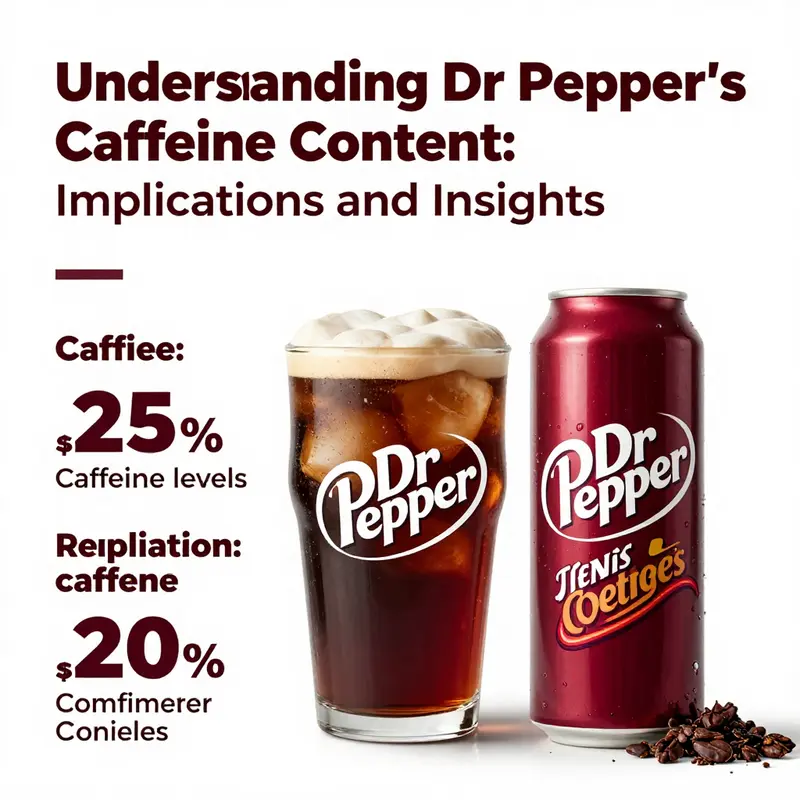
The flavor of a soft drink can become a cultural touchstone, a ritual companion to meals, study sessions, or long drives. Yet behind the familiar mix of spices and fruit-like undertones in Dr Pepper lies a subtle, measurable property that quietly shapes how people use the drink: caffeine. As of early 2026, the standard 12-fluid-ounce can of Dr Pepper—the regular version, and the Zero Sugar variant—carries about 41 to 42 milligrams of caffeine. That amount sits squarely in the middle of the caffeine spectrum for popular colas. It is enough to offer a mild sense of wakefulness and focus, without the sharper jolt associated with high-caffeine drinks. In practical terms, this means many consumers can enjoy it as part of a daily routine without feeling overwhelmed by stimulants, while still reaping a small, controlled energy nudge that helps with attentiveness during work, study, or social activities. This nuanced position matters, not only for individual well-being but also for broader patterns of consumer choice as people balance flavor, calories, and stimulation in a crowded beverage landscape.
What exactly does this caffeine content mean in real life? In sensory terms, caffeine’s contribution to Dr Pepper’s profile is modest. It enhances alertness at peak times—mid-morning, late afternoon, or after a long meeting—without imposing the kind of resistance or jitteriness that can accompany caffeine spikes. For many fans, the drink serves as a pleasant companion rather than a source of forced energy. The mild stimulant effect aligns with Dr Pepper’s long-standing identity as a comfort beverage rather than an all-day energy solution. Yet even a modest amount of caffeine can ripple through daily routines: it can affect how late in the day people are comfortable sipping, how long they stay focused on a task, and how they perceive the balance between taste and wakefulness in a single beverage. The caffeine content thus becomes a sensory and behavioral factor layered into a flavor-first experience.
The health implications of that caffeine level are worth a careful look. For consumers who are sensitive to stimulants, those who are pregnant, or individuals managing conditions where caffeine can influence heart rate, blood pressure, anxiety, or sleep, the 41 to 42 mg per can is a meaningful figure. When a person rounds out a daily caffeine tally with other beverages such as coffee, tea, or energy drinks, it is easy for a day’s total to creep beyond comfortable thresholds. The general guideline many health authorities reference is a safe daily ceiling of about 400 mg of caffeine for healthy adults. In that light, a single Dr Pepper adds a modest fraction toward the daily total, particularly when consumed earlier in the day. The same calculation applies to the Zero Sugar version, which preserves the same caffeine content despite the drastic reduction in calories and sugar. This consistency becomes significant for those who choose the diet or zero-sugar path not to save caffeine but to manage sugar intake while still seeking a familiar caffeine lift.
The question of how Dr Pepper’s caffeine compares with other beverages helps readers calibrate expectations. Mountain Dew, for example, tends to deliver around 54 mg per 12 oz, a noticeably higher caffeine punch that can alter sleep patterns or give a more pronounced sense of wakefulness. In contrast, classic coffee often ranges from about 95 to 200 mg per 8-ounce cup, a range that places coffee in a very different category for most people who rely on caffeine for daily functioning. Tea beverages and some dark colas sit somewhere in between, depending on preparation and brand. The takeaway is not that caffeine in Dr Pepper is negligible, but that its level is carefully calibrated to offer a mild, steady influence rather than a pronounced stimulant. This makes it a viable option for daytime consumption for many consumers who want flavor and a gentle lift without the intensity associated with more caffeinated products.
An additional layer shaping consumer perception is the fact that some people assume Dr Pepper to be caffeine-free because of its distinctive, complex flavor profile. That assumption persists despite data showing measurable caffeine. The presence of caffeine doesn’t necessarily contradict the drink’s flavor narrative; instead, it complements it by enabling a sense of steadiness. The caffeine acts more like a background note—there for those who notice it, yet not dominating the overall taste experience. As consumers reflect on their own caffeine tolerance, the idea that a beloved flavor could also serve as a light stimulant becomes a practical consideration rather than a contradiction.
For those who prefer a low-calorie option but still want that familiar lift, Dr Pepper Zero Sugar becomes particularly relevant. It maintains roughly 42 mg of caffeine per 12 oz can, mirroring the regular version’s caffeine content while delivering the alternative’s reduced calorie and sugar profile. That parity in stimulant strength across both versions means that choosing the Zero Sugar variant does not automatically lower caffeine exposure. It is an important nuance for anyone who tracks caffeine intake alongside calories. The presence of artificial sweeteners, such as aspartame and acesulfame potassium (Ace-K), in the Zero Sugar version also influences consumer perception. Some people perceive diet products as healthier, or at least less taxing on the waistline, while still encountering the same stimulant effect. Others worry about artificial sweeteners and their broader health implications. The caffeine piece remains constant, an objective measure to anchor decisions for those weighing taste, calories, and stimulation.
This interplay between taste, calories, and caffeine has practical consequences for shopping and daily routines. For example, choosing a drink with a known caffeine level helps people manage late-afternoon energy needs without overshooting their limit before bedtime. It also informs how people structure their consumption around work schedules or school commitments. The stimulant’s presence may steer decisions about when and how often to reach for that familiar can, guiding choices about whether to pair it with meals, to sip it with a study session, or to use it as a social beverage during gatherings. In other words, caffeine content becomes a quiet, practical variable that complements the cultural and social dimensions of the drink, rather than a standalone health metric detached from daily life.
From a public health perspective, precise caffeine data empowers individuals to make more informed decisions. The 41–42 mg figure for Dr Pepper and Dr Pepper Zero Sugar offers a reference point when people are tallying up their caffeine across beverages. It is a reminder that even well-loved, flavor-forward drinks contribute to total stimulant intake. While the data set from 2026 reflects a consistent caffeine level across the standard and diet formulations, it also highlights an important caveat: brand-wide caffeine content is typically stable, but individual responses can vary. The same milligrams per can may have a larger or smaller effect depending on a person’s body weight, tolerance, sleep history, and concurrent use of other caffeine-containing products.
When people approach Dr Pepper as part of a broader nutrition and lifestyle plan, the caffeine content becomes a piece of the puzzle rather than the whole picture. For instance, someone who likes to wind down with a beverage in the evening may choose to reserve the drink for earlier hours to avoid potential sleep disruption. Someone else who uses caffeine strategically to combat midafternoon fatigue may find the mild lift helpful for maintaining focus through the second half of the workday. The key is to integrate the information about caffeine with an honest assessment of personal sensitivity and daily activity. In this context, the data about Dr Pepper’s caffeine helps with mindful consumption rather than rigid restriction.
To anchor these considerations in a broader evidence base, it helps to consult authoritative resources that catalog caffeine content in beverages. The U.S. Department of Agriculture’s FoodData Central database provides verified figures for caffeine across a range of carbonated beverages and other drinks. This resource supports health professionals, nutritionists, and curious readers who want reliable, science-based references as they navigate daily choices. The database reinforces a practical point: caffeine is a measurable, predictable component of many beverages, including Dr Pepper, and it remains one of several factors people weigh when balancing flavor, energy, and health goals across a given day.
A related question that frequently surfaces is how Diet Dr Pepper compares to the regular formulation in caffeine. Collectively, data indicates that Diet Dr Pepper contains a slightly higher caffeine content per 12-ounce serving—about 44.1 mg—compared with the regular version, which sits around 41–42 mg. That small uptick matters for people who monitor their caffeine intake closely, especially if they supplement with other caffeinated products. The differences are not enormous, but they are real and can accumulate over a week or a month. If readers want a concise, consumer-friendly takeaway: you can expect roughly the same stimulant level from both Dr Pepper and its diet counterpart, with Diet Dr Pepper nudging a bit higher on caffeine. This nuance may influence preference for taste versus caffeine exposure, particularly for those who are sensitive or who have restricted caffeine budgets.
For readers who want to explore a direct, specific query about Diet Dr Pepper’s caffeine in a more focused way, there is a concise resource that addresses the question, Does Diet Dr Pepper Have Caffeine In It? This quick reference mirrors the broader point that caffeine content matters, even in drinks that emphasize flavor and low sugar. It demonstrates how a single waiting question can connect flavor expectations with health considerations in practical terms.
In the end, the significance of Dr Pepper’s caffeine content lies not in sensational claims but in its steady, predictable presence. For a portion of the population, that steadiness translates into reliable daily scheduling: a light lift at the right moment, a flavor anchor that fits into a broader pattern of intake, and a sense that a familiar beverage can meet both gustatory and functional needs without demanding excessive caffeine exposure. For others, the metric serves as a reminder to monitor total daily intake and to consider timing relative to sleep. The data, drawn from credible sources and updated through 2026, underpins these decisions with numerical clarity while leaving room for personal variation in tolerance. It is a reminder that even beverages built around a distinctive flavor profile still function within the same physiological framework as any other caffeinated product: a balance between taste, energy, and health that each person must tune for themselves.
Internal resource note: For readers curious about how the Diet Dr Pepper question is framed in consumer-focused discussions and nutrition blogs, one concise reference aggregates questions about caffeine content in diet formulations. This helps illustrate how science, taste, and everyday choices intersect in the realm of popular soft drinks. Does Diet Dr Pepper Have Caffeine In It? provides a relatable entry point for readers who want to verify caffeine figures while considering other factors like sugar, artificial sweeteners, and overall daily intake.
As readers move forward through this chapter, the takeaway remains clear: Dr Pepper’s caffeine content is a deliberate, meaningful attribute that complements its renowned flavor. It informs how people choose to include the drink in meals, study periods, and social occasions, and it guides how they track caffeine alongside other dietary considerations. The implications for health are nuanced, and they depend on individual context. By keeping the numbers in view and recognizing how they fit into broader daily patterns, consumers can enjoy the beverage with greater confidence and clarity. The interplay of flavor, calories, and caffeine is not a puzzle to be solved in isolation but a practical framework for making informed, personalized choices that align with taste preferences and health goals.
External resource for further reference: For those seeking a definitive, traceable data source on caffeine levels in carbonated beverages, the USDA FoodData Central database offers verified information that can be consulted to corroborate figures for Dr Pepper and related drinks. https://fdc.nal.usda.gov/fdc-app.html#/food-details/170678/nutrients
The Quiet Pulse Behind a Southern Classic: How Caffeine, Culture, and Cuisine Intertwine in a 41-mg Drink
Caffeine content in the beloved, cherry-toned soft drink is the kind of detail that often slips past the casual observer. Yet that small number—about 41 milligrams per 12-ounce can, true for both the regular and the zero-sugar version—plays a surprisingly significant role in how the beverage is perceived, enjoyed, and integrated into everyday routines. It sits at the intersection of flavor, energy, and memory, a subtle stimulant that lends a gentle lift without the intensity associated with higher-caffeine drinks. In the steady cadence of daily life, that mild jolt becomes a kind of aroma for the afternoon—a cue that it is time to slow down, sip, and savor, while still remaining alert enough to carry on with conversation, tasks, or a casual stroll. This is not about a caffeine stampede; it is about a softly persistent signal that fits neatly into ordinary hours, a steady companion for people seeking a manageable boost rather than a rush. And because the number is stable across formulations, it means people can rely on a familiar stimulant profile whether they reach for the classic regular or the lighter, zero-sugar variant later in the day or in social settings where calories, sugar, or other dietary concerns come into play.
In the wider landscape of caffeinated drinks, the 41-milligram figure places this beverage in a familiar neighborhood. It sits between the lighter end of colas that hover near the 30 to 40 mg mark and the higher end of some energy-forward sodas that exceed 50 mg per 12 ounces. It’s enough to be noticeable without dominating the experience, letting the beverage’s most celebrated attributes—the aroma, the mouthfeel, and the intricate, unmistakable flavor profile—remain front and center. Flavor and stimulation are not separate experiences here; they coexist, allowing the drink to act as a liquid palate cleanser of sorts—refreshing, gently savory in its sweetness, and just stimulating enough to sharpen attention without upending appetite. This balance matters because the cultural meaning of the drink is inseparable from its sensory presence. The caffeine content helps shape a common expectation: a daytime, casual beverage that can be enjoyed with a meal, during a chat on the porch, or as a companion to a work break. It fits snugly into routines rather than upending them, a trait that deepens its cultural resonance.
The cultural footprint of this beverage begins with its origin story. It emerged in the late 19th century as a regional refreshment that would soon become a nationwide symbol of American soft-drink heritage. Its flavor profile—distinctive and memorable, built from a proprietary blend of ingredients that harmonize cherry notes with nuanced spices—sets it apart from the standard cola family. The addition of caffeine, embedded from the outset as part of the formula, is not merely a matter of stimulant value. It functions as a component of the drink’s identity: a driver of alertness that aligns with the product’s daytime orientation, a companion for social moments that occur outside the realm of a formal coffee break, and a subtle counterpoint to sweetness that helps carry the complexity of the taste. In other words, caffeine is not a separate feature; it is part of the character, contributing to its role as a cultural icon rather than just a beverage option.
That cultural role extends beyond the beverage itself and into regional cooking and seasonal rituals, especially in the American South where the drink has long held a particular steadiness in social gatherings and culinary practice. The beverage is frequently imagined alongside barbecues, family cookouts, and Sunday meals, where its sweetness and lightly bitter edge complement savory meats, smoke, and spice. In barbecue glazes and meat marinades, the caffeine content becomes a subtle ally rather than a star in the show. It participates in the caramelization process, shaping the way sugars and acids interact on the surface of meat or in a glaze, guiding depth of flavor, and balancing sweetness with a gentle bitterness that can help cut through fattier, richer components. The result is a glaze that not only sticks but also enhances the savory profile of the dish, offering a hint of complexity that diners register on the palate in a lingering aftertaste.
Even in the realm of cooking technique, caffeine’s presence in this beverage is more than a carotene-like note in the sauce. It contributes to a sense of fullness in flavor, a defined resistance to bland sweetness, and a soft, lingering finish that pairs well with smoky or roasted notes. When a cook reduces a glaze, the caffeine’s bitterness can remain perceptible, but the overall balance—honeyed sweetness meeting a touch of spice, along with the drink’s intrinsic cherry-essence—retains harmony rather than becoming harsh. This is not a cookbook or a kitchen science lecture; it is a reminder that the chemical composition of a beloved drink has practical, tangible consequences for how it is used in the kitchen. The beverage’s caffeine, working in concert with other flavor elements, helps shape how cooks approach glaze depth, glaze stability, and even the timing of applying a glaze during the grilling process.
The narrative of caffeine here also intersects with public health and individual choice. People who are sensitive to stimulants, pregnant, or managing anxiety or sleep disorders may prefer to measure their intake with care. The clarity that the caffeine content is roughly 41 mg per can—consistent across regular and zero-sugar formulations—offers a practical baseline for those decisions. It enables a more informed approach to consumption, especially when paired with other caffeine sources in a day. This is not a prescription of limits but a framework for mindful drinking. It invites readers to consider not just the amount they consume in a single sitting but the cumulative impact of theirDaily caffeine portfolio. For those who wish to avoid stimulants altogether, the same brand family offers caffeine-free options, preserving the flavor identity while removing the stimulant effect. The ability to enjoy an iconic taste without the associated energizing kick underscores the drink’s versatility and its readiness to meet diverse needs.
In cultural terms, the drink’s moderate caffeine level reinforces its role as a daytime companion rather than a late-night indulgence. It permits a social ritual that fits into office pauses, backyard gatherings, or quiet afternoons without shifting the tenor of the moment toward the hyper-alert or the hyperactive. This aligns with a broader cultural expectation around casual refreshment: a beverage that offers refreshment and a touch of energy, matched with a flavor profile that remains distinct and memorable. The public perception of caffeine in this context is part of a broader conversation about how different caffeinated options serve different moments. A glass of cola at midday can feel like a simple pleasure rather than a call to stay up all night; this is the space where such a drink thrives.
From a sensory perspective, caffeine’s role is subtle yet meaningful. It does not overwhelm the palate; instead, it interacts with the drink’s intricate flavor blend to heighten perception of the cherry, almond, licorice, and spice elements that define the profile. The mild bitterness introduced by caffeine can act as a counterpoint to sweetness, creating a perception of balance that lingers on the tongue. In culinary pairings, this balance broadens the range of foods that pair well with the beverage. The drink’s sweetness can complement grilled meats and smoky sauces, while its modest bitterness helps bridge salty, tangy, and umami-driven flavors. In social settings, the result is a versatile partner—something that works with a casual ham-and-dish spread, a plate of fried chicken, or a strong, peppered rub on ribs. The caffeine content, then, is not simply a numeric detail; it is a facilitator of the drink’s versatility in both kitchen and table.
The broader conversation about caffeine in everyday life also touches on myths and misperceptions. A common misunderstanding is that certain flavors or color profiles imply caffeine absence. The reality, supported by reliable data, is that this beverage contains caffeine at a level that is steady across its flagship forms. The perception of drift toward caffeine-free status may arise from the complex, layered flavors that can mask stimulants in other contexts, but the stimulant effect remains a consistent undercurrent. This distinction matters for cooks and consumers alike because it influences how one plans a menu, a shopping list, or a daily caffeine intake schedule. The existence of caffeine-free variants, including versions aligned with dietary preferences or health considerations, further demonstrates how brand families can accommodate varying needs without sacrificing core flavor identity. The result is a beverage that has grown up with its consumers—evolving to meet new expectations while preserving the science and sensory profile that underpin its cultural resonance.
Readers who are curious about the precise caffeine content in different variants can explore additional details about how the numbers apply in real-life consumption patterns. For example, a person who keeps a steady rotation of beverages across the day may want to factor in the caffeine from multiple sources. The known quantity per standard serving serves as an anchor for such calculations, helping to avoid unexpectedly surpassing comfortable caffeine thresholds. Whoever you are—whether you approach caffeination as a casual daily ritual, a measured part of a broader health plan, or a flavorful curiosity—the fact remains that this beverage anchors a distinctive niche in American soft-drink culture. It is not merely a refresher; it is a cultural artifact that has adapted to changing tastes, dietary concerns, and cooking practices while retaining a core identity rooted in flavor and a modest, dependable energy lift.
For readers who want to situate this discussion within a broader research context, a concise external resource offers a detailed breakdown of caffeine content across drinks and brands. This external reference helps translate the numbers into practical understandings for everyday decision-making and cooking experimentation. External resource: How Much Caffeine Is In A Dr Pepper? – Caffeine Informer. https://www.caffeineinformer.com/dr-pepper-caffeine-content
For those seeking a closer look at how dietary variants intersect with caffeine, a related internal exploration can illuminate how, in some cases, the caffeine content remains consistent across different formats, including diet or zero-sugar adaptations. If you want to compare, you can read about diet and caffeine on the dedicated page that examines whether caffeine persists in diet versions, which helps readers appreciate the consistency of the stimulant profile even as sugar and calories change. This link invites readers to consider a practical question that arises for many who monitor caffeine intake while preserving flavor experience.
The thread tying all these observations together is not merely the number on the nutrition label. It is how the caffeine content threads through culture, cuisine, and everyday choices, shaping expectations and enabling a sense of shared experience around a familiar, comforting flavor. The beverage’s 41 mg per can becomes, in this sense, a quiet but meaningful figure—a number that anchors memory, informs menu ideas, and guides mindful consumption in a world where caffeinated options surround us at every turn. It is a reminder that thoughtful, well-balanced experiences often hinge on small details that accumulate into a larger cultural and culinary story. In the end, the drink’s caffeine content is less about a single moment of caffeine intake and more about how that moment fits into a broader pattern of taste, tradition, and daily rhythm that has endured for generations. The beat goes on, steady and familiar, inviting both reflection and experimentation in kitchens, at tables, and on the shelves of grocery aisles everywhere.
Final thoughts
Dr Pepper’s caffeine content, while modest compared to some energy drinks, plays a pivotal role in shaping consumer choices and perceptions regarding health. As business owners, understanding these nuances can be essential in positioning products that align with customer preferences and dietary considerations. From direct beverage consumption to its cultural significance in recipes, Dr Pepper stands as a testament to how caffeine content can affect more than just a drink choice. Leveraging this knowledge can enable better marketing strategies and product offerings tailored to diverse consumer needs.