
Caffeine content in beverages can significantly influence consumer choices, particularly in caffeinated soft drinks. Diet Dr Pepper, often perceived as a healthier alternative to its regular counterpart, contains 41 milligrams of caffeine per 12-ounce can. Understanding this aspect is critical for business owners in the beverage and food service sectors, as it allows for informed marketing strategies and better alignment with consumer preferences. Each chapter of this guide delves into various facets linked to the caffeine content in Diet Dr Pepper, including comparisons with other beverages, potential health implications, and consumer perceptions, all essential for making strategic business decisions.
What’s in a Can: Understanding Diet Dr Pepper’s Caffeine and What It Means for You
Caffeine in Context
Diet Dr Pepper delivers a modest caffeine dose in each standard serving. Most reliable sources place its caffeine at roughly 42 milligrams per 12-ounce (355 mL) can. Small variations — 41 mg or 44 mg in some reports — reflect rounding and different testing methods rather than meaningful differences. Across U.S. markets, the caffeine level is effectively consistent. That makes a single can comparable to a cup of strong black tea, but far gentler than brewed coffee. It also shows that the “diet” label does not imply the absence of caffeine.
The number itself has practical meaning. A typical 8-ounce cup of brewed coffee contains between about 95 and 200 milligrams of caffeine. Many energy drinks exceed 150 to 300 milligrams per serving. Against that backdrop, Diet Dr Pepper sits in the moderate range. It is slightly lower than some diet colas, and slightly higher than others. For example, Diet Coke typically measures near 46 mg per 12 ounces, while Diet Pepsi registers near 36.7 mg. Regular Dr Pepper is essentially the same as the diet version, often noted around 42.6 mg per 12 ounces. Those differences are small enough that consumer experience will be similar across these sodas.
Why this matters depends on your needs and limits. The U.S. Food and Drug Administration suggests up to 400 milligrams of caffeine per day is generally safe for healthy adults. That translates into roughly nine to ten 12-ounce cans of Diet Dr Pepper in a day before hitting the guideline. But that arithmetic ignores variability in other sources of caffeine. Coffee, tea, chocolate, medications, and many energy drinks all add to a daily total. For someone who drinks multiple cups of coffee, or uses stimulant medications, even a single can can be meaningful.
Sensitivity and timing alter how caffeine affects individuals. Some people metabolize caffeine quickly. Others feel its effects for many hours. Typical caffeine half-life ranges from two to six hours, but genetic differences, age, liver function, pregnancy, and certain medications alter that window. Taken late in the day, 42 mg may still disrupt sleep for sensitive people. Most sleep experts advise avoiding caffeine within six hours of bedtime to reduce sleep disruption. For those with anxiety, acid reflux, or heart palpitations, even moderate amounts can worsen symptoms.
Children and pregnant people require special attention. Pediatric caffeine intake should be limited. Young children are smaller, and caffeine’s stimulant effects scale with body size. Health authorities often recommend that adolescents consume only moderate amounts, and that children avoid stimulants when possible. During pregnancy, many clinicians advise limiting caffeine to 200 milligrams per day or less. That means one to two cans of Diet Dr Pepper could represent a significant portion of a safe daily total in that context.
Beyond health, the caffeine amount shapes how people use the beverage. Some choose diet sodas for taste and fewer calories but still want a mild pick-me-up. Others select them for refreshment without the intensity of coffee. The moderate caffeine level makes Diet Dr Pepper useful as a light stimulant at work, during study sessions, or on hot days. It can complement rather than replace caffeinated coffee for those seeking gradual stimulation.
Manufacturing and formulation explain some consistency. The beverage contains a proprietary blend of flavors that create its distinctive profile. While flavor components influence taste, they do not determine caffeine levels. The company standardizes its recipe, ensuring similar caffeine content across production batches. That standardization is why national nutrition facts indicate a steady value per serving. If you want to confirm a can’s label or the brand’s published nutrition facts, check the official product listings.
If you track caffeine closely, consider how serving size affects totals. A 12-ounce can contains about 42 mg. A 20-ounce bottle scales proportionally to about 70 mg. Fountain servings vary, too, depending on cup size and mixing. When ordering or pouring, check the container size before adding numbers to your daily tally.
Comparisons help put the number into perspective. A typical cup of black tea often contains 40 to 70 mg per 8 ounces. So one can of Diet Dr Pepper is roughly equivalent to a cup of tea on the lower end. Sodas commonly marketed as diet or zero-sugar span a range. Some, like Diet Pepsi, sit a few milligrams below Diet Dr Pepper. Others, like Diet Coke, sit a bit above. But all are much lower than average coffee. For many, that moderate range balances flavor with a mild stimulant effect.
Reading labels and using resources makes monitoring easier. Nutrition facts panels list caffeine when it is added as a notable ingredient. That helps people who aim to limit or count their intake. For the most current information, consult the manufacturer’s nutrition pages directly. This will give the standardized number the company reports for its cans and bottles. For a detailed piece focused on the drink’s caffeine specifics, see a dedicated overview on the caffeine content of Diet Dr Pepper.
Practical tips help manage intake while still enjoying the drink. If you want to reduce total caffeine, limit consumption to earlier in the day. Alternate with water or caffeine-free beverages. Combine a can with food to blunt absorption and avoid stomach upset. If you are caffeine-sensitive, try half portions or diluted mixes with ice. For parents, keep cans out of reach of young children and consider caffeine-free alternatives.
Interactions with medication and medical conditions deserve attention. Caffeine can increase heart rate and blood pressure transiently. It may interact with stimulants, certain antibiotics, and some psychiatric medications. If you take prescription drugs, consult a healthcare professional about combining them with caffeinated beverages. Likewise, if you have heart arrhythmias, panic disorder, or sleep apnea, a moderate caffeine source can have outsized effects.
Finally, consider habit and context. People often build routines around caffeinated beverages. A can with lunch may be social. One at the office might be ritual. Those habits influence how much you drink and when. Replacing a daily coffee with a soda alters both caffeine intake and calorie balance. Replacing a soda with water or tea can cut caffeine and add hydration or antioxidants. Think about why you reach for the can. If it is purely for flavor, try caffeine-free carbonated options. If you want a small stimulant, a single 12-ounce can gives a predictable, modest amount.
This analysis centers on accurate, recent data. Multiple authoritative sources converge on roughly 42 mg per 12-ounce serving. Slight discrepancies in reporting are normal, but do not materially change how the drink fits into a daily caffeine plan. For the most up-to-date ingredient and nutrition information, refer to the brand’s official nutrition page: https://www.keurigdrpepper.com/nutrition. For more detail specifically about the drink’s caffeine content, see this focused overview on the caffeine content of Diet Dr Pepper: https://coffeerichlife.com/caffeine-content-of-diet-dr-pepper/.
The Mid-Range Pulse: Placing Diet Dr Pepper’s Caffeine in the Carbonated Spectrum
Caffeine sits as a subtle yet stubborn ruler of modern soft drinks, and Diet Dr Pepper occupies a distinctive position within that caffeine map. In the realm of diet sodas, where sweetness and taste are often balanced with a careful restraint on sugar, the caffeine content becomes a quiet signifier of how a beverage will wake the senses without overwhelming them. For this particular drink, the numbers tell a clear story: roughly 41 to 42 milligrams of caffeine per 12-ounce (355 mL) can. It is a figure that remains stable across both the regular and zero-sugar variants in the United States. That stability matters, because it means consumers can reliably anticipate the same level of alertness or stimulation regardless of whether they choose a sugar-free version or the classic formulation. It also places this drink squarely in what many would call a moderate caffeine range—enough to lend a noticeable lift, but not so much as to demand careful timing or caffeine budgeting for most everyday occasions.
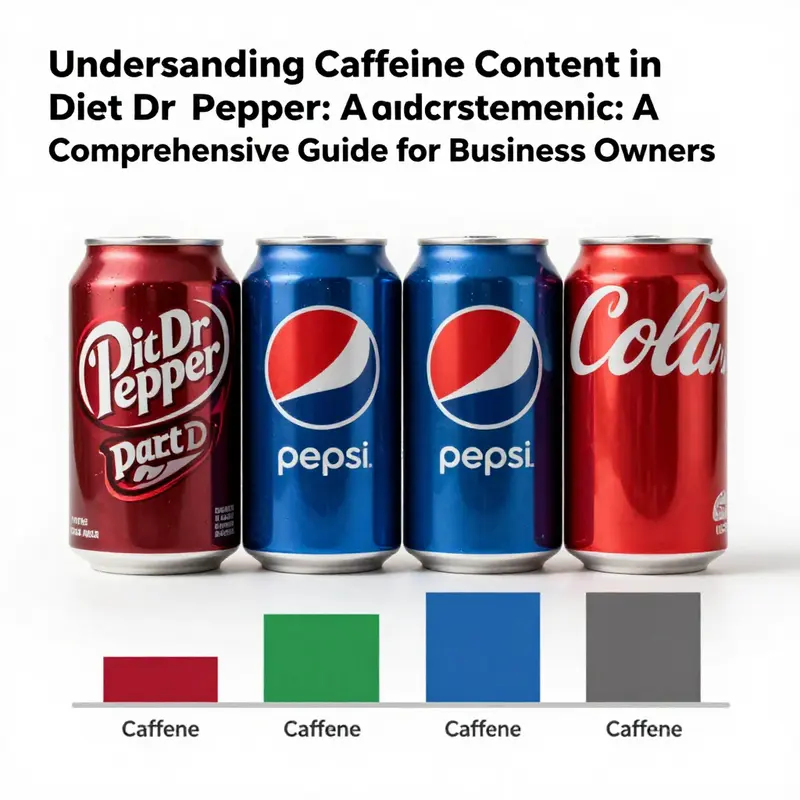
To understand what “moderate” means in practical terms, consider caffeine levels across well-known carbonated beverages. Diet Dr Pepper’s caffeine content sits above some peers and below a few others. A standard Diet Coke clocks in higher, around 46 mg per 12-ounce serving, giving it a bolder kick in a familiar cola profile. On the other hand, a typical Pepsi in the same size offers about 38 mg, a touch lower and perhaps a shade mellower in lift. Coca-Cola, often cited for its lighter touch in the caffeine department, hovers near 34 mg per 12-ounce can. And Dr Pepper in its regular form mirrors the Diet variant, at about 42 mg per 12-ounce serving. These comparisons reveal a spectrum: Diet Dr Pepper is neither at the high end of caffeine intensity nor at the bottom, but rather positioned in the middle, a place where flavor complexity can coexist with a dependable, steady energy feel. For consumers who want a recognizable taste with a sensible caffeine backbone, Diet Dr Pepper’s position makes intuitive sense.
This mid-range stance is not merely a numerical artifact. Caffeine is, after all, a bitter alkaloid that shifts the flavor and mouthfeel of a beverage in subtle but measurable ways. Within a can of Diet Dr Pepper, caffeine contributes a quiet edge that can sharpen perception and slightly alter the aftertaste, especially when combined with the drink’s signature blend of fruity and spicy notes. The stimulant effect accompanying that edge is mild enough to be described as a gentle push rather than a surge. For many, that balance is the appeal: a flavor-forward soda that can provide a light lift without the jitters or the high-speed pulse that sometimes accompanies beverages with a higher caffeine payload. It’s a design choice that aligns with the drink’s branding as a modern, unapologetically flavorful option that also respects everyday caffeine tolerance.
The constancy of Diet Dr Pepper’s caffeine across formulations underscores a broader industry practice: manufacturers want to preserve the sensory and functional expectations embedded in a product’s profile. A change in caffeine content—even a small one—can ripple through taste perception, perceived intensity, and the timing of any alertness or craving-driven consumption. When a consumer reaches for a can, they are not just choosing a flavor; they are selecting a certain rhythm of wakefulness. In Diet Dr Pepper’s case, that rhythm is stable enough to be included in a mental catalog of daily beverages. A person might reach for this drink as a mid-morning pick-me-up or as a companion during a late-afternoon stretch, appreciating that familiar caffeine lift without feeling overcharged.
Color and aroma also interact with caffeine in meaningful ways. Caffeine’s bitter edge can amplify certain flavor components, subtly shaping the perceived sweetness and fruitiness that hallmark Diet Dr Pepper’s profile. In the mid-range caffeine zone, that interaction tends to maintain balance rather than tilt toward overpowering bitterness. The result is a beverage that can deliver a steady sensory experience: a complex flavor with enough freshness to feel modern, paired with a level of stimulation that feels appropriate for a casual, everyday setting. This synergy between taste and mood is part of why Diet Dr Pepper continues to be a staple for people who want a familiar, flavorful option that also provides a modest energy bump.
From a consumer behavior perspective, the idea of a “diet” label here often invites a common misconception. The term diet in many soft drinks refers primarily to sugar content, not caffeine content. In other words, diet does not automatically imply caffeine-free. Diet Dr Pepper demonstrates this nuance clearly: you can enjoy the same caffeine level whether or not sugar is present, which matters for those who monitor both caloric intake and caffeine exposure. This clarity matters because it helps consumers make informed choices about when and how to incorporate the drink into their daily routines. If a person aims to minimize sugar while preserving a reliable caffeine level, Diet Dr Pepper remains a straightforward option that doesn’t compromise the overall caffeinated experience.
One practical implication of the caffeine profile is how it interacts with other daily sources of stimulation. For many people, a typical day involves multiple caffeine-containing products—coffee, tea, energy drinks, and various sodas. In this landscape, the mid-range caffeine content of Diet Dr Pepper allows it to contribute to a cumulative daily intake without quickly pushing someone into the upper limits that might complicate sleep or cause heightened anxiety. It can be particularly appealing to readers who want a flavor-forward, non-coffee alternative that still satisfies a need for alertness. The consistency of the caffeine content across the U.S. market also reduces the guesswork that often accompanies purchases when traveling or trying a new batch of a familiar product.
In cataloging caffeine: 41 to 42 mg per 12-ounce can emerges as a practical benchmark. This figure aligns with a broad literature of beverage caffeine data and remains reliable enough for readers who track intake for health, productivity, or personal preference. For scholars and enthusiasts who want a reference point that is both precise and accessible, this range serves well. The discussion may extend beyond the numerical tally to consider the broader sensory and behavioral implications. Caffeine is not just a chemical; it is a cultural signal that informs how a beverage is enjoyed, when it is consumed, and what kind of moment it complements in a day. A diet soda with a clearly defined caffeine level contributes to a predictable pattern: a flavor-forward drink that offers a modest lift when desired, without imposing an aggressive caffeine footprint that would demand careful planning.
For readers who crave verification beyond taste and experience, official nutritional databases offer authoritative corroboration. The U.S. Department of Agriculture’s FoodData Central lists Dr Pepper, including diet variants, with a caffeine content hovering around the 42 mg per 12-ounce mark. This external confirmation helps anchor the discussion in a widely accepted reference point, ensuring that the narrative about Diet Dr Pepper’s caffeine content remains grounded in publicly accessible data. It also provides a useful bridge for readers who want to compare product categories across public datasets and manufacturer disclosures. The alignment between manufacturer data and USDA listings reinforces the reliability of the mid-range caffeine portrait described here.
If you want a succinct numeric snapshot in one place, a brief review of the numbers across well-known options helps crystallize the picture. Diet Dr Pepper: 41–42 mg per 12 oz; Diet Coke: 46 mg; Pepsi: 38 mg; Coca-Cola: 34 mg; Dr Pepper (regular): 42 mg. These figures illustrate a spectrum rather than a single peak. Diet Dr Pepper sits near the middle—more caffeinated than Coca-Cola and often more than Pepsi, yet trailing Diet Coke by a modest margin and on par with its own regular counterpart. That parity with regular Dr Pepper is a striking reminder that flavor and caffeine can travel together along a shared profile rather than diverge drastically between diet and regular lines.
For readers curious about the broader implications of these numbers, the takeaway is threefold. First, caffeine content in diet sodas is not a rogue variable; it is a stable design feature that brands maintain to preserve the product’s identity. Second, the level is sufficient to provide a mild stimulant effect that can support alertness and focus, especially in contexts where coffee or tea might not be preferable. Third, the position in the mid-range makes Diet Dr Pepper a go-to option for people who want a balanced experience—enjoyable flavor with a dependable but not overpowering energizing effect. In the evolving landscape of caffeinated beverages, stability and predictability can be as valuable as novelty. Consumers who seek both flavor integrity and a measured caffeine dose will find in Diet Dr Pepper a reliable standard bearer within the carbonated spectrum.
The data presented here do not exist in a vacuum. They intersect with consumer preferences, health considerations, and cultural expectations surrounding caffeine consumption. They also intersect with the practical realities of packaging and labeling. A standard 12-ounce can is the currency of measurement for these figures, and it is the unit consumers typically purchase. The 355 mL reference point keeps the discussion consistent across markets that have historically used different measuring conventions. That consistency matters when readers compare products across brands or when they attempt to reconcile information from different sources, whether for personal consumption planning or for a casual curiosity about how much caffeine lives in their favorite fizzy drinks. The mid-range caffeine profile of Diet Dr Pepper becomes a touchstone for readers who want to understand how taste, texture, and stimulation can harmonize in a single can.
To those following the broader thread of this article series, the contrast with other beverages becomes a lens for evaluating what caffeine adds beyond wakefulness. In some drinks, caffeine is a dominant voice that can shape the entire sensory experience. In Diet Dr Pepper, caffeine is a more subtle accompanist, one that supports the drink’s signature flavor profile without commandeering the palate. This balance is part of why enthusiasts describe the product as both satisfying and manageable in everyday life. The conversation about caffeine in diet beverages is not solely about numbers; it is about the way those numbers influence choices, rituals, and the rhythms of daily living. When a reader asks, in effect, how much caffeine is enough or how much is too much, Diet Dr Pepper offers a case study in moderation—an invitation to savor taste while still maintaining a measured caffeine cadence.
For readers who want to explore the numerical underpinnings further, there is a concise reference point within the broader discourse on caffeine content in diet beverages. See the article on the caffeine content of diet dr pepper for a focused breakdown of the numbers and how they compare with other popular options. This internal resource complements the public data and helps readers connect taste with the regulatory and manufacturing contexts that shape every can in the aisle.
External reference: USDA FoodData Central: https://fdc.nal.usda.gov/fdc-web.html
Caffeine, Calories, and Wakeful Moments: Unpacking the Health Footprint of Diet Dr Pepper
Caffeine often travels with perception as a badge of energy, but its effects are not a simple equation of buzz and bite. In the realm of popular soft drinks, Diet Dr Pepper stands out not for a sugar rush but for a carefully measured jolt that comes in a familiar, calorie-conscious package. The fact that a 12-fluid-ounce can contains 41 milligrams of caffeine anchors a broader conversation about how this stimulant behaves in a modern diet. This amount sits in the same neighborhood as a cup of black tea and is nearly identical between the traditional and zero-sugar formulations of the soda. For curious readers, this clarity dispels a common misconception: “diet” does not imply a caffeine-free option. The caffeine in both the regular and the zero-sugar versions is consistent, which means that consumers who reach for a Diet Dr Pepper in the name of taste and restraint are also choosing a moderate, predictable level of stimulation. When compared to other caffeinated beverages, the 41 mg figure places this drink above some diet sodas and below others, painting a nuanced picture of how caffeine content stacks up in daily choices.
Understanding that a single can sits in the moderate range invites a closer look at what that means for health and daily life. The U.S. Food and Drug Administration (FDA) has established a general safety guideline: up to 400 milligrams of caffeine per day is considered safe for most healthy adults. That ceiling is not a license to binge on caffeine, but a reminder to view caffeine intake as part of a broader mosaic of consumed substances—coffee, tea, energy drinks, chocolate, and even some medications all contribute to the daily total. In this context, a single 12-ounce Diet Dr Pepper can be thought of as one piece of a larger caffeine puzzle. It is especially important for people who drink multiple caffeinated products in a day to tally their total, because a few small sources can accumulate quickly without feeling excessive on a moment-to-moment basis.
The practical implications of a 41 mg dose in a single can become clearer when we translate numbers into daily routines. For most adults, moderate caffeine consumption tends to enhance alertness and concentration temporarily, without causing major disruption. Yet the same dose can provoke discomfort for sensitive individuals. Those with anxiety disorders, insomnia, or certain cardiovascular conditions may experience a spectrum of responses. Jitteriness, a faster heartbeat, and sleep disturbances are common notes in this domain. Even among those who tolerate caffeine well, irregular sleep patterns or high levels of daytime fatigue can shift the balance, making a simple can feel less like a helpful wake-up and more like a disruptor to rest.
The social and marketing dimensions are worth acknowledging as well. Diet Dr Pepper is positioned as a low-calorie alternative that preserves the flavor profile fans expect. The caffeine content, in this framing, serves a dual purpose: it contributes to the drink’s stimulating effect and helps to reinforce its place as a beverage that can accompany focused study sessions, long workdays, or moments of late-afternoon brainstorming. It is a choice that appeals to students, office workers, and others who are seeking alertness without the sugar load that accompanies some alternatives. In this sense, caffeine becomes part of the product’s value proposition—an energy-related cue tied to taste, not just to function.
But caffeine is not a free-standing force; it operates within a body that responds to its own rhythm and history. Regular caffeine use can lead to a degree of tolerance, meaning that the same amount over time may feel less potent. Conversely, sudden cessation after a period of regular use can trigger withdrawal symptoms for some people. Headaches, fatigue, and mood shifts are among the commonly reported signals that the body is adjusting to a new baseline. When a single can delivers 41 mg, the likelihood of abrupt withdrawal from that exact amount alone is modest, but it’s essential to consider the bigger picture: how this drink fits into the day’s overall caffeine load and how it interacts with other sources such as coffee, tea, and energy drinks.
Long-term health considerations related to caffeine tend to concentrate on individuals who already have sensitivity or preexisting conditions. The literature commonly notes that caffeine, at typical consumption levels, is not associated with serious long-term health risks for the general population. Yet vulnerable groups—such as those prone to acid reflux or who have hypertension—may notice exacerbations of their symptoms with regular caffeine intake. This nuance underscores a broader principle: the safety of caffeine is not a universal constant but a function of individual health status, dosage, timing, and the cumulative effect of all caffeinated sources. In other words, what remains stable is the evidence that moderation and self-awareness are valuable tools for anyone who consumes caffeinated beverages, including Diet Dr Pepper.
The health implications extend beyond physical sensation into the realm of daily routines and mental performance. The caffeine in this drink is sourced from natural flavorings, including kola nut, which means the stimulant effect is intrinsic to the product itself rather than an additive that could surprise a consumer with an unexpected punch. This sourcing detail helps people appreciate that caffeine in soft drinks often blends with other plant-based compounds and acids that can influence tolerance and digestion in subtle ways. For some, the flavor profile and the mild bite of caffeine create a satisfying balance that supports focus during long lectures, meetings, or study sessions. For others, even a modest dose may shift sleep timing or amplify anxiety symptoms, particularly if consumed late in the day.
The discussion benefits from placing Diet Dr Pepper within a broader landscape of caffeinated beverages. It is useful to compare it with other popular diet sodas: Diet Pepsi hovers around 36.7 mg per 12 oz and Diet Coke is typically higher, at around 46 mg per 12 oz. These modest differences matter when a person consumes multiple caffeinated drinks in a day. A student who staggers a few diet sodas with coffee or tea should account for how the sum of those doses aligns with personal tolerances and daily schedules. The picture is not about a single product acting in isolation; it is about a pattern of intake that can influence sleep windows, appetite regulation, and heart rate responses, especially for individuals with existing sensitivity.
From a public health perspective, the details about caffeine content in Diet Dr Pepper contribute to a larger conversation about labeling, consumer education, and informed decision-making. The FDA has emerged as a key reference point for safety guidelines, dosing thresholds, and general recommendations for the public. The current consensus—up to 400 mg per day being safe for most healthy adults—offers a practical benchmark for individuals who want to understand how a single can fits into a daily rhythm. It also reinforces the idea that caffeine consumption is a personal calculation. People who routinely drink a can or two of Diet Dr Pepper alongside coffee, tea, or energy drinks should map their own daily totals rather than assuming a one-size-fits-all safety standard.
In practical terms, what does this mean for someone who encounters Diet Dr Pepper as part of a balanced diet? It means recognizing that the drink adds a modest, predictable caffeine dose to the day and that this dose interacts with personal tolerance, timing, and overall sleep needs. It invites a mindful approach: tracking how many caffeinated beverages one consumes, noting how late in the day caffeine is ingested, and considering how caffeine affects sleep latency and quality. For individuals with anxiety or insomnia, a simple strategy might be to set a caffeine cutoff for the late afternoon and evening hours, allowing the body time to metabolize the stimulant before rest. For those with cardiovascular concerns, consulting a healthcare provider about caffeine in the context of overall heart health is a prudent step.
An important practical note emerges when we consider how people may reach for Diet Dr Pepper. The product is marketed as a low-calorie choice, but its caffeine content also positions it as a mild stimulant—a cue that can influence mood, alertness, and even social behavior. The familiar flavor offers a sense of habit and comfort that can be particularly appealing during intense study sessions or lengthy workdays. The subtle cognitive lift provided by caffeine can help with sustained attention, but it should not be mistaken for a substitute for healthy sleep, nutrition, exercise, or stress management. In other words, caffeine is a tool, not a replacement, and the right quantity is often the key to leveraging its benefits without paying a price in sleep or anxiety later.
For readers who want a quick orientation on whether this specific drink is a reliable source of caffeine, a simple reference is available through the broader discussion of caffeine in foods and beverages. The FDA’s ongoing work on caffeine as a food ingredient provides a framework for evaluating safety, labeling, and consumer information. In the end, the message remains consistent: caffeine content in this drink is measurable, moderate, and widely studied, making it a familiar but nuanced component of many people’s daily routines. If you are curious about the precise caffeine profile of this drink, a direct inquiry can lead to more personalized insights about how its caffeine interacts with your body—and how it fits into your daily wellness plan.
Does Diet Dr Pepper have caffeine in it? This question comes up frequently as people map their caffeine intake across the day. The answer is straightforward in terms of the product’s formulation: yes, it contains caffeine, at levels that are common for a diet soda and that align with the drink’s role as a stimulant-oriented, calorie-conscious option. For readers seeking a concise explanation and a quick source of confirmation, a detailed discussion of this topic is available through a dedicated resource that examines whether Diet Dr Pepper has caffeine in it and explains how the caffeine content is measured and perceived in everyday use. Does Diet Dr Pepper have caffeine in it?
Taken together, the chapter reinforces a central takeaway: caffeine in Diet Dr Pepper is a measurable, moderate dose that can influence wakefulness and mood without the sugar load associated with some other beverages. The health implications are not alarmist but practical. They invite readers to cultivate awareness of total daily caffeine intake, to consider personal sensitivity, and to align consumption with sleep goals and cardiovascular health where relevant. The conversation also underscores how a consumer-oriented product can balance taste, energy, and calories in a way that attracts a broad audience while still requiring thoughtful use. It is a reminder that even familiar, everyday choices carry a nuanced health footprint, one that accumulates over time and becomes meaningful when viewed as part of a larger, mindful approach to nutrition and well-being.
External resource: For a comprehensive overview of caffeine safety and guidelines, see the FDA’s current status and future directions on caffeine in food. https://www.fda.gov/food/food-additives-petitions/caffeine
The Silent Caffeine in Diet Beverages: Debunking Myths and Understanding Your Afternoon Pick-Me-Up

When a shopper reaches for a diet beverage to quench thirst or sharpen focus, the prevailing assumption is that the product is either sugar-free or calorie-light, perhaps even caffeine-free by default. That belief lingers despite steady evidence to the contrary. The ingredients panel, the nutrition facts, and the everyday experience of a mild wakefulness after sipping a cold can all point in a different direction: these diet beverages often contain a measurable amount of caffeine, crafted into their standard formulation just like their full-sugar counterparts. In a market where “diet” signals low calories, not caffeine, the public conversation around caffeination has become a useful test case for how we read labels, interpret warnings, and calibrate our own energy needs.
The core fact to anchor the discussion is straightforward: a typical 12-ounce (355 mL) serving of many diet beverages contains caffeine in the range of a few dozen milligrams. In practical terms, this is enough to produce a noticeable stimulant effect for most adults, contributing to alertness and a sense of sharpened focus that can tilt the balance of a mid-afternoon lull toward momentum rather than fatigue. The precise number varies by product line and formulation, but a common reference point helps demystify the layperson’s perception that diet automatically equals caffeine-free. Across the board, the caffeine in these drinks comes from a combination of synthetic sources and natural extracts, blended at levels designed to deliver a predictable experience from one can to the next. The regulatory and quality controls behind this consistency are real, and they matter when a consumer is trying to monitor total daily caffeine intake.
A frequent source of confusion is the contrast between regular and diet variants within the same product family. It’s easy to assume that removing sugar or calories would also remove caffeine, but that is not how most product lines are built. In many cases, both the regular and the diet versions share similar caffeine footprints. Consumers who are sensitive to caffeine or who are attempting to manage their intake often discover that the diet version of a given beverage carries nearly the same caffeine as its sugared sibling. This realization reshapes how people plan their day: you may think you’re saving calories by choosing a diet option, yet the caffeine punch remains a factor to consider, especially if you’re limiting caffeine after a certain hour or if you’re balancing caffeine from multiple sources.
The zero-sugar variant in some nutrition lines is a different story altogether. In this variant, the product is explicitly caffeine-free. The contrast between a caffeine-containing diet option and its caffeine-free zero-sugar counterpart is instructive. It reminds consumers that “diet” conveys information about calories, not necessarily about stimulants. Reading labels becomes crucial here. A single nutrition label can reveal the level of caffeine, the presence of various sweeteners, and other ingredients that influence how the drink behaves in the body. In other words, the same brand family can offer choices that suit different preferences for energy, taste, and calorie budgets, and the difference is often a matter of which variant the consumer selects rather than a fundamental shift in the brand’s approach to caffeine.
From a consumer behavior perspective, the presence of caffeine in diet beverages helps explain why many people reach for these drinks as an afternoon pick-me-up without completely derailing daily caffeine budgets. People who want to avoid extra sugars or calories may naturally gravitate toward diet options, yet they still encounter a caffeine stimulus that complements or substitutes a cup of tea or coffee. This reality helps explain a broader trend: diet beverages often occupy a niche between hydration, taste, and energy management. The caffeine content supports that niche by offering a modest, reliable boost without the sugar load of traditional soft drinks. It’s a balance that can be particularly appealing to adults who want to stay alert without adding calories to their day, though it also means that the beverage can contribute to caffeine total more than one might anticipate if multiple caffeinated drinks are consumed in a short window.
Education around this topic is essential for aligning consumer expectations with the facts. Misconceptions about caffeine in diet sodas are not simply academic; they shape real-life choices about how and when to drink these beverages. Labeling accuracy, public information campaigns, and clear guidance on daily caffeine limits all help people make informed decisions. The core message is not that one must avoid diet beverages altogether, but rather that caffeine remains a considerate factor in the daily tally of caffeinated sources. For those tracking caffeine intake, a careful read of the nutrition facts panel—looking beyond calories to caffeine content, any warnings about caffeine, and the presence of potential combinations with other caffeine-containing products—provides the concrete data needed to calibrate consumption.
The numbers themselves offer a practical frame of reference. A typical diet beverage in this category presents caffeine content in the moderate range. This puts it above some other popular low-calorie options and slightly below certain coffee-forward products, depending on their formulation. The comparison to other beverages helps demystify the caffeine landscape: some low-calorie or sugar-free options deliver a lighter caffeine wakefulness, while others, designed for a stronger lift, push higher into the spectrum. These variations matter for people who are monitoring caffeine for medical, sleep, or personal reasons. For instance, someone who is trying to limit late-afternoon caffeine might opt for a diet beverage that is specifically labeled as caffeine-free in its zero-sugar variant, whereas someone seeking a steadier, milder alertness across the afternoon might choose a version with a steady yet predictable caffeine dose.
The reliability of the caffeine content across batches is another piece of the puzzle. Diet beverages, like most regulated consumer products, adhere to standardized formulas designed to maintain consistency from one batch to the next. The underlying formulation plan is not arbitrary; it’s the product of careful testing, supplier contracts, and quality controls intended to keep flavor, texture, and functional effects within a narrow band. When consumers buy a can or bottle, they’re receiving a product that should meet the official caffeine specification for that variant. It’s not luck or marketing; it’s manufacturing discipline. In this sense, caffeine content becomes part of the product’s functional identity, not merely a background ingredient.
This explains why many drinkers rely on label information to manage their intake. For individuals who experience heightened sensitivity to caffeine, even a small amount can produce noticeable effects. Conversely, those who metabolize caffeine rapidly might find the same amount offers only a modest lift. Across populations, genetics, tolerance, and concurrent caffeine sources converge to shape the actual experience of drinking a diet beverage with caffeine. Because caffeine interacts with sleep patterns, mood, and even anxiety for some, the decision about when and how much to drink becomes intimately tied to personal schedules, health considerations, and daily rhythms. The labeling and the science together empower people to align their choices with their goals, whether that means staying alert for a long drive, maintaining focus during study, or simply enjoying a refreshing drink without extra sugar.
As the public conversation continues, it’s useful to keep in mind that caffeine is not a standalone factor; it sits alongside other ingredients like artificial sweeteners, acidity, carbonation, and flavorings that together define the consumer experience. The stimulant effect depends not only on caffeine quantity but also on how quickly it is absorbed and how it interacts with the body’s own rhythms. For some, carbonation itself can sharpen perception and appetite, while for others it may cause a slight digestive uptick. The interplay of these elements with caffeine means that even within the same product family, different people can have different experiences with the same caffeine amount. This nuance matters for researchers, educators, and marketers who aim to present information that is both accurate and practically useful for everyday life.
From a broader perspective, the conversation around caffeine in diet beverages is part of a larger dialogue about how modern food and drink labeling shapes consumer expectations. The illusion that diet products are automatically lighter in every physiological dimension is a powerful marketing narrative, yet the science tells a more precise story: diet status often comes with reduced calories, but not necessarily reduced caffeine. The takeaway is not to demonize or exalt any particular choice, but to encourage deliberate reading of nutrition facts and a thoughtful assessment of personal goals. If someone is avoiding caffeine entirely, they can identify a truly caffeine-free option within the diet line or choose alternatives that meet their taste and hydration needs without contributing to stimulant load. If someone is balancing caffeine with other daily sources—tea, coffee, energy drinks, or medications—the ability to quantify caffeine per serving becomes a practical tool rather than an abstract concept.
To connect the consumer experience with the broader knowledge base, it helps to consider how this information travels from lab to label to lips. The numbers embedded in nutrition facts panels reflect extensive testing, regulatory expectations, and ongoing quality assurance. The consumer, in turn, relies on these numbers to choreograph a daily routine that respects personal health considerations and lifestyle preferences. The myth that diet beverages are caffeine-free fades under scrutiny as people recognize that “diet” speaks to calories, not necessarily to stimulants. By understanding the typical caffeine range, the variations across product lines, and the explicit distinction between standard diet and caffeine-free zero-sugar options, readers gain a clearer sense of how to include or exclude these beverages in their day.
For those who want to explore the topic further beyond the chapter, a concise, accessible summary of these dynamics is available in dedicated discussions about caffeine content in diet beverages. See an overview here: https://coffeerichlife.com/caffeine-content-of-diet-dr-pepper/. This internal resource provides context and practical numbers that complement the broader narrative about why caffeine persists in diet formulations and how consumers can interpret the labeling with confidence. In the same vein, it’s worth recognizing that the official, source-of-record data for exact caffeine levels are published by manufacturers and regulatory bodies, ensuring that the figures you see on a can—or a website—reflect the product you buy. For those seeking the most authoritative numbers, the manufacturer’s nutrition facts page offers the definitive reference point: https://www.drpepper.com/nutrition-facts. While the latter link directly references a specific brand, it serves as an exemplar of how these details are publicly shared and should be consulted when precise measurements matter for personal consumption planning. The difference between a general understanding and a precise value is real, and awareness of this distinction strengthens informed decision-making for everyday hydration, energy management, and dietary goals. As we move forward in this exploration, the next chapters will continue to illuminate how caffeine from different sources interacts within daily routines, and how labeling, education, and personal choice together shape caffeinated lifestyles.
Final thoughts
The caffeine content in Diet Dr Pepper plays a critical role in influencing both consumer choices and perceptions. Understanding where Diet Dr Pepper stands compared to its counterparts, the health implications of its caffeine levels, and the prevailing consumer attitudes is essential for business owners in the beverage industry. This knowledge not only aids in strategic decision-making and menu selections but also ensures that businesses align with their customers’ health consciousness. By leveraging insights into how caffeine impacts consumer behavior, business owners can better cater to the needs of their clientele, paving the way for increased customer satisfaction and loyalty.