

The choice between coffee and Coca-Cola is more than just preference; it can significantly impact business decisions and consumer health. As a business owner, understanding the caffeine content of these two popular beverages is essential not only for menu planning but also for addressing customer preferences and wellness. In the first chapter, we will delve into a detailed comparison of the caffeine contents in coffee versus Coca-Cola. The second chapter will explore how caffeine affects health and energy levels, offering insights that can influence marketing strategies. Finally, we’ll analyze consumer behavior and preferences regarding caffeine consumption, providing you with actionable information to better align your business offerings with market demand.
Brews and Bubbles: A Thorough Look at Caffeine in Coffee and Coca‑Cola
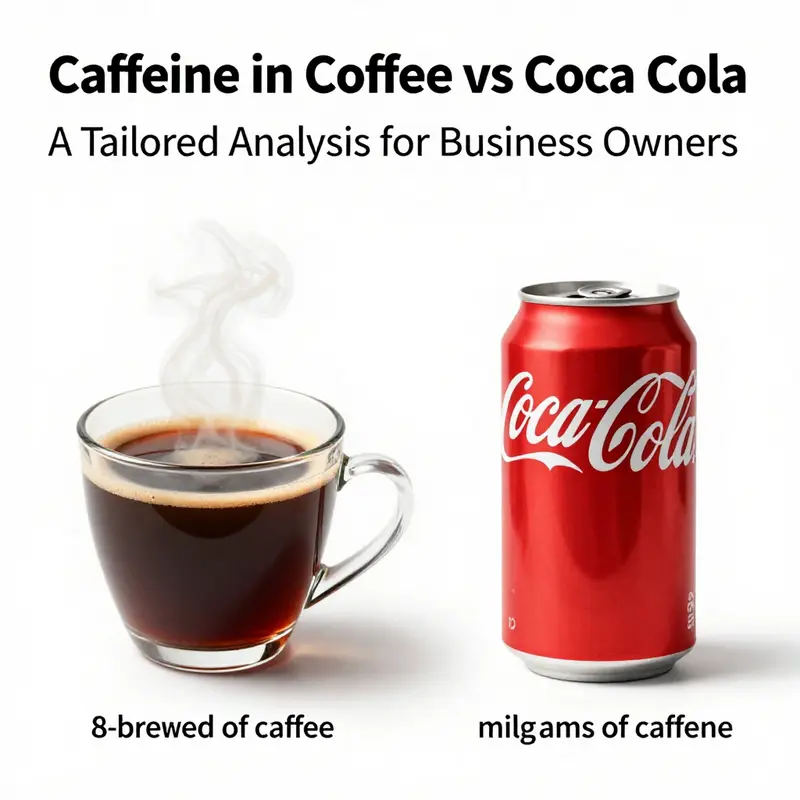
Caffeine, the most widely used stimulant in the modern world, travels with us through morning rituals, desk-side breaks, and late-night study sessions. Its presence in beverages as ordinary as a steaming cup of coffee or a chilled can of Coca-Cola makes it easy to overlook the science behind the lift we feel when we sip. Yet the two staples—coffee and Coca-Cola—deliver caffeine in markedly different ways, and those differences matter for how we plan our days, how our bodies respond, and how we interpret the simple act of choosing a drink. In this chapter, we explore those differences with a careful eye for the numbers, the methods of delivery, and the lived experience of caffeine as a cue for wakefulness, focus, and energy. The aim is to illuminate not just which beverage contains more caffeine, but how the context of that caffeine—how much, how quickly, and under what circumstances—shapes the way we use it to power through tasks, relationships, and routines.
First, the most straightforward comparison: caffeine content by serving size. Coffee, when brewed and served in a standard cup, carries a significantly higher caffeine payload than Coca-Cola. The typical eight-ounce (about 240 milliliters) cup of brewed coffee delivers around 95 milligrams of caffeine, though that amount can vary widely depending on the bean type, roast level, grind size, water temperature, and the precise length of the brew. Some brewing methods that concentrate caffeine more than others—such as espresso, which is commonly extracted into a single shot of about 30 milliliters—can pack around 63 milligrams of caffeine in that small volume. When you multiply out the volumes, a small espresso-based drink can carry more caffeine than a full can of cola, and it does so with far less liquid. This reality helps explain why people who chase a strong lift often turn to coffee, not as a daily ritual alone but as a practical tool for focus and performance.
Coca-Cola, by contrast, presents caffeine in a much gentler dosage and often within a larger, sweeter experience. A standard 12-ounce can, equal to about 355 milliliters, contains roughly 33 to 34 milligrams of caffeine in regular Coca-Cola. Diet versions push slightly higher—around 46 milligrams per 12-ounce can—but even that is a fraction of what a typical cup of brewed coffee can deliver. The numbers alone tell a story: coffee is the stronger stimulant on a per-serving basis, and the gap widens when you consider the range of coffee preparations that fall between the extremes of a mild drip and an intense double espresso. In terms of sheer magnitude, coffee remains the more potent source of caffeine for most drinkers seeking a noticeable energy lift.
Brewing is a critical variable. The extraction process that turns ground coffee into a caffeinated beverage is inherently efficient at pulling caffeine from the beans. Water temperature, contact time, grind size, and the coffee-to-water ratio all shape how much caffeine ends up in the cup. A longer extraction with coarser or finer grounds can shift the final milligram count, and lighter or darker roasts influence caffeine content in subtler ways. In practice, a brewed cup of coffee can range from roughly 95 mg to well over 200 mg, depending on all these variables and, importantly, the volume you pour. An eight-ounce cup is common, but many coffee lovers routinely enjoy larger servings, such as a 12-ounce mug or a tall barista cup, which can propel the total caffeine intake into the 150–200 mg range or higher. This variability is not an indictment of coffee’s predictability; it is a reflection of a beverage whose caffeine is not locked into a single, fixed profile, but rather released through an artful interaction between bean varietal, roast philosophy, and technique.
Coca-Cola’s caffeine story is different by design. The beverage uses caffeine sourced from cola nuts and, in some cases, additional caffeine is added to maintain a consistent taste profile and a predictable stimulant effect. The result is a much more uniform caffeine content per can. A 330 milliliter can of regular Coca-Cola contains about 32 milligrams of caffeine, with Diet Coke slightly higher at around 46 milligrams per can. The difference in the method of delivery matters because Coca-Cola’s flavor system relies on a careful balance of sweetness, acidity, carbonation, and caffeine. The caffeine dose is modest enough to avoid overpowering the drink’s overall sensory character, particularly its sweet and fizzy profile. Thus, the caffeine in Coca‑Cola functions more as a mild performance cue—enough to sharpen attention without dominating the drinking experience—whereas coffee’s caffeine is treated as the central aim of the beverage. For someone seeking a quick, mild lift during a work sprint or a casual afternoon pause, Coca-Cola’s caffeine can be sufficient; for those needing a more pronounced alertness and mental energy, coffee provides a more robust response.
The contrast in delivery is not just about quantity; it is also about rate and absorption. Caffeine absorption in the body begins quickly, with peak blood concentrations typically reached within 30 to 60 minutes after ingestion. The esoteric differences in how quickly caffeine enters the bloodstream can be influenced by what else is present in the drink. Coffee’s taste and aroma, its sometimes higher acidity, and even its mouthfeel can alter the subjective impression of energy because olfactory and gustatory cues synergize with the pharmacological effects. In coffee, caffeine arrives with a chorus of other compounds—chlorogenic acids, diterpenes, and various lipids—that can modulate digestion, metabolism, and, in some people, anxiety or tremor risk when intake is high. Coca-Cola, in contrast, presents a cleaner profile: caffeine without a heavy sensory burden besides carbonation and sweetness. The carbonation itself can influence perceived energy; the fizz creates a light, refreshing sensation that can seem to awaken the senses even before the caffeine fully takes effect.
When we translate these sensory and physiological cues into daily choices, context matters. The coffee drinker might begin the day with a hot cup that not only delivers caffeine but also a ritual that signals focus and preparation. The act of grinding beans, hearing the coffee maker hiss, and watching the beverage bloom in color is as much a cognitive cue as a chemical one. The routine can generate anticipatory arousal, a psychological state that primes effort and organization. A can of Coca-Cola, on the other hand, often serves as a midafternoon or late-afternoon pick‑me‑up that pairs well with a snack or a break from a task. It offers a quick, palatable lift without requiring the procedural ritual that coffee demands. The energy that follows a Coke may feel more like a gentle nudge than a call to sustained, extended concentration. These experiential differences help explain why people reach for one beverage over the other in different moments of the day, despite both containing caffeine.
People who monitor caffeine intake for health, sleep, or sensitivity concerns will notice another dimension: variability versus consistency. Coffee’s caffeine content is highly variable across beverages and even between cups from the same brew method, while Coca-Cola provides a much more standardized caffeine content per serving. This distinction can be critical for those who stage caffeine consumption to align with sleep schedules or dietary goals. For instance, a person who aims to avoid late-day stimulation may choose Coca-Cola in the late afternoon due to its fixed, lower caffeine dose, whereas a person who needs a firm dose for a long study session might rely on a larger coffee serving. The standardization in Coca-Cola offers a predictable framework for planning, which can be valuable in settings where precise tracking of stimulant intake is important for health or personal optimization.
Another layer concerns the broader energy landscape. Caffeine does not act in isolation; it interacts with individual physiology, habitual use, and tolerance. Regular coffee drinkers often build a tolerance to caffeine’s stimulating effects, meaning that the subjective punch can feel tempered over time even as the body processes caffeine efficiently. Those same individuals might find that a cup of coffee reaches for a strong lift after a period of abstinence, while Coca-Cola’s smaller caffeine dose could retain a milder or more moderate effect unless consumed in larger quantities or paired with other stimulants in a multi-beverage day. This dynamic helps explain why two people with similar daily caffeine budgets can experience quite different outcomes from the same amount of caffeine, depending on their habitual patterns and sensitivity. It also suggests why some people oscillate between coffee and soda as part of a broader caffeine strategy—using coffee for deeper focus and soda for a quick, lighter energy lift or a sociable moment.
The health implications of caffeine consumption from coffee versus Coca-Cola are often debated, but broad consensus emphasizes moderation and individual sensitivity. For most healthy adults, moderate caffeine intake—roughly up to 400 milligrams per day—can be part of a balanced diet. That ceiling, however, becomes nuanced when you add other caffeine sources, medications, or underlying conditions. Coffee’s higher potential caffeine content means that one or two cups can approach or exceed daily recommendations for some people, especially if they’re consuming caffeine in multiple forms: espresso shots, specialty drinks, or caffeinated snacks. Coca-Cola, particularly regular varieties, contributes to the total caffeine load with a smaller dose per can but can add up if multiple servings are consumed across a day, especially in combination with other caffeinated products. Pregnant women are commonly advised to limit caffeine intake to smaller amounts, and sensitivity varies widely; some individuals report jitteriness, sleep disturbances, or digestive issues at relatively low doses, while others tolerate larger amounts with minimal disruption. In both beverages, the fundamental caution remains the same: awareness of total caffeine intake across all sources, mindful of personal tolerance, sleep patterns, and health goals.
The cultural and environmental dimensions of caffeine consumption further color how we think about coffee versus Coca-Cola. Coffee is deeply embedded in social rituals, work cultures, and morning economies across the globe. Its preparation—grinding, heating, and aroma—constitutes a moment of intentionality that can anchor productivity, conversation, and a sense of grounded routine. Coca-Cola, with its pervasive marketing, portability, and consistent sensory profile, operates as a flexible, convenient stimulant within many social and work contexts. Both beverages have adapted to modern life by offering reduced-calorie or sugar-free variants, which alter the caffeine-to-flavor balance and the overall sensory experience. In this sense, caffeine becomes a bridge between tradition and convenience, a tool that can serve focus in a sunny café or a quick recharge during a busy afternoon in a crowded office.
To connect the practical with the empirical, consider how one might calibrate a personal caffeine plan. If the goal is to maximize cognitive performance during a demanding session, coffee is often the preferred vehicle because its caffeine content can be tuned across a broad spectrum. A disciplined approach could involve starting with a modest coffee serving to sharpen alertness without triggering anxiety or sleep disruption, then adjusting the dose in subsequent cups based on how the individual feels. If the aim is a lighter, more manageable lift or a cultural break with a familiar taste profile, Coca-Cola can be integrated into the day with a reliable timeline, ensuring a steady rhythm of energy without overwhelming the nervous system. The key is to treat caffeine as a tool rather than a reflex, respecting personal thresholds and the context of the task at hand. A mindful approach honors both the chemistry of caffeine and the lived experience of drinking—how a beverage looks, sounds, and feels as it delivers its effect.
For readers curious about the broader science behind caffeine’s effects, the body of literature emphasizes a common mechanism: caffeine’s blockade of adenosine receptors in the brain, which reduces the perception of fatigue and enhances signaling in networks involved in attention, mood, and motivation. The practical outcome is a subjective sense of wakefulness and a boost in mental agility. Yet the precise aftermath—how long the effect lasts, how it interacts with sleep, or how it influences appetite and mood—depends on dosing, timing, and individual biology. This is where the numbers matter, not as abstract tallies but as actionable guidance. The caffeine in coffee, with its potential range from roughly 95 to over 200 milligrams per cup, offers a broad spectrum for planning; Coca-Cola, with its more predictable ~32 to ~46 milligrams per can, provides a steadier, lower-intensity option. In everyday life, those differences translate into decisions about when to sip, how much to drink, and how to balance energy with sleep and long-term well-being.
To bring the narrative full circle, the choice between coffee and Coca-Cola is less a battle of superiority and more a question of fit. Coffee tends to be the preferred option when the objective is robust, sustained alertness in the context of work or study, or when a ritual around brewing confers mental preparation alongside the caffeine. Coca-Cola often serves as a social or situationally appropriate stimulant—a quick pick‑me‑up that can accompany a snack, a break, or a casual conversation. The two beverages invite us to consider not only how much caffeine we consume, but how the surrounding experiences shape our perception of energy. In that sense, caffeine is as much about behavior and environment as it is about chemistry.
For those who want to explore further, there is a wealth of practical knowledge available about how different beverages stack up in real life. In particular, the way people engage with coffee—through methods like drip, French press, or espresso—offers a rich field for understanding how technique informs caffeine delivery and overall sensory experience. If you’re curious about the craft and science behind these differences, you might find it enlightening to read about coffee culture and extraction dynamics, which shed light on why a cup of coffee can carry a substantially higher caffeine yield than a can of soda. And for readers who want a concise reference on caffeine content from a consumer standpoint, the official caffeine profile of Coca-Cola provides a trusted baseline for what one can expect from their regularly scheduled beverage choice. To keep the discussion grounded in lived experience, think of your own day as a three-part rhythm: a morning period of focused work powered by coffee, a midafternoon window for sustained attention supported by a cooler, lighter lift from a soda, and an evening or late-afternoon moment to unwind without pushing sleep boundaries. In that rhythm, caffeine serves as a flexible instrument rather than a single instrument, allowing you to orchestrate your energy in a way that respects your body, your tasks, and your goals.
From a practical standpoint, integrating the science of caffeine with everyday choices means paying attention to serving sizes, timing, and personal tolerance. If you’re a coffee person, you might experiment with different brew methods to observe how caffeine content shifts with each technique, then calibrate your intake to align with your daily schedule. If you’re more inclined toward Coca-Cola, you may prefer to treat it as a reliable, lower-dose option for midafternoon energy, perhaps avoiding the evening to preserve sleep quality. Either path demands mindfulness: caffeine is a tool with real physiological effects, and its benefits are best realized when used thoughtfully, not habitually consumed without consideration. As with all dietary choices, balance is central. The goal is to maintain energy that supports daily function and well-being, not to chase a relentless, unsustainable lift.
In sum, the caffeine comparison between coffee and Coca-Cola emphasizes a simple truth: coffee tends to deliver a higher, more variable caffeine dose that can produce a more pronounced energy and focus lift, while Coca-Cola provides a steadier, lower-dose stimulant that can fit neatly into a broader day without dominating the sensory or physiological experience. The choice between the two hinges not only on caffeine content, but on how you want to feel, how quickly you want to feel it, and how that feeling harmonizes with your routines, responsibilities, and sleep. For someone who needs to power through a challenging task with sustained attention, coffee is often the more effective ally. For someone who wants a quick, sociable pick-me-up that won’t overwhelm the senses, Coca-Cola offers a practical option. And for those who seek to understand the science behind how these drinks influence alertness, the information is abundantly clear: caffeine delivers energy, but the form it takes—coffee’s rich, variable brew versus Coca-Cola’s steady, fizzy dose—shapes the experience just as much as the chemistry.
If you’d like to explore how brewing methods specifically alter caffeine extraction, there is a wealth of practical guidance on coffee preparation techniques, including contrasts between French press and traditional drip methods, which highlight the way grind size and contact time influence caffeine yield. For readers who are curious about how non-coffee beverages compare in caffeine content while still offering a familiar flavor profile, consider exploring the broader landscape of caffeinated drinks and how their caffeine levels stack up against coffee in real-world consumption scenarios. This broader view helps place the coffee-versus-soda question within a more nuanced framework of personal preference, health considerations, and daily energy management. And while the numbers give us a map, it is the daily practice of choosing and moderating that ultimately shapes how caffeine complements our lives. An ongoing conversation between science, taste, and routine guides each of us to find the most effective balance for our own days.
For readers seeking a quick reference to the core figures discussed here, recall that a typical eight-ounce cup of brewed coffee commonly delivers around 95 milligrams of caffeine, with espresso shots offering about 63 milligrams per one-ounce shot, while a 12-ounce can of regular Coca-Cola carries roughly 33–34 milligrams, and Diet Coke sits closer to 46 milligrams. In other words, the coffee serving delivers nearly three to six times more caffeine than a can of Coca-Cola, depending on how the coffee is prepared. Yet the real story is not merely arithmetic; it is the interaction of dose, timing, and personal response that shapes how caffeine affects you on any given day. If we carry this awareness into our choices, we can enjoy both beverages thoughtfully, using each to support the moments that matter most in our work, study, and life.
For those who want to dwell a little deeper into the craft and culture surrounding coffee and its caffeine, an excellent starting point is to read about the broader world of coffee culture and brewing science, such as resources that delve into how different rituals and techniques influence flavor, aroma, and the overall experience. As a practical nod to the daily rhythms many readers experience, you can explore the concept of a morning ritual that pairs coffee preparation with deliberate breathing, stretching, or a short planning session—an approach that acknowledges the cognitive lift caffeine provides while also honoring the body’s need for balance. If you wish to connect this discussion with broader lifestyle content, you can visit related material on coffee-focused life design and brewing guides, which illuminate how coffee can become a supporting actor in a well-rounded day. Coffee Rich Life offers a perspective that situates caffeine within a larger framework of mindful coffee practice and daily energy management, framing caffeine not as a magic bullet but as one tool among many in a thoughtful routine.
Finally, if you want a concise, external reference that confirms the caffeine levels discussed and situates them within consumer contexts, consult the Coca-Cola official resource on caffeine. The page clarifies caffeine content across Coca‑Cola products and provides a consumer-facing comparison to coffee, helping readers ground their intuition in verifiable data. External resource: https://www.coca-colacompany.com/our-brands/what-is-caffeine
Two Pulses, One Spark: Decoding Caffeine’s Signal in Coffee versus Cola and Its Real-World Energy Impact
Caffeine is the most recognizable nervous system stimulant in the everyday diet, a tiny molecule with outsized effects on mood, focus, and physical performance. In the morning, that spike of wakefulness often comes from two familiar sources: a freshly brewed cup of coffee or a chilled cola. Though both deliver caffeine, they do so with different doses, accompanying compounds, and consumption patterns that shape how we feel in the minutes and hours after sipping. Reading caffeine as a single number is tempting, but it’s the surrounding chemistry and the way our bodies metabolize that caffeine that determine whether the boost feels like a lift that lasts or a quick tick of alertness that fades before lunch. When we compare coffee and cola, we are really comparing two different energy strategies: one that relies on a dense, lasting infusion of caffeine plus a mix of plant-derived antioxidants, and another that delivers caffeine in a lighter dose alongside substantial sugar and carbonation. The observable difference in how long we feel energized, how steady our attention remains, and how our bodies respond to the calories involved emerges from this combination of dose, matrix, and habitual pattern of use. In practical terms, the numbers matter. An eight-ounce cup of brewed coffee typically contains about 95 milligrams of caffeine, though more robust brewing methods and darker roasts can push that range toward 200 milligrams per cup. In contrast, a standard cola can—about 330 milliliters—screens in around 32 to 33 milligrams of caffeine. Those figures mean coffee often provides roughly three times the caffeine of a single cola can, a difference that translates into brighter wakefulness for longer stretches and a more pronounced adjustment in cognitive and physical performance for the average adult. Yet the full story includes not only caffeine but the context in which we consume these beverages and the other ingredients that travel with them. The cola, for instance, carries a substantial amount of added sugar, typically around 35 grams per 330 milliliters, while coffee’s caloric footprint is far leaner when consumed without sugar and cream. This difference is not merely about calories; it’s about how those calories affect energy regulation, hunger signals, and metabolic load across the day. The picture grows more nuanced when considering how caffeine interacts with our physiology. After ingestion, caffeine is absorbed quickly from the stomach and intestine, crossing the blood-brain barrier to influence adenosine receptors. Adenosine, a neuromodulator that promotes sleep and suppresses arousal, is the ordinary target of caffeine’s wakeful effect. By blocking these receptors, caffeine reduces perceived fatigue and increases alertness. The timing of this effect is typically rapid, often noticeable within about 15 to 45 minutes of ingestion, with peak plasma concentrations reached within an hour in many individuals. The duration of the stimulant’s perceptible impact depends on several variables, including body mass, tolerance, and how often one consumes caffeine. In coffee, the high dose can sustain a more prolonged feeling of mental clarity and improved reaction time, sometimes extending the energy window for several hours. A cola, delivering a smaller dose, can still sharpen attention quickly, particularly for tasks requiring quick reaction times, but the overall lift tends to wane sooner, which can prompt another intake before the next big task, potentially creating a pattern of more frequent dosing. This distinction matters when we consider daily routines that blend work, study, and social activity. A person who relies on coffee for a long morning stretch may experience a smoother, more persistent enhancement in focus and physical stamina. In contrast, someone who uses cola for short, rapid boosts during the day might experience quicker fluctuations in energy, with sharper onsets followed by a faster decline. The carbonation present in cola adds another layer to the equation. Carbonation can influence the rate at which caffeine leaves the stomach, potentially accelerating absorption in some individuals. A study indexed in the broader literature suggests that carbonated beverages can alter the timing and intensity of caffeine’s effects, potentially speeding up the initial stimulation. Yet this does not necessarily equate to a more powerful or longer-lasting energy boost; it may simply reshape the onset profile, producing a quicker surge that peters out more rapidly. Beyond the pharmacokinetics, the overall health implications of these beverages come into sharper relief when we weigh caffeine against sugar, antioxidants, and other bioactive compounds. Coffee is rich in polyphenols, notably chlorogenic acids, which have been linked to reduced inflammation and a lowered risk of several chronic diseases when consumed as part of a balanced diet. These compounds appear to contribute modestly to cardiometabolic health, and they may partly offset some of caffeine’s metabolic demands by supporting vascular function and glucose regulation. Cola, by contrast, brings a substantial sugar load that has well-documented associations with weight gain, metabolic syndrome, dental health challenges, and increased risk of type 2 diabetes when consumed frequently over time. The sugar in cola is not a mere filler; it acts as a rapid energy source that spikes blood glucose and insulin, a pattern that can lead to cycles of craving and fluctuating energy. This is not to say caffeine itself is a health hazard at moderate intake. Regulatory bodies, including the FDA in the United States and EFSA in Europe, commonly set daily caffeine guidelines around 400 milligrams for healthy adults, recognizing that most people tolerate this level without major adverse effects. Individual sensitivity varies, of course, and interactions with medications, pregnancy, or underlying health conditions can shift the risk/benefit balance for caffeine use. Withdrawal from regular caffeine consumption is typically mild for most people. When dependence is interrupted, headaches, fatigue, and irritability can occur, but these symptoms usually subside within a few days to a week for many. Importantly, the decision to choose coffee or cola as a caffeine source is not simply a matter of instant energy; it involves a broader assessment of daily nutrient intake and long-term health patterns. If the aim is to maximize cognitive endurance, the higher caffeine content in coffee can provide a more substantial performance edge for demanding tasks. If the objective is to curb sugar intake or reduce caloric load, coffee offers potential advantages when consumed without added sugar creams or syrups. In other words, caffeine is a tool, but the way we wield it—how much we drink, when we drink, and what else accompanies it—shapes the actual outcomes in energy, mood, and overall health. This nuanced view invites a more practical stance: for people who rely on caffeine to power through long work sessions or intense study blocks, coffee is likely to deliver a more sustained lift. For those who are more sensitive to sugar or who prefer a lighter caffeine dose to avoid jitters, a moderate amount of cola can still provide a quick, short-lived boost without overwhelming the system. Yet even here, the broader dietary context matters. The sugar, caffeine, and carbonation together create a different energy-and-hunger dynamic than coffee alone. People who frequently substitute cola for water or milk intake may experience higher daily sugar exposure, which compounds energy fluctuations and long-term health considerations. Coffee’s health profile is often bolstered by its antioxidant content, which intersects with its caffeine effects to influence inflammation and metabolic pathways in ways that may matter for chronic disease risk. In contrast, the health character of cola hinges more on its sugar profile and its lack of substantial micronutrients (beyond caffeine). This contrast helps explain why public health guidance tends to favor people meeting their caffeine goals through beverages and foods that provide beneficial compounds alongside the stimulant, rather than consuming high-sugar drinks that deliver caffeine in a less nutritionally favorable package. Of course, individual choices are personal and dependent on context. For a student burning the midnight oil, a moderate amount of coffee might be the most efficient path to sustained concentration and mental stamina. For someone navigating a long afternoon and seeking a lighter lift without a strong sensory aftermath, a small, measured cola could offer a quick pick‑me‑up without lingering jitters. The key is self-awareness: understanding the dose you personally respond to, recognizing how your body handles sugar, and aligning caffeine use with broader dietary goals rather than treating caffeine as a stand-alone solution. When we broaden the lens to a population level, these distinctions become even more meaningful. People differ in caffeine metabolism due to genetic variations, particularly in enzymes like CYP1A2 that govern how quickly caffeine is broken down. Fast metabolizers tend to experience less pronounced jitters and a smoother mood profile from caffeine, while slow metabolizers may feel stronger effects and a longer half-life of caffeine in the system. These variations help explain why general guidelines may feel imprecise for individuals. For some, a small amount of caffeine from cola may be enough to sharpen focus for a specific task without causing sleep disruption. For others, a larger dose from coffee becomes the preferred route for endurance activities or extended cognitive work. In an environment saturated with caffeinated options, the choice is seldom about one beverage versus another in a vacuum. It’s about how to integrate caffeine into daily patterns in a way that supports steady energy, balanced nutrition, and sustainable performance. The practical recommendations that emerge from this synthesis are straightforward. First, be mindful of dose. If the goal is to minimize energy fluctuations, a larger caffeine dose from coffee with minimal added sugars can be advantageous. If sugar reduction is the priority, opt for coffee black or with small amounts of milk or a sugar substitute, rather than cola with sugar. Second, consider timing. Early-day caffeine use tends to support wakefulness when you need it most, while late-day consumption risks sleep disruption. Third, recognize the broader nutritional package. Coffee’s antioxidants add a potential health bonus that cola typically lacks, and the sugars in cola carry health trade-offs that deserve attention, especially for individuals with metabolic concerns or weight management goals. Finally, keep in mind that caffeine is only one part of energy management. Sleep quality, hydration status, physical activity, and stress all interact with caffeine’s effects, either amplifying or diminishing its influence. In terms of public health messaging and practical personal use, the simple takeaway remains consistent: coffee tends to deliver a stronger, more sustained energy signal due to its higher caffeine content and bioactive compounds, while cola provides a milder stimulant lift that is more closely tied to sugar intake and a quicker onset. The right choice depends on what you need from a given moment—endurance, focus, a quick lift, or a lower sugar footprint—while staying attuned to how caffeine fits into the wider arc of daily health. For readers seeking a broader sense of how caffeine stacks up across popular beverages, a related comparison delves into how these beverages fare against each other in everyday use, including a direct look at coffee versus Mountain Dew as a accessible context for variability in caffeine dosing and metabolic impact. This broader frame helps readers anchor their expectations in real-world patterns rather than isolated numbers. External evidence continues to refine our understanding, reminding us that individual physiology and habitual use shape how caffeine translates into energy and health outcomes. A critical piece of this mosaic is recognizing that caffeine’s central mechanism is stimulant in nature, but the real-world effect depends on the beverage matrix, dose, and the person’s metabolic pathway. In short, caffeine is a versatile tool that can support performance and alertness when used thoughtfully. The challenge lies in balancing dose with the rest of the day’s nutrient intake and sleep needs, ensuring that the spark of energy does not become a ripple that disturbs the longer rhythm of health and well-being. For those who routinely navigate the crests and troughs of cognitive load, the comparison between coffee and cola becomes less about choosing a winner and more about tuning a personal energy system. By recognizing caffeine’s role within a broader dietary and lifestyle context, readers can design a caffeine strategy that aligns with their goals—whether that means maximizing sustained attention for work, managing cravings and metabolic load, or simply enjoying a comforting ritual with a lower sugar footprint. The ongoing conversation about how caffeine interacts with sugar, carbonation, and antioxidants will continue to evolve as new research emerges, but the core insight remains robust: the dose, the companion ingredients, and the timing together shape how coffee and cola influence our energy, mood, and health over the course of a day. Internal link for a broader perspective: for a concise comparison of caffeine’s effect across popular beverages, see the discussion on coffee versus Mountain Dew. External resource: a detailed overview of the caffeine content in cola products is available from the Coca‑Cola Company, which provides the official figures cited in these discussions: https://www.coca-colacompany.com/en/our-beverages/coca-cola
null

null
Final thoughts
The caffeine content in coffee vastly outweighs that of Coca-Cola, impacting both health outcomes and consumer choices. For business owners, aligning products with these insights not only meets demand but also promotes responsible consumption. Encouraging a more health-conscious approach to caffeine may enhance customer satisfaction and loyalty. By understanding the differences in caffeine sources, you can strategically position your offerings, whether it’s focusing on coffee’s higher caffeine content for energy or the lighter preference that Coca-Cola offers.