
Understanding the caffeine content in Dr Pepper is crucial for business owners seeking to align their offerings with consumer preferences. Caffeine contributes to the beverage’s stimulating effect, making it essential in the competitive soft drink market. Dr Pepper, containing approximately 41 mg of caffeine per 12-ounce can, is not only a refreshing alternative to coffee but also a significant player in the soft drink industry. This article explores the beverage’s caffeine content and compares it with other drinks, the health implications for consumers, the unique flavor profile, and its cultural significance, providing a holistic view for business owners in the beverage sector.
Measuring the Buzz: How Much Caffeine Is in Dr Pepper and What It Means
Measuring the Buzz: How Much Caffeine Is in Dr Pepper and What It Means
Dr Pepper delivers a gentle yet noticeable stimulant effect because of its caffeine content. A standard 12-fluid-ounce (355 mL) can contains about 41 milligrams of caffeine. That figure is the most consistent and current value available for both the regular and zero-sugar varieties. Independent lab tests sometimes show slight variation—values near 42 to 44 mg per 12 oz have been reported—so treat 41 mg as a practical baseline rather than a rigid constant.
Understanding what 41 mg means helps put Dr Pepper in context. A typical brewed cup of coffee contains roughly 95 mg of caffeine, more than double the amount in a can of Dr Pepper. Classic cola sodas often sit lower, with about 34 mg in a 12 oz serving, while some competitors hit the high 30s. Energy drinks are in another category entirely. A single small can of many energy drinks supplies around 80 mg in less volume. Dr Pepper therefore occupies a middle ground: it’s more stimulating than many colas, but far milder than coffee or most energy drinks.
Caffeine in soft drinks provides two practical effects. First, it produces mild central nervous system stimulation. Expect increased alertness and a reduction in perceived fatigue within 15 to 45 minutes after drinking. Second, caffeine subtly alters flavor perception. Its bitterness balances sweetness and enhances the beverage’s complex aroma. For a drink with a layered flavor profile—notes that suggest cherry, vanilla, clove, and caramel—caffeine helps tie those elements together. It’s not the dominant flavor, but it contributes to the drink’s overall mouthfeel and finish.
Variability in caffeine levels can result from manufacturing differences and testing methods. Bottles and cans are produced in different plants and shipped from various facilities. Minor batch-to-batch differences in formulation, water source, and processing can nudge caffeine content slightly up or down. Independent assays may report higher values than company figures because lab methods, sampling strategies, and rounding rules differ. For consumers, that means the caffeine number is best viewed as an accurate estimate rather than a precise microgram count.
Equally important is that the regular and zero-sugar versions contain essentially the same caffeine. Many sugar-free formulations mirror their sugared counterparts when it comes to stimulant levels. This is useful information for people replacing sugar-containing beverages with zero-sugar options. Calorie savings do not automatically change the stimulant exposure.
Knowing the caffeine content supports safer decisions for people with specific health concerns. Those who monitor caffeine for cardiovascular reasons, anxiety management, or pregnancy will find a 41 mg serving a moderate dose. For pregnant individuals, medical guidelines often recommend limiting caffeine intake to 200 mg or less per day. That means about four 12-ounce cans would reach that threshold. For people with anxiety, even moderate caffeine sometimes boosts nervousness or jitteriness. Those individuals may prefer to limit or avoid caffeinated sodas. When managing hypertension, discuss overall caffeine intake with a clinician, because caffeine can transiently raise blood pressure and affect heart rate in some people.
Beyond clinical considerations, understanding caffeine content helps with everyday planning. Athletes and active people may want to time caffeine for training or competition, as a modest dose can improve alertness and perceived exertion. Students or professionals might use a can as a light pick-me-up during a study or work session. Because a single can contains a moderate amount, it can be a deliberate choice when you want some stimulation without the crash associated with higher-caffeine drinks.
Calculating cumulative intake is easy once you know the per-can number. Two cans equal about 82 mg. Three cans approach 123 mg. Compare those totals with the typical cup of coffee to see the trade-offs. A one-to-one swap of a coffee for a can of Dr Pepper cuts caffeine roughly in half. That matters for people trying to reduce caffeine while keeping a familiar fizzy routine.
Some common misconceptions are worth clearing up. The drink’s unique flavor leads a few people to assume it is caffeine-free. That is incorrect. The stimulating ingredient is present and contributes to the beverage’s sensory character. Another misconception is that zero-sugar automatically means caffeine-free. As mentioned, the stimulant level is similar across sugar and zero-sugar versions.
Label reading helps, but not every label lists caffeine in milligrams. When the label does not provide a number, refer to scientific databases and third-party testing for accurate data. For example, national food composition resources compile nutrient and caffeine assays for common commercial beverages. Those resources are useful if you track daily intake precisely.
The role of caffeine in taste deserves short attention because it explains why manufacturers include it. Caffeine’s bitterness balances sweetness. In a drink with many flavor elements, that small bitterness enhances clarity. It prevents the drink from tasting cloying and helps individual notes register more cleanly. Removing caffeine without adjusting other flavor components would change the drink’s profile. That is one reason why caffeine-free varieties, when available, taste slightly different.
Practical guidance for consumption is straightforward. If you are sensitive to stimulants, limit serving size and timing. Avoid drinking caffeinated soda late in the day if you want to protect sleep quality. If you are pregnant or breastfeeding, follow established medical guidance on daily caffeine limits. For those managing anxiety or heart conditions, consult a healthcare provider about safe daily amounts and how caffeine interacts with medications.
Moderation also matters because of sugar in regular formulations. A can provides both caffeine and a significant gram amount of sugar, which together affect energy and satiety. Choosing a zero-sugar variant removes the caloric and glycemic impact while preserving caffeine exposure. That trade-off is relevant for weight management, diabetes, and dental health. If reducing caffeine is the goal, switch to decaffeinated alternatives or strictly limit intake.
For people who want to compare beverages quickly, use simple reference numbers. Dr Pepper: around 41 mg per 12 oz. Cola classics: roughly 34 mg per 12 oz. Some rival colas: in the 34–38 mg range. Coffee: about 95 mg per 8–12 oz brewed cup, variable. Energy drinks: often 70–160 mg depending on size and brand. These comparisons show where Dr Pepper falls on the spectrum.
If you frequently combine drinks—mixing sodas in a single sitting or pairing with coffee—remember to add the caffeine amounts. Mixing a modest soda with a cup of coffee can push total intake up quickly. People often underestimate how cumulative small servings become a high dose over a day.
Finally, when precise verification is needed, consult authoritative nutrient databases. These sources compile laboratory-tested values and provide reliable caffeine estimates for commercial beverages. They are useful for clinicians, researchers, and consumers who want a scientifically verified figure for planning and safety. For an official reference with the latest verified values, see the national food composition database entry for this beverage at the U.S. Department of Agriculture’s FoodData Central: https://fdc.nal.usda.gov/fdc-app.html#/food-details/170897/nutrients.
For related reading about caffeine in variants and comparisons across soft drinks, see the detailed discussion on whether the diet formulation contains caffeine in Does Diet Dr Pepper Have Caffeine? Get the Truth: https://coffeerichlife.com/does-diet-dr-pepper-have-caffeine-get-the-truth-in/.
This chapter aims to give a clear, practical view of what the 41 mg figure means. It is a moderate stimulant dose that shapes both the beverage’s effect and its taste. Knowing this helps you make informed choices about when and how much to drink, especially if you monitor caffeine for health or lifestyle reasons.
What Drinking a Can Means: Health Effects of Caffeine in Dr Pepper
A measured stimulant with everyday consequences. Dr Pepper delivers about 41 milligrams of caffeine per 12-ounce can. That figure places a single serving in the moderate range among common beverages. It is lower than a typical cup of brewed coffee, yet similar to many sodas. For most adults, a single can provides a mild boost in alertness. It can sharpen focus, lift mood slightly, and contribute to the drink’s characteristic mouthfeel. But a single number does not tell the whole story. The health implications depend on the person, the pattern of consumption, and what else is in the beverage.
Caffeine acts quickly. When you drink a 12-ounce can, caffeine begins to absorb in the stomach and small intestine. Blood levels rise within 15 to 45 minutes. The peak effect typically occurs around 30 to 60 minutes. The stimulant reaches the brain where it blocks adenosine receptors. That reduces perceived tiredness. It can enhance vigilance and reaction time for a few hours. For short-term, occasional use, these effects are often desirable. They are also temporary.
Safety for healthy adults is generally straightforward. Medical authorities commonly consider up to 400 milligrams of caffeine per day safe for most healthy adults. One can of Dr Pepper supplies roughly one-tenth of that limit. In isolation, the caffeine per can does not pose a risk to most people. But modern intake rarely comes from a single source. Coffee, tea, other sodas, energy drinks, and some supplements add up. Tracking total daily intake matters more than judging a single can.
Individual sensitivity maps differently. Genetics and tolerance shape response. Some people metabolize caffeine quickly. Others process it slowly. Slow metabolizers may experience stronger effects at lower doses. Sensitivity can show as jitteriness, an increased heart rate, a flushed feeling, or tremor. Sleep disruption is a common downstream effect when caffeine is consumed later in the day. Even moderate doses can fragment sleep in sensitive individuals. Those with anxiety disorders may find caffeine amplifies nervousness or panic. People with heart rhythm concerns can react to stimulants more intensely. For these groups, smaller amounts or avoidance may be wise.
Caffeine has a mild diuretic effect. At low to moderate daily levels, this effect is minimal. Research indicates that diuresis becomes relevant mainly at higher intakes, well above what most cans of soda deliver. Regular consumers often develop a tolerance to the diuretic effect. Hydration status normally remains stable when beverages are consumed as part of a typical diet. Still, relying on caffeinated sodas as a primary hydration source is not ideal. Water should remain the main fluid for hydration.
Pregnancy and children require stricter caution. Medical guidance usually recommends that pregnant women limit caffeine to around 200 milligrams per day, or even less, depending on local health advice. For children and adolescents, recommendations vary by age and weight. Smaller bodies are more affected by the same dose. For parents, a single can of a caffeinated soda may represent a significant proportion of a child’s safe daily limit. Awareness and moderation are essential.
Beyond caffeine, other ingredients affect health outcomes. Regular versions contribute calories and sugar. Frequent intake of sugary sodas links to weight gain, higher risk of type 2 diabetes, and dental erosion. Zero-sugar variants replace sugar with artificial sweeteners. These sweeteners reduce caloric load, but debates remain about their long-term effects on appetite, microbiome balance, and metabolic health. If you are monitoring sugar intake, comparing regular and zero-sugar versions matters. If you are concerned about artificial sweeteners, that concern also guides consumption decisions.
Context matters. A mid-afternoon can might restore focus without disrupting sleep. The same can consumed late in the evening could make it hard to fall asleep. A single can with a balanced meal will affect blood sugar differently than the same can consumed on an empty stomach. Combining multiple sources of caffeine—coffee in the morning, a soda later, and an energy drink at night—pushes total intake toward higher ranges where side effects become common. Employers, parents, and routine planners should consider timing and cumulative load.
For people managing medical conditions, tailored advice matters. Those with hypertension should be cautious. Caffeine can cause temporary increases in blood pressure. For most people, the effect is modest. For individuals with uncontrolled high blood pressure, stimulant sensitivity, or certain cardiac conditions, even moderate amounts may be problematic. Anxiety disorders can worsen with caffeine. Sleep disorders and insomnia can be aggravated too. In these cases, clinicians often recommend limiting or avoiding caffeinated beverages.
Practical steps keep caffeine use sensible. First, read labels. A 12-ounce serving of Dr Pepper contains about 41 milligrams of caffeine. Check serving sizes; many bottles and cans come in larger formats. Second, tally intake across sources. If you consume coffee or tea, add those milligrams to your soda intake. Third, time your consumption. Avoid caffeine within six hours of bedtime if you are sensitive to sleep disruption. Fourth, consider swapping to decaffeinated or zero-caffeine alternatives when you need refreshment without stimulation.
Tolerance and dependence deserve mention. Regular exposure leads to tolerance. Over weeks of daily intake, the stimulating effects may lessen. Some people increase consumption to chase the original alertness. Withdrawal symptoms can occur after stopping regular caffeine use. Headache, fatigue, irritability, and reduced concentration are common during withdrawal. These symptoms are usually temporary and resolve within a few days to a week. Planning gradual reduction can ease the experience.
For those aiming to balance enjoyment and health, moderation is both practical and achievable. Enjoying a can occasionally is unlikely to cause harm. Making it part of a varied beverage repertoire keeps intake moderate. If you are tracking calories, choose zero-sugar versions sparingly and be mindful of ongoing debates about artificial sweeteners. If you have specific health conditions, consult a healthcare provider for personalized guidance.
Awareness of portion and frequency is crucial. One can offers a moderate stimulant. Multiple cans per day, consumed over time, create cumulative exposure. That pattern may push total daily caffeine into ranges where side effects emerge. It may also exacerbate risks tied to sugar or artificial sweeteners. A simple habit of checking product information and tallying intake helps maintain control. If cravings or dependence develop, view them as signals to reassess consumption patterns.
Social and behavioral factors shape drinking habits too. Sodas often accompany meals, social gatherings, and treats. They occupy a cultural role beyond hydration. Understanding that role helps manage intake without eliminating pleasure. Replace or rotate choices. Use flavored sparkling water, herbal tea, or plain water with a twist of citrus when you want variety without caffeine. Remember, moderation means occasional enjoyment, not constant reliance.
Finally, reliable sources help you stay informed. Nutritional databases and health guidance provide up-to-date figures and advice. If you want a deeper dive into caffeine amounts in soda variants and health commentary, consult reputable health resources for more detail.
For a focused comparison on how caffeine levels differ across similar beverages, you can read more about caffeine in zero-sugar variants here: caffeine in Dr Pepper Zero. For broader health background and guidance on caffeine consumption, see this resource: https://www.healthline.com/nutrition/caffeine-in-dr-pepper.
The Role of Caffeine in Dr Pepper’s Signature Flavor and Ingredients
Dr Pepper occupies a singular place among carbonated soft drinks because its taste is deliberately complex. Rather than leaning on a cola template, it rests on a proprietary blend of many flavor notes—fruit, spice, and sweet aromatics woven together. Within that tapestry, caffeine plays a subtle but meaningful role. It is neither the star flavor nor merely a functional additive. Instead, caffeine contributes to the sensory experience, to habitual enjoyment, and to practical considerations around consumption.
From a sensory perspective, Dr Pepper’s flavor resists simple classification. The drink’s profile is often described as a balance of cherry, licorice, vanilla, clove, and other aromatic notes. Those elements combine into a layered sweetness with spice-like lift, avoiding the citrus-carboxylic backbone that defines many colas. Caffeine itself has bitter and astringent properties. At the levels present in a standard serving, it nudges the palate toward structure. That slight underlying bitterness helps counterbalance sugar or sweeteners. It keeps the finish crisp instead of cloying, and it enhances the perception of other volatile flavor molecules, making the complex blend feel cohesive rather than muddled.
Measured objectively, a 12 fluid ounce (355 mL) serving of Dr Pepper contains roughly 41 milligrams of caffeine. This amount applies to both regular and zero-sugar formulations. It is less than the caffeine typically found in a cup of brewed coffee, yet comparable to many mainstream soft drinks. At this dosage, caffeine contributes a mild stimulant effect for most adults. The effect can increase alertness, sharpen focus for short periods, and reduce perceived fatigue. Those functional qualities influence why people choose this type of beverage in routine contexts—during short work breaks, social gatherings, or as a complement to meals.
Caffeine’s role in mouthfeel and flavor perception is often overlooked. Beyond bitterness, caffeine changes how carbonation and sweetness register in the mouth. It amplifies the sensation of effervescence, allowing bubbles to carry aromatic compounds more effectively to the nose. This interplay makes the drink feel livelier and helps volatile spice or fruit notes bloom on the palate. In sugar-sweetened versions, the caffeine helps temper the sweetness. In zero-sugar versions, the same caffeine level lends a fuller taste where sugars are absent. That parity in caffeine content between sweetened and zero-sugar variants helps preserve a consistent sensory signature across formulations.
The beverage’s ingredient list combines functional components and flavor agents designed for repeatable results. Carbonated water provides the effervescence that lifts flavor into the nose. Sugar or artificial sweeteners establish the primary sweet backbone. Caramel color contributes visual depth and a hint of roasted character. Phosphoric acid and other acidulants provide acidity to balance sweetness. Preservatives ensure shelf stability. Natural and artificial flavorings—credited generically—deliver the specific 23-flavor blend that gives the drink its identity. Caffeine is included among those flavoring components. Together, these ingredients create the recognizable taste and consistent mouthfeel that consumers expect.
Understanding caffeine’s presence matters beyond taste. It matters for health and habit. For people managing anxiety, heart conditions, or pregnancy, even moderate caffeine can be significant. Forty-one milligrams per can may seem modest compared to coffee, yet multiple cans consumed in a day add up quickly. Habit formation also ties into caffeine’s properties. Regular intake of low-to-moderate amounts can subtly reinforce daily routines. The pairing of an enjoyable flavor profile with a mild stimulant helps explain why some consumers reach for this beverage repeatedly.
The beverage’s historical roots help explain its unusual flavor design. Originally crafted in the late 19th century by an early soft drink creator, the formula predates many modern soda archetypes. That history fostered a flavor-first approach rather than a category-driven one. Flavor complexity became a defining feature, and caffeine was a logical inclusion. At the time, caffeine was commonly used in tonics and sodas as a mild stimulant. Over decades, the inclusion remained, not for novelty, but because it suited the overall sensory architecture. Today, that same caffeine content bridges tradition and modern consumption patterns.
Consumer expectations shape product formulation. Maintaining a recognizable taste while adapting to evolving demands—such as reduced sugar options—requires balancing each ingredient’s contribution. Caffeine’s presence makes that balancing act easier. In zero-sugar versions, caffeine helps compensate for the absence of sugar’s weight on the palate. It supports the mouthfeel and helps aromatic flavors come forward. When sugar is present, caffeine keeps the finish clean and prevents the flavor from becoming syrupy. This versatility is one reason caffeine levels remain steady across product lines.
Manufacturing consistency is another practical factor. Using an identical caffeine level across versions simplifies production and quality control. It preserves the brand’s characteristic profile without forcing consumers to recalibrate their taste expectations with each variant. At the same time, transparent labeling of caffeine content allows consumers to make informed choices. For those tracking intake, the per-can amount provides a clear metric to fit within daily limits. Governmental and health organizations offer guidelines for safe caffeine consumption, and clear nutritional labeling helps consumers apply those recommendations.
People often ask whether a homemade version can replicate the experience. Crafting syrup-based recipes with natural extracts can approximate the aromatic mix. However, reproducing the precise balance of bitterness, sweetness, and mouthfeel requires attention to caffeine’s role. Small additions of bittering agents, or the inclusion of a measured amount of caffeine, adjust the finish and preserve effervescence perception. Those seeking a transparent, customizable alternative can experiment, but should do so with an understanding of dosing and safety. If replicating caffeine’s effect, it is sensible to quantify intake and consider cumulative consumption from all sources.
Beyond individual consumption, the caffeine content influences product positioning. A drink that offers a gentle lift may fit into both leisure and day-to-day scenarios. It serves as a casual stimulant without the intensity associated with specialized energy beverages. That positioning affects how people incorporate the drink into their routines—sometimes as a social refreshment, other times as a light alertness aid. The social and psychological dimensions of caffeine consumption intersect with flavor preference to shape choices.
For those who monitor ingredient specifics, official sources provide confirmation. Nutritional databases and manufacturer disclosures list caffeine amounts and ingredient compositions. Consulting these resources helps reconcile sensory impressions with measurable facts. For example, a standardized nutritional entry indicates about 41 mg of caffeine per 12 fl oz serving. That figure, consistent across regular and zero-sugar formulations, clarifies expectations for taste and stimulation. If questions arise about variations between markets or formulations, checking local nutritional labels ensures accuracy.
Finally, awareness of caffeine’s contribution deepens appreciation for subtlety in beverage design. It is easy to think of caffeine in binary terms—as present or absent—but its true influence is nuanced. At moderate levels it shapes mouthfeel, tempers sweetness, and supports aromatic complexity. It also plays a role in behavior, habit formation, and consumer choice. Recognizing caffeine as an integrated ingredient rather than a standalone stimulant invites a fuller understanding of how flavor and function combine in a crafted soft drink.
For more detailed ingredient information, refer to the official product nutrition and ingredient listings provided by the brand in each market: https://www.coca-colaeurope.com/our-brands/dr-pepper
If you want to compare caffeine levels between variants, or explore specifics about the zero-sugar version, see this resource on how much caffeine is in Dr Pepper Zero: https://coffeerichlife.com/how-much-caffeine-in-dr-pepper-zero/
The Subtle Spark: Caffeine, Flavor, and Cultural Resonance in Dr Pepper
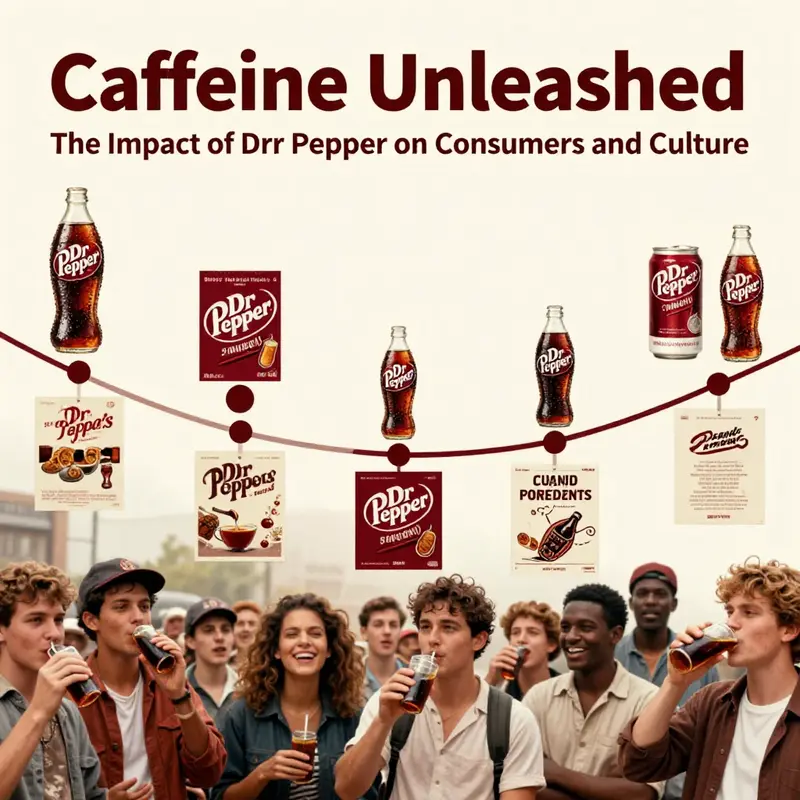
Dr Pepper occupies a distinctive niche in the world of beverages, a drink that carries both taste and memory in a single can. Its caffeine content is a part of that equation, not a loud siren, but a quiet, reliable nudge that contributes to the everyday rituals in which people reach for a cold, flavorful pick-me-up. The data that sit at the core of this narrative are precise enough to matter for those who track their caffeine intake, yet they are gentle enough to blend into ordinary social moments. In the most consistent and recent measurements, a 12-ounce (355 milliliter) can holds about 41 milligrams of caffeine. That amount remains steady across the regular and the zero-sugar versions, a consistency that matters for anyone trying to balance taste, energy, and health considerations. In the realm of caffeinated beverages, this is a moderate dose. It sits between the larger jolts found in a cup of coffee and the lower-energy options that people sometimes choose for a lighter lift. The number itself is more than a statistic; it becomes a cue about how the drink fits into daily life, how it supports alertness without overpowering the senses, and how it interacts with the drink’s signature profile of cherry, licorice, vanilla, clove, and the countless facets of a 23-flavor blend that defies simple categorization.
What sets Dr Pepper apart in terms of caffeine is not only the amount but its relationship to flavor and mouthfeel. Caffeine is not a flavor to mask; it is a component that interacts with the drink’s complex palate and the way carbonation carries taste to the tongue. The result is a perception of lightness paired with a mild, steady lift. Even as the beverage refreshes, the caffeine helps sustain a sense of attentiveness that can accompany a chat with friends, a drive through a familiar route, or a quiet moment of reflection during a long day. This gentle energy is part of the drink’s cultural appeal. It appeals to people who want a reason to pause and enjoy a familiar taste without feeling overwhelmed.
Caffeine’s contribution to Dr Pepper’s mouthfeel also matters in a more subtle way. The cognitive stimulation it provides can shorten that first moment of post-lunch grogginess and give the palate a moment of clarity as the flavors unfold. The sensation is not simply the caffeine hit; it is how the caffeine behaves in concert with a flavor profile built on a blend of fruit-forward notes and spice. The effect can be described as a balanced wakefulness—the kind of alertness that accompanies a casual conversation or a road trip playlist, rather than an intense surge that demands immediate attention. In this sense, caffeine helps Dr Pepper hold its own among beverages that promise energy, while offering a softer, more approachable form of stimulation.
Beyond the sensory and physiological aspects, the caffeine content of Dr Pepper speaks to a broader cultural pattern: a preference for energy that is reliable, predictable, and compatible with everyday life. In many communities, people want something they can count on—coffee for a heavier morning lift, energy drinks when the day demands peak performance, and a soda like Dr Pepper for a mood-elevating companion that won’t derail a social moment. The moderate caffeine level aligns with a growing trend toward balanced energy sources. Consumers increasingly seek beverages that offer alertness without jitteriness, focus without a significant spike, and satisfaction in flavor that remains stable from the first sip to the last. Dr Pepper’s caffeine content, paired with its distinctive 23-flavor recipe, supports that balance: a drink that is both comforting and capable of providing a subtle lift when needed.
Historically, marketing and branding have reinforced this nuanced role of caffeine in Dr Pepper. The brand has long celebrated its unique flavor heritage, a blend that many describe as sophisticated rather than simply sweet. Campaigns and storytelling around the drink have highlighted the idea of a refined alternative to more straightforward sodas, a notion that resonated across generations. The reference to a “10 flavors” motif in some historical messaging—though often misunderstood or mythologized—reflects a historical appetite for depth and complexity that audiences have associated with Dr Pepper. In that context, caffeine becomes part of the drink’s character rather than merely a functional ingredient. It contributes to the perception of Dr Pepper as a thoughtful choice, an everyday indulgence with a hint of something special beneath the surface.
For individuals who need to monitor caffeine consumption for health reasons—whether managing cardiovascular considerations, anxiety disorders, or pregnancy—the data matter. A single 12-ounce can delivers a moderate dose that sits below the caffeine content of a typical cup of coffee, which commonly falls around 95 milligrams, yet remains sufficiently similar to many other everyday sodas. The presence of caffeine in both the regular and zero-sugar versions means that people seeking to moderate sugar intake can still plan their caffeine intake with a reasonable degree of consistency. of course, this invites prudent planning: people should consider their total daily caffeine intake from all sources, including tea, chocolate, and certain medications, to avoid surpassing personal or medical guidelines. In this sense, Dr Pepper serves as a useful case study for how a single product can embody both the pleasures of flavor and the responsibilities of dose.
The cultural significance of a moderate caffeine content extends into social rituals and daily routines. In many cultures, a cold can in the hand can become part of a ritual—opening a car door on a road trip, sharing a laugh with friends on a sunny afternoon, or simply pausing between tasks to savor a familiar taste. The caffeine in Dr Pepper helps sustain that sense of momentum without demanding abrupt breaks or excessive focus. The drink is often chosen not for a sudden surge but for a steady companionship—a companion that says, in effect, you’re here, you’re present, and you’re ready for what comes next. This aligns with contemporary preferences for beverages that offer mood support in a nuanced way rather than a blunt, immediate effect.
The internal conversation about caffeine content, flavor, and cultural resonance is not purely academic. It shapes how people talk about what they drink, how they share experiences, and how they compare one beverage to another within a broader landscape of caffeinated options. When someone asks whether a zero-sugar version carries the same lift, the answer, in practice, is often yes in terms of caffeine amount, while the taste profile might shift slightly due to sugar alternatives and caloric considerations. For readers curious about this exact comparison, How much caffeine is in Dr Pepper Zero? offers a targeted examination that marries laboratory data with consumer experience. This link serves as a practical touchstone for readers who want to situate the caffeine chart within the lived reality of a zero-sugar lifestyle.
As the beverage landscape continues to diversify with new formats and formulations, the case of Dr Pepper reminds us that caffeine content is both a scientific datum and a cultural instrument. It informs how people pace themselves in a world that demands attention, how they choose beverages that fit different moments of the day, and how a single brand can maintain relevance by honoring a long, evolving relationship between flavor, energy, and identity. The story of this drink is not merely about caffeine per se; it is about how a modest amount of caffeine can thread through taste, memory, and social life—an everyday spark that helps turn ordinary moments into memorable ones without overloading the senses.
External reference: For a concise reference on caffeine content in Dr Pepper and related beverages, see https://www.caffeinein.com/dr-pepper-caffeine-content/.
Final thoughts
The caffeine content in Dr Pepper plays a significant role as both a stimulant and a unique selling point for the beverage, making it integral for consumer choice. As business owners, understanding these dynamics provides a competitive edge in marketing and product positioning. With awareness of health implications and cultural ties, owners can align their offerings to resonate with consumer interests, enhancing brand loyalty and sales. Ultimately, the exploration of caffeine in Dr Pepper is not just about the content itself but about its broader impact on consumer behavior and industry trends.