

For business owners in the beverage industry, understanding product composition is crucial. Specifically, awareness of caffeine levels in products can affect customer choices and health considerations. Arizona Arnold Palmer Half and Half, a popular drink combining iced tea and lemonade, contains caffeine at a concentration of approximately 1.87 milligrams per fluid ounce. This article examines the caffeine content, health implications for consumers, a comparative analysis with other beverages, and the underlying ingredients that contribute to its modest caffeine presence, ensuring you are well-informed and able to guide your customers effectively.
Caffeine Footprint in the Arnold Palmer Half & Half: What the Numbers Really Say
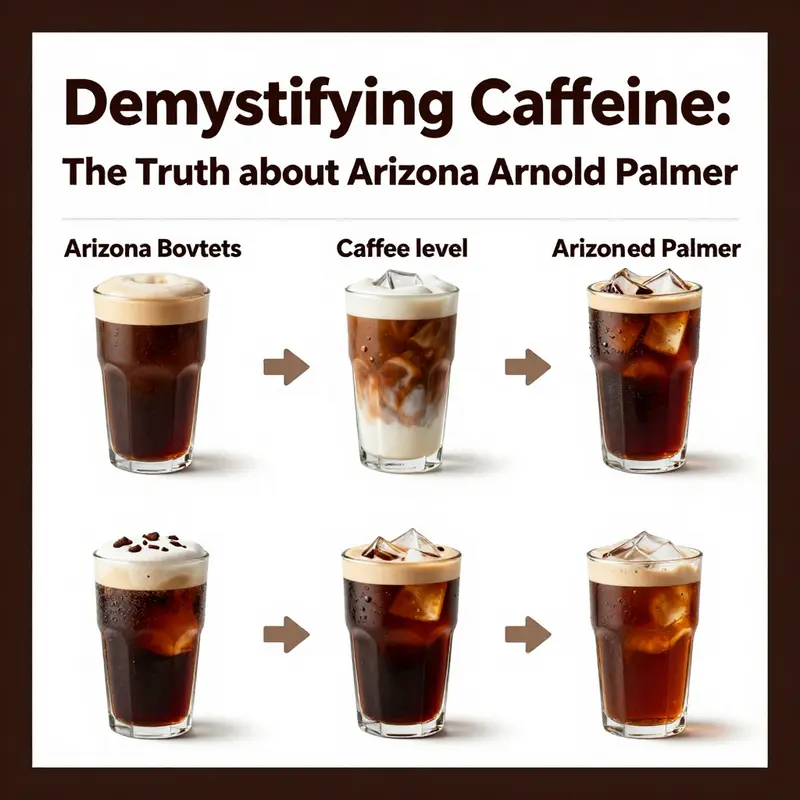
Note: This chapter focuses on the caffeine content of a common tea-and-lemonade blend and translates the numbers into everyday understanding. The data show that the beverage in question carries caffeine, but at a relatively modest level. The texture of these figures matters because caffeine affects sensitivity, daily intake planning, and how we compare seemingly similar drinks across the beverage landscape. By grounding the discussion in precise measurements and practical context, readers can gauge where this blend fits in a caffeine-conscious lifestyle without overestimating or underestimating its impact. The core figure to keep in mind is that the blend’s caffeine comes from its tea base, not from added stimulant ingredients, and that the overall amount remains comparatively low when set beside coffee or many energy drinks.
Caffeine, in this particular Half & Half blend, is quantified as 1.87 milligrams per fluid ounce. When you translate that into a more commonly used metric, it equates to about 6.32 milligrams per 100 milliliters. These numbers are not just abstract statistics; they map directly onto how much caffeine one would consume with typical serving sizes and how those servings stack up against other caffeinated beverages. To picture the practical implications, consider a standard 23-ounce bottle, which is a common size for many bottled iced tea products. At 1.87 milligrams per ounce, the total caffeine content for that bottle would land around 43 milligrams. That is a modest total, especially when you compare it to a typical eight-ounce cup of coffee, which often ranges around 95 milligrams of caffeine or more, depending on the roast and brewing method. The comparison helps translate the measurement into everyday expectations: this blend provides a caffeine presence, but not a caffeine punch.
The source of caffeine in this beverage is straightforward. The blend is a combination of tea and lemonade, with the tea base supplying the caffeine and the lemonade contributing little to none. Tea, especially when brewed from traditional leaves, carries caffeine as a natural stimulant. In a ready-to-drink format, the caffeine content is a function of both the tea concentration and the brewing strength that went into the final product. In practical terms, the lemonade does not add caffeine, so the total milligrams per serving hinges on how much tea is in the blend and how concentrated that tea component is. This distinction is meaningful for anyone who might be sensitive to caffeine or who is actively managing daily intake. The numbers reveal a deliberate balance: enough caffeine to provide a light lift, but not so much that it dominates the beverage or disrupts a bedtime routine.
The numbers also invite a more intuitive sense of how much caffeine you’re taking in with a given serving. If you pour a standard 8-ounce glass from a bottle with the same per-ounce concentration, you would expect about 15 milligrams of caffeine. If you drink a larger serving, say 16 ounces, the caffeine would scale correspondingly to around 30 milligrams. In short, the per-ounce figure is a reliable guide for estimating caffeine in any standard serving size you might encounter at home, in a café, or on the go. The 100-milliliter benchmark — roughly equivalent to a modest metric used in nutrition labeling — translates to about 6.32 milligrams. Put differently, every 100 milliliters of this blend contains a little over six milligrams of caffeine. While this might seem inconsequential next to the caffeine load of a cup of coffee, it becomes more meaningful when you consider daily consumption patterns, such as sipping the blend throughout the day or pairing it with other caffeinated beverages.
From a health and daily intake perspective, these figures sit in a comfortable range for many adults. The commonly recommended upper limit for caffeine intake in a healthy adult is about 400 milligrams per day. That ceiling means you could, in theory, enjoy several servings of this blend and still stay within a safe daily boundary. Of course, individual tolerance varies. Some people experience jitters, sleeplessness, or anxiety at much lower levels, while others tolerate higher amounts with relative ease. For pregnant individuals and those with certain medical conditions, the guidance is more conservative, often advocating for smaller amounts. The key takeaway is that this particular tea-lemonade blend offers a modest caffeine profile, making it a reasonable option for someone seeking a milder lift or a beverage that won’t significantly shift daily caffeine total.
What makes the discussion about caffeine content interesting goes beyond the raw numbers. Consumers frequently assume that iced tea products carry a uniform caffeine level, but the reality is more nuanced. The caffeine in a ready-to-drink product hinges on the strength of the tea infusion and the proportion of tea to lemonade in the final blend. This is why even within the same product family, caffeine counts can differ between variants or flavors that use more or less tea in the recipe. The blend at hand demonstrates that even a well-loved, refreshing mix can carry a measurable caffeine footprint, and that footprint can be understood with a straightforward calculation: multiply the caffeine per ounce by the number of ounces in a serving. When you do that math, the picture emerges clearly: a single bottle or a standard serving promises a gentle caffeine presence rather than a jolt. For readers tracking caffeine for health reasons, this clarity matters, because it makes it easier to plan around feeding windows, workouts, or late-evening activities.
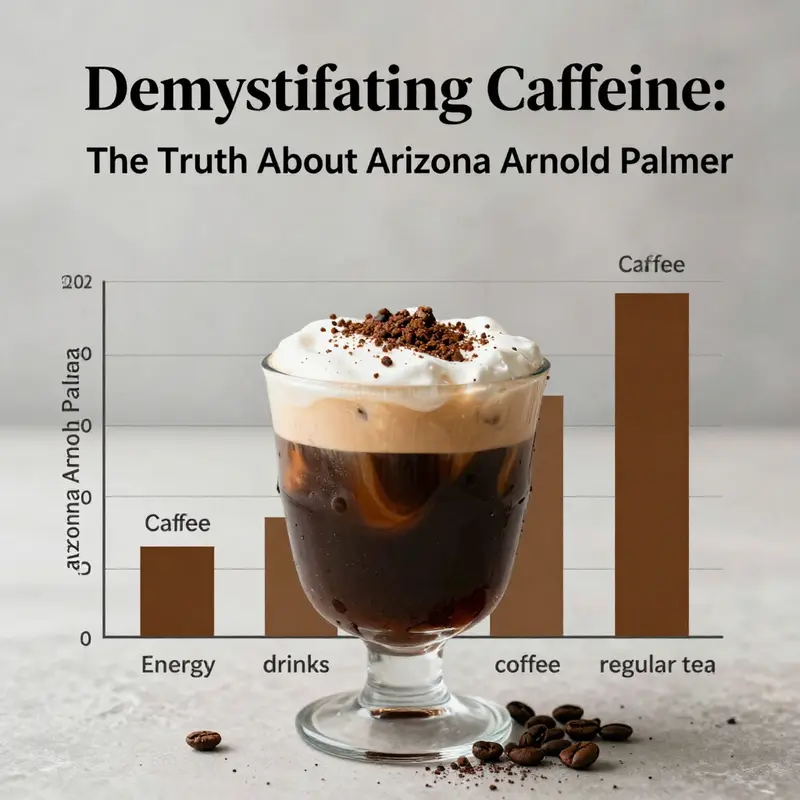
In considering the practical implications, it is also helpful to reflect on how this caffeine level compares to other beverages people reach for in daily life. A standard cup of regular coffee commonly delivers roughly 95 milligrams of caffeine per eight-ounce serving, though actual numbers vary with roast level and brewing method. A typical energy drink can range widely but often sits in the neighborhood of 80 to well over 200 milligrams per can, depending on formulation. Teas and tea-based beverages frequently fall somewhere between these extremes, with brewed tea in the eight-ounce range often contributing about 20 to 60 milligrams, depending on strength. Against that backdrop, the Arnold Palmer–style blend described here occupies a middle ground: it provides a noticeable caffeine presence without the intensity of a strong cup of coffee or many energy drinks. For individuals who prioritize a milder caffeine experience, this balance can be appealing. The data invite readers to consider not just the total milligrams but how those milligrams accumulate across meals and beverages, a factor that can influence sleep quality, alertness, and overall daily rhythm.
To ground this discussion in accessible, real-world references, readers can consult the dedicated data source that outlines the precise measurements for this blend. A concise, specific resource summarizes the caffeine content and helps translate the numbers into everyday choices. See the detailed page here: arizona-arnold-palmer-caffeine-content. This reference provides context for how a standard serving yields about 6.32 milligrams per 100 milliliters, and it demonstrates the practical application of the per-ounce metric to common bottle sizes and serving occasions. The link serves as a handy anchor for those who want to verify the figures and compare them against other beverages with similar profiles.
Beyond the arithmetic, the caffeine narrative in this blend touches on consumer expectations and labeling transparency. When a beverage markets itself as a refreshing balance of tea and lemonade, the assumption may be that caffeine levels are negligible or nonexistent. The numbers tell a different story: there is caffeine, but at a low level, especially when viewed in the context of typical daily consumption. This distinction matters not only for caffeine-sensitive individuals but also for parents, students, and workers who rely on everyday beverages to maintain focus without sacrificing comfort or flavor. A transparent presentation of caffeine content empowers readers to make informed choices that align with their health goals, daily routines, and personal sensitivities. It also helps demystify the relationship between taste profile and stimulant effects. The blend’s flavor experience — cool tea sweetness balanced by tart lemonade — remains the anchor of the product, while caffeine becomes a measurable parameter that can be integrated into a larger dietary picture.
For readers who are curious about corroborating sources, the chapter’s data align with broader industry observations about ready-to-drink tea products. While individual brands and flavors vary, the underlying principle holds: adding tea base inevitably introduces caffeine, and the final amount is a function of how robustly the tea is brewed and integrated into the blend. The exact figure, 1.87 mg per ounce (approximately 6.32 mg per 100 ml), places this beverage in the range of other light-to-moderate caffeine drinks commonly found in grocery aisles. These numbers are informative for anyone who wants to plan caffeine intake without overcomplicating the beverage choices that accompany meals, study sessions, or casual afternoons. They also highlight why, for some consumers, even beverages that taste refreshing and mild can contribute a daily caffeine total that is worth tracking alongside coffee, soft drinks, and energy drinks.
In sum, the caffeine footprint of this tea-and-lemonade blend is real and measurable, but it remains modest in the broader landscape of caffeinated options. The key takeaway is that caffeine content does not necessarily scale with perceived intensity or flavor strength. A beverage can taste bright and satisfying while offering a low-to-moderate caffeine dose that fits within many daily plans. By understanding the numbers — 1.87 mg per fluid ounce, 6.32 mg per 100 ml, and roughly 43 mg per 23-ounce bottle — consumers can calibrate their intake with confidence. For those who want a quick reference, the internet remains a helpful companion, offering knobs to adjust the mental model: from bottle size to serving size to daily caffeine limits. The story behind this blend is not about a caffeine spike but about a predictable, approachable caffeine presence that complements flavor with a restrained lift. And for readers who seek the most precise, source-specific figures, the dedicated page provides a straightforward accounting of the caffeine content, enabling apples-to-apples comparisons with other beverages in the caffeine landscape. For broader context on how this blend stacks up against other caffeinated beverages, consider exploring related discussions on other popular non-coffee drinks and how their caffeine contents compare across different serving sizes and formulations.
External reference: For a direct, external reference to the exact measurement and context, see the Amazon customer questions and answers, which discuss the caffeine content in similar products. https://www.amazon.com/dp/B000Q9DZ4O?th=1
Caffeine in the Classic Mix: Understanding How Arizona Arnold Palmer Shapes Daily Health and Sleep

The Arnold Palmer blend—half lemonade, half iced tea—has long been a staple for fans seeking a refreshing balance of tart and mellow. When that familiar flavor is offered by a brand that packages it in bright cans and convenient bottles, curiosity often follows: does this drink carry caffeine, and if so, how much? The question matters for sleep, anxiety, pregnancy, and health considerations, and the amount in a ready-to-drink Arnold Palmer can influence daily choices. This chapter focuses on caffeine content, how it varies by form and serving size, and what that means for everyday health. The takeaway is simple: knowing what you drink matters as much as how it tastes.
Caffeine enters primarily through the iced tea component. The caffeine in iced tea is real; typical estimates for ready-to-drink Arizona Arnold Palmer Half & Half place caffeine around 1.87 mg per ounce, translating to about 6-7 mg per 100 ml. A 12-ounce can would then be roughly 22-25 mg of caffeine depending on formulation. However, other forms, such as iced tea mixes or sticks, can have higher or lower caffeine per serving depending on preparation and dilution. Reading the label and considering serving size is essential to avoid surprises.
For those monitoring intake—for pregnancy, medical conditions, or sensitivity—the key is to think in terms of serving size and product form. A can’s caffeine content reflects the can’s volume; a homemade mix’s caffeine depends on how concentrated it is. In general, Arizona Arnold Palmer contains less caffeine than many coffee beverages, but more than caffeine-free drinks.
From a health perspective, caffeine is a stimulant; in moderate amounts it can improve focus but can disrupt sleep or cause jitters in sensitive individuals. The commonly cited guideline is up to about 400 mg per day for healthy adults. If a drink yields 20-30 mg, it contributes modestly to daily total; if multiple caffeinated beverages are consumed, the total can add up.
Finally, seek official product details from the manufacturer for precise numbers and any updates. The Arizona Beverages site offers the definitive context for caffeine per serving and for different product forms. When in doubt, check the label and serving size to gauge impact on your daily caffeine targets.
Overall, Arizona Arnold Palmer provides flavor and refreshment with a modest caffeine kick. Mindful consumption lets you enjoy the beverage while staying aligned with personal health goals.
null
null
Caffeine in Tea-and-Lemonade Half-and-Half: A Practical Flavor and Fatigue Guide
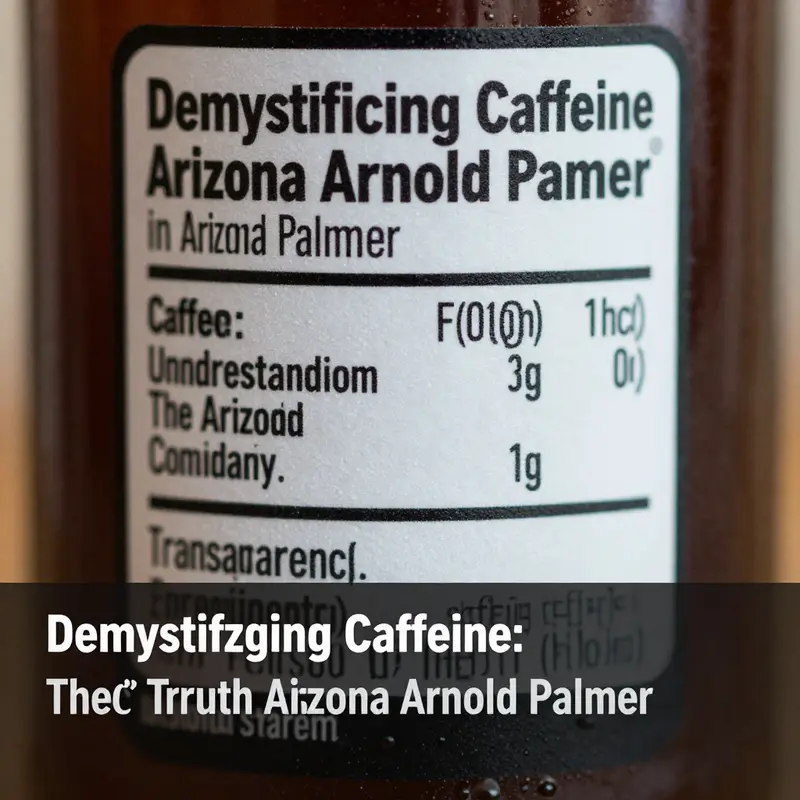
Understanding caffeine in a tea-and-lemonade half-and-half requires more than savoring the balance of sweetness and tartness. This beverage blends iced tea with lemonade and is a familiar, refreshing option in warm weather. For readers mindful of daily caffeine intake, the blend offers a small, often overlooked dose that is modest compared with many other caffeinated drinks. The central question—how much caffeine does this blend contain?—has a straightforward answer, but the details matter. By reading labels, considering serving size, and thinking about how caffeine accumulates over the day, you can make a more informed choice. This chapter uses the beverage as a lens for caffeine chemistry, typical serving sizes, and personal health considerations, while avoiding sensational claims about caffeine intensity. In short, the aim is to support enjoyment while clarifying its fit within broader caffeine habits.
Typical measurements show roughly 1.8 to 2.0 milligrams of caffeine per fluid ounce in many ready-to-drink tea-and-lemonade blends. Translated to metric terms, that’s around 6.0 to 7.0 milligrams per 100 milliliters. Those figures are modest when compared to a cup of coffee, which often ranges from 80 to 120 milligrams or more. This matters because it shapes how many servings someone might reasonably enjoy in a day without crossing personal thresholds for jitteriness or sleep disruption. The key takeaway is that caffeine is present but not dominant. The caffeine comes from the tea leaves; the lemonade contributes flavor and sweetness but typically does not add caffeine.
For people sensitive to caffeine, the practical implication is that you can enjoy a refreshing drink without a heavy caffeine load. But it is not caffeine-free. A small amount per serving can contribute to wakefulness, especially if consumed late in the day by those who metabolize caffeine slowly. When tracking caffeine, consider both the amount per serving and how many servings are typical in a day. The modest figure means that a single serving is unlikely to push you over a comfort threshold, but multiple servings can accumulate. Reading the label helps plan around routines and sensitivities rather than relying on marketing impressions.
From a nutritional perspective, the flavor profile—bright, crisp, and lightly fruity from the lemonade—complements the caffeine content. Serving size remains a central variable; a bottle may be divided into multiple servings, each carrying a small dose of caffeine. Moderation becomes an opportunity to tailor intake to personal goals. Broadly, the same beverage category can offer lighter or stronger caffeine footprints while preserving flavor.
To place this discussion in a wider beverage context, recognize that caffeine content scales with beverage size and preparation method. Brew strength, tea type, and serving size all influence the final total. This invites comparisons across categories, from ready-to-drink blends to freshly brewed teas. Flavor does not always track with caffeine intensity; a drink can taste bright while carrying a modest caffeine load. For readers seeking deeper understanding, a reference guide on caffeine delivery and metabolism can complement this discussion. See general notes on tea caffeine equivalence and dilution for practical benchmarking.
Ultimately, knowing the caffeine content supports more intentional choices. It clarifies expectations, aids in planning around workouts or late-day activities, and reinforces that flavor does not always signal caffeine footprint. The small amount of caffeine in this beverage fits into many daily routines, but consider your own sensitivity and goals. If curious to compare with other caffeinated beverages, you can explore how caffeine varies across categories and serving sizes. The takeaway is guided choice: balance flavor with personal limits and health considerations.
External resource: For reference, an external listing may provide the product’s caffeine information and sensory details: https://www.amazon.com/dp/B000F9N0WQ?th=1
Caffeine, Clarity, and the Lemonade Blend: Unpacking the Ingredients Behind Arizona Arnold Palmer

The glassy sheen of a cold can or bottle of Arizona Arnold Palmer Half and Half promises more than a simple mix of lemony brightness and tea that’s dark enough to hint at depth. It invites the idea of a refreshment that understands balance: the citrus tang of lemonade softening the boldness of iced tea, the sweetness singing just enough to lift the flavors without becoming cloying. But within that inviting blend lies a factual detail that often goes overlooked in casual sipping: caffeine. Does this drink carry caffeine, and if so, how much, and what does that mean for the person trying to manage caffeine intake or sensitivity? The short answer is yes. The longer, more useful answer lies in the numbers and the ingredients, because caffeine is not simply a number on a label. It is the way that number interacts with sweetness, acidity, and the tea base to shape the overall experience, from the first sip to the aftertaste and the alertness—or the absence of it—it may trigger.
The research summary for this beverage identifies caffeine as an intentional component derived from its iced tea base. The caffeine content is quantified at 1.87 milligrams per fluid ounce. When translated into a more familiar metric, that equals roughly 6.32 milligrams per 100 milliliters. This framing matters for anyone who tracks caffeine per serving, whether to budget daily intake, to limit stimulation late in the day, or to avoid caffeine altogether. It is not a surge of energy comparable to that found in many energy drinks or in a strong cup of coffee. Rather, it sits in a moderate range, enough to offer a mild lift that complements the drink’s tangy sweetness without dominating it. In practical terms, a typical serving—often seen in a 12-ounce can or bottle—will carry around 22 milligrams of caffeine, give or take a couple of milligrams depending on batch and size. Put beside stackable comparisons: coffee can easily exceed several dozen milligrams per fluid ounce, while energy drinks can present a wider swing in caffeine. The Arnold Palmer format tends to stay on the lighter side, making it a potential option for those who want flavor and refreshment without a high-caffeine profile.
What actually makes up the drink, beyond the caffeine, matters just as much as the caffeine itself because it defines how the beverage tastes and how it feels when you drink it. The primary ingredients are straightforward, almost familiar to anyone who has stood in the grocery aisle scanning beverage comps: filtered water, sugar, lemon juice concentrate, natural flavors, citric acid, and caffeine. Each element plays a role. Water provides the vehicle, the base that carries sweetness and acidity. Sugar balances the tartness of the lemon and the astringency of the tea, ensuring the mixture remains approachable rather than austere. Lemon juice concentrate is where brightness comes from, a concentrated burst of citrus that defines the iconic twist of this drink. Natural flavors contribute depth and roundedness, lifting the tea’s intrinsic notes and the lemon’s zesty edge without crossing into artificial territory. Citric acid sharpens the overall profile, accentuating the lemon’s acidity and sharpening the palate for the next sip. And then there is caffeine, the ingredient that does not merely add a stimulant, but interacts with sweetness, acidity, and mouthfeel to influence perceived body and the moment-to-moment experience of drinking.
This combination can be described as a deliberate craft: a beverage designed to present a bold yet balanced iced-tea-and-lemonade experience. The product is marketed around that exact balance—the sweet-tier lemonade meeting a bold iced-tea backbone—and caffeine becomes part of that balance, not a separate overlay. The caffeine level, classified as moderate, aligns with expectations for beverages that aim to be refreshing and satisfying rather than intensely energizing. It sits within the same neighborhood as many iced teas offered by retailers, yet with its own distinctive twist because of the lemonade component and the particular flavor profile that Arizona markets. In practice, this means that the drink can be a mild stimulant for some and a non-issue for others, especially those accustomed to light caffeine doses or those who are caffeine-sensitive and careful about their intake.
From a consumer perspective, understanding the ingredients is important not only for managing caffeine but also for allergen and nutritional considerations. The ingredient list is concise and transparent, which helps in avoiding surprise additives and clarifying what you are consuming. The beverage’s composition emphasizes water as the base, with sugar and lemon juice concentrate contributing to the recognizable sweet-tangy character. Natural flavors add complexity to the lemon-tea marriage, enriching the aroma and the palate without introducing additional caffeine or allergens beyond what is already accounted for by the tea base. Citric acid not only sharpens the citrus bite but also helps preserve the drink, ensuring that the lemonade’s brightness remains consistent from bottle to bottle. The presence of caffeine is explicit in the ingredient lineup, which is helpful for anyone who wants to calculate daily caffeine intake with precision. The labeling and the data presented for this beverage reinforce that caffeine is part of the drink’s design, not an afterthought that sneaks in unnoticed.
To someone tracking caffeine for health reasons or personal preference, context matters. The amount present in this Arnold Palmer variation is modest compared to the caffeine load of a cup of coffee or a typical energy drink, yet it is not negligible for everyone. For caffeine-sensitive individuals, even small amounts can matter, particularly if consumed multiple times a day or in combination with other caffeine-containing foods or beverages. For those who are trying to minimize stimulants, this beverage offers a known quantity that can fit into a carefully planned caffeine budget. For others, the caffeine acts as a gentle facilitator of attention and alertness, supporting a moment of refreshment that aligns with a morning, midday, or sporadic afternoon pause without pushing the envelope toward overstimulation.
What makes the caffeine narrative of this drink compelling is not just the figure in isolation but the way that number shapes consumer perception and behavior. The perception of “moderate” caffeine can be as influential as the number itself. When people encounter a label listing 1.87 mg per ounce, they may begin to calibrate their expectations about how the drink will feel, how long the energy effect might last, and how it fits with other beverages in a daily pattern. The context reveals that this product is not intended to be a high-caffeine option; rather, it aims to be a flavorful, approachable beverage that offers a subtle lift. This aligns with the broader role of iced tea in the caffeine landscape: a category that often positions itself as a middle ground between water and energy drinks, between a soft daily pick-me-up and a more concentrated caffeine source. In that sense, the drink serves a particular consumer need—the desire for a familiar, comforting taste that can be enjoyed as part of a balanced routine without provoking a surge of caffeine intake.
For readers who want to explore the exact composition further, the full ingredient listing and related information are typically available on product packaging and the brand’s official pages. The data provided here summarize the responsible interpretation of caffeine content as it is currently presented in research materials and product listings. If you seek a deeper dive, a dedicated page titled Arizona Arnold Palmer caffeine content compiles this information in greater depth and provides a visually detailed breakdown of serving sizes, nutrition facts, and caffeine per serving. This deeper dive assists readers in placing the beverage within their personal caffeine plans while appreciating how flavor design and ingredient choices shape the overall experience.
As a practical note, those who enjoy this beverage may also appreciate seeing how it connects to broader discussions about caffeine in popular beverages. Within the wider landscape of caffeinated drinks, this Arnold Palmer variation stands out for offering a flavor-forward option with a clearly defined, modest caffeine payload. It demonstrates how a brand can blend two classic flavors—tea and lemonade—in a way that remains faithful to the familiar taste while introducing a caffeine component that is gentle enough to coexist with the drink’s lemony brightness. The result is a product that invites repeated enjoyment without a heavy-handed caffeine presence, making it a convenient choice for a midday refresher or a casual gathering where crisper, cleaner flavors are preferred over strong, caffeine-forward profiles.
For readers who want to place this beverage within their own personal caffeine hierarchy, consider the caffeine magnitude as a cue rather than a verdict. A single serving delivers enough stimulation to be noticeable, but not overwhelming for most adults. If you are counting milligrams per day, add the approximate per-serving figure to your daily total and consider other sources in the same 24-hour window. If you are monitoring caffeine for a child, a student, or someone with heightened sensitivity, this drink provides a relatively small but nonzero amount to account for. In all cases, the exact impact depends on an individual’s sensitivity, tolerance, and the total caffeine intake across all sources. With this understanding, the beverage can be enjoyed with clarity and ease, appreciating both its flavor profile and its measured caffeine contribution without conflating the experience with the more intense effects associated with higher-caffeine drinks.
To readers who want a quick reference while shopping or planning, the key figures remain straightforward: caffeine content around 1.87 mg per ounce, approximately 6.32 mg per 100 ml. The ingredients underscore that caffeine is an integrated component rather than an afterthought, and the flavor profile reflects a deliberate balance between the sweetness of lemonade and the depth of iced tea. In short, this beverage does contain caffeine, but at a level that many find approachable and compatible with a wide range of daily routines. It is a mild, flavorful option for those who want a refreshment that brings both mouthfeel and a gentle lift without demanding a heavy caffeine budget.
For readers seeking a concise, more data-driven takeaway, a detailed analysis of the caffeine content and its placement within the product’s ingredient architecture can be found in the Arizona Arnold Palmer caffeine content resource. This resource provides the numbers, the context, and the explanations that illuminate why caffeine exists in this particular format and how it influences the overall drinking experience. It stands as a useful companion piece to the narrative presented here, offering a precise, reference-ready snapshot for anyone who wants to compare this beverage to other caffeinated options or to understand how a lemonade-forward iced tea behaves when caffeine is present. If you want to explore the exact labeling and the numerical data behind these claims, the linked resource serves as a reliable, accessible starting point and complements the broader discussion about how caffeine content is conveyed to consumers on modern beverage labels.
Internal link reference: Arizona Arnold Palmer caffeine content
External resource for further reading: Amazon product page for the beverage (for nutritional labeling and packaging details): https://www.amazon.com/dp/B001K5FJQY
Final thoughts
Understanding the caffeine content in Arizona Arnold Palmer is vital for business owners aiming to cater to health-conscious consumers. With a modest 1.87 mg of caffeine per fluid ounce, this beverage balances taste and refreshment while being accessible for those monitoring caffeine intake. By acknowledging the implications of caffeine in their products, business owners can better serve their clientele and foster informed decisions about consumption. The insights provided in this article enable you to engage customers with transparency and understanding, enhancing their overall experience and satisfaction with your offerings.