
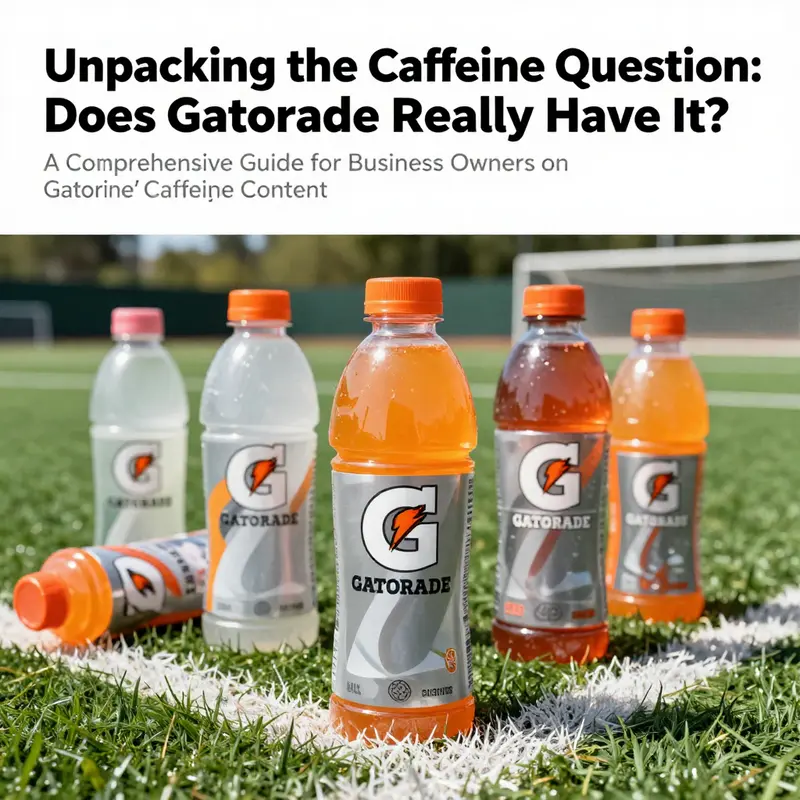
Understanding Gatorade’s caffeine content is crucial for business owners in the beverage and sports nutrition sectors. This guide delves into the essential components of Gatorade, focusing on whether traditional sports drinks and their variations contain caffeine. Each chapter will provide insights from the foundational ingredients of Gatorade to the implications of caffeine for athletes. By the end, you’ll have a well-rounded understanding of how Gatorade fits into the sports drink market and consumer choices regarding energy needs.
Hydration with a Kick: Understanding Caffeine in Gatorade’s Lineup
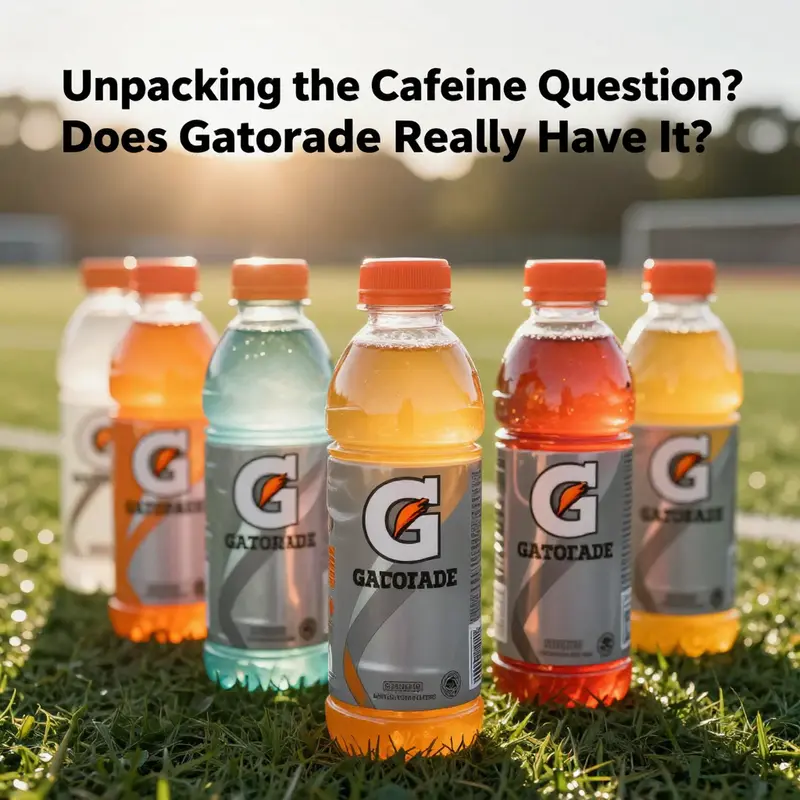
Caffeine and hydration occupy different lanes in the world of sports drinks, yet they often collide in the minds of athletes and everyday sippers who want both refreshment and a lift. The familiar, classic bottle that many reach for to replenish fluids after a workout is typically caffeine-free, designed to restore electrolytes and carbohydrates without adding stimulants. But the brand’s broader lineup includes variants that do harness caffeine, turning a simple refreshment into a quick performance aid. The distinction matters. It affects when you drink, how much you consume, and how you balance your total caffeine intake across a day. In short, does this hydration beverage contain caffeine? The answer hinges on the product you choose, and understanding the landscape helps you decide whether to reach for the caffeine-free classic or the energy-enhanced option that carries a different kind of kick.
To ground the discussion, consider that a caffeine-containing variant on the market is formulated not merely to rehydrate but to deliver an energy boost alongside electrolytes. In practical terms, a 12-ounce bottle may contain about 200 milligrams of caffeine. That amount is roughly equivalent to two medium pours of coffee, depending on brew strength. This level of caffeine is enough to be noticeable for many people—improving wakefulness, sharpening focus, and slightly altering perceived effort during sustained activity. For an athlete facing a long, demanding session, the combination of caffeine with hydration and electrolytes offers a multi-pronged benefit: fluids to replace what’s been lost through sweat, minerals to support muscle function, and a stimulant to help maintain alertness and perceived exertion at a manageable level. Yet for those who prefer to minimize stimulants or who train late in the day, the presence of caffeine in a drink that is otherwise framed as sports hydration can be a meaningful consideration. The same product’s ingredient list often makes clear what’s included beyond caffeine, including zero sugar, electrolytes such as sodium and potassium, and B vitamins that are commonly associated with energy metabolism and hydration support.
From a labeling perspective, the key takeaway is simple: traditional, non-energy beverages in the line remain caffeine-free and are designed for rehydration with a steady carbohydrate source to replenish energy during and after activity. The caffeine question then becomes one about product type rather than brand naming. If you flip the bottle over and scan the ingredients, you’ll likely see a straightforward contrast: a standard, calorie-conscious electrolyte drink that prioritizes hydration with a light carbohydrate profile, versus an energy-boost variant that adds caffeine as a central ingredient. The difference is not merely a line item on a label; it signals a different intended use, a different audience, and a different interaction with your daily caffeine budget. For readers who want to verify which category a given bottle falls into, a quick check of the ingredient list is the only reliable method, since product lines can evolve and formulations can change with new flavors or regional offerings. If you’re curious about a practical reference point, there is a concise, consumer-facing resource that details caffeine in this hydration context, and you can explore it to confirm whether a particular product contains caffeine. Does Gatorade Contain Caffeine.
The purpose behind including caffeine in an energy-boosting version is not mysterious. Caffeine is a well-known stimulant that can enhance mental alertness and perceived endurance. When paired with electrolytes, the combination targets two needs athletes face: maintaining hydration status during prolonged activity and sustaining a level of cognitive focus that can translate into steadier pacing, quicker reaction times, and a reduced sense of fatigue in the short term. The caffeine acts on the central nervous system, potentially making routine, repetitive effort feel a little less taxing. The electrolytes keep muscles functioning smoothly by replacing what is lost in sweat, while the zero-sugar option helps minimize any immediate concerns about extra calories or spikes in blood sugar. In this context, the energy variant becomes a tool for particular scenarios—early morning training blocks, long endurance sessions, or competitive events where every small advantage counts. As with any performance aid, the decision to use a caffeinated beverage should consider not only the workout plan but also how it fits within one’s overall caffeine consumption for the day and how the body responds to stimulants.
Yet there is a caveat that bears repeating. Caffeine is a stimulant, and its effects vary widely among individuals. Tolerance, sensitivity, and time of day all shape responses. What feels like a crisp mental boost to one person can feel unsettlingly strong to another, translating into jitteriness, anxiousness, or sleep disruption if consumed too late. For some, caffeine can complicate recovery by interfering with sleep, which is itself a crucial component of athletic adaptation. Because the caffeine in an energy-containing option is a deliberate addition, it is wise to treat it as a supplement to training rather than a daily default. If you already drink coffee or caffeine-containing beverages at other times, you may approach the total daily intake with extra caution. A practical rule of thumb is to consider caffeine in the energy variant as part of a larger daily plan rather than a standalone habit. Reading the label becomes a habit in itself, especially if you’re managing caffeine for family members or teammates with different tolerance levels. The broader dietary context matters, because caffeine intake accumulates over the day from multiple sources, including tea, soda, chocolate, and dietary supplements. When you know your limits, you can better decide whether the energizing drink belongs in your hydration toolbox for a given training day.
In terms of branding and product positioning, the energy-containing variant is clearly pitched toward athletes and active individuals who want a little extra something beyond hydration. The marketing narrative often frames it as a performance-oriented option designed to support focus and stamina during workouts, with the added benefit of electrolytes to prevent the typical fatigue associated with dehydration. This framing helps explain why the caffeine is included in this version even though it is not a universal feature across the entire product family. For someone who tracks caffeine intake or who is sensitive to stimulants, this distinction becomes more than a curiosity; it’s a practical choice that influences when and how to consume the drink. When you sit down to plan your workout day, you may weigh the need for a caffeine lift against the potential evening impact, choosing the caffeine-free classic for late-day sessions and reserving the energy variant for earlier workouts or days that demand heightened alertness.
The broader landscape of labeling and product options also includes considerations about sugar content. The zero-sugar formulation in the energy variant is a notable design choice for those who are mindful of carbohydrate timing or who are managing caloric intake around exercise. It’s a reminder that these beverages are not one-size-fits-all, even within a single brand’s lineup. For educators, coaches, and athletes who discuss hydration and performance, the caffeine question is a gateway to a larger conversation about how to tailor an intake strategy to individual physiology, training cycles, and goals. The guidance is consistent: read the ingredient list, know your own caffeine tolerance, and select products that align with your daily plan. If you want to explore specific labeling aspects or compare caffeine content across beverages, you can consult broader resources that discuss caffeine in everyday drinks and sports nutrition.
In practice, what does this mean for someone who primarily uses this hydration option for daily activity—ranging from light workouts to more intense training blocks? If you lean toward consistency and safe, steady hydration, a caffeine-free option remains the default. It supports fluid replacement and electrolyte balance without introducing stimulants that could complicate sleep or appetite later in the day. If your schedule includes early-morning workouts, long endurance efforts, or activities where mental focus matters, the caffeine-containing variant offers a targeted tool. The decision is not a blanket rule; it’s an adaptive choice based on timing, tolerance, and daily caffeine exposure. For those who want to verify the caffeine status of a given bottle and avoid surprises at checkout, the simple act of scanning the label and confirming the presence or absence of caffeine will usually suffice. In a broader sense, the question is less about a product being inherently good or bad and more about matching the drink to the moment in your training or daily routine.
As you consider your options, remember that the landscape can evolve. Formulations change, flavors come and go, and regional availability can shift how you encounter these drinks. The core message remains stable: traditional hydration-focused beverages in this lineup tend to be caffeine-free, while an energy-boosting variant introduces caffeine as a central ingredient. The best approach is a thoughtful one—choose caffeine-containing drinks when the day calls for heightened alertness and endurance, and opt for caffeine-free options when a calmer hydration is preferable. For a quick pointer on whether a given bottle contains caffeine, you can consult the more general resource linked earlier and assess it against your personal tolerance and training needs. For readers who want a quick reference to verify caffeine content without guessing, the link in the paragraph serves as a starting point for a deeper dive into product-specific details.
External resource: https://www.amazon.com/Gatorade-Energy-Strawberry-Watermelon-12-oz/dp/B0CQ5VJY9H
Caffeine in Traditional Hydration: Untangling the Myths About Classic Electrolyte Drinks

The question of whether a well-known electrolyte beverage contains caffeine invites more than a simple yes or no. It touches on how hydration products are designed, how caffeine is used in the broader beverage landscape, and how athletes and everyday exercisers balance hydration with energy needs. In looking at the brand’s traditional hydration lineup, the reality is clear: the core, hydration-focused drinks are caffeine-free. This is not a lucky guess or a rumor; it is reflected in official product descriptions and the way these beverages are marketed to support fluid intake, electrolyte balance, and comfort during and after activity. The central purpose of these classic drinks is to restore fluids and replenish electrolytes lost through sweat, not to stimulate the nervous system. When a consumer reads the ingredients and nutrition panels, the absence of caffeine is intentional and aligned with the product’s intended function: to support steady hydration, not to provide a stimulant-driven boost.
For people who track caffeine intake for health reasons, for sleep quality, or for sensitivity concerns, the caffeine-free status of traditional hydration beverages is a meaningful detail. It means you can rely on these drinks during long sessions or recovery periods without introducing stimulants that might interfere with rest, appetite, or heart rate in sensitive individuals. This is not merely a side note; it is a practical feature that makes these beverages predictable components of a hydration strategy. By design, they offer a straightforward way to support fluid balance and electrolyte replacement without the variability that caffeine can introduce for some users. The hydration purpose remains front and center, and caffeine is not a required ingredient to fulfill that purpose. In the broader science of sports hydration, the key takeaway is that electrolytes and fluids drive performance and recovery, while caffeine serves a separate role that concerns alertness and perceived effort. In other words, you don’t need caffeine to achieve the hydration goals that these products are built to serve.
That said, the beverage landscape within the same brand family is diverse. Alongside the caffeine-free lineup, there exists a separate energy-focused or stimulant-oriented derivative line designed for situations where an extra boost of alertness or focus might be desired. These products, clearly distinguished on the label, are intended for different use cases than the hydration-only beverages. The important takeaway for consumers is not that caffeine is universally present, but that the caffeine status is product-specific and clearly indicated on packaging. This distinction helps athletes and casual drinkers decide what best suits their activity, timing, and daily caffeine budget. The hydration-focused drinks stay faithful to their role as hydration aids, while the energy-oriented products exist to address a different goal—instantaneous arousal or enhanced focus—without blurring the lines between hydration and stimulation.
From a practical standpoint, this separation means you should always verify the ingredient list before purchasing or consuming any product in this family. Formulations can vary by region and even by sub-brand within a global company. A caffeine-containing product will typically carry a label that explicitly mentions caffeine, along with the amount per serving. Conversely, a caffeine-free hydration beverage will present the same fluid and electrolyte profile without caffeine. For people who are careful about their total daily caffeine intake, this transparency is essential. It allows you to plan how you distribute caffeine across meals and beverages and to avoid unintended excess. In regions where product formulations differ, the same brand line may offer a caffeine-free version in one market and a caffeinated variation in another. The safest strategy is to check the label each time you buy, rather than relying on a memory of what a product used to contain.
To understand this topic in a broader context, consider how caffeine interacts with hydration physiology. Hydration is fundamentally about fluid replacement and electrolyte balance. Caffeine, when present in beverages, can slightly alter perceived exertion, and it may have a mild diuretic effect for some individuals, especially in those not regularly consuming caffeine. However, the primary driver of hydration and electrolyte optimization remains the fluid and mineral content. In practice, the caffeine-free lineup reinforces a stable hydration approach: you get the essential salts and water with no added stimulant influence that might shift how you feel during or after exercise. This predictable profile is part of why many athletes and readers appreciate clarity around ingredient lists. The science supports that hydration strategies work best when they are dependable and tailored to the demands of the activity, not contingent on stimulating substances that can complicate recovery, sleep, or overall caffeine budgeting.
For readers who want to explore the topic further, it is helpful to recognize how product labeling communicates different user needs. The brand’s official materials emphasize hydration and electrolyte replacement as the core function of the traditional lineup, while clearly segregating any stimulant-containing options into separate product lines. Such labeling allows consumers to make informed choices aligned with their daily routines, competition schedules, or sleep patterns. If you want to dig deeper into whether caffeine is present in a specific item, a quick reference to the ingredient panel will usually settle the question. In many markets, there is a straightforward distinction: caffeine-free hydration versus caffeinated energy-enhanced variants within the same family. This clarity is increasingly valued by athletes who manage caffeine intake for performance, health, and rest.
For readers who want a direct comparison or a more technical explanation of caffeine content in these beverages, a closer look at labeling and regulatory guidance can be illuminating. The precise caffeine content can vary by region and product line, reflecting different consumer expectations and regulatory environments. What remains constant is the overall design philosophy: traditional hydration beverages prioritize fluid intake and electrolyte balance and do not rely on caffeine to accomplish those goals. The energy-oriented derivatives exist to address additional needs but are clearly categorized to prevent confusion during selection. This distinction helps athletes and regular exercisers align their beverage choices with their training plans and daily caffeine goals. If you are curious about a particular product’s caffeine status, consult the label or the brand’s official site, and you will likely find the exact caffeine content stated in milligrams per serving and the serving size used for that product.
For readers who appreciate a concise takeaway: if your aim is straightforward hydration without stimulant input, the traditional electrolyte drinks in this lineup are caffeine-free. If your aim is a caffeine-driven alertness boost for a specific moment, there is a separate product option within the same family, clearly labeled and separate from the hydration-focused drinks. The critical step remains: read the ingredients and nutrition facts. That practice ensures you choose the product that matches your hydration needs, your caffeine budget for the day, and your personal health considerations. In the end, caffeine-free hydration supports steady, reliable fluid balance, while caffeine-containing derivatives provide additional stimulation for those who need it, but only when clearly labeled as such. For those seeking a direct source of this information, see does-gatorade-contain-caffeine. The label-and-regulatory logic behind these products is designed to provide clarity rather than ambiguity, allowing you to select with confidence.
External reference and practical guidance can be found on the brand’s official ingredients page and related consumer resources. To review official details about ingredients and nutritional content, consider checking the primary product listings and labels, and consult the most current information from the brand’s official resources. External reference: https://www.gatorade.com/en-us/products/ingredients
Caffeine in the Hydration Playbook: Decoding a Major Sports Brand’s Energy Shift Beyond Classic Electrolytes

Caffeine and hydration occupy two different gears in the world of sports nourishment, yet they increasingly intersect as athletes seek steadier energy alongside dependable hydration. Ask most athletes or casual runners about a well-known electrolyte beverage, and they’ll describe a drink that’s great at restoring minerals and fluids after exertion but rarely associated with caffeine. Then ask about the same brand’s more ambitious lineup, and you’ll hear about a distinct energy-focused line that pushes beyond the classic electrolyte spectrum. The result is a nuanced landscape: traditional electrolyte beverages, celebrated for rapid rehydration and mineral balance, are not caffeinated by default, while a separate caffeine-enabled line exists within the same brand ecosystem, crafted specifically for people who want an extra mental and physical nudge without the sugar and carbonation that many energy drinks carry. The distinction between these product families is essential for anyone who wants to align their beverage choice with activity, timing, and caffeine tolerance.
In the everyday world of sports drinks, the classic bottles are straightforward. They deliver electrolytes such as sodium and potassium, plus water, to help replenish what is lost through sweat. They typically do not contain caffeine, a decision that makes them reliable for moderate activity and for those who prefer to avoid stimulants during or after a workout. The clean hypothesis behind these formulas is simple: rehydrate, restore minerals, and reset pacing with steady fluids. But the brewing question that intersects science, sport, and consumer preference is what happens when a brand with deep hydration roots introduces a caffeinated counterpart? The answer is not a blanket yes or no; it is a product-specific distinction. The caffeinated line emerges as part of the brand’s strategic expansion into the energy beverage space, a move designed to meet demands for sustained energy, mental focus, and quick neuro-muscular support during or after exertion.
The standout feature of this energy-oriented line is its deliberately engineered caffeine delivery. In the most widely cited formulation from that product family, a standard 12-ounce bottle contains 200 milligrams of caffeine. That amount places it squarely in the upper range of common caffeinated beverages and makes it more than a casual pick-me-up. It’s also notable for its zero-sugar approach, paired with electrolytes that mirror the brand’s hydration heritage. The idea is to deliver a potent caffeine boost and hydration support without adding sugar calories or a heavy, carbonated experience. For athletes who need a clear, sustained energy profile during practice, training, or competition, this formulation offers a targeted option that complements performance without the fizz and sugar crash some other energy drinks might bring.
How did this caffeine-forward option come to be? The narrative is one of brand evolution and collaboration. The energy-focused line was developed with input from performance professionals and in alignment with the needs of athletes who crave a reliable stimulant effect alongside electrolyte replenishment. The lineage traces back to a period when the brand explored new ways to support energy alongside hydration, recognizing that athletes sometimes require more than fluids and minerals to sustain performance over longer sessions or in high-intensity contexts. This approach marks a clear departure from the traditional line while staying true to the core mission of aiding performance through scientifically tailored hydration—just with the extra dimension of caffeine. Reports and product announcements place the development in the mid-2020s, with the energy variant introduced in trials during professional leagues and a broader consumer rollout planned for a subsequent year. In practice, that means you could encounter this caffeinated option in professional settings first, before it becomes more widely available to enthusiasts and everyday athletes.
From a consumer perspective, the key takeaway is straightforward: caffeine content is not a universal attribute of the brand’s entire product portfolio. The traditional beverages in the lineup remain caffeine-free, whereas the caffeinated option exists as a separate product family designed for a different purpose. The packaging and ingredient list on the caffeinated bottle will clearly show caffeine content and the zero-sugar claim, along with electrolytes. It’s essential to read the label because the caffeine-per-serving figure is one of the most important differentiators for those who are monitoring total daily caffeine intake, whether for performance optimization, sleep, or sensitivity concerns. This nuance matters because caffeine affects different people in different ways. For a high-performance individual who trains multiple hours or who operates on a tight sleep schedule, managing caffeine timing and quantity becomes part of an overall performance strategy, not just a quick beverage choice.
The practical implications for athletes and active individuals extend beyond caffeine alone. Electrolyte balance remains a cornerstone of rapid recovery, and in the caffeinated line that balance is preserved even as caffeine is introduced. In many cases, the product’s zero-sugar composition is designed to reduce the energy crash that sugar-heavy drinks can produce, offering a more prolonged and steadier energy profile. This aligns with what performance science has shown about caffeine: it can enhance endurance, perceived exertion, and some aspects of cognitive function when dosed appropriately. The combination of caffeine with electrolytes can be particularly appealing for activities that demand both physical output and sustained focus, such as strategic positions in team sports, long endurance sessions, or high-intensity interval training. Yet, the same caffeine dose that can sharpen attention and delay fatigue may not be ideal for everyone at every time, especially if caffeine tolerance is low or if workouts occur late in the day.
Choosing between the non-caffeinated and caffeinated paths becomes a matter of timing, goals, and personal physiology. If hydration and mineral replacement are the primary needs during a slow or moderate session, the traditional lineup is a reliable friend. If the goal is to sustain high-intensity effort with a heightened sense of alertness during a demanding session, then the caffeinated line offers a distinct tool in the athlete’s kit. The packaging, as always, is a guide: look for the ingredient panel, confirm whether caffeine is listed as an active ingredient, and note the milligram amount per serving. It is also wise to consider total daily caffeine intake when planning multiple caffeine-containing products or when combining with coffee, tea, or other caffeinated foods. For younger athletes or individuals with heightened sensitivity to caffeine, the cautions are even more important, and consulting a health professional or coach can help tailor usage to individual tolerance and training goals.
The broader conversation about caffeine in sports beverages is enriched by historical and cultural perspectives. Caffeine has long been celebrated for its performance-enhancing potential in endurance contexts, with a growing consensus that moderate caffeine can improve time-to-exhaustion and perceived effort in certain circumstances. The caffeinated line’s zero-sugar stance is also a nod to evolving consumer preferences, where athletes seek energy and hydration without added caloric load. In this sense, the product family embodies a strategic niche within the hydration market: it is not an ordinary drink, but a performance tool. Yet the choice between the traditional, sugar-free, non-caffeinated path and the caffeine-enhanced option remains a personal calculus driven by the demands of the workout, the athlete’s physiology, and the day’s schedule.
For readers who want to dive deeper into caffeine content across popular beverages and compare notes against this caffeinated line, there is a concise overview available at a resource that compiles caffeine content and related considerations. Do Gatorade Have Caffeine In It. This reference helps to place the caffeine content within a broader context, showing how this line compares to other caffeinated and non-caffeinated beverages in everyday consumption. The comparison matters because it anchors the discussion in practical everyday choices rather than abstract numbers, reminding readers that caffeine content is only one piece of the performance puzzle. When making a purchase or planning a training day, it helps to ask: what do I need caffeine for, when will I take it, and how does it fit with my hydration strategy and total daily caffeine budget? The layered answer is that there is a caffeine-containing option within the brand’s family, and it serves a specific purpose that complements, rather than replaces, the traditional electrolyte beverages.
In practice, the decision to reach for a caffeinated energy line vs. a classic hydration drink should consider the situational needs: training intensity, duration, proximity to sleep, and personal caffeine tolerance. Packaging and labeling provide the practical guardrails. For those who track caffeine intake for health or performance reasons, the 200 mg per 12 oz figure stands as a noteworthy data point, but it’s only one piece of the broader caffeine picture. Consumers should weigh this against other sources of caffeine they may consume daily, including coffee, tea, chocolate, or other stimulants. The hydration benefits remain with the electrolyte foundation, while the caffeine component adds a stimulant edge that can influence focus, reaction time, and perceived effort. The alignment of these elements—hydration, electrolytes, sugar content, and caffeine—defines how effectively a beverage supports performance across the spectrum of athletic contexts.
For those who want to explore specifics beyond the narrative, the official product page linked to this caffeinated line provides precise ingredient details, caffeine content per bottle, and guidance on usage. External resource: https://www.amazon.com/dp/B0B7H9J5WY. If curiosity leads you to comparisons with other caffeine-containing drinks, the broader landscape includes a range of beverages that vary in sugar, carbonation, and caffeine delivery, making label literacy the first ally in making an informed choice. The bottom line is clear: not all electrolyte beverages are caffeinated, but within the brand’s portfolio there exists a purpose-built caffeine option designed to support sustained energy and hydration for demanding performance contexts. By reading labels, understanding personal caffeine tolerance, and timing consumption to fit workout schedules, athletes can integrate this line into their hydration strategy without compromising sleep or daily routines.
External resource: https://www.amazon.com/dp/B0B7H9J5WY
Caffeine and Hydration in Modern Sports Drinks: Separating Fact from Folklore

Athletes today face a steady stream of claims about what to drink before, during, and after training or competition. The market offers beverages marketed for hydration, recovery, and energy, all promising different benefits. A central topic is caffeine, which can heighten alertness and perceived effort for some athletes while others prefer to avoid stimulants to preserve sleep quality and calm nerves. This chapter distinguishes between traditional electrolyte beverages designed for hydration and energy-boosting derivatives that blend caffeine with other performance ingredients. For most athletes, the practical takeaway is that standard hydration drinks deliver fluids, electrolytes, and a steady carbohydrate supply without relying on stimulants. Energy-focused variants that include caffeine exist for short-term boosts, but they are not interchangeable with caffeine-free options and may carry different timing considerations. When reading labels, athletes should verify caffeine content and timing, consider personal tolerance, and ensure compliance with sport rules. In practice, hydration should remain the foundation, with caffeine-containing options used only when a clear performance need aligns with training goals and you have assessed potential sleep or jitter impacts.
Caffeine and Hydration: Reading the Label to Understand Gatorade’s Caffeine Content

Caffeine often sits at the crossroads of hydration, endurance, and quick energy. When athletes and casual exercisers reach for a familiar hydration brand, the question “does it include caffeine?” can shape not only their choice but their training plan. This chapter follows that question with an eye for clarity, not hype, by tracing how a popular line of beverages positions itself in the crowded space of caffeinated and non-caffeinated drinks. The straightforward answer, supported by official brand communications and market listings, is that the standard lineup is caffeine-free. The basic, traditional hydration products are built around replacing fluids and restoring electrolytes, not delivering a stimulant kick. The clarity is reinforced by credible product descriptions found in reputable retail references, which explicitly state that these classics do not contain caffeine. In practical terms, if your goal is purely hydration and electrolyte balance without any added stimulant ingredients, the traditional options fit that need. The consumer who seeks caffeine-free hydration can reasonably rely on the labeling and the brand’s stated positioning to guide a decision that aligns with their sleep schedule, heart rate management, or caffeine sensitivity. Yet the landscape is not monolithic. The same brand has explored variations and derivatives that broaden the lineup beyond the classic, including products designed to provide an extra lift during demanding activities. These derivatives are marketed as energy-focused offerings rather than standard thirst-quenchers, and they do incorporate caffeine as part of their feature set. In other words, whether the beverage contains caffeine depends on the specific product type you choose. The distinction between a classic hydration formula and an energy-oriented variant is not merely marketing; it is grounded in formulation and labeling. This nuance matters for anyone who uses caffeine strategically—whether to enhance alertness during a long workout, to manage a busy day, or to align caffeine timing with training sessions. The practical upshot for most daily consumers is simple: if you stick to the traditional line, you can expect caffeine-free hydration. If you explore the energy-focused subset, you should anticipate caffeine as a deliberate performance cue. The consumer’s task, then, is label literacy. To avoid surprises, it pays to examine the packaging itself rather than relying on memory of what a product claims to do. The ingredient list, the nutrition facts panel, and the presence of any caffeine-related terms are the lines of evidence that separate caffeine-free hydration from caffeinated energy enhancements. The nutrition facts panel provides a snapshot of macronutrients and micronutrients, but the ingredient list is where caffeine makes its presence felt or absence known. If caffeine appears on the list—whether as caffeine itself or under a natural source such as guarana—the product is not caffeine-free. The mention of guarana signals a natural caffeine source and guards against assumptions that a product is stimulant-free merely because it shares a familiar flavor profile or branding. This approach—reading the label carefully—serves as a practical compass for consumers navigating a market that increasingly segments hydration and energy. The brand’s official communications support this cautious, verification-driven approach. In the case of a widely sold, low-calorie thirst-quencher variant, the listing explicitly states that caffeine is not present. This explicitness matters, because it gives consumers a reliable, actionable baseline for comparison when they encounter newer or seasonal flavors or limited-edition variants. Even with such guidance, the once-in-a-while departure from the caffeine-free standard invites a disciplined habit: scrutinize every package on its own terms. Relying on a previous impression—what a parent product typically contains—can lead to misinterpretation when a new formulation appears. For a consumer who wants to be sure, the best practice is to check the details on the bottle or can at the point of purchase, then compare with trusted retailer pages and the brand’s official site. The broader takeaway is not about fear of caffeine but about informed choice. Drinking water, electrolyte balance, and carbohydrate content all contribute to performance, and caffeine is an extra variable that can shift how, when, and why a person chooses a given product. For some, the presence of caffeine aligns with a need for a mental or physical nudge during endurance efforts or late-day workouts. For others, a caffeine-free option supports a more even energy profile without jittery side effects or sleep disruption. The labeling ecosystems that support these decisions rely on accessible, accurate information, and the most reliable signal remains on the packaging itself. In practice, a careful reader will notice that most classic beverages in this lineup carry no caffeine, while a subset of energy-focused lines does. The distinction is not a rumor but a documented design choice embedded in product development and market positioning. When in doubt, the quick check is to search the ingredient list for the word “caffeine” or for the name of a known natural caffeine source. If either appears, the product is caffeinated. If not, it is caffeine-free by the declared formulation. The consumer-facing takeaway aligns with the principle of transparent labeling and consumer empowerment: know what you are sipping, and verify before assuming that a familiar brand will always stay within a single, caffeine-free category. For readers who want a concise reference on the caffeine status of a specific product line, a direct discussion is available at Does Gatorade contain caffeine?, which compiles label-oriented evidence and consumer guidance. This resource appears in trusted retail listings as well as the brand’s own documentation, and it reflects a careful, evidence-based approach to clarify a question that many athletes and everyday consumers ask when planning training and daily routines. If you want a quick, reliable snapshot from a credible retailer, one widely cited listing confirms that the caffeine content in the low-calorie thirst-quenchers is currently zero. While such confirmations can be contextual and may not cover every seasonal flavor or limited release, they provide a dependable anchor for the core product category. In practice, the responsible hydration consumer triangulates three sources: the packaging, the brand’s official communications, and reputable retailer listings. This triangulation reduces ambiguity when a new or limited-edition variant enters the market and helps prevent the kind of assumptions that come from analogies with other caffeinated beverages outside the brand’s standard lineup. It is worth noting that the differentiated product spaces within the same brand mean that an athlete or consumer who avoids caffeine can maintain a faithful hydration routine without sacrificing performance outcomes. Conversely, those who rely on caffeine to support sustained attention or earlier training sessions can leverage energy-focused products that are designed for that purpose, while carefully aligning expectations with the product’s labeling and intended use. The overall message is practical and precise: caffeine content is product-specific within the brand’s portfolio. The trusted, caffeine-free baseline persists in the classic thirst-quenchers, while a separate, clearly labeled energy segment intentionally contains caffeine. For buyers who want to cross-check information across the chain of custody—from the bottle’s label to a retailer’s listing to the brand’s own site—the habit of label verification becomes essential, not burdensome. This approach protects both health goals and performance ambitions, ensuring that caffeine intake remains deliberate and aligned with individual tolerance and timing. To further explore this topic and see how labeling practices translate into everyday purchasing decisions, readers can consult the linked resource that discusses whether this brand contains caffeine in its broader lineup. In doing so, they access a concise synthesis of product-level caffeine status, reinforcing the practice of careful label reading as a reliable toolkit for informed choices. External resources, including retailer listings, provide additional context and up-to-date information as formulations evolve and new flavors appear on shelves. For researchers and consumers alike, the label remains the most trustworthy guide, while external databases and reviews can illuminate edge cases, such as seasonal variants or cross-category beverages that may appear similar yet differ in caffeine content. In short, the caffeine story inside this brand’s portfolio is twofold: the longstanding, caffeine-free core that supports hydration and athletic performance, and the carefully targeted caffeinated derivatives created for additional energy and focus during demanding activity. The reader who follows the label—line by line, bottle by bottle—will navigate this landscape with confidence. And if you want a quick bridge to the practical, real-world check of a specific product, follow the internal link for a focused discussion, Does Gatorade contain caffeine?, and then review the official packaging and retailer information for the variant you’re considering. This approach keeps caffeine as a deliberate choice, rather than an assumption attached to a familiar brand.
External reference: https://www.amazon.com/dp/B07B3P86L5
Final thoughts
In conclusion, the caffeine content in Gatorade products is largely dependent on the specific line consumers choose. Traditional Gatorade drinks are designed to hydrate and replenish electrolytes without caffeine, whereas Gatorade’s Fast Twitch line caters to those seeking an energy boost. For business owners and stakeholders in the beverage industry, understanding these distinctions is critical. As you navigate product selections and consumer preferences, emphasize transparency and informed choices to bolster customer trust and satisfaction.