
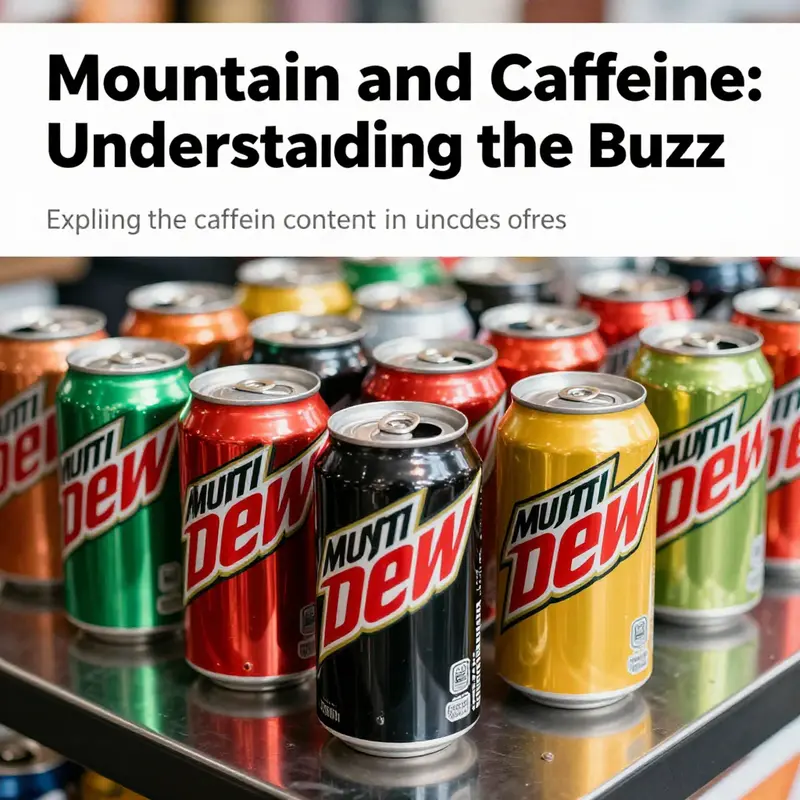
As the beverage market continues to diversify, understanding the role of caffeine in popular products like Mountain Dew becomes essential for business owners. Caffeine has long been regarded as a key ingredient that attracts consumers seeking an energy boost. In this article, we will delve into the caffeine content of Mountain Dew, compare the levels across various flavors, investigate its popularity, and discuss important health considerations for consumers and business stakeholders. Each chapter will provide insights that can help business owners make informed decisions in their product offerings and marketing strategies.
null
null
Same Kick, Different Cans: Comparing Caffeine Across Mountain Dew Variants
A consistent jolt across flavors
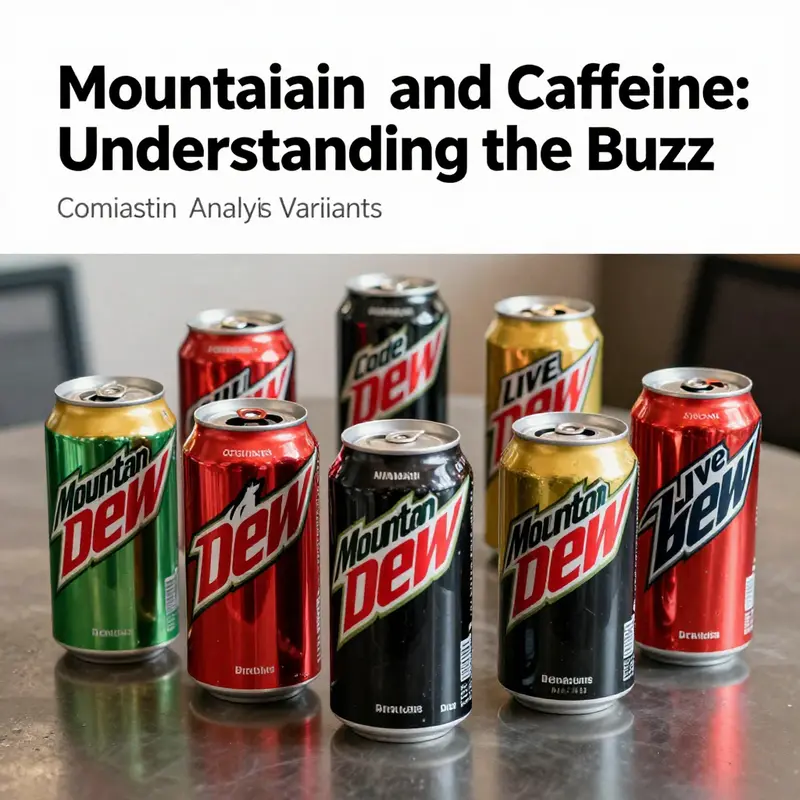
Mountain Dew’s reputation rests largely on one trait: it delivers more caffeine than typical sodas. Across its core lineup, the brand keeps the stimulant level remarkably consistent. The original flavor averages about 54–55 mg of caffeine per 12-ounce serving. Diet versions and several popular flavored variants match that number closely. That means the familiar energetic bite you expect from the flagship product shows up in other cans with almost no compromise.
When you open a 12-ounce can, you should expect a similar stimulant effect whether you pick the classic flavor, the zero-sugar version, or a cherry or orange variant. The brand standard hovers around 54 mg per 12 ounces. Slight laboratory or formulation differences can nudge that number a hair up or down. Practically, the difference is negligible.
This uniformity shapes how people use the drink. Fans who want a predictable energy boost can select a favorite flavor without losing potency. Those watching sugar or calories can opt for the diet formula and still get the same caffeine punch.
How that compares to other soft drinks and energy drinks matters. A typical cola runs around 34 mg per 12 ounces. That makes Mountain Dew roughly 60% stronger, by caffeine, than many mainstream colas. Dedicated energy drinks often start near 80–100 mg per serving. Some contain much more. So Mountain Dew sits in a middle ground. It outpaces colas, and it approaches energy-drink levels without fully crossing into that higher range.
Consistency across variants is intentional. Flavoring concentrates and sweetener choices change the taste. They do not, however, alter the stimulant component in any significant way. The formula keeps caffeine levels steady to preserve the product’s identity as a bold, energizing soda. This approach helps with consumer expectations and marketing that emphasizes alertness and performance.
Serving size matters a lot. The 54 mg figure applies to a 12-ounce can. Many cans and bottles come in larger sizes. A 20-ounce bottle delivers roughly 90 mg of caffeine. A 2-liter bottle contains several servings, so a single poured glass can vary widely. Always check the label or math it out by serving size. Caffeine per ounce is the most reliable measure when comparing drinks.
Fountain pours introduce another variable. Dispensing systems and concentrate-to-water ratios differ by venue. Fountain Mountain Dew can sometimes be slightly less or more concentrated than packaged versions. When exact caffeine intake matters, packaged servings are the most reliable reference.
Labels and regulatory guidance help with context. In the United States, soft drink manufacturers list caffeine in ingredient panels or nutritional fact notes only if they choose. Many brands provide this information publicly for transparency. For a consumer, those posted values are the best starting point.
Health and practical considerations are central to any caffeine comparison. The FDA suggests up to 400 mg per day is generally safe for most healthy adults. That equates to about seven to eight 12-ounce cans of a Mountain Dew variant. But that is not a recommendation to drink repeatedly. Individual sensitivities vary. People who metabolize caffeine more slowly can feel effects much longer. For pregnant individuals, clinical guidance often recommends limiting intake to 200 mg per day. Children are more susceptible to stimulant effects. Pediatric guidance typically advises significantly lower or no caffeine.
Tolerance and timing shape experience. Regular consumers build tolerance. The same dose yields weaker effects over time. Timing also matters. Caffeine half-life averages four to six hours in adults. Consuming several cans late in the day can disrupt sleep. For those using the beverage to improve alertness for short tasks, a single can earlier in the day often suffices. For prolonged demands, mixing multiple doses risks jitteriness, heart palpitations, and reduced sleep quality.
Sugar content does not change caffeine. The regular and diet formulations deliver comparable stimulant levels. Sugar changes caloric load and metabolic responses. It does not alter the central nervous system effects of caffeine. A diet variant gives the same stimulant without the calories. That distinction makes zero-sugar options popular for people focused on energy without added caloric intake.
Comparisons with coffee are common. A typical 8-ounce cup of drip coffee contains roughly 95 mg of caffeine. That places one cup of coffee above a single 12-ounce Mountain Dew. But serving sizes differ widely in coffee culture. Espresso shots, specialty drinks, and large brewed cups vary considerably. For those weighing whether to reach for a soda or coffee, the caffeine per serving and the desired calories often decide.
Mixing sources adds risk. Combining sodas with coffee, energy drinks, or certain medications can push total intake above recommended limits. Many energy drinks also contain additional stimulants or herbal extracts. Those ingredients can amplify caffeine’s effects.
Taste often dictates choice more than caffeine content. Because caffeine levels are so consistent across main variants, consumers choose based on flavor profile, sweetness level, and brand preference. The effect remains constant. That predictability fuels brand loyalty and repeat purchases.
Regional formulations and special editions can differ. Limited-time flavors and international formulations sometimes have altered ingredient lists. These variations may slightly shift caffeine content. Always check the label when consuming non-standard or imported versions.
Fountain comparison and caloric trade-offs are worth noting. Fountain sodas at restaurants and convenience stores rely on syrup concentrates. The concentrate-to-water ratio can change and affect both taste and stimulant concentration. Bottled and canned products provide steadier values. When precise intake matters, packaged beverages are preferable.
Marketing often emphasizes energy and boldness. However, marketing does not substitute for responsible consumption. A single can may help temporarily with alertness. Repeated or excessive consumption risks dependence and health concerns. Rotating sources of caffeine and respecting recommended limits reduces negative outcomes.
For those counting caffeine against daily limits, a simple rule helps. Treat a 12-ounce can at roughly 54 mg. Double-check larger containers by size. Use labeled values where available. Remember cumulative effects from coffee, tea, chocolate, and medications.
If you need alternative low-caffeine or caffeine-free options, several non-caffeinated sodas and flavored waters exist. Those options eliminate stimulant risk while preserving sweetness and flavor. Switching occasionally reduces total daily stimulant load. It may improve sleep and lower tolerance over time.
The brand’s approach of keeping caffeine steady across variants simplifies consumer decisions. You can pick a flavor for taste without worrying about losing energy. That consistent caffeine profile also helps public health messaging, labeling, and personal tracking.
For readers comparing this beverage to other choices, internal resources can help explain trade-offs in taste and stimulant content. For a direct comparison between coffee and this soda, see this detailed discussion on coffee versus this soda: coffee vs Mountain Dew.
For specifics about product formulations and the official ingredient list, consult the manufacturer’s product pages. Official sources provide the most current technical specifications and serving information. For direct product details, see the official site: https://www.mountaindew.com
Fuel, Flavor, and Focus: The Caffeine Equation Behind a Popular Citrus Soda

Caffeine has become a signal in the modern beverage landscape, a small yet potent marker that signals energy, alertness, and a momentary lift. In the space where flavor matters as much as function, a popular citrus-forward soda has built a reputation not only for taste but for the pick-me-up many consumers seek during long sessions, both in front of screens and in real life. The allure rests on a careful balance: a taste profile that remains familiar across generations, and a caffeine level that sustains attention without tipping into jitteriness for most people. That balance is not accidental. It is the result of deliberate choices about formulation, audience, and timing, and it sits at the intersection of sensory pleasure and cognitive science. The beverage in question carries a notably high caffeine content for a mainstream soft drink, clocking in at about 54 mg per 12-ounce can. This is a level that positions it as a convenient, flavorful option for readers and gamers alike who want a liquid companion that can offer a modest but reliable boost during tasks that demand quick thinking, rapid response, and steady concentration. The presence of caffeine, then, is not merely a side note; it is a central thread in the narrative of why this drink resonates with a subset of consumers whose routines involve extended focus, rapid decision making, and the need to stay awake through marathon sessions.
Caffeine’s cognitive benefits have been observed in various experimental contexts, including improved reaction times, heightened vigilance, and a reduction in perceived mental fatigue. In fast-paced activities, milliseconds matter, and even small gains in speed and accuracy can accumulate into meaningful advantages. The soda’s caffeine content aligns with this consumer expectation: it provides a clear, measurable stimulus that complements the sensory experience of tasting a familiar, energizing beverage. The effect is not purely physiological; it also reshapes behavior. If a gamer or streamer associates the drink with good performance, the caffeine becomes part of a ritual, a cue that signals preparedness for what lies ahead. In this way, caffeine is as much a cultural feature as a chemical one, supplying not just a lift but a sense of readiness that integrates with identity, routine, and community.
Brand storytelling around energy often centers on consistency and predictability. Consumers who reach for a familiar option know what they are getting: a reliable amount of caffeine that supports extended attention and sustained focus. That reliability matters, because the beverage world is crowded with choices that offer flavor at the expense of function, or vice versa. The beverage in question has managed to keep the perceived energy value steady across a range of variants, a feature that helps build trust with a diverse audience. This consistency underpins a broader brand strategy that treats caffeine as a foundational attribute rather than an occasional enhancement. It reinforces the notion that flavor innovation can coexist with a familiar energy profile, inviting adventurous palates to explore new notes while still knowing the product will deliver its signature lift when needed. To readers curious about the exact caffeine figures, the source materials indicate a uniform profile across major variants, which aligns with how the brand positions itself in conversations about energy and taste. For those who want a direct reference to the caffeine content itself, see the detailed discussion on the caffeine content mt dew resource.
The flavor development process behind such a product is neither random nor purely market-driven. It rests on an ongoing loop of feedback, sentiment analysis, and regional data that helps shape what the next batch might taste like while preserving the core energy profile. Consumer feedback often highlights desires for bolder, brighter, or more refreshing flavor experiences, and the brand has responded with a steady stream of new, visually striking iterations designed to please both long-time followers and new tasters. Social media sentiment serves as a real-time barometer for what resonates, and sales data across regions helps refine where certain flavor twists land most successfully. In practice, this means that a given variant can be tuned to emphasize sweetness, acidity, or a more pronounced fruit-forward profile without altering the underlying caffeine framework. The result is a cycle of flavor experimentation that respects the product’s energetic identity while expanding its sensory repertoire. In this sense, caffeine acts as a constant in a dynamic equation: flavor pivots around it, yet remains anchored by the energy expectation that draws people back again and again. For readers who want a deeper dive into the caffeine dynamics tied to this beverage, a concise resource on caffeine content mt dew can be consulted through the linked article.
From a broader cultural perspective, the product’s popularity is inseparable from gaming culture and the rhythms of extended online engagement. The daily routines of streamers, multitaskers, and late-night collaborators often involve long blocks of focus, rapid in-game decision making, and the need to stay alert while maintaining social presence. Caffeine provides a familiar tool for meeting those needs, and the brand’s positioning has often aligned with this lifestyle without becoming prescriptive. It offers a sense of companionship during long sessions, a familiar aroma and flavor that can punctuate the moment between rounds, and a ritual that signals readiness to perform. In other words, caffeine’s value extends beyond the physiological dimension; it helps shape a shared experience that communities build around a recognizable product. This social function is as much a part of the drink’s appeal as the immediate lift it delivers, creating a feedback loop where preference, performance, and perception reinforce one another over time.
Yet the discussion of caffeine in popular beverages invites a careful, balanced view. Moderation remains a prudent principle, especially for younger audiences or individuals with caffeine sensitivity. The narrative of energy should acknowledge that caffeine interacts with sleep, hydration, and overall daily consumption, and it should encourage informed choices rather than continuous reliance. This emphasis on mindful use does not diminish the beverage’s appeal; it rather situates it within a responsible consumer culture that values both taste and well-being. In this light, caffeine becomes a tool for choice, a way to tailor one’s energy profile to fit a particular moment, rather than an indiscriminate habit. The chapter’s exploration of flavor, energy, and culture thus weaves together sensory delight with cognitive science, marketing acumen, and social practice, presenting a cohesive view of how caffeine contributes to the drink’s enduring popularity. For readers who want a concise, source-backed look at the caffeine content across MT style beverages, the internal reference on caffeine content mt dew offers a direct path to details.
As with any caffeinated option, the consumer experience is personal. Some people thrive with a 54 mg boost in a single can, finding it sufficient to maintain focus through a challenging task or a lengthy gaming session. Others may need less or more, depending on tolerance, timing, and concurrent caffeine sources. What remains clear is that the caffeine component is not an afterthought; it is a central design choice that shapes expectations, informs flavor strategies, and anchors the product in a crowded marketplace. The result is a beverage that pairs a familiar taste with a reliable energy profile, creating a sense of predictability that many users value when navigating a landscape filled with competing options. The storytelling around this drink thus centers on a simple proposition: you can enjoy a strong, refreshing flavor while also getting a dependable cognitive nudge when you need it most. For those seeking additional context, see the external reference that explains how the brand communicates its energy values across multiple channels.
External resource note: the brand’s official site provides detailed product and ingredient information, including the energy profile and flavor portfolio. Readers who want to verify the energy figures or explore the breadth of variants can visit the official site for confirmation.
Internal hyperlink for further reading on caffeine content in this MT style beverage: caffeine content mt dew
External resource: https://www.mountaindew.com
Caffeine at the Peak: Navigating Stimulation and Sugar in a Popular Citrus Soft Drink
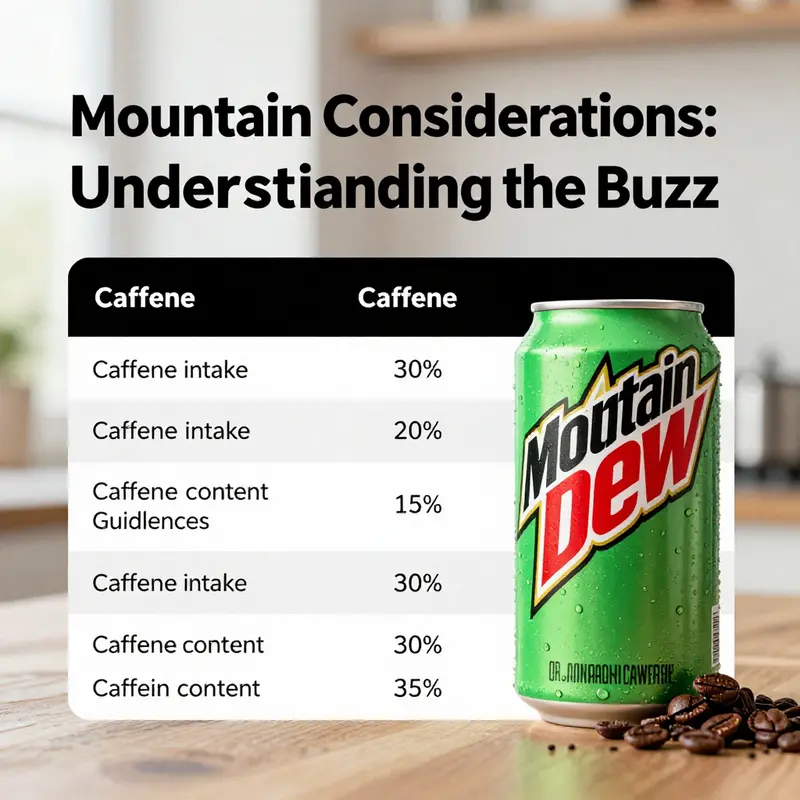
Caffeine, a compound many people reach for when they need a quick lift, is a central part of a familiar neon-green citrus soft drink. This beverage has built its reputation on flavor and alertness, a combination that makes it a topic of everyday curiosity for those balancing energy needs with health considerations. It contains caffeine, and the amount is substantial enough to matter for routine daily planning. In practical terms, a standard 12-ounce can delivers roughly 54 to 55 milligrams of caffeine. That places it among the higher-citched options offered by mainstream sodas and makes it a go-to choice for people who want more than just a refreshing taste in their momentary pick-me-up. What makes this even more interesting is that several of the brand’s most popular flavors share this same baseline level of stimulation. The même caffeine footprint appears across the line, with the diet version showing a closely matched caffeine content per 12-ounce serving. This consistency helps consumers compare choices within the same flavor family, knowing that choosing a sugar-free variant won’t necessarily reduce the caffeine kick. For a focused comparison of caffeine content across the beverage family, you can explore a dedicated resource: caffeine-content-mt-dew.
Diet versions offer the same caffeine load but without the sugar that typically accompanies a caffeinated, energy-forward profile. In this sense, the diet variant becomes a practical option for those who want the same wakefulness without adding sugar calories. The flavor set also includes variants in which the caffeine content remains in the same region, reinforcing the idea that the stimulant effect is a deliberate design feature rather than a casual afterthought. For readers who want a precise, side-by-side view of these numbers, the internal link provides a concise snapshot of caffeine content across the lineup: caffeine-content-mt-dew. The pattern—near-identical caffeine levels across core flavors—underscores a branding strategy built around steady stimulation paired with bold, bright flavor. It is a reminder that caffeine is a deliberate component, not an incidental consequence of flavor chemistry.
Yet caffeine is only one piece of the health puzzle. A single 12-ounce serving also carries a significant amount of sugar. In this case, the sugar load is roughly 46 grams per can, a substantial portion of daily intake for many people. Sugar and caffeine together can shape the experience in ways that differ from caffeine alone. The sugar provides a rapid source of glucose, which can amplify the initial energy surge produced by caffeine. That surge can feel satisfying in the short term, but it can also be followed by a crash that leaves a person craving more caffeine to pick up energy again or feel steadier. The sugar content matters not only for energy fluctuations but for longer-term health concerns tied to weight, dental health, and metabolic risk when consumed regularly. For those who want a lower-sugar option, the diet version eliminates sugar entirely but preserves the caffeine level, enabling a similar stimulant experience without the sugar’s metabolic load. This contrast illustrates a broader, practical point: people increasingly search for balance between energy, flavor, and long-term health goals.
Health professionals often emphasize moderation because caffeine and sugar are two powerful signals to the body. The U.S. Food and Drug Administration provides a broad safety framework, noting that up to about 400 milligrams of caffeine per day is generally considered safe for most healthy adults. That upper limit is a starting point rather than a hard rule, because caffeine tolerance varies widely. Some people can experience insomnia, heightened heart rate, anxiety, or digestive discomfort with relatively small amounts. For others, the same amount may feel manageable and even beneficial for focus during demanding tasks. The practical takeaway for most readers is to consider not only the amount of caffeine in a single can but also how many caffeinated beverages accompany that can across the day. When multiple sources are consumed, the total can approach or exceed the daily upper limit, especially if caffeine from coffee, tea, and other caffeinated products is also in the mix. In such cases, sleep patterns can be disrupted, and the cycle of needing more caffeine to compensate for sleep loss can begin to take hold.
Alongside caffeine, sugar intake factors into a broader health equation. The combination of high caffeine and high sugar can amplify energy bursts but also amplify subsequent cravings, mood fluctuations, and sleep disruption. The body’s response to this combination can vary, but the general pattern is clear: caffeine can sharpen alertness, while sugar can prompt a rapid energy rise followed by a downturn. If sleep quality is a priority, planning caffeine-free or lower-sugar days, especially later in the day, can help maintain a steadier energy profile. For individuals who are especially sensitive to sugar or who have conditions affected by blood sugar or dental health, the calorie and carbohydrate load becomes a meaningful piece of the daily tally. Diet versions address this concern by removing the sugar while retaining caffeine; that option can be part of a strategy to maintain alertness without the metabolic load that sugar invites.
The health considerations extend beyond the chemistry of caffeine and sugar to the broader questions of who should exercise caution. People who are pregnant, those with certain heart conditions, adolescents, or individuals with sleep disorders often receive guidance to moderate caffeine intake or avoid caffeinated beverages altogether. In these contexts, even a relatively modest amount of caffeine can become significant because of potential interactions with medications or existing symptoms. The decision to drink a caffeinated, sugar-lweet beverage thus becomes a personalized assessment—one that weighs wakefulness and mood against sleep, cardiovascular health, and long-term wellness goals. The practical guidance tends to favor mindful consumption: limit daily intake, especially if you already rely on caffeine from other sources, and be mindful of the timing of consumption to protect sleep quality.
From a public health perspective, the broader message is about balancing pleasure, convenience, and health outcomes. A beverage that offers a bold flavor and a meaningful caffeine lift can be enjoyed as part of a varied and mindful diet. The key is recognizing that caffeine is a stimulant and that sugar contributes calories and metabolic load. The interplay between these two factors means the beverage’s impact is not solely about energy; it is also about the pattern in which it is consumed. For readers who want a concise, science-based reference point, the FDA provides guidance that serves as a baseline for daily limits and safety considerations. Incorporating that guidance into daily routines helps translate the numbers into practical decisions, rather than leaving them as abstract metrics.
As readers navigate the spectrum of caffeinated options, the takeaway is clear. The beverage in question is caffeinated, with a caffeine profile that stays fairly constant across its main flavors, and it carries a notable sugar load that shapes the energy experience and health implications. For those seeking a more precise understanding of how this beverage’s caffeine compares to other drinks, a focused resource can provide a side-by-side view without sacrificing nuance. In addition, it is useful to contextualize these facts within personal health goals and daily routines. Caffeine can be a helpful tool for focus and alertness when used thoughtfully, but it is not a universal solution. Mindful consumption, attention to total daily caffeine intake, and awareness of sugar load are the cornerstones of using this beverage in a way that supports overall health rather than undermining it.
For readers who want a direct, topic-specific reference to caffeine content, the internal resource linked here offers a focused snapshot: caffeine-content-mt-dew. This is a convenient anchor for comparing caffeine levels across flavors and variants, helping readers translate numbers into everyday choices without having to sift through product pages. And for those who prefer a formal, regulatory frame, the FDA’s caffeine guidance provides authoritative context about upper limits and safety considerations, reinforcing the idea that personal health goals should guide how often and how much of this beverage is consumed. External resource: https://www.fda.gov/food/food-additives-petitions/fda-caffeine-guidance
Final thoughts
In conclusion, Mountain Dew’s caffeine content is a crucial aspect that influences its popularity and consumer choices. With 54mg of caffeine per 12oz serving across most of its variants, this beverage appeals to those looking for an energizing drink. By understanding the caffeine levels and their implications, business owners can better tailor their product offerings and marketing strategies to meet consumer demand while addressing health considerations. With knowledge on this topic, businesses can effectively engage their target audience and adapt to trends in the beverage market.