

The relationship between caffeine and consumer preferences is pivotal in the soft drink industry, particularly for brands like Mountain Dew. With its high caffeine content—54mg per 12oz serving across multiple variants—Mountain Dew positions itself as a go-to choice for consumers seeking an energy boost. This article explores the nuances of caffeine in Mountain Dew and its relevance to business owners, addressing how the drink compares to competitors, potential health implications for consumers, and the crucial role caffeine content plays in shaping consumer preferences. Each chapter will contribute to a broader understanding of the product’s standing in the market and its implications for business owners in the beverage industry.
Caffeine on Tap: Unpacking Mountain Dew’s Signature Energy Kick

The bright glow of a can of Mountain Dew has long signaled more than a citrus zing. For many, that neon splash also carries a reliable energy lift, a stimulant that helps those late-night study sessions, long-gaming marathons, or mid-afternoon slumps feel manageable. The core of that energy lift is caffeine, a compound that plays a dual role in modern beverages: it perks the senses while shaping the way we pace our days. When you look at the numbers behind Mountain Dew, caffeine isn’t a garnish or an afterthought. It is a defining feature that sets the drink apart in the crowded landscape of soft drinks. In the most common formulation, Original Mountain Dew delivers about 54 to 55 milligrams of caffeine per 12-ounce can. That range places Mountain Dew firmly in the higher tier of caffeine-containing soft drinks, making it a go-to choice for people who want a noticeable jolt without stepping up to a coffee or energy drink. The figure is well-supported across the brand’s lineup, and it remains a consistent thread that ties the original flavor to its most popular siblings.
Caffeine content in Mountain Dew serves as a practical benchmark for comparison. If you’re mapping out caffeine intake across the beverages you reach for in a day, the 12-ounce Mountain Dew you might grab on the way to work or between classes represents roughly half the caffeine of a standard cup of coffee. A typical 8-ounce cup of coffee often clocks in around 95 milligrams of caffeine, which means Mountain Dew’s caffeine is substantial yet still more modest than a full-strength cup in most cases. That relationship helps explain why some people choose Mountain Dew when they want a quick pick-me-up without drinking a hot beverage or loading up on a larger caffeine hit from other sources. For reference, if you’re curious about how this stacks up against other caffeinated choices, you can explore that direct comparison at the dedicated page that covers Mountain Dew’s caffeine content: caffeine-content-mt-dew.
It is useful to recognize that the caffeine figure isn’t a one-size-fits-all number. Flavor variation, bottle size, and even manufacturing adjustments can nudge the exact milligram count a bit higher or lower, but the brand has historically maintained a remarkably consistent caffeine level across its core offerings. Diet Mountain Dew, for instance, preserves the same caffeine footprint per 12-ounce serving while delivering zero calories and zero sugar. This parity matters for people who are managing calorie intake but still want that familiar energy lift. Other flavors—Code Red, Live Wire, and similar core variants—tend to hover in the same range, maintaining the energy punch that fans expect even as the taste profile shifts from cherry-citrus to orange or other bold combinations. The consistency across the lineup reinforces Mountain Dew’s identity as a beverage crafted for stimulation as much as flavor. The high caffeine content is not an accident but a deliberate aspect of the brand’s appeal, designed to offer a quick, portable lift that pairs with its distinctive, vigorous flavor.
The sheer accessibility of caffeine through Mountain Dew matters for everyday routines and for those who use that lift to support focus and performance in the moments that demand it. For gamers, students, or workers juggling multiple tasks, the energy kick can feel like a practical bridge between fatigue and productivity. Yet the same attribute that makes Mountain Dew appealing also invites caution. The elevated caffeine level means it may not be ideal for everyone. People who are sensitive to stimulants, who experience anxiety, sleep disturbances, or heart palpitations with caffeine, should approach Mountain Dew with the same mindfulness they apply to other caffeinated beverages. A single 12-ounce can contains a significant dose of caffeine, and consuming multiple servings in a day can quickly add up. Understanding how caffeine interacts with your body—alongside sugar intake, hydration, and overall daily caffeine consumption—helps you appreciate both the utility and the limits of this popular drink.
The conversation about Mountain Dew’s caffeine also intersects with broader dietary choices. The classic version is not just about caffeine; it also carries sugar, which influences how the body metabolizes the stimulant. Diet Mountain Dew offers the same caffeine content per serving but without sugar and calories, producing a different metabolic experience. This can affect energy fluctuations over the course of a day. Some people perceive the energy curve differently when the beverage contains sugar versus when it does not, which is precisely why the brand’s lineup balances flavors with varying nutritional profiles while keeping the caffeine content steady. In this sense, Mountain Dew operates not just as a caffeine source but as a flexible component of a broader lifestyle strategy that values taste, portability, and a dependable lift.
To consider the impact more deeply, it helps to look at the bigger picture of caffeine consumption in common foods and drinks. The caffeine in Mountain Dew is one piece of a larger daily mosaic. A moderate daily intake for most healthy adults is often framed around a ceiling of around 400 milligrams of caffeine. Within that boundary, a few cans of Mountain Dew could push you closer to the upper end, depending on the size and flavor you choose, along with other caffeine sources you may be consuming that day (tea, coffee, chocolate, certain medications). Children, teens, and pregnant individuals are advised to exercise particular caution with caffeine. Pediatric guidelines recommend lower limits, and pregnant individuals are generally advised to limit caffeine intake to about 200 milligrams per day or less, depending on medical guidance. These considerations aren’t meant to discourage enjoyment of Mountain Dew, but they do underscore the importance of mindful consumption, especially when caffeine is part of a daily routine that includes multiple beverages.
For readers who want to anchor their understanding in a more objective frame, the ongoing documentation of caffeine content across Mountain Dew products provides a reliable reference point. The consistent almost-half-cup of coffee equivalent per twelve-ounce can becomes a handy yardstick. It lets you plan your day with a clearer sense of how much stimulant energy you’re taking in from a mix of caffeinated drinks. The flavor diversity—ranging from the original citrus-forward profile to the bold, cherry-toned Code Red and the vibrant Live Wire—keeps the brand appealing to a wide audience while preserving the caffeine baseline that has become a hallmark of the product. As flavor palettes shift and new variations enter the market, the caffeinated backbone remains a constant, a logistical anchor for people who rely on Mountain Dew to help them stay alert, engaged, and on task when time is tight and energy is flagged.
With that context in mind, the practical elements of sipping Mountain Dew become clearer. The drink supplies a punch that is big enough to be noticeable yet measured enough to fit into a daily rhythm for many adults. It’s not a substitute for sleep, and it isn’t a universal solution for performance; rather, it’s a tool—one that many people use in moderation to complement sleep, hydration, and other energy strategies. For anyone curious about the precise caffeine figures and how they apply to different bottles and flavors, there is a dedicated resource that compiles and explains the caffeine content in Mountain Dew with manufacturer disclosures and label data. That source offers a concise reference point for accurate, up-to-date numbers and helps readers track how changes to packaging and formulation might influence caffeine delivery over time. See the dedicated page for the most current figures here: caffeine-content-mt-dew.
Beyond the chemistry and numbers, the cultural resonance of Mountain Dew’s caffeine is a reminder of how products are shaped by consumer expectations. People seek a dependable energy lift that also delivers a bold, unmistakable flavor experience. Mountain Dew meets that demand by pairing high caffeine content with a flavor profile that feels fast-paced and adventurous. That synergy explains why it has endured as a staple for certain crowds, even as the beverage landscape evolves with new formats, healthier options, and an ever-growing catalog of energy-forward beverages. When someone grabs a can, they aren’t just choosing a drink; they’re choosing a cue—a mental signal that it’s time to refocus, kick into gear, and push through the next phase of a busy day. In this sense, caffeine in Mountain Dew functions as both a physiological stimulant and a cultural marker, signaling a moment of momentum in the continuous rhythm of modern life.
External reference for deeper study and verification remains essential for readers who want to go beyond memory or anecdote. For those seeking a comprehensive, up-to-date breakdown, an external resource provides verified data based on product labels and manufacturer disclosures: https://www.cafely.com/caffeine-content-in-mountain-dew/.
Caffeine, Citrus, and the Energy Benchmark: Where a Popular Citrus Soda Stands in the Soft-Drink Spectrum
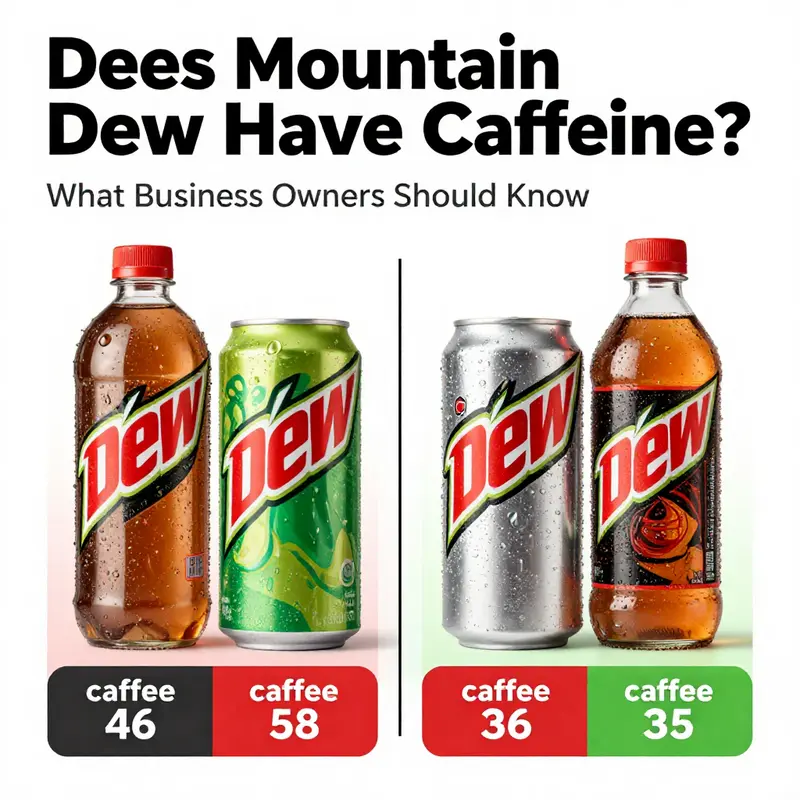
Caffeine sits at the heart of a distinctive citrus-forward soda that has long positioned itself as the go-to choice for a quick, palate-pleasing energy lift. The story of this beverage is not just about flavor; it is about how a single stimulant can shape consumer expectations, brand identity, and daily routines across a broad slice of the population. To understand its place in the broader soft-drink landscape, we must look closely at the caffeine footprint—the amount in a standard serving, how it compares to ordinary colas and clear sodas, and what that means for people who reach for it as part of a study session, a late-night gaming session, or a mid-afternoon pick-me-up. The numbers tell a tale as crisp as the beverage’s bite: caffeine content that sits unusually high for mainstream sodas, with a range that anchors the brand as a stimulant-friendly option rather than a casual refreshment alone. In this light, caffeine becomes less a footnote and more a defining characteristic, one that intersects with flavor, marketing, consumer behavior, and health considerations in meaningful ways.
For anyone who wants a precise tally, the standard 12-ounce can of the flagship citrus soda delivers roughly 54 to 55 milligrams of caffeine. That range is not a mere trivia fact; it places the drink near the upper end of mainstream soft drinks, especially when compared to the everyday colas most readers are likely to encounter. A typical 12-ounce can of the most widely circulated colas hovers around the mid-30s to high-30s in milligrams per serving. A well-known cola variant often clocks in around 34 milligrams, another around 38 milligrams, and still another just over 40 milligrams. In other words, the beverage in question sits notably higher than these staples, creating a pronounced caffeine footprint that contributes to its reputation as an energy-leaning option within the soft-drink aisle. It is not just about being awake; it is about delivering a sensory experience that pairs bold citrus flavor with a measurable stimulant effect. The combination has resonance with a specific audience—gamers, students, workers burning the candle at both ends—people who instinctively seek a quick, reliable lift without turning to something markedly stronger or more specialized. The effect is often described in terms of timing and tolerance: a familiar pick-me-up that can sharpen focus or simply help push through a demanding stretch of activity. Yet this is not a universal prescription. Caffeine affects individuals differently, and the same can be said for the pace at which it enters the bloodstream, the way it interacts with sugars or artificial sweeteners, and how it feels when paired with other caffeine sources in a given day.
A crucial dimension to consider is the breadth of caffeine levels across product variants. While the standard formulation is consistently caffeinated, there exist lines marketed specifically for energy enhancement that exceed that baseline by a substantial margin. These variants are designed to maximize the stimulant effect and are typically higher in caffeine content per 12-ounce serving, sometimes surpassing the 100 milligram mark. This escalation is part of a broader pattern across the beverage category: brands expand the energy profile when marketing toward more active or high-demand consumer segments. The practical upshot is that the line between a merely flavorful, refreshing drink and a functional energy beverage can blur, depending on which formulation a consumer chooses. The user experience shifts from “sip and enjoy” to “sip and sustain,” a subtle but meaningful shift in how people plan their day around caffeine intake.
From a consumer behavior perspective, caffeine in this context does more than provide a jolt. It becomes part of a ritual—an anticipated moment of clarity during long study sessions, late-night game nights, or stretched workdays. The citrus notes contribute to sensory appeal, providing a bright, piercing palate that can feel more awake-feeling than other flavors. This sensory alignment—bright citrus plus a reliable caffeine bump—helps explain the beverage’s enduring popularity within certain social and cultural circles. In markets saturated with options, a high caffeine level can serve as a differentiator, turning a simple flavor profile into a recognizable cue for energy and alertness. Yet this differentiation also invites scrutiny. The same stimulant that offers a lift can lead to jitters, sleep disruption, or increased heart rate if consumed in excess or combined with other caffeine sources late in the day. Such realities reinforce the need for mindful consumption, especially for readers who juggle multiple caffeine sources—coffee, tea, energy drinks, and other caffeinated foods—alongside this particular soft drink.
Another layer worth attending to is the Diet variant, which retains the same high caffeine content per serving while eliminating sugar and calories. The result is a product that preserves the stimulant punch in a zero-calorie package, appealing to those who want energy without sugar intake. In contrast, the brand’s non-diet, regular version delivers the same caffeine level but includes calories from sugar, which can alter how the caffeine affects energy and appetite. For some, the choice between these options becomes a matter of balancing taste preferences with dietary goals and caffeine tolerance. In this sense, the caffeine narrative becomes a decision-making framework, guiding consumers toward the version that aligns with their daily routines, dietary restrictions, and energy needs.
The cultural resonance of caffeine in this context extends beyond simply keeping eyes open. It intersects with workplace culture, gaming communities, and student life, where quick access to an energy lift can influence productivity patterns and social timing. The beverage’s marketing often positions it as a bold, outspoken choice within a crowded aisle, a product that signals a certain lifestyle or set of priorities. This positioning can shape expectations about how long the energy effect lasts, how intense it feels, and how it compares to other caffeine sources in the same day. The practical takeaway for readers is nuanced: while this citrus-forward option offers a meaningful caffeine boost, it is not a universal solution for fatigue or focus, and individual outcomes depend on a constellation of factors, including baseline caffeine tolerance, body weight, and concurrent caffeine intake from other beverages and foods.
From a health and regulatory standpoint, the story remains straightforward yet important. For most healthy adults, moderate caffeine intake—generally considered up to about 400 milligrams per day by many health authorities—allows for a wide safety margin. Yet single servings can approach or exceed a significant fraction of that daily limit, particularly when multiple caffeinated products are consumed in a short period. Pregnant individuals, people with certain medical conditions, or those taking medications that interact with caffeine are often advised to limit intake further. It is also worth noting that the stimulant’s effects are subject to individual sensitivity, which can vary with age, genetics, and overall health. In practical terms, readers seeking to manage caffeine exposure can benefit from simple strategies: track intake across beverages, account for other caffeinated foods, and consider timing, especially avoiding caffeine late in the day to protect sleep quality.
To deepen the reader’s understanding of the exact caffeine tally and how this figure stacks up against other beverages, an internal resource offers a detailed breakdown of caffeine content for this specific citrus-forward option. For readers who want a deeper dive into the exact caffeine tally of the beverage, see the internal resource on caffeine content in Mt. Dew. caffeine-content-mt-dew. This linked resource complements the broader comparison by providing a precise milligram range and clarifying how serving size, formulation, and branding influence the final caffeine count. The chapter’s synthesis thus rests on a layered view: a high baseline caffeine level for the standard formulation, variability across product lines, and the broader implications for daily caffeine management.
In drawing the comparison, it becomes clear that this particular citrus-forward option occupies a unique niche. It is positioned between the more modest caffeine profiles of typical colas and the higher-end energy beverages that target heavy stimulant use. The effect is not merely a matter of taste or branding; it is a measurable difference in how a drink can contribute to daily energy dynamics. For readers, that means a practical takeaway: if the goal is a reliably noticeable energy lift without additional calories, a high-caffeine, zero-sugar option may offer an efficient solution. If the aim is to balance energy with sugar intake, the standard or diet-fed formulations present a different equation. Either way, caffeine remains a central, defining characteristic—the variable that helps explain why the beverage remains a frequent pick for those who want both flavor and a stimulant edge. The broader market response to this approach—strong brand recognition, repeated purchase, and a steady conversation about caffeine—reflects how modern soft drinks increasingly blend flavor with functional attributes to meet evolving consumer expectations.
In sum, the caffeine story embedded in this well-known citrus beverage is a case study in how a single compound can shape product positioning, consumer behavior, and daily routines within a crowded category. The amplified caffeine level in the standard formulation distinguishes it from many peers, while the presence of higher-caffeine variants demonstrates how brands experiment with stimulant intensity to capture attention and loyalty. For readers navigating the soft-drink aisle, the key takeaway is simple: caffeine content matters, not just flavor, and awareness of serving size, formulation, and personal tolerance can lead to smarter choices about when and how to reach for this energetic option. The citrus-forward profile adds a sensory dimension that makes the caffeine experience feel integrated rather than intrusive, a pairing of taste and alertness that continues to appeal to a broad audience while inviting responsible consumption.
External resource: How Much Caffeine Is In Mountain Dew? — CAFELY, https://www.cafely.com/mountain-dew-caffeine-content/
Caffeine, Acidity, and the Dew: Unpacking Mountain Dew’s Energy Kick and Its Health Trade-Offs
Mountain Dew sits at an intriguing crossroads of flavor and function. Its bright citrus profile is paired with a caffeine content that makes it more than a mere thirst-quenching beverage. The Original flavor provides 54 milligrams of caffeine per 12-ounce can, a figure that places Mountain Dew among the higher-caffeine options in the mainstream soft-drink market. This quantity matters not just in the moment but for how people pace their day, especially when they need sustained attention or a brief boost before a challenging task. The pattern extends across many of the brand’s variants. Diet Mountain Dew, for example, preserves the same caffeine level while removing sugar and calories; Mountain Dew Code Red and Mountain Dew Live Wire also carry the same stimulative punch in a cherry-citrus or orange-forward guise. This uniform caffeine delivery has helped build a stable expectation: you reach for a cold can and you anticipate a noticeable lift that lasts long enough to keep you engaged, focused, or awake during a long session of work or play. The data for 2026 confirms this familiar rhythm, aligning with the brand’s longstanding messaging about energy and flavor in one package.
What does that caffeine do for the body? In practical terms, caffeine can sharpen attention, improve vigilance, and enhance certain motor tasks when consumed in moderation. People who face lengthy, demanding activities—whether gaming marathons, long study periods, or shift work—often report that caffeine helps them maintain a level of steady performance. A contemporary body of research from 2026 underlines that moderate caffeine intake can boost attention and reduce mental fatigue under sustained tasks. The real-world takeaway is not that caffeine is a magic wand but that it can be a useful tool when used thoughtfully, with awareness of dosage and timing. This nuance matters because the same compound that helps one person stay focused can disrupt another’s sleep or mood if taken too late in the day or in excessive amounts.
Yet caffeine is not just energy; it interacts with time, other dietary components, and individual physiology. In practical terms, caffeine can sharpen attention, improve vigilance, and enhance certain motor tasks when consumed in moderation. People who face lengthy, demanding activities—whether gaming marathons, long study periods, or shift work—often report that caffeine helps them maintain a level of steady performance. A contemporary body of research from 2026 underlines that moderate caffeine intake can boost attention and reduce mental fatigue under sustained tasks. The real-world takeaway is not that caffeine is a magic wand but that it can be a useful tool when used thoughtfully, with awareness of dosage and timing. This nuance matters because the same compound that helps one person stay focused can disrupt another’s sleep or mood if taken too late in the day or in excessive amounts.
However, the convenience of a strong caffeine kick must be weighed against the broader profile of Mountain Dew. The drink is not just caffeine and flavor; it also carries a heavy sugar load—46 grams in a single can. That sugar load contributes to calories, metabolic stress, and, over time, may raise concerns for insulin sensitivity and related conditions if consumption becomes habitual. Combine high sugar with caffeine and a drink that also presents a relatively high acidity—with a pH around 3.3—and you have a formula that can affect dental health and long-term metabolic risk. In some discussions this combination is described as potentially contributing to dental erosion—often colloquially referenced as “Dew Mouth” by those who notice enamel wear and heightened tooth sensitivity from frequent acidic beverage consumption. The physiology behind this is straightforward: acid softens enamel, and sugar feeds acid-producing bacteria; together, they can contribute to enamel loss and other dental problems if exposure is repeated over time.
Beyond dental effects, the pattern of high sugar and caffeine in a single beverage invites attention to broader health risks. Long-term regular consumption of sugar-sweetened beverages like Mountain Dew has been associated with an increased risk of insulin resistance, weight gain, and metabolic disturbances. When caffeine is added to that mix, concerns about cardiac rhythm, blood pressure, and overall cardiovascular strain surface, especially for individuals already predisposed to such issues or those who consume multiple caffeinated drinks daily. The caffeine itself also carries potential for tolerance; over time, the same amount can feel less effective as the body adjusts, which may prompt higher intake. That escalation can intensify the very health risks discussed above, turning a temporary lift into a daily exposure that compounds risk factors. The health implications, therefore, hinge not on caffeine alone but on the total dietary context: how much sugar, how acidic the beverage is, and how consistently caffeine is used to fuel long hours or late nights.
Public health guidance around caffeine often emphasizes moderation and mindful consumption, particularly for adolescents, pregnant people, those with anxiety disorders, or anyone sensitive to caffeine. For younger individuals, the combination of caffeine, sugar, and acidity may be especially impactful on sleep patterns, mood regulation, and dental health. Adults, too, benefit from strategic choices: if the goal is a quick alert, a smaller amount of caffeine taken earlier in the day, joined by water and a snack, can yield steadier energy without a late-day sleep disruption. For those watching sugar intake or dental health, options exist that replicate the energy boost without some of the downside: lower-sugar or sugar-free variants, or other beverages that provide hydration with less acidity and fewer calories. The challenge lies in recognizing that caffeine is not inherently dangerous in moderate amounts, but the context can push it into risky territory when it becomes a default habit rather than an occasional aid.
From a consumer perspective, understanding the caffeine content helps with daily planning. If a daily cap is around 400 milligrams for most adults, one can of Mountain Dew accounts for a sizable fraction of that limit, especially when combined with other caffeinated foods or drinks. This scaffolds an approach that treats caffeinated beverages like any other stimulant: they fit into a pattern of balanced intake rather than driving the whole day. For those who are sensitive to caffeine or who wish to reduce sugar, the Diet version remains a frequently chosen option, preserving the caffeinated lift while cutting sugar. Yet even there, the acidity and caffeine mean moderation remains essential. It is also worth noting that flavors and formulations can shift; the brand has historically adjusted sweetness, acidity, and caffeine in various releases, reflecting ongoing consumer preferences and scientific considerations.
To translate these ideas into everyday choices, a practical mindset helps: gauge your total caffeine exposure across the day, be mindful of the time of your last dose before bedtime, and pair caffeinated beverages with water and meals that buffer glucose responses. If you are someone who needs a reliable cognitive edge for a study session or a workout preparation, design a plan that uses caffeine strategically—early in the day, with a finite amount, and with awareness of how you respond behaviorally and physically. The aim is not to scorn a product that has a certain level of caffeine; it is to enjoy it in a way that honors your health goals and personal tolerance. In this light, Mountain Dew’s caffeine content becomes not just a label on a can but a prompt to consider how we balance flavor, energy, and nutrition in the same breath.
One small but meaningful consideration is how such beverages fit into dietary patterns that emphasize whole foods, hydration, and nutrient density. If your day includes water, herbal tea, and nutrient-rich meals alongside a single can of Mountain Dew, the overall impact is different from a day dominated by sugar-laden, acidic drinks. The idea is not to demonize a single drink, but to embed it in a broader strategy of energy management, dental care, and metabolic awareness. For those curious about how Mountain Dew stacks up against other caffeinated beverages, a concise comparison can be found here: caffeine content of Mountain Dew. This link serves as a bridge to a broader discussion about caffeine sources, helping readers calibrate their intake against a wider landscape of caffeinated options.
On a cultural level, Mountain Dew is often associated with late-night gaming sessions and high-energy work marathons, a pairing that can reinforce casual consumption into a habit. This cultural cue makes it important to consider personal health history and daily schedule when deciding how to include it in one’s routine. For young people in school settings, careful labeling and education about caffeine amount can help maintain focus without sacrificing sleep or dental health. Adults can treat the beverage as a flavor-forward caffeine option rather than a daily staple, rotating with alternatives that provide hydration and nutrients without the same sugar load. The broader message remains simple: awareness of caffeine, sugar, and acidity empowers consumers to keep flavor and energy in balance with long-term health goals.
External resource and closing note: The official product site provides the most direct data about can sizes and ingredient lists, and it remains a reference point for changes that may occur as formulations evolve. See the official Mountain Dew site for the most current information. https://www.mountaindew.com/
Citrus Charge: Mountain Dew, Caffeine, and the Brand’s High-Energy Narrative

Mountain Dew has long pitched itself as a high-energy, high-flavor brand. Caffeine serves as a signal not just to wake the senses but to align with a lifestyle of quick sprints and late-night momentum. The commonly cited 54 milligrams of caffeine per 12-ounce can positions the beverage among the higher-end of mainstream sodas, offering a mental lift that pairs with its bold citrus profile. This combination creates a distinct taste-memory: bright citrus on the tongue, followed by a lift that supports focus during study sessions, gaming marathons, or days packed with back-to-back tasks.
The brand’s caffeine level is presented as a feature, not an afterthought. By maintaining a consistent caffeine footprint across variants—Diet Mountain Dew, Mountain Dew Code Red, Live Wire—the company reinforces the idea of a dependable energy signal that can be enjoyed with different flavors. In consumer research terms, caffeine becomes a differentiator in a crowded beverage landscape, balancing flavor intention with perceived functionality.
Fans and retailers also notice the broader narrative: caffeine is a lifestyle cue, signaling alertness and productivity without requiring an energy-shot or a separate supplement. That framing helps Mountain Dew stand out in conversations about brand identity, performance, and everyday rituals. For readers who want to explore the data further, external resources comparing caffeine across beverages can provide context for how Mountain Dew’s profile stacks up against peers.
In sum, caffeine content matters less as a single number than as a strategic element that ties flavor, energy, and identity into a recognizable Mountain Dew experience.
Final thoughts
Understanding the caffeine content in Mountain Dew not only highlights its position within the soft drink market but also emphasizes its appeal to consumers seeking energy boosts. As a business owner, recognizing these trends offers valuable insights into consumer behavior and competitive strategies. With a strong emphasis on health implications and growing market competition, staying informed about product attributes like caffeine content is crucial for making informed decisions. In a landscape where consumer preferences continually evolve, leveraging the unique selling proposition of products like Mountain Dew could enhance your market strategy.