
Caffeine is a significant factor in many beverages and has a direct impact on consumer choices. Dr Pepper Zero, known for its unique flavor without the sugar content, carries a notable caffeine level that is often overlooked. For business owners, understanding the caffeine content of Dr Pepper Zero is vital for making informed decisions regarding product offerings, marketing strategies, and customer preferences. This article delves into the context of caffeine content in Dr Pepper Zero, examines health implications, and explores consumer preferences, setting the groundwork for informed business practices.
Beyond the Label: The Real Caffeine Story in Dr Pepper Zero
When people reach for a cold, sugar-free drink, they often wonder what, exactly, is giving them that familiar lift between sips. The question about caffeine in a zero-sugar soda is more nuanced than a simple yes-or-no verdict. It sits at the intersection of taste, metabolism, and the practical choices many readers face every day: how much caffeine is in their favorite zero-sugar beverage, and what does that mean for a diet, a workday, or a night-time routine? In the case of Dr Pepper Zero, the science is surprisingly straightforward on the caffeine front, even as the conversation around sugar substitutes and flavor perception continues to evolve. A clear picture emerges from the latest data: each 12-ounce can contains 41 milligrams of caffeine, and this figure holds steady across the regular and zero-sugar formulations. That consistency is notable because it means the caffeine content remains a stable reference point for anyone tracking intake, regardless of the product’s sugar status. It also helps distinguish caffeine as a separate variable from sweetness in this particular beverage, which is flavored with a complex blend that gives it a bold, distinctive profile without added sugars. For readers who rely on caffeine as a practical energy cue, this stability has practical implications, especially when planning a daily routine that balances alertness with rest.
To place 41 milligrams in context, it’s a modest amount when you compare it to a typical cup of coffee. A standard 8-ounce cup of coffee often delivers somewhere between 80 and 120 milligrams of caffeine, with larger servings pushing well beyond that range. Even the upper end of that coffee spectrum still leaves Dr Pepper Zero well behind the caffeine punch of a larger coffee serving. The difference matters for people who are watching their caffeine intake closely, whether for medical reasons, personal sensitivity, or lifestyle choices. A single can of Dr Pepper Zero thus provides a light, noticeable lift without the intensity that many people associate with a full cup of coffee. It’s a nuance that can be helpful for someone who wants a mild stimulant along with a flavor experience, rather than a strong caffeine jolt.
This clarity about caffeine also brings into relief a broader point about zero-sugar products. The presence of zero sugar does not imply a reduced caffeine content. In the chest of data that producers and regulators maintain, the caffeine level is kept separate from the sweetening strategy. This separation can be important for nutrition planning, especially for individuals who must monitor caffeine as a chemical constituent, not merely as a byproduct of sweetness or calories a product would have otherwise carried. The actual formulation relies on a carefully calibrated caffeine amount that is designed to preserve the drink’s signature bite, its slightly bold finish, and the lingering taste that repeats with character after the final swallow. In other words, the caffeine acts as a separate attribute, one that can influence how the drink is perceived and how it interacts with other dietary elements over the course of a day.
In this respect, caffeine acts much like a bridge between flavor and function. It doesn’t just alter alertness; it subtly shapes perception. A beverage with a moderate caffeine content can enhance the perception of its own flavor profile, making the fruitier, more spiced, or more caramel-forward notes feel more lifted on the palate. The caffeine provides a kind of undercurrent that can make the drink feel a touch more assertive without becoming overpowering. For a product whose defining characteristic is a rich, multifaceted flavor profile that blends sweetness and complexity, that balance matters. It allows the consumer to enjoy the flavor while still experiencing a gentle cognitive nudge that can accompany a mid-afternoon pause or a late-miting break. This dynamic underscores why the caffeine content, while modest, carries weight beyond a simple chemical label.
From a health and daily-use perspective, the stability of 41 mg per 12-ounce can offers a practical framework for planning. When people speak about caffeine in the context of daily nutrition, they often run through a mental checklist: one can as a baseline, a second can as a careful addition, perhaps a third only in special circumstances. This approach aligns with widely understood guidelines about caffeine as a stimulant. For most healthy adults, consuming caffeine in moderation is considered acceptable. A common reference range often cited in nutrition discussions places daily totals in the 400-milligram neighborhood as a general upper limit, though individual tolerance varies greatly, and personal or medical considerations can tighten that range significantly. Having a concrete reference point like 41 mg per can helps readers gauge how Dr Pepper Zero could fit into a larger caffeine plan, whether it’s part of a morning ritual, an afternoon pick-me-up, or a casual evening treat when paired with other sources of caffeine.
The lab-based certainty behind this caffeine figure is complemented by the broader context of the product’s formulation. Dr Pepper Zero, or Dr Pepper Zero Sugar as some markets label it, relies on zero-calorie sweeteners to deliver sweetness without sugar or carbohydrates. The sweetening system commonly involves artificial sweeteners such as aspartame and acesulfame potassium (Ace-K). This combination is chosen not only for taste but for how it interacts with the body’s perception of sweetness and its effect on caloric intake. The flavor experience remains distinct from the sugar content, which means a consumer can enjoy the drink without contributing calories from sugars. Yet the caffeine note remains independent of that sugarless equation. In practice, the drink’s taste profile—its signature blend of spices, fruit-like top notes, and a deep, persistent finish—continues to rely on caffeine to add a mild, usable lift that does not overwhelm flavor nuance. The result is a beverage that can be enjoyed in a broader set of contexts: at a desk, on the go, or during a social moment, without the sugar spike associated with many traditional sodas or the heavier kick of some energy-forward options.
All this points to a practical takeaway: if the goal is to manage caffeine intake with predictability, Dr Pepper Zero offers a known quantity. For readers who want a precise, verifiable figure, the data is not merely anecdotal; it is documented by the manufacturer and accessible through official nutrition resources. The presence of caffeine is acknowledged clearly by the producer, and the amount per serving remains constant regardless of whether the product is labeled as regular Dr Pepper or Dr Pepper Zero Sugar. This is a meaningful clarification for anyone who has encountered conflicting claims about caffeine in zero-sugar beverages, or who has encountered online chatter that a zero-sugar variant might be caffeine-free. The evidence provided by the official nutritional facts dispels such myths and invites a more informed conversation about what a zero-sugar product can and cannot claim about caffeine. For readers who want a quick, explicit citation of the caffeine figure while exploring related nutrition data, the official site provides a transparent reference point that is easy to verify.
Of course, caffeine is only one thread in the broader tapestry of how people choose and consume zero-sugar beverages. Zero-sugar formulations are part of a larger shift in consumer preferences toward products that reduce caloric intake while preserving taste and versatility. In the case of Dr Pepper Zero, the impetus is not to reduce caffeine content, but to preserve the drink’s characteristic flavor profile while removing sugar and its associated caloric load. The result is a product that can serve as a familiar comfort to long-time fans of the brand, while also offering a sugar-free option for those who are managing their carbohydrate intake for health, personal, or dietary reasons. Those who seek to understand how a zero-sugar version can retain the same caffeine level as its sugared counterpart may find this alignment between form and function both reassuring and practically useful. The consumer can, in effect, separate the concept of sweetness from the stimulant effect, appreciating that one can choose a flavor-forward beverage without introducing sugar into the daily regimen.
The conversation around caffeine in zero-sugar beverages often meets at two crucial crossroads: transparency and everyday practicality. Transparency comes in the form of consistent labeling. The caffeine content is not left to guesswork; it is quantified and reported. The practical side arises when readers translate that information into daily choices—whether to pair a can with a mid-afternoon task, to replace a sugary option with zero-sugar alternatives in settings where calories or sugar are a concern, or to calibrate caffeine intake in a broader dietary plan. For people who are monitoring acidity, sodium, or other terroir attributes of their beverages, the caffeine figure adds another dimension to the decision-making process. It’s not merely a matter of preference for taste or a policy about sugar; it becomes a matter of how a single product can fit into a carefully balanced daily routine.
In the end, the story about Dr Pepper Zero’s caffeine content is not a dramatic revelation, but a practical truth that supports informed choices. The drink offers a modest dose of caffeine, enough to provide a gentle lift without overwhelming the senses. It sits alongside the product’s distinctive flavor identity and its zero-calorie sweetness, forming a coherent package that appeals to a broad audience—from those who want to minimize sugar intake to those who crave a familiar, bold-tinished flavor without the caloric burden. This alignment between caffeine content and flavor profile reflects a broader trend in beverage formulation: the pursuit of balance—between taste, energy, and calories—that allows consumers to enjoy a momentary sensory experience while maintaining control over daily nutritional goals. For readers who want to dig deeper into the exact mg of caffeine and how that figure is determined, there is a straightforward pathway to verify the data and compare it with other beverages. When you want a concise reference point for Dr Pepper Zero’s caffeine, you can explore the resource dedicated to caffeine content, such as the detailed documentation linked in the article. See also the dedicated explainer that discusses the caffeine in this zero-sugar option: How much caffeine in Dr Pepper Zero.
As you consider your own consumption patterns, remember that caffeine, sweetness, and flavor all travel together in the same can, yet they are not inseparably bound. The caffeine content remains a constant from label to sip, while the flavor swirls around it, offering a complex, satisfying profile that can be enjoyed without sugar. Whether you are a longtime fan or a curious newcomer, the caffeine story behind Dr Pepper Zero is a reminder that the science of beverages includes both precise data and human experience. The data tells you what is in the can; your taste and your daily rhythm tell you how it fits into your life. And as with many products in the broader landscape of modern beverages, the journey toward understanding is ongoing. New research, evolving labeling standards, and ongoing consumer interest in sugar-free options mean that what’s in a can today may be refined in the years to come. Readers who keep an eye on official nutrition pages will stay informed about any updates to caffeine content or other nutritional details, ensuring their choices remain aligned with personal health goals and taste preferences.
External resources provide a broader frame for how Dr Pepper Zero fits into the spectrum of caffeinated, zero-sugar beverages. For a comprehensive reference on the official caffeine figure and other nutritional details, consult the product’s nutrition facts page maintained by the manufacturer. This page confirms the caffeine content and offers a fuller overview of the drink’s macro- and micronutrient profile, including zero-calorie sweeteners and flavor components. While a single figure—41 milligrams per 12-ounce can—shapes a portion of the conversation, the broader nutrition landscape helps readers see how this beverage compares with other caffeinated options and how it might fit into daily totals across a week or a month. The dialogue around caffeine, flavor, and sugar-free formulations is evolving, and staying attuned to official updates helps readers make informed, balanced decisions about what they drink and why.
For readers who want to explore related topics and draw connections to other caffeinated beverages, a number of internal resources offer broader context. One particularly relevant resource discusses how caffeine content varies across common drinks and how those differences matter for daily planning. This exploration can be a helpful companion as you compare caffeine sources, understand serving sizes, and design a personal intake plan that aligns with your goals. If you’re curious about how this specific zero-sugar option stacks up against other non-coffee choices, you can follow a related exploration into caffeine content across a range of popular beverages and see how the numbers line up. The journey toward understanding caffeine in everyday drinks is ongoing, and it benefits from clear data, thoughtful comparisons, and a willingness to look at both flavor and function in tandem. The ultimate takeaway remains simple: a label can tell you the caffeine amount, but your day can tell you how to choose and use it effectively.
External Resource:
https://www.keurigdrpepper.com/nutrition-facts
The Caffeine Equation in a Zero-Sugar Cola: Health, Habits, and Daily Limits
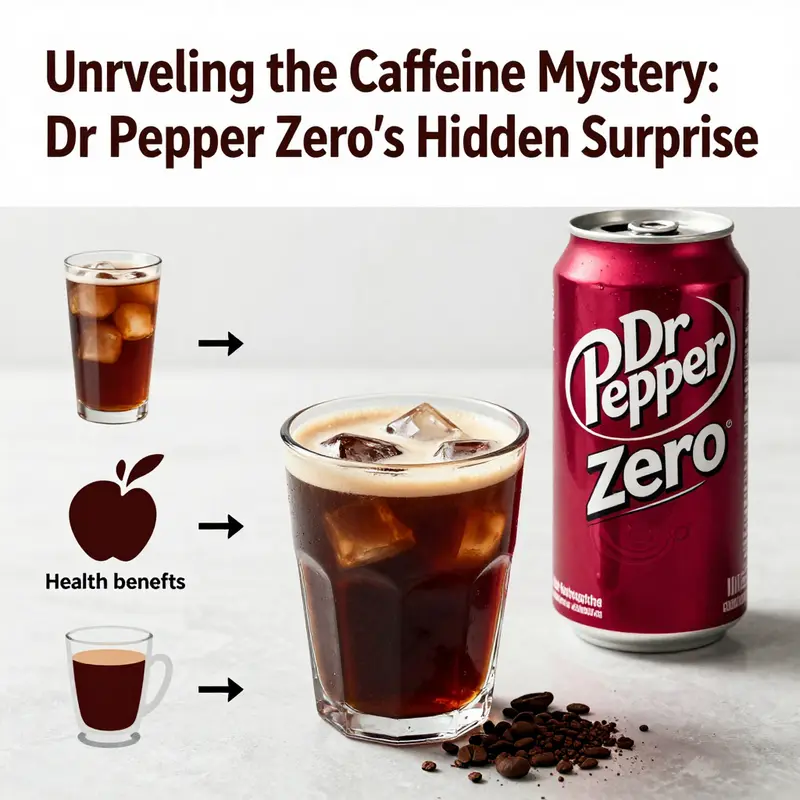
On a shelf of everyday beverages, a familiar can sits beside its sugar-laden siblings. Its label promises zero sugar, yet its caffeine remains unchanged. In the case of the common 12-ounce serving of this zero-sugar cola, the caffeine tally is 41 milligrams. That amount lands in the middle of the spectrum for caffeinated soft drinks and sits well within what many people consider a modest stimulant. It is a clarifying reminder that sugar content and caffeine content do not travel in lockstep; a beverage can be sugar-free and still carry a meaningful amount of caffeine. This distinction matters for anyone tracking daily caffeine intake, whether the aim is to manage energy levels, reduce sugar consumption, or balance commitments to rest and health.
To understand what 41 mg means in the body, it helps to recall how caffeine works. Caffeine blocks adenosine receptors in the brain, which usually promote sleepiness. With adenosine dampened, neurons fire a bit more readily, and alertness can rise. The effect tends to be subtle rather than explosive; most people notice mild wakefulness, quicker reaction times, and a clearer sense of focus. This is why such beverages are popular for a mid-day pick-me-up or a late-mitting energy boost before tasks that require concentration. The stimulant effect is real but not overpowering, and its strength depends on how often, how much, and at what times of the day caffeine is consumed.
Yet the same dose can have different consequences depending on a person’s heart health and sensitivity. For someone with hypertension or a history of arrhythmias, caffeine can transiently raise heart rate and blood pressure. Even when the rise is small, it can become clinically relevant if exposures accumulate or if the person is particularly sensitive. Those managing cardiovascular conditions are advised to monitor total daily caffeine intake and consider how other stimulants—coffee, tea, certain energy beverages, or even chocolate—contribute to the total. This is not a call to eliminate caffeine entirely, but rather a nudge toward mindfulness about how one source fits into the broader cardiovascular picture. When you think of a single can as just a momentary lift, it becomes easier to connect the dots between daily habits, heart rhythm, and the way the body responds to stimulants across the day.
Anxiety disorders and sleep disorders are other contexts where 41 mg can matter. The stimulant properties of caffeine can worsen anxious symptoms in some individuals and delay the onset of sleep when consumed late in the day. The impact depends on the time of day, the amount consumed across the day, and personal tolerance. The arithmetic of daily caffeine intake—one can, several cans, a cup of tea, a piece of chocolate—quickly adds up. For someone who tends to lie awake after dusk, the solution is often to shift caffeine-containing beverages earlier in the day and to be mindful of concurrent sources of caffeinated ingredients. In practice, many people discover that moving caffeine to morning and early afternoon windows supports steadier sleep patterns and better overall daytime function. The goal is not to banish caffeine entirely but to align its timing with sleep needs and daily rhythms, especially on days when rest is precious or the schedule is demanding.
Pregnant individuals face different considerations. The American College of Obstetricians and Gynecologists recommends limiting caffeine intake to less than 200 milligrams per day during pregnancy to reduce potential risks to fetal development. A single 12-ounce can of the zero-sugar cola contributes 41 mg, so several daily servings can push the total beyond that threshold if other caffeine sources are also present. This doesn’t mean one must abandon such beverages entirely, but it does encourage careful tracking of all caffeine receipts—coffee, tea, other soft drinks, energy products, and even certain medications. The practical takeaway is a balanced approach: know your total daily caffeine load, consider your stage of pregnancy, and plan consumption to keep the daily total beneath the recommended ceiling.
Some people simply metabolize caffeine more slowly than others. Genetic differences, liver enzyme activity, and interactions with other medications can alter the speed at which caffeine clears the bloodstream. For heavy caffeine users or those who report jitteriness, headaches, or digestive discomfort after small amounts, the lesson is clear: moderation and listening to the body’s signals. If a single can leaves you restless or anxious, or you find yourself waking up with tremors, it is worth rerouting some beverages into the earlier part of the day or seeking caffeine-free alternatives in the evening. Individual responses can vary widely, so a flexible approach—tailoring intake to personal comfort and sleep quality—often proves the most sustainable path.
Beyond caffeine itself, the zero-sugar category relies on artificial sweeteners to deliver sweetness without sugar. The beverage in question often uses blends such as aspartame and acesulfame potassium, commonly known as Ace-K. These additives have undergone extensive safety evaluations and are approved by regulatory agencies for use within established daily intake levels. The public conversation around artificial sweeteners is nuanced, with some consumers expressing concerns about long-term effects. The contemporary consensus among major health authorities is that, when consumed within recommended limits, these sweeteners are safe for the general population. Nevertheless, people with specific sensitivities, metabolic concerns, or personal preferences may choose to moderate or avoid sweeteners for other reasons. The net effect is that zero-sugar drinks can deliver familiar taste and familiar caffeine without sugar calories, but they bring a different set of considerations regarding sweetener exposure that are worth understanding in context.
Taken together, the caffeine content in a single serving of the zero-sugar option represents a moderate dose, not a high-stakes stimulant. It is the kind of amount that can support alertness during periods of wakefulness without the dramatic spikes associated with larger caffeine loads. The real question for most readers is not whether this beverage is caffeinated but how it fits into a broader pattern of daily caffeine intake. The number to watch is not a single number alone but the sum of all caffeine sources across the day. Coffee, tea, energy drinks, chocolate, and certain medications all contribute. A typical healthy adult may tolerate up to around 400 mg of caffeine per day, but individual responses vary. Within that frame, a 41 mg can acts as a small but nontrivial piece of the total picture, a piece that can matter if someone is trying to reduce caffeine due to sleep concerns, anxiety, or pregnancy restrictions. This perspective helps demystify the common assumption that sugar-free automatically equates to a negligible stimulant effect. It invites readers to view a single can as part of a broader daily budget rather than as an isolated choice.
From a consumer standpoint, the zero-sugar label sometimes leads to a perception that the product is caffeine-free or nutritionally negligible. In reality, the flavor profile and the caffeine content operate independently of sugar content. The flavor remains intense, the finish crisp and refreshing, and the absence of sugar does not equate to a lighter stimulant load. This distinction matters for those who track caffeine for health reasons or for those who are sensitive to stimulants. It also matters for parents who manage their children’s caffeine intake or for people who monitor daily caffeine quotas to avoid headaches or sleep disruption. A clear sense of where a beverage sits on the caffeine spectrum—relative to a day’s total intake—helps individuals tailor their choices to fit health goals without sacrificing enjoyment.
Practical strategies emerge from this understanding. Keep a running tally of caffeine across meals and beverages. Consider rotating in caffeine-free options in the late afternoon or evening. If you enjoy the flavor and the ritual of a cold, fizzy drink, a non-caffeinated version or a different zero-sugar option might offer similar satisfaction without added stimulant load. For those seeking a bright lift in the morning, a cup of coffee—balanced with breakfast and hydration—can be a preferred choice. The goal is not to demonize a single serving but to integrate it into a balanced daily rhythm that supports sleep, mood, and heart health. When planning the day, it helps to map out caffeine sources and to be mindful of timing, especially on days with meetings, deadlines, or late activities that demand steady cognitive function.
Finally, while this discussion centers on caffeine, it intersects with a broader conversation about sugar substitutes and how they shape dietary patterns. The zero-sugar category has grown quickly, offering choices that sweeten without calories, which can be appealing for weight management or metabolic concerns. The safety verdict on artificial sweeteners remains favorable within regulatory guidelines, but the long-term picture continues to be monitored as more data accumulate and consumer use patterns evolve. Readers are encouraged to consult current guidance and to translate general recommendations into personal practice, recognizing that personal tolerance, pregnancy status, cardiovascular health, and anxiety sensitivity all influence how caffeine is experienced and how much sweetness one prefers in a given beverage.
External resource: https://www.fda.gov/food/food-additives-petitions/safety-evaluation-acesulfame-k
Flavor, Focus, and the Zero-Sugar Spark: How Caffeine Shapes Consumer Choices in a Bold, Caffeinated, Zero-Sugar Beverage

In the crowded landscape of diet sodas, a single option has carved a distinctive path by marrying a fearless flavor profile with a no-sugar philosophy and a quiet, dependable caffeine kick. This is not merely a story about sweetness absent from the label; it is a narrative about how a caffeinated, zero-calorie beverage reframes what consumers expect from a drink that is both indulgent and mindful. The core appeal rests on a careful balance: the drink must thrill the palate without packing in calories, while the caffeine must offer a modest lift that can feel like a reliable companion through a workday, a study session, or a late-night project. For many, this combination—sugar-free, calorie-free, and lightly energizing—fits into a broader lifestyle choice. It aligns with people who value flavor complexity alongside a measured, manageable stimulant effect, rather than a heavy dose that might overwhelm the senses or complicate daily routines.
The caffeine content of this zero-calorie option is a central facet of its identity. A standard 12-ounce serving, which equals about 355 milliliters, delivers 41 milligrams of caffeine. That figure places this beverage in a moderate range, similar to many classic soft drinks that people reach for as a familiar pick-me-up rather than a high-octane energy source. The caffeine is not diminished by the absence of sugar or calories; the stimulant presence is part of the product’s design, offering a mild yet noticeable lift that can complement a busy afternoon or late evening when focus is at a premium. Understanding this detail matters for anyone who monitors caffeine intake, whether due to pregnancy considerations, anxiety sensitivity, or a general preference for pacing stimulants across the day. The information is more than factual; it becomes a practical tool for making informed choices about what to drink alongside meals, workouts, or study sessions.
What makes the experience more engaging is the drink’s flavor architecture. Far from aiming for a neutral, indistinguishable profile, this zero-sugar option embraces a bold, layered approach that stands out in a market saturated with light, neutral, or mimicry-focused flavors. The initial impression is a familiar sweetness that quickly gives way to a brighter, tangy note—an unmistakable fruit-forward twist that adds a sense of brightness and edge. In certain variants, this berry-forward punch is even more pronounced, offering a pronounced blackberry-like brightness that dances on the palate before settling into the deep, resonant undertones associated with the famous multi-flavor blend that defines the brand’s character. The result is a sensory journey rather than a simple sweetness experience. It invites a curious drinker to explore how sweetness can evolve into complexity, and how a carbonated format can carry that complexity across the tongue in waves, rather than in a single, flat note.
This kind of flavor design appeals to a subset of consumers who find the standard diet sodas too one‑dimensional. They want an experience that feels craft-like in its layering, a beverage that does more than simply substitute sugar with artificial sweetness. The zero-calorie, zero-sugar equation is crucial here, but it isn’t an end in itself. The display of a confident, assertive taste profile makes the calorie-free promise feel like less of a trade-off and more of a choice that rewards curiosity. And the caffeine adds a second dimension to that experience. It offers a mild energy direction without pushing the drinker into jittery territory or creating a sense of overstimulation. The caffeine acts as a functional facet of the drink’s appeal, supporting daytime productivity or a deliberate pause to reset attention during a long task. In short, flavor and function align in ways that engage both taste-driven and goal-driven consumption patterns.
From a consumer behavior perspective, this alignment matters for the decisions people make about what to drink and when. Health-conscious individuals who monitor calories or carbohydrate intake may rely on zero-calorie beverages to satisfy cravings while keeping macronutrient targets in check. For those managing blood sugar concerns, the absence of sugar can be a nontrivial factor when choosing beverages to accompany meals. The use of non-nutritive sweeteners such as aspartame and acesulfame potassium (Ace-K) delivers sweetness without detectable metabolic impact for many people, which helps sustain the sense that the drink can be enjoyed freely within a broader dietary plan. Yet the same people may also weigh the caffeine content as part of their daily rhythm, particularly if caffeine sensitivity or anxiety is a factor. In that context, the drink offers a middle path: a satisfying sweetness, a robust flavor, and a moderate energy lift without the intensity that can accompany higher-caffeine beverages.
The positioning of caffeine in a zero-sugar beverage is also a reflection of contemporary consumer expectations around “functional” beverages. People don’t just want something refreshing; they want something that supports alertness, focus, or mood stability in appropriate doses. The moderate caffeine content helps position the drink as a lifestyle beverage—something that can be integrated into a routine with minimal disruption. It becomes a kind of portable, on-the-go pick-me-up that can travel well with a person through a busy day or a social gathering where a non-alcoholic option with a little extra spark is desirable. In this sense, caffeine is not a side note; it is a feature that carries practical meaning for people who value both taste and function in equal measure.
The product’s reach is further amplified by how it is packaged and distributed. The broad availability in several formats—compact cans for quick, on-the-go consumption, larger bottles for sharing or extended sessions, and everyday multipacks—makes it easy to tailor consumption to contexts. A 330-milliliter can, the 500-milliliter bottle, and the 2-liter PET option cover a wide range of occasions, from a brief break at the office to a gathering with friends. Packaging is not a trivial detail in this equation; it is a strategic choice that ensures the beverage can slot into varied daily rituals without friction. The result is a product that feels adaptable, rather than territorial or limited to one kind of consumption scenario. The consumer who seeks flavor depth, a zero-sugar experience, and a subtle caffeine assist can choose a format that matches the moment, the mood, and the setting.
Beyond the product itself, the brand narration adds a layer of cultural texture that resonates with certain consumer segments. The voice—often described as unapologetically “weird” and authentic—cultivates an identity that feels distinct in a crowded market. This personality matters because it signals a broader lifestyle orientation: a willingness to embrace quirks, to seek out bold flavor experiments, and to trust a brand that leans into its own eccentric character. For some, this alignment with a unique, almost cult-like identity can be as persuasive as taste or nutritional profile. It creates a sense of belonging, a micro-community of consumers who appreciate flavor depth and a touch of unconventional charm in their everyday beverages. The effect is not merely about preference for taste; it is about engaging with a persona that aligns with personal values, a feeling of affinity that extends to repeat purchases and brand loyalty.
From an information-sharing standpoint, the precise caffeine figure matters in practical terms. The standard 41 milligrams per 12-ounce serving is a fixed reference point that can anchor personal planning. People who limit caffeine intake for pregnancy considerations may choose to track servings carefully, whereas others who enjoy a caffeine boost may factor it into their daily total alongside coffee, tea, or other caffeinated products. The fact that this caffeine level exists in a zero-sugar beverage is a reminder that the stimulant is a property of the drink’s formulation rather than a byproduct of sugar content. In other words, the absence of sugar does not imply a diminished caffeine presence; the two attributes operate independently within the product’s design. This separation allows consumers to evaluate the drink on three distinct axes: flavor depth, calories and sugar content, and caffeine impact. Each axis appeals to different priorities, and the alignment of all three can be compelling for a broad audience.
For readers seeking concrete detail beyond taste, the official product information confirms the caffeine content and nutritional profile, reinforcing the practical takeaway: flavor can be bold, calories can be nil, and caffeine can be present in a moderate, manageable amount. When people ask what a zero-sugar, caffeinated beverage is good for, the answer often involves context. If you’re looking for a refreshment that won’t derail a calorie budget, you’ll find this option fits neatly into many daily routines. If you want a flavor profile that feels substantial and layered, you’ll appreciate the way the drink’s berry-forward notes unfold against the familiar, comforting warmth of the brand’s characteristic blend. If you’re balancing caffeine intake, you’ll find the 41 mg per 12-ounce window to be a reliable, predictable piece of your total daily caffeine plan rather than a spike that demands retreat or retreat from activities. In short, the product’s design targets a spectrum of consumer motivations—from taste enthusiasts to health-conscious shoppers to caffeine-aware individuals—without forcing them into a single, narrow path.
The broader cultural and dietary currents surrounding zero-calorie beverages also help explain why this category remains appealing. Many consumers are reassessing how to satisfy cravings without compromising dietary aims. Sugar reduction has moved from a niche concern to a mainstream habit, supported by a growing array of zero-calorie options and a more nuanced understanding of artificial sweeteners. In this context, caffeine becomes a practical additive rather than a policy complication. People who want a crisp, satisfying drink without sugar may welcome the combination of a bold flavor and a measured caffeine lift. It’s not just about cutting calories; it’s about shaping a consumption habit that fits with a lifestyle oriented toward mindful balance, flavor discovery, and personal performance.
This narrative is not a simple endorsement of any one beverage; it is an invitation to consider how a single product can illustrate broader principles of consumer choice. Flavor direction, nutritional state, stimulant content, and brand persona interact in a way that helps explain why some beverages succeed in carving out a durable niche. The decision to pursue a zero-sugar, caffeinated option signals broader preferences: a willingness to experiment with taste, a careful attention to how caffeine fits with daily rhythms, and a readiness to embrace a product that offers both flavor complexity and functional potential. It is this combination—flavor drama paired with a practical caffeine profile and a strong, distinctive brand voice—that can help explain why some consumers gravitate toward this kind of beverage, why they may choose it repeatedly, and how it can fit into a diverse set of routines without demanding drastic changes to daily patterns.
For readers who want a more precise technical reference, a quick look at the caffeine and nutrition facts provided by the manufacturer offers a clear anchor. The figure of 41 milligrams per 12-ounce serving is not a mystical claim; it is a documented measure that can guide daily planning, particularly for individuals who monitor caffeine thresholds for health or personal reasons. This information becomes a practical tool—someone can simply count servings and estimate total daily caffeine intake, aligning it with their goals for alertness, sleep, or anxiety management. Understanding the exact caffeine level helps transform a beverage choice into informed daily habit, rather than an impulsive grab. The broader takeaway is straightforward: a zero-sugar beverage can deliver a nuanced sensory experience and a functional caffeine boost without adding sugar or calories, thus offering a distinct value proposition within contemporary dietary choices.
In considering how this beverage fits into the larger ecosystem of caffeinated drinks, it is useful to reflect on how such products interact with other daily rituals. Some consumers turn to coffee for a robust caffeine hit and a familiar, roasted aroma; others opt for energy drinks or tea for specific functional promises. In this landscape, a zero-sugar, moderately caffeinated option provides a middle ground: the ability to enjoy sweetness and a complex flavor without calories, while still receiving a measurable stimulant effect that supports focus and momentum. The choice is rarely about replacing one beverage with another; it is about expanding the repertoire of acceptable, enjoyable options that contribute to a balanced day. In this sense, the chapter on consumer choices becomes a study of how individuals curate their beverage environments—selecting what to drink based on taste, nutritional goals, and the moment’s demand for a little extra focus.
To connect this discussion to practical topics readers often explore, consider the question of how much caffeine is appropriate for different moments. The answer is not one-size-fits-all; it depends on personal sensitivity, daily caffeine load from all sources, and the stage of life. For someone who wants a light lift during a late-afternoon slump, a 12-ounce serving with 41 milligrams of caffeine can be enough to refresh attention without provoking jitters. For others who prefer a milder effect or who are more sensitive to stimulants, this same serving could feel more noticeable. The point is not to prescribe a universal standard, but to acknowledge that a product with a defined caffeine content can be a predictable component of a broader caffeine strategy. With this understanding, readers can design a beverage plan that preserves flavor satisfaction while respecting health considerations.
As the narrative of flavor and caffeine unfolds, a question often arises about the sustainability and appeal of a zero-sugar, caffeinated option in a market that continually experiments with new formats and flavors. The answer lies in the combination of taste integrity, functional value, and cultural resonance. When a drink offers a bold, multi-layered flavor that can be enjoyed in everyday life, it becomes more than a temporary curiosity; it becomes a dependable choice for people who want the thrill of discovery without making sacrifices to their dietary commitments. The caffeine component, stable and moderate, reinforces this stability by providing a recognizable energy signal rather than an unpredictable spike. In this way, the beverage occupies a stable, reliable niche that can endure changing consumer moods and evolving dietary norms.
For readers who seek further details beyond flavor, the practical implications are clear. The caffeine content supports a modest energy contribution, while the zero-sugar formulation aligns with calorie-conscious goals. The blend of artificial sweeteners supplies sweetness without metabolic impact, and the packaging options ensure flexibility of use in various contexts. All these elements come together to shape a consumer experience that is both satisfying and manageable. In the end, the beverage’s appeal rests on a delicate balance: an assertive taste that feels rewarding, a caffeine level that respects daily rhythms, and a sugar-free, calorie-free framework that supports diverse lifestyle choices. It is this balance that helps explain consumer choices and preferences for a zero-sugar, caffeinated option in a world where the sweet temptation remains constant, yet the metrics of health, weight, and energy must be navigated thoughtfully.
For readers who want to explore more about the caffeine content and related nutritional details of this beverage, a quick reference is available here: how-much-caffeine-in-dr-pepper-zero.
External reference to official product data: https://www.drpepper.com/dr-pepper-zero
Final thoughts
As we have explored, Dr Pepper Zero presents a moderate caffeine content that can influence consumer choices. For business owners, understanding these nuances is crucial for effective marketing and ensuring that product offerings align with consumer needs. Being transparent about caffeine content and its health implications fosters trust and can guide consumers towards making informed choices. Ultimately, this knowledge empowers business owners to tailor their strategies in ways that resonate with health-conscious consumers while enhancing their product lineup.