

Unlocking the Power of Coffee for Business Success
Coffee is more than just a beverage; it’s a global phenomenon that fuels the daily grind of millions, from bustling offices in New York to cozy cafes in Paris. With over 1,062 million 60-kilogram bags of coffee consumed worldwide in 2023-a 2.2% increase from the previous year-it’s clear that coffee plays a critical role in our culture and economy. For business owners, understanding the intricacies of coffee consumption can directly impact productivity and employee satisfaction.
One key concept in this dialogue is the half-life of caffeine, which is the time it takes for half of the caffeine consumed to be processed by the body, averaging around 4 to 6 hours. This has profound implications for workplace performance. Caffeine boosts alertness and concentration, but its lingering effects can also disrupt focus if consumed too late in the day. Thus, strategic timing of coffee breaks can optimize productivity and ensure that employees remain on their game, highlighting the importance of mindful caffeine consumption. For more insights on the impact of coffee on life and productivity, learn more here.
Understanding Coffee Half-Life
The term coffee half-life refers to the time it takes for half of the caffeine consumed from coffee to be eliminated from your body. For most healthy adults, the average half-life of caffeine is approximately 4 to 5 hours; however, it can vary between 3 to 7 hours depending on individual factors such as age, liver function, and lifestyle choices like smoking or pregnancy. In practical terms, this means that if you drink a cup of coffee containing 200 mg of caffeine, about 100 mg will still be active in your system after 4 to 5 hours.
Implications for Energy Levels and Productivity
The half-life of caffeine has direct implications for energy levels and productivity, particularly for business owners juggling multiple tasks.
-
Timing is Key: Consuming caffeine, especially in the afternoon, can interfere with sleep quality, as residual caffeine can remain active, potentially delaying bedtime. To avoid interruptions in your sleep, it’s advisable to limit caffeine intake to the morning or early afternoon hours. Research suggests avoiding caffeine at least 6 to 8 hours before sleep to maximize rest and recovery.
-
Boosting Focus and Alertness: When consumed in the right window, caffeine significantly enhances cognitive performance and alertness. It’s at its peak effectiveness about 15 to 45 minutes after consumption, making it an excellent tool for maintaining productivity during crucial work hours.
-
Managing Overconsumption: Regular, strategic caffeine consumption can provide sustained energy throughout the day. However, if you find yourself relying on caffeine to stay awake, it may indicate underlying fatigue or insufficient sleep, impacting your long-term productivity.
For those looking to optimize their daily performance, understanding your body’s reaction to caffeine is crucial. Learn more about balancing coffee consumption to support your productivity and business success!
Factors Affecting Caffeine Half-Life
Understanding the factors that influence the half-life of caffeine is essential for business owners who rely on coffee for productivity and energy. The following elements play a significant role in how quickly caffeine is metabolized in the body:
- Age: Younger adults metabolize caffeine faster than older adults, while infants can have a much longer half-life (up to 140 hours).
- Metabolism: Individual metabolic rates can vary significantly; those with higher metabolic rates eliminate caffeine more quickly.
- Health Conditions: Conditions like liver disease can increase the half-life to 9-10 hours, while healthy individuals typically see about 5 hours.
- Pregnancy: Pregnant women may experience a significantly prolonged half-life, averaging around 15 hours.
- Medication Interactions: Certain medications, such as oral contraceptives and some antidepressants, can slow caffeine clearance, leading to longer half-lives.
- Smoking: Smokers tend to metabolize caffeine faster, with a half-life as short as 3-4 hours.
For more insights into how to optimize your coffee intake for energy, learn more about coffee’s impact on productivity.
Explore further about various coffee types to boost your business meetings, check this guide.
| Coffee Type | Serving Size | Caffeine Content (mg) |
|---|---|---|
| Espresso | 30 mL | 122 |
| Drip Coffee | 120 mL | 89 |
| Cold Brew | 120 mL | 150 |
| French Press | 120 mL | 62 |
| Moka Pot | 40 mL | 51 |
Data sources: USDA FoodData Central, National Coffee Association (NCA), and various peer-reviewed studies on coffee caffeine content (2023-2024).
Caffeine’s Impact on Productivity
Caffeine is one of the most commonly consumed psychoactive substances in the world, known primarily for its stimulating effects that can enhance productivity. For business owners managing hectic schedules, understanding the impact of caffeine is crucial not only for personal productivity but also for fostering an environment conducive to focus and efficiency among employees.
Positive Effects of Caffeine on Productivity
Research consistently shows that caffeine can significantly boost cognitive functions, including attention, alertness, and processing speed. A comprehensive review from the European Food Safety Authority (EFSA) states that moderate caffeine consumption-around 400 milligrams per day (approximately four cups of coffee)-is safe for most healthy adults and can enhance cognitive performance.
- Enhanced Alertness: Caffeine blocks adenosine receptors in the brain, which promotes wakefulness and increased alertness. This effect can help employees stay focused on tasks, especially in the post-lunch slump when energy levels typically dip.
- Improved Reaction Time: According to a 2024 study published in Healthline, caffeine consumption correlates with quicker reaction times and better task performance, making it a valuable tool for managing urgent responsibilities.
- Positive Mood: A 2025 study also highlighted that caffeine intake is associated with a significant uplift in positive emotions, which can lead to enhanced morale and motivation at work.
Negative Effects of Caffeine
Despite its benefits, excessive caffeine intake can lead to several drawbacks:
- Anxiety and Jitters: High doses can cause anxiety, restlessness, and even interfere with sleep patterns, which are counterproductive to productivity.
- Dependency and Tolerance: Regular users may develop a tolerance, requiring higher doses for the same stimulating effects, which might lead to increased consumption over time. This can strain both physical and mental health.
Business owners should consider these factors when integrating caffeine into their work routines and encourage mindful consumption among employees. Balancing caffeine intake can improve overall productivity and workplace atmosphere.
For further insights on achieving a balanced caffeinated lifestyle, visit Coffee Rich Life.
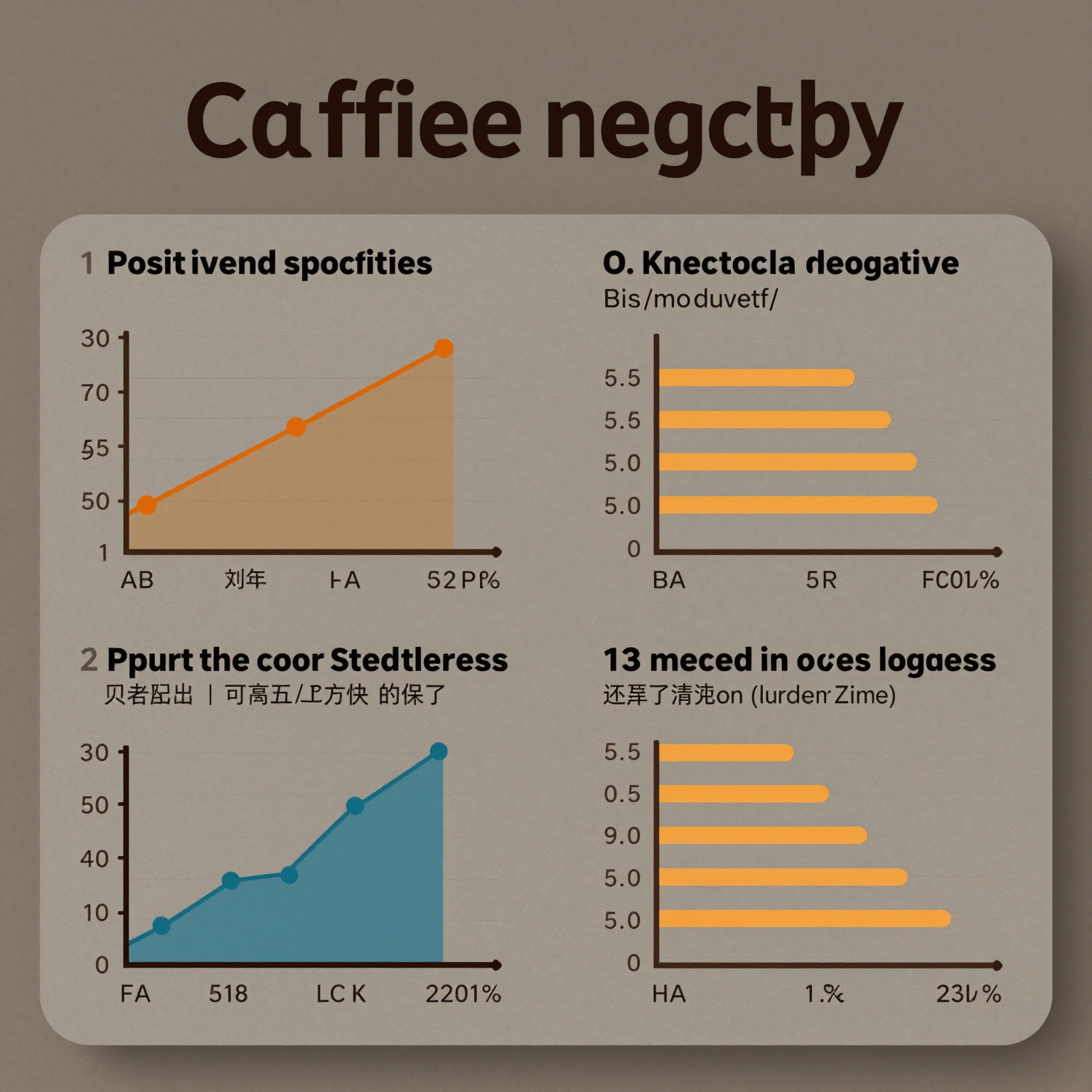
Caffeine tolerance is a well-documented phenomenon that impacts how individuals perceive and consume coffee regularly. Research indicates that prolonged caffeine consumption leads to a reduced sensitivity to its effects, often requiring consumers to increase their intake to achieve the initial stimulating benefits. This shift in tolerance can significantly influence daily coffee consumption patterns, particularly for business owners who rely on caffeine to maintain productivity.
Key Findings from Research on Caffeine Tolerance
- Mechanisms of Tolerance Development:
- A study published in ScienceDirect found that chronic caffeine exposure in rats leads to tolerance to its stimulatory effects. The research illustrated a rightward shift in the dose-response curve for spontaneous locomotor activity, which means that higher doses of caffeine are needed to elicit the same level of activity as before. This is attributed to an up-regulation of adenosine receptors in the brain, indicating a fundamental physiological adaptation to caffeine (source: ScienceDirect).
- Impact on Central Nervous System Effects:
- Another study highlighted in PubMed Central confirms that areas such as alertness and physiological responses (like heart rate and blood pressure) experience significant tolerance development over time. While initial coffee consumption can boost energy and focus, habitual users often find these effects diminishing as their bodies adapt (source: PubMed Central).
- Coffee Crashes and Dependence:
- An article from Healthline elaborates on the cycle of caffeine crashes. Regular consumers who build tolerance to caffeine may experience heightened feelings of fatigue and cognitive fog once the caffeine wears off. This phenomenon often compels them to consume coffee more frequently throughout the day to maintain energy levels, leading to increased daily intake (source: Healthline).
Effects on Coffee Consumption Patterns for Business Owners
For business owners, understanding caffeine tolerance is critical for maintaining optimal productivity. The following points elucidate how this knowledge may affect daily coffee consumption strategies:
-
Adjusting Serving Sizes: Business owners may notice that employees require larger servings or additional cups of coffee to achieve desired alertness. This could lead to increased coffee orders and cost implications.
-
Implementing Alternative Options: Considering the potential for tolerance development, introducing varieties, such as decaf or herbal options, might cater to employees whose caffeine sensitivities have changed.
-
Promotion of Breaks: Encouraging breaks that involve caffeine consumption can prevent employees from reaching fatigue during work hours. Recognizing the cycle of tolerance can aid in structuring work routines that enhance productivity.
In conclusion, as caffeine tolerance develops, it reshapes consumption patterns, which ultimately influences business operations. Knowledge about how tolerance affects employees can guide coffee offerings and foster a more productive workplace environment. Businesses might also explore more about caffeine options to provide a balanced approach, tackling energy boosts without overwhelming employees’ systems.
For further insights into the world of coffee, visit Coffee Rich Life.

Best Practices for Coffee Consumption to Maintain Productivity
As business owners, staying productive throughout the day is essential. Proper coffee consumption can significantly contribute to achieving this goal. Here are some best practices to consider:
1. Optimal Timing for Coffee Intake
- The best times to consume coffee are generally between 9:30 AM and 11:30 AM, and again between 1:00 PM and 3:00 PM. This timing aligns with natural fluctuations in cortisol levels, which regulate alertness. Avoid drinking coffee right after waking up and late in the afternoon to minimize sleep disruption. Learn more about coffee timing.
2. Recommended Daily Limits
- Health guidelines recommend that healthy adults limit their caffeine intake to 400 mg per day, roughly equivalent to 4 cups of brewed coffee. For certain individuals, such as pregnant women or those with specific health conditions, it’s advised to lower this intake to 200 mg or less. Read more on daily caffeine limits.
3. Stay Hydrated
- Coffee can have a mild diuretic effect, making hydration essential. For every cup of coffee consumed, it’s beneficial to drink at least one glass of water afterward to compensate for potential dehydration. This practice promotes overall health and maintains energy levels throughout the day.
4. Mind Your Coffee Type
- Opt for low-sugar or black coffee options to avoid energy crashes. Drinking black coffee or variations with minimal additives helps keep caloric intake low while still enjoying the cognitive benefits of caffeine.
5. Pair Coffee with a Balanced Diet
- To maximize coffee benefits, complement it with a balanced diet rich in whole grains, fruits, and proteins. Consuming coffee alongside healthy meals can enhance satiety and prolong energy levels.
By practicing these strategies, business owners can effectively harness the benefits of coffee while maintaining optimal productivity. Remember, moderation and timing are key!
“Caffeine helps employees maintain focus and improve cognitive performance by blocking adenosine receptors, according to a study by Harvard Business School. A moderate intake of caffeine (about 200 mg) can significantly enhance work output and decision quality in tasks requiring high concentration, while also reducing the error rate caused by fatigue. Incorporating caffeine consumption as a strategy for efficient daily work is advised by experts.”
- Harvard Business Review, Brewing Productivity: Coffee’s Role in Enhancing Workplace Performance
Managing caffeine consumption is vital for business owners seeking to optimize productivity and maintain overall well-being. As we’ve explored, caffeine, particularly from coffee, can enhance focus, decision-making, and creativity-attributes essential for effective leadership. Studies have shown that moderate caffeine intake, recommended at around 200-400 mg daily, can boost cognitive function and improve work performance. However, excessive consumption can lead to anxiety, disrupted sleep, and even burnout-detriments to both personal health and professional success (Harvard Business Review).
The balance lies in understanding your own limits and strategically managing your caffeine intake. Incorporating breaks and alternates is crucial. For instance, certain successful entrepreneurs have benefited from scheduling “coffee-free” days, allowing for mental clarity without the jitters associated with over-dependence on caffeine (Inc. Magazine).
In conclusion, a mindful approach to caffeine consumption not only elevates productivity but also contributes to a healthier work environment. If you’re looking to energize your office culture, consider adding a variety of refreshments. Why not explore the concept of pizza trucks for your next corporate event? Not only do they offer delicious food, but they create a casual setting for team bonding, promoting collaboration and creativity in an enjoyable atmosphere. Enhance your workplace dynamics today!
Learn more about coffee’s benefits and how you can foster a thriving work environment. Make a smart choice for your health and productivity-your business will thank you!