
Understanding the caffeine content in beverages like Dr Pepper is essential for business owners, especially in the beverage industry. The caffeine content influences consumer choices, impacts branding, and affects health guidelines. This article will thoroughly explore the caffeine levels in Dr Pepper, providing a clear overview of its impact relative to other beverages, and highlight essential health guidelines for daily caffeine consumption. Each chapter aims to equip you with necessary insights, empowering informed decisions in your business operations.
The Quiet Jolt: Demystifying How Much Caffeine Lingers in Dr Pepper and What It Means for Your Day
Caffeine has become a quietly essential ingredient in how many of us pace our days. It isn’t about a dramatic, all-at-once rush; it’s the steady, reliable nudge that helps push a late-mafternoon meeting toward completion or a long drive toward home without losing focus. When you reach for a can of Dr Pepper, you’re not just sipping a flavorful cherry-tinged beverage; you’re taking in a small, measured dose of caffeine that sits in a middle ground that many readers come to trust. The standard 12-fluid-ounce (355 mL) can contains approximately 41 to 42 milligrams of caffeine. This figure holds steady across the regular, diet, and zero-sugar variants, a consistency that matters for anyone tracking intake across a day or across days. It’s not a ton by coffee standards, and it isn’t a negligible amount either. It’s a line drawn in the sand between a casual lift and a full-blown stimulant effect, a line that makes Dr Pepper an appealing option for those seeking a gentle energy boost without the jittery edge some experience after a larger caffeine hit. The beauty of this range is its predictability; it invites a simple calculus: you know roughly what you’re getting per can, and that clarity can help you plan your consumption in a way that aligns with your tolerance, your schedule, and your goals for staying alert without compromising sleep later in the day.
For anyone who leans on larger servings to push through a workload or a long drive, the numbers scale up in a predictable way. A 20-ounce bottle, which is a common on-the-go size, contains around 68 milligrams of caffeine, a sum that still sits well within the “moderate” category. This scaling matters for people who stock up at the vending machine, grab a bottle in the morning, or rely on a larger option for a midday recharge. The arithmetic is straightforward: the caffeine per serving stays consistent as the can size changes, which means you can estimate your daily totals with a few quick multiplications. This predictability helps when you’re balancing caffeine with other sources—coffee, tea, energy drinks, or even decaf beverages in the mix. The broader takeaway is that Dr Pepper’s caffeine content is moderate enough to keep most people awake and attentive without driving them into an over-stimulated state, yet energetic enough to be worth choosing during a lull in the day. It’s a design that seems to acknowledge the pace of modern life: not too intense, not too reserved, and always a familiar option when a little lift is welcome.
It’s also worth noting that Dr Pepper’s caffeine level is higher than that found in many non-caffeinated soft drinks, yet it remains substantially lower than what a typical cup of coffee delivers. Coffee, widely variable in strength, commonly ranges from roughly 95 to 200 milligrams per 8-ounce serving, depending on brew method, bean type, and personal roast preference. Energy drinks—and some specialty caffeinated beverages—tend to push the upper limits well beyond coffee, sometimes into three-digit caffeine territory per serving. In this landscape, Dr Pepper’s placement—roughly 41–42 mg per 12 oz—offers a measured option for those who want a lift without taking on an intense caffeine load. This positioning matters for people who must calibrate caffeine across the day: a single can can provide a modest uplift that complements a cup of coffee in the morning or a later afternoon tea, rather than competing with a morning sprint of stronger caffeine sources.
What does this mean for daily habits? It means there’s room for nuance. If your day includes meetings, a classroom session, or a long drive, the caffeine from a can of Dr Pepper can help maintain focus and mood without triggering the kind of rapid heart rate or intense jitters that can accompany higher caffeine doses. The flavor itself—bright, spicy, and unmistakably Dr Pepper—adds a sensory cue that reinforces the mild lift, turning a routine beverage into a small ritual that signals a moment of break and movement. For those who prefer a consistent intake pattern, the regular and zero-sugar variants provide the same caffeine baseline, so you can switch between sweetened and sugar-free options without worrying about a fluctuating stimulant profile. This consistency, in turn, supports daily planning: you can alternate beverages based on dietary goals or sugar intake while keeping your caffeine budget stable.
In practical terms, the per-cannister math becomes a useful tool. If you’ve limited your caffeine to a specific daily target—say, a typical guideline around 400 milligrams for healthy adults—you can chart your Dr Pepper consumption with confidence. Forty milligrams per 12-ounce can means that ten such cans would push your intake toward the upper end of that limit, while two or three cans would keep you comfortably within a moderate range while still allowing room for other caffeine sources. It’s a reminder that caffeine isn’t just about the number on a label; it’s about the cumulative effect across beverages, meals, and even the timing of consumption. The same logic applies to social and professional contexts: a can during a midafternoon slump can rejoin you with stable attention, while avoiding the jittery aftermath that sometimes follows a high-dose caffeine session.
When we consider the broader ecosystem of caffeinated drinks, the moderate caffeine content of Dr Pepper helps explain why it remains a popular, everyday choice. It isn’t a high-caffeine product designed to disrupt sleep or provoke immediate, intense stimulation; rather, it’s built for consistency and daytime usability. For many, a can in the late afternoon offers a comfortable transition away from the workday toward the evening, a ritual that can feel almost like a nonverbal cue to slow down a notch, refocus, and carry on. The caffeine acts as a facilitator rather than a flame, sustaining a steady pace rather than fueling a sprint. This aligns with how many people experience caffeine in their daily rhythms: a steady partner rather than a dramatic spark.
If you’re curious about the specifics of Dr Pepper Zero or other sugar-free variants, the brand’s official resources emphasize that the caffeine content remains in the same ballpark across flavors. That means you can weigh flavor, sweetness, and dietary goals without having to recalculate caffeine exposure every time you switch between regular and zero-sugar bottles or cans. It’s a small but meaningful clarity for anyone who aims to keep a handle on caffeine while navigating a busy day. For readers who want to drill down further into the exact caffeine specifics and see how these numbers play out in different packaging formats, there is a helpful resource that highlights the exact figures and confirms the consistency across formulations. How much caffeine in Dr Pepper Zero? offers a concise, focused look at that exact question, and it’s worth a quick check if you’re monitoring caffeine levels with tight precision in mind.
In the broader conversation about caffeine consumption, it’s important to recognize that individual responses to caffeine vary widely. Some people metabolize caffeine quickly and can enjoy multiple servings without noticeable sleep disruption. Others are more sensitive and may feel anxious or jittery with even modest amounts. Personal tolerance, body weight, age, and overall health all shape how caffeine lands in the body, how long it lasts, and how easily it is cleared. The same 41–42 mg per can may feel entirely different from person to person, which is why practical guidance emphasizes listening to your own body as much as relying on the numbers on a label. The numbers provide a reliable baseline, but the experience—the balance of alertness, mood, and sleep quality—behaves in its own, nuanced way for each individual.
For those who want to situate Dr Pepper within a broader caffeine plan, the comparison with other popular beverages is illuminating. A typical 12-ounce cola, well-known for its caffeine content, generally contains around 34 mg per 12 oz. That makes Dr Pepper somewhat higher in caffeine than the average cola. It’s a subtle but meaningful distinction for those who count every milligram or for those who rely on a strict daily limit. The contrast with coffee is probably the most striking: even a small cup can deliver more than twice the caffeine of a 12-ounce Dr Pepper, and a larger coffee serving can deliver an amount that dwarfs the entire day’s Dr Pepper intake for many people. This isn’t a moral judgment about one beverage or another; it’s a practical differentiation to help readers manage their caffeine exposure in a way that suits their personal health goals and daily schedules.
The practical takeaway for most readers is straightforward. If you want a moderate, daytime-friendly option, a 12-ounce can of Dr Pepper delivers a predictable caffeine boost that can help you stay alert without taking a sizable leap into high-dose territory. If your day requires a larger lift or you’re contemplating multiple caffeinated beverages, plan thoughtfully: factor in all sources, consider the timing relative to sleep, and allow for individual sensitivity. If you’re navigating this with a specific goal—sleep quality, anxiety management, or dietary constraints—the numbers provide a foundation, but your lived experience is the final guide. And when in doubt, you can always explore the internal option that preserves caffeine content while aligning with dietary preferences, now backed by the accessible reference that clarifies the caffeine profile across Dr Pepper’s line.
For those who want to learn more about how a single product’s caffeine content aligns with broader dietary decisions, a reliable internal resource can help—readers who want to trace the caffeine footprint from a specific flavor to a sugar-free variant can follow a clear, dedicated explainer about Dr Pepper Zero’s caffeine content. How much caffeine in Dr Pepper Zero? offers a focused look at that exact question and is designed to be a quick, precise reference for readers who want to compare formulations without losing the thread of the larger discussion about caffeine in popular sodas. This approach keeps the discussion grounded in real numbers while inviting readers to explore related questions, such as how different beverages stack up when you’re calculating caffeine intake across a busy day.
Ultimately, the caffeine story in Dr Pepper is one of accessible moderation. It’s the beverage equivalent of a steady, friendly nudge rather than a sudden burst, a cue that tells your brain to stay engaged without overwhelming your system. It sits comfortably within the daily rhythms of many people—enough to be useful, but not so much that it interrupts rest later on. As readers move from one chapter to the next in the article, they’ll carry with them a clearer sense of how small variations in caffeine content—whether from a can or a bottle, whether regular or zero-sugar—fit into a bigger picture of energy management, daily routines, and well-being. The numbers matter, yes, but the lived experience—the way caffeine interacts with sleep, posture, and productivity—ultimately shapes how and when Dr Pepper becomes part of a mindful caffeine plan.
If you’re exploring this topic further and want a quick, practical reference to the question of Dr Pepper’s caffeine in a single, readable place, consider the linked resource about caffeine content in Dr Pepper Zero. It provides a concise comparison for readers who want to track caffeine across flavors and formulations with minimal effort, while keeping the broader context intact. And for readers who seek an official, regulatory-aligned confirmation of these figures, an external reference from the manufacturer’s site offers the authoritative baseline you can trust as you navigate daily caffeine choices. The dialogue between the numbers on the page and the experiences in daily life is what ultimately helps you craft a sustainable approach to caffeine—one that supports alertness when you need it and peaceful rest when you don’t.
External reference for further verification: https://www.drpepper.com/caffeine-content/
Internal resource for readers curious about Dr Pepper Zero: How much caffeine in Dr Pepper Zero?
The Gentle Buzz in a Classic Can: Placing Dr Pepper’s Caffeine in the Beverage Landscape
The act of pouring a Dr Pepper into a chilled glass is more than a ritual; it is a small encounter with chemistry, culture, and the precise measurement of a compound that quietly influences how we experience the moment. In the jam-packed world of caffeinated beverages, the caffeine content of a single serving can become a deciding factor in how people pace their day, whether they reach for a quick lift between meetings or simply savor a familiar, comforting flavor as afternoon wears on. For Dr Pepper, the caffeine figure of 41 mg per 12-ounce can is not a headline-grabbing surge but a steady, reliable nudge that complements its distinctive flavor profile. This is a beverage that has built a following not on the most intense caffeine experience but on a balanced, approachable profile that pairs well with the drink’s goal of offering a gentle energy lift without the jolt associated with high-octane energy products. The result is a product that feels at once nostalgic and practical, a small but enduring part of daily life for many who want a familiar taste with a modest caffeine backbone.
To understand how a standard serving size matters, consider the arithmetic that sits behind the label. A typical 12-fluid ounce can of Dr Pepper contains 41 mg of caffeine. This figure remains consistent across both the regular and zero-sugar variants, which means that choosing the sugar-free option for those monitoring calories or sugar intake does not alter the caffeine payload per can. When you scale up to larger containers, the caffeine content rises, but it does so in a predictable way. A 20-ounce bottle, for instance, carries about 68 mg of caffeine. That translates to roughly 3.4 mg of caffeine per ounce, a rate that keeps the lift modest yet noticeable for a prolonged stretch of the day. The numbers matter because they anchor expectations: you can plan a midafternoon break around a known caffeine level without worrying about a sudden, unpredictable spike. In this sense, the drink functions not as an energizing shock but as a calibrated pick-me-up that allows taste and mood to move through the afternoon with a steadier rhythm.
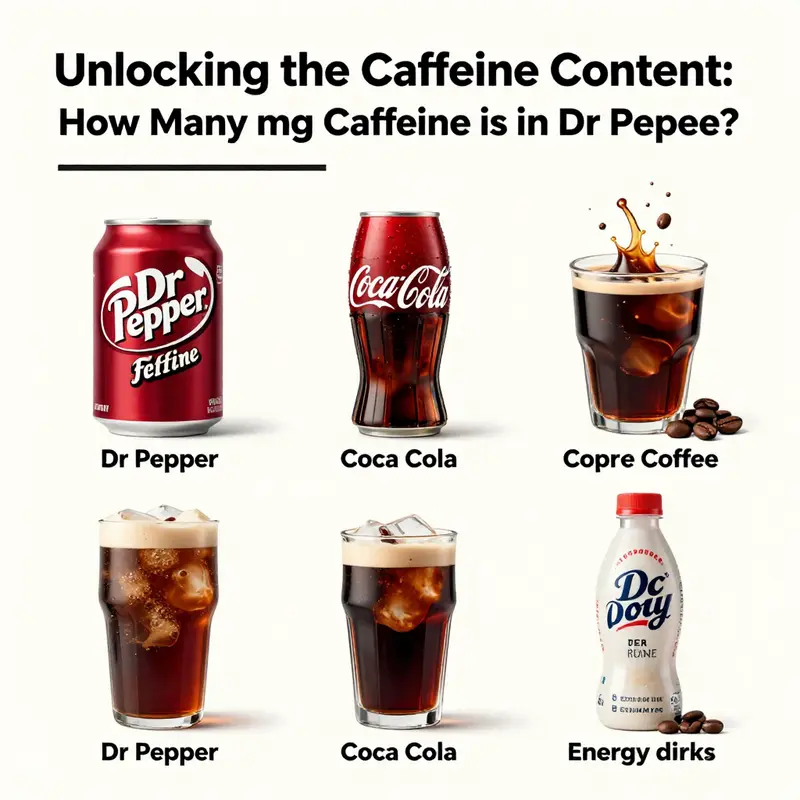
The place Dr Pepper occupies in the broader caffeine landscape becomes clearer when you stack its numbers against other popular beverages. The comparison is not simply about who has more caffeine; it is about how a drink negotiates flavor, energy, and daily routine. Coke fans, for example, encounter roughly 34 mg of caffeine per 12-ounce can, a touch below Dr Pepper’s 41 mg. That difference might seem small, but in the moment of decision, it can influence which option feels more satisfying as a steady companion during a quiet afternoon or a quick pickup during a long drive. Pepsi sits a hair higher at about 38 mg per 12-ounce can, which places it close to Dr Pepper in terms of caffeine, yet the two beverages diverge in flavor profile and aftertaste, shaping the overall experience beyond the caffeine tally. These micro-differences matter when a consumer is weighing not just energy needs but the sensory map of what they want from a drink in a given moment.
Beyond the realm of cola-style sodas, the caffeine barometer widens further. High-caffeine energy drinks present a far richer caffeine payload: an 8.4-ounce can of Red Bull contains about 80 mg, and a 16-ounce can of Monster Energy clocks in around 160 mg. The gulf between Dr Pepper and these products is not merely a number on a label; it is a difference in the pacing of the lift, the degree of stimulation, and the potential impact on focus and heart rate if consumed in conjunction with other stimulants or late-in-the-day caffeine sources. In the world of coffee, brewed coffee typically delivers a broader range, roughly 95 to 200 mg per 8 ounces, depending on roast, grind, and brewing method. A cup at the lower end might yield a gentler wake-up, while a strong cup can supply a robust, lingering boost. Green tea, by comparison, generally contains about 20 to 45 mg per 8-ounce serving, offering a softer, more sustained uplift that intersects with hydration and ritual rather than with a rapid caffeine-driven spike.
There is a practical takeaway in these comparisons: Dr Pepper’s caffeine is enough to create a noticeable, but not overwhelming, lift. It helps explain why the drink maintains its popularity across different age groups and lifestyles. It acts as a gentle stimulant that can contribute to mood elevation and improved alertness without forcing the user into a heightened state of arousal. For many, this aligns with the drink’s core identity as a casual, everyday option rather than an energy-centric product. In other words, Dr Pepper offers a mild stimulant that complements its complex flavor, rather than competing with the intensity of energy drinks or the long-lasting caffeine cadence of coffee.
The experience of caffeine in Dr Pepper is also closely linked to the sensory profile that defines the beverage. Caffeine has an intrinsic bitterness, a note that can amplify the perception of bitterness in the drink’s palate and help balance its sweetness. This balancing act between sweetness and bitterness is a hallmark of Dr Pepper’s distinctive blend, which has historically relied on an intricate mix of spices and fruit-like notes to create a nuanced, long-lasting finish. The caffeine content contributes to this balance by enhancing a subtle bitterness that prevents the drink from tipping too far toward cloying sweetness, especially in a product with a relatively high level of flavor complexity for a soda. In practice, this means that the presence of 41 mg of caffeine per 12-ounce serving is not just a numeric datum but a functional component of how the beverage tastes and refreshes over time.
From a safety and practical consumption standpoint, the caffeine figures for Dr Pepper align with widely accepted daily guidelines. For most healthy adults, a daily intake of up to about 400 mg of caffeine is considered safe. This threshold supports a lifestyle that includes coffee, tea, and occasional caffeinated sodas like Dr Pepper without pushing the total into uncomfortable territory. The neat thing about the 41 mg per can figure is that it introduces a predictable, manageable dose that can be integrated into everyday routines without requiring elaborate planning or constant calculation. If a person enjoys Dr Pepper as a midday treat, the 12-ounce can fits neatly into a pattern of moderate caffeine exposure that can be balanced with water, meals, or other beverages to maintain overall hydration and well-being. Of course, sensitivity to caffeine varies from person to person, and the advice to begin with caution remains prudent for individuals who are younger, pregnant, or particularly caffeine-sensitive.
A note worth lifting here concerns product formulation and consistency. In the market, questions often arise about whether zero-sugar versions or smaller or larger package sizes affect caffeine content. The reliable answer, supported by official disclosures, is that the caffeine per 12-ounce serving remains constant across regular and zero-sugar formulations. That constancy is a comfort for consumers who track caffeine intake for health, performance, or daily routines. When you move to different container sizes, you simply scale accordingly. A 20-ounce bottle with about 68 mg of caffeine offers the same contextual lift as its smaller counterpart but extended over a longer drinking session. This predictable scaling is part of why Dr Pepper remains a dependable option for a broad audience who values both taste and consistency in their everyday beverages. If curiosity drives you toward the zero-sugar variant and you want to see how the caffeine stacks up there, a quick reference point is provided by dedicated resources that explain how much caffeine in Dr Pepper Zero, ensuring you can make apples-to-apples comparisons without guesswork.
For readers who want to dig deeper into the caffeine specifics without leaving the familiar flavor, there is a straightforward way to satisfy that curiosity. The zero-sugar version of the drink mirrors the regular in caffeine content per 12-ounce can, so choosing sugar-free does not alter the caffeine math. This consistency enables a broader conversation about how caffeine interacts with the drink’s intended experience: a gentle lift that respects the palate and fits into a wide range of daily habits. If you are exploring whether a zero-sugar variant might shift your caffeine tracking in a way that crosses certain thresholds, you can check a dedicated explainer that answers how much caffeine in Dr Pepper Zero, which helps keep your caffeine ledger tidy and predictable as you cycle through your day. how much caffeine in Dr Pepper Zero.
In the larger arc of beverage choices, Dr Pepper’s caffeine content positions it as a bridge between casual refreshment and a modest energy cue. It’s not the commodity energy product that promises a dramatic surge, nor is it a purely flavor-forward cola that shies away from any stimulant. It occupies a thoughtful middle ground, appealing to people who want something more than a sugar rush but less intensity than a true energy drink. This positioning matters in everyday life, whether you are navigating a busy workday, chasing kids through the afternoon, or simply looking for a familiar taste that can accompany a late-afternoon read. The caffeinated lift, delivered in a consistent 12-ounce can, supports the user’s pace without demanding to redefine the entire day around the beverage itself. If the goal is steady mood and steady focus, a standard serving of Dr Pepper can be a practical companion, especially when paired with mindful hydration and balanced meals that help manage energy as the day unfolds.
The cultural resonance of Dr Pepper also contributes to its perceived energy value. A drink that has been part of the social fabric for decades carries a certain reliability; people often choose it not only for the caffeine but for the ritual of its flavor, the way it evokes memories of gatherings, meals, and simple, ordinary pleasures. In this sense, caffeine becomes a layer of the experience rather than its sole purpose. The drink’s profile invites casual consumption at moments when a more intense caffeine experience would feel out of place, such as a midafternoon break at work or a post-lunch pause during school days. It is precisely this adaptability—the ability to offer a gentle lift without demanding a dramatic shift in behavior—that helps explain Dr Pepper’s enduring appeal across varying lifestyles and tastes.
In weighing the caffeine content against other factors that influence beverage choice, it is clear that the conversation is not just about numbers. It is about how a product supports or complements daily routines, mood, and flavor preferences. If you are seeking a recognized, predictable caffeine level that aligns with a well-loved flavor profile, Dr Pepper provides a straightforward option: a 12-ounce can with 41 mg of caffeine, a 20-ounce bottle with about 68 mg, and the same caffeine content across regular and zero-sugar iterations. This clarity matters because it reduces guesswork in a landscape crowded with ever-changing formulations and a dizzying array of sizes and variants. It allows consumers to incorporate Dr Pepper into a broader caffeine management plan, alongside coffee, tea, and other beverages, rather than relying on a single source to meet all daily caffeine needs. In other words, the drink offers a dependable, flavor-forward way to approach a midafternoon lift without abandoning the comfort of familiar taste.
As readers move from this examination to a wider exploration of caffeine across beverages, the numbers anchor the discussion while the experience keeps the conversation lively. The key takeaway is that Dr Pepper sits squarely in the middle of the caffeine spectrum for mainstream soft drinks: enough to notice, but not enough to overwhelm. The 41 mg per 12-ounce serving makes it a reliable choice for those who want a gentle boost alongside a distinct, deeply recognizable flavor, rather than a shot of energy or a reliance on caffeine as a sole source of focus. With this understanding, one can appreciate not only the drink’s taste but also the careful calibration that makes it a steady companion for everyday moments. The conversation about caffeine is, at its best, a conversation about balance—between flavor and lift, between daily routine and momentary pleasure, and between memory and the sensory present. In that sense, Dr Pepper remains emblematic of how a beverage company can deliver consistency, personality, and a modest caffeine footprint all in one familiar package.
External resource: https://www.keurigdrpepper.com/our-brands/dr-pepper
Caffeine in Dr Pepper: How Much Is in a Can and What Safe Limits Look Like
Understanding the Numbers and Staying Within Safe Limits
A single 12-fluid ounce can of Dr Pepper contains 41 milligrams of caffeine. That simple fact answers a direct question. It also opens a wider conversation about daily totals, larger serving sizes, and how caffeine from different sources adds up. The amount is the same in both the original and zero-sugar versions, because caffeine is added separately during production. This consistency makes it easier to track intake if you switch between regular and sugar-free cans.
A 20-ounce bottle contains roughly 68 milligrams of caffeine. That scale is useful when you pour, share, or buy larger packs. If you like to know how many cans equal an upper daily limit, the commonly cited guidance is 400 milligrams for most healthy adults. Ten 12-ounce cans of Dr Pepper would reach that 400 mg boundary. In practice, few people consume that volume of soda in a day. Still, thinking in cans can help keep perspective. The caffeine in Dr Pepper gives a moderate boost. It is stronger than some cola brands but much less than most brewed coffee servings, which typically range from 95 to 200 milligrams per cup.
When assessing risk and benefit, consider both quantity and timing. Caffeine has a median half-life of roughly five hours in healthy adults. That means after about five hours, the body eliminates half the dose. The rate varies considerably. Age, liver function, pregnancy, certain medications, and genetics all change the half-life. A dose taken late in the afternoon can easily interfere with sleep. Repeated small doses across the day can maintain alertness, but they also prolong exposure and may increase the chance of jitteriness, elevated heart rate, or difficulty sleeping.
Children and adolescents have different guidance. The American Academy of Pediatrics advises a daily cap of 100 milligrams for teens, and it recommends that younger children avoid caffeine altogether. One 12-ounce can of Dr Pepper already supplies over a third of that 100 mg suggestion. For many young people, even one can may be more than advisable depending on sensitivity and body size. Pregnant individuals are commonly advised to limit caffeine to 200 milligrams or less per day. That makes four 12-ounce cans of Dr Pepper the practical upper bound under such guidance, but many health professionals recommend staying well under that limit.
Sensitivity matters. Some people metabolize caffeine quickly and tolerate higher doses easily. Others feel strong effects from small amounts. Symptoms of sensitivity include anxiety, heart palpitations, restlessness, digestive upset, and insomnia. If these occur after a single can, consider reducing intake or avoiding other caffeine sources on the same day. Caffeine’s stimulant effects on the nervous system and cardiovascular responses are real, and they can be magnified by factors like dehydration, concurrent stimulant use, and existing heart or anxiety conditions.
Counting total daily caffeine is important because it comes from more than soda. Coffee, tea, energy drinks, chocolate, some over-the-counter pain relievers, and prescription medications can all contribute. A typical brewed cup of coffee often contains more caffeine than several cans of soda combined. Combining a can of Dr Pepper with a cup of coffee, a dark chocolate snack, and certain cold medications can push intake above the recommended daily maximum without intending to do so.
Practical math helps. A 12-ounce can equals 41 mg. A 20-ounce bottle of Dr Pepper contains about 68 mg. If you drink two cans and a cup of coffee with 100 mg, you are at about 182 mg for the day. Add a chocolate bar with 20 mg and you reach 202 mg. Those numbers show how easily the total escalates. Tracking becomes especially useful when you have reasons to limit caffeine: pregnancy, cardiovascular concerns, sleep problems, or anxiety disorders.
Portion size and product labeling make a difference. Unlike coffee, which often varies wildly by brewing method and bean, soda tends to have consistent caffeine amounts per serving. This stability simplifies monitoring. If you switch from cans to larger bottles, adjust your math accordingly. If you work with children or teens, be aware that many ready-to-drink beverages marketed to younger audiences contain caffeine. Limiting these drinks in school lunches and snack times is a direct way to reduce total daily intake.
Beyond the ceiling set by health agencies, think about timing and patterns. Consuming most of your caffeine in the morning helps preserve nighttime sleep. Late-afternoon or evening intake is more likely to disrupt sleep, especially for sensitive individuals. If you rely on soda to stay awake in the afternoon, consider whether a single stronger source earlier in the day would be more effective and less disruptive. Hydration, regular meals, and short breaks are non-caffeinated strategies to sustain energy.
Tolerance plays a role over time. Regular caffeine use builds physiological tolerance, which reduces the stimulant effect. That leads some people to increase their intake to achieve the same alertness. The body adapts, but higher doses carry greater risk of adverse effects. If you find yourself drinking more just to feel normal, intentional reduction can reset your baseline. Gradual tapering helps avoid withdrawal symptoms such as headaches, irritability, and fatigue.
Certain medications and health conditions demand extra caution. Some antidepressants, antibiotics, and heart medications interact with caffeine metabolism. Liver disease slows caffeine clearance, prolonging its effects. If you take prescription drugs or have chronic health issues, consult a healthcare provider about safe caffeine levels. They can help integrate caffeine management into overall treatment plans.
For those who want to reduce caffeine without giving up soda entirely, there are practical steps. Choose caffeine-free alternatives or limit caffeinated cans to specific times. Swap one or two cans per week for caffeine-free versions. Replace afternoon cans with water, sparkling water, or herbal tea. If you enjoy the ritual of sipping something fizzy, low- or zero-caffeine flavored sparkling waters can provide similar satisfaction without the stimulant. If sugar content is also a concern, low- or no-sugar caffeine-free choices exist.
When monitoring intake, use simple tools. A notes app, a small tally chart, or a daily caffeine log helps make hidden sources visible. Record cups of coffee, cans of soda, and other items. After a few days, patterns emerge. You may find coffee provides bigger returns for alertness than soda does. Or you might discover that soda consumption clusters at certain times, like mid-afternoon slumps or social gatherings.
Certain groups should exercise special caution. Children, adolescents, people who are pregnant, those trying to conceive, and anyone with certain heart conditions or severe anxiety should limit caffeine substantially. The same is true for individuals sensitive to blood pressure changes. For these groups, healthcare providers often advise strict limits or avoidance. Even modest reductions can improve sleep and lower heart rate and blood pressure for some individuals.
Finally, consider the non-caffeine aspects of choosing soda. Sugar content and overall calorie intake influence health too. For people monitoring blood sugar or weight, the choice between regular and zero-sugar versions matters beyond caffeine. The caffeine itself is only one factor in how a beverage fits into a healthy lifestyle.
If you want a quick rule of thumb: one 12-ounce can of Dr Pepper equals 41 mg of caffeine. Ten cans approach the 400 mg recommendation for healthy adults. One can exceeds the recommended daily limit for many children and adolescents. Larger bottles contain correspondingly more caffeine, so adjust accordingly. Keep total daily sources in mind, time consumption earlier in the day when possible, and watch for symptoms of sensitivity. For individual medical advice, consult a healthcare professional.
For a focused look at caffeine specifically in the zero-sugar version, see this resource on how much caffeine is in Dr Pepper Zero: https://coffeerichlife.com/how-much-caffeine-in-dr-pepper-zero/.
For official guidance on caffeine intake and health considerations, refer to the FDA’s consumer information on caffeine: https://www.fda.gov/consumers/consumer-updates/caffeine-what-you-need-know
Final thoughts
Caffeine content in beverages like Dr Pepper is crucial for business owners to understand, given its implications on consumer preference and health regulations. With Dr Pepper containing 41 mg of caffeine per 12-fluid ounce can, it sits comfortably between energy drinks and classic cola options, presenting a unique market positioning. By embracing the insights from this article, business owners can better tailor their offerings and accommodate consumer preferences while adhering to health guidelines.