

As a business owner, understanding the products you choose to offer your customers can set the foundation for success. One rapidly growing option on the market is GHOST Energy Drink. With its distinctive approach to energy beverages, it’s crucial to grasp not just the caffeine content but also its source and how it stacks against competitors. This article will delve into the caffeine content within GHOST Energy Drink, its natural sourcing, and a comparative analysis with market competitors, offering valuable insights for your business strategy.
Caffeine in Focus: Unpacking 200 mg per 16-Ounce Energy Drink and What It Means for Daily Well-Being
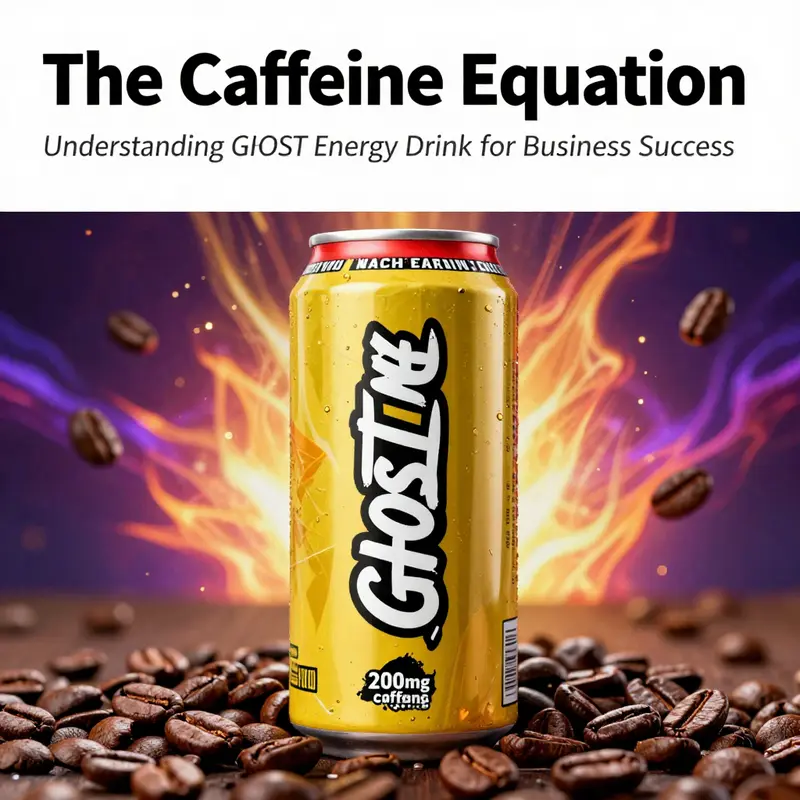
Caffeine sits at the center of modern fueled living, a tiny molecule with outsized effects that people chase for focus, stamina, and a quick lift when sleep has fallen short. In the landscape of 16-ounce energy beverages, one particular formulation has become a touchstone for the real-world question many readers ask: how much caffeine is in this drink, and what does that mean for daily health and daily decisions? The answer, when you pull back the label and examine the science, centers on a precise, deliberate choice: 200 milligrams of natural caffeine per 16-ounce can. This is not a vague promise of energy; it is a specific, measured dose, derived from coffee beans. The label emphasizes that the caffeine is natural, sourced from coffee beans rather than from synthetic chemical processes. And the marketing focus highlights a smoother energy experience—less of the jittery rush that some beverages bring and more of a steady, feel-good uplift. In a market crowded with high-caffeine options, the clarity of that claim matters, because it frames how a consumer might plan a day around a single can or three in a busy week.
To place the caffeine content in context, consider the standard 16-ounce serving. A 200 mg dose is substantial but not extraordinary within the energy-drink category, and it is consistent across the line’s different flavor profiles. Whether one gravitates toward a citrus-inspired option, a berry-forward variant, or a creamier, dessert-like choice, the can remains the same size and delivers the same amount of caffeine. That consistency matters for people who are trying to manage intake across a busy day; a single can equals roughly half of the commonly cited upper limit for safe daily caffeine consumption for the average adult. It is a useful rule of thumb for planning, particularly for students or professionals who rely on caffeine to power through study sessions, long workdays, or late-night projects. It also invites readers to weigh the energy boost against other factors—hydration, sleep quality, and how caffeine interacts with anxiety or heart rate—before deciding how many cans to incorporate into a daily routine.
Beyond caffeine, the beverage is positioned with a suite of functional ingredients that are common in energy products. L-Carnitine and Taurine appear alongside caffeine in the formulation. L-Carnitine is often marketed as a helper in fat metabolism and energy production, while Taurine is a long-standing staple in energy beverages, attributed with potential supportive roles for electrolyte balance and cellular signaling. The combination is not unique to this drink; it is a familiar constellation in the energy-drink category. However, the effect of any single ingredient—whether L-Carnitine, Taurine, or the caffeine itself—depends on how they interact with each other, with an individual’s physiology, and with the context of consumption, including hydration and food intake. The narrative that accompanies these ingredients is one of balance: a blend designed to deliver a steady energy signal rather than a rapid spike, a message repeatedly echoed in product descriptions that promise a “smooth, feel-good energy.” Yet readers should hold that promise up against the total picture of how caffeine works in the body and how the other ingredients might modulate that response.
From a product-development perspective, the choice to source caffeine from coffee beans is part of a broader industry move toward natural-sourced stimulants. The term “natural caffeine” can imply more than just the origin; it signals a certain philosophy about processing, taste, and the overall sensory experience. Coffee bean-derived caffeine may be perceived by some consumers as delivering a cleaner or more familiar energy profile, even though the pharmacological effect—central nervous system stimulation—remains governed by the same chemistry regardless of source. This is where consumer interpretation enters the conversation. People often associate natural ingredient branding with higher quality, fewer artificial additives, and a more transparent supply chain. The beverage in question also emphasizes transparency about ingredients and avoids artificial colors or questionable additives. For many readers, that clarity is as important as the caffeine content itself, because it shapes trust and informs decisions about what to combine with the drink in a given day.
To understand the operational impact of 200 mg per 16 ounces, it helps to view caffeine as a stimulant that can alter alertness, reaction time, and mood. In the short term, this dose can sharpen focus and reduce perceived effort, making tasks feel more manageable and long delays feel shorter. But the same mechanism can disrupt sleep if consumed later in the day, particularly for sensitive individuals or those with a history of anxiety or irregular heart rhythms. The literature on caffeine’s acute effects is nuanced. Many healthy adults tolerate 200 mg quite well, especially when consumed earlier in the day and in the context of adequate hydration and nutrition. Yet individual sensitivity varies widely. Some people experience restlessness, jitters, or a racing heart after doses far smaller than 200 mg, while others might notice little effect at all. The variability underscores a core message: caffeine is not a one-size-fits-all stimulant. It interacts with genetics, tolerance built through prior exposure, circadian phase, and co-consumed substances. In the case of a 16-ounce beverage with this level of caffeine, the impact is typically noticeable but not extreme for most adults, provided it is part of a broader pattern of balanced intake.
The flavors themselves, while appealing to different palates, do not alter the caffeine content. In this formulation, the same 200 mg dose is delivered regardless of the flavor chosen. That means a student pulling an all-nighter, a worker needing a mid-afternoon lift, or an athlete seeking a brief performance edge should not expect a dose change based on flavor. The consistency is useful for planning because it reduces the cognitive load of calculating caffeine per serving when the goal is to stay alert or sustain attention across a long window of time. Still, the beverage’s other ingredients—L-Carnitine and Taurine—are present to support a certain energy physiology. L-Carnitine is commonly associated with fat metabolism and cellular energy production, while Taurine has been linked to electrolyte balance in beverages and neural signaling in various research contexts. Whether these ingredients contribute meaningful performance enhancements is a topic of ongoing research, but their presence reinforces a broader industry theme: energy drinks market more than caffeine alone. They offer a package of stimulants, amino acids, and hydration considerations that collectively shape the user’s experience.
In evaluating safety and suitability, it is important to anchor the discussion in daily caffeine guidelines. The widely cited upper limit for healthy adults is approximately 400 mg per day, though this boundary is not a bright line for every individual. Some people may experience adverse effects at lower intakes due to sensitivity, medical history, or interactions with medications. For those who are younger, have certain cardiac conditions, anxiety disorders, or are pregnant or nursing, the recommended limit often decreases. A single 16-ounce serving delivering 200 mg of caffeine represents half of the commonly recommended daily ceiling for a healthy adult, assuming no other caffeine sources are consumed. This is a meaningful data point for someone who uses caffeine strategically and may be a boundary to monitor as the day unfolds. It invites reflective questions: How much caffeine am I consuming from coffee, tea, soda, or other energy products? Do I take long breaks between doses, allowing caffeine levels to fluctuate, or do I maintain a near-constant intake that could accumulate toward the daily ceiling? These questions matter because caffeine’s effects accumulate over time, and tolerance can evolve with repeated exposure. The math is simple but the implications are personal: one can provides a reliable, predictable caffeine dose, but the total daily intake depends on the broader caffeine footprint in a person’s day.
The conversation about caffeine goes beyond the numbers on a label. It touches lifestyle choices, study habits, work rhythms, and sleep hygiene. For students burning the midnight oil, a 200 mg can might feel like a rational tool to extend study time. For professionals juggling meetings and deadlines, it could be a reliable midday pick-me-up. For athletes warming up or recovering, it might align with a performance window. Yet the same dose can disrupt sleep if used too late or in individuals who are particularly caffeine-sensitive. Education about timing—avoiding caffeine late in the day, considering total daily caffeine from all sources, and watching for signs of overstimulation—becomes a pivotal piece of responsible use. In practice, a mindful approach to caffeine looks less like a one-size-fits-all regimen and more like a personal protocol: know your sensitivity, track your intake, and adjust accordingly.
As readers navigate the practicalities, the labeling and marketing language contribute to a broader consumer psychology. The claim of “natural caffeine from coffee beans” resonates with a desire for authenticity and simplicity in an energy-hungry world. The emphasis on transparency about ingredient sources and the avoidance of artificial colors can enhance trust, particularly for those who scrutinize food and beverage products closely. The vegan and gluten-free declarations further expand accessibility, signaling that the beverage is designed with inclusivity in mind and aligned with contemporary dietary trends. Yet those same environmental cues can complicate the decision for someone who is balancing taste, craving, and health considerations. If the sensory profile—flavor, mouthfeel, and aroma—mathes the caffeine dose with a signature experience of smooth energy, the consumer may feel reassured that the product is delivering a coherent and predictable energy signal. If not, the user might opt for alternatives or shorter consumption windows to preserve alertness without overstimulation.
The broader implications for daily life come into sharper focus when one considers cumulative use. A single can is an efficient, compact dose, but what happens if a person reaches for a second, or a third, later in the day? The short answer is: the same 200 mg dose is accessible, but the daily total increases. If that pattern extends into multiple days, total caffeine intake may approach or exceed the safe upper limit for some individuals, particularly if coffee, tea, or other caffeinated products accompany the beverage in question. The practical takeaway is clarity: the label provides a precise caffeine amount, and the consumer bears responsibility for integrating that information into a personal routine. The decision to consume a second can should consider not only the immediate effects but also the potential for sleep disruption, mood swings, or heightened physiological arousal. The decision to skip a can in favor of a non-caffeinated alternative can also be a smart, deliberate choice, particularly for someone who has packed days with meetings, exams, or late-night commitments.
In this sense, the 200 mg figure is less a marketing line and more a tool for self-management. It invites readers to calibrate their day around a consistent stimulant dose rather than chasing an unpredictable surge. It also aligns with a broader trend in the beverage industry toward transparency and consumer education. When a company communicates its caffeine origin and the proportional relationship to a standard serving, it helps readers compare products across the aisle, weigh risks and benefits, and make decisions that reflect their physiology and schedules. The resulting dialogue is less about fear or hype and more about responsible consumption—about knowing how much caffeine is in a drink, how it fits into a daily pattern, and how to adjust intake to preserve sleep, mood, and cardiovascular comfort.
For those who value the broader health narrative, the data point of 200 mg per 16-ounce can sits alongside research that links high-caffeine energy beverages with a range of outcomes, from improved alertness and task performance to potential sleep disturbances and anxiety, especially in frequent users or those with pre-existing conditions. The conversation is not about vilifying or endorsing a single product; it is about understanding dose, context, and the body’s response. It is about situational use—choosing a single serving for a study block, ensuring hydration and nutrition are not neglected, and recognizing that caffeine is a stimulant with real physiological consequences. It is also about recognizing that the energy market continues to evolve, with brands competing not just on caffeine counts but on the story they tell about ingredients, sourcing, and the energy experience they deliver. The end goal, for readers, is to align choices with personal health goals, daily obligations, and an understanding of how caffeine operates within the larger system of sleep, mood, and performance.
As this discussion concludes, the practical takeaway remains straightforward: if a reader decides to include a 16-ounce energy beverage in their day, the fixed caffeine dose is 200 mg. This is a meaningful, tangible figure to anchor personal planning. It enables better decision-making around timing, other caffeine sources, and the daily rhythm of activity and rest. It also reinforces the value of reading labels closely, considering the non-caffeine ingredients that accompany caffeine, and reflecting on how a single can fits within a daily nutritional and health strategy. The broader message is one of intentional consumption. A 16-ounce can with a natural caffeine source and a clean ingredient panel offers a lucid, quantifiable energy option. Yet it remains one tool in a wider toolkit—one that includes sleep, hydration, nutrition, physical activity, and mindful routines that collectively shape daily energy and long-term well-being.
External reference: https://www.amazon.com/GHOST-Energy-Drink-Cherry-Limeade/dp/B0BZ7XW3NQ
Bean-Born Buzz: Tracing Natural Caffeine in a Modern Energy Beverage
Caffeine has become a familiar companion in many people’s daily rhythms, a discreet assist that can sharpen focus, lift mood, or simply nudge the day along when fatigue threatens to derail plans. When researchers and curious readers ask how much caffeine is in a particular energy beverage, they are really asking two intertwined questions: where does that caffeine come from, and how does its source shape the experience of energy itself? In the case of a widely circulated 16-ounce beverage that markets its caffeine as natural and bean-derived, the conversation naturally centers on 200 milligrams of caffeine per can. This figure, stated plainly, sits within what many scientists consider a safe single-dose range for healthy adults. Yet the story behind those 200 milligrams is richer than a single number; it invites a deeper look at the chemistry of caffeine, the way caffeinated drinks are formulated, and how our bodies interpret caffeine when it is drawn from a natural plant source rather than synthesized in a lab.
At the foundation of this discussion is a simple, unglamorous truth: caffeine is a single molecule, identical in its chemical form whether it comes from coffee beans, tea leaves, kola nuts, or a lab batch. What changes, sometimes subtly, is the surrounding matrix—the other compounds present in the beverage and how they interact with caffeine as it travels through the digestive system. When caffeine is described as natural, it signals that the caffeine was originally extracted from a plant source rather than added in a separate, artificial step. In practice, that often means the caffeine coexists with components inherent to its source, such as polyphenols in coffee, which can influence the perception of energy and even the rate at which caffeine enters the bloodstream. The beverage in question emphasizes this natural lineage as part of its branding and consumer education, presenting the caffeine not as a synthetic additive but as a component carried forward from real beans. That distinction matters to a segment of consumers who weigh the source, purity, and perceived “cleanliness” of ingredients when choosing how to fuel workouts, study sessions, or long workdays.
The explicit dosage—200 milligrams in a 16-ounce serving—deserves careful consideration. To frame it in practical terms, 200 milligrams is roughly equivalent to the caffeine found in a couple of standard cups of coffee, depending on roasting level, grind size, and brewing duration, or a strong mug of espresso with its concentrated caffeine. It sits comfortably above the caffeine content of most ordinary soft drinks and many teas, yet well below the upper limits discussed in safety reviews for healthy adults. The concept of a “safe range” is not a fixed boundary for every individual; it depends on body weight, sensitivity to caffeine, overall health, and what else a person consumes in a day. Within dietary guidelines and scientific assessments, a single 200-milligram dose is not inherently alarming for the typical adult who does not exceed the recommended daily total. In the long arc of a day, though, those 200 milligrams multiply in practical effect when combined with other caffeine sources—coffee, tea, chocolate, certain sodas, or energy products—so mindful timing and total intake remain important.
From a physiological standpoint, caffeine works by blocking adenosine receptors in the brain, a mechanism that reduces the sensation of fatigue and can improve alertness and reaction time. The speed and intensity of this effect can be shaped by the beverage’s caffeine form and the accompanying compounds present in the plant-derived caffeine source. Natural caffeine is not a magic elixir; rather, it is a stimulant that interacts with the body’s existing neurochemical network. Some of the nuance comes from the fact that coffee beans bring along a suite of other substances—chlorogenic acids, diterpenes, and a spectrum of aroma compounds—that together influence taste, digestion, and perhaps the subjective quality of the caffeine buzz. This is why some consumers describe a “clean” or more tolerable energy experience when caffeine arrives with a natural plant matrix. The exact perceptual differences between natural caffeine and synthetically produced caffeine are subtle and vary from person to person, but the emphasis on a bean-derived origin in a product narrative is designed to align the caffeine with a familiar, natural history rather than a purely engineered profile.
Another layer of complexity lies in how the body metabolizes caffeine. After ingestion, caffeine is absorbed quickly through the small intestine, then processed by the liver into three primary metabolites: paraxanthine, theobromine, and theophylline. These metabolites contribute to the overall wakefulness and metabolic effects but also account for variations in how individuals feel the caffeine’s impact. Half-life—the time it takes for the body to eliminate half the caffeine—generally ranges from about three to five hours in healthy adults, with historical and lifestyle factors such as smoking, age, hormonal status, and concurrent medications shifting that window. For athletes or people who exercise regularly, caffeine’s ergogenic potential has been observed in numerous contexts, from improved endurance to enhanced perceived effort; however, the magnitude of effect is not universal and can be attenuated by tolerance, caffeine withdrawal, sleep debt, and the timing of intake relative to activity.
The corporate emphasis on “natural caffeine” often accompanies other commitments to ingredient transparency. Consumers increasingly want not just a pillowy energy lift but also a sense that what they ingest is aligned with broader values around food quality and safety. The caffeine in question is sourced from beans, but the overall product still must meet regulatory expectations for labeling, marketing claims, and safety. In regions with robust food-safety oversight, caffeine-containing beverages are evaluated for their single-dose safety and, separately, for their contribution to daily caffeine intake. A critical nuance lies in the difference between a single dose and a day’s total load: while a single 200-milligram serving may be within safe single-dose guidelines, multiple servings or simultaneous intake of caffeine from other beverages can push daily totals into ranges associated with restlessness, sleep disruption, increased heart rate, or other undesirable effects for sensitive individuals. This is why many health authorities frame safe consumption in two layers: limit per-dose exposure and watch the cumulative daily total, a distinction that matters for anyone balancing study, work, exercise, and social activities.
To ground this discussion in the broader scientific discourse, it is helpful to consider regulatory perspectives that address caffeine safety across populations. The European Food Safety Authority, for example, has issued comprehensive guidance on caffeine safety for the general healthy population. Their assessment consolidates evidence on caffeine’s effects and clarifies intake thresholds that are considered prudent for most adults. While the precise numbers can vary depending on the population studied and the method of judgment, the overarching takeaway for many readers is that moderate caffeine consumption—such as a single 200-milligram dose within a day’s total intake—fits within contemporary safety frameworks as long as total caffeine exposure remains within personal tolerance and regulatory guidelines. For readers who are curious about how these conclusions were reached, or who want to understand the nuance behind such statements, the EFSA’s scientific opinion on caffeine safety provides a thorough explainer of the data, the modeling, and the reasoning used to draw conclusions about daily intake and per-dose exposure. It is a valuable resource for anyone seeking a more formal, evidence-based understanding of caffeine’s safety profile.
For readers who want a practical anchor in real-world consumption, comparing this 200-milligram dose to other common caffeine sources can be illuminating. A typical eight-ounce cup of coffee can range from 80 to 120 milligrams, depending on bean type, roast, and brewing method. An espresso shot often lands around 63 milligrams, with variance by origin and preparation. A can of a standard cola typically contains 30 to 40 milligrams, while a piece of dark chocolate might offer 12 to 25 milligrams per ounce. In light of these figures, a 16-ounce beverage with 200 milligrams represents a substantial yet not extraordinary dose, especially for someone who habitually consumes coffee or tea. The total daily intake emerges as the practical determinant of effect, rather than the single serving alone. If a person also drinks several cups of coffee or tea, the same 200-milligram serving could contribute to a higher total for the day, potentially amplifying both the desired effects and the risks of side effects like jitters, sleep disturbance, or gastrointestinal discomfort.
One of the compelling reasons consumers are drawn to naturally sourced caffeine is the narrative of authenticity coupled with the clarity of ingredient listing. In an era when “ingredient transparency” has become a selling point, beverages that foreground a bean-derived caffeine source seek to differentiate themselves from products where caffeine is introduced as a workaround for taste or formulation constraints. Yet this narrative should not eclipse the practical reality of caffeine’s effects: the sensation of energy is a composite experience influenced by dose, timing, individual biology, and lifestyle. The 200-milligram per 16-ounce standard is a clear, measurable parameter that lets consumers calibrate their intake in a consistent way. It invites a simple question, approached with care: how will this amount interact with the rest of the day’s caffeine, sleep patterns, and physical activity? For the athlete or the student, the answer will differ, but the framework remains constant—be mindful of total daily intake, respect personal sensitivity, and observe how your body responds over time.
An important dimension of understanding caffeine in any energy beverage revolves around how consumers actually use the product. Some people intend a direct, pre-workout uplift; others seek sustained alertness during long work sessions or late-night study periods. The 16-ounce format is a practical compromise: enough liquid to feel satisfying, enough caffeine to be noticeable, and a composition that tends to avoid an abrupt, jaw-clenching peak followed by a steep drop—often described as a smoother, steadier lift. The perception of smooth energy often arises not only from the caffeine itself but from how the product is integrated into a person’s routine. For example, consuming caffeine on an empty stomach can produce different sensations than taking it with a meal. Hydration status, sleep debt, and concurrent stimulant exposures all contribute to the final experience. In other words, the same 200 milligrams can feel subtly different depending on timing, context, and the surrounding dietary choices.
If you’re seeking a concrete reference point for how this category of beverages is discussed in broader conversations about caffeine, consider exploring a detailed examination of caffeine content across popular options and the practical implications for daily routines. The aim is not to prescribe a single path but to illuminate how people can think about caffeine as a tool—one that can be calibrated with awareness rather than left to chance. In practice, this means mindful planning: taking stock of all caffeine sources across the day, setting a realistic limit aligned with personal health goals, and listening to the body’s signals for rest, focus, or anxious sensations. When a product markets its caffeine as natural and bean-derived, that framing can offer reassurance about the origin of the stimulant, while the daily guidance remains anchored in the same core guidelines that apply to caffeine use in any form: dose, timing, and total exposure.
For readers who wish to deepen their understanding beyond the general framework outlined here, a deeper dive into the caffeine content of this specific energy beverage category can be found in the dedicated article on how much caffeine is in ghost energy drinks. This resource offers a thorough breakdown of the factors that influence caffeine content, the role of natural sourcing, and a comparison to other caffeine-containing beverages. how-much-caffeine-in-ghost-energy-drinks. While the exact numbers can vary by batch and formulation, the broader takeaway remains stable: natural caffeine sourced from beans brings with it a particular narrative of authenticity and a dose that is interpretable within established safety and tolerance parameters. For readers who want to bridge the narrative of natural caffeine with formal safety guidance, the European authorities’ caffeine safety assessment provides a rigorous external reference that supports the practical, day-to-day decisions people make about caffeine intake. In that regard, the journey from bean to buzz is both a scientific and a personal one, anchored in transparent ingredients, measured consumption, and a careful eye on how energy—real energy, not merely a fleeting lift—fits into a healthy lifestyle.
External resource for further context: EFSA’s scientific opinion on caffeine safety offers a comprehensive evaluation of caffeine’s effects, potential risks, and recommended intake ranges for adults and special populations. This external resource is useful for readers who want to understand the scientific basis behind the safety language used in product labeling and consumer guidance: https://www.efsa.europa.eu/en/efsajournal/pub/4183
Power, Potency, and the Perception of Focus: Weighing Ghost Energy’s Caffeine in a Saturated Market
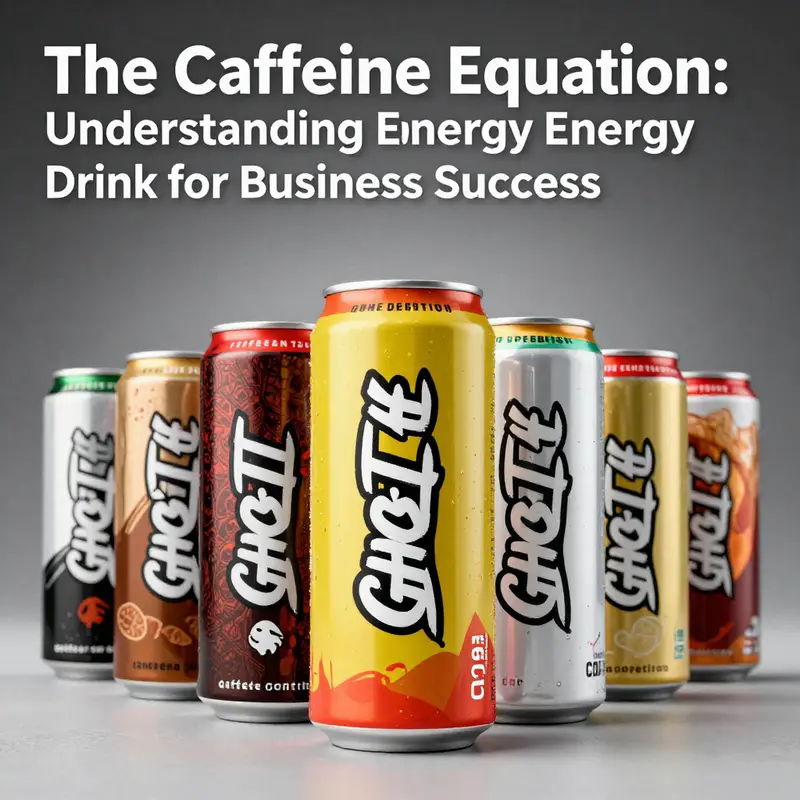
Caffeine is the quiet engine behind many shifts in mood, focus, and performance, but the truth of its effect is as much about dose and source as it is about context. In the energy beverage landscape, the figure that often circles discussions about potency is the amount of caffeine tucked into a single can or bottle, split between the honest math of mass and the personal math of tolerance. When the conversation centers on the energy drink that many readers will encounter in a 16-ounce format, a specific number becomes the anchor: 200 milligrams of caffeine, sourced from natural coffee beans, in a single 16-ounce can. This is not an abstract claim; it is a benchmark that invites comparison, scrutiny, and a consideration of how different brands approach energy with different philosophies. The claim, as presented, foregrounds two ideas that many energy-seekers care about deeply: the magnitude of the caffeine lift and the nature of its source. The first idea is straightforward. Twenty-four hours of wakefulness and the calls of daily life become, for better or worse, a tracker of how much caffeine is needed to feel alert, to sharpen reaction time, and to maintain a pace through a demanding afternoon. In a 16-ounce vessel, two hundred milligrams translates to roughly twelve and a half milligrams per ounce—an efficiency that checks many consumer expectations: a substantial dose without pushing beyond the range where most people begin to feel uncomfortable, jittery, or restless. The second idea—the caffeine’s origin as natural caffeine derived from coffee beans—speaks to a broader consumer desire for transparency and a smoother energy experience. Natural caffeine, as it is marketed in this context, is not merely a label. It is a signal that the product’s makers want to differentiate their lift from the harsher, sometimes more abrupt sensations that synthetic caffeine can yield. This distinction matters for readers who have learned to associate gradient energy with a longer, steadier period of alertness rather than a quick spike followed by a sudden dip. The story of this caffeine, then, is partly about chemistry and partly about perception. In the lab of taste and effect, it matters how quickly caffeine enters the bloodstream, how long it lingers, and what other compounds ride along in the can to modulate mood and duration. The natural caffeine message plays well with the wider ethos of clarity and honesty in ingredients that many contemporary consumers demand. The marketing narrative surrounding caffeine from coffee beans suggests a smoother lift, a lift that avoids some of the rougher aftereffects that people sometimes associate with synthetic stimulants. Yet the science of caffeine does not always neatly line up with marketing slogans. Caffeine—whether derived from coffee beans or synthesized in a factory—activates the same central nervous system pathways. The perception of smoothness, then, is often the result of a tapestry of other ingredients, including electrolytes, B vitamins, and the timing and pace of consumption. For readers tracking the caffeine conversation across products, this is a reminder that a single number is not a complete story. It is a data point that sits within a broader narrative about how people use caffeine to navigate work, study, exercise, or travel. The can’s 16-ounce size anchors a practical question: how does this amount of caffeine translate to real-world use? At 200 mg per can, the dose sits above many mainstream beverages offered in the same size category, and it sits below the most extreme high-caffeine options that a small subset of products push into the 300 mg range per 16 ounces. This relative ranking matters not only for the potency of a single sitting but also for how a consumer might pace their day. A user who drinks one can in the morning may reach a comfortable, sustained sense of wakefulness without the sharp edge of a heavier hit, while someone who stacks doses—perhaps with a second can later in the day—may operate near or beyond daily caffeine thresholds that health professionals suggest monitoring, especially for individuals with caffeine sensitivity, cardiovascular concerns, or pregnancy considerations. The practical takeaway for most readers is a reminder to respect the dose, to be mindful of timing, and to consider how natural sourcing may affect subjective experience even as the chemical reality remains constant. The storyline here is not simply a comparison of numbers; it is a reflection on how people choose products that promise a certain quality of alertness while also aligning with their preference for clean labels and transparent sourcing. In this sense, the 200 mg figure is a focal point around which a broader dialogue unfolds—one about potency, duration, and the lived experience of energy. When readers look at other beverages in the market, they will encounter two kinds of contrasts: those defined by sheer quantity and those defined by the story of how that quantity is delivered. For instance, a 16-ounce option that delivers around 300 mg of caffeine presents a higher ceiling for immediate wakefulness. The question then becomes: is more always better, or does a deeper, longer-lasting lift function better for certain tasks? And if a product claims a smoother, more natural feel because its caffeine is sourced from coffee beans, does that perception translate into a tangible difference in how energy carries through the day or how the body responds to that energy? These questions invite readers to think critically about their own caffeine use, particularly in contexts like studying, workouts, driving, or late-night work. The body’s response to caffeine is not uniform. It varies with body weight, tolerance, habitual use, and even the time of day. Some readers may notice that the 200 mg uplift feels clean and focused, a steadier rhythm that supports sustained attention. Others may sense a lighter or shorter-lived effect, especially if they have a high tolerance or if they have other stimulants in their daily routine, such as tea, chocolate, or certain medications. In light of this variability, the conversation about the energy drink in question can remain grounded in practical guidance: one should consider total daily caffeine intake from all sources, monitor how much energy is consumed in a given period, and align consumption with personal sensitivity and lifestyle demands. The mathematics behind the dose is straightforward, but the personal calculus—how the body feels, how the mind responds, and how energy interacts with sleep and recovery—remains nuanced. For readers who want to explore the topic further, there is value in revisiting the precise figure through a dedicated explainer that breaks down how such caffeine totals are calculated and how the caffeine source factors into perceived effects. The idea of transparency in ingredients is not merely about listing components; it is about offering consumers a lens through which to interpret how a product is built, what its lift implies, and how it fits into the broader pattern of daily energy management. Within the literature and product pages that frame this caffeine narrative, the emphasis on natural sourcing serves as a bridge between chemistry and consumer psychology. People want to feel in control of their energy. They value a label that communicates not just the what but the why behind a given dose. In that sense, the discussion moves beyond the 200 mg figure and toward a broader understanding of how contemporary energy beverages are engineered to balance potency and experience. The role of caffeine in sports and cognitive performance adds another layer to the story. For athletes and students alike, caffeine can sharpen focus, reduce perceived effort, and improve reaction time to a degree that can be meaningful in real-world tasks. The magnitude of the lift matters here. A 200 mg dose in a 16-ounce format offers a substantial but not overwhelming amount of caffeine for most adults, with potential benefits in performance and endurance when timed correctly with activity. For some athletes, the idea of a smoother lift—potentially aided by the natural origin of the caffeine—might complement a pre-workout routine without introducing the more abrupt sensations sometimes associated with stronger synthetic formulas. But the same 200 mg dose can be excessive for others, especially if the day already includes multiple caffeinated beverages or if the individual is more sensitive to stimulants. The key, then, is context: timing, cumulative intake, personal sensitivity, and the nature of the task at hand. The market’s diverse offerings mean that consumers can calibrate their energy needs with a spectrum of options. There are products that push caffeine toward the upper end of the spectrum, delivering a high ceiling of alertness, while others aim at a steadier, more manageable lift. In this landscape, the energy beverage under discussion sits as a robust option within the mid-to-upper range of caffeine content for a single can, matching the expectations of readers who seek reliable focus and stamina without requiring multiple doses in rapid succession. The narrative around the caffeine source—natural caffeine from coffee beans—engages a broader conversation about sustainability, processing, and the consumer’s sense of connection to a familiar plant-based origin. Coffee beans carry a long cultural arc, and when caffeine is marketed as derived from these beans, it resonates with a sense of terroir and authenticity that many customers associate with quality and integrity. It is not merely a matter of chemistry; it is about the emotional and cognitive reassurance that the product aligns with a familiar matrix of natural ingredients and transparent labeling. In practice, readers may approach their energy choices by using the 16-ounce can as a single-dose aid or by integrating it into a planned routine that accounts for other caffeine sources. For a light-to-moderate day, one can may provide a solid lift with a noticeable effect, balanced by a longer arc of energy. For a longer or more intense period of focus, individuals may consider spreading out caffeine consumption and pairing it with strategic breaks to minimize tolerance buildup and potential sleep disruption. The broader takeaway is that a single numeric value—200 mg in a 16-ounce can—carries with it a set of trade-offs, perceptions, and personal responses. The conversation does not end with the dose alone; it invites readers to think about how their own bodies metabolize caffeine, how their daily schedules accommodate stimulant intake, and how the choice to pursue a “natural” caffeine source shapes not only energy but also trust in the product’s branding and messaging. To anchor this discussion in a living resource, readers can explore more on the topic through a dedicated explainer that examines the specifics of caffeine content in the Ghost energy line and how that content compares across products. The referenced explainer distills the math, the sourcing, and the consumer experiences into a concise guide that complements the broader narrative about energy, focus, and daily rhythm. For readers who want a direct pathway to more information about the caffeine figure in this product family, see how-much-caffeine-is-in-ghost-energy. This link provides a concise bridge to a more technical breakdown, without requiring readers to wade through a larger product catalog. As the chapter closes on the topic of potency, it is important to acknowledge the diversity of user experiences. Some readers will notice a cleaner lift, others a more robust surge, and still others a balanced blend that aligns with their routine. The range of responses underscores why, in a crowded market, brands choose different rhetoric: to promise a specific sensory outcome, to emphasize the quality of the energy source, or to highlight the simplicity of the ingredient list. In the end, the core question—how much caffeine is in a given can—becomes a proxy for a more nuanced inquiry: how do people want to feel when they seek a moment of alertness, and how do they manage the energy they consume throughout a day that already asks a lot of their cognitive and physical reserves? The chapter doesn’t pretend to have all the answers, but it does offer a clear framework for evaluating energy options. Dose, source, duration, and personal context form a practical triad that can guide choices with more confidence. The data points matter, but the interpretation—how those data points translate into real-world effects—shapes the decisions readers make about their energy strategy. The interplay of chemistry and perception, science and experience, is what makes this conversation important for anyone who values clear information in a marketplace crowded with claims and promises. External to the analysis, readers may wish to cross-reference a consumer-facing product listing to gauge how the caffeine figure is presented in retail conversations, including how serving sizes and caffeine sources are described. External resource: https://www.amazon.com/Ghost-Energy-Drink-Cherry-Limeade/dp/B0BZKQXVJL
Final thoughts
Understanding the caffeine content and sourcing of GHOST Energy Drink is essential for any business owner looking to enhance product offerings. With 200mg of natural caffeine derived from coffee beans, GHOST Energy stands out in the energy drink market. This knowledge not only empowers you to cater to health-conscious consumers but also positions your business advantageously against competitors. Equipped with this analysis, you can confidently choose products that align with your brand and meet customer expectations.