
For business owners in the health and fitness industry, understanding product ingredients is crucial for providing informed recommendations. Gatorade, a staple in sports drinks, raises questions about its caffeine content and overall purpose. This article delves into the fundamentals of Gatorade, analyzing its formula, focusing on the role of electrolytes, discussing its benefits for athletes, and comparing it with other drinks on the market. Each chapter sheds light on the true nature of Gatorade, addressing whether it contains caffeine while reinforcing its primary role in hydration and energy replenishment during physical activities.
Gatorade and Caffeine: A Clear-Eyed Look at Hydration Without Stimulants
Caffeine and hydration occupy two different realms in sports science, and that distinction matters when planning recovery, performance, and daily well-being. The core Gatorade lineup is caffeine-free. The standard formulations—the thirst-quencher varieties used to replenish fluids, electrolytes, and carbohydrates after exertion—do not include caffeine. This non-stimulant stance aligns with hydration-focused goals: restore fluids, support electrolyte balance, and replenish energy supplies after sweat loss. When you read the label or consult official guidance, sodium and potassium appear as the key electrolytes, with carbohydrates to support energy delivery. There is no caffeine on the ingredient list for the core products, which frames how many people integrate this beverage into their routines.
Practically, caffeine is a stimulant that can affect alertness and sleep. In a hydration product, the priority is fluid balance and electrolyte restoration, not stimulation. A caffeinated formula could complicate rehydration by influencing heart rate or sleep patterns. Therefore, the core product avoids stimulants, focusing on reliable hydration and steady energy delivery through carbohydrates.
Some readers want non-caffeinated options for training late at night or for caffeine-sensitive individuals, and this product lineup provides that simple, caffeine-free option. Sodium loss during sweating calls for electrolyte replacement to support water retention and nerve and muscle signaling; potassium supports intracellular function and muscle performance. Carbohydrates provide quick energy without caffeine-induced jitters.
If you are evaluating whether this beverage is right for your needs, consider the broader context: hydration vs. performance fueling, caffeine sensitivity, and timing. The absence of caffeine is not a marketing claim; it reflects intended use as a hydrating, electrolyte-restoring beverage rather than a stimulant.
For official information, refer to the brand’s hydration resources and product labels, which confirm caffeine-free core formulations and the electrolyte/carbohydrate composition. Be aware that the broader family of beverages under the brand umbrella includes caffeinated options, but the core lineup remains caffeine-free. Always check the label if you are shopping beyond the core products.
Clear Hydration, No Buzz: Unpacking Gatorade’s Caffeine-Free Formula
When someone asks whether a popular sports drink is caffeinated, the quick answer is often the simplest: the standard hydration lineup is caffeine-free. But the full story matters, especially for athletes, workout enthusiasts, and anyone juggling hydration with focus. The core aim of this beverage family is to restore fluids and replenish what is lost during physical activity. Hydration supports performance, and electrolytes stabilize the body’s fluid balance, while carbohydrates provide a readily available energy source. Caffeine is a stimulant that can alter heart rate, blood pressure, and sleep patterns, and for many users these effects are neither desired nor necessary during the hours of training. In that sense, the caffeine-free profile of the brand’s flagship hydration formulas aligns with a practical objective: keep the body hydrated and primed for recovery without introducing stimulants that could complicate training schedules, sleep, or recovery cycles. This approach is reflected in packaging and product descriptions, and it mirrors how clean ingredient labeling can help athletes dial in their fueling strategies with confidence. For readers seeking a quick reference, a direct FAQ exists that addresses this question in clear terms, and it is a helpful touchstone for understanding how this line fits into broader nutrition decisions. Does Gatorade Contain Caffeine?
Ingredient Breakdown and the Hydration Mindset
The cornerstone of this caffeine-free design rests on three interlocking components: electrolytes, carbohydrates, and fluids. The essential electrolytes are sodium and potassium. Sodium helps the body retain the fluids you drink and prompts thirst at the right times, a practical cue during prolonged activity. Potassium supports muscle function and helps maintain the electrical balance necessary for steady contraction and coordination. Together, these minerals work to mitigate the rapid fluid losses that occur with sweat, a common concern on hot days or during long endurance efforts. In the same breath, the carbohydrate fraction plays a critical role. Sugars such as sucrose and dextrose are chosen to supply a quick and accessible energy source. This energy is not an instant burst meant to overpower fatigue but rather a steady replenish-and-restore mechanism that keeps performance from dipping as endurance or intensity continues. The pairing—hydration with precise electrolyte and energy support—reflects a practical philosophy: restore what’s been spent, not just replace fluids, while avoiding stimulants that could complicate the physiology of performance or the experience of recovery.
The lineup’s energy strategy also extends into variants designed to offer different calorie and sugar profiles without introducing caffeine. A low-calorie version substitutes traditional sugar with artificial sweeteners, such as sucralose and acesulfame potassium, to deliver a familiar taste and mouthfeel with fewer calories. This approach preserves the hydration and electrolyte balance while enabling athletes to tailor their intake to personal energy needs, training phase, and dietary preferences. In practical terms, this means athletes who are watching calories or who train multiple times per day can still prioritize hydration and electrolytes without compromising their overall nutrition plan. The available options that remain caffeine-free under this broader family also include non-beverage products that share the same stimulant-free designation, such as chews and powdered mixes intended for quick mixing with water; these items maintain the same foundational hydration and electrolyte balance principle, even as the form factor shifts. The consistent thread across these offerings is transparency in labeling and a deliberate alignment with hydration and recovery rather than stimulation.
Taken together, the essence of the caffeine-free promise is not merely about avoiding caffeine but about enabling reliable hydration logistics. During long training sessions, hot weather, or competition workflows, the body’s need for fluids, minerals, and energy can be met with an approach that keeps stimulants out of the equation. This matters not only for performance metrics but for individual health considerations, sleep quality, and general tolerance. For those who are caffeine-sensitive, experience sleep disturbances, or simply prefer to avoid stimulants, the caffeine-free profile provides reassurance. The packaging and product descriptions emphasize this trait, making it easier to choose options that fit with personal health goals and daily routines.
In the broader context of drinks marketed within the same category, it’s useful to acknowledge that not all brands or product lines share this caffeine-free stance. Some beverages that promise an energy lift or enhanced performance may include caffeine or other stimulants. Within the standard hydration-focused lineup, however, the absence of caffeine is a deliberate and communicated choice. This distinction is important for those who rely on these products during training and want to avoid any stimulatory effects or potential interactions with other sources of caffeine in the day. The result is a straightforward hydration tool: a proven mix of fluids, minerals, and energy delivery without the stimulant component that can complicate training, performance sleep cycles, or anxiety management.
From an everyday perspective, the practical upshot is simple. If your goal is reliable hydration with electrolyte support and a steady energy reserve, and you either avoid caffeine entirely or simply want to limit stimulants around training, the caffeine-free formulation is designed to align with those needs. The labeling makes this distinction clear, and the consumer story is one of clarity and consistency. For individuals with caffeine sensitivity or dietary restrictions, this clarity is especially valuable, because it reduces guesswork when fueling during workouts or post-exercise recovery. In such cases, choosing a caffeine-free option supports both execution and comfort, a combination that resonates across many athletic and recreational experiences.
If you are curious about whether a particular variant within the brand’s lineup meets your caffeine preferences, a quick online reference can help confirm the caffeine status across products. Consider exploring the FAQ and the label details to verify that a chosen option remains caffeine-free while still providing the hydration, electrolytes, and energy you expect from a trusted electrolyte beverage. The aim is to offer a straightforward choice that supports hydration goals without adding stimulants, making it easier to coordinate hydration with training plans, daylight activities, and sleep schedules.
In this context, the caffeine-free design is not accidental. It reflects a deliberate approach to product development and consumer education. The messaging emphasizes hydration and recovery—areas where athletes consistently seek reliability and predictability. The idea is not to argue with the appeal of caffeine for other contexts but to provide an option that integrates smoothly with hydration needs and dietary preferences. For readers who want a broader view, it can be helpful to acknowledge that the sports-drink category includes a spectrum of products, some of which are caffeinated and marketed for energy or focus. Yet within the standard hydration framework, the caffeine-free profile remains a hallmark of the core offerings designed to support rehydration, electrolyte balance, and energy replenishment without stimulants.
A practical takeaway from this overview is that caffeine status is a fundamental attribute of the core hydration formula. If you are looking to maximize hydration during long sessions or recover afterward, the absence of caffeine reduces potential interference with sleep, heart rate, or anxiety management after exercise. And for those who are curious about the specifics of ingredient choices, the electrolyte and carbohydrate components are front-and-center: sodium and potassium for fluid balance, sugars for energy, and a careful formulation that emphasizes hydration and recovery without stimulants. As with any nutritional product, reading the label remains essential; it is the most reliable way to confirm caffeine status and to understand how the product integrates with your personal nutrition plan.
For readers who want to connect this topic to broader questions about caffeine in beverages, it can be insightful to reflect on how this caffeine-free stance compares with other drinks that sit in adjacent categories. The energy-boosting or focus-enhancing landscape often relies on caffeine to alter perception and performance, which can be a different experience from the hydration-focused approach described here. In short, the caffeine-free formulation is not merely a technical choice; it is a practical decision aimed at predictable hydration and recovery, aligned with real-world training and daily wellness needs.
External reference for official product information confirms the brand’s stated approach to hydration and caffeine status. You can verify the general product lineup and its caffeine-free designation on the official site. [External resource: https://www.gatorade.com/en-us/products]
Beyond the Buzz: How Electrolytes in a Popular Sports Drink Drive Hydration Without Caffeine
Hydration science often gets framed in terms of energy, speed, and wakefulness, but at its core it rests on a simpler, steadier idea: balance. When a body sweats during sustained activity, it loses more than water. It sheds electrolytes that regulate the volume and movement of fluids, the signaling between nerves, and the rhythm of muscles. A popular sports drink is crafted to address that exact balance. It is not about jolting the senses with stimulants; it is about restoring what the body needs to perform and recover. The central claim—that caffeine isn’t a required ingredient for effective hydration—emerges not from denial of stimulation but from a faithful reading of physiology. The drink’s true power comes from its electrolyte mix and its carbohydrate content, designed to support fluid uptake and sustained energy without relying on stimulants to do the job.
The heart of the formulation lies in the electrolytes: sodium, potassium, and chloride. Sodium is the unsung workhorse of hydration. Sweat can carry a substantial sodium load, especially in hot weather or during long efforts. If the body loses too much sodium, fluid balance can suffer, and thirst signals may lag behind the actual state of dehydration. Sodium helps retain fluid in the bloodstream and encourages fluid absorption in the gut, which means a drink with the right sodium concentration can replenish what’s been lost more efficiently than plain water. Potassium plays a complementary role, supporting normal muscle function and nerve signaling. During intense activity, potassium loss can contribute to fatigue or cramping, even when fluids are adequate. Chloride, the third major electrolyte in the mix, works with sodium to maintain electrolyte balance across membranes, aiding the movement of water into and out of cells and helping to stabilize blood pressure during periods of heavy sweating.
All three electrolytes do not operate in isolation; they interact with the body’s transport systems in nuanced ways. The interplay between sodium and glucose in the intestine is a particularly elegant mechanism. The sodium-glucose cotransport system uses the energy of sodium to bring glucose—and thus water—across the gut wall. This means a beverage that includes carbohydrates can actually improve the rate at which fluids are absorbed. In practical terms, for athletes and exercisers who experience significant fluid loss, a drink with a carefully calibrated balance of sodium and carbohydrate can rehydrate more efficiently than water alone. The carbohydrate content also provides a readily available energy source to help offset the energy drain of prolonged exertion. The synergy between electrolytes and carbohydrates thus becomes a central pillar of the drink’s effectiveness, guiding how the product supports performance across varied intensities and environmental conditions.
The absence of caffeine in a traditional electrolyte beverage is not a limitation but a deliberate design choice grounded in hydration science. Caffeine has a mild diuretic reputation, and while recent research shows that moderate caffeine intake may not drastically impair hydration in habitual consumers, the presence of a stimulant adds a variable to a formula aimed at predictable, rapid rehydration. In the context of a product intended to restore electrolyte balance and energy after sweat loss, caffeine’s potential to increase urine output—even modestly at certain doses—could complicate hydration goals. By keeping caffeine out of the formula, the drink focuses squarely on restoring the body’s fluid and electrolyte status, with carbohydrate-driven energy that supports endurance rather than stimulation that may mask fatigue or alter hydration dynamics. This is not a claim about caffeine’s general effects; it is a statement about the product’s specific purpose and its reliability as a rehydration solution.
When athletes consider what makes a hydration beverage effective, they often confront a spectrum of products that vary in electrolyte content, sugar levels, and flavor intensity. The design logic behind the non-caffeinated electrolyte drink rests on a precise, evidence-informed balance. The goal is to ensure that the beverage can pass quickly from the stomach to the small intestine, where fluids and electrolytes are absorbed, and to do so across a range of sweat rates and environmental stresses. The sodium-to-glucose transport mechanism, supported by the presence of modest carbohydrates, acts as a driver for rapid rehydration. This means that even in hot or humid conditions, where sweat rates spike, the body can replenish fluid and electrolyte losses efficiently. The minerals work to maintain vascular volume and blood pressure, which supports cardiovascular stability during intense activity. Carbohydrates supply a steady stream of energy, helping the body sustain exercise without relying on a caffeine-induced alertness or a spike in metabolic rate that could later dip into fatigue.
The practical implications of this electrolyte-focused approach extend beyond elite competition. For recreational athletes, weekend warriors, or anyone returning to activity after a pause, a drink that targets hydration and energy without stimulants offers a predictable experience. It reduces guesswork about how much fluid and salt are being replenished, an especially relevant consideration when training in heat or at altitude, where fluid losses can be higher than expected. In these contexts, the drink’s formulation helps support maintenance of fluid balance, aiding decision-making in the moment and reducing post-exercise recovery friction. It also aligns with a broader nutrition framework that prioritizes restoring what was lost during sweat rather than chasing a short-term boost that may not translate into improved hydration or performance over the longer arc of a session. The result is a product that serves as a dependable ally for stamina, endurance, and steady recovery, without introducing stimulant variables into the equation.
From a consumer perspective, reading a hydration label becomes an act of literacy about the body’s needs. The electrolyte trio—sodium, potassium, and chloride—appears on the label not as a marketing flourish but as a map of how the drink interacts with physiologic processes. Sodium’s role in retaining fluid and maintaining blood pressure during heavy sweating is particularly relevant in endurance contexts. Potassium’s influence on muscle function underscores why hydration products matter even when energy expenditure is moderate but duration is long. Chloride’s balancing act completes the circuit, ensuring that the fluid exchanges across cell membranes support stable hydration status. The carbohydrates, often presented as simple sugars, are not mere calories; they are functional partners that promote timely absorption and provide a source of energy that complements the electrolyte framework. The end result is a hydration solution that performs its core function with clarity and consistency, in line with what athletes and active individuals require for practical, day-to-day performance.
The absence of caffeine also speaks to the broader narrative of hydration science: that electrolyte replacement can be effective independent of stimulants. This perspective does not deny the usable, real-world effects of caffeine for some individuals, but it emphasizes that a well-crafted electrolyte beverage can meet the needs of hydration and energy without introducing additional variables. For many people, staying properly hydrated during or after activity is more about fluid and mineral balance than about staying alert. In those cases, the product’s design—zero caffeine, precise electrolyte balance, and a carbohydrate-optimized profile—addresses the core physiological demands of sweating, heat exposure, and extended exertion. As athletes move through training cycles and competitive seasons, such a formulation offers reliable support that aligns with the practicalities of sport and exercise, rather than with the unpredictable dynamics of stimulants.
The topic can invite a quick, practical inquiry: what if one wonders whether caffeine is present at all in this class of beverages? The answer, rooted in the product’s intended function, is that caffeine is not a necessary ingredient for rehydration or energy replenishment. The drink’s efficacy lies in its electrolytes and its carbohydrate content, which together support both fluid uptake and sustainable performance. For readers seeking a concise distinction, a handy reference point is how the beverage manages fluid balance rather than how it manipulates alertness. When spectators consider sports drink choices for workouts, practices, or long runs, the electrolyte-driven option offers a predictable, science-based path to hydration that stays faithful to physiology. If you need a quick answer in plain terms, it’s not about stimulation; it’s about restoration—replacing what was lost and sustaining what is required for continued movement.
For readers who want to explore this topic further in a structured FAQ, see Does Gatorade contain caffeine? This internal link provides a concise summary of caffeine content in the beverage family and helps clarify how caffeine interacts with hydration goals when one is deciding between options. Does Gatorade contain caffeine?
Ultimately, the electrolyte-centered design of this non-caffeinated hydration solution reflects a broader principle: the human body relies on a precise, cooperative network of minerals and sugars to maintain fluid balance, nerve signaling, and muscle function under the stress of exercise. Stimulants can alter perception and arousal, but hydration science stays grounded in the steady work of electrolytes and energy delivery. The chapter’s focus on this balance aims to illuminate why caffeine isn’t a necessary component for effective hydration and performance support. The same logic applies across a range of life moments, from a long run on a hot day to a gym session in a crowded, noisy environment. In each case, replenishing what the body loses—with the right electrolytes, the right carbs, and the right timing—remains the most reliable route to maintaining performance and comfort. For those who wish to situate this understanding within a broader scientific framework, an external resource that outlines electrolyte and carbohydrate balance offers a deeper dive into the mechanism. See the external reference for a thorough overview of how these components interact to support hydration and performance: https://www.gatorade.com/science/electrolytes-and-carbohydrates.
Hydration as the Engine: Gatorade’s Non-Caffeinated Path to Athletic Performance
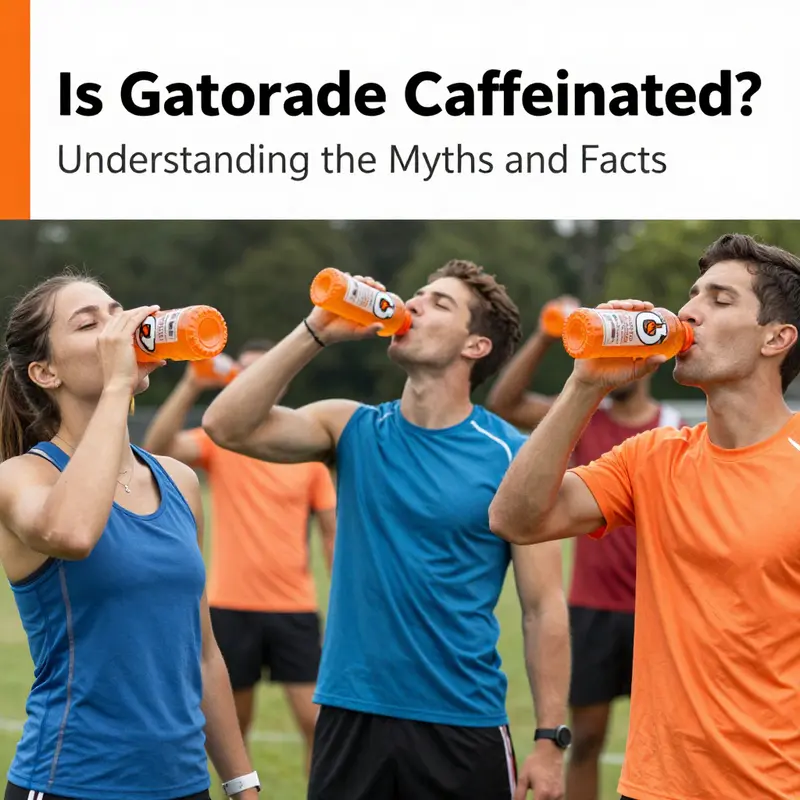
When athletes ask whether a popular sports drink contains caffeine, they are probing not just a label but the philosophy behind a hydration strategy. The question is not simply yes or no; it is a doorway into how fluids, electrolytes, and energy substrates can work together to sustain performance. Gatorade, as a long-standing staple in team sports and endurance training, answers that inquiry with a clear stance: the standard formulations are caffeine-free. The emphasis is on hydration and electrolyte balance, with carbohydrates added to replenish energy stores. This design reflects a deliberate choice to support bodily function rather than to stimulate wakefulness or sharpen focus with stimulants. Verification of this approach can be found on product labels and, more broadly, in the brand’s scientific communications, including the work of its in-house research arm. Understanding what this means in practice helps athletes interpret when and why such a drink is the right tool in the kit, and when other beverages might be more appropriate for the moment.
At the core, Gatorade’s value proposition centers on physiological hydration and electrolyte homeostasis. During vigorous exertion, especially in heat or at high intensity, the body loses more than water: electrolytes such as sodium, potassium, and chloride depart with sweat. Those ions are not mere trace elements; they are essential for nerve signaling, muscle contraction, and the maintenance of fluid compartments within the body. If electrolytes are depleted and fluid balance is disrupted, performance declines through slower neural transmission, cramping, and impaired thermoregulation. The drink’s formula addresses this triad by pairing a precisely measured sodium and potassium content with an appropriate carbohydrate load. The carbohydrates—glucose and other simple sugars—offer readily available energy for working muscles and help make the liquid more palatable, encouraging sustained intake during longer efforts. In this sense, the beverage acts as a functional tool for hydration and energy replenishment rather than a stimulant that accelerates mental processing or masks fatigue through arousal.
The distinction between hydration-focused beverages and stimulant-based options becomes particularly salient during long, sustained efforts. When exercise extends beyond an hour, and the environment pushes thermoregulatory demands higher, the body’s need for fluid and electrolyte replacement grows disproportionately. Beverages that deliver both water and electrolytes, with a modest carbohydrate contribution, often outperform water alone in maintaining plasma volume and supporting steady cardiac output. This translates into measurable advantages: delayed onset of fatigue, improved endurance by preserving the ability to sustain pace, and a more efficient recovery window after the activity ends. The overarching message is practical and intuitive: during such sessions, maintaining fluid and electrolyte balance supports performance more reliably than attempting to amplify wakefulness or focus through stimulants alone.
A key component of this hydration strategy is the role of electrolytes in promoting water absorption and distribution. Sodium, the primary salt in sweat, facilitates intestinal water uptake and helps preserve extracellular fluid volume. Potassium supports intracellular functions, including muscle cell excitability, which is critical when muscles repeatedly fire for forceful contractions. Chloride, often overlooked, helps maintain acid-base balance and supports electrical neutrality in the body’s fluids. When these minerals are replenished in the right proportions, the body can maintain blood volume and tissue hydration more effectively, especially during repeated bouts of intensity or prolonged exposure to heat. This is not a cosmetic benefit; it is a physiological necessity that preserves performance capacity when it matters most. The carbohydrate content complements this system by offering a readily available energy source that sustains muscle glycogen and maintains blood glucose. Together, electrolytes and carbohydrates optimize fluid uptake, delay fatigue, and support steady performance without introducing stimulants that could complicate post-exercise recovery or sleep when workouts run late in the day.
This hydration-and-electrolyte framework is reinforced by the ongoing research ecosystem surrounding the product line. The Gatorade Sports Science Institute (GSSI) serves as a hub for investigations into sports nutrition and hydration, continually refining formulations to align with current scientific understanding. Through laboratory experiments and field studies, GSSI explores how electrolyte beverages influence hydration status, electrolyte turnover, and subsequent performance outcomes under diverse conditions—temperatures, humidity, exercise modalities, and durations. The takeaway from this body of work is consistent: drinks that deliver electrolytes and carbohydrates under the right conditions can meaningfully improve endurance and support faster, more complete recovery. While individual responses vary, the general principle holds across many athletic scenarios: appropriate hydration, not stimulation, is the reliable foundation of sustained performance.
From a practical perspective, athletes often face a choice between hydration-focused drinks and caffeinated beverages when planning training sessions and events. The caffeine content is a separate variable that can influence perceived effort, alertness, and recovery timelines. For those who require a caffeine boost for late-day sessions or early-season workouts, it is important to recognize that the standard formulation does not rely on stimulants. This distinction is not a verdict on caffeine itself but a statement about the product’s design goals. For moment-to-moment decisions—whether to hydrate after a sprint interval, refill during a long tempo run, or replenish after a heavy lifting session—the go-to option remains the same: a beverage crafted to restore fluids, electrolytes, and energy without altering central nervous system activity. If caffeine content is a genuine consideration for a particular athlete, there are separate beverages and strategies that can complement the hydration plan, but the core hydration tool maintains its caffeine-free stance.
For readers seeking direct clarity on caffeine content, a concise resource addresses the exact question: Does Gatorade Contain Caffeine. This linked explanation helps demystify the label and confirms the caffeine-free standard for the flagship formulations. It is worth noting, though, that the caffeine status of individual product lines can vary across markets and product lines, so athletes should consult the specific label in their region before assuming a universal trait. The broader narrative remains consistent: when the goal is hydration, electrolyte balance, and rapid energy replacement during or after exercise, Gatorade’s framework supports physiological needs without stimulant-driven uplift. This clarity matters not only for performance planning but also for recovery and sleep hygiene, where the absence of caffeine can be a meaningful advantage for athletes training late in the day or adjusting to new routines.
The interplay between hydration, electrolytes, and energy in sports nutrition is nuanced, and this chapter does not pretend to resolve every scenario. It does, however, provide a coherent lens through which to view beverage choices during physical activity. The aim is to empower athletes to think about fluid intake as a function of physiology—how fluid moves in the body, how minerals maintain electrical and muscular stability, and how carbohydrates supply the fuel needed to sustain performance—and to recognize that caffeine, while relevant in many contexts, is not a universal instrument for athletic advantage. In environments and events that demand sustained effort, the most dependable performance gains come from preserving hydration and electrolyte balance, and from delivering an energy substrate that works with the body’s systems rather than against them.
Beyond the individual session, this hydration-first approach has implications for training planning and competition strategy. Coaches and athletes can incorporate planned hydration breaks that align with expected sweat rates and environmental stressors. By tracking fluid intake relative to body weight changes, teams can tailor electrolyte-to-fluid ratios to the individual’s physiology, maximizing fluid absorption and reducing the risk of hyponatremia or dehydration. In hot climates, pre-hydration strategies become even more critical, with electrolyte-rich drinks starting the day before competition to establish a favorable fluid balance. These practices, grounded in physiological science, translate into tangible outcomes on the field or on the court: more consistent performance, fewer cramps, and quicker recovery between high-intensity efforts.
In summary, the Gatorade approach—hydration, electrolytes, and energy—offers a clear path for athletes seeking reliable physiological support during sport. It is a formulation built to sustain bodily function and performance without relying on stimulants. The question of caffeine, while relevant on its own terms, sits outside the core objective of these beverages: to maintain hydration status, electrolyte balance, and energy delivery in a way that supports consistent, sustainable performance across multiple units of exercise. As researchers continue to refine our understanding of hydration strategies through both laboratory and field work, athletes can rely on a coherent framework that emphasizes fluid balance and electrolyte optimization as the true engines of endurance and recovery. For those curious about caffeine content specifically, the linked resource provides direct clarity while the broader narrative confirms the non-stimulant design at the heart of the hydration solution. External resources from the GSSI offer additional context and nuance for those who want to deepen their understanding of how these components interact in real-world athletic settings.
External resource: GATORADE SPORTS SCIENCE INSTITUTE (GSSI) insights and hydration research can be explored at https://www.gssiweb.org.
Where Caffeine Stands: A Hydration-First Look at a Popular Sports Drink in the Caffeine Conversation
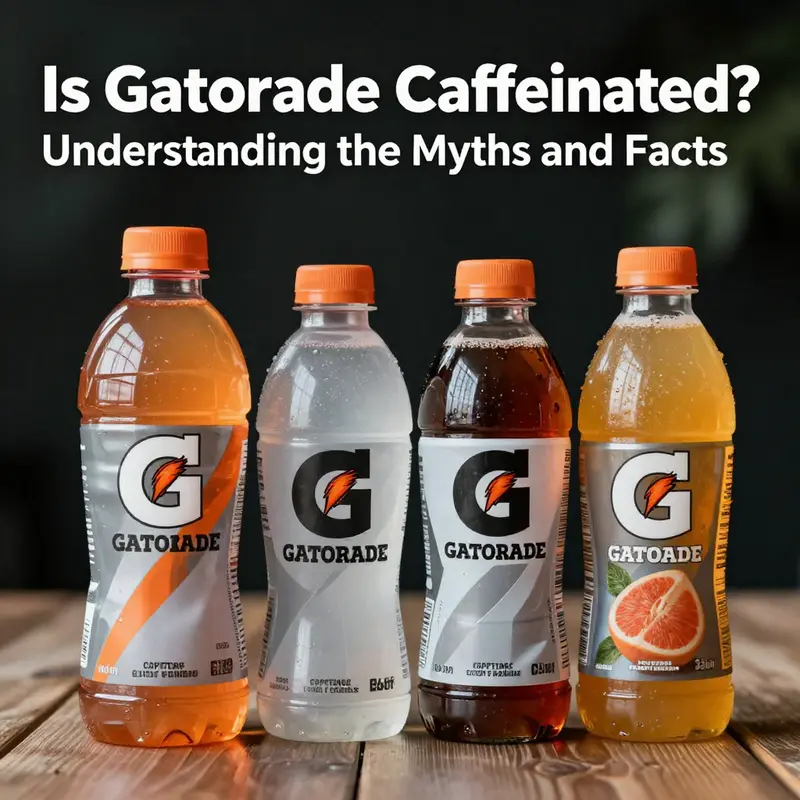
The question of caffeine in hydration beverages often surfaces in playground debates, gym locker rooms, and online forums where athletes diagnose what fuels performance. At the center of that chatter sits a familiar hydration brand that has built its name on science-backed rehydration: electrolytes, fluids, and energy replenishment without the stimulants. The core point to establish is straightforward: this particular drink, designed to restore what exercise depletes, does not contain caffeine. It is formulated to deliver sodium and potassium to replace sweat losses, alongside carbohydrates to help sustain energy, but caffeine is not part of its recipe. This distinction matters, not as a dry label of chemistry, but as a practical decision about how athletes manage alertness, heart rate, sleep, and recovery as they train or compete. The official product information, and the broader brand philosophy, emphasize rehydration and recovery rather than stimulation. For readers who want to verify this directly, a quick review of the official ingredients and nutrition confirms the caffeine-free status of all products in this line.
To understand why that matters, it helps to look at the broader landscape of sports drinks. Across the market, a spectrum exists: beverages that prioritize hydration and electrolyte balance, and others that merge hydration with stimulant effects. The latter often market themselves as “energy” or performance boosters, leveraging caffeine to enhance alertness and perceived focus. In that contrast, the caffeine-free option stands as a clear choice for individuals who want to optimize fluid absorption and electrolyte replacement without the side effects associated with stimulants. The absence of caffeine reduces the risk of jitters, palpitations, and sleep disruption that some athletes experience after stimulant consumption, especially when training late in the day or competing across time zones.
From a physiological perspective, caffeine can influence perceived effort and reaction time. It can also alter sleep patterns if consumed too close to rest. Meanwhile, a caffeine-free formulation relies on the physics of osmosis and the chemistry of electrolyte balance to promote rapid fluid uptake. Sodium, in particular, helps retain water and stimulates thirst, while potassium supports muscle function and prevents cramping. When sugars are present, they provide a readily available energy source without triggering the stimulant pathways associated with caffeine. The combination is designed to keep athletes hydrated and fueled without adding a stimulus that might complicate heart rate management or sleep quality. For those who want a concise, fact-checked takeaway, see the dedicated explainer on caffeine content directly linked here: Does Gatorade contain caffeine?.
The absence of caffeine also has implications for everyday training decisions. When athletes plan workouts, they weigh hydration strategies alongside energy strategies. A caffeine-free hydration option can be part of a larger plan that includes a balanced diet, adequate sleep, and appropriate recovery. If the goal is sustained endurance and steady recovery without the potential perturbations of stimulants, a caffeine-free electrolyte beverage aligns well with that objective. On the other hand, athletes who rely on caffeine for a perceived edge might consider timing caffeine intake strategically—before or during workouts—while carefully monitoring how it affects hydration status, heart rate, and sleep. In this sense, the caffeine issue becomes less about labeling and more about personal physiology and training goals.
The broader market context helps illuminate why caffeine is such a focal point for some athletes. Beverages marketed as “energy” or “endurance” often pair electrolytes with caffeine to deliver a two-pronged effect: hydration plus alertness. For athletes engaged in prolonged exertion, caffeine can offer a subjective boost in focus and perceived energy. Yet during high-intensity efforts, where fluid balance and heat management are critical, adding caffeine can complicate physiological responses. Some athletes tolerate caffeine well, while others experience increased heart rate, faster breathing, or disrupted sleep if caffeine is consumed late in the day. In contrast, the caffeine-free option discussed here keeps hydration clean and predictable, letting athletes focus on mechanical efficiency, pacing, and nutrition without potential stimulant interference.
This dynamic invites a practical, situation-by-situation approach. Before a race or long workout that starts early, an athlete might choose a caffeinated option, anticipating the need for mental sharpness and delay in fatigue. During the event, however, priority remains fluid balance and electrolyte replacement; caffeine’s diuretic whisper—though modest in many individuals at moderate doses—can create unnecessary risk if hydration and electrolyte losses are not carefully managed. For many athletes, especially those who train in heat or at high volumes, a caffeine-free hydration product provides a predictable baseline. It serves as a reliable anchor in a broader hydration strategy that includes water, electrolytes, caloric intake, and rest.
In helping readers navigate these choices, it’s useful to consider labels and ingredients as maps rather than rules. The absence of caffeine on the label is not merely a decorative detail; it signals how the product behaves in the body during exercise. It signals where energy needs come from—principally carbohydrates—rather than from stimulant-driven arousal. For those curious about label specifics or unexpected caffeine sources, the quickest route is to consult the ingredient list and nutrition panel on the product’s official page. If you want a direct explainer on whether this brand contains caffeine, you can consult the linked resource above.
The larger takeaway is that caffeine content is not a universal predictor of performance success. Rather, it is one variable among many in an athlete’s toolbox. Hydration and electrolyte restoration remain the foundation of effective recovery and performance. Caffeine may be a useful adjunct for some athletes under certain circumstances, but it is not a prerequisite for optimal hydration or endurance. The caffeine-free option discussed here embodies a philosophy of reliability and physiological compatibility: it supports rapid fluid absorption and fluid retention without introducing a stimulant that could complicate training outcomes. This perspective resonates with teams and individuals who prioritize consistent recovery, repeatable performance, and sleep integrity as they structure their weeks of workouts and competitions.
For readers who want to compare this caffeine-free hydration approach with caffeinated alternatives in a more granular way, consider how each option aligns with your training schedule, your typical sleep cycle, and your response to stimulants. If you train early in the morning after a poor night’s sleep, a caffeinated option might help with wakefulness. If you train in the heat and your body relies on precise hydration management, a caffeine-free electrolyte beverage can be the steadier partner. The point is not to prescribe a universal behavior but to offer a framework for informed choice that respects personal physiology and training demands.
In this sense, the caffeine question becomes less about a single product’s label and more about the behavioral science of athletic performance. Hydration is not optional; it is foundational. Carbohydrates provide essential energy, but they work best when the body is not fighting the unintended effects of stimulants. The caffeine-free approach described here is not anti-energy; it is pro-clarity, pro-stability, and pro-recovery. It invites readers to think of hydration as a disciplined practice, one that adapts to the demands of the workout and the rhythms of the body, rather than as a single, one-size-fits-all stimulant solution.
The chapter’s core message remains consistent with the broader article topic: in the landscape of sports drinks, caffeine content is a defining variable that can influence how closely a product aligns with an athlete’s goals. For those prioritizing pure hydration and steady energy replenishment, the caffeine-free option stands as a clear, science-aligned choice. For others who seek alertness as part of performance, caffeine-inclusive options may be appealing, provided they are used thoughtfully, with attention to timing and hydration. Either path can be valid, but understanding caffeine content helps athletes tailor their beverage strategy to maximize comfort, focus, and endurance across training cycles.
External resources and independent verification add a layer of confidence to these considerations. The official hydration-and-energy framework behind this caffeine-free option is rooted in the science of rehydration, electrolyte balance, and energy delivery. To ground these ideas in a primary source, readers can consult the official ingredients and nutrition information available from the brand’s site. This reference reinforces the chapter’s conclusions about caffeine absence and the product’s intended role in athletic performance.
In sum, the caffeine conversation in sports beverages is nuanced, and the choice between caffeine-free hydration and caffeinated energy drinks depends on timing, goals, and how your body responds to stimulants. This caffeine-free approach offers a dependable foundation for athletes who value hydration, electrolyte balance, and steady energy without the potential side effects of caffeine. For those who want to explore further and confirm the caffeine status directly, see the linked explainer and, as always, consult product labels before making your daily choices.
External resource: https://www.gatorade.com/en-us/ingredients-nutrition
Final thoughts
In summary, Gatorade stands as a foundation in the sports drink market, dedicated to hydration without the stimulating effects of caffeine. Understanding Gatorade’s formulation can empower business owners to make informed recommendations that align with athletes’ hydration needs. Emphasizing electrolytes and carbohydrate replenishment, Gatorade serves its purpose well, reinforcing the idea that effective hydration does not rely on caffeine. By comparing Gatorade with other sports beverages, it becomes clear that choosing a drink focused on rehydration and recovery is essential for optimal performance.