
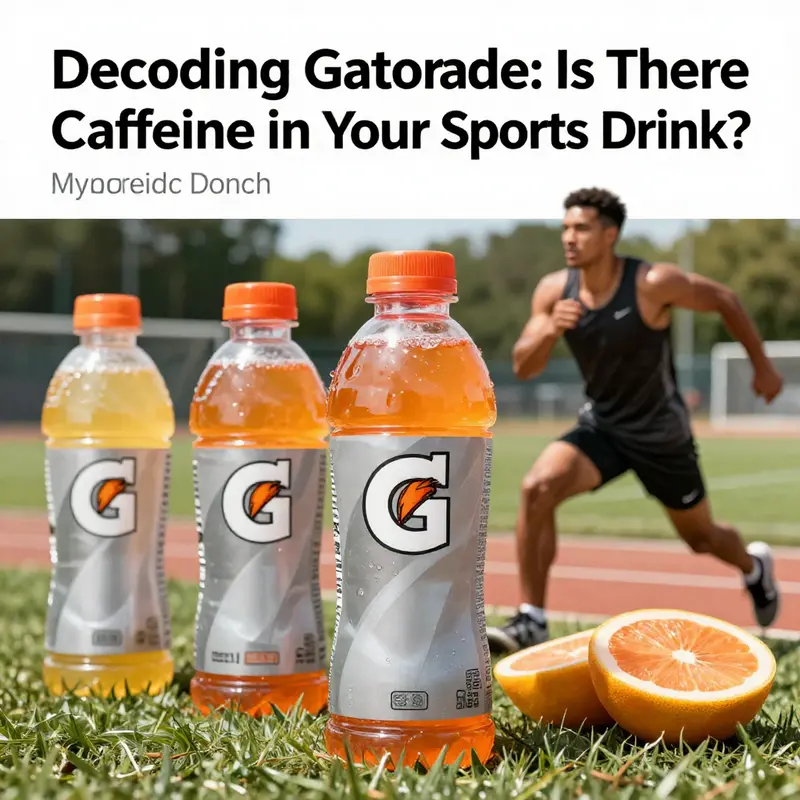
The question of caffeine in sports drinks like Gatorade is increasingly relevant for business owners in the fitness and health sector. Caffeine, known for its stimulating effects, plays a significant role in the performance and hydration of athletes. However, Gatorade, a leading sports drink, does not contain caffeine, which is crucial information for those curating product offerings for health-conscious consumers. This article dissects Gatorade’s composition, its nutritional context, comparisons with other sports drinks, and implications for athletes and hydration, providing business owners with insights essential for making informed decisions in a competitive market.
Hydration Without the Jolt: A Deep Dive into Gatorade’s Pure Electrolyte Formula
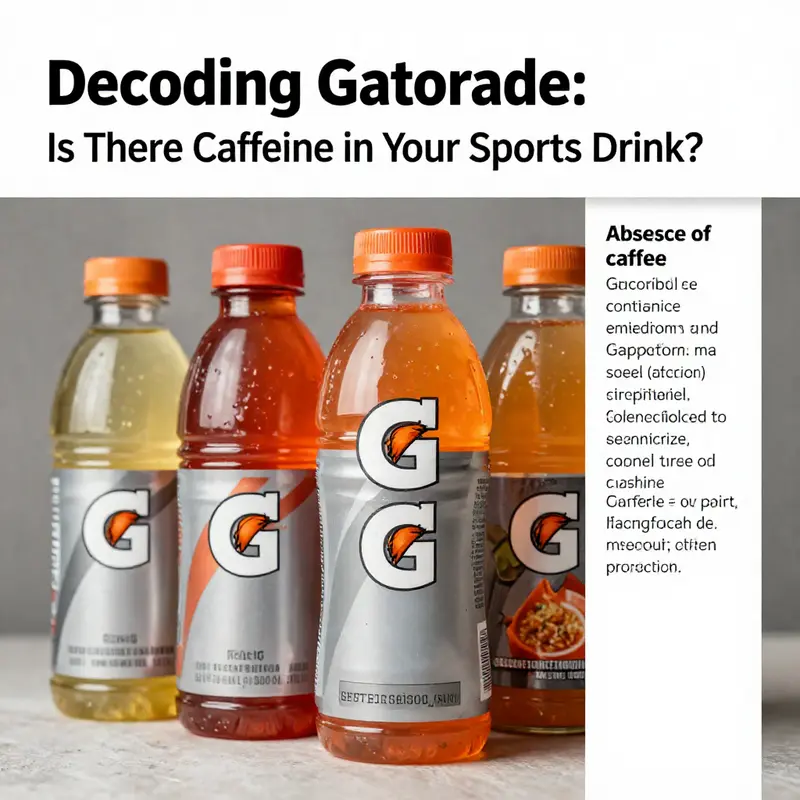
Many athletes and fitness enthusiasts wonder about the secret behind an effective hydration drink. The discussion often centers around the presence or absence of ingredients such as caffeine, a well‐known stimulant. However, when it comes to this beverage, the focus is not on imparting an energy jolt from caffeine but on delivering the precise combination of water, sugars, and essential electrolytes that aid in recovery and optimized performance. Over the years, extensive research in sports nutrition has shown that hydration is best achieved through a carefully curated blend that excludes unnecessary stimulants, making this non-caffeinated formula an outstanding example of what modern science has to offer in the arena of endurance and recovery.
The formulation begins at the most fundamental level with water – the universal solvent that acts as the backbone of hydration. This drink emphasizes water as the first ingredient, ensuring that every sip provides the baseline fluid necessary for optimal bodily functions. Alongside water, carbohydrates in the form of sugars such as sucrose and glucose bring immediate energy to the body. Carbohydrates are not just a source of calories; during physical exertion, they offer the quick energy needed to support muscles in motion. When these carbohydrates are broken down, their simple sugars allow for rapid absorption, helping to bridge any energy gaps during and after intense workouts.
In addition to these primary components, the strategic inclusion of citric acid plays a dual role. Citric acid not only contributes a pleasantly tangy flavor that makes the beverage refreshing during high-intensity exercise, but it also helps regulate the pH balance, thereby preserving the product’s longevity without compromising taste. It is the subtle twist of flavor that distinguishes this beverage from other hydration drinks while staying true to its purpose of effective rehydration. As many experts note, the overall sensory experience can be as important as the nutritional value, particularly when consuming a drink repeatedly during long-duration activities.
Perhaps the most critical component of the formula is its blend of electrolytes – sodium chloride and potassium chloride. During vigorous physical activity, the body loses electrolytes through sweat, making it essential to replace these minerals promptly. Sodium chloride, commonly known as salt, plays a pivotal role in helping with fluid balance and ensuring that muscles and nerves function properly. Potassium chloride complements this by aiding in cellular function and preventing muscle cramps. The careful balance between these electrolytes is a testament to decades of research and formulation strategies aimed at optimizing performance while minimizing the possibility of dehydration.
It is important to appreciate why this beverage purposely excludes caffeine. Caffeine, a well-known stimulant found in many typical energy drinks and sodas, is appreciated for its short-term ability to enhance alertness. However, caffeine also has notable diuretic properties, which can lead to increased urine production and potential dehydration if not balanced appropriately. For athletes who rely on sustained, rapid rehydration to maintain performance, the inclusion of caffeine would be counterproductive. Instead, the formula is built solely on components that support steady, reliable hydration, without the risk of the jittery side effects often associated with caffeine. The absence of caffeine underlines a commitment to purity when it comes to replenishing body fluids and electrolytes.
This careful approach to ingredient selection has far-reaching benefits. Athletes who depend on a consistent hydration strategy can avoid the potential pitfalls of both dehydration and overstimulation. Without caffeine, the beverage presents a reliable option for workouts of any duration, from short sprints to lengthy endurance events. For many, the choice of a non-caffeinated drink is driven by the desire to support not just peak performance but also long-term recovery, as unwanted side effects such as sleep disturbance or elevated heart rates are minimized.
There is historical precedence for keeping performance beverages free of caffeine. Over the decades, sports nutrition experts have continually refined hydration formulas to ensure they cater specifically to the body’s needs during exercise. Early athletic drinks often experimented with additional ingredients, but repeated research eventually steered formulations towards the inclusion of only those components that had clear, documented benefits in clinical settings. In this context, the absence of caffeine is not an oversight but a strategic decision informed by scientific evidence, consumer safety, and the cumulative experience of countless athletes.
Presented as an example of precision nutrition, the beverage illustrates how a straightforward ingredient list can offer robust performance benefits. Every element is meticulously measured to ensure that the final product meets the strict standards of sports nutrition. For instance, while a caffeinated beverage might briefly mask signs of fatigue, this product’s straightforward approach supports sustained muscle performance and recovery. Athletes are therefore more inclined to trust a drink that embraces a non-stimulant formula, especially when it is backed by research and validated by rigorous testing.
When comparing beverages in a marketplace filled with a variety of options, a notable distinction appears. Energy drinks that incorporate caffeine aim to provide a quick burst of energy, a feature that is sometimes desirable in day-to-day scenarios but not necessarily in sport-specific contexts. Simple hydration drinks eschew such unnecessary additives, focusing instead on fast rehydration and electrolyte balance. This distinction is crucial because the goals of a post-workout recovery beverage differ markedly from those of a mid-afternoon pick-me-up. The absence of caffeine makes the beverage a staple for pre- and post-exercise scenarios where maintaining optimal hydration is key to overall performance.
The formulation also sends an important message regarding consumer choice. In a world where nutritional labels can sometimes be misleading, it is essential that consumers understand what they are ingesting and why. The clarity with which this beverage presents its ingredient list is a testament to this transparency. With just water, sugars, citric acid, sodium chloride, potassium chloride, and natural flavorings and colorings, there is simply no room for ambiguity. The absence of caffeine is as deliberate as the presence of each beneficial component. For those interested in a detailed examination of how various hydration drinks compare in their ingredient makeup, a closer look at the discussion on caffeine content in athletic drinks can provide additional insight into these critical nutritional decisions.
In the realm of sports and fitness, every detail counts. The beverage’s exact formulation helps athletes to not only rehydrate quickly but also to recover their body’s electrolyte balance in a way that minimizes shock to the system. The science of hydration is based on the understanding that effective recovery is just as much about what is taken away from the body as it is about replenishing what is lost. The drink achieves this delicate balance by ensuring that fluids and essential minerals are replaced simultaneously, preventing the onset of muscle cramping and fatigue that improper hydration can cause.
Another noteworthy aspect of the formulation is the absence of ingredients that might affect individuals differently, such as those sensitive to stimulants. By foregoing caffeine, the beverage is accessible to a broader audience. Young athletes, individuals with specific dietary restrictions, and those with sensitivity to caffeine are all provided with a safe and effective option to meet their hydration needs. Moreover, avoiding caffeine also means reducing the risk of sleep disturbances—a crucial factor for recovery—thus allowing individuals to enjoy the drink at any time of day without concern for potential side effects.
From a regulatory standpoint, the formulation adheres strictly to standards set by sports nutrition authorities and health regulatory agencies everywhere. This adherence to guidelines not only reinforces the credibility of the product but also assures consumers that every sip taken is both safe and purposefully designed. Several sports organizations have even issued guidelines suggesting that avoiding high-caffeine drinks can be beneficial in maintaining steady hydration throughout physical activity. These institutional endorsements have bolstered confidence in the non-caffeinated approach as a viable and beneficial choice for athletes at all levels.
Further supporting the decision to maintain a caffeine-free ingredient list is the body’s natural response to fluid intake during periods of physical stress. Research indicates that while caffeine can temporarily elevate energy levels, it also accelerates fluid loss due to its diuretic effects. For athletes engaged in lengthy training sessions or competitive events, replenishing lost fluids without additional dehydration is paramount. Balancing the rate of hydration with sustained energy delivery is essential, and this beverage meets that need without resorting to stimulants. In doing so, it captures the essence of what hydration science has come to value most: simplicity, efficacy, and safety.
The narrative of nutrient replenishment extends beyond physical hydration into the realm of performance recovery. Fluid replacement, when structured around readily absorbable ingredients, directly contributes to an improved recovery process. The systematic replacement of electrolytes such as sodium and potassium supports muscle function, while the sugars provide the necessary calories to rebuild energy stores. Citric acid’s role in taste and preservation further enhances the overall consumption experience, making the beverage not only effective but also enjoyable. It is this harmony between science and taste that underscores the beverage’s position as a market leader in sports hydration.
Consumers looking for reliable hydration solutions increasingly value products with transparent, straightforward ingredient profiles. The simplicity of this drink’s formulation makes it especially appealing. Against the backdrop of increasingly complex nutritional supplements, a clear, uncomplicated ingredient list reassures users that they are consuming a product that has been designed with their best interests in mind. Formulated without unnecessary additives or stimulants, the beverage represents a return to basics in sports hydration, a quality that resonates well with both seasoned athletes and casual exercisers alike.
This focus on the essentials also means that the drink is ideal for a range of scenarios. Whether an individual is preparing for a marathon, engaged in a high-intensity training session, or simply trying to maintain optimal hydration levels during a long day outdoors, the non-caffeinated formulation stands out as an optimal choice for effective fluid replacement. The formula’s emphasis on balanced electrolytes coupled with rapid carbohydrate delivery ensures that users receive both sustained hydration and the energy needed for peak performance. As a result, the product not only supports immediate fluid replacement but also contributes to overall athletic endurance and recovery over the long term.
Importantly, this approach to hydration recognizes that the best performance is often achieved by avoiding unnecessary complications. In many ways, the absence of caffeine is emblematic of a broader commitment to reliability. The beverage is formulated to perform consistently under a variety of conditions, making it a trusted option for athletes facing unpredictable environmental or physical stressors. Every component exists to ensure that hydration is restored quickly and effectively, without the interference that a stimulant like caffeine might cause. It is this careful orchestration of ingredients, each chosen for its specific role, that allows the beverage to deliver on its promise of pure, unadulterated hydration.
The evolution of sports nutrition has continually highlighted the importance of dehydration prevention and effective fluid management. Over time, numerous studies have revealed that the most effective hydration strategies involve the use of drinks specifically designed to replenish the specific electrolytes lost through perspiration. By focusing on such a blend, the beverage maintains a high standard of performance while avoiding the complications associated with caffeine. In fact, many athletes now consciously choose non-caffeinated hydration solutions as they navigate the delicate balance between exertion, recovery, and overall well-being.
Beyond physical performance, the benefits of a non-caffeinated hydration solution extend into the realm of overall health. Regular consumption of the beverage can help maintain a stable internal environment, supporting processes that range from cognitive function to metabolic efficiency. This all-encompassing approach to nutrition and hydration speaks to the enduring value of simplicity in an overly complex food and beverage landscape. For those who depend on precise nutrient replenishment for optimal daily function, the clear-cut ingredient list and absence of caffeine offer undeniable reassurance.
Every drop of the beverage is a reflection of ongoing advances in hydration science. It is the result of years of research, meticulous testing, and thoughtful calibration of ingredients to meet the exacting standards demanded by elite athletes and everyday consumers alike. The formula’s success lies in its straightforward formulation: essential components that work in perfect harmony to rehydrate the body, replenish lost nutrients, and sustain performance through long and demanding physical activities. As such, it represents what many believe to be the gold standard in non-caffeinated sports hydration.
In summary, the journey through the formulation and benefits of this non-caffeinated beverage reveals a deep commitment to purity and performance in hydration. The deliberate exclusion of caffeine underscores a focus on the body’s real needs during intense physical exertion: effective fluid replacement and optimal electrolyte balance. This approach not only caters to the unique demands of athletic performance but also ensures that individuals across various demographics, including those sensitive to stimulants, have access to a safe, reliable hydration option. For those seeking further details on why this balanced approach matters, a closer look at the comprehensive analyses available in discussions on hydration science can offer additional perspective.
For more detailed information on the product’s formulation and ingredient list, interested readers may wish to explore the official product information available at Gatorade’s official product page.
This extensive narrative illustrates that proper hydration is not simply about quenching thirst—it is about supporting the body’s complex systems through precise nutrient management. Every component of the drink, from the water that forms its foundation to the electrolytes that restore balance, is selected to ensure the best possible performance during physical activity. Far from being a mere beverage, it represents a strategic tool in the athletic arsenal, one that champions safety, reliability, and informed nutritional practice. By choosing a formulation free from the side effects of caffeine, the drink stands as a beacon for effective hydration science, one that continues to meet the rigorous needs of athletes and active individuals everywhere.
Ultimately, the story behind this hydration solution is one of diligent innovation, rigorous testing, and an unwavering commitment to performance. It is a testament to the idea that sometimes, the most impactful choices are those that strip away the extraneous and focus solely on what the body truly needs. In embracing a simple, scientifically validated formula, the beverage not only honors the legacy of sports nutrition but also paves the way for a new era of hydration strategies that prioritize health, safety, and optimal performance above all else.
Hydration, Nutrition, and Caffeine: Unraveling Gatorade’s Formula for Performance
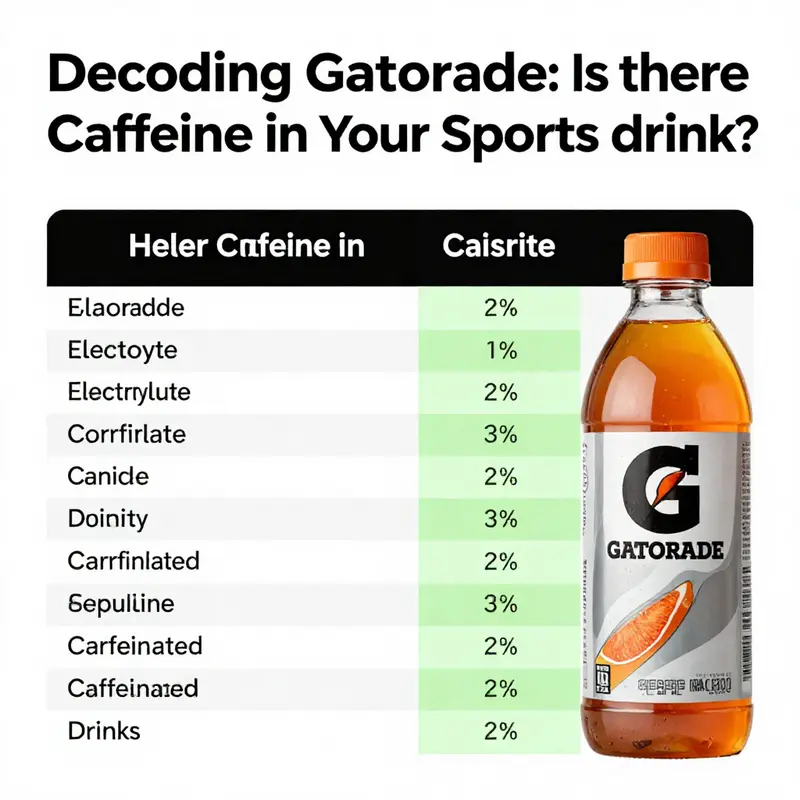
The conversation about caffeine in sports beverages often invites inquiries into how hydration, performance, and energy intersect. When discussing drinks that have been designed to support athletes and active individuals, the focus is typically on restoring electrolytes, replenishing carbohydrates, and rehydrating the body effectively. In this context, one of the most frequently asked questions is whether Gatorade contains caffeine. A closer examination of Gatorade’s formulation reveals that the standard sports drink is deliberately designed to be caffeine-free, offering a focused blend of ingredients to support endurance and recovery. The primary intent is to ensure that consumers derive the necessary hydration benefits without the interference of stimulants that might alter heart rate or produce jittery sensations. This explains why Gatorade’s classic formula, trusted by many for decades, has remained essentially free of caffeine.
The formulation of Gatorade is the product of meticulous research and an in-depth understanding of sports nutrition. To sustain high performance during physical exertion, it is critical to maintain a delicate balance of electrolytes such as sodium and potassium, which are essential for nerve function and muscle contraction. The carbohydrates in the drink offer a quick source of energy, especially during prolonged exercise. By excluding caffeine, Gatorade provides an option for athletes who aim to avoid the potential diuretic effect or the undesirable side effects associated with caffeine consumption. This is particularly advantageous for young athletes, individuals with caffeine sensitivities, or those who prefer to regulate their caffeine intake strictly. Rather than serving as a stimulant, the beverage is formulated to offer the right hydration equation without any additional compounds that might complicate the body’s physiological response during and after strenuous activity.
Beyond hydration, the experience of physical exertion demands that the body receives easily accessible energy. Gatorade’s focus on carbohydrates plays a crucial role here. Carbohydrates are rapidly converted into glucose, the body’s preferred energy source during exercise. This conversion is particularly significant for endurance athletes who require a steady energy supply over extended periods. The well-measured balance of electrolytes in the drink ensures that muscle contractions continue smoothly without the adverse effects of electrolyte imbalance, such as cramping or fatigue. For many users, this already provides the essential benefits required from a hydration drink, making it unnecessary and even potentially counterproductive to include additional stimulants like caffeine.
However, the evolution of product lines means that even a beverage brand with a firmly established identity may diversify its offerings. An example of this is the introduction of Gatorade Energy, a variant tailored for consumers seeking an extra edge during performance. Unlike the standard Gatorade, the Energy variant includes a measured dose of caffeine—approximately 35 milligrams per serving. This addition is aimed at athletes or active individuals who might benefit from a mild stimulant effect during competitive performance or rigorous training sessions. Here, caffeine is employed not merely as a caffeine fix, but as a thoughtful supplement to enhance alertness and reduce the perception of fatigue, particularly when the physical demand is coupled with mental acuity in sports that require quick reactions. This deliberate inclusion of caffeine in one product variant highlights the brand’s understanding that not every athlete has identical nutritional requirements. Instead, there is a specific niche for consumers who desire the combination of rehydration, electrolyte replenishment, and a mild energy boost.
The introduction of caffeine into the Energy variant of Gatorade underscores a broader trend in the beverage industry: tailoring products to meet a variety of consumer needs. While standard Gatorade serves as an optimal hydration solution devoid of any stimulants, the Energy line acknowledges that some individuals are seeking a synergistic effect—a beverage that hydrates while also providing a modest level of stimulation. For those who are sensitive to caffeine, this distinction is crucial. It allows consumers to carefully choose the product variant that aligns with their physiological needs or personal preferences. Athletes often consider their overall dietary regimen and may opt actively for a caffeine-free drink prior to events where maintaining a stable cardiovascular state is necessary. Conversely, in scenarios where a burst of alertness can be beneficial, such as during a long training session or in sports that demand mental sharpness, a beverage with added caffeine might be welcomed. The positioning of these two variants indicates that the brand is not making a one-size-fits-all assumption; rather, it is acknowledging that the role of a sports drink can shift based on the context of its use.
Understanding caffeine’s role in performance adds another layer to this discussion. Caffeine is widely recognized for its role in improving focus and endurance by acting on the central nervous system. It can stimulate the release of certain neurotransmitters that may reduce the perception of effort during physical tasks. However, the benefits of caffeine are not universal; they are influenced by each person’s sensitivity and habitual use. For instance, habitual caffeine consumers might react differently to additional caffeine compared to those who rarely ingest any stimulants. This dichotomy is reflected in the design choices of beverage formulations, where the effects of caffeine can be both beneficial and challenging, depending on the user. For sports drinks, the strategy of omitting caffeine from the main product helps ensure that the hydration benefits are not overshadowed by potential overstimulation or other undesirable side effects like rapid heartbeat or dehydration due to its diuretic properties. By keeping its flagship drink caffeine-free, the brand allows athletes the freedom to manage their own caffeine intake outside of the hydration arena if they choose to do so.
The nutritional context in which Gatorade is consumed further emphasizes why its caffeine-free nature is significant for many consumers. In the realm of sports nutrition, timing and composition matter immensely. Many athletes carefully plan their pre-event and post-event nutrition to optimize performance and recovery. In this elaborate routine, the reliability of a hydration solution that does not carry the unpredictability of caffeine can be a decisive factor. When caffeine is added to the mix, there is always the possibility of an energy spike followed by a period of crash, which can be counterproductive in sustained endurance events. The exclusion of caffeine from the traditional formula allows the drink to serve as an unobtrusive support mechanism, aiding the natural replenishment of fluids and electrolytes lost during exercise. As a result, users can focus on performance without needing to manage an additional variable in their nutritional and hydration strategy.
In addition to the strategic formulation of Gatorade’s products, another important consideration is the transparency of ingredient labeling. For many consumers, particularly those who are vigilant regarding their nutritional intake, understanding every element in the beverage is paramount. The clear and accessible listing of ingredients on product packaging and official websites fosters trust and allows consumers to make informed decisions. By clearly delineating that the standard drink is caffeine-free, the brand supports individuals who are particularly cautious about stimuli that might interfere with their body’s natural processes. Even though the introduction of a caffeine-infused variant provides choice, it is communicated in a way that does not confuse the consumer. It also reinforces the idea that the product is designed with a clear purpose: to offer performance-related benefits that are tailored to the unique needs of athletes and active individuals. This aspect of branding and nutritional transparency can be seen as part of a larger movement in the beverage industry towards full disclosure and consumer empowerment. For further exploration of similar insights on beverage ingredients, you might consider looking into detailed discussions on topics like the presence of stimulants in drinks such as those explored in articles about caffeine content in various beverages, including discussions on whether caffeine is present in other popular sports drinks.
For those who are particularly vigilant about caffeine intake, the option between a caffeine-free drink and a caffeinated variant can also be understood in the context of broader lifestyle choices. Athletes, fitness enthusiasts, and even casual exercisers are increasingly mindful about their overall intake of stimulants, often tracking their daily consumption from various sources including coffee, tea, and energy drinks. Selecting a formulation that deliberately avoids caffeine helps to prevent cumulative effects that might arise from consuming multiple sources of caffeine throughout the day. In this sense, Gatorade’s approach aligns with a philosophy of controlled substance exposure and regulated consumption, ensuring that the hydration process remains the primary focus. It empowers users to balance their beverage choices according to their other dietary and lifestyle considerations. Consumers who wish to avoid too much caffeine, especially in situations where calm concentration and steady hydration are critical, can do so with confidence by opting for the standard formula that has been trusted by generations of athletes.
Moreover, assessing the nutritional context also means considering the potential impact of caffeine on the body during different phases of exercise and recovery. While caffeine might be beneficial for boosting performance in the heat of competition or during high-intensity training sessions, its potential to alter sleep patterns or provoke anxiety in some individuals cannot be ignored. This duality means that one product cannot optimally serve all needs. The incorporation of a caffeine variant is therefore not a blanket statement about the benefits of caffeine but a considered response to a segment of the market that specifically seeks that effect. By separating the roles of hydration and stimulation, the brand caters more precisely to the nuances of athletic performance. In settings where quick recovery and consistent electrolyte levels are of utmost importance, a caffeine-free drink offers an unambiguous solution that supports the body’s natural balance without introducing additional variables. In the broader context of sports nutrition, this approach is commendable as it recognizes the diversity of consumer needs and the complexity of physical performance strategies.
The evolution of beverage choices among sports enthusiasts is influenced by both tradition and innovation. Many users continue to rely on the time-tested benefits of a caffeine-free hydration drink, preferring a product that delivers without the risk of unexpected side effects. For these individuals, the reliability of knowing exactly what they are ingesting—free of the additional variables that might complicate athletic performance—plays a crucial role in their training routines. It is this consistency that underpins the widespread appeal of the traditional formula. At the same time, the development of a variant with caffeine acknowledges that innovation can expand choice rather than replace a proven method. In a thoughtful manner, the brand illustrates that it is possible to balance long-held nutritional values with incremental enhancements that meet the evolving demands of modern sports and fitness regimes. This thoughtful segmentation within the product line offers a blueprint for how beverage companies can address both conservative and progressive aspects of consumer health and performance.
It is important to note that while caffeine can enhance certain aspects of alertness and performance, the scientific community continues to study its overall impact on hydration and muscle performance. Recent research has explored the nuanced ways in which caffeine interacts with various metabolic processes during prolonged exertion. Some studies suggest that moderate caffeine consumption can enhance endurance by lowering the perceived rate of exertion. However, even with these potential benefits, the risk of side effects such as dehydration or increased heart rate remains a concern—especially among individuals who might be less tolerant to stimulants. This scientific backdrop reinforces the strategic decision to keep the main hydration drink free of caffeine, reserving the stimulant addition for a specific variant aimed at a more targeted audience. The evolution in understanding these mechanisms has been gradual, and it is a testament to the brand’s commitment to evidence-based nutritional design that it has maintained a clear distinction between its products.
For anyone engaged in making informed choices about sports nutrition, it is advisable to review beverage labels carefully and consider how each ingredient contributes to overall performance and recovery. Whether one is an athlete who requires a silent, robust hydration partner or someone looking for a slight edge through an energy boost, the decision ultimately rests on personal needs, sensitivity to stimulants, and the specific demands of the activity. In navigating such choices, resources that discuss beverage ingredients and the science of hydration can be particularly useful. For example, comprehensive guides on related topics can provide valuable insights and help contextualize the benefits and drawbacks of various components like electrolytes, carbohydrates, and caffeine. One such resource, offering detailed information on whether specific sports drinks include caffeine, is available in a dedicated article on the topic. This internal discussion not only deepens consumer knowledge but also encourages a community dialogue about optimal performance strategies. For more detailed comparisons and insights into the formulation of similar beverages, readers can explore articles like those examining caffeine in sports drinks, which enrich the overall understanding of nutritional science in athletic contexts.
In essence, the dual strategy of offering both a caffeine-free hydration drink and a caffeine-infused variant in the form of Gatorade Energy reflects an insightful response to diverse nutritional needs. The standard formula is meticulously calibrated to provide the essential elements required for sustained hydration and effective electrolyte replacement without introducing the complications of a stimulant. In contrast, the Energy variant incorporates a carefully measured dose of caffeine to appeal to users who seek an additional energy boost during high-intensity or mentally demanding performance periods. This versatile approach highlights a broader trend in nutritional products: the custom tailoring of ingredients to suit the wide spectrum of user requirements. Whether the goal is consistent hydration or an immediate surge in alertness, the brand has managed to address both extremes by ensuring clarity in its product lines. This clarity is vital in a marketplace where transparency and precise communication about ingredient impact have become paramount.
Ultimately, the decision regarding which beverage to choose should be informed by one’s overall nutritional strategy and specific performance goals. For individuals who are particularly cautious about their caffeine consumption, the reassurance that the primary Gatorade formula is completely free of caffeine is an important detail that supports a balanced approach to sports nutrition and recovery. The option to opt for a caffeinated variant like Gatorade Energy further reinforces the idea that consumers have the flexibility to tailor their hydration and energy intake according to the demands of their activity and personal dietary preferences. This careful delineation between products not only serves the needs of those seeking a straightforward, calming hydration solution but also captures the attention of a niche market that values the performance-enhancing qualities of a small caffeine boost.
For anyone looking to deepen their understanding of how various beverage components play a role in athletic performance, it is worth exploring a wider range of discussions on this subject. Comprehensive reviews and analyses can offer further context on the interplay between electrolytes, carbohydrates, and even stimulants like caffeine. Such information is invaluable when building a personal regimen that maximizes endurance while minimizing potential downsides. In the end, whether the focus is strictly on hydration or extends to a more dynamic interplay of performance factors, the key is in making a choice that is aligned with individual health and activity profiles. For those curious about more detailed examinations of similar topics, consider visiting the article on does Gatorade contain caffeine for additional perspective and insightful discussion.
Consumers seeking more detailed nutritional profiles or further scientific validation on these formulations can always refer to the official product information and ingredient lists published by the manufacturer on their website. This direct source of information ensures that any updates or changes in formulation are communicated clearly, providing a dependable reference for individuals making health and performance decisions. The official Gatorade website remains a trusted resource for those who wish to stay informed about the specifics of any product and offers additional context on how each element contributes to the overall efficacy of the beverage. To learn more about the detailed nutritional breakdown and the rationale behind the product formulations, please visit Gatorade’s official website.
Gatorade’s Subtle Caffeine Edge: A Comparative Look at Hydration and Energy Drinks
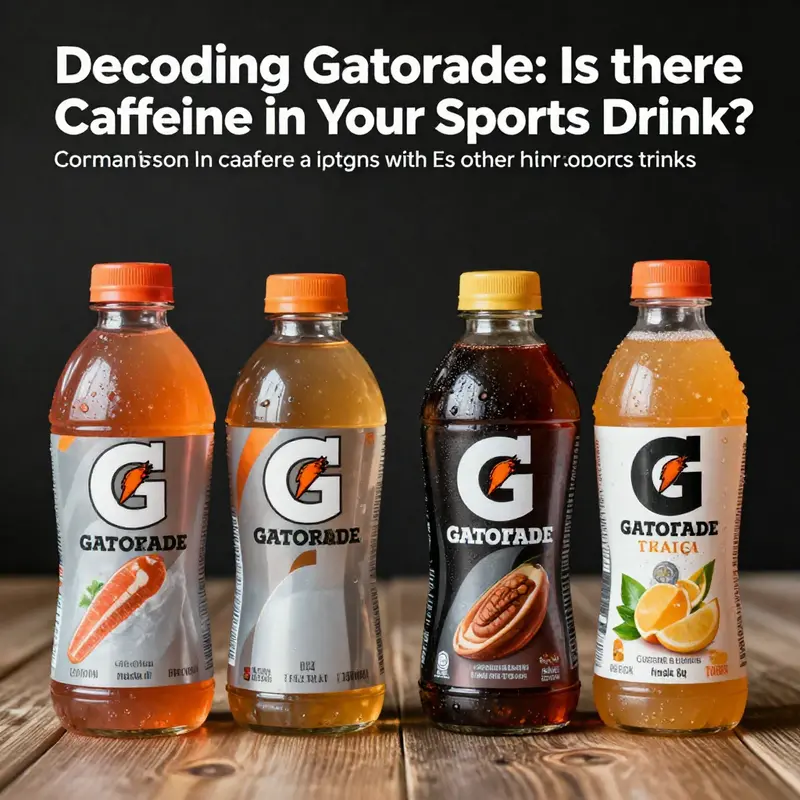
When athletes and casual consumers alike examine sports drinks and energy beverages, many wonder about the complex roles caffeine might play in performance and hydration. Gatorade, a name synonymous with electrolyte replenishment and hydration, often comes up in these discussions. While Gatorade’s primary formulation is designed to replace lost fluids and electrolytes during physical activity, a deeper look reveals that it contains a modest amount of caffeine—roughly 15.80 milligrams per serving. In this chapter, we explore how Gatorade measures against its competitors in the realm of caffeine-containing beverages and what that means for consumers balancing hydration with a need for some stimulation.
The idea of caffeine in a sports drink may surprise those who recall that many hydration formulas are designed solely around restoring fluid balance and electrolytes. Gatorade, traditionally celebrated for its ability to sustain endurance and performance, is no exception. Despite a reputation for being free of stimulants, detailed analysis shows that its caffeine content is relatively low when compared with many energy drinks. When compared side by side with brands like Cobra and Sting—whose beverages pack over 100 milligrams of caffeine per serving—Gatorade’s 15.80 milligrams appear almost negligible. This means that for individuals have sensitivities to caffeine or those simply looking to avoid a high stimulant load, Gatorade serves as a refined option that still offers a trace of caffeine without overwhelming the body.
Such a low level of caffeine is roughly equivalent to the content in a small cup of decaffeinated coffee or certain soft drinks. This low amount suggests that Gatorade’s caffeine is likely not included to impart a significant energy boost, as is the case with many pure energy drinks. Instead, its primary role remains focused on hydration. The blend of carbohydrates and electrolytes in Gatorade is carefully engineered to cater to athletes’ needs during long training sessions, where the focus is on maintaining fluid balance and reducing the risk of dehydration. In comparison, many energy beverages that sport higher doses of caffeine are aimed at delivering a potent stimulant effect meant to momentarily increase alertness and energy levels—qualities that are less essential in the context of a pure sports drink.
The contrast between beverages like Cobra, with its caffeine content of approximately 138.55 milligrams, and Sting, which clocks in around 99.17 milligrams, highlights a clear market segmentation. On one side, there are products marketed with energy enhancement as their central promise. On the other side, there are drinks that are primarily about hydration, where any caffeine present is only a minor addition rather than the headline feature. For sports enthusiasts or fitness aficionados who are keeping a careful eye on caffeine intake, whether due to personal preference or because of specific dietary restrictions, Gatorade represents a balanced middle ground. Its modest caffeine level offers an almost negligible stimulating influence, ensuring that hydration remains the primary function.
It is also important to consider the context in which many consumers use these beverages. For many, especially young athletes and individuals sensitive to stimulants, the role of a sports drink is far removed from that of an energy booster. While some may enjoy the slight perk provided by caffeine, others might prefer a beverage that minimizes stimulation and focuses solely on recovery and hydration. In this light, the inclusion of caffeine in Gatorade, albeit minor, should be understood as a design choice aligned with its overarching formula. The low dose works synergistically with its electrolyte and carbohydrate composition rather than acting as an independent energizer. This design philosophy reinforces the idea that sports drinks and energy beverages are crafted with very specific consumption scenarios and performance outcomes in mind.
Beyond the inherent formulation differences, there is also a broader conversation to be had about consumer expectations and product labeling. Many shoppers might be under the impression that Gatorade, given its storied reputation in the sports drink market, is completely free of caffeine, aligning with the functional goal of hydration without any stimulatory side effects. In reality, even the presence of a small amount of caffeine can make a difference for individuals who are trying to manage their daily intake. Accurate labeling is essential because it guides consumer choice, especially for athletes trying to avoid excessive stimulation before or during competition. For example, individuals planning multiple training sessions in a day might be very attentive to their total caffeine consumption, and even minimal amounts added up throughout the day may become significant.
This subtle presence of caffeine raises interesting questions about formulation priorities. Is the caffeine content in Gatorade an intentional nod to the modern consumer’s desire for a slight energy lift, even if it remains secondary to hydration? Or is it an unavoidable presence due to the way certain flavor profiles are constructed? While definitive answers may be beyond the scope of this discussion, it is clear that formulation strategies in the beverage industry have to balance a multitude of factors. Manufacturers continually assess consumer behavior, market trends, and scientific research to decide on ingredient profiles that deliver the right benefits at the right moments. In Gatorade’s case, the modest caffeine level suggests a compromise: It retains a hint of stimulant properties without compromising its main function—to provide hydration during strenuous activity.
This nuanced approach to caffeine content positions Gatorade uniquely in the competitive beverage landscape. For context, consider the rising popularity of beverages that combine hydration with additional functional ingredients such as vitamins, minerals, and even natural plant extracts. In such a diversified market, the question “Is there caffeine in Gatorade?” becomes part of a larger conversation about what benefits consumers value most. While some athletes might crave a beverage that doubles as a strong caffeine kick, others lean towards options that support performance without any risk of jitteriness or sleep disruption. By offering a drink with only a trace of caffeine, Gatorade aligns itself with the latter perspective, emphasizing endurance and recovery over a transient energy spike.
Additionally, it’s worth noting that hydration strategies during physical activities have evolved significantly over the years. In modern sports science, the need to replenish electrolytes, maintain fluid balance, and support muscle function is paramount. Gatorade’s formulation, therefore, is focused on delivering these essential components effectively. The low caffeine content does not detract from this goal; rather, it complements an overall product design where the priority is clear. In the competitive field of sports drinks, where many options might emphasize energy boost through high levels of caffeine, the more balanced approach of Gatorade offers consumers a different kind of value proposition. For those curious about this balance, more detailed comparisons can be found in discussions on sites that explore beverage composition and energy impacts. In fact, readers might consider exploring further insights found in articles like one on Gatorade caffeine details to better understand how these minor amounts compare with other popular choices.
From a scientific perspective, the impact of caffeine on the body is well-documented. Even modest amounts, such as the 15.80 milligrams in Gatorade, can have slight physiological effects, including an increased heart rate and improved alertness. However, in the context of sports performance, higher amounts of caffeine are more commonly employed in energy drinks specially designed for peak mental and physical stimulation. The modest caffeine content in Gatorade is unlikely to produce notable stimulatory effects, particularly when the beverage is consumed primarily for hydration. Instead, the trace amount of caffeine might offer a gentle nudge toward increased wakefulness without producing the overstimulation that could potentially hinder an athlete’s performance. Thus, for consumers trying to mitigate any adverse effects associated with high caffeine intake, Gatorade stands as a prudent choice.
This restrained use of caffeine also underscores broader trends in beverage formulation. Modern consumers are increasingly discerning about what goes into the drinks they consume. The emphasis is shifting from high-energy, high-caffeine concoctions toward products that offer balanced benefits with minimal side effects. Such shifts reflect evolving consumer attitudes, where health, endurance, and long-term performance take precedence over the short-lived thrill of a caffeine rush. The sports drink segment, in particular, has seen considerable evolution as manufacturers aim to address the concerns of athletes and casual users alike. The lower caffeine profile in Gatorade is emblematic of this trend—a move towards a more balanced beverage that focuses on sustained energy and hydration rather than an immediate burst of stimulation.
Moreover, packaging and marketing play significant roles in consumer perceptions. When athletes pick up a bottle of Gatorade, they do so with the expectation that the beverage will help maintain their performance levels over long periods. Excessive caffeine can lead to issues such as dehydration or anxiety, undermining performance rather than enhancing it. Manufacturers of hydration drinks, therefore, must tread the fine line between offering an energy perk and preserving the primary function of complete hydration support. In making strategic formulation decisions, companies like the one behind Gatorade consider both scientific research and market demand. They aim for a product that not only supports physical performance but also resonates with consumers mindful of their overall caffeine consumption.
As the discussion unfolds, it is necessary to emphasize that labeling is crucial. Consumers who are athletes, parents of young sports players, or individuals with caffeine sensitivities should always refer to product labels for the most current information. Even though the current formulation of Gatorade contains only 15.80 milligrams of caffeine per serving, formulations may vary with new product lines or regional differences. Transparency in labeling is key to helping consumers make informed decisions. Studies and detailed analyses, such as those found in the research report available on Scribd, help validate these differences and shine a light on how subtle formulation changes can impact consumer health outcomes.
For individuals who are particularly cautious about caffeine intake, these nuances can be significant. Athletes often plan their entire nutrition and hydration strategy around minute details in product compositions. The benefit of a lower caffeine sports drink like Gatorade is that it allows one to focus on recovery and hydration without the risk of a sudden caffeine surge that could interfere with sleep patterns or lead to jittery nerves later in the day. It also broadens the beverage’s appeal to a wider range of consumers, including those who might otherwise steer clear of drinks laden with stimulants. This speaks to a broader consumer trend where products are increasingly expected to serve dual purposes—supporting both physical performance and overall wellness.
The industry as a whole continues to innovate, and competitors are revisiting their formulations in light of consumer feedback and evolving nutritional science. In comparing Gatorade to other beverages, it becomes evident that even slight differences in caffeine content can define the product’s identity and target market. A high-caffeine energy drink might be more appropriate for an individual needing a quick pick-me-up during a mid-afternoon slump, but for sustained performance before or after athletic events, the balanced composition of Gatorade hits the mark more consistently. This differentiation is crucial, as it helps both marketers and consumers clearly understand which products serve what specific purposes.
In summary, the presence of caffeine in Gatorade, albeit in small quantities, represents a thoughtful integration into a formulation primarily intended for hydration and electrolyte replacement. By maintaining a conservative caffeine level, Gatorade ensures that it does not impose the potential negative side effects associated with high caffeine consumption, while still providing a product that meets modern standards of nutritional balance. This approach not only sets it apart from more potent energy drinks but also reaffirms its original mission—supporting athletic performance through effective hydration. With transparent labeling and ongoing research, consumers are empowered to choose beverages that align with their personal health and fitness goals.
For those interested in how even modest caffeine levels affect athletic performance, more detailed discussions can be found in comparative analyses across various sports drinks. The discussion of caffeine levels and their impacts is evolving as new studies and consumer trends emerge. Readers looking for further exploration into similar topics might also find valuable insights in articles addressing caffeine’s role in performance, as well as comprehensive breakdowns of other widely consumed beverages.
Ultimately, the conversation about caffeine in sports drinks like Gatorade extends far beyond simple ingredient lists—it touches on broader themes of health, performance, and consumer awareness. Whether one is an elite athlete, a weekend warrior, or someone simply curious about what they consume, understanding the nuances of beverage formulations is invaluable. The modest caffeine presence in Gatorade reinforces its status as a hydration-focused drink with minimal stimulatory effects, ensuring that it continues to play a pivotal role for those seeking balanced performance support.
As more research sheds light on the interplay between hydration, nutrient intake, and performance, consumers are sure to benefit from these nuanced formulations. The ability to choose a beverage that perfectly aligns with one’s physical needs and personal caffeine tolerance is a testament to the incredible strides made in nutritional science. Whether you are preparing for a rigorous workout, a competitive match, or simply looking to maintain balanced hydration throughout the day, recognizing the subtle differences among your beverage options can lead to better-informed choices and improved wellness over time.
The Athlete’s Hydration Dilemma: Unraveling the Role of Caffeine in Gatorade and Its Impact on Performance

In the competitive world of athletic performance, every choice made about hydration and energy replenishment can influence outcomes on the field, court, or track. Many athletes and active individuals are not only focused on the benefits of rehydration and electrolyte balance but also on the potential boost that may come from a small dose of caffeine. Understanding the role that caffeine might play in sports drinks like Gatorade is essential for those who are deliberate about balancing performance with recovery. Traditional Gatorade, known for its ability to quickly restore fluids and electrolytes lost during rigorous physical activity, is engineered specifically with hydration as its cornerstone. In contrast, specialized variants that include a measured amount of caffeine, such as the Gatorade Energy line, have been introduced to address the nuanced needs of athletes seeking that additional stimulant effect.
At its heart, standard Gatorade is a beverage designed to meet a precise formula that eliminates caffeine as an ingredient. This choice reflects a careful balance that prioritizes hydration and electrolyte replenishment over any additional stimulant properties. For countless athletes, the absence of caffeine means that the drink focuses entirely on replenishing lost fluids, sodium, potassium, and carbohydrates, an essential trio in the formula for recovery. The formulation is backed by extensive research into hydration science, ensuring that the standard version remains an ideal option for those who are engaged in extended periods of physical exertion and require a consistent supply of quickly absorbed nutrients.
However, the landscape of hydration has evolved over the years. Recognizing that caffeine has been celebrated for its ability to increase alertness and reduce perceived effort, manufacturers introduced a variant that caters to athletes who might benefit from this stimulant effect. The Gatorade Energy product is a striking example of such a formulation, offering a modest dose of caffeine—specifically 35 mg per serving. This amount is carefully calculated to provide the stimulating benefits of caffeine without compromising the drink’s hydrating properties. A moderate serving of caffeine can lead to improved concentration and a reduction in fatigue, qualities that are especially beneficial during intense physical activity or competitive events. The strategic inclusion of caffeine in this product line ensures that athletes can fine-tune their hydration strategy, choosing a beverage that not only replenishes lost fluids but also offers a slight performance enhancement when needed.
The scientific basis for incorporating caffeine into performance consumables is robust. Caffeine, which is chemically known as 1,3,7-trimethylxanthine, has been widely studied for its ability to improve mental alertness and decrease the sensation of tiredness, making it a frequently used supplement in competitive sports. Numerous studies have shown that when ingested in moderate doses, caffeine can enhance endurance, elevate mood, and even improve motor coordination. These benefits are particularly significant in sports and activities that require sustained concentration and rapid decision-making under fatigue. In the context of Gatorade Energy, the blend of electrolytes, carbohydrates, and a measured amount of caffeine aims to deliver a dual-action formula: one that rehydrates while subtly engaging the central nervous system.
The introduction of a caffeinated variant in a traditionally caffeine-free category was not a decision made lightly. It represents a broader trend towards customizable and adaptive nutrition solutions where athletes have the liberty to choose products that best fit their specific needs. For example, while many recreational athletes may prioritize fluid replacement without the added effects of a stimulant, competitive athletes might seek that extra edge during training sessions or competitions. It is crucial then for consumers to understand that within the same brand there are options which cater to these diverse needs. While standard Gatorade is ideal for consistent hydration and recovery, the Energy variant provides an opportunity to incorporate an element of mental alertness that might be beneficial during performance peaks.
It is also important to consider the physiological impact of combining caffeine with the body’s natural hydration processes. Traditionally, there have been concerns about caffeine’s potential diuretic effect—essentially the possibility that it could lead to increased fluid loss. However, more recent research has clarified that the diuretic effect of caffeine is relatively mild, particularly when consumed in moderate amounts. For athletes, this is reassuring; a 35 mg dose is low enough that it does not counter the primary purpose of hydration. Instead, the caffeine dose in the Energy variant is intended to be complementary, providing a stimulus that can translate into improved performance metrics without overwhelming the body’s finely balanced hydration system.
A closer examination reveals that the inclusion of caffeine in certain Gatorade products is part of an evolving approach toward nutrition and energy supplementation in sports. This evolution is driven by an increasingly sophisticated understanding of how various ingredients interact with one another. In the case of Gatorade, combining the traditional electrolyte formula with a targeted dose of caffeine represents an effort to provide athletes with a broader toolkit for managing the demands of their sport. The decision to add caffeine is particularly interesting because it illustrates a shift in consumer behavior—a willingness to integrate dual-purpose products into a nutritional regimen. This change is largely influenced by growing evidence that strategic caffeine intake, in conjunction with proper hydration, can improve physical performance without incurring significant drawbacks.
There is also a clear demarcation in usage scenarios when comparing the two formulas under the Gatorade umbrella. Standard Gatorade continues to be an exemplary source for those moments when the primary need is to hydrate without any stimulatory influences. This is critical during long-duration events where maintaining fluid balance is paramount. On the other hand, Gatorade Energy caters to those moments when a brief surge of energy and heightened concentration is required, such as during short bursts of high-intensity exercise or competitive scenarios that demand mental acuity as well as physical endurance. This strategic diversification in popular sports drinks not only illuminates the evolving understanding of athletic performance but also showcases how product lines can adapt to meet the diverse needs of modern athletes.
Another factor that adds depth to this discussion is the growing appreciation for transparency in nutritional labeling. Consumers today are far more informed and proactive about reading labels and understanding what goes into their beverages. The clear distinction between caffeinated and non-caffeinated options in Gatorade’s product line serves as a model of how brands can cater to varied dietary and performance requirements without causing confusion. It is crucial for athletes to routinely check the nutrition facts listed on these products, as subtle variations may exist depending on the intended use. By carefully reading labels, consumers can align their purchase with their specific goals—whether that is straightforward rehydration or a combined approach that involves a dose of caffeine-induced alertness.
The decision on whether to choose a caffeinated sports drink brings with it broader questions about the judicious use of stimulants in athletic performance. There is ample anecdotal and empirical evidence suggesting that caffeine can have numerous beneficial effects, including increased concentration, enhanced mood, and a reduction in the perception of physical exertion. When these factors are considered in conjunction with an effective electrolyte solution, the resulting product can offer a subtle yet impactful advantage during performance. However, moderation and individual tolerance are critical. Athletes who are more sensitive to caffeine or who already have significant sources of caffeine in their daily regimen may need to account for this extra input. As such, the option to choose between a pure hydration product and one supplemented with caffeine empowers athletes to calibrate their intake according to personal needs and physiological responses.
It is worth contemplating the origins of these product innovations and the evolving expectations that drive consumer demand. The landscape of fitness and performance nutrition has shifted significantly over the past decade. Innovations in sports science have redefined the role of hydration, challenging traditional notions that focused solely on water replacement. Today, it is recognized that a well-formulated beverage can influence not only hydration but also cognitive and physical performance. In this context, understanding that standard Gatorade is caffeine-free while its Energy variant contains a controlled caffeine dose is a reflection of this broader trend. It underscores a commitment to providing products that are aligned with both traditional rehydration principles and contemporary performance enhancement strategies.
A nuanced discussion of caffeine in sports drinks would be incomplete without considering its potential drawbacks. Even though the amounts included in products like Gatorade Energy are modest, there is still variability in individual responses. Some athletes may experience jitters or a minor upset in gastrointestinal equilibrium with caffeine consumption, particularly if they are not accustomed to it. Therefore, education on proper usage and personal experimentation remains key. The athletes who have integrated caffeinated variants into their routines often report that they use these products strategically—for instance, only during crucial training sessions or competitions rather than as a daily hydration solution. This targeted approach allows them to enjoy the cognitive and physical benefits of caffeine without incurring the potential downsides associated with higher doses.
Moreover, this conversation extends into the broader context of nutritional strategies for performance. Just as the optimal hydration and energy management protocols are tailored to individual needs, so too is the selection of beverages that align with one’s overall dietary habits. For instance, athletes who already derive a significant amount of caffeine from other sources such as coffee or tea may weigh the additional stimulant effects of Gatorade Energy differently than those who prefer to avoid caffeine entirely. In some cases, the cumulative effects of caffeine across different consumption channels may necessitate a closer look at dosing and timing. It is this interplay between product innovation and individual customization that lies at the heart of modern performance nutrition. An informed approach to hydration is not simply about consuming fluids; it is about crafting a regimen that maximizes recovery, enhances performance, and respects the body’s unique responses to different ingredients.
In addition to the biochemical and physiological implications, the choices around caffeinated sports drinks also have a psychological dimension. The belief that a product can provide both hydration and a slight performance edge can have a significant placebo effect that indirectly boosts performance. When an athlete feels that they are taking proactive steps toward gaining a competitive advantage, their confidence may receive a much-needed boost. This psychological reinforcement can be invaluable in high-pressure competitive environments. The multi-faceted approach of products like Gatorade Energy, which combine hydration with caffeine-induced alertness, can therefore serve not only as a nutritional aid but also as an element of mental preparation.
For athletes and fitness enthusiasts who are considering the use of products with caffeine, several practical guidelines emerge. First and foremost, understanding personal tolerance is important. Testing the effects of caffeine during training sessions rather than competitions can help gauge how the body responds. Additionally, careful attention should be paid to overall daily caffeine intake from all sources. The availability of clear, accessible nutritional information on labels facilitates these decisions, making it easier for consumers to integrate these products within their broader dietary framework. Another suggestion is to alternate between standard and caffeinated options depending on the type of activity, environmental conditions, and personal energy needs—a practice that can optimize both hydration and performance over time.
Furthermore, discussions about caffeine in sports drinks often extend to comparisons with other products in the market. Some non-caffeinated beverages might appeal more to individuals who are particularly sensitive to stimulants, while others might find that a modest caffeine boost aligns better with their energy needs. Comparisons among sports drinks reveal that the key difference lies not in the fundamental hydration properties but rather in the additional, carefully measured stimulant content. The Gatorade Energy variant is an example of a product that successfully integrates these elements, setting it apart from traditional formulations. For a broader discussion on similar products and comparisons of caffeine content across beverage choices, consider reading about the nuances of sports drink formulations, which are detailed further in articles such as those discussing Gatorade formulations and related nutritional strategies (see this discussion on the caffeine content in popular sports drinks: caffeine content in popular sports drinks).
While most athletes continue to rely on the proven performance of standard, caffeine-free sports drinks for their hydration needs, the introduction of a caffeinated option marks a noteworthy evolution in sports nutrition. It illustrates a willingness on the part of manufacturers to innovate continuously, providing consumers with a wider array of choices. These choices enable athletes to integrate hydration strategies that also accommodate the demands of modern competitive environments, where every ounce of additional alertness can lead to improved decision-making and ultimately, better performance. The scientific foundation supporting caffeine’s role in reducing fatigue and enhancing cognitive function is robust, and when paired with the enduring benefits of effective hydration, it creates a compelling narrative for athletes who are looking to optimize their performance.
In conclusion, the presence of caffeine in some Gatorade products represents not only a shift in formulation but also a broader narrative about modern athletic performance. The careful calibration of ingredients in Gatorade Energy, combining electrolytes, carbohydrates, and caffeine, is a testament to the evolving understanding of how best to support athletes. It bridges the gap between pure hydration and performance enhancement, offering a nuanced product that supports both body and mind. Athletes are now empowered to choose between a straightforward hydration approach and a strategy that leverages caffeine for improved alertness and endurance during moments when every second counts. For those interested in learning more about these formulations and how they can impact performance, further details about the product and its intended benefits can be explored at Gatorade Energy.
This chapter invites athletes and curious readers alike to consider the delicate interplay between hydration and stimulation, a balance that is central to achieving peak performance. Whether one opts for a traditional, caffeine-free formula or a specialized variant designed for an extra edge, being informed and intentional about those choices is key to meeting the demands of modern physical activity. In every drop of these beverages lies not only the science of hydration but also a carefully considered approach to performance nutrition, ensuring that every athlete can find the variant that best suits their needs in pursuit of excellence on and off the field.
Final thoughts
Understanding the absence of caffeine in Gatorade is essential for business owners targeting the athletic market. As consumer awareness of nutrition shifts towards caffeine management, positioning Gatorade as a caffeine-free hydration option enhances its appeal to athletes focused on performance and endurance. This knowledge not only helps businesses meet market demand but also informs product recommendations that align with health goals. Ultimately, Gatorade’s formulation can be effectively marketed as a reliable source of hydration that steers clear of caffeine, appealing to a health-conscious audience eager for quality hydration solutions.