
The caffeine content in drinks like Mountain Dew can significantly influence consumer preferences, leading to important business decisions for owners in the beverage industry. This article delves into the caffeine levels found in Mountain Dew’s original flavor, how it compares across different varieties, and its effects on energy levels. As business owners, understanding these elements is essential for enhancing customer satisfaction and optimizing product offerings. Each chapter will build upon the previous insights, creating a comprehensive understanding of Mountain Dew’s caffeine content and its implications for your business.
Original Flavor Caffeine: What 54.8 mg in a 12‑oz Can Actually Means
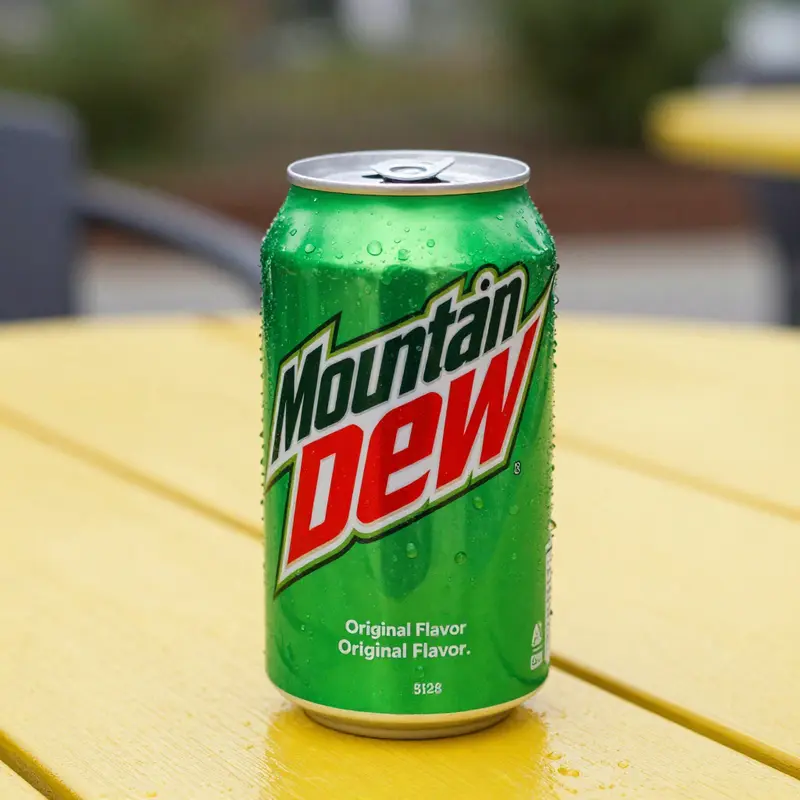
Understanding the 54.8 mg figure and why it matters.
When you pick up a 12‑ounce can of the classic citrus soda, you’re getting more than bright flavor. The original formula contains about 54.8 milligrams of caffeine per 12‑ounce serving. That number places it well above many standard colas and makes it one of the more caffeinated mainstream soft drinks. Knowing that single figure helps frame expectations for energy, sleep, and safe daily limits.
A 54.8 mg caffeine dose is noticeable but not extreme. For most adults, a single can delivers a mild to moderate stimulant effect. It can sharpen focus, reduce perceived fatigue, and slightly raise heart rate and blood pressure for a short time. The effect depends on body weight, tolerance, and recent caffeine intake. Someone who rarely consumes caffeine will feel the stimulant more strongly than a habitual consumer.
Comparisons help make the number meaningful. Typical colas contain roughly 30 to 40 mg of caffeine per 12 ounces, so this citrus soda often registers higher. Instant or brewed coffee varies widely but commonly sits between 90 and 165 mg per cup. Thus, a 12‑ounce can provides approximately half the caffeine of an average brewed cup. This places it in a middle ground: more kick than most sodas, less than most coffees.
Packaging and serving size matter. Many people assume the can size is the definitive serving. It is convenient, but caffeine scales with volume. A 20‑ounce bottle will carry a correspondingly larger dose, while smaller cans or fountain servings may vary. Also account for how fast you drink it. Sipping slowly spreads the caffeine effect, while quick consumption delivers a sharper, more immediate impact.
Label vigilance is important. Not every flavor or regional variant has the same caffeine content. Many flavor spins keep the caffeine level close to the original, while diet or low‑calorie versions may differ by a few milligrams. Always check the nutrition facts on the packaging when caffeine intake matters. For quick reference, some resources summarize these values, including a focused look at the caffeine content of Mt. Dew. If you want a consolidated comparison to other soft drinks, that page is useful: caffeine content of Mt. Dew.
How the body processes 54.8 mg varies. Caffeine reaches peak blood levels within 30 to 60 minutes. Effects may last three to five hours, though metabolites can persist longer. Genetics play a role: some people metabolize caffeine quickly and experience a short, sharp lift; others clear it slowly and may feel jittery or sleepless much later. Age, liver function, and certain medications also alter caffeine metabolism.
Safety thresholds should guide consumption. Health authorities commonly recommend up to 400 mg of caffeine daily for most healthy adults. By that metric, roughly seven to eight 12‑ounce cans of the original flavor would reach the upper recommended limit. Pregnant people, children, and people with certain conditions should aim much lower. For example, pregnant adults are often advised to limit caffeine to under 200 mg per day. For children and adolescents, recommendations scale with age and weight, and many experts advise minimizing stimulant intake altogether.
Timing matters for sleep and performance. Consuming 54.8 mg late in the day can delay the onset of sleep for sensitive individuals. Even afternoon intake can reduce sleep quality. For short‑term performance needs—late‑day studying or a short drive—one can can sharpen alertness without the intensity of a coffee. But for longer shifts of sustained concentration, repeated doses or higher caffeine sources may be needed, which increases the risk of side effects.
Understand the side‑effect profile. At moderate doses like 54.8 mg, most people notice only mild stimulation. Higher intake or sensitivity can produce anxiety, restlessness, upset stomach, or palpitations. Combined with other stimulants or certain medications, even moderate amounts can amplify effects. Pairing caffeine with intense exercise, or mixing with alcohol, changes physiological responses and is not advisable.
Practical consumption tips help keep intake sensible. If you want a single, predictable lift, a 12‑ounce serving is convenient and relatively consistent. Track total daily caffeine by adding the contribution from other sources—tea, coffee, chocolate, energy drinks, and some medications. If you find sleep disrupted, reduce late‑day intake or switch to caffeine‑free alternatives in the evening. For those monitoring blood pressure or heart rhythm issues, consult a clinician about safe limits.
For travelers or those comparing international labels, note that reported values may vary by market. Ingredients and labeling rules differ across countries, so the 54.8 mg figure applies to the standard 12‑ounce serving commonly sold in certain regions. Bottles and cans in other markets sometimes carry different formulations. When possible, check local nutrition labels.
If you manage intake for younger drinkers, portion control matters. Children and teens metabolize caffeine differently. Even a single can can represent a substantial portion of a recommended daily cap for a teenager. Schools, caregivers, and parents should be aware of the stimulant level and consider alternatives when caffeine is not desirable.
A short note on perception: taste and caffeine don’t always correlate. A very bright or bitter flavor doesn’t guarantee higher caffeine. The classic formula’s bold citrus profile pairs with a deliberately higher caffeine content to enhance perceived energy. Manufacturers balance taste, sugar, and stimulant level to create a consistent sensory and physiological experience.
Finally, consider how this fits into broader habits. If you rely on multiple caffeinated products each day, those amounts add up quickly. A single can of the original flavor can be a predictable, moderate choice for a quick lift. But repeated cans, combined with other sources, can push intake past recommended levels without obvious realization. Track intake for a few days if you’re unsure how much caffeine you consume.
For those who want a concise external reference on the original formula’s caffeine amount, consult an authoritative overview of the product and its nutrition. https://en.wikipedia.org/wiki/Mountain_Dew
null
null
null

null
Reading the Buzz: How Caffeine Shapes Consumer Perception of Mountain Dew

Understanding the stimulant at the center of the brand’s identity helps explain why this beverage stands out on store shelves and in buying decisions. A single 12-ounce serving typically delivers around 54 to 55 milligrams of caffeine. That level sits well above many mainstream soft drinks. For many buyers, that numeric difference translates directly into the promise of alertness and a quick lift. It also shapes how people categorize the drink—some see it as a mild energy booster, others treat it more like a near–energy drink option.
This reputation affects who chooses the beverage. People who need short-term mental focus often gravitate toward it. Gamers, students cramming for exams, shift workers, and anyone facing long stretches of wakefulness are common consumers. The flavor and marketing reinforce a perception of high energy. But perception and nutritional reality sometimes diverge. While the caffeine is a clear, measurable factor, other elements influence effects. Sugar content, acidity, serving size, and the occasional inclusion of additional stimulants change both immediate experience and longer-term health implications.
Label literacy plays a large role in consumer awareness. Many shoppers glance at packaging for calories and sugar. Fewer focus on milligrams of caffeine or look for less obvious stimulants. Some formulations include taurine, guarana, or ginseng. These ingredients can amplify stimulant effects but are not always highlighted front and center. When packaging emphasizes flavor or lifestyle, the total stimulant load may be easy to miss. That gap in visibility can cause consumers to underestimate how much stimulation they actually consume in a sitting.
For people tracking daily caffeine intake, the difference between 54 mg and a similar soda with 30 mg matters. Three servings can push an adult near recommended daily limits. The U.S. Food and Drug Administration suggests a maximum of about 400 mg of caffeine per day for healthy adults. Many health bodies recommend much lower limits for adolescents and pregnant people. Those sensitive to caffeine may notice jitteriness, disturbed sleep, or heart palpitations with smaller doses. The beverage’s caffeine content therefore matters not only as a selling point but as a dosing consideration.
Sugar and acidity compound health concerns. Frequent consumption of high-sugar, acidic drinks correlates with dental erosion and tooth decay. The role of caffeine here is indirect but meaningful. Caffeine can encourage repeat drinking by creating a perceived dependence on its alerting effects. That pattern increases exposure to sugar and acid. For those who want the stimulus without the calories, zero-sugar or diet versions retain similar caffeine amounts. That change reduces sugar-related dental and metabolic risk while preserving the stimulant effect. Still, artificial sweeteners prompt different questions, including palatability and long-term safety concerns for some consumers.
Transparency matters. As shoppers ask more questions about ingredient lists and total stimulant content, brands face pressure to present clearer information. Nutritional facts usually list caffeine per serving. But other stimulants and crude totals seldom appear as a combined “stimulant equivalence.” Consumers who rely solely on quick scanning may miss hidden contributors. Greater label clarity would help people compare products and make choices that match personal health needs.
Context is key when interpreting caffeine numbers. Fifty-four milligrams is a moderate single dose. In a world of varied caffeine sources, it can add up fast. A morning coffee, an afternoon beverage, and a small pre-workout supplement may combine to exceed safe daily intake. For adolescents, medical guidelines commonly advise keeping caffeine below 100 mg daily. Pregnant people are often advised to limit intake to 200 mg per day. Medication interactions also matter; certain drugs increase caffeine sensitivity or slow its breakdown, intensifying effects from the same amount.
Consumer education efforts have already shifted some buying behavior. More people read labels and compare milligrams per serving across categories. Some switch to low- or no-sugar options to lower caloric load, while others choose fortified beverages only occasionally. Retailers and brands respond by highlighting caffeine content, offering smaller serving sizes, and marketing sugar-free alternatives. Still, a portion of buyers prefers the familiar recipe because of its taste and perceived energizing power.
Communication strategies can reduce harm without removing choice. Practical measures include clearer per-serving caffeine statements, standardized language for additional stimulants, and better guidance on safe daily limits. Retail displays could also show comparisons across popular beverages. These changes make it easier to evaluate cumulative intake at a glance. For households with teenagers, visible information helps guardians guide consumption. For individuals managing sleep or anxiety disorders, labeling helps avoid triggers.
When consumers want to dig deeper, trustworthy comparisons and resources matter. Independent analyses and nutrition databases often list caffeine per serving for many beverages. For a quick internal reference on caffeine comparisons with other sodas, consult this guide on how much caffeine is in similar drinks: how much caffeine in a Mountain Dew. That kind of direct comparison frames the beverage within a larger daily intake plan.
Ultimately, rising awareness has two clear effects. First, it encourages informed consumption. People who understand caffeine levels can match their choices to needs and limits. Second, it pushes manufacturers toward clearer ingredient disclosure and more product variety. As information circulates, the market adapts. Consumers gain options that better fit health goals and lifestyle needs.
Even with better labels, individual judgment remains essential. Track total daily caffeine across all sources. Note personal sensitivity and adjust servings accordingly. Choose sugar-free versions if caloric intake or blood sugar is a concern, but weigh trade-offs related to artificial sweeteners. Be wary of combining multiple stimulant-containing products in short periods. If sleep, anxiety, heart symptoms, or other health issues arise after consumption, consider lowering intake and consult a healthcare professional.
The bottom line is simple: caffeine content is central to how this beverage is perceived and used. That number shapes who reaches for it and why. It also frames the health trade-offs that matter for frequent consumers. Better labeling, consumer education, and mindful habits reduce risk without removing the choice to enjoy a familiar, flavorful stimulant. For a scientific perspective on caffeine content across packaged beverages, see the peer-reviewed analysis here: https://www.ncbi.nlm.nih.gov/pmc/articles/PMC9567892/.
Rising on the Edge: Reading Mountain Dew’s Caffeine Load and Its Health Footnotes

Caffeine sits at a curious intersection of taste, quick energy, and everyday decision making. For a beverage that markets itself as a daytime companion rather than a solemn ritual, Mountain Dew carries a caffeine load that feels almost deliberate in its clarity: a noticeable jolt without the need for a formal energy-drink label. In practical terms, a standard 12-ounce can of the classic or most common variants typically holds about 54 to 55 milligrams of caffeine. That figure places Mountain Dew in the upper tier of non‑energy drinks, a spot where the caffeine is high enough to sharpen attention for a stretch but not so extreme as to demand careful monitoring for most healthy adults. It’s a subtle distinction, but one that matters when the drink sits on the kitchen counter next to other caffeinated choices, or when it appears in a daily rhythm that includes coffee or tea, sodas, and perhaps an afternoon energy bite. It is also a reminder that caffeine, like any nutrient in excess, has a story that extends beyond a single can and into the daily patterns that shape mood, metabolism, and sleep.
The numbers are more than a snapshot of a single product. They reflect a larger pattern: caffeine content in this category of beverages tends to cluster in a range that many people rarely scrutinize until they notice a jittery afternoon, a restless night, or a flutter in the chest after multiple servings. The typical 12-ounce serving, with its roughly 54 milligrams of caffeine, sits within a broader context where the caffeine per 100 milliliters runs in the five-to-ten milligram band. For someone used to sipping a can or two across a day, that cumulative intake can add up in ways that feel almost invisible until the moment of awareness—the moment when a second can in the late afternoon tips the scale from alertness to an uneasy buzz.
This is not merely a matter of numbers; it is also a question of how the body processes caffeine in combination with the drink’s other defining features. Mountain Dew is known for its pronounced sweetness and its bright, citrus-forward acidity. A can typically carries a substantial sugar load—often around 46 grams per 12-ounce can—which compounds the physiological effects of caffeine. Sugar and caffeine together can amplify the perception of energy, but they can also influence blood sugar dynamics, dental health, and overall caloric load. The acidity, contributed by citric and phosphoric acids, adds another dimension: it can intensify the sensation of refreshment while also interacting with stomach comfort and dental enamel over time. The trio of caffeine, sugar, and acidity creates a nuanced profile that can feel uplifting in the moment and potentially confounding when considered in longer-term health terms.
From a physiological standpoint, the caffeine in Mountain Dew can improve wakefulness, reaction time, and focus for many adults. The same dose, however, can pose risks for individuals with certain health sensitivities. For people with anxiety disorders, heart palpitations, or hypertension, even a single can’s caffeine load may intensify symptoms or provoke palpitations. These risks are not universal, but they are plausible enough to merit thoughtful attention, especially for those who already experience heightened caffeine sensitivity or who routinely supplement their day with multiple caffeinated beverages. The sugar content compounds this dynamic. A high-sugar drink can trigger rapid blood sugar fluctuations, contributing to a temporary energy peak that is quickly followed by a crash. This pattern is not inherently dangerous, but it can influence mood, appetite, and energy levels across the day, particularly for someone with insulin resistance, prediabetes, or a tendency toward weight gain.
Dental health is another practical consideration. The combination of carbonation, citric acid, and phosphoric acid can erode enamel over time and promote tooth sensitivity or decay if consumption is frequent and unmitigated. The same acid-sugar pairing that makes Mountain Dew appealing can also make it a less-than-ideal daily companion for teeth, especially when sips stretch into a habit rather than a treat. It isn’t a universal warning, but it is a pattern that dental professionals highlight when discussing the long-term effects of acidic, sugary beverages. In this context, caffeine’s role becomes more than a simple act of energy—it becomes part of a bigger equation about how our bodies respond to sweetness, acidity, and routine.
An often overlooked dimension is caffeine dependence. Like any potent stimulant, caffeine carries a potential for habitual use, and with habitual use comes withdrawal risk when intake drops suddenly. Common withdrawal symptoms include headaches, fatigue, and irritability, all of which can remind a consumer that the beverage isn’t merely a refreshing choice but a component of a daily routine that the body grows accustomed to. This is a practical point for anyone who finds themselves reaching for a can not out of hunger or thirst but out of habit or mood. It invites a broader reflection on how we structure our days: where caffeine sits in our schedule, how much we rely on it to push through tasks, and how flexible our routines are when caffeine is temporarily scarce.
The conversation would be incomplete without considering age, particularly the impact on younger drinkers. For children and adolescents, caffeine exposure raises concerns about sleep, attention, and development. The American Academy of Pediatrics has long advised moderation and careful monitoring of caffeine intake in younger populations, a stance rooted in the understanding that growing bodies and developing brains can be more susceptible to disruption from stimulants and sugar. So while Mountain Dew may be marketed in a way that appeals to youth through bright flavors and branding, the health calculus for this demographic remains more conservative, prioritizing sleep quality, mood stability, and overall nutrition alongside energy needs.
What does this mean for a consumer trying to make sense of Mountain Dew’s caffeine content in daily life? The answer lies not in demonizing a single beverage but in adopting a balanced framework for consumption. Moderation becomes a practical and ethical guideline. It suggests tallying total caffeine intake from all sources—coffee, tea, soda, energy drinks, and even chocolate—before deciding how many servings are appropriate in a day. It also recommends considering sugar intake in conjunction with caffeine. If you are watching blood sugar levels, dental health, or calorie intake, you might favor lower-sugar or sugar-free variants, or pair Mountain Dew with meals that help stabilize glucose responses rather than hypercharge them. And for those who are particularly caffeine-sensitive, a single can might be the upper edge of a comfortable daily limit, with alternatives like non-caffeinated beverages or beverages with lower sugar content providing a more even energy baseline.
For readers seeking a concise reference that situates Mountain Dew within the broader caffeine landscape, a dedicated breakdown offers a useful comparison against other popular soft drinks. Readers can explore this overview here: Mountain Dew caffeine content.
Beyond the numbers, there is a cultural and behavioral thread worth noting. In many communities, Mountain Dew has earned a reputation as a go-to option for quick, tasty refreshment during long workdays, late study sessions, or casual social events. This cultural role reinforces the habit-forming potential of a high-caffeine, high-sugar beverage, narrowing the space for mindful consumption unless a deliberate choice is made. The health considerations outlined earlier are not a moral indictment of the product but a reminder that a single can sits at the intersection of taste, energy needs, and long-term well-being. Acknowledging this intersection empowers readers to decide when and how a Mountain Dew can fit into a healthy lifestyle, just as it would for any other caffeinated or sugary beverage.
The practical path forward is not to abandon the beverage altogether but to align its use with personal health goals and physiological responses. If alertness in the mid-afternoon is your aim, a measured approach—one can or fewer, spaced away from meals and sleep windows—can achieve the desired effect without pushing the body toward excess. If dental health or blood sugar management is a priority, pairing Mountain Dew with meals, sipping through a straw, or choosing a lower-sugar variant can reduce some of the potential risks while preserving the consumer’s enjoyment. For those tracking caffeine intake meticulously, keeping a simple log can illuminate how this one drink interacts with others and how daily energy feels as a result.
In closing, Mountain Dew’s caffeine content sits at a meaningful threshold—high enough to be noticeable, not so high as to become a universal cause for concern. It invites a thoughtful approach to consumption that recognizes both the immediate benefits of alertness and the longer-term health considerations of sugar, acidity, and daily caffeine load. The beverage’s profile remains a compelling case study in how a simple product can intersect with physiology, nutrition, and behavior in ways that matter to daily life. By understanding the caffeine content, recognizing the accompanying sugar and acidity, and planning around personal health goals, consumers can enjoy the flavor and energy of Mountain Dew with a clearer sense of how it aligns with their overall wellbeing. For additional context on how this beverage compares to others in terms of caffeine content, consider exploring the linked overview.
External reference: https://www.cafely.com/mountain-dew-caffeine-content/
Final thoughts
Understanding the caffeine content in Mountain Dew is critical for business owners in the beverage industry. Not only does it affect consumer choices, but it also influences how products are marketed based on energy levels and health perceptions. By being aware of the caffeine content and its impacts, business owners can better cater to consumer needs, ensuring product satisfaction and loyalty. This comprehensive approach will lead to more informed decision-making, allowing businesses to thrive in a competitive market.