

In the world of coffee, the method of brewing can greatly influence the flavor profile and quality of the final cup. For business owners looking to elevate their coffee offerings, mastering the ratios of coffee to water in a French press is essential. This technique not only ensures consistency but also enhances the flavors and aromas of the coffee, ultimately pleasing customers and driving sales. Throughout this guide, each chapter will explore the fundamental coffee ratios, from the standard measurements that yield balanced flavors to bolder and lighter options for diverse preferences. We will emphasize the importance of precision in the brewing process, discuss how slight adjustments can pivot taste quality, and equip readers with the knowledge to fine-tune their coffee profiles. By the end, you’ll have a comprehensive understanding of French press coffee ratios that can transform any coffee program into a point of distinction for your business.
Perfecting Your French Press Brew: Mastering Ratios for Optimal Extraction
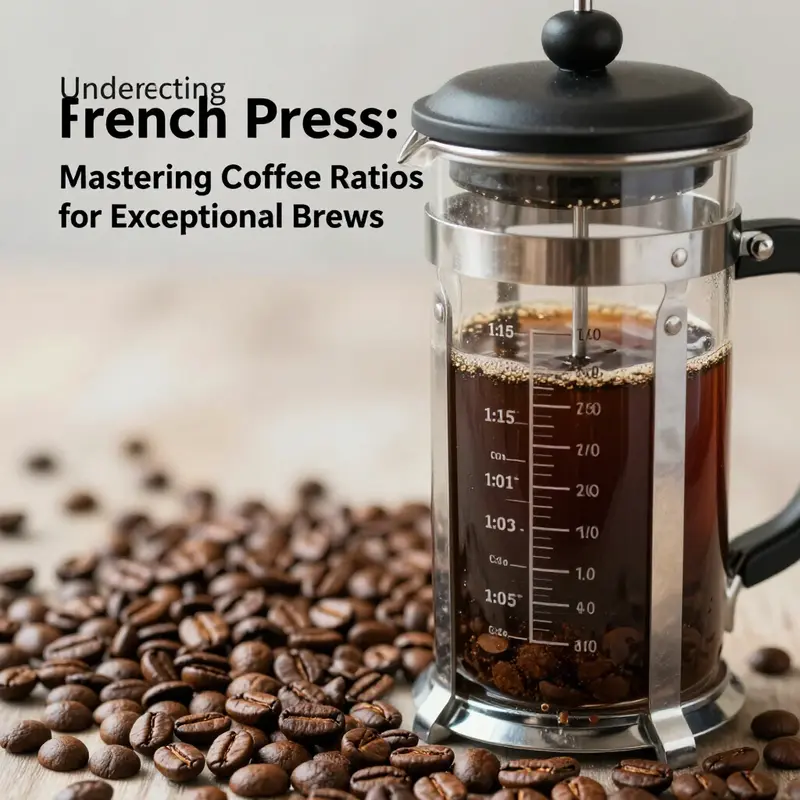
The art of brewing exceptional French press coffee begins with a single, deceptively simple equation: the coffee-to-water ratio. This ratio is the heartbeat of each brew, determining not only the strength and richness of the final cup, but also unifying every nuance of flavor and texture. At its core lies the popular starting point of 1:15—one gram of coffee for every 15 grams (or milliliters) of water—a formula that has earned its merit among coffee enthusiasts and professionals alike. This foundational ratio represents a harmonious blend of science and intuition, providing a baseline that invites further exploration. As you become more acquainted with your own palate’s preferences, incremental adjustments to the ratio allow you to sculpt a brew that resonates with your unique taste. The guidance of this starting point is essential not only for achieving consistency but also for uncovering the complexities hidden within every coffee bean.
In the practice of French press brewing, precision is paramount. Unlike methods that rely on volume measurements, the requirement to weigh both your coffee and water using a digital scale opens the door to a level of accuracy that transforms your routine into an artisanal ritual. The digital scale becomes an instrument of reproducibility, ensuring that every brew mirrors the previous one without unexpected deviations. Minor variations in grind size or bean density can make conventional volume measurements unreliable, which is why the meticulous use of weight-based guidelines becomes indispensable. This attention to precision is what separates a casual cup from an extraordinary experience, engraving the passion for coffee into every step of the process. The recipe may seem rigid at first glance, but it is precisely this discipline that provides flexibility, as every adjustment becomes a deliberate choice. When you stray from the 1:15 norm—opting for 1:13 for boldness, or 1:17 for a milder body—you reinforce the idea that coffee making is both an art and a science.
The interaction between grind size, water temperature, and immersion time plays a pivotal role in extraction, and the French press method is particularly forgiving in its allowance for experimentation. With a metal filter that permits essential oils and fine coffee particles to pass through, the French press method is uniquely capable of producing a fuller-bodied cup, where the nuanced flavors of the bean can truly shine without interference. In this context, the coffee-to-water ratio does more than define a measurement—it sets the stage for a symphony of flavor. The chosen ratio not only dictates the concentration of the brew but also influences the development of the coffee’s intrinsic qualities. A slightly lower ratio (for example, 1:13) tends to yield a brew with heightened intensity, appealing to those who appreciate a strong, invigorating cup that carries layers of flavor complexity. On the other hand, those who favor a smoother, more subtle cup might lean towards a ratio of 1:17, where the liquid canvas gradually unfolds delicate aromas and a softer mouthfeel. It is in this balance of extraction dynamics that the true character of the brew is revealed, making every cup a journey of discovery.
Experimentation is an essential part of growth in the realm of coffee brewing. New enthusiasts and seasoned aficionados alike often find themselves navigating the delicate interplay between strength, clarity, and body. Whether you are seeking the rich boldness of a 1:13 ratio or the enlightening subtlety of a 1:17 approach, every methodical change nurtures a deeper understanding of the coffee’s behavior during extraction. When the brew turns out sour or thin, it may well be the coffee that is under-extracted, suggesting the need for a minor elevation in coffee weight. Alternatively, if the taste is overwhelmed by bitterness, this can point to an over-extraction scenario where the water’s embrace of the coffee’s compounds has lingered too long. By methodically adjusting the ratio, even by a few grams, you begin to see how these minute changes ripple through the final flavor profile. What emerges is a personalized brew, meticulously tuned to honor your own taste preferences while preserving the integrity of the coffee’s natural complexity.
Investing time in understanding and mastering these ratios can alter your everyday coffee routine into a contemplative, almost meditative experience. Every step, from selecting your beans to weighing them precisely, constitutes a dance between precision and passion. A well-measured ratio not only ensures that you achieve the desired extraction but forms the bedrock of consistency. Using a digital scale to track every gram leaves little room for error, thereby eliminating the variability often introduced by traditional volume methods such as tablespoons, which can be inconsistent due to variations in grind size. Over time, as you become more adept at these measurements, the process itself may transform into a ritual that enhances your appreciation for the craft of coffee making.
It is worth noting that the immersion method inherent in French press brewing sets it apart from many other techniques. Immersion ensures that every coffee particle is in constant contact with water, unlocking a broader range of flavors and compounds that are sometimes lost in alternative brewing methods. This encourages coffee professionals and enthusiasts to adopt a ratio that closely aligns with their desired intensity. As you refine your technique, the process evolves into an intimate conversation between you and the coffee. The steady flow of water, the gradual release of oils, and the eventual mixture of fine sediment work together to tell the story of the coffee’s origin, its roasting profile, and the meticulous care taken in its preparation. This immersive experience is at the heart of what makes brewing with a French press both challenging and deeply rewarding.
For those eager to delve deeper into the nuances of their brew, the science behind coffee extraction offers a fascinating dive into the world of flavor compounds and brewing chemistry. The coffee-to-water ratio is just one of many variables that influence the final outcome, yet it stands as the most accessible and modifiable aspect of the process. A traditional ratio of 1:15 serves as an excellent base, a critical starting point that can then be tailored to suit different beans, roast levels, and even environmental conditions such as humidity and altitude. With each batch, you may notice subtle differences in taste, and understanding the underlying principles of extraction helps to decode these variations. The journey into mastering this blend of art and science is not one of trial and error alone, but of careful observation and consistent application, where every variable is meticulously recorded and learned from.
The observant brewer soon learns to appreciate that slight modifications in the ratio are not mistakes but deliberate experiments. By slowly adjusting the ratio and observing the outcomes, distinct flavor profiles begin to emerge. For instance, if the brew leans towards a sour note, the coffee might be under-extracted due to too little ground coffee relative to water. Incrementally increasing the coffee weight can help to balance the flavors and achieve a more desirable taste. Likewise, if the brew feels overly heavy or bitter, increasing the water content can soften the intensity, allowing the more delicate notes to surface. This process of calibration is wonderfully iterative and reinforces the idea that brewing coffee is an ongoing journey rather than a one-time achievement. With every adjustment, your understanding of the coffee improves, and your brew becomes more finely tuned to the intrinsic characteristics of the beans. Experimentation and precision go hand in hand, and the resulting interplay creates a cup of coffee that is not only consistent but profoundly satisfying.
Beyond the influence of ratio on extraction, there emerges a deeper connection between the coffee and its surroundings. Origin stories of beans, the climate in which they were grown, and even the specific harvesting techniques all impact how the coffee interacts with water. Indeed, each coffee bean carries its own signature, and the chosen ratio helps to unlock these hidden nuances. In some cases, traditionally celebrated beans may thrive under a slightly adjusted ratio, capturing a vibrancy that is otherwise subdued. For example, a robust, nutty profile might benefit from a 1:13 ratio that accentuates its boldness, while a more floral or fruity bean might be better served by the gentler embrace of a 1:17 ratio. In this way, the ratio becomes a tool of expression—a means to translate the inherent characteristics of the bean into a cup brimming with personality and life. It is a testament to the thoughtful interplay between nature, cultivation, and human creativity.
Beyond the practicalities of measurement, the ritual of brewing with a French press invites introspection. Many find that the precise act of weighing, boiling, and steeping mirrors broader themes in life: attention to detail, respect for tradition, and the continuous search for balance. There is a quiet satisfaction in knowing that through careful adjustments and a structured approach, you have the power to transform everyday ingredients into a sensory delight. As each phase of the brewing process unfurls, the environment around you seems to pause, allowing you to concentrate fully on the marvel of extraction unfolding before your eyes. Those moments of quiet reflection during the brew are as cherished as the vibrant flavors on the palate. It is in these quiet intervals that the true essence of coffee is revealed—a union of ritual and discovery that elevates a simple drink into an art form.
The journey to mastering these proportions is further enriched by the sharing of experiences among like-minded enthusiasts. Whether through discussions on specialized forums or by simply swapping tips with a friend who shares your passion, the dialogue about ratios and extraction methods deepens your understanding of the craft. This communal knowledge underscores an important point: while the 1:15 ratio is a revered starting point, it is by no means the definitive answer for every brew. Rather, it is a living framework that evolves with every new bean, every shift in technique, and every emerging flavor profile. For those wanting to explore more detailed insights into these proportions, a closer look at the french press proportions guide can provide additional context, methods, and practical tips. Here, the art and science converge in a manner that celebrates both tradition and innovation.
The mastery of your French press brew is an ongoing and evolving journey. As you experiment with different ratios, you are not just tweaking numbers—you are learning more about the coffee itself and refining your own palate. The interplay between a coffee’s strength, balance, and clarity is a delicate dance that requires both patience and precision. So whether your preference steers you towards the robust and intense notes achieved by a 1:13 ratio or the smooth elegance of a 1:17 composition, each measured step contributes to a deeper understanding of your personal taste and of the coffee’s potential. Ultimately, every brew is an invitation to rediscover the extraordinary in the everyday, and the subtle changes in your method can lead to profound revelations in flavor.
For those seeking deeper technical insights into the science behind these methods, additional expert perspectives are available at the Specialty Coffee Association’s resource, which further explains the nuances behind the extraction process and the chemistry at play. Embracing both the meticulous measurements and the creative spirit of experimentation, your French press routine becomes much more than a means to an end—it transforms into a craft, an ongoing personal journey, and even a form of meditation. Each cup becomes a testament not only to the quality of the beans but also to your dedication to the art of coffee brewing. To learn more about the scientific and technical underpinnings of these ratios, you can refer to this comprehensive guide provided by a trusted authority in coffee excellence.
In closing, while the numbers and ratios may initially seem rigid, they form the ideal framework through which creativity and consistency coalesce. The careful balance of coffee and water is at once a rule and an invitation—a guideline that is reliable enough to achieve quality, yet flexible enough to accommodate the vast spectrum of flavors hidden within each bean. As you continue to explore and refine your technique, remember that every measured gram is a step towards a deeper appreciation of coffee. The transformation from merely following a recipe to developing a personalized brewing ritual is an experience that enriches not only your palate but also your day-to-day life. Through persistent practice and thoughtful adjustment, the perfect French press brew is never a mystery but a proven, repeatable process that evolves with you.
Ultimately, the journey towards perfecting your French press coffee is a blend of science, art, and a continual love for the ritual of brewing. It is about embracing the precision of measured ratios, understanding the delicate interplay of flavor, and allowing your passion for coffee to guide each experimental step. Every brew is an invitation to not only savor the taste but also to appreciate the layered complexity behind every cup. With time, expertise, and a willingness to adjust the fine details, the coffee-to-water ratio will become a trusted ally in your quest for excellence. Every sip is a reminder that perfection in coffee making is a dynamic process—one that grows richer with each measured, deliberate step you take.
Bold Ratios, Rich Clarity: Precision Brewing with French Press Ratios

Bold ratios do more than simply amp up the strength of a French press brew. They invite a deliberate conversation with the bean, where the density of extraction and the character of the roast meet the geometry of the grind and the tempo of the pour. While a quiet balance sits at the core of a truly satisfying cup, dialing in a bolder ratio—such as 1:13 or nearby—can illuminate depth, texture, and nuanced origin notes that lighter brews often mask. This chapter explores how bold ratios function within the broader framework of French press technique, and how disciplined adjustments to grind size, water volume, and steep time can yield a cup that feels both powerful and precise rather than merely thick or bitter. In the end, boldness is less about brute force than about calibrated extraction, where each gram of coffee influences the final composition in a measurable, repeatable way. The journey from 1:15 to 1:13, or to even more concentrated variants, is a journey of listening as much as measuring, of balancing intensity with clarity so that the cup remains drinkable and expressive rather than overwhelmed by its own density.
To begin, it helps to anchor the practice in numbers that can be trusted. The widely accepted benchmark—1 gram of coffee per 15 grams of water—has earned its reputation because it offers a reliable starting point for a wide range of beans, roasts, and burr grinders. When you move toward bolder ratios, you push the coffee solids closer to the water, which intensifies sweetness and body but also increases the risk of over-extraction, which can yield a harsh, gritty finish if not managed with care. A practical entry point is the 1:13 ratio, which translates to about 46 grams of coffee for 600 milliliters of water. This level of concentration begins to reveal the backbone of a bean’s flavor profile: the density of a dark roast, the resinous sweetness in a well-prepared single-origin, and the way earthy or fruity notes emerge when the grind and steep time align with a higher coffee dose. The plan here is not to chase super-strong coffee at all costs, but to invite depth while preserving clarity.
Delving into the mechanics, the core moves are simple in theory but exacting in practice. Use a coarse grind that resembles sea salt in its texture; finer grinds invite quicker extraction and more sediment, which can muddy aroma and mouthfeel when used with a higher coffee dose. The coarse grind keeps the surface area manageable and prevents a rough, sludgy texture—the very risk when chasing boldness without balance. Stirring at the outset can help integrate the grounds with hot water, ensuring that the initial bloom and subsequent extraction are even. However, resist the urge to over-stir. A gentle, once-or-twice stir is enough to break the initial bed of coffee and invite even wetting through the grounds without breaking up particles into a slurry that drains unevenly.
Steep time becomes the most delicate dial in this setup. A robust ratio demands a thoughtful extension of the brew, but not a reckless one. The aim is to retain the same aromatic bloom that a lighter brew offers, while coaxing more oils and fuller mouthfeel from the same beans. A typical target for a bold 1:13 brew is a steep time in the vicinity of four minutes, with careful attention to the water temperature. Water that is too hot can accelerate extraction to an uncomfortable degree, pulling harsh compounds from the coffee and leaving a bitter tail. Slightly cooler water—just under the usual boiling point—can soften that transition, letting the richer flavors express themselves with less aggression. The trick is to treat the process as a sequence of micro-adjustments: once you settle on a baseline, you nudge one variable at a time—grind, then time, then dose—to refine balance without losing the sense of punch that boldness is meant to deliver.
The sensory goal changes with the ratio as well. A 1:13 brew tends to present a more solid body, a deeper tint to the cup, and a scent that leans into roasted warmth and caramelized sweetness. The aroma often carries a hint of resinous or dark fruit notes that can be surprising when the grind is properly coarse and timing is well managed. Yet the cup should still carry a clean finish, a hallmark of control rather than chaos. If the coffee tastes sour or thin, the instinct should be to adjust upward in dose slightly or to tighten the grind and shorten the steep by a few seconds rather than to drown the cup in heat and time. If the brew seems overly bitter or heavy, you can try a gentler approach: scale back to a 1:14 or ease toward 1:15 for a moment, then iterate back toward 1:13 with a slight refinement in grind and agitation. This iterative tuning, fueled by careful weighing rather than volume estimation, is where the precision of the process translates into repeatable excellence.
An essential part of this practice is the discipline of weighing everything. The balance of a bold pour rests on accurate measurements—grams of coffee and grams of water—because small deviations multiply as concentration increases. In a world where volume estimates can mislead due to grind density and bean origin, a digital scale is the quiet engine of consistency. Favor a burr grinder to guarantee uniform particle size; uniformity is critical when the dose is high, as uneven particles can create a spectrum of extraction rates that undermine the intended mouthfeel and clarity. With those tools in hand, the taste becomes the guide, not the clock or the spoon. You begin with a straightforward target, such as 46 grams of coffee for 600 milliliters of water, and you refine from there with measured, small steps. If the cup returns a bitterness that lingers in the back of the palate, you might shift to a lighter touch—perhaps a 1:14. If the texture feels dense but the sweetness has fallen away, a move toward 1:13 with a slight bump in grind coarseness can help reintroduce that necessary lift in clarity.
The relationship between grind, water, and time is not a single knob you turn and leave alone; it is a trio that works in concert. The coarse grind reduces the surface area in contact with water, which is essential for a higher dose because it curbs extraction speed. But if the steep time remains fixed while you increase the coffee dose, you may cross from desirable boldness into a heavy, over-extracted brew. This is where the iterative rule—start with a baseline, then adjust one variable at a time—demonstrates its value. A single, small shift in dose often calls for a slight adjustment in grind size or steep duration to hold onto the sense of balance. The aim is for the coffee to deliver that deep, robust flavor without veering into a mineral-like aftertaste or a heavy, syrupy mouthfeel that masks origin notes. In other words, boldness is not the enemy of nuance; it is the field on which nuance can be rediscovered when technique keeps pace with intensity.
This approach also invites bean selection to play a guiding role in how bold you want to go. Darker roasts, with their inherent density and chocolatey sweetness, often respond well to 1:13 when the grind is appropriately coarse and the steep time carefully moderated. Some single-origin beans known for their dense flavor profiles can shine in this format, revealing a deeper caramel, cocoa, or even wine-like acidity that remains poised rather than overwhelmed. Lighter or more delicate origins may benefit from staying closer to the 1:15 baseline or moving into 1:14 as a transitional step toward bolder territory. The key is to let the bean’s own profile lead the adjustment rather than applying a one-size-fits-all rule. Bold ratios, then, are most successful when they are paired with beans whose intrinsic structure can withstand, and even profit from, a concentrated extraction.
In practice, the ritual of dialing in bold ratios can become a refined morning ritual that rewards consistency. Measure with care, preheat your equipment, and begin with a coffee-to-water target that feels generous yet controllable. As you wait for the grounds to bloom and begin to release their aromatics, listen for the cues of aroma, the texture of the slurry, and the way the cup ultimately presents itself when you pour. The pour itself is still a simple act, but its quality matters more at bold ratios because uniform distribution of water through the bed becomes essential to avoid pockets of under- or over-extraction. If you notice uneven pour or stagnant zones, adjust your pouring technique—perhaps a slower, steadier stream or a brief pause in the middle of the pour to encourage even saturation. These are micro-tweaks that can have outsized effects on the final cup when you’re working with a higher coffee concentration.
A closing thread to carry forward is the idea that exploring bold ratios is not an exercise in brute strength. It is about unlocking the full potential of your beans through precision and intentionality. With the right ratio, the grind, and the timing lined up, your French press can deliver a bold, deeply satisfying cup that remains surprisingly clear and expressive. The journey from a standard 1:15 to a bolder 1:13, or toward intermediate steps like 1:14, involves patience and meticulous adjustment, but the payoff is a more personal, nuanced relationship with your morning brew. And as with any craft, it is the iterative practice—the willingness to weigh, to taste, to recalibrate—that turns a good cup into a signature one. If you want to explore a broader framework for how these ratios work in practice and learn more about the timing that supports them, see the detailed guide on French press ratios and timing. French press coffee ratio guide.
For readers who want to dive even deeper into the science and timing behind these ratios, a trusted external reference offers a rigorous look at extraction dynamics and practical timing guidelines that complement this hands-on approach. External reference: https://www.seriouseats.com/french-press-coffee-ratio-timing-guide/.
Refining the Brew: Lighter Ratios for a Smoother French Press Experience

The journey toward café-quality French press coffee often begins with a single, deceptively simple choice: how much coffee to water do you use? It’s tempting to chase a perfect taste by chasing a fixed number of grams per cup, but the truth is a lighter ratio can unlock a smoother, more nuanced cup. In the world of immersion brews, where the coffee rests in contact with water for several minutes, the intensity of extraction is as much a function of dilution as it is of grind and time. A lighter ratio—think 1:17 or 1:18—tends to dilute the concentration of bitter compounds just enough to reveal the bean’s subtler aromatics and origin notes while preserving body. It’s a practical counterbalance to the common pitfall of over-extraction that often accompanies bolder standards. When you adjust toward a lighter ratio, you’re not chasing weakness; you’re inviting a cleaner, more expressive cup that carries the provenance of the beans you’ve chosen without becoming a muddy or metallic mess at the bottom of the mug. This approach fits neatly into a deliberate, repeatable workflow: weigh both coffee and water with a precise scale, grind coarse enough to resist over-extraction, and respect a steady, patient steep. The method remains technically simple, but the taste payoff is surprisingly sophisticated.
The idea behind lighter ratios is not to erase body or to pretend the cup is delicate in a way that betrays the roast. Rather, it is to control the concentration of dissolved solids so that the perceived bitterness drops, while the inherent sweetness and fruit-forward notes stay intact. In practical terms, a 1:17 ratio could pair 30 grams of coffee with 510 milliliters of water, and a 1:18 ratio might use 28 grams with 504 milliliters. These numbers are not rigid commandments but reliable starting points that accommodate a range of bean profiles, roast levels, and personal preferences. If your beans are particularly vibrant or citrusy, the lighter end of the spectrum often brings out those delicate hints without turning the cup sharp or astringent. If the roast leans toward chocolatey or caramel notes, a lighter ratio can still sustain a creamy mouthfeel, while letting those sweet undertones stand apart from any bitterness.
A cornerstone of achieving this balance is precision. In contrast to judgment by spoonful or eyeballing, you’ll want to weigh both sides of the equation. A digital scale is not a luxury here; it’s a navigator. When you set a 1:17 ratio, you’re essentially defining a target extraction environment. You’re saying, in effect, “I want enough coffee to deliver depth, but not so much that the brew compounds saturate the water and then explode into heavy, bitter notes.” The grind should be coarse—coarse enough that the water can circulate around the particles with minimal resistance, yet fine enough to extract the desirable flavors in the four-minute window that most French press methods employ. The texture is often likened to sea salt, a mental cue that helps dial in the feel of the grind without needing a hundred different grind settings. This coarse grind works in concert with the lower coffee dose to keep the extraction steady and predictable. A typical steep time remains around four minutes, which is ample for the water to draw out flavor compounds while curbing excessive extraction. The aim is a cup that lifts the aroma and mouthfeel without a suffocating heaviness that can feel like a burden rather than a pleasure to drink.
In practice, adopting lighter ratios invites careful experimentation. Start with the 1:17 baseline—30 grams of coffee to 510 milliliters of water, as noted, and give the brew a four-minute rest before pressing. Observe how the aroma unfurls and what you notice on the first sip: is there a gentle sweetness, a clean fruitiness, or perhaps a nutty undertone that lingers pleasantly? If the cup arrives tasting thinner than you expect, you have a couple of levers to pull before you drift into bitter territory. You might add a gram or two of coffee to nudge the concentration upward, or you could adjust the water by a small amount to emphasize body without increasing harshness. Conversely, if the cup seems overly bitter or heavy, you can lean toward a lighter extraction by reducing the dose to 28 grams and swapping to a 1:18 ratio with 504 milliliters of water. The key is incremental changes rather than sweeping shifts; this gradualism helps you map the relationship between ratio, grind, and time in a way that feels controllable rather than experimental chaos.
The grain itself matters almost as much as the ratio. With lighter ratios, the grind becomes a critical ally rather than a mere tool. A coarse grind supports the intended extraction rate, allowing the water to move through the bed with sufficient porosity that extraction does not accelerate into the harsh zones. If your grind is too fine, the water will extract too quickly, and the smoother, more nuanced flavors you’re after may be overwhelmed by bitterness. If it’s too coarse, you risk under-extraction, which can render the cup insipid and flat. The sea-salt texture is a useful mental picture here, but the practical takeaway is a grind that respects the geometry of the particles and the path water must travel through them.
Another variable that interlocks with ratio is steep time. While four minutes is a reliable neighbor in this approach, you may find a minute or two of flexibility depending on your beans and desired texture. A well-balanced smoother cup benefits from a steady, even immersion, with a gentle stir at the start to saturate the grounds, followed by a calm, patient rest. A quick stir later can help re-saturate any grounds that have settled, ensuring a uniform extraction that stays clear of a harsh finish. When you press, do so slowly and steadily, letting the plunger descend with control rather than a sudden, jarring push. These motions are not mere rituals; they are part of a choreography that ensures the water and coffee interact in a way that highlights aroma, sweetness, and the more ethereal notes that lighter ratios can reveal.
In documenting and refining this approach, the palate becomes the most trusted instrument. Keep a simple tasting log: note the ratio you used, the exact dose, the grind size, the steep time, and your impressions of aroma, body, acidity, and aftertaste. Over several sessions, you’ll discern patterns—how a 1:17 ratio with a particular bean family emphasizes brightness and a whisper of fruit; how a 1:18 ratio preserves a silky texture while offering a clearer definition of origin notes. This methodical, almost archival practice turns a morning ritual into a disciplined exploration, where each cup informs the next. If you crave a deeper, structured framework to guide these refinements, the French press coffee ratios: The Ultimate Guide offers a comprehensive map you can adapt to your preferences and roasting profile.
The beauty of lighter ratios is not merely in reducing bitterness; it is in amplifying the expressive potential of the bean. A properly executed lighter brew can capture coffee’s complexity—the citrus sparkle, the wine-like acidity, the nutty sweetness, the subtle floral hints—that might be muted when the dose is heavier. You learn to listen to what the coffee is telling you, rather than imposing a preconceived idea of what the cup should be. And as you become more fluent in this dialect of extraction, you’ll find that the ritual itself—measuring, grinding, steeping, pressing—becomes a reliably repeatable path toward a cup that feels balanced, clean, and alive with character.
External resources can illuminate this path further and offer corroborating science and technique. For a broader perspective on how to calibrate the French press against your preferred taste profile, see the external discussion on lighter ratios and their impact on balance and smoothness. External reference: https://www.thespruceeats.com/french-press-coffee-ratio-4684294.
If you want a concise, authoritative framework that you can consult as you experiment, consider the internal resource linked above. It provides a structured starting point, and you can map your small, incremental changes onto that framework as you fine-tune your method. The ultimate aim remains consistent: a smoother, more articulate cup that reveals the beans’ character with a gentle, satisfying body. For those who want to turn this into a repeatable practice rather than a series of one-off trials, the practical takeaway is clear. Start with a 1:17 ratio, use a coarse grind, steep for about four minutes, and adjust gradually based on taste. With patience and a careful log, you’ll unlock a smoother, more refined French press experience that respects the science of extraction while honoring the unique personality of every batch you brew.
The Precision Mandate: How Exact Ratios Shape Your French Press Brilliance

Precision is the quiet engine behind every satisfying cup. In the French press, where texture and clarity alternate between body and bite, the coffee-to-water ratio is not just a guideline; it is the steadiest lever you have for tuning strength, balance, and the bean’s character. The journey from seed to cup hinges on measurement, not guesswork. While personal taste will always color the final preference, starting with a consistent, well-chosen ratio creates a reliable foundation from which taste can confidently evolve. The widely accepted baseline in professional practice is a 1:15 ratio—1 gram of coffee for every 15 grams of water. This proportion yields a cup that carries both presence and refinement: robust enough to satisfy a craving for depth, yet lucid enough to reveal origin notes in a way that feels clean rather than muddled. To translate that into practice, imagine 400 grams of water; you would use approximately 26.7 grams of coffee. It is a small, precise number, but it anchors texture, aroma, and aftertaste in a predictable frame.
If you crave more intensity, the ratio can shift closer to 1:13. With 600 milliliters of water, that would mean about 46 grams of coffee. The resulting brew plants itself firmly in the fuller, more syrupy end of the spectrum, where sweetness holds its ground against stronger extraction and the cup can carry deeper roast and bean-origin notes. On the other end, a lighter, cleaner cup can emerge from a 1:16 or 1:17 ratio. For the same 600 milliliters of water, that would be roughly 37 to 38 grams of coffee—enough concentration to maintain a pleasant mouthfeel while granting the beans room to articulate nuanced flavors without becoming heavy. The truth is simple and revealing: precision is the bridge between your grinder and your cup, translating grind size, water, and time into a coherent flavor profile rather than a wild guess.
Yet precision is not about rigid rites; it is about a repeatable framework. The practical starting point is undeniable, but the beauty of a well-tuned system lies in the ability to refine with confidence. That confidence comes from weighing both coffee and water. Volume measures—tablespoons, scoops, or even the memory of past brews—introduce too many variables. Grind size matters, too. A coarse grind—reminiscent of sea salt or rough breadcrumbs—coaxes a different extraction path than a finer grind. In a French press, where immersion and a metal filter leave more fines and sediment to contend with, coarse grinding helps preserve clarity and reduces the risk of an overly silty cup. When the grind is too fine for the chosen ratio, you can push the extraction toward bitterness and an astringent finish; with too coarse a grind for the same ratio, the result can taste weak and insipid. The balance among grind, ratio, and contact time is a three-part system that works only when each part is calibrated with care.
Time is the other side of the ratio coin. A typical brewing window for the French press sits around four minutes. This duration allows the grounds to release flavor compounds and oils that contribute to body and aroma, while staying short enough to prevent excessive extraction that can yield bitterness or a heavy, winey aftertaste. If you find the resulting cup dull or sour, you might adjust the ratio slightly toward more coffee, then try a similar duration to see how the increased solids alter balance. If the cup seems coarse or thin, you may need either more time or a modest step up in coffee weight to nudge the extraction back toward fullness. These are not dramatic shifts; they are measured increments that keep you within the line of reproducibility. The consistent measurement creates a reproducible ritual—an essential quality for turning a morning routine into a reliable cafe-quality experience.
This is where the idea of precision becomes more than a counting habit. It becomes a framework for diagnosing and improving your brew. When you start from a 1:15 ratio and observe sourness, thinness, or a lack of perceived sweetness, you have a precise control point to adjust. For example, sourness often signals under-extracted coffee or too-strong acidity in the bean’s profile. A slight uptick in coffee weight—moving toward a 1:14 or 1:13 in small steps—can bring more balance. On the other hand, bitterness or heaviness can signal over-extraction, which can be tempered by either increasing the water amount or inching the ratio toward a lighter configuration like 1:16 or 1:17, paired with careful timing and a coarser grind. The point is never to chase a single ideal; it is to create a dependable scale that reveals how your beans express themselves under controlled conditions. When you weigh everything precisely, you can replicate the same cup again and again, even as you experiment with small personal preferences.
Precision also matters because it ties the physical process to measurable outcomes. A 1:15 baseline implies a certain extraction yield and a particular balance between sweetness, acidity, and body. By adjusting the ratio, you shift the mass of extractable compounds that can dissolve into the water during the four-minute immersion. In a practical sense, this means you are sculpting the cup’s structure: the amount of dissolved solids, the perception of fullness, and the clarity of the finish. The more consistent your measurements, the less the variables drift with grind size, bean density, or even ambient humidity. Your coffee becomes not a hit-or-miss ritual but a disciplined practice, a small experiment that can be repeated with confidence and predictability. It is this predictability that elevates the French press from a simple brewing method to a disciplined routine, a science-backed ritual that allows you to maximize the bean’s potential while honoring your own taste preferences.
To anchor these ideas in a practical, repeatable process, begin with the 1:15 ratio as a baseline every time you start a new bag or a different roast. Weigh your water into the vessel, then weigh the coffee. Add the grounds to the water, give them a gentle stir to ensure even saturation, and start your timer. If the results do not meet your expectations, make incremental adjustments rather than sweeping changes. Slightly increase the coffee if the cup tastes sour or thin, or increase the water content if it feels overly bitter or heavy. If the cup feels bloated with sediment, you may need to adjust the grind to a coarser setting or slightly alter the ratio to reduce solids in suspension. These micro-adjustments, grounded in precise measurement, will yield a more consistent, reliable experience across mornings, roasts, and even equipment variations.
For readers who want to explore the science and practical application behind these proportions in greater depth, a comprehensive guide to French press ratios offers a detailed map of how these numbers translate into taste and body. See the deeper discussion here: French press coffee ratios: the ultimate guide.
The compelling value of precision is not merely in the numbers, but in the reproducible confidence it affords. When you can produce a cup that aligns with a defined ratio, grind, and time, you have both a standard and a scale to compare future experiments. It becomes easier to tell whether a change in roast level, bean origin, or even water quality is producing a favorable variation or a misstep. And in the quiet mornings when coffee is a ritual rather than a spectacle, that clarity of process becomes as important as the aroma that fills the room. The rhythm of weighing, timing, and tasting becomes a familiar cadence, a personal science that invites curiosity without chaos.
As you move from one batch to the next, you will notice that precision does not freeze your palate; it liberates it. It removes the fog of guesswork, leaving room for real preference to emerge. Some days you may crave a stronger, more viscous cup; on others you may desire a lighter, more transparent profile. With a solid measuring system in place, you can navigate these preferences with calm assurance, making deliberate choices rather than reactive adjustments. The result is not just better coffee; it is a more intentional way of approaching your morning routine. The science behind the ratios, the grind alignment, and the timing coalesces into a reliable craft—one that respects both the bean and the person who drinks it.
For readers seeking a broader view of how these ideas fit into the wider landscape of coffee preparation, the linked resource offers a robust framework for translating ratio theory into kitchen practice. The discussion covers how a precise ratio interacts with different water temperatures, grind sizes, and immersion times, reinforcing the core idea that accuracy in one variable supports accuracy in the others. In this sense, precision becomes a form of respect for the bean’s terroir and for the science that makes these tiny adjustments meaningful. The result is a cup that not only satisfies but also communicates the craft behind each brew.
External reading: for further scientific and practical exploration of these ratios, consider the in-depth guide from a trusted culinary source that details how to optimize French press extractions through ratios, timing, and technique: https://www.seriouseats.com/french-press-coffee-ratio-guide/
Mastering the Art of Precision: Adjusting French Press Ratios for a Perfect Brew

When making French press coffee, precision is everything. The foundation lies in understanding the coffee-to-water ratio and how even the slightest tweaking can dramatically shift the flavor profile of your brew. A well-prepared cup of French press coffee is not only about the ritual of steeping grounds in hot water—it is an art form that hinges on the delicate balance between strength, acidity, and subtle flavor notes that emerge during extraction. By fine-tuning the ratio with a keen eye on details, you can turn an everyday cup into a refined sensory experience.
At the heart of this process is the widely recommended starting point of a 1:15 ratio—one gram of coffee for every 15 grams or milliliters of water. This ratio has earned its status among baristas and coffee enthusiasts because it reliably produces a balanced cup that brings out the inherent qualities of the coffee beans. However, while this starting ratio provides an excellent foundation, the true magic lies in adjusting that ratio in small increments. These adjustments allow coffee lovers to address personal taste preferences and cater to the unique flavor essence of every bean, whether they carry fruity, nutty, or chocolatey notes.
Personal taste is paramount in the journey of perfecting your French press brew. For instance, if you find your coffee lacking in body or intensity, altering the ratio to something closer to 1:13 or 1:14 can offer a more robust experience. Increasing the coffee concentration produces a fuller, richer cup that brings forward the deeper notes of the beans. However, a more concentrated brew also carries the potential for over-extraction, which can lead to an undue bitterness if not meticulously balanced with other variables. It is essential to proceed with care: every adjustment should be measured and incremental, always accompanied by careful observation of the end result.
In contrast, if your brew veers towards a milder, less captivating flavor, shifting the ratio to 1:16 or 1:17 can help produce a lighter and more delicate cup. This approach is particularly useful if you prefer your coffee to emphasize a nuanced acidity and mild sweetness over a bold intensity. The key is always to seek the sweet spot where the coffee’s natural flavors are neither overwhelmed nor diminished. The journey to this balance inevitably involves experimentation and repeated cycles of tasting and refinement. Coffee aficionados often describe this process as almost meditative, a perfect blend of science and art.
An integral part of achieving the desired taste adjustment is precision in measurement. Relying on a digital scale during each brewing session is non-negotiable. Even slight miscalculations can lead to considerable variations in taste. Measuring by volume, such as using tablespoons, is inherently unreliable due to the influence of grind size and the inherent density differences between coffee bean types. A digital scale provides the accuracy needed to ensure that each experiment with the ratio reflects only the variables you intend to change—thus allowing for a clearer interpretation of how each adjustment influences the final flavor profile.
Furthermore, the importance of consistent measurement extends well into the realm of repeatability. Once you have discovered a ratio that resonates with your palate, maintaining that consistency is the key to replicating a perfect cup every time. Even the smallest deviations can shift the extraction process, resulting in unintentional changes to the taste. In this way, consistency is the unsung hero of a satisfying French press experience. It is a reminder that while the art of coffee making welcomes creativity and experimentation, the science behind it calls for precision.
Another layer in this intricate process is the way in which changes in the coffee-to-water ratio interact with other crucial brewing parameters. For example, when you add a bit more coffee to the brew—thereby increasing the concentration—it may also be necessary to slightly adjust the brew time. Shortening the contact time between the grounds and water can prevent the risk of over-extraction, which might otherwise release unwanted bitter compounds. Conversely, if you decide on a lower concentration with a leaner ratio, a minor extension of the brew time may help extract just a bit more from the grounds to avoid a sour or underdeveloped taste. The interplay between these variables makes the entire process an engaging pursuit of balance.
Not only does the coffee-to-water ratio dictate the brew’s strength, but it also significantly affects the overall texture and mouthfeel of the final drink. A well-balanced extraction will have a body that is rich without being viscous, offering a smooth transition from the first sip to the lingering aftertaste. Over-extraction, a common pitfall when increasing the coffee amount too drastically, can lead to a harsh edge that undermines the pleasant complexities of the beverage. In contrast, an under-extracted brew may feel thin on the palate and might lack the depth and resonance that a properly balanced ratio can deliver. Thus, adjusting the ratio is not merely a quantitative exercise; it is a way of sculpting the sensory architecture of each cup.
Stepping away from the mechanical aspects of measurement, it is equally important to listen to your own palate. Taste is inherently subjective, and what might be an ideal ratio for one individual may be far from optimal for another. Perhaps you enjoy a slightly edgier acidity that comes with a bolder extraction, or maybe you favor a mellow sweetness that requires a more diluted mix. Continuous sampling while making small adjustments is the most reliable method to dial in your flavor preferences. As you experiment, consider keeping detailed notes on the ratios used, the brew times, and your impressions after each iteration. Over time, you will build a personalized reference guide that can help you navigate future adjustments with confidence.
In the spirit of exploration, many coffee enthusiasts even experiment with ratios beyond the conventional boundaries. Some may try ratios as low as 1:12 or as high as 1:18 on occasion—each experimental brew serving as a unique lens through which to understand the bean’s characteristics. This willingness to explore new boundaries showcases the vibrant community of French press coffee makers, where every cup is a story and every adjustment is a chapter in the never-ending quest for the perfect brew. Although such experiments might stray outside the comfort zone of popular advice, they have the power to unveil entirely unexpected flavor dimensions.
A practical approach to fine-tuning these ratios involves making very small adjustments, typically changing the amount of coffee by about 5-10%. For instance, if you start with the reliable 1:15 ratio and find the brew slightly on the sour side, you might increase the coffee by a small margin. Even a 5% incremental change can provide a noticeable shift in flavor—transforming a dull cup into one that bursts with harmonious acidity paired with a subtle sweetness. It is this methodical approach that ultimately empowers you to control each element of your French press experience. Every step in the process, from the choice of bean to the final extraction, contributes to a blend of precision and personal expression that is unique to every coffee drinker.
While the process of refining a coffee-to-water ratio might seem daunting at first, it is in fact a rewarding one. The French press method is a hands-on journey that invites you to explore the interplay of flavors on a granular level. It is a reminder that excellence in coffee making comes not from replicating a single magic formula, but from understanding the science behind extraction and applying that knowledge in a way that complements your own taste. The inherent freedom in adjusting variables speaks to the creativity and inventiveness that defines the coffee culture. You become not only a maker of coffee but also an artisan, crafting each brew as if it were a masterpiece designed to entice the senses.
With a solid understanding of the ratio and an openness to experimental adjustments, your French press approach can evolve from mere habitual practice into a refined ritual. That transformative journey is one marked by patience, care, and an ever-growing appreciation for the complexity hidden within those seemingly simple ingredients. The tactile pleasure of measuring out the precise amount of coffee and water, the delicate interplay observed as the grounds steep, and finally the moment of truth when you take that first sip—all these experiences converge to create a process that is as enriching as it is delicious. In many ways, the act of fine-tuning your brew becomes a meditative practice, where the introduction of slight changes leads to newfound insights about what makes a cup truly memorable.
Arguably, one of the most significant rewards of this experimentative technique is the sense of mastery and control it instills. Even the small act of dialing in your preferred ratio reinforces a deeper connection with the beverage. Every morning can begin with the exciting prospect of discovering subtle variations and uncovering a new layer of flavor that might have gone unnoticed before. For those who are passionate about creating a personalized brew, the process of continual refinement and the flexibility to adjust ratios is a delightful reminder that coffee, in all its forms, is both a science and an art. This harmonious blend of technical know-how and creative exploration transforms the routine of making coffee into an elaborate, gratifying experience.
Moreover, this quest for balance and precision is not undertaken in isolation. Coffee enthusiasts and experts alike share their insights, advice, and personal experiments online. Engaging with a community that values detailed methods and nuanced adjustments can provide practical inspiration and guidance. For a more in-depth look at the techniques and science behind the French press method, readers might find it beneficial to explore a comprehensive French press guide available on the widely recognized blog that delves into essential ratios and methods. Such resources remind us that every new experiment is part of a collective journey toward perfecting a timeless ritual.
Ultimately, fine-tuning the coffee-to-water ratio in your French press is about more than just altering numbers; it is about engaging deeply with your senses and learning to trust your palate. With every slight alteration, you embark on a journey of discovery—one that highlights both the science of extraction and the art of personal flavor expression. By continuously refining and adjusting your ratios, you not only achieve a perfectly balanced brew but also unlock a personal narrative of culinary creativity and satisfaction. Each cup becomes a reflection of your growing expertise, a clear testament to the fact that excellence in coffee need not be a mystery, but rather a series of thoughtful, deliberate choices.
For those eager to further explore the fascinating realm of French press coffee ratios and its detailed influence on extraction, a robust external resource that provides a detailed study on coffee extraction awaits at this link: detailed study on coffee extraction. Embrace each brew as a learning experience, and trust that every measured experiment will gradually refine your technique, culminating in a coffee ritual that is uniquely your own.
Final thoughts
Mastering the art of French press coffee ratios is essential for business owners seeking to create a memorable coffee experience. By understanding and applying the nuances between standard, bold, and lighter ratios, you can cater to a wide range of customer preferences, ensuring that every cup delights the palate. The emphasis on precision and the willingness to adjust based on taste can differentiate your café from the competition, leading to increased customer satisfaction and loyalty. Embrace these principles to not only enhance your coffee offerings but also to build a successful coffee culture within your business.