
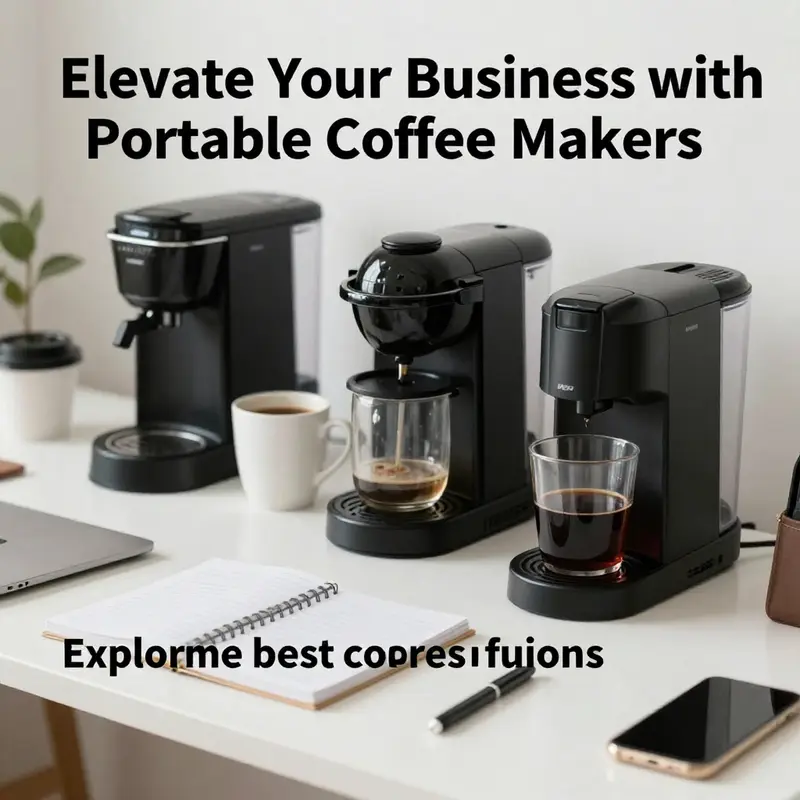
Coffee has become an essential part of our daily routine, especially for business owners who thrive on productivity and efficiency. As you navigate the demands of entrepreneurship, the ability to enjoy high-quality coffee while traveling can significantly boost your morale and performance. In this comprehensive exploration of travel coffee makers, we will delve into the essence of portable espresso machines, single-serve coffee makers, and the convenience of travel coffee mugs. Each of these options caters to different needs and offers unique benefits that align with the fast-paced lifestyle of business professionals. The chapters ahead will provide insights into selecting the right coffee maker, highlighting their features, and offering practical tips for effective use, ensuring you remain energized and focused during your travels.
在路上追寻浓香:便携式意式浓缩机与旅行咖啡器的选择之道
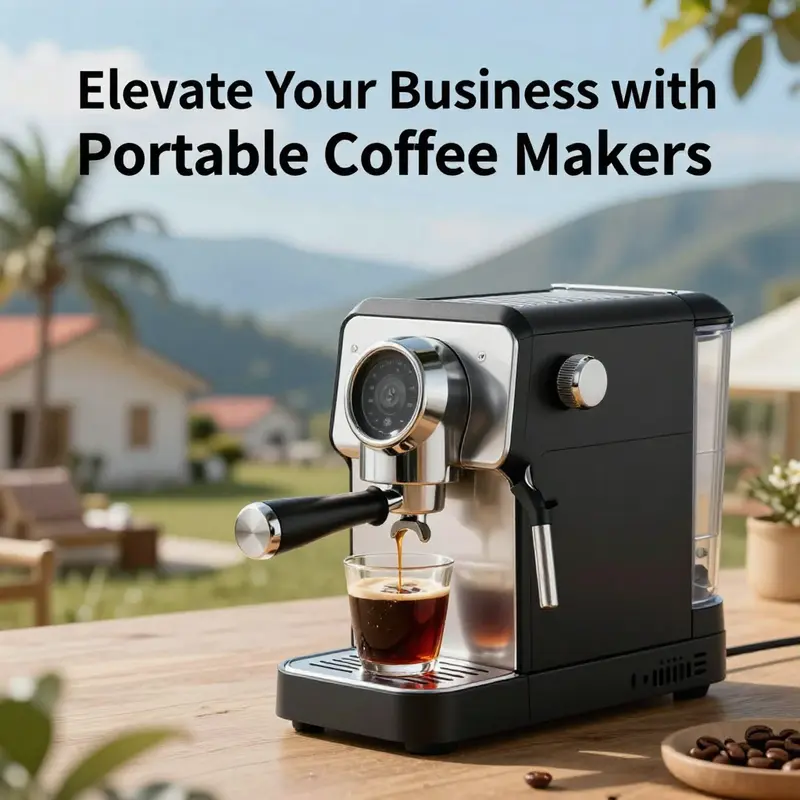
冒险与日常之间的距离,总是在一杯咖啡的香气里被拉近。旅行时对咖啡的需求不是简单的热饮,而是一种可控的仪式感,一次对风味与便携性的平衡尝试。当背包里只留下一点空间给咖啡装备时,两种截然不同的路径便显现出来:一种是追求真正的意式萃取,借助微型化的高压机器在旅途中再现专业咖啡馆的油脂与香气;另一种则以简单、轻便和灵活性取胜,靠手动或重力原理完成冲煮,让风味在旅途的不断变化中展现多样性。理解这两种路径的区别、优点与局限,并在不同场景下做出选择,正是旅行咖啡领域最实用的议题之一。翻开这段旅途指南,我们可以把注意力放在两类核心设备上:便携式意式浓缩机与旅行咖啡器。它们并非互斥的对立,而是在不同需求与环境中互为补充的工具。为了帮助读者从实际出发思考,我们将把分析聚焦于功能要点、使用体验、维护与成本,以及在不同旅行场景中应对的策略。若你希望进一步看到市场上的具体例子与评估标准,可以参考本章末尾的内部链接资源,帮助你缩短从“想买”到“已经拥有”的距离。为了便于理解,下面的叙述并不依赖于特定品牌名,而是以功能与场景为基准来描绘全貌。
便携式意式浓缩机的核心在于高压萃取的可行性与现场稳定性。为了在狭小的机身上实现接近专业萃取的表现,这类设备通常设计成重量轻、体积小、材料坚固,并支持在有电源或无电源环境下工作。理想的重量往往落在2磅以下,甚至更轻,以便放入背包的侧袋或随身行李中。关于压力,真正的意式浓缩需要至少9巴的压力,而市场上常见的微型设备通过泵压、手压或电动驱动等机制,能够稳定地产生15到20巴的高压,促使热水穿透紧实的咖啡粉,形成丰富的油脂与细腻的crema。对旅途用户而言,这意味着每一杯都带有更明确的“专业感”——香气层次分明、口感厚实、尾韵可辨。另一方面,便携式意式浓缩机对电源的需求也成为关键考量。电池供电的机型在野外或无电环境中更具自由度,适合露营、独自远行或临时办公场景;而手泵、杠杆或混合动力设计则在夜晚的旅馆或火车车厢内提供更稳妥的工作保障。材料方面,金属与强化聚合物的组合通常是首选,因为它们在抗跌落与耐温方面表现更稳定,能承受旅途恶劣的温度与湿度波动。关于使用体验,一台优秀的旅行 espresso 机应以“2分钟内完成萃取”为目标,同时搭配简易的清洁流程,以减少后续维护的负担。兼容性方面,一些机器只支持专用胶囊系统,而更灵活的设计则能接受研磨咖啡粉或单独的 ESE 片段,这让用户的选择范围更大,也更容易在旅途中实现可控的风味调整。与之对照,旅行咖啡器在体积、重量与操作难度方面具有天然优势,尤其是在多场景应用时的灵活性——从车内到野外、从工作间到露营地,几乎都能快速上手。这里的关键在于“极简设计”和“不依赖电源”的特性,确保你在需要时可以快速准备一杯热饮。以手冲、法压、爱乐压等为代表的旅行咖啡器不产生高压萃取,而是通过重力、浸泡、压挤等物理过程来提取风味。手冲壶以其清晰、明亮的酸质与高层次香气而著称,法压则因保留油脂和口感的浓郁性而深受偏好丰厚口感的旅客喜爱。对于经常在自然环境中活动的人群,旅行咖啡器的优势在于“可重复性高、无电、成本低、维护简单”,这在高海拔地区的热水供应有限、或在风雨夜晚都显得尤为关键。
在对比两者时,重要不是简单地判断谁更好,而是理解两者在结构、输出与体验上的差异如何映射到你的旅行习惯。高压萃取的便携式意式浓缩机,像是一扇入口,让你在旅途中以可控的方式追求浓缩咖啡的完整油脂与香气。它要求你掌握粉量、研磨粗细、压粉力度和萃取时间的微调,这不仅是一项技能,更是一种参与性的仪式。在这一过程中,学习曲线不可避免地带来一定的挑战,但随之而来的是对自己手感、温度控制及时间管理的持续练习。相对于此,旅行咖啡器提供的则是“快速、稳定且可重复”的体验。你可以在数十秒内完成冲煮,过程简洁而可预测,且成本通常更低、维护也更省心。对于许多旅行者来说,这种高效与可控的组合,足以在不追求极致浓缩的前提下,保证每日的咖啡仪式感与风味的一致性。若要把两类设备放在同一篮子中进行选择,核心要素就落在三个维度上:旅途中的电力可用性、对咖啡品质的追求程度,以及你愿意投入学习与维护的时间。若你追求“在任何地点都能喝到接近专业水准的浓缩咖啡”,并且乐于在每杯之间进行微调与优化,便携式意式浓缩机无疑是更合适的长期伙伴。相反,如果你的需求偏向“随时随地、快速获得可靠口感的咖啡”,并且愿意以风味探索替代油脂厚度,那么旅行咖啡器更能满足你的日常与野外生活。为了帮助你把握这一选择过程,建议在购前做一个简单的对比清单:你最常去的场景、你能否稳定获得热水、你是否需要在没有电源的情况下工作,以及你愿意在设备与维护上投入多少时间。将这些因素对照起来,你会发现两种设备并非对立,而是在不同阶段的旅程中相互支撑的伙伴。
在阅读这段对比时,读者或许会产生一个问题:为什么不兼具两者的优点?答案很简单也是很现实——便携式意式浓缩机在体积、成本与操作复杂性上通常高于旅行咖啡器,而旅行咖啡器则难以实现真正的意式萃取。于是,许多旅行者选择在旅程中搭配使用:在需要品质与浓缩感的场景,携带一台轻量级的高压设备;在多数日常场景,使用体积小、重量轻、操作简单的旅行咖啡器。这种组合策略不仅提升了灵活性,也让你在不同的环境下都能维持稳定的咖啡体验。若你对具体的市场选型感兴趣,可以通过文章中的内部资源获得进一步的对比观察,帮助你在不被品牌名所绑定的情况下,评估哪些功能对你来说最值得投资。请参考以下内部链接以获得更直观的选型建议:best-portable-travel-coffee-makers-for-great-coffee-on-the-go。
走出装袋与装箱的阶段,真正走向“在路上也能保持自我仪式感”的,是对时间与环境的妥协与掌控。一个成熟的旅行者会在出发前就建立起简易的预热与清洁流程,以保持设备的稳定性与口感的连贯性。简单的热水预热能显著降低萃取温度的骤降,确保无论是在寒冷的车厢内还是高海拔的露营地,咖啡的香气都能被更好地释放出来。对便携式意式浓缩机而言,这一步尤其关键,因为高压萃取对温度敏感,稳定的水温直接决定crema的形成与香气的层次。对于旅行咖啡器来说,预热并非必需,但也有助于获得更均匀的萃取与更稳定的风味输出。清洁同样不可忽视。路途中的微尘、水质差异和温差都可能在设备内部形成积垢与异味,影响下一次的口感。一个简单、快速的清洁流线能显著降低维保成本并延长设备寿命。
在单次旅程的层面上,选择的另一维度是成本。便携式意式浓缩机的价格区间通常较广,从中高端到更高端,涵盖了材料、精密泵和高压系统的投资回报;旅行咖啡器则以低成本入门、后续升级较少而闻名,长期使用中的总拥有成本往往低于高压设备。对于经常出差、长途徒步或露营的用户,前者的价格可能被长期的口感要求和灵活性所抵消;而后者则在短期与低预算旅行中展现出更高的性价比。最后,维护难度也是一个现实考量。便携式意式浓缩机的清洁与保养相对复杂,定期的拆解、冲洗与磨合需要一定的时间与耐心;旅行咖啡器的维护简单,日常清洁即可维持良好状态,但如果你追求更清晰的风味表达,可能会觉得缺少了发挥空间。理解这些维度对个人旅行节奏的贴合度,往往比盲目追逐“功能最强”更有价值。
无论你选择哪一种路径,旅行中的咖啡体验最终是一种关于自我节奏的练习。便携式意式浓缩机让你在路上建立更深的控制感,仿佛把咖啡馆搬进了背包里,给予你在不同环境中复现自己理想口感的机会。旅行咖啡器则让你以最小的成本、最高的便携性去探索风味的边界。两者像两条并行的路线,在不同的场景与心情中交替出现,成为一个成熟咖啡爱好者的常备工具箱。若你尚在犹豫,建议从你最常去的旅行场景出发:若你常在户外、无电源、对油脂感与口感厚度有较高偏好,那么便携式意式浓缩机的入门或升级路径值得认真考虑;若你更看重轻盈、易携、风险低且预算有限的日常使用,那么旅行咖啡器将是你最稳健的选择之一。最终,旅途中的选择不是二选一,而是两个层面的并行:保持对高品质萃取的追求,同时不放弃对自由、简便与可持续性的坚持。你会逐步发现,真正的旅行咖啡体验,是在不同设备之间灵活切换、在不同情境中维持一致性与惊喜感的艺术。外部参考资源将帮助你从科学原理与实践操作上获得更系统的理解,拓宽更可靠的判断标准。
在这段漫游式的对比与思考中,请将注意力放在你个人的旅行习惯、对风味的偏好,以及你愿意在设备与维护上投入的时间。对某些人来说,旅途中的一杯浓缩咖啡是对抗疲惫的动力来源;对另一些人而言,它是对美好时光的点睛之笔。无论你选择哪一种路线,旅途的目的并非仅仅在于“喝到咖啡”,而是在于通过每一次萃取,确认你在路上的身份与节奏。若需要继续扩展相关知识或获取更多选型指南,下面的资源也提供了有价值的视角与方法。外部资源见: https://www.ncausa.org。
随身咖啡馆:在旅途与家中之间,单人便携商用咖啡机与旅行咖啡机的无缝对话
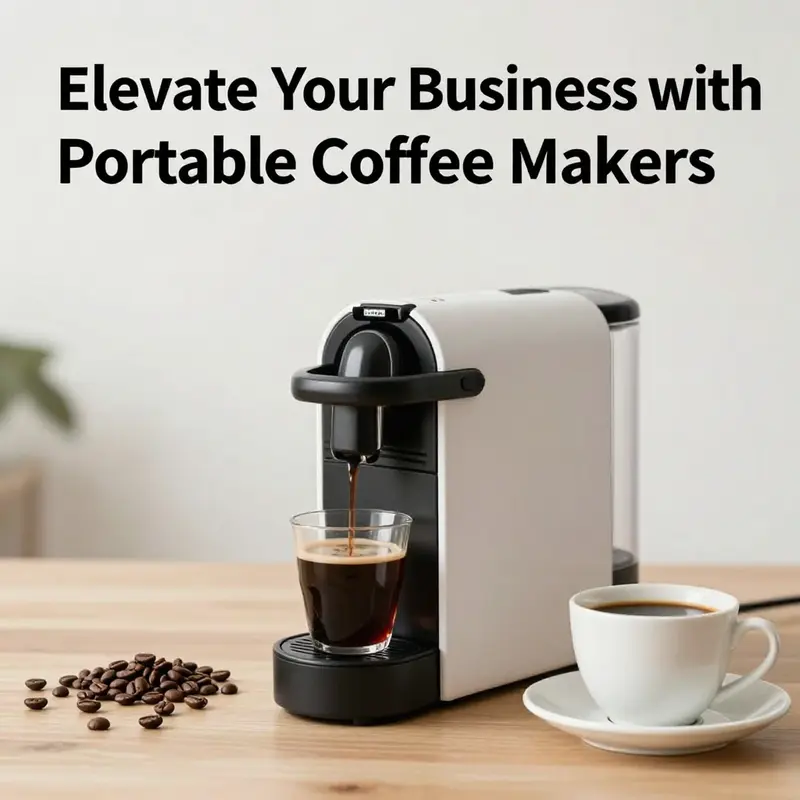
在跨越山海的旅途中,咖啡的香气常常成为记忆中最先清晰的信号。为无数热爱冲泡仪式感的人们设计的两类设备,正悄然改变我们对“随身咖啡”的理解:一种是面向家庭和小型办公场景、追求近似专业咖啡馆水准的单人份便携商用咖啡机,另一种是以极致便携和灵活场景适应性为核心的旅行咖啡机。两者并非对立,而是在不同场景中提供同样的目标——让一杯好咖啡在任何地点、任何时间成为可能。理解它们的差异与融合,能帮助旅行者在路上、在工作间隙,甚至在一个安静的角落里,建立起一个简单而稳固的咖啡仪式。
从功能与设计的角度考量,单人份便携商用咖啡机强调在有限的空间里实现高品质的萃取与高效出杯。它们往往具备高压萃取系统,至少能达到15巴的压力,甚至在某些型号中实现双锅炉或双系统,以便同时进行萃取和奶泡的制作。这种配置的核心在于稳定性与速度:用户无需等待过久,便能获得一杯带有细腻油脂(crema)的意式浓缩,继而用同一设备完成后续的奶泡制备。为了降低操作门槛,这类机器通常具备自动清洁、智能控粉、以及一键启动等功能,使家庭使用者也能像咖啡馆技师一样控制风味与温度。材质方面,现代家用/小型商用机常选用不锈钢外壳、耐用铝合金部件以及高强度塑料,既确保了耐用性,也便于日常维护。对电源的依赖则分布在两端:部分型号在桌面上接电使用,强调稳定的电源供应与持续的热控;而另一些则提供独立电池或低耗设计,便于在办公室、客房甚至户外场景无权限插电的情况下工作。这样的设定使得“家用商用机”既像专业小型咖啡馆的前线设备,又具备放进手提包的灵活性,但在重量、体积、以及维护需求上仍然倾向于让日常使用更为便捷。
与之形成对照的是旅行咖啡机,这一类别的核心诉求是“随身即用、无处不在”。旅行设备的重量常被压低到可放进背包的程度,体积被压缩以适应紧凑的旅途空间,供电方式也更加多样化:内置大容量电池、USB-C充电、甚至手动或杠杆驱动,几乎不让电源成为障碍。这类设备往往在材料与结构上强调抗摔、耐候与防护性,常具备防泼溅设计、IP级防护、以及在极端温度条件下的运作能力。更重要的是,旅行机在口味兼容性上也表现出一定的灵活性——有的支持咖啡粉,有的能使用胶囊,甚至还有结合手冲或热水烧煮等多模式的综合性设计,确保在露营、登山、火车上或酒店房间等多种场景中都能高效出杯。
这两类设备之间的差异,常被归纳为“场景导向”的优先级不同。单人份便携商用机更看重稳定性、可重复性的高品质萃取,以及在有限时间内满足多人需求的能力。其设计语言往往接近一个小型商业工作站:双锅炉或双系统的配置、可调研磨粒度、以及对水温、压力的实时监控,形成所谓的“家用咖啡馆体验”,能够让日常家庭冲泡跃升到专业水准。这并非单纯的口感追求,更是一种对流程控制的信任——从粉料到萃取再到奶泡,几乎每一个环节都被设计为可复制、可稳定再现。
旅行机则把“可携带性”放在首位。它的优雅在于折叠式水箱、极简的拆装结构,以及通过无线或低能耗供电实现的长续航。这类设备的改进方向,常围绕减少重量、缩短热身时间、提升耐用性和降低对水源的依赖。如若以两端的核心需求来对比,我们会发现前者在“可重复性与风味稳定性”上占优,后者则在“便携性与场景覆盖”上更具优势。两者并非不可调和的对立,而是在许多高质量的旅行产品中已经出现了融合的趋势。轻巧的机身、可拆卸部件以及高效的热管理系统,正在让某些旅行机具备接近商用机的表现力,同时保持出行的轻便与自由。因为在旅途上,风味的稳定性必然受到环境温度、湿度和水源的影响,所以设计师们把热管理、能效和材料选择作为关键的攻关点。
在选择与购买的维度上,理解个人的使用习惯尤为重要。对于那些日常在家中或办公室建立固定冲泡仪式的人来说,追求高品质与高效出杯的平衡最为重要。若每天需要多杯、快速且稳定地输出,投资一台具备自清洁、智能控粉以及多温区控制的设备,往往比频繁替换简单家用机更具性价比。对这类用户而言,设计的直观性、操作的简便性、以及对风味的一致性,是衡量优劣的重要标准。另一方面,若你常在户外、在旅途中或临时住宿处,需要尽可能少的装备负担,那么旅行机的吸引力就来自于它的轻量、长续航和广泛的场景适用性。这类设备让你在任何一处都能获得新鲜咖啡的体验,不被插座、供电来源或环境温度所束缚。
在实际使用中,预热仍是提升口感的一个关键环节。无论你选择哪一类设备,先用热水预热滤碗和杯子,能显著帮助稳定萃取温度,减少“温度回落”对口感的影响。此外,选择何种设备,往往也取决于你对“仪式感”的追求:你希望在每天固定时段完成一杯高质量的意式浓缩,还是愿意在旅途中将时间分配给探索与享受,并以一杯咖啡作为结束一天疲惫的标记。
为了让你在信息海洋中有一个清晰的参照,许多用户在评估时会关注几个核心维度:萃取压力的稳定性、热控系统的响应速度、材料的耐用性、以及清洁与维护的便利性。高压萃取是实现丰富 crema 的关键,稳定的热控则决定风味轮廓在不同阶段的呈现。耐用性不仅关系到设备能否承受户外环境的挑战,也关系到长期使用后的口感一致性。清洁与维护则直接关系到日常使用的持续性——一个易于清洁、可定期自清的系统,比任何高端功能都更能让日常生活变得轻松。
如果你愿意探索更多关于这两类设备在实际场景中的应用与评测,购物时可以参考一个综合性的指南,它汇集了多种便携型与商用级单人设备的对比点,并以可操作的方式帮助读者做出选择。你也可以通过一个专门的随身旅行机指南了解更多关于不同场景下的使用要点与搭配建议。 best portable travel coffee makers for great coffee on the go
在评估的过程里,你会注意到,现代的旅行咖啡机并非纯粹的“轻量化”,它们更像是一种将专业咖啡馆的某些要素转化为便携形态的尝试。许多高端旅行机具备可拆卸、可替换的部件,甚至还包括易于更换的过滤系统与密封圈材料。这些设计让设备更容易在不同环境下保持清洁与卫生,同时降低了因环境因素而带来的风味波动。与此同时,越来越多的旅行设备也在材料选择上提升耐用性,采用食品级不锈钢、耐温材料和抗摔结构,以承受旅途中的日常磨损。对于在路上的人来说,这种“近商用、近专业”的平衡,是最具吸引力的特质之一。
最终,旅途中的咖啡体验不再仅仅是“能喝到热饮就行”,它更像是一种选择,一种在陌生环境中对自我习惯与情感节律的坚持。你可以在家中拥有一台以商用标准运作的设备,在办公室也能以近似咖啡馆的风味完成工作日的任务;也可以带着一台极致便携的旅行机,穿越列车、山径和海风,沿途用香气来标记每一个停留点。在不同场景下,这两类设备不断地彼此借力,彼此强化。它们的边界正在被重新绘制,成为一个更广阔的“随身咖啡”世界的一部分。
无论你的选择指向哪一端,关键在于与你的生活方式相匹配。对于追求稳定风味、热爱在家中与同事共享仪式的人,投资一台具备高压萃取、双锅炉与自动清洁等功能的机型,往往能带来高回报;而对于频繁出行、需要在任何环境中都能获取一杯可口咖啡的人,选择一款重量适中、续航充足、并且支持至少两种原料来源的设备,才是更明智的长期投资。最终的答案来自你对日常生活的观察,对冲泡过程的偏好,以及你愿意为便携性让步多少以换取随时随地的咖啡自由。
如需进一步了解具体场景下的选购策略与使用要点,可以参考一个专门汇总随身与旅行咖啡机的指南性文章,以比较不同设备在实际环境中的表现与适用性。你也可以查看一个专门的随身旅行咖啡机指南,以获取更多关于便携性、续航和场景覆盖面的实用建议。 External resource: https://sca.coffee/
Brew on the Move: Crafting Everyday Rituals with Travel Coffee Gear
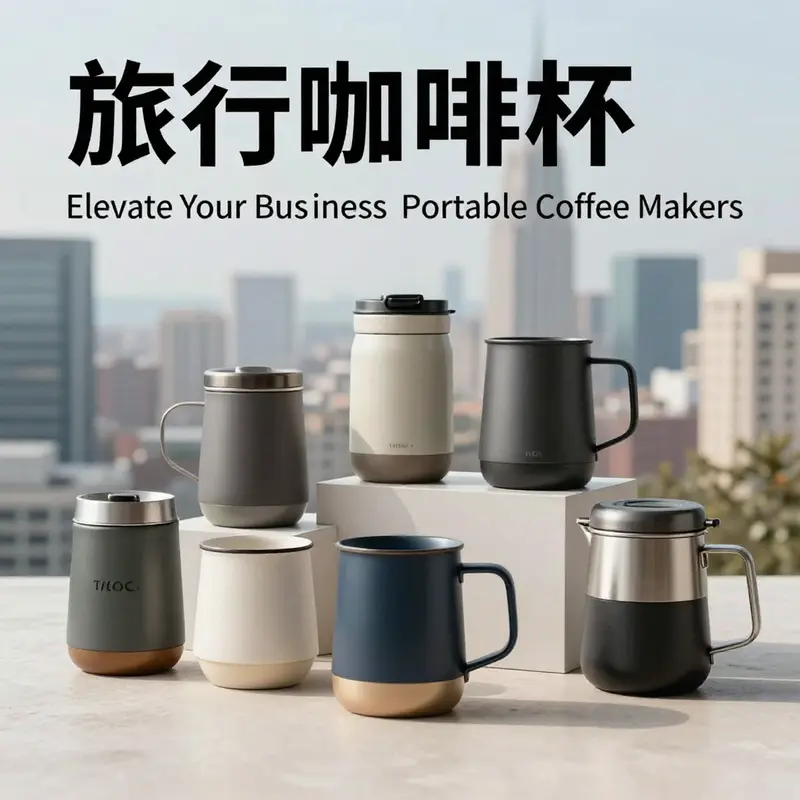
A well-made cup of coffee on the road is more than caffeine; it’s a small ceremony that travels with you. The moment you leave your familiar kitchen or a trusted café, that ritual can disappear as quickly as your battery dies or your gear weighs you down. Travel coffee gear exists to preserve the cadence of your morning—whether you’re boarding a train at dawn, hiking a ridgeline at midday, or pitching a tent as twilight settles in. The core idea is simple: you want a dependable cup that tastes right, without turning travel time into a ritual of strained compromises. In practice, two broad paths dominate the landscape: portable, insulated mugs that keep your coffee’s temperature steady for hours, and compact, all-in-one travel machines that bring the grind, the brew, and the cup together in a single, travel-ready package. Each path has its own logic, strengths, and limits, and together they map a spectrum that helps travelers choose based on how they sip on the road rather than how they sip at home.
The travel mug category centers on warmth, reliability, and simplicity. The premise is not to brew on the go but to carry a beverage that arrives at your lips at the same temperature you enjoyed in the café or at home. Here, the technology of double-walled, vacuum-insulated steel shines. When you pour hot liquid into a high-quality mug with a good seal, you’re buying hours of steady heat and a practically spillproof experience. The payoff is quiet and steady: you tilt, you savor, and you proceed with your plans. The best mugs in this class minimize flavor compromise by using ceramic or ceramic-lined interiors to reduce metallic notes and preserve the coffee’s aroma, while still maintaining a rugged, travel-ready exterior that won’t crumble with a drop or a jostle. The practical advantages are compelling. A mug designed with a leak-proof lid and a robust locking mechanism keeps you safe in a crowded train car or a windy campsite. The simplicity translates to fewer moving parts and fewer potential failure points during a trip. For many travelers, this combination—long-lasting heat, reliable seals, and a clean mouthfeel—offers a nearly perfect balance between convenience and flavor.
The second path—the travel coffee machine—offers the prospect of “bean-to-cup” on the go. It’s a different kind of ritual, one that foregrounds the act of extraction and the freshness of grind. The most compelling devices in this class are compact enough to fit into a backpack or overhead bin, yet capable of delivering a quality cup that challenges the day-trippers’ instant brews. A standout feature here is integration. These devices typically combine grinding, weighing, and brewing into a single, portable unit, sometimes powered by USB or rechargeable batteries, sometimes by hand-cranked mechanisms for true off-grid reliability. The appeal is clear: when you want to savor the nuance of a fresh roast—its acidity, its sweetness, its tactile mouthfeel—you don’t have to abandon the comfort of a consistent brewing process. You can micromanage grind size, adjust pressure, and control water temperature to coax the best expression from your beans, even in a cabin, a van, or a remote trailhead.
The science behind a good cup on the road often comes down to a few practical, universal truths. First, pressure matters for espresso-style results. Even in travel machines, achieving the crema and bold mouthfeel that defined a true shot requires appreciable pressure, typically in the range of nine bars or more. Some portable systems push higher pressures, with spring-loaded pumps or compact hydraulic mechanisms, to mimic café-grade extraction. The result is a depth of flavor and a texture that simple brewed coffee rarely achieves. Yet the same devices must balance power needs with weight and durability; a high-pressure system is only as useful as its ability to endure temperature swings and rough handling without failing.
Second, power supply is a defining constraint. On the quiet roads or remote trails, access to power is never guaranteed. Hand-operated mechanisms offer reliability where electricity is scarce but demand more physical effort and a learning curve. Battery-powered, USB-rechargeable models provide freedom from outlets but hinge on battery life and charging compatibility. The trade-off is not merely technical; it’s about how you want the ritual of coffee to unfold. Do you relish the process of dialing in grind size and pressure to coax a particular expression, or do you prize convenience—one-button operation and a cup ready in minutes? The answer shapes not only which device you choose but also how often you’ll bring it along on your travels.
A third consideration is durability and materials. Portability demands materials that resist impact, temperature extremes, and corrosion. Stainless steel, aviation-grade aluminum, or reinforced polymers are common and each carries a different sensory profile in the cup. For those who prize flavor above all, ceramic linings inside travel mugs can preserve the character of the coffee without imparting metallic notes. For travel machines, stainless steel housings and rugged seals help protect delicate internals while still shaving weight. The end result is a dependable tool—one that remains functional after a few drops or a chilly night on the road. And as sustainability grows more central to consumer preference, many travelers gravitate toward devices designed for minimal waste, whether by supporting reusable grounds, eliminating single-use pods, or enabling hot water refills in a more eco-conscious workflow.
The practical considerations extend beyond raw capability to the actualities of travel life. A high-quality, truly portable espresso device may promise café-level performance, but it should also follow you through the mundane, day-to-day rhythm of travel. How fast can you set it up, operate it, and clean it? A robust device should be simple enough to operate in a tight cabin at dawn or under the glare of a sunny picnic table, ideally delivering a cup in a couple of minutes and with a clean-up that won’t require a full washing station. Likewise, compatibility matters. Some travel machines are designed around proprietary capsules or pods, offering convenience at the expense of flexibility. Others embrace open grounds, allowing you to use your preferred roast and grind, which can be crucial for explorers who chase a consistent flavor across destinations.
The conversation between mugs and machines is not a binary one. Many travelers blend strategies, selecting a reliable, temperature-retaining cup for the commute and carrying a compact, all-in-one machine for days when the journey becomes an immersion into a different caffeine culture. If you’re balancing daily routines with travel, this hybrid approach saves space, reduces decision fatigue, and ensures that even on a budget-flight morning, you can offer your palate the same comfort it finds at your kitchen counter. And the social dimension remains significant. A good mug invites sharing a warm sip with fellow travelers, while a portable machine invites you to host a small café moment in a hostel kitchen or a remote campsite—a moment that can become a memory of the trip itself.
As you weigh the options, a few guiding questions can tighten the decision. Do you value flavor fidelity more than the sheer ease of use? Are you traveling light, or will you tolerate a slightly larger footprint for a more authentic, hands-on brew? How important is heat retention for you—would you rather have coffee at a steady, sipping temperature for hours, or do you plan to brew frequently, with quick, repeated sessions? Do you want the flexibility to grind your own beans, or is pod compatibility more important for you in the field? Answering these questions helps align your gear with your journey, rather than letting the gear dictate the trip.
For those who want a tangible path through the options, consider this practical nudge: if your itinerary features long waits in transit or early starts with limited café access, a high-quality insulated travel mug can be the quiet backbone of your day. It delivers warmth, reduces the need to buy disposable cups, and adapts to both brewed coffee and tea with equal grace. If your trips are about exploring waking moments—the moment of first grind, the aroma rising from a compact machine, the ritual of watching crema bloom—then a travel espresso system, paired with a portable grinder and a dependable water source, becomes a portable café that travels with you. And if you crave absolute minimal gear and maximum spontaneity, a robust coffee cup that keeps its contents hot and clean, with a leakproof lid, may be all you need to sustain your momentum.
In the landscape of travel gear, the choice is less about choosing “the best” device and more about choosing the tool that aligns with your travel tempo, your flavor preferences, and your willingness to engage with the brewing process on the road. It’s about maintaining a sense of craft while preserving freedom of movement. If you’re curious about a curated look at current options that prioritize portability and performance, a practical guide to the best portable travel coffee makers for great coffee on the go offers a balanced comparison of how these devices function in real-world travel scenarios. This resource emphasizes the trade-offs between weight, speed, and flavor—and helps you pick a solution that fits your travel style. best portable travel coffee makers for great coffee on the go
Beyond the device itself, the act of brewing on the road benefits from a few timeless habits. Preheating is not merely a ritual; it stabilizes the brewing temperature and reduces thermal shock when you introduce hot water to a cold cup or chamber. A quick rinse of the filter basket or the cup itself before brewing helps maintain the purity of flavor, especially when you’re juggling multiple destinations and water sources. Choosing the right grind size for a portable machine is equally important. Too fine a grind can clog a compact pump; too coarse a grind can yield weak extraction. The goal is to size your grind to the device’s brewing path—channeling the coffee’s natural oils into a balanced shot or a bright, lucid brew—so each cup remains expressive rather than muted by the constraints of travel.
In contemplating these devices, there’s a human dimension that often gets overlooked: the space you’re willing to devote to coffee in your pack. A well-made mug travels with you for years, becoming a silent partner in countless dawns. A travel machine, in contrast, is a compact autumn of possibility: a machine that turns a roadside stop into a tiny café, a hillside campsite into a tasting room. The best choice depends less on the gadget’s prestige and more on how the ritual fits your itinerary, your taste, and your sense of adventure. If one takes you closer to the ideals of taste, the other to the ideals of mobility, both share an enduring truth: good coffee should not be a casualty of travel. It should be a companion, a constant, and—above all—a signal that your journey is worth taking one more minute for the pleasure of a well-made cup.
External resource for further context on design principles behind vacuum insulation and its historical development can enrich this understanding. For a broader technical background on how vacuum insulation works and why it matters for any insulated vessel, see the external reference: https://en.wikipedia.org/wiki/Vacuum_flask
Brewing Ahead: The Quiet Craft of Coffee on the Move
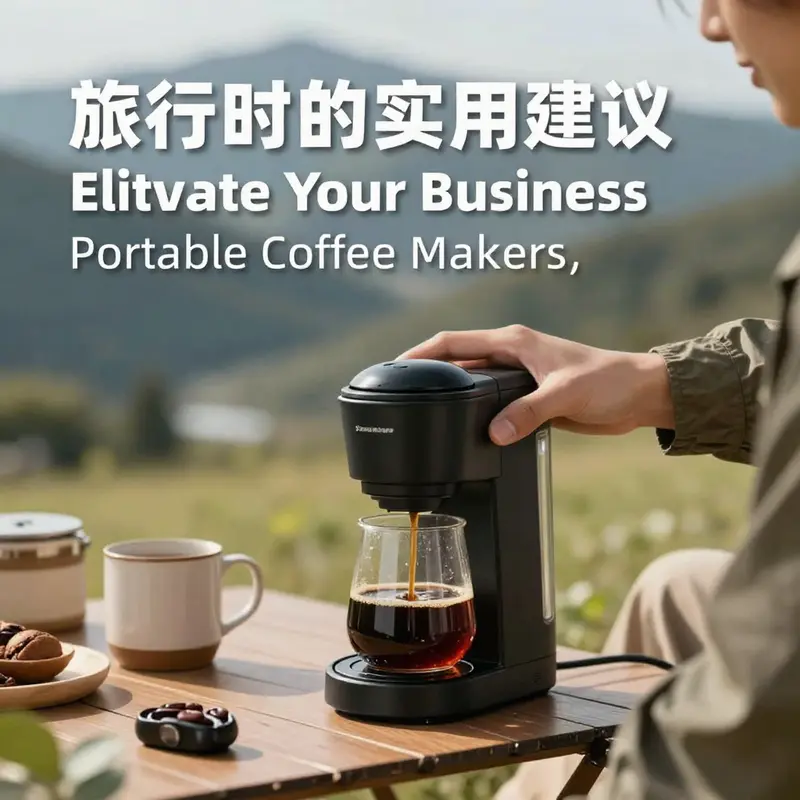
A journey is rarely only about the miles traveled. It is also about the small rituals that keep us grounded, especially when we cross time zones and landscapes where the familiar comforts of home seem distant. In this sense, travel coffee makers become more than gadgets. They are portable rituals, crafted to travel with you, adapting to different kitchens, campfires, and airport lounges, while preserving the texture and warmth of a morning cup. The question is not merely which device yields the best shot or creamiest crema, but how a person’s approach to coffee—its grind, its water temperature, its rhythm—can harmonize with the pace of travel itself. When designed with intention, a compact device can transform a cramped hotel counter, a breezy hostel kitchen, or a sunlit campsite into a personal cafe. When chosen without consideration, it becomes another bit of gear to juggle, another item weighed against the need for space and weight. The path between those two extremes is where travelers decide what kind of coffee life they want on the road.
What matters most is not a single feature but a balance among several design choices that together shape the experience of brewing away from home. First there is weight and size. The ideal travel device should disappear into a pack or a carry-on with minimum fuss. It should feel invisible until it is needed, and then it should deliver enough power and durability to stand up to the day’s adventures. Next comes pressure and extraction. True espresso, in the travel sense, is about achieving a depth of flavor and a crema that hints at specialty beans, even if the machine is compact and the power source modest. A device that supports high pressure, yet remains easy to operate and quick to clean, is particularly valuable for travelers who value a strong cup without lengthy setup.
Power and reliability form the third axis. Some travelers crave battery-powered or hand-powered options for times when electricity is scarce, while others want a robust device that can be filled with hot water and pressed into action without a wall outlet nearby. The best gear in this realm is built from durable materials—stainless steel, reinforced aluminum alloys, or sturdy polymers—that shrug off the inevitable bumps of travel and handle a range of temperatures. And because travel is as much about routine as spontaneity, the ideal device is straightforward to use: a brew that can be completed within a couple of minutes, with minimal steps from grind to cup. Simplicity often translates to consistency, and consistency matters when you’re away from your usual morning setup.
But the journey of coffee on the road is not just about hardware. It is also about how we approach the making of it. Some devices are designed to work with ground coffee or coffee pods, offering flexibility to adapt to what you have on hand. Others are focused on one pathway—either a grind-and-brew ritual or a capsule-based shortcut. For travelers who love the ritual of manual extraction, a compact press or pump can deliver a sense of ceremony—the heft of the handle, the rhythm of the press, the hiss as the crema ripples across the surface. On the other hand, for those who value speed and consistency, a capsule-ready or built-in grinder approach can streamline mornings when every minute counts. Either way, the key is to preserve the aroma, the warmth, and the complexity of the beans, even in a small device.
Alongside the device itself, the travel experience surrounding coffee deserves attention. Preheating becomes a quiet, almost meditative act that sets the stage for proper extraction. A traveler can warm the cup and the brewing components with hot water before the actual brew begins. This small step helps maintain a stable temperature through the process and contributes to a more balanced cup. When on the road, the choice of water also matters. Soft, clean water supports a clearer taste, while environments with hard water may require a simple filtration or a quick rinse to prevent mineral buildup that could cloud future brews. And then there is the matter of grind size and technique. If you bring your own grinder, dialing in a medium-to-fine consistency can yield a robust shot when pressure is high. If you are using pre-ground coffee, try a slightly coarser grind and a longer immersion time to compensate for any subtle differences in temperature or pressure that a portable device may introduce.
Of course, the practical side of travel coffee cannot be separated from the realities of packing. Weight adds up quickly, so a savvy traveler weighs the trade-off between daily ritual and total luggage. A lighter, more compact device often wins in the long run, provided it can still deliver a satisfying cup. Some days call for a minimalist approach—using a high-quality mug with a trusted hot-water pour from a thermos—while other mornings invite a more involved brew. The best approach is to choose a device that aligns with your typical travel pace and your tolerance for planning ahead. If you enjoy a ritual every morning, even on the road, investing in a device that delivers café-like quality in a short time can be especially rewarding. If your travels lean toward spontaneity and lightness, a simple mug and a reliable heat source might be the right pairing.
The broader landscape of travel coffee accessories provides a spectrum of options that mirror these preferences. Beyond devices, a good travel mug stands as an essential companion. A well-designed mug keeps beverages hot for hours and can seal leaks during bumpy rides. It is crafted with materials that resist temperature shocks, and it fits comfortably in cup holders and backpacks alike. When paired with a compact brewing device, the mug becomes a single, integrated coffee station on the go. The mission is not to complicate the journey but to create a trustworthy, repeatable routine that travels as smoothly as you do.
For readers who want to explore the range of options without getting lost in the details of brands and models, consider a curated overview of portable travel coffee makers. A concise guide can highlight how different devices balance weight, speed, and flavor, while offering practical packing tips and a sense of how the experience translates to different travel contexts—airports, trains, campsites, and hotel rooms. The aim is to give travelers a reliable mental map: what kind of device suits a given trip, how to use it efficiently, and how to care for it so it remains a dependable companion across many journeys.
In this spirit, a well-chosen travel coffee maker becomes a bridge between the discipline of a daily ritual and the spontaneity of wandering. It invites a morning moment that anchors a day of exploration, a small act of control in an environment that is otherwise unfamiliar. The pleasure is not only in the cup but in the confidence that, wherever you land, you can open a door to warmth and familiarity with a few deliberate moves. If a journey is a story you tell with steps and places, then brewing coffee on the road is a recurring line you read aloud, turning unfamiliar streets into spaces that feel yours for a little while.
To those who are curious about narrowing the field, a practical path exists. Start with a lightweight, high-clarity device that can operate with either grounds or capsules, depending on your mood and your trip. Prioritize a design that emphasizes simple assembly and quick cleanup, because travel complicates routines enough without adding onerous maintenance. Consider how you will power it: battery, manual, or a robust battery/plug hybrid. Think about materials—stainless steel for durability, or reinforced aluminum for lightness—so the gear endures the bumps of transit and the heat of camp stoves. And finally, remember that the best choice suits your personal pace. If mornings are sacred, embrace a device that invites you to savor the ritual. If mornings are a means to an itinerary, savor speed and reliability instead.
If you are seeking a concise direction within a crowded market, a balanced approach is to look for a device that offers both quality and resilience, while keeping the footprint small. You will likely discover that the most satisfying solution is less about chasing the latest feature and more about harmonizing the brew with the journey. A portable device that heats consistently, extracts within a few minutes, and is easy to clean after a day of travel will often outperform a more feature-laden option that adds friction to your routine. In this sense, the story of travel coffee is less about the gadget and more about the ritual you choose to maintain.
For readers who want a curated view of top options without getting lost in brand names, there is value in a dedicated guide that focuses on performance, portability, and practicality. It helps frame the decision around how you travel, what you value in a cup, and how much you are willing to carry. If you’d like a focused lens on current best-fit choices, you can explore a guide that distills the field into clear categories and recommendations—always anchored in the idea that a portable espresso or a compact brewer can bring a reliable, comforting start to every road.
As you plan your next trip, consider this: the best travel coffee setup is one that serves you where you are. It is not a trophy of gadgetry but a quiet facilitator of moments. A good mug, a well-chosen device, and a few mindful habits turn a hotel breakfast, hostel kitchen, or remote campsite into a familiar, restorative pause before the road continues. With the right balance of lightness, reliability, and flavor, your mornings on the move can feel less like a sprint and more like a careful, satisfying ritual that travels with you wherever you go.
Internal resource note: for a concise overview that aligns with this approach, you can consult a curated guide on portable travel coffee makers that emphasizes practicality and flavor without unnecessary complexity. Best portable travel coffee makers for great coffee on the go.
External reading is also valuable to broaden perspectives on production, testing, and real-world use in varying environments. For a comparative view that includes a range of devices and tested performance across settings, see this independent review and benchmarked analysis of portable coffee makers. External resource.
Final thoughts
Utilizing portable coffee makers can significantly improve your travel experience as a business owner by providing easy access to your favorite brews. Whether you are a fan of espresso, prefer the simplicity of single-serve machines, or enjoy the convenience of travel mugs, there are myriad options to fit your needs. Each coffee maker not only enhances your daily coffee ritual but also instills a sense of comfort and normalcy during busy travels. By investing in quality coffee gear, you ensure that you remain energized and focused, allowing you to tackle each business challenge with renewed vigor. Explore your options today, and bring the coffee shop experience wherever your business takes you.