
Caffeine consumption is an integral part of modern lifestyles, influencing productivity and leisure alike. Understanding the differences between popular caffeinated beverages—especially coffee and Mountain Dew—becomes essential, particularly for business owners who may seek to cater to consumer preferences or enhance their offerings. Chapter One presents an analytical comparison of caffeine levels in coffee and Mountain Dew, challenging the common perception of soda as a caffeine powerhouse. Subsequently, Chapter Two delves into the health implications associated with caffeine consumption, revealing potential risks and benefits linked to both beverages. Chapter Three shifts the focus to consumer preferences, exploring market trends and the factors influencing choices between coffee and Mountain Dew. In Chapter Four, we address variability in caffeine sources, offering insights into the production and formulation differences that affect caffeine levels. Finally, Chapter Five examines cultural perspectives on coffee and Mountain Dew, highlighting how traditions and habits surrounding these drinks shape consumer perception. Together, these chapters illuminate the caffeine conversation, providing business owners with valuable insights to inform their decision-making.
Brewing the Caffeine Gap: Why Coffee Delivers More Buzz Than Mountain Dew
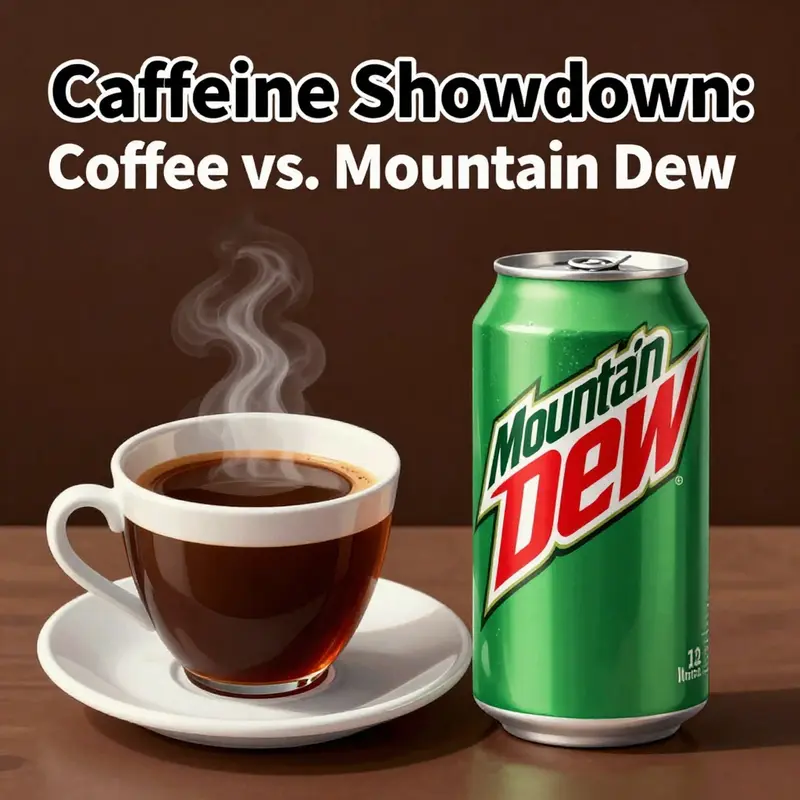
The question of which delivers more caffeine—coffee or Mountain Dew—is less a single-point answer than a landscape of serving sizes, brewing choices, and product lines. When people ask, they often want a quick yes or no, but the real story unfolds in the numbers per serving and the way those numbers interact with how we drink. In everyday terms, a typical 8-ounce cup of brewed coffee harbors about 95 milligrams (mg) of caffeine on average, though the spread can be as narrow as 70 mg or as wide as 140 mg, depending on roast, grind, and method. A standard 12-ounce can of Mountain Dew, by contrast, has around 55 mg of caffeine. This contrast—coffee usually delivering nearly double to more than double Mountain Dew per common serving—helps explain why many people feel coffee provides a stronger “buzz” in a morning or workday context. Yet this simple comparison only scratches the surface of how caffeine works in real life, where the size of the serving and the way the beverage is prepared can tilt the balance decisively in favor of coffee.
The variability within coffee is one of the most important parts of the story. Caffeine content in coffee isn’t a fixed badge; it shifts with roast level, grind size, water temperature, and the extraction time of the brew. An espresso shot, typically around 1 ounce, carries about 63 mg of caffeine. A double shot—common in many cafe beverages—delivers roughly 125 mg. When that same coffee is brewed as a larger drink, such as a grande latte from a popular chain, caffeine totals can climb well above 300 mg in a single cup, especially if multiple shots are used. This means that coffee’s caffeine content scales with the size and style of the drink, making a single beverage more potent than a can of Mountain Dew in many circumstances. Even within the coffee family, you can see a spectrum from a modest morning cup to a caffeinated blast in a specialty brew, depending on how you choose to prepare and consume it.
Mountain Dew itself sits in a different niche. The standard 12-ounce can is not a powerhouse by coffee standards, but it is still a notable source of caffeine within the realm of soft drinks. Roughly 55 mg per can places Mountain Dew in the middle ground of caffeinated sodas—clearly higher than many traditional colas like regular Coke or Diet Coke, yet unambiguously lower than most coffee beverages on a per-serving basis. It’s worth noting that there are Mountain Dew variants that push caffeine higher. For instance, Mountain Dew Energy products can contain up to about 140 mg per 12-ounce can, a level that rivals many standard cups of coffee and challenges the assumption that sodas are always a mild caffeine option. These higher-caffeine versions are a reminder that product lines can blur the line between “soft drink” and “energy boost,” depending on formulation and consumer demand. The overall takeaway remains: in ordinary consumption, coffee generally provides more caffeine per serving, but nuance matters when you add energy-boosting variants into the mix.
Those nuances bring into relief how people use these beverages in daily life. Coffee is often a ritual, a daily routine with a predictable ritual and a broad ecosystem of brewing methods—from simple drip machines to precise pour-over setups and the concentrated intensity of espresso. This diversity makes coffee a flexible tool for caffeine management. You can calibrate the dose by choosing a lighter or darker roast, adjusting the grind, or controlling the water temperature, all of which influence how much caffeine ends up in the cup. Mountain Dew, with its bright citrus flavor and sugar profile, offers a different kind of appeal. It’s not a beverage people typically use to modulate alertness in the long haul; rather, it provides a quick, reliably sweet caffeine lift that pairs well with a snack or a social moment. The contrast is functional as well as sensory: coffee usually demands a more deliberate preparation, while Mountain Dew can be a grab-and-go option that still delivers a caffeine jolt, albeit one that’s generally smaller per ounce and mixed with sugar and flavoring.
From a consumer standpoint, the choice between coffee and Mountain Dew becomes a calculation about goals and tolerance. If the aim is a robust caffeine load in a relatively short period, coffee is often the stronger bet per serving. The potential for multiple shots in a single drink means that the caffeine it delivers can far exceed that of a can of Mountain Dew, especially for those who opt for larger, multi-shot beverages. On the other hand, Mountain Dew can be appealing for those seeking a lighter stimulant, a sweeter flavor, or a beverage that pairs well with social occasions where coffee might feel too heavy or too hot. The flavor landscape matters, too. For some, the bright, crisp taste of Mountain Dew complements certain foods or moods better than coffee, even if the caffeine content is lower. And while caffeine is the star in this comparison, other ingredients—such as sugar, acidity, and even the presence of other stimulants in some energy-infused variants—shape how the caffeine experience actually lands in the body and mind.
The broader context of caffeine labels and consumer information also matters. Reliable resources, like those compiled by major health organizations, help anchor the conversation in data rather than anecdotes. For readers who want to see the numbers laid out side by side, a concise, product-specific comparison is often best, and it’s worth recognizing that the precise mg can vary by brand, batch, and serving size. If you’re exploring these differences for someone managing caffeine intake, or simply curious about how a morning wake-up stacks up, it helps to bring together the numbers with your personal consumption pattern. The Minnie details aren’t merely academic; they influence how you plan your day, how you pace your caffeine use, and how you avoid crashes later on.
For a focused look at Mountain Dew specifically, you can check a dedicated page that examines its caffeine content in context. It highlights how Mountain Dew stacks up against other caffeinated beverages and shows how variants can move the needle upward. caffeine-content-mt-dew offers a concise snapshot within the broader landscape of caffeine in popular drinks, helping readers compare apples to apples while recognizing that serving size always matters. In the end, the arithmetic is straightforward: a typical eight-ounce cup of coffee usually carries more caffeine than a standard twelve-ounce Mountain Dew, and that gap widens or narrows depending on the specific coffee preparation or Mountain Dew variant you choose. This is why many people trust coffee for a dependable, if potent, caffeine foundation, while Mountain Dew remains a flavorful, lighter alternative for moments when a quick lift is all that’s needed without leaning into a heavier caffeine dose.
For those seeking a grounded, evidence-based frame to corroborate these observations, credible sources compile caffeine content across beverages and offer guidance on safe daily limits. The Mayo Clinic’s caffeine article provides current, research-backed data on caffeine levels in coffee, tea, soda, and more, helping readers calibrate their choices to their own health considerations: https://www.mayoclinic.org/healthy-lifestyle/nutrition-and-healthy-eating/in-depth/caffeine/art-20045678
The Caffeine Margin: How Coffee Outpaces Mountain Dew—and What It Means for Your Health
Caffeine acts as a central nervous system stimulant that many people encounter daily. In a typical 8 ounce cup brewed coffee provides about 95 milligrams of caffeine. The range varies, typically 70 to 140 milligrams per brew. A single espresso shot carries about 63 milligrams, while a double gives around 125. In contrast a popular citrus soda contains far less caffeine per can. A 12 ounce serving of such soda typically holds about 57 milligrams. That makes coffee roughly twice the caffeine of a typical can of soda. The numbers establish a baseline for understanding how much energy one gains. The comparison sets the stage for a deeper look at how caffeine interacts with health in everyday choices, especially when people weigh quick energy against long term well being. The overall health impact depends on total intake, timing, and how sensitive a person is to caffeine stimulant effects. This chapter continues by unpacking both the potential benefits and the risks at typical consumption levels, and how the choice between a cup and a can can translate into different health trajectories over time. The science suggests benefits at moderate levels, but it also warns against assuming that more caffeine is always better. The practical takeaway is simple: know your own thresholds and plan accordingly, especially if you balance caffeine with other dietary factors like sugar and acidity. A cautious approach to caffeine recognizes that the same amount can feel energizing for one person and disruptive for another. The following sections weave together the general caffeine effects with the specific concerns tied to coffee and Mountain Dew, illustrating how context shapes outcomes for cardiovascular health, metabolic balance, and daily performance. In this discussion the health implications hinge not only on caffeine alone but on how it interacts with sugar, acidity, and the rest of the daily diet. A balanced view acknowledges that moderate caffeine can support alertness and focus, while excessive intake can compound anxiety, sleep disruption, and digestive discomfort when caffeine and sugar are both involved. The final perspective emphasizes moderation, thoughtful timing, and an awareness of personal sensitivity as the best guardrails for long term well being. For a concise caffeine comparison see Coffee versus Mountain Dew. This reference helps anchor how much caffeine appears in common servings and how it translates into real world effects. While caffeine content matters the bigger health picture also hinges on other beverage ingredients and daily patterns. The overarching message remains: make informed, individualized choices rather than assuming the same rule fits all. The narrative behind caffeine health impact is nuanced requiring attention to dose timing and personal biology to navigate both the perks and the perils. The following sections synthesize research on cognitive and physical performance benefits, potential disease associations, and the risks tied to high caffeine intake with particular attention to how Mountain Dew’s sugar content can amplify health concerns when caffeine is used as a quick fix. In considering both products the ultimate clinical picture reflects a net balance between energy mood sleep and long term metabolic health. The evidence supports enjoying caffeine in moderation while avoiding habitual overreliance on stimulating beverages that also deliver large sugar loads. Finally the discussion acknowledges how individual differences in caffeine metabolism shape both benefits and risks reinforcing the need for personalized guidelines rather than universal prescriptions. For those seeking deeper context an external resource offers a broader synthesis of caffeine health effects and the metabolic pathways involved helping readers connect the dots between intake biology and well being. External resource: https://ncbi.nlm.nih.gov/pmc/articles/PMC4319862/.
Preferences in Play: What Drives Coffee and Mountain Dew Choices—and the Caffeine Question
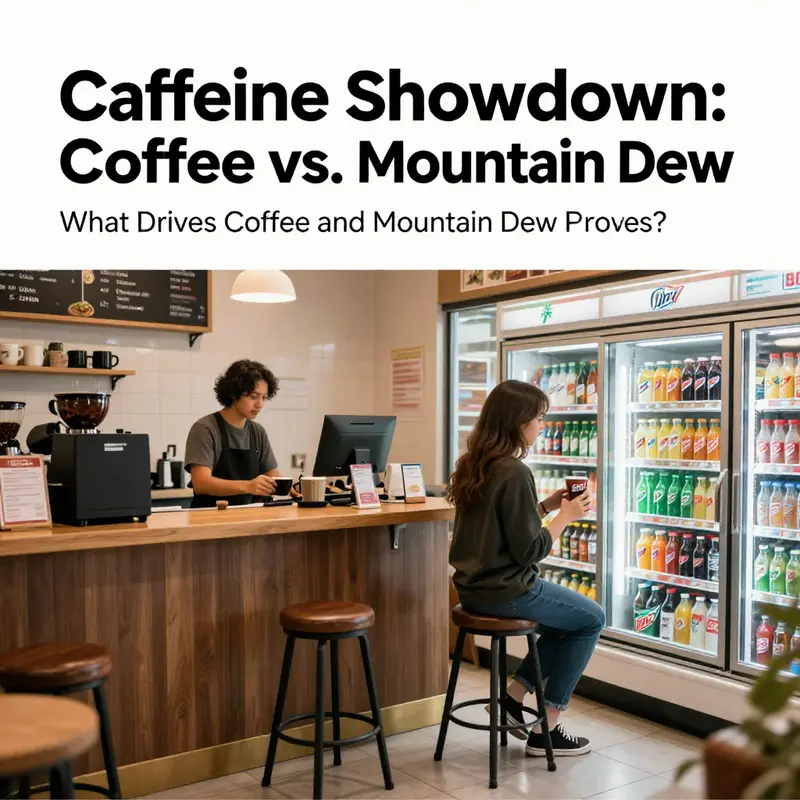
Choosing a caffeinated beverage is rarely about a single attribute. People weigh taste, mood, context, health considerations, and personal values as they pick between a cup of coffee and a lemon-tinged, high-energy soda. The caffeine question—which has more and how much—often frames the conversation, but it is only one layer in a much larger picture of how modern consumers decide what to drink. In the landscape of beverages that promise focus, alertness, or a quick lift, caffeine acts as both a practical tool and a signal of identity. It signals not just energy, but also who you are, where you are, and what you expect from your drink at that moment. The most telling stories about why people choose one option over another come from the way taste, convenience, lifestyle, and values intertwine around caffeine, not from caffeine alone.
On the coffee side, taste and quality sit at the center of decision making. The draw of a well-roasted bean—its aroma, its crema, its lasting finish—creates a personal ritual that many drinkers associate with comfort, focus, and social connection. The rise of specialty coffee underscores this emphasis on flavor and craft. When people say they value quality, they are saying they want more than a caffeine hit; they want an experience. This is mirrored in consumption patterns: a sizable share of U.S. coffee drinkers now seek out specialty options, and a meaningful proportion begins their day in cafés, drawn by the atmosphere, the service, and the possibilities for social interaction as well as speed and convenience. Quality is not just about the cup; it is about the entire moment—where you are, who you’re with, and what you’re seeking from your daily ritual. In many markets, the ethical and sustainable dimensions of sourcing have become integral to that decision. People are willing to pay a premium for coffee that aligns with values around environmental stewardship and fair labor, signaling that taste and ethics can travel together in a single purchase. Even more, a growing number of younger consumers are seeking functional benefits from coffee, from added protein to collagen-infused options, suggesting that the drink is morphing into a wellness-oriented platform as much as a traditional caffeine source. Plant-based milks have rewritten the experience of coffee in universal ways, with oat milk now a dominant option in many orders because it balances taste, texture, and plant-based ethics. All of these factors—flavor, craft, convenience, ethics, and wellness-oriented ingredients—shape a drinker’s preference not just for caffeine, but for a broader lifestyle story that coffee represents.
Mountain Dew, while not defined by the same craft-driven ethos as coffee, carries a distinct set of drivers that echo and diverge from coffee’s. Taste and brand identity are central. The citrus-forward, bold flavor of Mountain Dew has long defined its appeal for a segment of consumers seeking a distinctive, high-energy experience that feels different from traditional colas. The brand’s association with youth culture, sports, and an active lifestyle creates a personality for the beverage itself. This kind of identity matters because it anchors the drink in a social and aspirational frame: it is not only about the caffeine; it is about the moment you want to live in when you drink it. Fast-paced moments—games, late-night study sessions, and social gatherings—often cue Mountain Dew as a convenient source of energy, a quick lift that fits into a busy or on-the-go life. In this sense, the beverage becomes less a symbol of routine and more a symbol of intensity and immediacy.
Functionality, in the form of a caffeine boost, is a shared thread across both drinks, but the practical application diverges. Coffee is often chosen for its capacity to support sustained attention, deep work, and longer periods of focus. The caffeine content in coffee varies by preparation, but a standard eight-ounce cup typically delivers around 95 milligrams, with a broad range of 70 to 140 milligrams depending on roast and brewing method. A single shot of espresso brings roughly 63 milligrams in about an ounce, and a double shot lands around 125 milligrams. Mountain Dew, by contrast, offers a more modest but still notable caffeine payload—roughly 57 milligrams per 12-ounce can in many markets. This difference matters not only in deciding how much caffeine one consumes, but in how one plans the timing and duration of alertness. A cup of coffee is often a longer, more planned event, whereas Mountain Dew may serve as a quick, situational lift to power through a moment that requires rapid energy.
Yet caffeine content is only part of the calculus. The broader preferences at work reveal a nuanced landscape. Coffee drinkers frequently weigh quality against convenience. For many, the decision to visit a café—the social, experiential dimension of coffee culture—reflects a preference for an environment that blends aroma, hospitality, and speed. The data reveal that a sizeable portion of coffee consumers value the café experience not just for caffeine but for community, networking, or a productive backdrop for remote work. Meanwhile, Mountain Dew’s convenience is tightly linked to its widespread availability, variety in flavors, and the ability to provide an immediate jolt in contexts where a full coffee ritual feels impractical. The ease of grabbing a can at vending machines, grocery stores, or fast-food outlets complements the desire for speed and accessibility in a way that coffee often cannot replicate in every moment of a busy day.
Beyond taste and energy, the ethical and health considerations that shape coffee choices also influence Mountain Dew preferences, though in different registers. Coffee’s sustainability story—transparent sourcing, third-party certifications, and a willingness to pay more for ethically produced beans—appeals to consumers who imagine themselves as responsible buyers. The general movement toward transparency, reduced packaging waste, and the shifting demand for sustainable and healthier beverage options has touched Mountain Dew too, with efforts to offer lower-sugar variants and clearer nutrition information. While the focus in soft drinks often centers on flavor and brand identity, the market’s broader shift toward health mindfulness nudges consumers to reconsider sugar content, caffeine balance, and long-term impact.
In the end, what drives coffee and Mountain Dew choices is a convergence of taste, context, and identity, with caffeine serving as a useful but not sole compass. The emotional and social dimensions—the ritual of coffee versus the bold, instantaneous appeal of a high-energy soda—play a decisive role in shaping preferences. People resist the idea of a one-size-fits-all beverage; instead, they curate a personalized beverage repertoire that serves different moments in life. The story that a drink tells about who the drinker is can carry almost as much weight as the drink’s chemical composition. For many, coffee will remain the preferred source of sustained focus and sensory pleasure, especially for morning routines and analytical work, while Mountain Dew may win out in moments demanding a quick, vibrant lift in a social or recreational setting. The two beverages thus coexist not only as rivals in the caffeine market but as complementary pieces of a broader caffeine culture that values both flavor mastery and rapid energy when the moment calls for it.
For readers seeking a concise depiction of how these beverages compare in caffeine content and consumption context, a direct comparison is available here: coffee-vs-mountain-dew.
Ultimately, the strongest driver of choice may be the personal narrative each drink enables. Coffee speaks to a belief in ritual, craft, and long-term wellness alignment, while Mountain Dew resonates with immediacy, boldness, and social signaling. As consumer trends continue to evolve, both categories will likely continue to adapt—coffee expanding its ethical and functional spectrum, and Mountain Dew experimenting with sugar profiles and flavor innovation—so that each remains relevant to distinct moments, moods, and goals. For researchers and curious readers alike, the broader takeaway is clear: caffeine content matters, but it matters within a tapestry of taste, context, and value that ultimately guides what we pick up from the store or café each day.
External resource: National Coffee Association 2025 Consumer Trends Report
The Caffeine Equation: Coffee vs. Citrus Soda
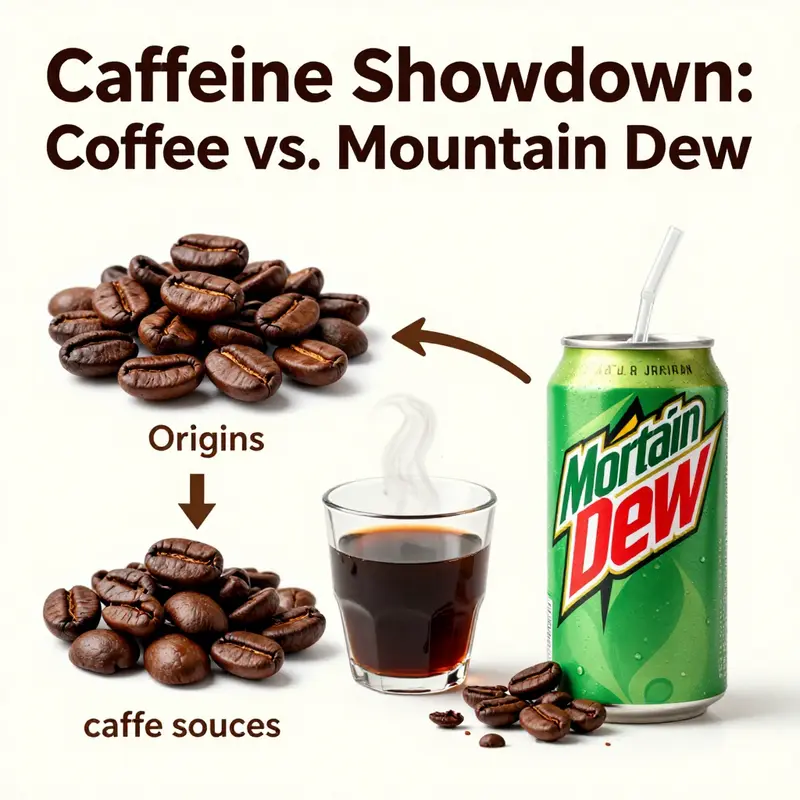
Caffeine is a common energy signal in modern diets, and the way it appears in beverages varies. Coffee and a popular citrus soda deliver caffeine differently because dose, delivery, and context matter. This chapter treats caffeine as a chemically and physiologically shaped signal, not a fixed number on a label. It also frames the central question: which beverage provides more caffeine per serving, and how should that guide daily choices?
Coffee is a robust source: an eight-ounce cup typically carries roughly 80 to 100 mg of caffeine. The range reflects origin, roast, and brew method. Lighter roasts may retain slightly more caffeine than darker roasts due to density differences, though the final figure depends on how it is measured. An ounce of espresso contains about 63 mg; a double shot (two ounces) lands around 125 mg. These numbers show coffee’s potential to deliver a strong payload in a small volume, especially with espresso-based drinks or larger cups that raise total daily intake.
By contrast, a standard twelve-ounce can of a typical citrus soda contains about 55 mg. Per ounce, caffeine is lower than coffee, and a single serving typically delivers roughly half to two-thirds the caffeine of a cup of coffee. Multiple sodas can still accumulate a meaningful caffeine load, though the rate of absorption and the presence of sugars and acids can modulate the overall experience.
Caffeine content is also shaped by how drinks are prepared. Coffee extraction depends on grind size, brew time, water temperature, and equipment. Short, intense extraction with finely ground beans can yield a concentrated dose in a small volume. In contrast, the soda’s caffeine is engineered into the formula and remains comparatively stable across typical serving sizes, with limited batch-to-batch fluctuation.
Another practical layer comes from how people actually consume these beverages. Some drink larger coffees or multiple cups, easily pushing caffeine well past the base figures. Others rely on sodas throughout the day, which can approach or exceed coffee’s single-serving level, though the overall energy profile differs due to sugar and acidity.
From a health perspective, daily caffeine intake guidance emphasizes total exposure across all sources. Many health references note that about 400 mg per day is a common upper limit for healthy adults. Individual sensitivity varies, and total daily intake from all foods and drinks matters more than any single beverage. When planning a caffeine-rich day, it helps to map potential sources rather than treating coffee or soda as a standalone choice.
Practically, coffee often delivers a clearer, more robust jolt per serving. Its eight-ounce cup range and the possibility of espresso-based drinks can reach higher doses quickly, compared with a single can of citrus soda. If a milder, faster, or more convenient lift is preferred, soda offers a shorter half-life in the system and a sweeter aftertaste that many find appealing, though sugar content can contribute to energy spikes and crashes.
To tie these threads together, the takeaway is pragmatic: coffee, on a per-serving basis, typically delivers more caffeine than a standard serving of a citrus soda, but both beverages contribute meaningfully to daily totals depending on how they are consumed. For readers seeking deeper grounding, external resources outline caffeine’s biology and health effects: NIH Caffeine Overview, https://www.ncbi.nlm.nih.gov/books/NBK549739/
Caffeine, Culture, and Contrast: Why Coffee Delivers More Caffeine Than Mountain Dew
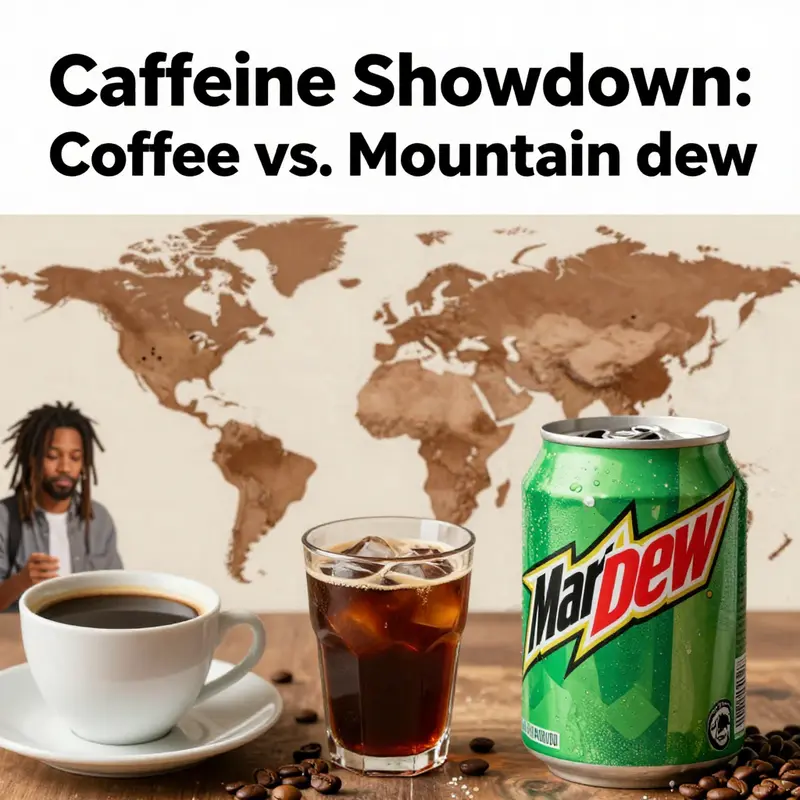
Two beverages carry different kinds of cultural energy and different roles in daily life. Coffee sits at the crossroads of ritual, work, and conversation, while a well known citrus soft drink has become a shorthand for youth, speed, and digital play. In conversations about caffeine, people often ask which one delivers more of the stimulant per serving. The simple chemical fact is that coffee typically carries more caffeine per standard serving than the citrus soda, and yet both drinks shape behavior in distinct ways. These differences are not only numbers; they reflect how societies use caffeine to mark time, manage attention, and navigate social spaces. This chapter traces those cultural threads, showing how the caffeine content aligns with the social identities each drink carries and how those identities influence consumption patterns in classrooms, offices, gaming lounges, and beyond.
Coffee culture has deep roots; its origin stories beyond the present day are about eye opening energy, religious and philosophical exchange, and the social architecture of the coffeehouse. The 17th century European coffeehouse served as a public venue for debate. Today urban life has expanded this tradition into third spaces, where customers linger over craft beverages and engage in work, study, and social bonding. Specialty coffee emphasizes origin, roast, grind, and method; pour over, drip, and espresso create a spectrum of experiences. The beverage is a ritual in many cultures, a signal of cosmopolitan taste, and a catalyst for small communities of practice. In a world with fast coffee chains and independent cafes, the social meaning of coffee persists as a marker of care, focus, and shared time.
Mountain Dew represents a different thread in the caffeine tapestry. Born in the mid 20th century as a citrus flavored soda, it joined a wave of branded energy and identity. Its cultural footprint grew through associations with extreme sports, video games, and online culture. Marketing messages highlight high energy, bold flavors, and a rebellious vibe. Celebrities have lent charisma to the brand, blurring the line between product and lifestyle. In many informal settings, Mountain Dew signals a moment of quick lift during gaming sessions, road trips, or large social gatherings. The drink is not about long, contemplative rituals but about fast taste, rapid social payoff, and a sense of momentum that fits fast-paced, youth targeted life. This narrative matters, because the caffeine content is woven into that sense of kinetic fun rather than a quiet ritual.
Chemically speaking caffeine is a stable stimulant across beverages, but the amount per serving matters for choices and effects. In a typical eight ounce cup of brewed coffee the caffeine content hovers near 95 milligrams, with a broad range from about seventy to one hundred forty. An espresso shot contains around sixty three milligrams in one ounce, and a double shot runs near one hundred twenty five milligrams. In contrast a 12 ounce can of this citrus soda carries around fifty seven milligrams of caffeine. Those numbers show coffee delivering more than double the caffeine of a single soda can, though the picture changes with serving sizes and preparation. Some people drink strong coffee or multiple cups, which easily surpass the soda’s total daily intake in a single sitting. The per ounce reality is that coffee sometimes packs more per milliliter, while the soda compounds caffeine with sugar and flavor to achieve a quick boost. Even within coffee there is variation; a high quality pour over or a robust espresso experience will shift caffeine exposure upward relative to a standard can of soda. For readers curious about the precise math behind Mountain Dew compared to coffee, there is a deeper dive at the linked discussion caffeine content of Mt Dew.
These numerical differences echo in social practice. Coffee supports minutes of planning, work blocks, and conversations that progress gradually; its energy is sustainable and identifiable with purposeful labor and reflection. A cup becomes a daily ritual that marks time and personal care. Mountain Dew fosters high energy bursts that align with gaming marathons, long drives, or adrenaline fueled experiences. The caffeine helps keep pace, but the pattern is all about momentary elevation rather than extended attention. In markets where coffee culture has matured into craft scenes, cafés become classrooms for flavor and community, while Mountain Dew fosters branding around speed, entertainment, and digital brand culture. The contrast reveals not just different caffeine amounts but distinct relationships to attention, mood, and social timing. People choose coffee when they want steadiness and a sense of ceremony; they reach for Mountain Dew when they want a quick lift and a sense of shared youth energy.
Putting numbers and rituals together, coffee generally carries more caffeine per serving than Mountain Dew, particularly in the eight ounce brewing standard and the espresso forms. Even though Mountain Dew is marketed as high caffeine among sodas, its per serving content remains below a standard cup of coffee. Yet this observation sits in a broader context: the public is not drinking only coffee in the morning and sodas later; they mix beverages or alternate caffeine sources based on needs, schedules, and environments. The caffeine landscape is not merely about mg per beverage but about how people modulate consumption over a day, balancing alertness with appetite, sleep, and stress. For those who consider caffeine as a global social currency, coffee’s higher caffeine content reinforces its role as a companion for work and civics while Mountain Dew anchors leisure, play, and youth culture. The two beverages, while competing in the same chemical space, operate in different time frames of human energy.
To explore the numeric comparison in a practical, user friendly way, see the discussion about the caffeine content of Mt Dew highlighted above. For a closer look at the caffeine content of Mt Dew, see this quick reference: caffeine content of Mt Dew.
For broader cultural context in coffee studies, readers can consult Local Wisdom in Coffee Industries: Cultural Perspectives from Wonosobo. https://www.researchgate.net/publication/398542176CoffeefromCulturalPerspectivesInventoryingtheLocalWisdombehindCoffeeIndustriesin_Wonosobo
Final thoughts
The comparison between coffee and Mountain Dew offers significant insights for business owners aiming to align their offerings with consumer preferences. The caffeine content clearly emphasizes coffee’s dominance, yet Mountain Dew holds its ground through cultural relevance and market presence. Understanding health implications and consumer motivations provides businesses with the necessary context to strategize effectively. By considering these factors, owners can cater to their customers’ desires for energy and satisfaction, effectively navigating the competitive beverage landscape. Ultimately, making informed choices related to caffeine offerings can enhance customer engagement and satisfaction.