

Caffeine content in beverages like Mountain Dew has become a vital consideration for business owners in the beverage industry. A standard 12-ounce can of Mountain Dew contains approximately 54 milligrams of caffeine, a significant amount compared to regular colas. This article aims to delve deep into this figure—how it stacks against other sodas, its physiological effects, consumer preferences driven by caffeine levels, and its nutritional implications. By examining each aspect, business owners can gain insights crucial for product offerings and marketing strategies that align with consumer demands and health trends.
Caffeine Footprint: The Real Buzz Behind Mountain Dew’s Caffeine Load
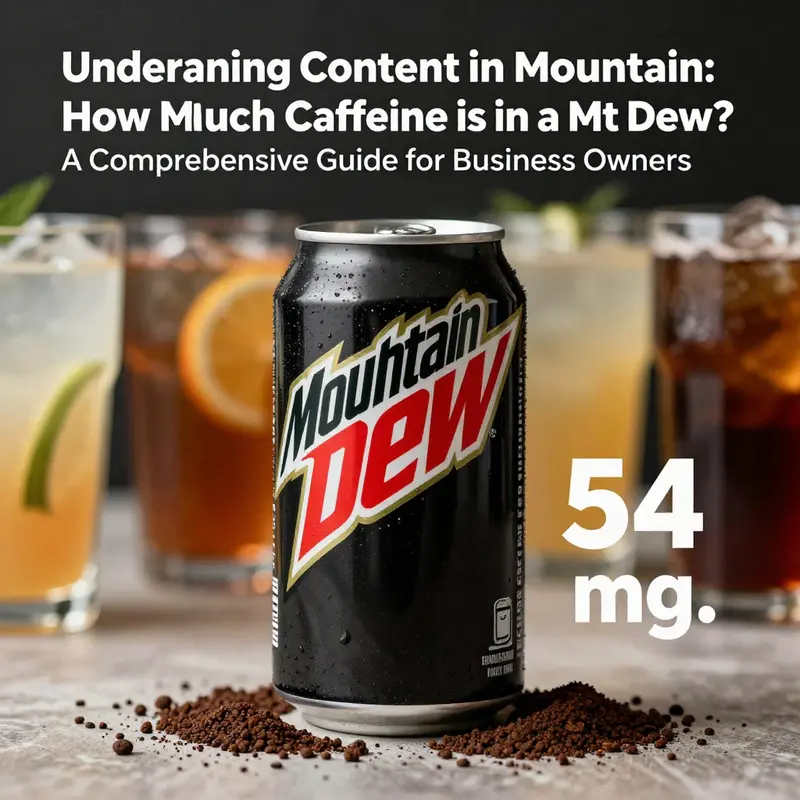
In the landscape of caffeinated refreshment, Mountain Dew sits at a curious crossroads. It is not labeled as an energy drink, yet it carries a stamina-enhancing punch that many readers feel within minutes of the first sip. The 12-ounce can, a standard serving for most readers, carries roughly 54 to 55 milligrams of caffeine. Those precise numbers matter, because they map Mountain Dew to a caffeine scale that many people use to calibrate their daily energy needs. The official product pages and the broader literature consistently place the standard flavor in this high-middle range for sodas, a category that typically leans closer to the 30–40 milligram mark per 12-ounce serving. This distinction matters for anyone tracking caffeine intake, whether for a busy workday, a late-night gaming session, or a search for a reliable afternoon pick-me-up. The caffeine load is a defining feature; it is part of what makes Mountain Dew a standout in a crowded beverage aisle and a frequent choice for readers who want more kick from a familiar, thirst-quenching option.
The broader family of Mountain Dew variants adds nuance to this picture. Original Mountain Dew, the flagship, holds steady near that 54–55 mg per 12-ounce range, a level that many consumers recognize as a robust, clean stimulant without tipping into the realm of heavy-jolt energy drinks. Diet Mountain Dew, though sugar-free, mirrors that same approximate caffeine content, clocking in at roughly the same level per can. The consistency across these two versions underscores a shared design philosophy: flavor and energy delivered in a single, convenient package. Then there is Mountain Dew Kickstart, the variant designed to amplify the caffeine effect by integrating additional energy ingredients. Kickstart clocks in at about 80 milligrams per 12-ounce serving, a significant uptick that positions it closer to traditional energy drinks, and it is often chosen by those who want a stronger, more sustained lift in shorter time. These numbers are not just trivia; they shape how readers think about their daily caffeine budgets and how they time their intake around work, study, or extended periods of focus.
To appreciate what these figures mean in practice, it helps to compare Mountain Dew with other common beverages. A typical regular cola tends to carry about 30 to 40 milligrams per 12-ounce can, roughly half the caffeine of a standard Mountain Dew. That difference is not trivial when you are balancing school, work, or a long commute. It also explains why some people gravitate toward Mountain Dew when they want a noticeable cognitive lift without resorting to an energy drink that may come with a more intense or jittery aftertaste. It is the same logic that drives gamers and students to turn to Mountain Dew during longer sessions, seeking a reliable and steady level of alertness. The higher caffeine content of Mountain Dew becomes a practical consideration for anyone trying to map out their day, especially if they also consume other caffeinated products, such as coffee, tea, or energy shots.
Beyond the numbers, there is a psychology to caffeine selection. The beverage carries a reputation for delivering a quick onset of energy, typically within minutes of ingestion, followed by a wave of heightened alertness and improved focus. The experience is not universal—tolerance, sensitivity, and even the timing of consumption can alter outcomes—but the pattern is recognizable: caffeine arrives, mood perception shifts, and tasks that require sustained attention feel a step easier. For readers who are balancing study deadlines or long gaming marathons, Mountain Dew’s caffeine content can feel particularly well-tuned. It is enough to prompt lift, but not so much that it overpowers the senses in a single rush. This nuanced balance is what keeps the drink popular among those who want a crisp boost without crossing into the more intense territory of some energy formulas.
With these flavors and formulations in mind, the practical questions start to sharpen. How much caffeine should a person consume in a day? The widely cited guideline for healthy adults often points toward up to about 400 milligrams of caffeine daily as a general upper limit. That boundary helps many readers plan their caffeine architecture: a morning coffee, a can of Mountain Dew in the afternoon, and possibly a light afternoon snack that contains caffeine. It is important to account for all sources, as caffeine can accumulate quickly, particularly for those who also rely on coffee, teas, or other caffeinated products. For individuals who are sensitive to caffeine, are pregnant, or have certain medical conditions, even smaller amounts can trigger symptoms such as sleep disturbance, jitters, or an elevated heart rate. In those cases, the numbers matter more than the experience itself, and the idea of sipping Mountain Dew with deliberation becomes a basic habit rather than a casual treat.
The conversation around Mountain Dew’s caffeine content also invites a closer look at how people perceive and manage energy. For some, caffeine is a social signal—a shared understanding that a refill is part of a routine and a moment to connect with friends, teammates, or colleagues during a break. For others, caffeine is a personal toolkit for productivity, a quick, accessible resource that can extend the window of focus without requiring more elaborate preparations. In either case, understanding the exact caffeine load per serving helps readers calibrate their routines. When a can of Mountain Dew delivers roughly 55 milligrams, it can be comfortably slid into a midafternoon routine without necessarily pushing past personal thresholds, provided that other caffeine sources are accounted for. And for those who want more density of energy in a shorter period, the Kickstart variant’s 80 milligrams per can offers a noticeably different energy profile than the standard options.
To support readers who want a deeper dive into the numerical landscape, one resource offers a concise, numbers-focused view of Mountain Dew’s caffeine content. It lays out the per-12-ounce figures for the core lineup and clarifies how the caffeine density in Mountain Dew compares to other drinks in the same category. For readers who crave a direct reference point, this material is a useful map of the landscape, one that helps translate everyday choices into a clearer caffeine budget. CoffeeRichLife’s page on caffeine-content-mt-dew provides a focused snapshot that complements the broader context discussed here.
The broader takeaway is straightforward: Mountain Dew carries a higher caffeine load than many standard sodas, and this fact reverberates through consumer choices, timing, and daily energy planning. The figures—roughly 54–55 mg for the classic flavors and about 80 mg for Kickstart—are more than numbers. They are the backbone of a decision-making framework that readers can apply to their own routines. Whether you are balancing coursework, work shifts, or social evenings, knowing where Mountain Dew sits on the caffeine spectrum helps you align your intake with how your body responds, how your day unfolds, and how you want to feel at the next milestone. The narrative around caffeine, energy, and beverages is thus not just about the beverage itself but about the choices those numbers empower.
Where Mountain Dew Fits: A Clear Comparison of Caffeine Levels in Popular Soft Drinks
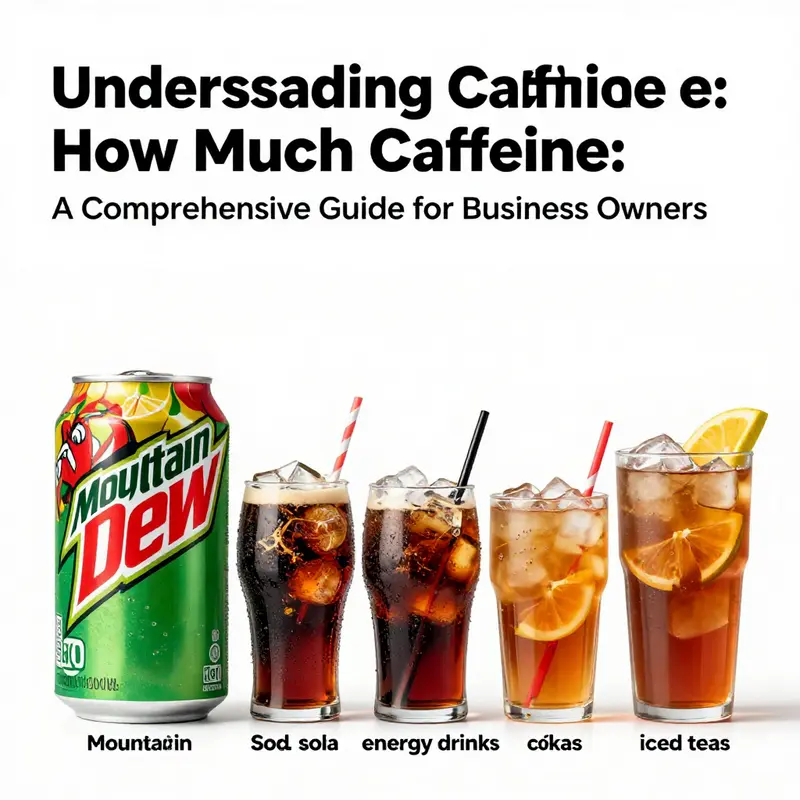
Understanding Mountain Dew’s place on the caffeine spectrum helps make smarter beverage choices. A 12-ounce can of Mountain Dew delivers about 54 milligrams of caffeine, a level many find noticeably stimulating. That single figure starts to tell a larger story. It places Mountain Dew well above the typical cola, but below most concentrated energy drinks. Framing it this way clarifies what to expect from one serving, and why some people reach for it as a quick pick-me-up instead of coffee or an energy beverage.
Across soft drinks, caffeine varies for taste and marketing reasons. Traditional colas usually contain between 30 and 40 mg per 12-ounce can. That makes Mountain Dew roughly one-third to nearly double the caffeine of those staples, depending on the brand. Citrus sodas often sit even lower; for example, some orange-flavored sodas list caffeine in the mid-20s per 12 ounces. The result is that Mountain Dew stands out among mainstream sodas as a higher-caffeine option, while still remaining distinct from purpose-built energy drinks.
Comparing serving sizes is crucial for an accurate read. Some energy drinks pack 80 mg in an 8.3-ounce can, which is a tighter concentration than Mountain Dew. Other energy labels jump past 100 mg per serving. Even when a single can of an energy drink appears small, the caffeine per fluid ounce can be far higher than in a soda. Conversely, a large fountain soda can easily exceed the caffeine of a single small energy drink simply due to volume. Thinking in milligrams per ounce clarifies these trade-offs more than raw per-can numbers.
Beyond milligrams, beverage formulas can influence perceived effects. Mountain Dew’s profile emphasizes citrus flavor and a noticeable bite. That bite often pairs with sugar or sweeteners and other additives that can change how quickly the caffeine feels effective. In contrast, many energy drinks add ingredients like taurine and guarana. Those compounds can amplify alertness or the subjective kick, even when caffeine totals are similar. Some soda variants have adopted similar additives, blurring lines between traditional soft drinks and energy beverages.
For everyday context, consider that most healthy adults can safely consume up to about 400 mg of caffeine per day. One 12-ounce serving of Mountain Dew accounts for roughly 13% of that upper limit. Drinking multiple cans, or combining soda with coffee and tea, can push totals upward quickly. For people sensitive to caffeine, even a single can might affect sleep or increase jitteriness. For others, it’s a manageable boost. This spectrum of sensitivity explains why some consumers prefer Mountain Dew’s moderate but distinct caffeine level.
Taste preference often guides choices as much as caffeine content. Some choose colas for a familiar dark-soda flavor and lower caffeine. Others pick citrus sodas for brightness, even with lower stimulant levels. Mountain Dew fills a niche for those who want a brighter, citrus-forward soda with a more assertive caffeine presence. Its popularity reflects that balance: more stimulating than a cola, but smoother and less concentrated than energy drinks that explicitly promise performance boosts.
Practical comparisons help when planning consumption. If you typically drink a medium coffee containing about 95 mg of caffeine, a can of Mountain Dew supplies just over half that amount. If you’re switching from cola, you’ll feel a more pronounced lift with Mountain Dew. If you’re moving from a small energy drink, the effect will likely be milder. These comparisons make it easier to control daily intake without guessing.
Regional and formulation differences can matter too. Some markets sell citrus sodas with different caffeine formulas. Limited-time beverage editions sometimes include extra stimulants or altered caffeine levels. Reading labels or consulting the manufacturer’s product pages ensures you know what a particular can contains. If you want a direct side-by-side look at how Mountain Dew stacks up against a major cola, you can read more in this comparison of caffeine in Mountain Dew vs Coke.
When weight, metabolism, and tolerance are considered, caffeine’s impact diverges between individuals. A single 54 mg serving might be energizing and unobtrusive for one person. For another, it can disrupt sleep or raise heart rate. Pregnant people and those with certain health conditions often follow stricter guidelines and aim for much lower daily intake. Understanding where a beverage sits on the caffeine scale helps these consumers make safer choices.
Label transparency and consumer education have improved. Most major beverage makers list caffeine amounts on their websites or packaging. That makes it easier to calculate cumulative intake across different drinks. Comparing labels also reveals where sugar, sweeteners, or other stimulants might alter the overall experience. If you want comprehensive studies on caffeine levels across beverages, there are comparative analyses and peer-reviewed summaries that catalogue those figures and regional variations.
Ultimately, Mountain Dew occupies a middle ground. It is a stronger-than-average soda, but not a concentrated energy drink. For a casual stimulant boost without switching to a high-caffeine beverage, it is a predictable option. For those monitoring intake, the 54 mg figure serves as a reliable reference point when planning daily caffeine totals. Choosing between soft drinks, coffee, and energy beverages becomes clearer when you consider portion size, caffeine concentration, and any accompanying ingredients.
This comparative lens helps when making small but impactful daily decisions. Whether you are moderating caffeine for sleep, athletic performance, or general health, knowing where Mountain Dew fits lets you mix and match beverages responsibly. For a concise survey of caffeine amounts across soft drinks and to explore regional differences, see this comparative study.
Comparative Caffeine Content of Selected Soft Drinks – ResearchGate
Voltage in a Can: Caffeine, Gameplay, and the Rise-and-Flow of a Citrus Soda
A can sits on the desk, bright as a badge, and the hiss of carbonation keeps time with the glow of the screen. For many gamers grinding through long sessions, that can is more than a refreshment; it’s a dependable energy cue. The caffeine in a 12-ounce serving of this citrus-flavored soda lands around 54 to 55 milligrams, a moderate amount that sits between a cup of coffee and a typical cola. It’s not a jolt like an espresso shot, and it’s generally gentler than most energy drinks, yet it’s higher than many regular sodas, which can matter when you’re chasing sustained focus with a long play session.
Caffeine works by blocking adenosine receptors in the brain, helping reduce feelings of tiredness and nudging alertness and reaction time. In gaming, that can translate to steadier attention, quicker responses, and more consistent performance across hours of play. But caffeine is a blunt instrument: the total effect depends on dose, timing, and individual sensitivity. A single can provides a modest lift; sipping across an evening can yield a smoother uptick in wakefulness, while taking in several cans quickly can trigger jitters or a racing heart that undermines precise aiming or calm decision-making. Hydration and steady meals help mitigate crashes that can follow a caffeine spike.
The exact caffeine content can vary across flavors or regional variants, so reading the label is the reliable guide. Broadly, coffee and many energy drinks deliver more caffeine per serving, while regular sodas tend to be lower. For most adults, a daily caffeine ceiling around 400 milligrams is a common guideline, though individual needs differ. If you’re sensitive to caffeine, or you’re trying to keep a regular sleep schedule, consider pacing your intake and alternating with non-caffeinated drinks during long sessions.
From a practical standpoint, many gamers find that a measured caffeine cadence—space it out, pair with water, and time it to key breaks—can support consistent focus rather than abrupt peaks and crashes. The science is not about miracles but about predictable patterns of wakefulness and attention.
For readers seeking numbers and comparisons, always check the product label or official resources for the exact caffeine content of the flavor you’re drinking. In the broader landscape of beverages, caffeine content varies widely, so labeling matters. If jitters or sleep disruption occur, consider reducing intake or substituting with a lower-caffeine or non-caffeinated option.
Ultimately, the question of caffeine in this citrus soda boils down to dose, timing, and personal tolerance. In moderation, the ~54–55 mg per 12-ounce can can support alertness and focus for many players without overwhelming sleep when used thoughtfully. The key is to pace consumption, stay hydrated, and listen to your body to keep gaming stamina steady over long sessions.
Buzz Level and Buying Mood: How Mountain Dew’s Caffeine Content Shapes Consumer Choices

Within the crowded aisle of carbonated beverages, caffeine content operates as more than a numeric detail. It signals energy, timing, and the moment when a shopper commits to a purchase. A standard 12-ounce can of Mountain Dew—the regular flavor most people recognize—carries roughly 55 milligrams of caffeine. This figure, echoed on the brand’s own product information and widely echoed in consumer guides, places Mountain Dew well above ordinary colas, which typically hover around 30 to 40 milligrams per 12-ounce serving. The precise milligrams matter, not as a credential of laboratory precision, but as a practical guide for people who want a perceptible lift in a busy day. For some, the number confirms what the flavor already promises: a crisp, citrusy sip that comes with a wakeful edge. For others, it becomes a straightforward shorthand for comparing drinks when time is tight, taste is subjective, and the budget has to stretch across a busy week. The caffeine tally also interacts with sweetness, carbonation, and acidity to shape how a consumer experiences the first few sips, setting expectations before a sip ever reaches the lips. In this sense, caffeine content becomes part of a package deal—a signal that a product is positioned as an energy-forward option, not merely a refreshment.
Consumer behavior research suggests caffeine content does more than energize the body; it subtly tunes the shopping mind. Consumers who seek a stronger buzz often gravitate toward products that advertise higher caffeine without sacrificing taste. The transparency around caffeine levels becomes a decision criterion, turning a simple choice into a calculation of how alert they want to feel in the minutes after the first sip. A study published in 2022 in Sage Journals found that caffeinated beverages can increase impulsivity during shopping, leading to more purchases and greater spending. While the effect varies by individual, the pattern is persistent enough to shape retail strategies for brands marketed around energy and vitality. Mountain Dew’s identity—bright, high-energy, and action-forward—aligns with that impulse, making caffeine content not just a feature but a promise the product carries into the cart. Retail atmospherics reinforce this dynamic: premium endcaps and display palettes that shout energy tend to synchronize with the allure of a higher caffeine count. In other words, the caffeine edge can become part of the emotional calculation that pushes a buyer toward quantity, bundle deals, or impulse add-ons rather than a single bottle.
Market trends further reinforce the centrality of caffeine in decisions about what to buy and what to stock. A report released in early 2026 highlighted a growing consumer preference for high-caffeine beverages, especially those styled after energy-leaning brands. For manufacturers and retailers, caffeine concentration becomes a factor in procurement strategies and supplier collaboration. In practice, this translates into product development that foregrounds caffeine as a differentiator and marketing that frames energy as a lifestyle choice. For shoppers, the effect is subtle but real: those who want a quicker, more noticeable lift may seek out options with higher caffeine content, while others may prioritize flavor balance and sugar content. Either way, caffeine content becomes a cue that helps the consumer compare, recall, and decide with speed in a marketplace where options are plentiful and the clock is short. The regionality of demand also matters; urban centers with demanding work rhythms often prime shelves for higher-caffeine variants, while suburban and rural settings may reflect steadier consumption patterns through loyalty programs and price promotions. In this context, caffeine is less a mere ingredient and more a strategic attribute that can shape a product’s shelf life, reformulation cycles, and even partnerships with distributors who can assure reliable supply to meet a spike in demand.
Understanding who responds to caffeine levels helps explain why this attribute shapes both buying choices and in-store behavior. The most common segments include students burning the midnight oil, shift workers needing a daytime reset, and gamers seeking a fast, reliable moment of focus. Yet the broader brand narrative around energy and excitement appeals widely, and caffeine becomes the atmospheric element that frames every sip. Packaging, color, and marketing imagery reinforce the message: this is a drink you reach for when you want to feel energized and engaged. The caffeine content communicates intent before anyone takes a sip, influencing how the beverage is perceived in social settings, during workouts, or in late-night study sessions. In this context, caffeine content is a value signal, not a mere measurement. It helps a shopper decide whether to pick up a regular formulation or a higher-caffeine variant and can influence whether the purchase ends up as a single item or part of a broader impulse haul. The dynamic is not simply about taste; it is about mood, timing, and the cognitive moment of decision, a moment that matters more in some aisles than others depending on what else is on the shopping list and how tightly people budget their caffeine intake across a week.
From a practical standpoint, the caffeine difference matters when budgets and daily limits intersect. Consumers weigh their tolerance, health considerations, and the amount of caffeine they already consume from other sources. The selection process becomes a balancing act: the desire for a quick lift versus a prudent approach to caffeine intake. For retailers, acknowledging that caffeine content drives choice means aligning shelf space, labeling, and promotions with what shoppers actually want in the moment. It can entail clear information about caffeine levels, suggested occasions for use, and prompts that respect responsible consumption without dampening the energy appeal. In this light, the caffeine figure is less a standalone statistic and more a keystone in a broader strategy that blends taste, price, branding, and personal rhythm. Store-level data showing which demographics respond most to higher caffeine counts can guide inventory decisions, reducing stockouts on peak days and guiding promotional timing around major events like exams, gaming tournaments, or weekend sports streams. The upshot is a more nuanced view of caffeine as a strategic attribute rather than a simple energy boost, with consequences for consumer trust and repeat purchases.
Those who want a simple point of reference can explore a straightforward comparison, and the internal link below offers a focused look at the caffeine content of Mountain Dew. By examining the numbers side by side with flavor notes and serving sizes, readers can gain a practical sense of how caffeine figures into everyday choices. caffeine content of Mountain Dew. This link leads to a concise profile that complements the general discussion here, without getting lost in marketing claims. For those seeking a broader external perspective, the amount of caffeine in Mountain Dew is not unique; it sits among a spectrum of caffeinated beverages. A respected industry overview confirms the general range and helps place Mountain Dew in context for readers who want to plan a daily caffeine budget with greater clarity. External reference: https://www.cafely.com/mountain-dew-caffeine-content/ In practice, these numbers become practical tools for shoppers building a personal caffeine budget.
null
null
Final thoughts
Understanding the caffeine content in Mountain Dew is essential for business owners aiming to align their product offerings with consumer preferences and health trends. With 54 milligrams of caffeine in a standard can, Mountain Dew stands out among sugary soft drinks, impacting consumer choice significantly. The effects of caffeine, a pivotal factor for many patrons, should drive marketing and sales strategies that resonate with health-conscious consumers. Ultimately, integrating caffeine considerations into your business strategy can enhance customer experience and brand loyalty, paving the way for informed decision-making in a competitive market.