
When it comes to the coffee business, keeping customers satisfied goes beyond simply sourcing quality beans; it also hinges on understanding the ground coffee shelf life. For business owners in the coffee or food industry, recognizing the importance of shelf life can mean the difference between a fresh, flavorful cup and a stale brew that drives customers away. Ground coffee, known for its rich aroma and vibrant flavors, is highly susceptible to factors like air, moisture, and light, which can drastically shorten its viability. By comprehending the nuances of shelf life, businesses can effectively manage quality and costs, minimizing waste and maximizing profits. Ensuring that the coffee served is fresh not only enhances the customer experience but also cultivates brand loyalty. Additionally, with consumers increasingly informed about their food choices, having a solid grasp of the proper storage and rotation practices for ground coffee can boost a business’s reputation. Therefore, understanding ground coffee shelf life is not just a matter of logistics; it is an essential aspect of quality control that can significantly impact a business’s bottom line. Explore more about best practices in our Coffee Rich Life guide.
Factors Affecting Shelf Life of Ground Coffee
The shelf life of ground coffee can be significantly influenced by various factors, which are crucial for business owners to understand in order to maintain the quality and freshness of their products. Here are the key elements that can affect coffee freshness:
-
Packaging:
High-barrier, airtight packaging is essential to protect ground coffee from oxygen, moisture, and light. Oxygen exposure can lead to stale flavors and a decrease in quality over time. According to MTPAK Coffee, the packaging’s oxygen transmission rate plays a critical role in preserving freshness. -
Storage Conditions:
Proper coffee storage is vital for prolonging shelf life. Ground coffee should ideally be stored in: -
Airtight containers: This helps prevent moisture and aroma loss.
-
Opaque storage: Light can degrade the flavor of coffee, making dark, opaque containers preferable.
-
Cool, dry places: An ideal storage location is at room temperature away from heat sources. For longer preservation, consider refrigeration or freezing. According to the National Coffee Association, refrigeration can extend shelf life to 2-4 months.
-
Roast Level:
The roast level of coffee can also impact its shelf life. Lighter roasts tend to have higher acidity and are often more sensitive to changes in environment, while darker roasts may retain freshness longer. It’s essential to consider the roast date when estimating shelf life.
By understanding these factors-packaging, storage conditions, and roast level-business owners can make informed decisions to enhance the shelf life of their ground coffee products.
Shelf Life of Ground Coffee
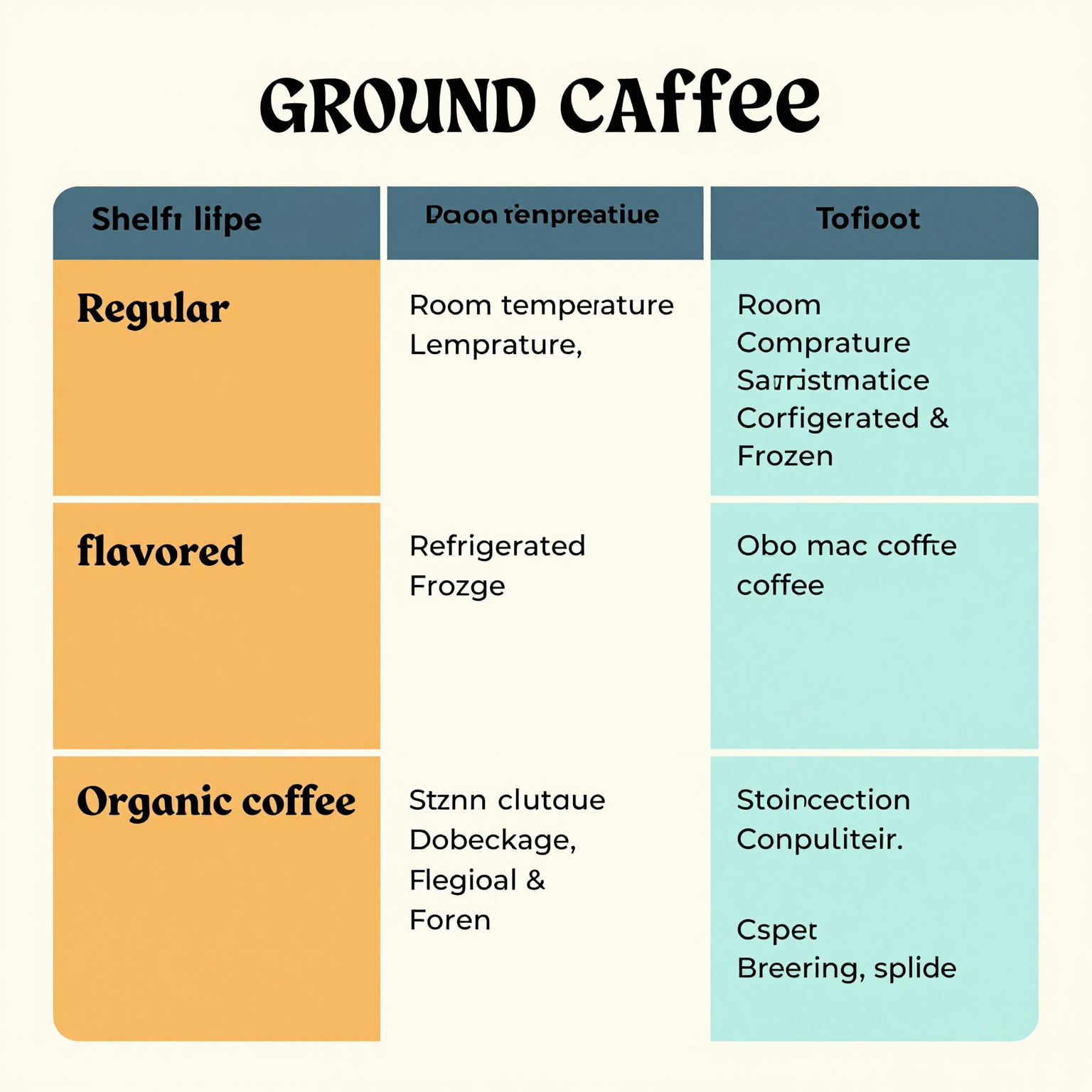
Understanding the shelf life of different types of ground coffee is essential for business owners in order to maintain quality and freshness. Below is a summary table comparing the shelf life of various coffee types and storage tips:
| Coffee Type | Shelf Life at Room Temperature | Shelf Life Refrigerated | Shelf Life Frozen | Tips for Extending Freshness |
|---|---|---|---|---|
| Regular | 3-4 months | 1-2 weeks | 6 months – 1 year | Store in a cool, dark location and in an airtight container. |
| Decaf | 3-5 months | 1-2 weeks | 6 months – 1 year | Keep sealed until opened and avoid light exposure. |
| Flavored | 2-3 months | 1 week | 3-6 months | Consider vacuum sealing or using nitrogen-flushed packaging. |
| Organic | 3-4 months | 1-2 weeks | 6 months – 1 year | Store away from moisture and heat; use airtight containers. |
For more detailed information on coffee storage and freshness, you can learn more about coffee or check out our guide on coffee life.
Recommended Storage Practices for Ground Coffee
As a business owner in the coffee industry, understanding the best practices for storing ground coffee is crucial to maximizing freshness and shelf life. By implementing proper storage techniques, you can ensure that your product retains its flavor, aroma, and quality for your customers.
Use Airtight Containers
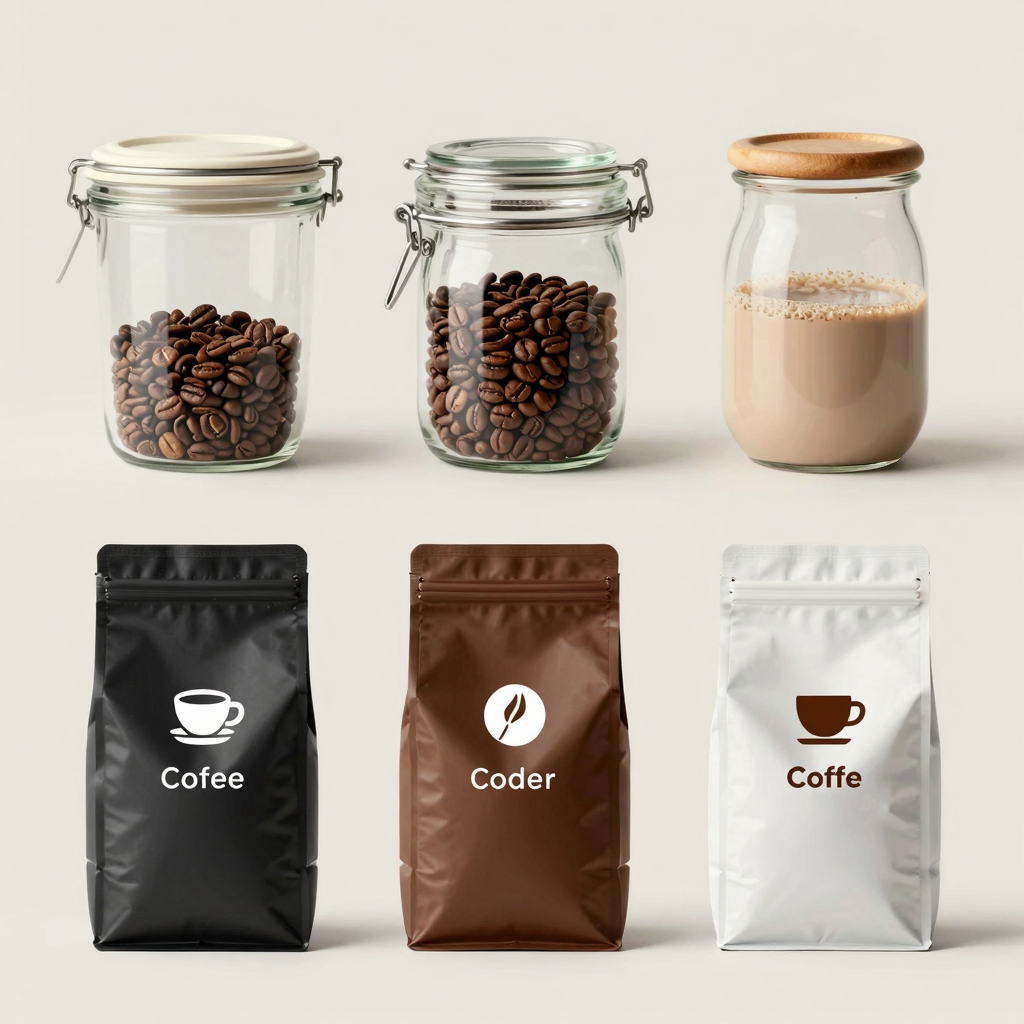
One of the first steps in maintaining the integrity of your ground coffee is to store it in airtight containers. Air exposure can lead to oxidation, causing stale flavors and loss of aroma. The following types of containers are recommended:
- Glass jars with airtight seals: Ideal for displaying your product while keeping it fresh.
- Opaque plastic containers: Prevent light exposure, which can degrade coffee quality.
- Vacuum-sealed bags: Great for short-term storage and keeping coffee at its peak.
Optimal Storage Locations
Choosing the right location to store your coffee can significantly impact its shelf life. Here are key factors to consider:
- Avoid sunlight: Store coffee in a dark environment. Light can lead to deterioration, making a pantry or cupboard an ideal spot.
- Temperature stability: Maintain a consistent temperature between 50°F and 70°F (10°C and 21°C). Ideal locations include:
- A closed cupboard away from heat sources such as ovens or stoves.
- A dedicated storage room with regulated temperature.
- Avoid refrigeration and freezing: While placing coffee in the fridge might seem like a good idea for long-term storage, it can cause unwanted moisture and fluctuations in temperature, compromising flavor. Instead, consider keeping unopened bags in a cool, dry place for optimal freshness.
Understanding Ground Coffee Shelf Life
The freshness of ground coffee is typically maintained for 1 to 2 weeks after opening, depending on how well it is stored. Unopened ground coffee can last between 3 to 5 months past its roast date when kept in ideal conditions. However, after opening, customers should be encouraged to use the coffee promptly for the most flavorful experience (learn more about ground coffee shelf life). If your business offers sealed or vacuum-packed options, this presents an opportunity to extend shelf life.
Practical Tips for Business Owners
- Regularly check inventory: Ensure to monitor the freshness of your coffee stock. Discard any stale coffee to maintain quality.
- Communicate storage tips to customers: Educate your patrons about the importance of coffee storage, which not only enhances their experience but also reflects well on your brand.
- Consider rotating stock: Utilize a first-in, first-out (FIFO) method to sell older stock first, minimizing waste and loss of quality.
By implementing these recommended storage practices, you not only extend the shelf life of your ground coffee but also enhance the quality and experience for your customers. Properly stored ground coffee will not only foster repeat purchases but will also solidify your reputation as a quality-focused business in the competitive coffee market.
Coffee Consumption Trends: A Focus on Ground Coffee
As of 2023, global coffee consumption is witnessing substantial growth, with particular emphasis on ground coffee. According to the International Coffee Organization, coffee consumption is expected to reach approximately 177 million 60-kilogram bags, indicating a robust demand especially from non-coffee-producing countries. Notably, the ground coffee segment is projected to expand from $13.4 billion in 2023 to $19.5 billion by 2030, as reported by Yahoo Finance. This significant growth trajectory underlines an increasing consumer preference for ground coffee over whole beans or instant coffee.
Insights into Ground Coffee Usage
The rising trend in ground coffee consumption can be attributed to several factors:
- Convenience: Ground coffee offers an easier brewing process compared to whole beans, appealing to time-strapped consumers.
- Quality Experience: More consumers are seeking out freshly ground coffee, reflecting a broader trend towards premium coffee products. Research indicates a 15% annual increase in coffee bean imports, driven by the demand for fresh ground coffee options.
- Diverse Brewing Methods: The rise of home brewing methods, including French presses and pour-over techniques, has also contributed to the popularity of ground coffee.
For business owners in the coffee industry, understanding these trends is vital, particularly when considering product shelf life and quality retention.
Shelf Life Considerations for Ground Coffee
Ground coffee has a limited shelf life compared to whole bean coffee. According to sources like the National Coffee Association, unopened packages of ground coffee can maintain quality for about 3-5 months before marked deterioration begins once they are exposed to air. Business owners should consider:
- Effective Packaging: High-barrier, airtight packaging is essential to prolong the shelf life of ground coffee. Oxygen exposure not only affects flavor but also accelerates rancidity.
- Storage Strategies: Proper storage conditions can help mitigate quality loss. Regularly rotating stock to ensure older products are sold first helps maintain freshness and reduce waste.
In summary, the upward trajectory of ground coffee consumption presents an opportunity for businesses, but it also necessitates thoughtful strategies regarding product freshness and quality management. By responding proactively to consumer preferences and adhering to best practices in storage and packaging, businesses can enhance their offerings to meet growing market demand.
“The quality of your coffee is directly tied to its freshness. Ground coffee can lose much of its aroma and flavor within just a few days. To truly experience the vibrant flavors of your roast, always grind just before brewing.”
- Expert Source: Hermanos Coffee Roasters
Signs of Stale Coffee: How to Identify Freshness
As a business owner, particularly in the food and beverage industry, ensuring the quality of your offerings is paramount. Ground coffee, being a cornerstone product, is no exception. Understanding how to identify if your coffee has gone stale can not only enhance customer satisfaction but also improve your business’s bottom line.
Key Physical Indicators
1. Aroma: The First Signal
Fresh coffee is known for its rich, vibrant aroma. One of the most noticeable signs of stale coffee is a lack of smell. If your coffee smells flat or has an unnatural scent, this is a strong indicator that it has lost its freshness. Stale coffee can sometimes emit a musty or rancid odor, which is a clear sign that it should not be served. Encourage staff to perform regular smell tests, especially when coffee has been sitting for a while.
2. Texture and Appearance
Examine the texture of the ground coffee. Fresh coffee grounds should appear oily and slightly shiny. If you notice that the coffee looks dry and dull, it may have lost its freshness. Additionally, if you see clumping or hard lumps, this can indicate that moisture has entered the packaging, leading to staleness.
3. Taste Test for Quality Control
Taste is a definitive measure of coffee freshness. Freshly ground coffee should have a full-bodied flavor with distinct notes that reflect its variety and origin. If the coffee tastes bitter, sour, or otherwise uncharacteristic of the blend you’re offering, it might be stale. Encourage staff to conduct regular tastings to ensure quality control.
4. Packaging and Storage
The method of storage can significantly impact the freshness of coffee. If coffee is stored in clear containers exposed to light or in a location with fluctuating temperatures, it will age more quickly. Always store coffee in airtight, opaque containers in a cool, dark place to prolong its life. Check expiration dates on packaging, and rotate stocks to ensure that older batches are used first.
Actionable Tips for Business Owners
- Implement a regular schedule for checking the freshness of coffee supplies and conduct sensory evaluations.
- Train staff on the importance of recognizing fresh versus stale coffee through smell, taste, and visual cues.
- Maintain an optimal storage environment for coffee beans to ensure prolonged freshness.
By paying attention to these indicators, you can maintain the high quality of your coffee offerings, ensuring that your customers always enjoy a fresh and delightful cup. For more information on maintaining the best coffee experience, learn more about coffee freshness and explore the impact of storage on quality.
Letting quality slip can tarnish your brand reputation; therefore, being vigilant about the signs of stale coffee is essential for business success.
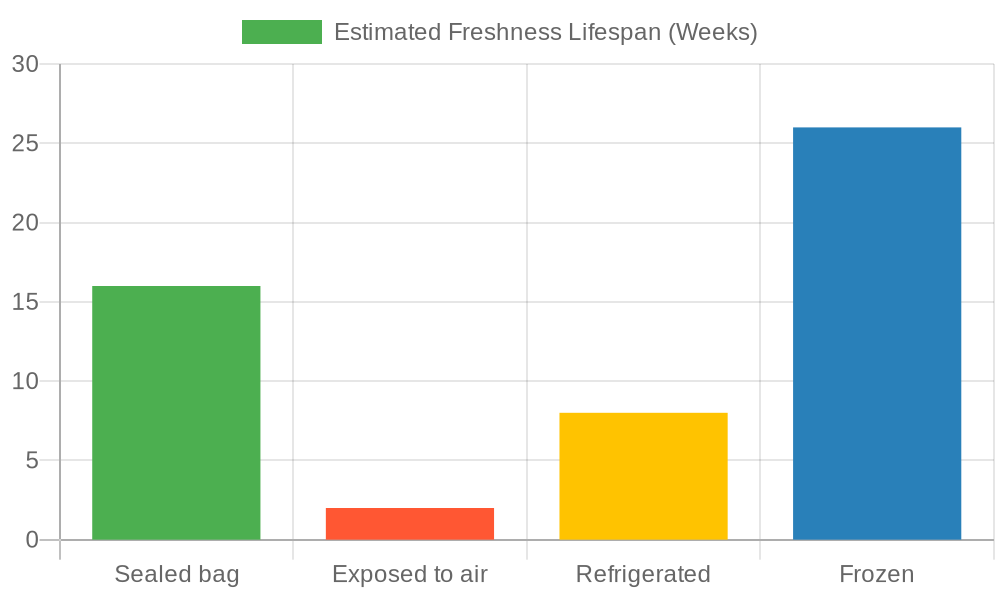
| Storage Condition | Estimated Freshness Lifespan (Weeks) |
|---|---|
| Sealed bag | 12-16 weeks |
| Exposed to air | 1-2 weeks |
| Refrigerated | 4-8 weeks |
| Frozen | 20-26 weeks |
Sources:
- Specialty Coffee Association (SCA)
- National Coffee Association USA
- Coffee Research Institute – Storage Guidelines
This chart illustrates the estimated freshness lifespan of coffee beans under different storage conditions, highlighting how specific methods can significantly impact the shelf life of your coffee. By storing coffee in a sealed bag, you can maintain freshness for up to 16 weeks, while exposure to air drastically reduces its lifespan to a mere 1-2 weeks. Refrigerating can extend freshness to around 4-8 weeks, and freezing surprisingly allows for a longer lifespan of 20-26 weeks. Understanding these factors is crucial for business owners to optimize the quality of the coffee offered to customers.