
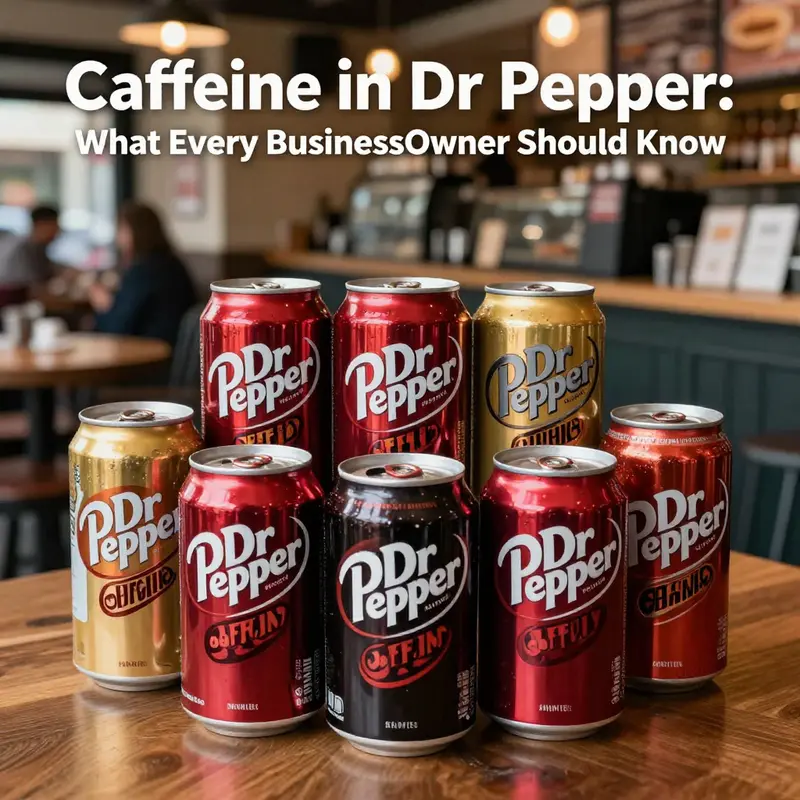
Understanding the caffeine content in beverages can significantly influence business decisions related to product offerings. Dr Pepper, a popular soda choice, contains 41 mg of caffeine in a 12 fl oz can. This article aims to explore not only this caffeine content but also how it compares to other soda options and the health implications of caffeine consumption. Each chapter will delve deeper into these aspects, ultimately providing valuable insights for business owners looking to refine their beverage selections or understand consumer choices better.
Counting the Buzz: Understanding Dr Pepper’s Caffeine Content
Caffeine is a quiet companion in many everyday beverages, a subtle nudge that can support a steady day or keep conversation lively. Among soft drinks, Dr Pepper has a distinctive flavor and a caffeine level that many drinkers never track closely, yet it matters for those who budget caffeine in a day.
Across the regular and Zero Sugar lines, the caffeine content tends to be nearly the same. In practice, a standard Dr Pepper and its Zero Sugar counterpart deliver a caffeine dose that tracks in the same narrow band, despite differences in sweeteners.
Most recent data place Dr Pepper in roughly 41 to 42.6 mg per 12-ounce can, with some measurements rounding to about 41 or 42 mg per can. A precise figure like 42.6 mg appears in a few comprehensive studies that combine data across lots and regions, illustrating how measured caffeine can drift slightly with batch variation and method.
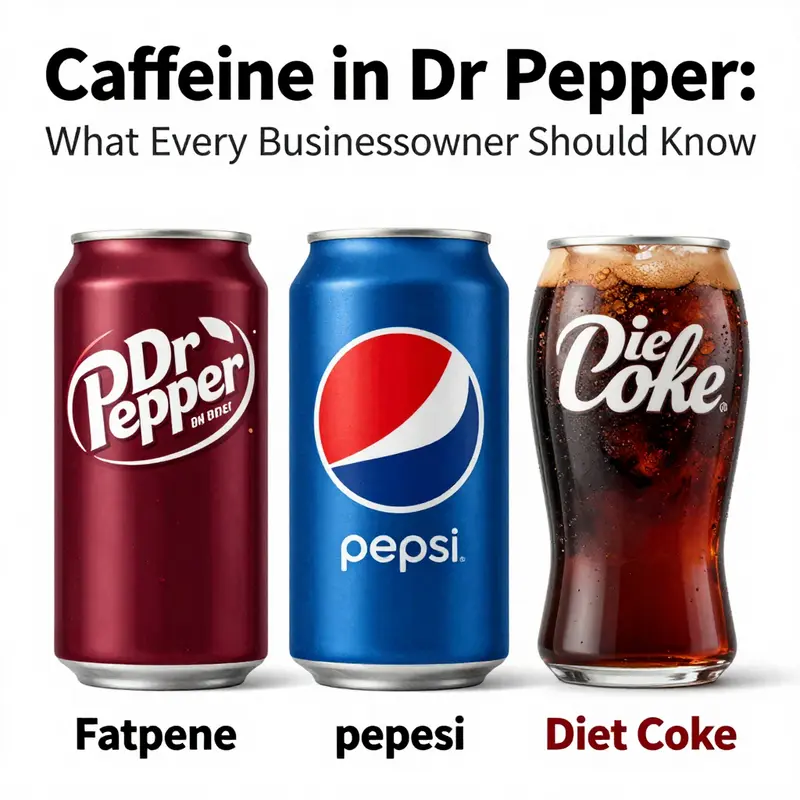
When you compare beverages of the same reference size, the picture emerges clearly: Coca-Cola typically sits in the mid-30s mg per can, Pepsi around the high-30s, Mountain Dew tends to run higher in the mid-50s, and Diet Coke often lands around the mid-40s. These differences help explain why some people target a specific caffeine level when choosing a drink for a given time of day.
Why does this matter for everyday choices? For many people the exact milligram count matters less than the overall experience—taste, mouthfeel, and how the drink fits into meals or routines. Yet for caffeine-sensitive individuals or when managing total daily intake, knowing that Dr Pepper hovers near 40 mg per can provides a practical, predictable baseline without requiring a close watch on every label.
In short, Dr Pepper offers a mild, steady lift that aligns with its signature flavor. The caffeine figures are stable across product lines, with small, normal variations reflecting measurement methods and production variability rather than a fundamental shift in formulation.
If you want to explore the science further, consult beverage analyses and nutrition databases for the most up-to-date, region-specific figures.
Measuring the Buzz: Placing Dr Pepper’s Caffeine in the Soda Spectrum
Caffeine is a nutrient star in the beverage world, a tiny molecule with a surprisingly loud voice in how people choose what to sip and when to sip it. When we translate caffeine content into a practical number, we’re not just counting milligrams; we’re mapping a user’s daily rhythm, appetite, and even sleep patterns to an everyday product that shows up in a horizontal line of options from the grocery aisle to the vending machine. In this light, a standard 12-ounce can acts as a convenient unit of measure. It becomes a reference point that lets us talk about how one popular soda stacks up beside its peers and how those numbers might shape someone’s intake over the course of a day, a week, or a month. The core finding centers on a single, precise question: how much caffeine is in a familiar cola, and how does that amount compare with what else is on the shelf? The data for this chapter come from established references that publish caffeine content by serving size, with a focus on the canonical 12-fluid-ounce can, which equals 355 milliliters. Within this framework, one brand in particular reveals a caffeine profile that sits squarely in the mid-to-upper range for caffeinated sodas. A standard 12-ounce can contains about forty-one to forty-two and a half milligrams of caffeine. This range captures the typical variability observed across cans and production batches while reflecting a consistent caffeine profile that remains stable enough to serve as a reliable benchmark for consumers who track their caffeine intake. Importantly, this caffeine level applies to both the regular formulation and the zero-sugar variant. The caffeine in the zero-sugar version mirrors the regular product, underscoring that the sweetness reformulation does not alter the stimulant content. This equivalence in caffeine content between regular and zero-sugar versions is a helpful simplification for readers who might otherwise worry that reducing sugar could alter the stimulant punch. For readers who want to explore this detail further, there is a dedicated resource that tracks caffeine levels across popular beverages, offering updated numbers as formulations change over time. While the exact numbers can vary slightly by batch, the canonical takeaway remains: a single can provides roughly forty-one to forty-two milligrams of caffeine, a value that places this beverage in the middle to high tier among common sodas. The consistency across the regular and zero-sugar versions reinforces the idea that consumers can rely on a familiar caffeine profile no matter which version they choose to enjoy. In the broader landscape, this can is not an outlier; it sits in a cluster with several other well-known caffeinated sodas. To illustrate the relative standing, consider a few benchmarks from the same product category. A popular low-calorie option contains a bit more caffeine per can—about forty-six milligrams per twelve-ounce serving—making it a touch more potent for those who seek a stronger caffeine lift. Another widely consumed, caffeinated option in the same family sits at roughly forty-one to forty-two milligrams per twelve ounces, aligning closely with the figure for the drink in focus. And a third comparable option mirrors the forty-one milligrams mark as well, presenting a similar caffeine profile to Dr Pepper’s standard offering. On the flip side, some familiar thirst-quenchers in the same market space deliver zero milligrams of caffeine per serving, making them an entirely caffeine-free choice for those who want to avoid stimulants altogether. This broad spectrum—from zero to mid-to-high caffeine levels—clarifies that the caffeine question is not a single-number decision but a sliding scale that readers can use to calibrate their intake with daily routines and personal preferences. The numbers can be framed against another widely cited reference: a comparison with a popular soda brand that uses a slightly smaller serving size, roughly three hundred and thirty milliliters. In that measurement context, the caffeine content skews higher for the larger serving; a beverage that clocks in at forty-one milligrams per three hundred and thirty milliliters translates to about one hundred fifteen milligrams per liter. In the real world, however, most households and retailers operate on standard cans and bottles, so readers should anchor their understanding in the exact serving size that appears on the label—twelve fluid ounces in the United States—so the math remains straightforward and comparable across products. The practical upshot of all this is simple: when readers scan the caffeine information on a can, they are looking at a number that reliably places that drink in the mid-to-high range for caffeinated sodas, but still well short of the level seen in energy drinks or specialized performance beverages designed for high caffeine dosing. It is common for caffeine to be listed in a straightforward line on the back of the can, and for most mainstream sodas, the numbers reported tend to fall within a relatively narrow band. Yet consumers should be mindful of two important ideas. First, a 12-ounce can is not the only possible serving size, and caffeine content scales with volume. A bottle or a larger can delivers more caffeine if the beverage is not reformulated to keep the stimulant content constant per serving. Second, while the exact milligram figure matters, caffeine’s effect is also a function of individual tolerance, timing, and concurrent intake of other sources of caffeine in a given day. Taken together, these ideas help readers move from a single statistic to a more nuanced understanding of how caffeine fits into daily life. The practical takeaway is that a typical 12-ounce serving from this particular brand lands in a predictable region of the caffeine spectrum. It is not the strongest soda on the shelf, but it is not a decaf by any means. The numbers become more meaningful when we compare them with the surrounding lineup of beverages that occupy the same coolers and vending machines. In this chapter, the focus turns to the broader spectrum—how this drink’s caffeine content stacks up against other caffeinated beverages in the same category, with attention to both regular and zero-sugar variants. For the comparison, several reference points are useful. First, Diet Coke, another well-known cola, comes in slightly higher at about forty-six milligrams per twelve-ounce serving. This makes it a touch more caffeinated than the drink at hand, though not by a dramatic margin. Mountain Dew, a citrus-forward favorite, lands in a similar zone as the subject drink, with roughly forty-one to forty-two milligrams per twelve-ounce can. Pibb Xtra, a spiced cola-like option, also hovers around the forty-one milligram mark per twelve ounces, underscoring a surprising degree of equivalence within this family of beverages. On the other side of the spectrum, Sprite and seven up—two widely recognized citrus sodas—are, by design, free of caffeine, clocking in at zero milligrams per serving. This contrast helps readers understand what the numbers imply in everyday drinking choices. The bottom line is that this particular cola sits in the middle of a spectrum. It is clearly caffeinated, but it does not push into the high end that some other beverages in the same market category exhibit. It is also not caffeine-free, unlike the clear outliers in the lineup. In practical terms, for a consumer who parses caffeine as part of a daily plan, the drink in question offers enough bite to be a reliable source of alertness when consumed at the right time, but not so much that it eclipses other sources in a single day. It is a reminder that caffeine is a common, manageable component of many everyday beverages, and that understanding the exact milligram content helps people align their intake with personal goals, sleep quality, and daily routines. For readers who want to drill into the numbers themselves, there are established databases and official trackers that compile caffeine content by product and serving size. One such resource, frequently cited in consumer guides and beverage fact sheets, aggregates data across many popular drinks and presents caffeine levels in a consistent unit, which makes cross-comparison straightforward. This is particularly useful for readers who are trying to form a daily caffeine budget or who are simply curious about how much caffeine is in a particular can. To further anchor this discussion, the broader context matters. The everyday beverage landscape shows a range of caffeine contents that can influence energy levels across different times of day. Some people reach for a mild lift in the late morning; others prefer a stronger kick at midday; still others may want a completely caffeine-free option to wind down. The point is not to prescribe a one-size-fits-all choice but to empower readers with clear data so they can decide what fits their own rhythm. The same principle applies when thinking about sugar-free or zero-sugar versions of caffeinated sodas. In many cases, manufacturers keep the stimulant profile constant across these variants, changing only the sweetening system and flavor receptors while preserving the caffeine dose. This consistency can be especially helpful for individuals who are monitoring sugar intake yet want to maintain a familiar caffeine habit. It also means that the zero-sugar option offers the same caffeine experience as its regular counterpart, which can be a meaningful distinction for readers who compare both versions side by side on a grocery shelf. From a consumer education perspective, it becomes important to present these numbers with context and nuance. For instance, while one can might be the standard unit of measure, many readers will encounter different packaging across markets. A can that holds twelve ounces in one country may differ slightly in volume in another, even if the labeling uses the familiar language of “per can.” When converting between serving sizes, the math is straightforward, but it can lead to confusion if the starting point is not clearly defined. The takeaway remains consistent: the caffeine content is a reliable anchor for comparing similar products, but the surrounding variables—serving size, batch variation, and labeling conventions—can introduce small differences that are worth acknowledging. For readers who want a quick snapshot, the numbers are simple enough to recall: a standard twelve-ounce can delivers roughly forty-one to forty-two milligrams of caffeine, a figure that holds steady across regular and zero-sugar variants. If a reader wants to push beyond that single can and consider daily consumption, multiplying by the number of cans consumed in a day quickly produces a daily total you can compare with personal caffeine goals or safety recommendations. It is not necessary to fixate on the exact milligram figure in isolation; rather, it is more constructive to view it as part of a practical arithmetic that includes all caffeine sources consumed in a day, from coffee to tea to chocolate and beyond. The larger conversation about caffeine in beverages can be enriched by looking at official sources that track caffeine levels and publish updates when formulations change. In this context, the current data set is a useful, stable reference point that supports ongoing consumer education and informed choice. For those who want to verify the numbers or explore updates, a trusted resource maintains current caffeine levels across popular beverages and can serve as a helpful companion to the figures discussed here. Beyond the numbers themselves, understanding caffeine content also invites readers to consider how they structure their daily routines around meals and caffeine timing. If a person typically consumes caffeinated products in the morning, the presence of about forty-one milligrams in a standard can is a modest, reliable boost that can contribute to alertness without overwhelming the system. Those who prefer to avoid caffeine in the late afternoon or evening will find that the existence of zero-caffeine alternatives on the shelf reinforces the ability to tailor a daily pattern to sleep health and personal preferences. The ability to compare across products essentially turns a grocery trip into a mini audit of caffeine exposure, enabling readers to balance taste, caffeine dose, and sugar content in a way that feels manageable. In this way, the chapter does more than report numbers; it helps readers think about their day as a sequence of small decisions, each of which can be informed by data. It also invites readers to consider how these numbers interact with other daily habits, such as the timing of meals, physical activity, and even planned periods of rest. The result is a more nuanced view of caffeine as a widespread, accessible, and quietly influential part of modern consumer life. To keep the discussion anchored, here is a concise synthesis: a twelve-ounce can of the focus beverage delivers approximately forty-one to forty-two milligrams of caffeine, a profile that remains consistent across regular and zero-sugar formulations. When placed against Diet Coke at about forty-six milligrams and Mountain Dew at roughly forty-one to forty-two milligrams, the subject drink sits in the middle of the caffeinated soda spectrum. It also aligns with Pibb Xtra in this range, while clearly exceeding the caffeine-free options like Sprite and a similar brand’s zero-sugar variant that contains no caffeine at all. For readers who would like to cross-check or widen their lens, one external resource maintains current caffeine values for a broad set of beverages, including those discussed here, and can be a reliable companion for ongoing comparisons. External reference: CAFELY, https://www.cafely.com. And for readers who want a bridge to more product-specific discussions, an internal reference point can be explored: how a popular zero-sugar formulation stacks up in caffeine terms compared with the standard version. In this context, a dedicated page explores exactly how much caffeine is in the zero version, reinforcing the idea that sweetness does not necessarily alter the stimulant content on the label. See how-much-caffeine-in-dr-pepper-zero for a deeper dive on that topic. This chapter thus places Dr Pepper’s caffeine in a practical frame: not the strongest option on the shelf, but certainly not inconsequential. It is a dependable mid-range option that can be combined thoughtfully with other caffeinated and non-caffeinated beverages to fit a reader’s daily rhythm, goals, and preferences. As the landscape of caffeinated beverages continues to evolve with new formulations, the essential takeaway remains stable: knowing the exact milligrams per serving helps readers make informed decisions about when to sip, how much to drink, and how to balance taste with personal health and wellness considerations. This awareness supports not just a momentary craving but a broader habit—one that treats caffeine as a measurable resource rather than a vague impulse. And with that measurable resource in hand, readers can continue through the rest of the chapter as they refine their understanding of how caffeine travels through a typical day, how different beverages contribute to the total, and how this knowledge informs choices in the grocery cart, the lunchbox, and the late-afternoon break room. The journey from a single can to a day’s worth of caffeine becomes an exercise in mindful consumption, one that respects both the pleasures of flavor and the responsibilities that come with caffeine awareness.
Exactly How Much Caffeine Is in a Can — What 42 mg Means for Your Body
A standard 12-ounce can of Dr Pepper contains about 42 milligrams of caffeine. That single figure defines how the drink will affect energy, alertness, and health for most people. It also influences choices across the day, especially when other caffeinated foods or drinks are present. Knowing that number helps you make informed decisions about when and how to enjoy a soda without unintentionally pushing your caffeine intake too high.
Saying “about 42 milligrams” is important. Small variations occur by batch, measurement method, and labeling practice. Regulatory tests and manufacturers report the same ballpark number. Independent lab checks typically find values very close to that figure. The caffeine content is the same whether the soda is the regular recipe or a zero-sugar formulation. The sweetener change does not alter the stimulant level.
Put simply, 42 milligrams is a modest amount of caffeine. For most healthy adults, it produces mild, short-lived effects. It can sharpen attention and reduce perceived tiredness for an hour or two. It rarely causes significant side effects when consumed alone and in moderation. The U.S. Food and Drug Administration notes that daily intakes up to 400 milligrams are generally safe for most healthy adults. A single can therefore supplies only a small fraction of that recommended upper limit.
Yet the permissive daily limit does not mean every person should consume 400 milligrams. Sensitivity to caffeine varies widely. Genetics, habitual use, body size, age, and medical conditions all shape how the body responds. Some people feel jittery or anxious after far less than 42 milligrams. Others rarely notice the stimulant effects until they consume a much larger dose. If you find that even one can leaves you unusually wired or interferes with sleep, you are likely more sensitive than average.
Caffeine’s effects depend on timing as well as amount. After you drink a can, caffeine enters the bloodstream fairly quickly. The peak effect appears within 30 to 60 minutes for most people. The brain’s response includes increased release of neurotransmitters that promote alertness. Heart rate and blood pressure may rise slightly. A half-life—how long it takes for your body to eliminate half the dose—ranges from about three to five hours in most adults. That means significant caffeine can remain in your system for many hours, and late-day consumption may impair sleep.
Certain groups should limit caffeine more strictly. Pregnant people are commonly advised to keep intake under 200 milligrams per day. That is roughly the equivalent of four to five 12-ounce cans at the 42-milligram level, but most health guidelines recommend staying well below that ceiling. Children and adolescents have lower tolerance. Medical conditions such as certain heart rhythm disorders, anxiety disorders, and gastrointestinal sensitivities may make even modest caffeine amounts problematic. If you have such a condition, talk with a clinician about a safe limit.
The number of cans it takes to approach risk thresholds is easy to calculate. At 42 milligrams per can, consuming ten cans would supply about 420 milligrams of caffeine. That exceeds the general 400-milligram guidance and could produce unwanted symptoms in many adults. Conversely, a single or two cans falls well within the safe range for the average adult. Still, the calculation changes if you pair the soda with other caffeine sources. A cup of brewed coffee, certain teas, or some ready-to-drink beverages can add substantial amounts. Stacking sources across meals can push you toward the upper limit without you noticing.
Side effects from excessive caffeine often start with feelings of nervousness and jitteriness. As intake rises, people may experience increased heart rate, insomnia, and digestive discomfort. High doses can also trigger headaches and exacerbate anxiety. For people with sensitive stomachs, caffeine can increase acid production and accelerate gastrointestinal transit. That might lead to discomfort, especially if the soda is consumed on an empty stomach.
Tolerance plays a role too. Frequent caffeine users develop some tolerance to its stimulating effects. Regular consumption reduces the subjective boost from a particular dose. Tolerance does not eliminate all physiological effects, however. Habitual intake still elevates baseline caffeine in the bloodstream and can contribute to sleep difficulties and dependence-like withdrawal symptoms when intake stops. Withdrawal often leads to headaches, fatigue, irritability, and trouble concentrating. Those symptoms typically begin within 12 to 24 hours after the last dose and can persist for a few days.
The zero-sugar version delivers the same caffeine and therefore carries the same stimulant considerations. Choosing the zero-sugar variant changes caloric intake and sugar exposure, but it does not reduce the caffeine-related effects. If your aim is to decrease caffeine, switching to a different beverage without caffeine is the only effective change. If calorie control is the priority, moving to zero-sugar helps without affecting alertness or sleep.
Understanding how milligrams translate into real-world impact helps manage intake. Forty-two milligrams is enough to sharpen concentration for many people. It can reduce mental fog and increase reaction speed. It is not typically strong enough to cause the tremors or extreme heart palpitations associated with very high doses. For tasks where a small cognitive boost is helpful—short drives, brief study sessions, or meetings—a single can can be appropriate. But if sleep later in the day is important, even that small boost can be disruptive, particularly for those who metabolize caffeine slowly.
Metabolic rate differs between individuals, and that has practical implications. Some people are slow metabolizers of caffeine due to genetic variations. For them, caffeine stays in the body longer and its effects last into the evening. Slow metabolizers often find that even one late-afternoon drink disturbs nighttime sleep. Fast metabolizers clear caffeine quickly and may tolerate later consumption without the same sleep problems. If you are unsure which group you fall into, observe how your sleep and daytime energy react to controlled caffeine experiments. Try a can in the morning for several days, then avoid it for several days and compare.
Medication interactions are another consideration. Certain drugs alter caffeine metabolism and can increase its effective dose. Conversely, caffeine can interact with some medications, altering their effects. If you take prescription medicines regularly, check with a pharmacist or clinician to see whether caffeine intake needs to be limited. Over-the-counter preparations that contain stimulants or pain relievers sometimes include caffeine too, and those hidden sources add to daily totals unnoticed.
For parents, the guidance for children is cautious. Pediatric organizations generally recommend limiting caffeine for younger age groups. Children process caffeine differently, and even modest doses can affect sleep, mood, and behavior. A soda at 42 milligrams should be treated as a significant caffeine exposure for a small child. Many parents reserve such beverages for occasional treats rather than daily drinks.
When deciding whether a can fits into your day, context matters. Ask yourself three quick questions: How much caffeine have I already consumed today? Am I sensitive to stimulants? Will this drink likely interfere with tonight’s sleep? If the answers lean toward minimal prior caffeine, low sensitivity, and no sleep risk, a single can is unlikely to cause harm. If you’ve already had coffee, tea, or other caffeinated items, pause before adding another source.
Hydration and stomach effects are often overlooked. Carbonated sodas include carbon dioxide, which can cause bloating and gas in sensitive people. Caffeine itself has mild diuretic properties, though a single can does not usually cause dehydration in people who drink fluids regularly. Still, if you are relying on soda as a primary hydration source, consider balancing it with water. For those with reflux or acid sensitivity, the acidity of sodas may worsen symptoms, and the caffeine can further relax certain digestive sphincters, aggravating heartburn.
Practical strategies make it easy to enjoy a soda without unintended consequences. First, spread caffeine intake through the day rather than consuming large amounts at once. That reduces the peak effects and can limit sleep disruption. Second, monitor sleep quality as you change your caffeine routine. If sleep suffers, reduce afternoon and evening intake. Third, track all sources, including chocolate, chewing gum, and pain relievers that may contain caffeine. Fourth, when in doubt during pregnancy or with certain health conditions, aim for conservative limits and consult a clinician.
If reducing caffeine is your goal, consider gradual cutting. Abrupt elimination often results in withdrawal headaches and fatigue. Replace one caffeinated drink with a non-caffeinated alternative each week. For some, decaffeinated teas or flavored sparkling water provide a satisfying substitute. If sugar or calories are the concern, the zero-sugar version is a drop-in switch that keeps flavor while eliminating calories, though it preserves caffeine.
For those interested in comparisons, know that carbonated sodas typically range from about 30 to 55 milligrams of caffeine per 12-ounce serving. That places a 42-milligram can squarely in the middle of common soft drink values. It is far lower than many coffee beverages and most energy drinks. Because of that, the risk of acute overdose from soda alone is low. However, cumulative intake matters, and mixing beverages across categories can create unintended high totals.
Finally, label reading remains the best practical tool. Packaging often reports caffeine content per serving. Where labels are less clear, manufacturer and regulatory sources provide precise figures. If you want to confirm details about a specific variant, targeted searches on the product’s caffeine content yield reliable numbers. For those specifically interested in how the zero-sugar variant compares, a focused resource explains the caffeine level of that formulation and confirms it matches the regular drink. You can read more about that here: How much caffeine in Dr Pepper Zero.
For more authoritative guidance on safe daily amounts and caffeine labeling, check the government’s resource on caffeine content in beverages. It outlines general safety recommendations and provides context for interpreting caffeine numbers on packages.
https://www.fda.gov/food/food-labeling-nutrition/caffeine-content-beverages
Final thoughts
In summary, the caffeine content in Dr Pepper stands at 41 mg per 12 fl oz can, which is a crucial consideration for business owners when deciding on product offerings. Comparing its caffeine level with other popular sodas like Pepsi and Diet Coke reveals important insights into consumer preferences. Furthermore, understanding the health implications associated with caffeine consumption can help shape marketing strategies and customer communication. The findings presented here can aid in making informed decisions that resonate with health-conscious customers, ultimately benefiting your business’s beverage strategy.