

The question of whether Gatorade is caffeine-free is essential for athletes and health-conscious consumers alike. Gatorade has positioned itself as a leader in sports drinks geared towards hydration and replenishing lost electrolytes, but understanding its caffeine content is crucial for those looking to manage their intake of stimulants. Many Gatorade products are indeed caffeine-free, including popular options like Gatorade G Zero and Gatorade Energy Chews. This article will unfold in three chapters: first, we will delve into the various Gatorade products to discern which are caffeine-free and how this is indicated on their labels. Next, we will examine the implications of caffeine-free options on athletes’ performance and recovery strategies, emphasizing why hydration without caffeine is beneficial in sports. Finally, we will discuss how these caffeine-free alternatives meet the needs of health-conscious consumers, highlighting the distinctive benefits they offer for day-to-day hydration and wellness. Together, these insights will provide a comprehensive view of Gatorade’s role in a healthy lifestyle and athletic performance, ensuring that business owners understand their products and consumer needs thoroughly.
Is Gatorade Caffeine Free? A Practical Guide to Variants, Labels, and Real-World Choices
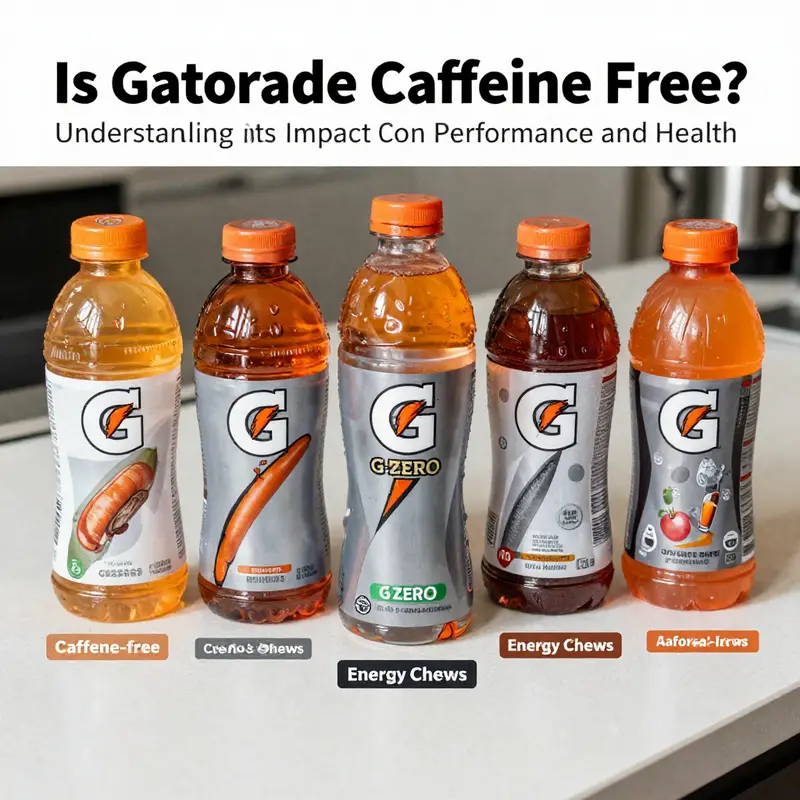
Many athletes and casual exercisers wonder whether Gatorade products are caffeine free. The short answer: it depends on the specific product. The brand offers both caffeine free hydration drinks and caffeinated energy variants. To know for sure you must read the label. The main clues are the nutrition facts panel and the ingredients list, which will show caffeine or a milligram amount per serving if present. The presence of caffeine may also be signposted in the product line name or on packaging that emphasizes energy or performance. Packaging can differ across flavors and product formats, so do not assume caffeine status from appearance alone.
A practical way to navigate the lineup is to think in terms of three patterns. First, the classic hydration drinks are typically caffeine free and focus on fluids and electrolytes. Second, the energy oriented variants explicitly include caffeine to support alertness and performance. Third, there are convenient formats such as single serve pouches or powders that may be marketed as caffeine free but still deliver carbohydrates, minerals, and electrolytes without stimulants. The exact caffeine content, when present, is listed in milligrams per serving on the nutrition facts panel, which is the definitive reference.
When deciding which to use, consider your tolerance to caffeine, timing, and total daily caffeine intake. If your goal is hydration without stimulation, choose the caffeine free option from the classic line. If you want a boost for a long or late workout and you tolerate caffeine well, select a caffeinated variant and note the milligrams per serving. Always check the serving size and multiply if you mix with other caffeinated products to avoid exceeding your comfortable daily total.
Special considerations apply to children, adolescents, pregnant or nursing individuals, and anyone sensitive to stimulants. In these cases, caffeine free options are the safer default, and you should consult healthcare guidance before using caffeinated products. Labels provide the clearest guidance, and the nutrition facts panel is the definitive source for caffeine content. If you are unsure, there is value in consulting official product pages or trusted reviews that summarize caffeine status, but the most reliable information will be on the packaging itself.
A practical takeaway is that caffeine content is not uniform across the Gatorade family. The brand markets both caffeine free hydration and caffeinated performance supports under the same umbrella, so verification is essential before assuming a product is caffeine free. This approach helps you manage caffeine intake around training, sleep, and overall daily consumption. For quick decisions, look up the exact product name in the brand catalog, read the nutrition facts for caffeine content, and consider your total caffeine exposure from all sources throughout the day. In short, you do not have to choose between hydration and performance; you just need to read the label carefully and pick the option that aligns with your goals and tolerance.
Clear Hydration, Steady Pace: The Performance Case for Caffeine-Free Hydration in Athletic Training

Hydration is the quiet backbone of athletic performance, shaping endurance, cognitive alertness, and recovery long before the first whistle or final whistle. In recent discussions about fueling during training and competition, caffeine often takes center stage as a quick-acting stimulant that can sharpen focus and temporarily lift perceived effort. Yet a growing strand of sports nutrition emphasizes hydration and energy delivery without stimulants. The central idea is simple: if the goal is reliable fluid balance, electrolyte replacement, and steady carbohydrate supply without the jittery or sleep-disrupting side effects of caffeine, then caffeine-free hydration solutions deserve careful consideration. These solutions are designed to replenish what athletes lose through sweat—water, sodium, potassium—and to refuel muscles with carbohydrates, all while avoiding the physiological perturbations associated with stimulants. This alignment with hydration-first principles makes caffeine-free options particularly appealing for pre-competition readiness, post-workout recovery, and endurance scenarios where a consistent pace matters more than a temporary lift in arousal. In practice, the caffeine-free approach emphasizes predictability over peak stimulation, a trait that can prove advantageous during long, grueling effort when stability of heart rate, GI comfort, and sleep patterns matter as much as raw speed or power.
The historical trajectory of sports drinks traces back to the need to restore fluids, electrolytes, and energy in tandem with physical exertion. Original formulations prioritized fluid balance and carbohydrate delivery to sustain performance and reduce the risk of dehydration-related decline. While caffeine has become a common additive in many consumer beverages for its perceived performance benefits, caffeine-free formulations preserve the core hydration and energy framework without introducing stimulant-related side effects. For athletes pressed by schedules that demand early morning sessions, late-night conditioning, or back-to-back competitions, the caffeine-free path provides a dependable baseline. It allows athletes to calibrate their caffeine intake in other contexts—coffee, energy chews, or caffeinated supplements—without confounding hydration status or sleep-dependent recovery. The practical takeaway is that caffeine-free hydration can be the default option in many routines, particularly when the aim is to build consistency and resilience over time.
In the athletic arena, hydration and energy delivery are inseparable from electrolyte balance. Sodium and other ions lost through sweat influence plasma volume, blood pressure, and thermoregulation. A well-formulated caffeine-free hydration solution supports these physiological processes by offering electrolytes in concentrations that promote fluid retention and rapid gastric emptying. Carbohydrate content matters too; providing a steady influx of glucose during prolonged activity helps sustain muscle glycogen utilization and delays fatigue. When caffeine is not part of the equation, athletes can rely on a predictable carbohydrate delivery profile combined with effective rehydration. This combination can improve endurance performance in steady-state efforts, reduce the risk of early-onset dehydration, and promote smoother transitions between high-intensity intervals and recovery phases. Importantly, the caffeine-free model does not imply a trade-off with energy; rather, it optimizes how energy and fluids are delivered when the body needs them most.
The pre-competition window often shapes performance more than any single workout session. In this context, caffeine-free hydration offers distinct advantages. For athletes facing early starts, travel disruptions, or unfamiliar facilities, sleep quality can become a limiting factor. Caffeine-free options help minimize the risk of late-evening caffeine intake compromising sleep architecture, circadian alignment, and subsequent performance. Even when athletes normally tolerate caffeine well, the opportunity to hydrate without stimulants preserves a margin of consistency. This is especially relevant for athletes who train in the late afternoon or evening and then compete again the next day. The body’s ability to recover and adapt hinges on restful sleep, and caffeine-free hydration supports this recovery loop by avoiding stimulant-induced sleep disruption. Moreover, the absence of caffeine reduces the likelihood of heightened heart rate and blood pressure that might complicate warmups or affect perceived exertion during a pre-competition routine. In practice, athletes may use caffeine-free hydration strategically as a baseline so that any caffeinated intake elsewhere does not confound performance signals during competition.
Post-workout recovery is another arena where caffeine-free options can shine. After intense sessions, the body invites rapid restoration of fluids, electrolytes, and energy substrates. A caffeine-free formulation can provide a reliable rehydration platform without triggering any stimulant-induced vasoconstriction or sleep-interfering arousal. This is particularly valuable after long-distance efforts or heat exposure, where maintaining plasma volume and electrolyte balance supports renal clearance, thermoregulation, and the replenishment of glycogen stores. Recovery is not solely about refueling the muscles; it is also about restoring homeostasis in the nervous system, renal function, and cardiovascular system. By delivering a precise balance of fluids, electrolytes, and carbohydrates, caffeine-free products create a stable physiological environment that supports subsequent training sessions and competitions. For many athletes, this translates into less perceived fatigue, faster return to baseline, and improved readiness for the next grind.
Youth athletes, in particular, represent a compelling case for caffeine-free hydration strategies. The developing body responds differently to stimulants, and concerns around caffeine intake in younger populations have grown in recent years. Research in this area has highlighted potential associations between caffeine consumption and exercise-related symptoms such as anxiety, gastrointestinal distress, and alterations in baseline electrocardiogram readings. A 2026 study underscores the need for prospective, longitudinal research to better understand these impacts, but current evidence supports adopting a cautious, conservative stance toward caffeine in youth sport. In that context, caffeine-free hydration options offer a safe, science-backed pathway to support training and competition without introducing stimulant-related variability. They provide predictable heart rate responses and GI comfort, which can be crucial for younger athletes whose bodies are still adapting to the demands of structured training. Importantly, caffeine-free choices are not about lowering performance potential; they are about stabilizing the conditions under which that potential is realized, especially during growth spurts, early-season conditioning, and high-volume training blocks where consistency and adaptation take precedence.
Flavor and sensory experience also play a role in how athletes engage with hydration regimens. While one line of research explored whether flavor alone could shift endurance performance, the broader takeaway is that taste matters for adherence. A pleasant, non-intrusive flavor can encourage more regular fluid intake, enhancing total hydration over the course of a day or a training cycle. Even when caffeine is absent, flavors contribute to motivation and routine, reinforcing the habit of drinking at set intervals rather than waiting for thirst. This behavioral dimension is especially relevant for youth and novice athletes who are still forming habitual patterns around training and recovery. In this regard, caffeine-free options can be designed with appealing, refreshing flavors that support consistency without the risk of caffeine-related side effects.
The interplay between hydration, energy delivery, and performance is nuanced. A caffeine-free formulation does not claim to be a universal shortcut; rather, it represents a reliable baseline that supports ongoing training demands while reducing potential risk factors associated with stimulants. For athletes who prefer to modulate stimulation separately from their hydration and fueling plan, caffeine-free products offer a clean slate from which to tailor caffeine use to specific times of day, certain workouts, or particular competition contexts. This approach preserves strategic flexibility, enabling athletes to optimize performance when and where it matters most. In practice, a thoughtful plan might pair caffeine-free hydration during most sessions with targeted, time-limited caffeine use when it aligns with goals such as enhanced sprint capacity or cognitive focus during critical moments. The key is to preserve hydration quality and energy delivery while avoiding unintended interactions that could arise from mixing stimulants with high-intensity exertion.
For readers seeking a concise synthesis of caffeine content in sports beverages, a quick explainer can be found through a linked resource. For a quick explainer, see Does Gatorade Contain Caffeine?. This resource helps clarify how caffeine presence or absence can influence an athlete’s hydration strategy, sleep planning, and overall daily caffeine budget. The goal of such guidance is not to demonize caffeine but to promote informed choices that align with individual physiology, training load, and recovery priorities. In the end, caffeine-free hydration options fit neatly into an athlete’s toolkit as a dependable, low-risk foundation. They support consistent fluid intake, timely energy delivery for endurance work, and smoother recovery without the stimulant baggage that can complicate the body’s delicate recovery processes.
An external perspective on the science and practice behind these choices can be found in the broader literature of sports science. External research: https://www.gatorade.com/en-us/our-science
Caffeine-Free Hydration: Why Many Electrolyte Lines Include Caffeine-Free Options
Hydration decisions hinge on more than the presence or absence of caffeine. This chapter examines caffeine-free options within major electrolyte lines, what they mean for health-conscious consumers, and how they fit into a broader hydration strategy. We discuss why caffeine-free formulations exist, who they are for, and how they can support performance and daily wellness. The goal is not to demonize caffeine but to illuminate options that align with personal goals, training schedules, and rest quality. If you want direct information about offerings, caffeine-free variants are commonly marketed to emphasize hydration, electrolyte balance, and flavor without stimulant effects.
When caffeine is present, it can boost alertness and short-term performance for some, but it can also disrupt sleep or increase heart rate for others. A caffeine-free option offers a reliable baseline for hydration that can be used before bed, during travel, or in early-morning workouts when you want to avoid sleep disruption. The absence of caffeine does not imply a lack of efficacy; the drink still replenishes fluids and electrolytes and provides a palatable taste to encourage consistent use.
The practical value of caffeine-free products extends beyond timing. Some people tolerate caffeine poorly due to sensitivity or digestive issues, while others simply prefer to minimize stimulant exposure. A caffeine-free electrolyte drink can help maintain hydration throughout the day without the accents of caffeine. In addition, lower sugar or calorie variants can assist those who aim to balance energy intake with hydration needs, particularly on rest days or during weight-management phases.
Flavor variety matters. A broad flavor lineup reduces fatigue and encourages regular use, essential for maintaining hydration, especially in hot weather, during travel, or across long training blocks. For many consumers, flavor is not a luxury but a driver of adherence. A well-balanced caffeine-free profile delivers the expected electrolyte support with a refreshing finish, enabling use across contexts from pre-workout to post-workout recovery to simple daily hydration.
From a consumer perspective, caffeine-free products may differ in carbohydrate content, calories, and electrolyte blends. Some options emphasize clear ingredients with minimal processing or artificial additives. Choices may range from zero-sugar formulations to modest carbohydrate profiles, all designed to replenish fluids and electrolytes without stimulant effects. Packaging, serving size, and mixability are practical considerations that influence how easily a drink fits into training schedules, travel, and daily routines.
In practice, a caffeine-free option can be a flexible cornerstone of a hydration plan. It can support fluid balance, sodium and potassium replacement, and energy replacement during longer sessions without timing constraints that caffeine can impose. This flexibility is especially relevant for athletes who train late in the day, travelers with irregular schedules, or anyone seeking a calm baseline for recovery and daily hydration.
For readers seeking direct information on caffeine-free offerings, official product pages and labeling provide confirmation of caffeine content and nutritional profiles. Availability can vary by flavor and packaging, so checking current listings is advisable. The broader point is that caffeine-free lines exist within major electrolyte brands, and they can be incorporated thoughtfully into training and daily life to support consistent hydration and recovery.
If you want to compare caffeine-free options with caffeinated variants, keep in mind timing, tolerance, and personal preference. The goal is to identify a hydration strategy that aligns with your goals, supports recovery, and fits your daily rhythm without compromising sleep or comfort.
External sources can provide additional context, but the core message remains clear: caffeine-free options exist and can be a practical, comfortable fit for a wide range of lifestyles and training schedules.
Final thoughts
Gatorade offers a variety of products that cater specifically to athletes and health-conscious consumers, many of which are caffeine-free. This is crucial for those who want to optimize their performance without the addition of caffeine, which can lead to jitters or disrupt hydration. By choosing caffeine-free options, individuals can focus on proper hydration and replenishment, enhancing physical performance and overall wellness. Business owners in the health and beverage industry should take note of these caffeine-free offerings, ensuring they foster awareness among consumers about the benefits of these products. This knowledge not only empowers informed purchasing decisions but also contributes to healthier lifestyles among athletes and everyday consumers alike.