
Caffeine consumption is a significant factor in consumer behavior, especially for businesses in the beverage industry. This article delves into the caffeine content of Mountain Dew, a popular soft drink among various consumer demographics. Understanding how much caffeine is in a standard can of Mountain Dew, along with its variants, directly informs business owners on product offerings and marketing strategies. Additionally, this article will contextualize Mountain Dew’s caffeine level compared to other beverages, discuss what amounts are considered safe for daily consumption, and analyze how caffeine influences lifestyle choices. The insights presented here aim to equip business owners with the knowledge needed to make informed decisions regarding inventory and customer engagement.
Decoding the Buzz: Caffeine in a Standard 12-Ounce Can of Mt Dew
A can of Mt Dew sits on the desk like a small, neon lighthouse guiding a late-night session. Its citrus brightness promises a quick lift, a momentary spark that keeps thoughts from drifting away during long tasks or streamed marathons. The question that often follows is practical and surprisingly persistent: how much caffeine does that standard 12-ounce can actually deliver? The most direct answer, supported by the latest disclosures and industry reporting, is that a 12-ounce can contains about 54 milligrams of caffeine. This is a tidy, round figure that has become the baseline many readers lean on when they compare Mt Dew to other caffeinated beverages. It places Mt Dew in a moderate range—enough to feel a noticeable effect, but not so high that it crowds out other factors in daily caffeine budgeting. The number matters not only for energy management but also for how people time their intake around meals, workouts, and bedtime. In short, that little can delivers a wakeful nudge rather than a heavy jolt, a distinction that many fans recognize from experience as much as from the numbers.
To place 54 mg into a broader context, compare it with a typical cup of coffee, which often averages around 95 mg of caffeine for an eight-ounce serving. The difference is striking on the surface, yet it also reflects the different consumption patterns that surround these beverages. Mt Dew is commonly enjoyed in smaller, more frequent sips rather than in a single, concentrated gulp. This means the effect party may feel more gradual and steadier, a pace that often suits people who want alertness without the sharp anxiety or jitteriness some associate with higher-caffeine drinks. The caffeine level in Mt Dew works in tandem with its flavor profile and carbonation to create a distinctive experience: the brightness of citrus, the bite of fizz, and the gentle, steady stimulation that can help maintain focus during tasks that demand sustained attention. The interaction of these elements matters as much as the raw mg count, because caffeine’s impact is partly about how quickly it hits and how long it lasts, which in turn shapes behavior and pacing during a work session, a study hour, or a late-night gaming stretch.
For anyone tracking caffeine intake carefully, it’s worth noting that the standard formula remains around this level, even as product lines evolve. Mountain Dew does offer variants, such as Mountain Dew Zero Sugar or limited-edition flavors, and those options can carry slightly different caffeine amounts. The core idea, however, is consistency in the base product, so a regular 12-ounce can still lands near the 54 mg mark. This consistency matters for people who rely on caffeine as a predictable tool—students, professionals, and streamers alike—so they can estimate how many cans fit into a day without surpassing their comfort zone. If you’re curious about how the caffeine content in Mountain Dew compares to other popular choices, you can look at the broader landscape of caffeinated beverages and see where Mt Dew sits in the spectrum. The figure of 54 mg aligns Mt Dew with many citrus-flavored sodas and lighter energy-leaning drinks, offering a moderate lift without a heavy caffeine load.
In the realm of streaming and gaming, the habit of consuming multiple cans during a session is common. The math of caffeine adds up quickly when the can is a familiar companion through hours of focus, quick decisions, and rapid-fire interactions with teammates or an audience. If you switch from one can to another, the cumulative intake begins to matter as much as the per-can amount. For example, two standard cans bring you to about 108 mg, three cans around 162 mg, and four cans roughly 216 mg. Even at four cans, you’re still far from the commonly cited upper limits many health authorities discuss in general guidance, but you’re well into a level where some people begin to notice stronger effects, especially if caffeine sensitivity is high or if there is little time for bodily metabolism between cans. It’s also worth acknowledging that the energy boost Mt Dew provides comes with the sugar load typical of many citrus sodas, which introduces another dynamic: a faster sugar spike can be followed by a crash that might feel more pronounced when caffeine is interacting with rapidly shifting blood glucose levels. For gamers and other heavy-caffeine consumers, this interplay can influence mood, performance, and sleep patterns in subtle but meaningful ways, reminding us that the mg count is only part of the picture. If your goal is to model intake with precision, you’ll want to balance the 54 mg figure with the rhythm of your day and your body’s unique response.
The way people read and interpret caffeine labels also matters. A standard 12-ounce can sets a clear expectation: one can equals one serving, and the caffeine is listed as part of the nutritional label. Yet even with that clarity, real-world experiences vary. Some individuals metabolize caffeine faster than others, while others are more sensitive to even modest amounts. Sleep, hydration, and overall diet play roles as well. A person who finishes a typical day with a couple of Mt Dew cans might not feel the same energetic edge as someone who drinks a larger amount of coffee or a different caffeinated beverage, even if the raw numbers look similar on paper. The bottom line is that for most adults, the 54 mg per can is a reliable starting point for planning caffeine intake, especially when combined with other daily sources. It’s a practical baseline for someone who wants a modest lift without overstepping personal comfort zones, and it sets expectations for how the beverage can fit into longer days, study sessions, or creative projects.
For readers who want a more precise comparison that accounts for personal taste and different formula variants, there is value in exploring how Mt Dew stacks up against other caffeine sources. The caffeine content in a can tends to be the most relevant figure for casual consumption, while the total daily intake depends on how many cans and other caffeine-containing foods or drinks you consume. When you’re gauging your day, think of caffeine like a budget you allocate across the hours. A can here or there can support alertness during tasks that require steady attention, but it’s wise to reserve higher-caffeine choices for moments when you truly need a sharper focus or a longer stretch of wakefulness. If you want a quick, direct reference to the precise caffeine content of Mountain Dew in a form that’s easy to scan while you plan your day, see the short explainer on caffeine content of Mountain Dew. caffeine content of Mountain Dew.
Beyond the numbers lies a practical habit: reading labels, understanding serving sizes, and recognizing how a single can can play into daily routines. The 12-ounce can is a compact package designed for portability and convenience, a reason many people keep a few on hand during work or study sessions. It’s also a reminder that caffeine is a tool with limits. The same 54 mg that can help you maintain focus can contribute to sleep disruption if consumed late in the day. That balance is what makes Mt Dew an interesting case study for anyone curious about caffeine. It sits comfortably in the middle ground—enough to be noticeable, easy to fit into a casual daily rhythm, and simple to account for in a larger caffeine plan. For those who want to deepen the comparison, a broader look at caffeine content across beverages can illuminate how even small differences in formulation, serving size, and branding translate into real-world effects. The interplay of taste, caffeine, and personal sensitivity creates a nuanced picture that defies a single number but rewards a thoughtful, individualized approach to consumption.
For readers seeking a deeper dive into the exact caffeine dynamics, a broader discussion of how Mountain Dew’s caffeine compares to other popular beverages can be enlightening. The topic isn’t only about whether you should drink Mt Dew; it’s about knowing what you’re sipping, how it fits into your day, and how to pace your energy. To explore the topic further, you can check a dedicated resource that walks through the caffeine content of Mountain Dew in a straightforward way. External resource: https://www.fda.gov/food/food-labeling-nutrition/caffeine-facts
Caffeine in a Neon Can: Decoding Variant-To-Variant Differences in a Popular Citrus Soda

A gleaming, neon-green can sits on the table, its surface catching the light with a metallic gleam that hints at a sharp lemon-lime punch inside. For many people, this citrus-forward soda is a familiar pick-me-up, a quick splash of brightness in an afternoon slump. The core fact that underpins the whole conversation about its caffeine content is surprisingly simple: a standard 12-ounce can delivers about 54 milligrams of caffeine. That figure isn’t just a rumor or a marketing line; it’s the result of careful labeling, product disclosures, and the way the beverage is engineered to deliver a reliable energy jolt without tipping into the realm of strong stimulants. It’s a number that sits squarely in what many readers would recognize as a moderate range for caffeinated soft drinks, a level that lets a drinker gauge its impact in the context of other caffeinated choices in a single afternoon.
From this baseline, the question often shifts to whether different flavors within the same family of beverages alter that caffeine equation. The short answer, as stated by official product information and corroborated across the brand’s standard lineup, is that the core formula has remained consistently around 54 milligrams per 12-ounce can across the main variants. The classic lemon-lime crowd-pleaser—the one that launched this particular citrus-forward species of soda—appears in this same caffeine neighborhood. You can picture it as the standard bearer: a crisp, refreshing profile that prioritizes brightness and bite over any heavy sweetness alone, and with caffeine content that aligns with the brand’s energy-forward positioning.
Then there are the cherry-citrus fusion flavors, which bring a sweeter, fruit-forward profile to the table. The caffeine count does not take a different route here; it remains in the same neighborhood of roughly 54 milligrams per 12-ounce serving. The same consistency holds for a vibrant wild-orange variant, a flavor profile that sprints with juicy citrus notes while keeping a steady caffeine delivery. In all of these mainline flavors, the product developers have kept the caffeine level stable, a deliberate choice that makes it easier for regular consumers to anticipate the energy boost they’re likely to feel. This predictability matters because it allows people to compare this drink with other daily options, whether they’re mixing in coffee, tea, or other caffeinated beverages.
Diet or zero-sugar versions follow the same general rule. The zero-sugar variant, designed to deliver the same energy kick without calories from sugar, retains the familiar 54 milligrams per 12-ounce can. It’s a deliberate design choice: the brand preserves the signature energy boost while offering a calorie-conscious alternative. For those who watch both their sugar intake and their caffeine intake, this alignment means you can expect similar stimulant strength whether you choose the original formula or its diet counterpart. The practical takeaway is straightforward: if you’re concerned about caffeine, you can rely on this consistent baseline across the standard lineup, regardless of whether you prefer a sugar-full or sugar-free option.
Of course, the world of flavors includes more than the core lineup. There are newer or limited-edition releases that ride the wave of bold experimentation—flavors that explore different taste territories while still aiming to satisfy the same appetite for energy and brightness. In these cases, the exact caffeine content can fluctuate. Limited-edition or specialty flavors often come with a label or official product page that clarifies caffeine content, but it’s not unusual to see minor deviations from the standard 54-milligram benchmark. When in doubt, the safest approach is to check the current product label or the brand’s official site for the most precise figure. The consistency across the mainline flavors means that any exception is worth noting lest it mislead someone who assumes a uniform caffeine level across every can in the lineup.
For readers who want a quick, practical way to gauge caffeine without breaking down flavor-by-flavor, the rule of thumb is simple: if you’re grabbing a standard 12-ounce can from the core family, you’re looking at about 54 milligrams of caffeine. If the can size is different—say, a larger or smaller serving—that total does not scale linearly in the same way as sugar content might, so it’s important to consult the label for that exact serving size. In the context of a typical grocery run or convenience-store purchase, most people will encounter the 12-ounce can, and therefore the 54-milligram rule holds true for the vast majority of purchases in the standard lineup. This is why many nutrition guides and beverage databases quote that 54 mg figure as a reliable reference point across the main flavors.
The ability to generalize a caffeine amount across variants has practical implications for both timing and daily planning. For a student pulling an all-nighter, a worker facing a mid-afternoon slump, or someone pairing a caffeinated drink with other sources of caffeine, knowing that a single 12-ounce can delivers roughly 54 milligrams helps with portion control and pacing. If you’re stacking caffeine across the day, you can estimate how many cans would get you to a chosen target, keeping in mind other dietary sources that contribute to the daily total. It’s worth noting that caffeine sensitivity varies widely. Some people feel a strong boost from relatively small amounts, while others require more to notice a shift in energy or alertness. For those with lower tolerance or who are caffeine-sensitive, reaching for one can in a day may be plenty; for others, two or more in a session could be manageable without crossing personal comfort thresholds.
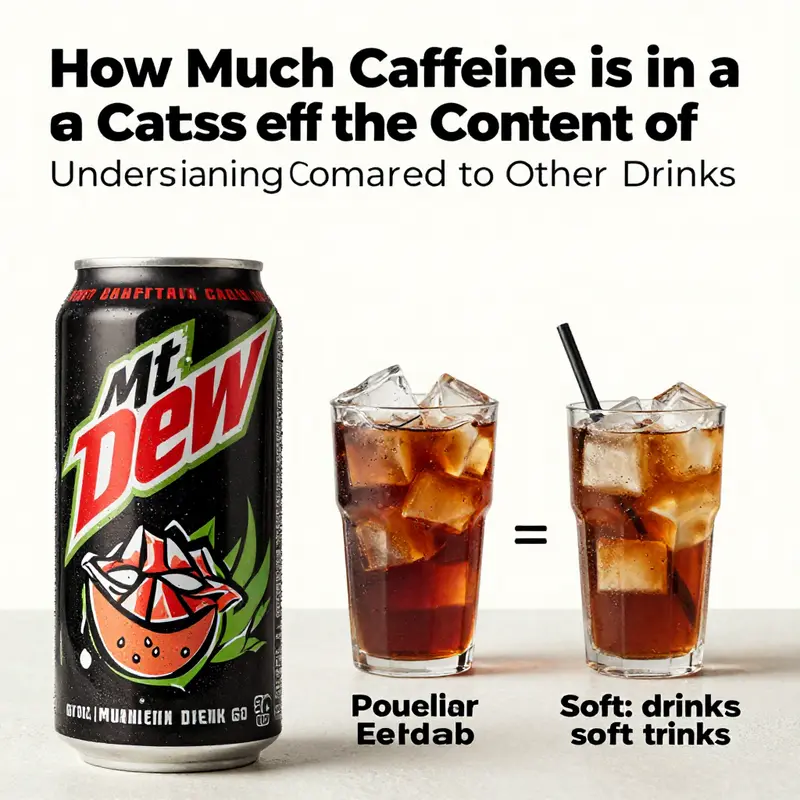
Context matters when you compare a 54-milligram 12-ounce can to other common beverages. A standard eight-ounce cup of coffee often contains roughly 80 to 95 milligrams, though that number can vary with the roast, grind, and preparation method. A typical cola, by contrast, tends to deliver about 30 to 40 milligrams per 12-ounce can. In light of those comparisons, the citrus-forward neon can occupies a middle ground—more caffeinated than most colas, but less than a strong cup of coffee. It provides a brisk energy uplift without the intensity of a large coffee brew, which makes it a popular choice for people who want a dependable caffeine lift without committing to a hot beverage or a larger caffeine dose.
The value of consistency across flavors also ties into how the product is labeled and marketed. The official labeling reflects the caffeine content in a straightforward way, and the consistency across the core flavors emphasizes the identity of the drink as a reliable energy-forward option rather than a set of radically different products. Still, there is value in staying curious. If you sample a limited-edition flavor and notice a slightly different kick, that doesn’t necessarily mean the caffeine amount has surged; it could be a perceptual effect driven by flavor notes, dehydration, or how quickly you consume the can. The caffeine is the caffeine, but the full sensory experience—the citrus aroma, the bite on the tongue, the way the aftertaste lingers—shapes how energetic you feel. It’s a reminder that a beverage’s effect isn’t just about the milligrams per can; it’s also about how the overall experience interacts with your own physiology at that moment.
Those who rely on digital resources for quick checks will often encounter the brand’s own product pages and independent beverage databases. For a deeper dive into this topic, you can explore related discussions that cap off the caffeine conversation with a broader view of how this particular citrus soda stacks up against other caffeinated options. See the following resource for a broader context: caffeine-content-mt-dew. This internal reference helps situate the numbers within a wider landscape of caffeine content across similar beverages, offering a convenient anchor for readers who want to compare, contrast, and draw practical conclusions for daily consumption.
Looking ahead, if you’re planning to reach into the cooler again and want to stay aligned with your caffeine goals, remember to check the serving size first. A can is almost always 12 ounces, unless the package clearly states otherwise. If you’re evaluating multiple drinks in one sitting, add up the milligrams per can and compare that total to your daily target. For those who enjoy mixing beverages with meals or snacks, consider how the timing of caffeine intake interacts with other ingredients, especially sugar, which can alter your subjective energy response. The combination of caffeine and sugar can produce a sharper initial jolt, followed by a more pronounced crash for some people. In contrast, choosing a zero-sugar version preserves the energy boost without the calorie load, which is a consideration for those tracking intake from a broader dietary perspective.
In sum, the caffeine story behind this iconic citrus beverage family is one of reliable consistency rather than dramatic fluctuation. The standard 12-ounce can carries about 54 milligrams of caffeine, a level that sits firmly in the middle of the spectrum for commonly consumed caffeinated drinks. Flavor variations—whether they emphasize lemon-lime brightness, cherry-citrus sweetness, or wild orange zest—do not materially alter that caffeine baseline. The zero-sugar version preserves the same energy content, making it a practical option for those who want to manage both caffeine and calories. And while limited-edition flavors may occasionally show slight deviations, the dependable, predictable caffeine delivery of the core lineup remains a useful reference point for everyday planning. For readers who crave a more comprehensive comparison with other caffeinated beverages, a broader review of caffeine in soda and related drinks can provide additional clarity and context. External resource: https://www.healthline.com/nutrition/how-much-caffeine-in-soda
null
null
null

null
Caffeine in a Can: How Mountain Dew Shapes Mornings, Moods, and Everyday Choices

Caffeine lives in the margins of daily life, quietly tipping the scale between wakefulness and rest, between impulse purchases and deliberate decisions. In a standard 12-ounce can of Mountain Dew, the caffeine content settles around the mid‑range for caffeinated soft drinks. Most recent disclosures place the figure at about 54 to 55 milligrams per 12 ounces. That small arithmetic truth—a half a hundred milligrams or so—sounds modest at first glance, especially when stacked against the way many people start their day with a robust cup of coffee. Yet it is precisely that modesty that makes Mountain Dew a reliable, if nuanced, companion for routines that hinge on a subtle, nonarousing nudge toward alertness rather than a full‑scale sprint of energy. The caffeine dose is enough to sharpen attention, to help a person finish a task without the jittery reverberations that sometimes accompany higher doses. It is not, however, a substitute for sleep or a miracle spark for productivity. Read in the context of daily life, caffeine in Mountain Dew becomes a small actor whose lines are easy to overlook until the moment it moves from background to foreground.
The numeric profile matters because it frames decisions people make about when, what, and how to drink. A can in the morning can help synchronize attention to a first bite of a busy day and anchor routines that feel, in the moment, practical and enjoyable. A can later in the afternoon, particularly after a light lunch, can help bridge that post‑lunch dip, offering a brief lift that makes a long afternoon feel shorter and more manageable. But the same dose that supports focus can also invite a set of tradeoffs. If a person is sensitive to stimulants, or if sleep pressure is high, that familiar 55 milligrams can contribute to a lingering unsettledness, a tendency toward restlessness, or a challenge when trying to fall asleep hours after the last sip. Knowledge of one’s own sensitivity—how caffeine interacts with personal metabolism, sleep patterns, and mood—becomes the unseen compass guiding when Mountain Dew is chosen and when it’s skipped.
The variability across Mountain Dew’s lineup adds another layer of complexity. The standard formula maintains that recognizable, citrus-sparked lift, but there are variants where caffeine levels rise or where other stimulants enter the mix. Mountain Dew Kickstart, for example, is often marketed with a different balance of energy components and flavors. In some limited editions, caffeine content can shift upward, and formulations may include other stimulants such as taurine or guarana. Those differences matter, not only because the stimulant cocktail can amplify alertness, but because they can alter how long the effect lasts, how intense it feels, and how it interacts with a person’s hydration status, blood sugar response, and appetite signals. For readers trying to map their own caffeine footprint, the practical step is to read labels carefully and note any additional ingredients that might contribute to stimulation or energy. The small print on packaging becomes a guide to safer, more predictable consumption.
To anchor the discussion in a practical frame, it helps to compare Mountain Dew’s caffeine content with other familiar beverages. A typical 8-ounce cup of brewed coffee often ranges from 95 to 165 milligrams, with many popular blends hovering near 100 milligrams or more per serving. Tea, depending on type and strength, can sit in a much lower range, and even a standard cola tends to carry a modest caffeine load. In this spectrum Mountain Dew sits closer to the middle, offering a quicker, more noticeable lift than many non‑colas yet far lighter than a strong cup of coffee. The relative mildness of Mountain Dew’s caffeine can be welcome for those who want to avoid an abrupt spike in energy but still crave steady, colorfully flavored stimulation through the day. The exact effect, of course, depends on the person: some drinkers experience a clear uptick in vigilance and response speed, while others might notice only a faint sense of normalization after fatigue has long set in.
Lifestyle choices, then, become subtly aligned with this caffeine profile. For people who track energy levels, sleep quality, or overall well‑being, Mountain Dew can influence beverage selection, meal timing, and even exercise routines. It is not only about the moment of sipping but about the downstream choices that ripple through a day. A can opened after breakfast can help maintain focus through a late morning meeting or a classroom session, especially for students balancing attention with cognitive demands. In contrast, consuming Mountain Dew late in the day can delay the onset of sleep, particularly for those who notice a evening restlessness or a longer time to drift off. The relationship between caffeine and sleep is mediated by individual biology, but the pattern is familiar: a caffeine‑influenced habit can push back bedtimes and shorten the sleep window, with consequences for next‑day energy and mood.
There is also a social and cultural dimension to consider. Beverages that contain caffeine often become a familiar rhythm within a household, a work culture, or a social circle. The choice to grab a can of Mountain Dew can carry implicit messages about quick energy, casual refreshment, or a preferred flavor profile that signals taste and comfort as much as stamina. In communities where fast pacing is the norm, the beverage can serve as a dependable, easy‑to‑find pick‑me‑up that fits into a busy afternoon or a post‑activity cooldown. For others, it may function as a treat that pairs with certain foods, or as a predictable ritual that punctuates a day’s transitions. The social context matters because caffeine is as much about mood and expectation as about chemistry. People often adjust their consumption to align with the day’s demands, social plans, or the timing of tasks that require steady concentration.
A practical approach to managing caffeine intake in a Mountain Dew‑heavy lifestyle begins with a mindful reading of labels and a clear sense of personal goals. If the aim is to sustain alertness without compromising sleep, one can reserve Mountain Dew for earlier hours and substitute decaffeinated or lower‑caffeine options later in the day. For individuals monitoring total daily caffeine, it helps to track not just the can’s content but the cumulative exposure from all sources—coffee, tea, energy drinks, chocolate, and even certain medications that carry caffeine. Keeping a simple log can illuminate patterns, such as whether certain activities correlate with higher consumption or if particular days demand more self‑regulation due to upcoming events like exams, presentations, or athletic training. In this sense, Mountain Dew becomes a data point in a broader strategy of daily energy management rather than a singular disruptor or trigger.
The science behind caffeine’s effects is straightforward in what it does, but nuanced in how it manifests. Caffeine blocks adenosine receptors in the brain, a mechanism that reduces the feeling of fatigue and makes tasks feel more approachable. In the short term, this can translate into improved attention, faster reaction times, and a clearer sense of focus. These effects often arrive within minutes and can last for a few hours, depending on one’s metabolism and habitual tolerance. Yet caffeine also carries the potential for side effects when consumed in larger doses or late in the day. A noticeable heart rate increase, mild jitteriness, or a sudden spike in nervous energy can emerge if the dose accumulates or if a person is particularly sensitive. Sleep disruption is another common consequence when intake edges into the evening. The balance is delicate, and response curves vary widely among individuals.
For readers seeking a precise reference point about the caffeine figures that inform these everyday choices, a concise breakdown of Mountain Dew’s caffeine content across variants can be found on a dedicated resource. That page presents the figures in a straightforward way, helping readers calibrate their expectations and plan their day accordingly. caffeine content of Mountain Dew.
If one wishes to take a deeper dive into the data behind the figures, the broader literature and product disclosures—which include details about different formulations and regional variations—offer a framework for understanding how a seemingly small amount can influence daily rhythm. The discussion also invites a broader conversation about how people regulate stimulant intake in a world saturated with energy signals. From a practical standpoint, the takeaway is not that Mountain Dew is inherently risky or inherently benign, but that it sits within a spectrum of beverages that help shape how a day unfolds. The choice to drink it—when, how, and why—becomes a micro‑decision that contributes to the larger pattern of health, mood, and productivity.
In the end, the caffeine content of a can of Mountain Dew sits at an intersection of chemistry and choreography: a fixed number on a label and a variable human response that plays out across hours, environments, and tasks. It is a reminder that even small doses, when embedded in daily routines, can have outsized effects on when we feel awake, how we perform, and which choices feel most aligned with our goals. As readers continue to explore their caffeine footprints, they may discover that this particular beverage, with its distinctive flavor and familiar lift, serves as a reliable element in a broader strategy of energy balance rather than as a single solution to fatigue. The line between enhancement and disruption is slim, and understanding that line—through labels, personal insight, and mindful experimentation—can transform how a simple can fits into a life built around intention, health, and steady momentum. External references and firsthand observations will always humanize the numbers, grounding them in real experiences rather than abstract figures. For those who want a quick external reference to the official data that underpins these conversations, consider the product listing and its disclosed caffeine profile, which provides a practical anchor for comparisons and decision making.
External resource: https://www.amazon.com/dp/B0002XJ4KU
Final thoughts
Understanding the caffeine content in Mountain Dew, including its variants, offers valuable insights for business owners in the beverage industry. Knowledge of how Mountain Dew’s caffeine levels compare with other drinks and the recommended safety limits aids in effective product placement and marketing strategies. Furthermore, recognizing how caffeine influences consumer behavior can help to tailor offerings that align with lifestyle choices of customers. As businesses navigate their product lines, keeping these factors in mind will enhance consumer satisfaction and drive sales.