

Caffeine consumption is a topic of growing relevance in business, particularly for those in the beverage industry. Diet Mountain Dew, a popular soft drink, contains a quantified caffeine level of 54 milligrams per 12-ounce can, translating to about 4.5 milligrams per fluid ounce. Understanding the caffeine content in Diet Mountain Dew is essential for business owners considering their product offerings and marketing strategies. This article elaborates on four key areas: the specific caffeine content, a comparison of caffeine levels in various beverages, the health implications regarding caffeine intake, and consumer preferences surrounding Diet Mountain Dew—ultimately highlighting how these insights influence business decisions in a competitive marketplace.
Tracking the Buzz: Caffeine in Diet Mountain Dew
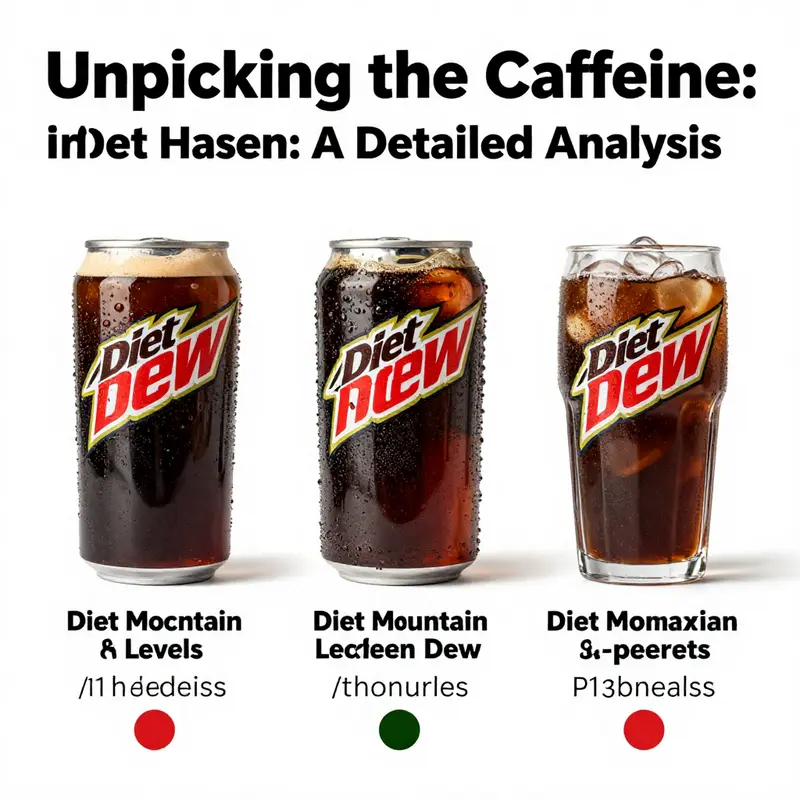
Caffeine acts as a central nervous system stimulant, and Diet Mountain Dew contains 54 milligrams per 12-ounce can. This amount places the beverage in a mid-range for caffeinated drinks, stronger than many colas but typically lower than a cup of coffee. Across beverages, a standard cup of coffee often ranges from roughly 70 to 140 milligrams, while a 12-ounce cola usually delivers about 30 to 40 milligrams. Consumers can use the 54-milligram can as a baseline for daily caffeine accounting, mindful of total intake across the day. Health guidance generally suggests a limit near 400 milligrams per day for healthy adults, with adjustments for sensitivity, pregnancy, or medical conditions. Some markets offer caffeine-free Diet Mountain Dew variants, but availability varies by region and retailer, so checking current options is advisable for those avoiding caffeine. The key idea is to balance flavor and energy with personal tolerance, rather than relying on a single product for a large energy boost.
Caffeine Landscape: Diet Mountain Dew in the Spectrum of Popular Beverages
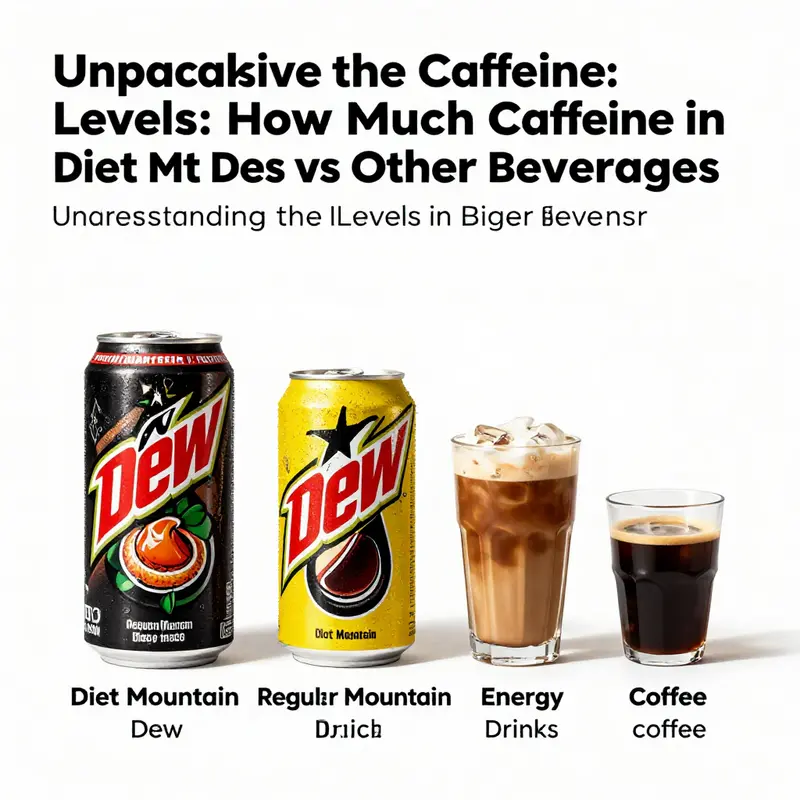
Caffeine is one of those everyday details we skim over until it starts shaping our days. For many readers, the question isn’t just sugar or flavor but how much caffeine sits in that familiar can. In the realm of zero sugar sodas, Diet Mountain Dew stands out as a reliable wake up call. Official data confirms that a standard 12-ounce can contains 54 milligrams of caffeine. That figure invites a broader look at how this beverage stacks up against others, and what the numbers mean for someone who wants taste with a stimulant without sugar. Understanding the caffeine load begins with basic math. A 12-ounce can at 54 mg equates to roughly 4.5 mg per fluid ounce. This per ounce metric helps when comparing beverages served in different sizes and makes it easier to visualize how many ounces or cans could fit into a day without overwhelming the math. The 54 mg per 12 oz provides a straightforward baseline for everyday planning around meals, workouts, study sessions, or late night work. Compared with other popular drinks, the contrast becomes meaningful. Regular Mountain Dew also contains about 54 mg per 12 ounces, so Diet and Regular share the same caffeine profile. Coca Cola Classic is around 34 mg per 12 oz, Pepsi about 38 mg. Those figures place Diet Mountain Dew toward the upper middle range among mainstream sodas. The difference matters for anyone who consumes multiple caffeinated drinks daily. Beyond sodas, caffeine content is often discussed alongside energy drinks and teas. For example, an 8.4 ounce Red Bull has about 80 mg, higher per ounce than Diet Mountain Dew, though the smaller can affects total milligrams. Green tea typically carries 20 to 30 mg per 8-ounce serving, while black coffee is around 95 mg per 8-ounce cup. The broader point: caffeine impact depends on both milligrams and serving size, and the daily total matters more than a single can. Practically, Diet Mountain Dew represents a high caffeine option within zero sugar beverages, offering a noticeable lift without calories from sugar. It sits within the higher range for non energy sodas and can be part of a caffeine budget when used thoughtfully with meals, workouts, or study sessions. Readers should consider cumulative intake across the day, not just per can.
Caffeine in Diet Mountain Dew: The Delicate Trade-Off Between Quick Buzz and Long-Term Health
When readers ask how much caffeine is in a can of Diet Mountain Dew, the answer is simple but not the whole story. In a standard 12-ounce serving, caffeine totals 54 milligrams. That translates to roughly 4.5 milligrams of caffeine per fluid ounce, a concentration that users often consider moderate compared to other energy-boosting beverages. Still, the value sits inside a beverage that is more than just caffeine; it is a calorie-dense, sugar-rich drink that delivers a swift energy spike along with metabolic strain. The caffeine figure alone can be easy to overlook when, in practice, the daily impact depends on how often the drink is consumed and what else a person eats and drinks. For a concise overview of caffeine content, you can consult a dedicated summary here: caffeine content of Mountain Dew.
Beyond caffeine, the beverage carries a metabolic load in the form of sugar and acid. In Diet Mountain Dew, the sugar tally is about 46 grams per 12-ounce can. Even though the label emphasizes the diet aspect, the sweetness comes with a significant dose of simple carbohydrates that deliver a rapid glucose surge. The sugar is often paired with a caffeine kick that can shorten the perceived time to feel energized, but it also triggers insulin demand and a cascade of metabolic responses. This combination can create a cycle: a quick energy spike followed by a drop in blood sugar, renewed cravings, and, for some, a tendency to reach for more of the same beverage. In this context, the term diet can be misleading if the goal is sustained metabolic health. The sheer sugar load matters because it shapes how the body handles energy, fat storage, and appetite regulation over hours and days rather than minutes.
Two interwoven mechanisms deserve close attention because they anchor the health conversation around caffeinated, sugar-heavy drinks. First is renal function. Caffeine is a known vasoconstrictor, and high-fructose-containing beverages can influence renal hemodynamics in ways that, over time, may alter kidney blood flow and function. When the body rests, caffeine and fructose can tilt vascular tone toward a state that requires the kidneys to work harder to maintain stable perfusion and filtration. Repetitive or chronic exposure, particularly in individuals with preexisting risk factors like hypertension or metabolic syndrome, could contribute to an incremental burden on renal health. The concern is not a single can causing damage but a pattern of intake that repeatedly activates these vascular and metabolic pathways.
The second mechanism centers on sugar itself. The 46 grams per can translate into a substantial caloric and carbohydrate load in a single sitting. Regular consumption of sugar-sweetened or high-fructose beverages has been linked to obesity, insulin resistance, and an elevated risk of type 2 diabetes and cardiovascular disease. Fructose metabolism in the liver can drive triglyceride synthesis and fat accumulation, contributing to non-alcoholic fatty liver disease (NAFLD) in susceptible individuals. When caffeine is added to this metabolic mix, the short-term alertness and perceived energy may mask longer-term signals of metabolic stress. The body’s systems—hunger, satiety, glucose handling, and fat storage—are engaged more aggressively, especially when these beverages replace water or nutrient-dense options in the daily routine. The upshot is a risk profile that grows with repeated daily or near-daily use, rather than with a rare, celebratory can.
Caffeine’s isolated benefits versus risks also deserve careful parsing. Caffeine, in isolation, has been studied for a range of effects that include improved alertness, transient mood enhancement, and, in some genetic contexts, potential protective associations against certain conditions. Some studies have suggested that caffeine consumption might correlate with lower risks for certain outcomes, such as obesity or osteoarthritis, in genetically informed analyses. However, these signals are context-specific and do not translate cleanly to beverages that are loaded with sugar and calories. When caffeine is embedded in a sugary beverage like Diet Mountain Dew, any potential protective effects of caffeine are largely outweighed by the metabolic stressors the drink carries. The rapid sugar delivery, high caloric load, and the stimulant effect of caffeine can interact to promote energy fluctuations, cravings, and overeating later in the day. In practical terms, this means that the modest cognitive or mood-boosting effects from a single can are unlikely to offset the longer-term risks associated with chronic consumption of a high-sugar, caffeine-containing beverage. This nuanced view helps explain why many health professionals recommend limiting such drinks and prioritizing sources of caffeine that come with minimal added sugars, such as plain coffee, tea, or other low- or zero-calorie options.
In synthesis, the health implications of Diet Mountain Dew hinge on more than the 54 milligrams of caffeine per can. They emerge from theCombined presence of caffeine and a substantial sugar load, set within a beverage that also carries acids and stimulating effects on the nervous system. The renal and metabolic pathways are engaged in tandem, and the result is a pattern of intake that can contribute to cumulative health risks when consumed frequently. The broader takeaway is not only about avoiding a caffeine spike but about recognizing how a single product sits at the intersection of appetite regulation, metabolic health, and kidney function. In other words, the health impact is less about a one-time moment of energy and more about daily habits and overall dietary context.
To deepen the context, consider how this conversation fits into the wider literature on caffeinated beverages and health. A comprehensive review published in 2022 in the National Center for Biotechnology Information collection synthesizes a broad range of evidence on caffeinated soft drinks, including their metabolic and renal implications. This resource highlights that beverages with added sugars and caffeine often present a higher risk profile than caffeine alone would suggest, particularly when consumed regularly. The review emphasizes moderation and mindful substitution as practical strategies for individuals concerned about long-term health outcomes. External readers interested in a broader synthesis can consult the National Center for Biotechnology Information resource for a rigorous, evidence-informed discussion of these issues: https://www.ncbi.nlm.nih.gov/pmc/articles/PMC8755901/.
For readers who want a quick, accessible reference on the caffeine content in Diet Mountain Dew itself, the following internal resource provides a concise summary: caffeine content of Mountain Dew. This micro-guide complements the broader health discussion by pinpointing the caffeine dose in a familiar serving size, helping readers calibrate personal limits and plan lower-risk choices when possible. Beyond caffeine, the chapter underscores the practical reality that many popular caffeinated drinks carry additional metabolic burdens, primarily in the form of sugar and caloric load. Even as caffeine offers notable pharmacologic effects, the real health question centers on how the entire beverage fits into one’s daily pattern of intake and activity.
Taking all of this into account, what should a reader do with the information? First, recognize that a single 12-ounce can furnishes 54 milligrams of caffeine along with about 46 grams of sugar. This combination can deliver a rapid energy boost, but it also introduces a significant metabolic demand that can ripple through appetite control, blood sugar regulation, and cardiovascular health if consumed habitually. Second, consider pairing caffeine intake with a broader dietary strategy that prioritizes whole, nutrient-dense foods, ample hydration with water, and opportunities to choose lower-sugar or sugar-free alternatives when caffeine is desired. Third, if kidney health or metabolic risk is a concern—whether due to a personal diagnosis or a family history—taming the frequency of such caffeinated, sugar-rich beverages becomes a prudent precaution. Balance does not require deprivation; it can mean reserving these drinks for occasional use while leaning on beverages with neutral or beneficial health profiles for everyday hydration and energy.
In the end, the caffeine content of Diet Mountain Dew is a manageable piece of a larger health puzzle. It is a reminder that the energy we feel from a single can often rides on a web of dietary choices, biological predispositions, and daily routines. The goal for many readers is not to demonize caffeine or to declare a universal limit but to cultivate a practical awareness: awareness of how much caffeine is actually in the beverages we drink, awareness of the sugar and caloric burden those beverages carry, and awareness of how these factors interact with our kidney function, liver metabolism, and overall cardiometabolic health. With that awareness, it becomes easier to make choices that align with long-term health goals while still enjoying the occasional treat that provides a momentary lift.
Caffeine, Culture, and Quick Energy: How Diet Mountain Dew Shapes Modern Consumption

Caffeine is more than a lift in the morning or a late-afternoon pick-me-up. It has become a social signal, a behavioral cue that marks when people choose a certain rhythm for work, play, and competition. In the landscape of popular beverages, Diet Mountain Dew sits at a compelling intersection of flavor, low calories, and a reliable caffeine delivery that many consumers have learned to rely on during long, demanding stretches of activity. A standard 12-ounce can delivers about 54 milligrams of caffeine, which translates to roughly 4.5 milligrams per fluid ounce. That ratio—moderate yet consistent—helps explain why the drink remains a fixture in conversations about energy, focus, and everyday performance. It’s not just a taste preference; it’s a choice about how to pace alertness across hours, whether in a classroom, a workplace, or a gaming chair where milliseconds matter and sustained attention is a practical advantage.
The appeal of this beverage, particularly among younger adults, has a clear demographic signal. Data from mature market research shows that consumption tends to be higher among people aged 18–24, a cohort navigating school, entry-level jobs, and the social dynamics of digital life. In 2018, this pattern was evident, and by 2024 the product continued to command a meaningful share of the U.S. soft drink market within its portfolio category. Exact market shares may vary by source and method, but the trajectory is unmistakable: the product maintains relevance in a crowded field, buoyed by its low-calorie profile and its dependable caffeine punch. In a competitive retail environment, staying top of mind requires both persistent flavor appeal and a reliable energy profile—elements that Diet Mountain Dew blends with a precision that resonates with its core audience.
One of the more striking aspects of its staying power is how the caffeine content supports a particular kind of user behavior. In many online gaming communities and streaming cultures, caffeine becomes a practical tool for extended sessions. Players often endure six, eight, or even twelve hours of sustained focus, rapid decision-making, and precise motor responses during competition or long grind sessions. In these settings, a single can provides a quick, predictable dose of stimulation without the heavier footprint of a larger-caffeine beverage or the sugar crash that can accompany other drinks. While coffee remains a dominant source of caffeine for many, Diet Mountain Dew offers an alternative that blends flavor with energy in a compact, portable package. The math is simple: if a player consumes multiple cans across a long session, the cumulative caffeine intake can approach a level that supports vigilance and reaction time without the steep peak-and-crash cycle that some beverages can produce.
This dynamic helps explain why caffeine content is not merely a nutritional footnote but a factor in consumer decision-making. The product’s caffeine content occupies a practical middle ground: enough to be noticeable and useful, but not so high as to demand careful dosing or risk excessive jitters. For a consumer pattern that prizes steady energy over intense caffeination, the 54 mg per can figure provides a predictable baseline. This baseline becomes especially meaningful when the drink is used in social or collaborative contexts—where consistent mood and focus can influence teamwork, strategy discussions, and real-time performance in competitive settings. The consumer’s choice of this beverage is then tied to a broader philosophy: flavor you enjoy, energy you can manage, and a guilt-free profile that fits into a low-sugar, calorie-conscious lifestyle.
Flavor, of course, matters. The appeal of a low-sugar option that still delivers a crisp, citrus-forward taste helps explain its broad attraction. In markets that prize variety, the ability to pair a familiar flavor with a reliable caffeine kick allows consumers to curate their own “energy routine.” This routine isn’t about one breakneck spike of energy; it’s about a steady cadence—sip, wait, sip again—so that mental sharpness and motor dexterity remain accessible over time. In gaming and other performance-centered contexts, the value of a predictable caffeine rhythm can translate into longer, more consistent sessions, fewer interruptions, and a sense of control that many users prize as much as taste.
From a market perspective, the product sits within a broader corporate portfolio that emphasizes value, accessibility, and brand familiarity. While the exact share of the U.S. market for Diet Mountain Dew in 2024 isn’t detailed in every dataset, the beverage’s continued prominence signals a durable consumer preference that blends cultural relevance with practical utility. The product’s staying power illustrates a broader trend in which consumers seek beverages that deliver more than flavor: they want a unit of energy that fits into modern routines without demanding dramatic changes to daily patterns. This is the essence of a “functional” soft drink in the current era—an item that satisfies taste while supporting the cognitive and physical demands that define contemporary work and play.
Caffeine, in this frame, becomes a cultural instrument as much as a pharmacological one. Its role in daily life is shaped by how people structure time and attention. For students juggling coursework, professionals balancing multiple projects, or gamers coordinating team strategies, caffeine creates a predictable schedule of alertness. Diet Mountain Dew’s 54 mg per can can be seen as a modular component of that schedule: a piece of a personal energy toolkit that can be scaled up with multiple servings for longer tasks or spaced out to maintain alertness across a workday or a gaming session. The practical advice that accompanies this picture—spacing out intake to avoid jitteriness or a mid-session crash—reflects a growing understanding of how to optimize caffeine consumption over extended periods. It’s a nuanced habit, not a reckless habit, and it underscores how modern consumers tacitly craft routines around the beverage’s energy profile.
The cultural resonance of Diet Mountain Dew also speaks to how brands become touchstones for particular communities. In digital and streaming spaces, where audience engagement and reaction times buoy success, a beverage that pairs flavor with dependable energy can feel like part of the playbook. It’s not merely a drink; it’s a signal that a person is ready to engage, persist, and perform. In this sense, the product contributes to a shared language within online communities—the idea that you can stay present, attentive, and responsive over long periods without sacrificing taste or comfort. The result is a cycle of preference that reinforces loyalty, with fans returning to a familiar energy source that complements their routines. This loyalty, in turn, supports sustained demand, and by extension, a stable position within a complex marketplace.
For readers who want to explore the caffeine specifics in more detail, a dedicated breakdown of caffeine content in Mountain Dew and related beverages offers deeper insights into how these numbers translate into real-world use. See how-much-caffeine-in-a-mountain-dew for a focused analysis that situates the 54 mg figure in a broader context and compares it with other caffeinated options. While caffeine content is just one piece of the puzzle, understanding the precise milligram amount helps readers calibrate their own consumption and consider how different beverages could fit into their energy budgets across a day or a session.
Ultimately, the story of Diet Mountain Dew’s place in consumer culture is about balance. It embodies a practical equilibrium between flavor, calorie awareness, and energy delivery that suits many modern routines. The product’s ongoing relevance arises from a combination of taste, a manageable caffeine dose, and a recognized ability to support focus during activities that reward sustained attention and reaction speed. As markets evolve and consumer expectations shift toward personalized energy strategies, beverages that offer dependable energy without excessive sugar or complexity will likely remain attractive to a broad cross-section of buyers. The conversation around caffeine, consumption patterns, and performance continues to unfold, and Diet Mountain Dew remains a clear example of how a well-calibrated caffeine profile can reinforce a brand’s resonance across generations and changing digital environments.
External resource for market context: https://www.statista.com/statistics/1376282/diet-mountain-dew-us-market-share/
Final thoughts
Understanding the caffeine content in Diet Mountain Dew is not just a matter of numbers; it’s central to adapting business strategies in the beverage landscape. As consumer awareness grows, the preference for beverages with specific caffeine content continues to evolve, emphasizing the importance of transparency and informed marketing. For business owners, recognizing these trends and implications can pave the way to successful product development and customer satisfaction.