

Maintaining high-performing coffee machines is vital for business owners who wish to deliver exceptional coffee experiences. Among the various maintenance practices, regular descaling of coffee makers stands out as particularly crucial, especially with BUNN models that often endure heavy use. This guide details how to clean your BUNN coffee maker using vinegar, a natural yet powerful cleaning agent. Each chapter will take you through key steps—from preparing the vinegar cleaning solution to rinsing the machine thoroughly—to ensure your equipment remains in optimal condition for brewing delicious coffee daily.
The Vinegar Blueprint: Preparing the Cleaning Solution for a Bunn Coffee Maker

The preparation of a cleaning solution for a Bunn style coffee maker marks the quiet start of a thorough descaling journey. It is a moment of intention where science meets routine, and where the hum of a machine becomes a careful calculation rather than a routine rinse. The heart of the approach rests on a simple truth: mineral deposits, scale, and stubborn buildup are best dissolved in a solution that is strong enough to coerce them loose, yet gentle enough not to corrode the brewers’ delicate pathways. Distilled white vinegar stands as the classic hero in this narrative. It is a pure, unadulterated acid that travels through the water reservoir with minimal distraction, leaving behind no impurities that could taint future pours. Yet the way you mix that vinegar with water matters almost as much as the vinegar itself. The chemistry is straightforward. You want a ratio that promotes contact with every corner of the internal channels, and you want to avoid overstressing any seals or metal components. In practice, many home and office brewers respond best to a balanced 50-50 blend, especially for residential models. This means equal parts distilled white vinegar and clean water blended in the reservoir before the machine ever begins to work its magic. For those used to exact measurements, a standard starting point is 0.5 cup of vinegar and 0.5 cup of water, roughly 120 milliliters of each. The simplicity of that ratio is its strength: it is easy to replicate, easy to remember, and it provides predictable descaling power. Still, there is a caveat that deserves attention. Different Bunn models carry slightly different design tolerances and, in some cases, manufacturer guidance may call for adjustments. The manual for a specific machine can offer precise volumes and steps tailored to that unit. If you own a larger or more specialized model, the numbers may shift, and following the official guidance becomes important, not because vinegar is unsafe, but because the internal geometry can dictate how quickly deposits are displaced and how thoroughly the system rinses afterward. With this in mind, begin with a 50-50 mix and then cross-check the model’s instructions before committing to any deviation. The goal is a clean system, not an aggressive chemical assault, and the right starting point helps you stay on the safe, efficient track. If you want a quick reference to model-specific guidance, the manufacturer’s official support page is an excellent resource to consult.
For readers seeking a compact, model-aware reminder, there is a practical way to anchor your prep: equal parts vinegar and water in the reservoir, using distilled white vinegar to avoid introducing any residual flavors or unintended residues. Distilled white vinegar is preferred precisely because it is the purest form widely available for descaling tasks. It minimizes the chances of introducing colorants or extra minerals that could complicate the rinse stage. Avoid apple cider vinegar or any other infused or flavored variants, as their intrinsic sugars or subtleties can leave traces that are hard to rinse away and may alter the taste of your coffee in subsequent brews. The emphasis here is on purity and predictability. You want the cleaning to be thorough, but you also want it to be reassuringly simple to repeat as part of routine maintenance. The logic of the mix is reinforced by the broader principle that the cleaner the starting solution, the more efficient the entire cycle will be and the less time you spend chasing after lingering odors or flavors post-descaling. While the ratio is the backbone, the method of introducing the solution matters as well. Pouring the vinegar-water blend into the hot water reservoir with the brewing basket in place sets the stage for a controlled descaling process. The machine is then allowed to operate through a portion of the cycle, typically until the carafe begins to fill with the descaling liquid. This staged approach ensures that the solution travels through the brew head and the internal tubing, reaching the spray head and every passageway that mineral buildup tends to cling to. You do not need to rush the process; let the brew begin, and then pause at the halfway point to maximize the contact time with the deposits. The next step—soaking while the machine rests—extends that contact window and amplifies the cleaning power of the vinegar. If you have a desk clock handy, this is a good moment to think of the machine not as a mere appliance but as a system that benefits from time as a solvent. Once you have allowed the solution to sit for the recommended period, a second stage completes the brewing cycle, and then the critical rinse phase begins. The rinse is where the science turns into sensory clarity: multiple cycles with clean, cold water until all evidence of vinegar has vanished from both the liquid and the aroma. The objective is a neutral, clean slate for your next cup of coffee. At this point you might consider a few optional refinements that can further safeguard the machine and its output. The spray head, a small but important component, can become a trap for mineral buildup. If you have access to the spray head during the cooling phase, you can carefully remove it and clear any clogged holes with a toothpick or a dedicated cleaning tool. A quick wipe with mild dish soap and a damp cloth over the exterior helps reduce dust and grime that might otherwise travel back into the flow. If you wish to go deeper, a pipe cleaner or a small brush can help clear the internal tubing where the spray head connects, though this step should be undertaken with care to avoid dislodging any seals. The overall aim is a clean, well-balanced system that remains faithful to the taste of your coffee and the longevity of the brewer.
As you move through the cleaning ritual, the right mindset matters almost as much as the precise steps. The 50-50 vinegar-water mix embodies a principle of practical descaling: it is harsh enough to attack mineral deposits but gentle enough to preserve the integrity of the machine’s internal pathways. The balance works because it leverages the natural acidity of vinegar to soften scale while allowing water to carry away the loosened particles during the rinse. The practical outcome is straightforward: a coffee maker that returns to its peak performance, with a carafe that no longer carries the faint tang of mineral residue, and with the assurance that repeated cleanings won’t become a mystery. The steps may seem routine, yet they reflect a deeper truth about home maintenance: durable results come from repeatable methods rather than heroic one-offs. The ritual of preparing the solution is the first move in a longer sequence that protects flavor, aroma, and the reliability of morning coffee rituals. If you want a handy recap, you can follow a practical walkthrough that aligns closely with the steps described here by visiting a dedicated guide that walks through the precise cycle with model-specific notes. For those who prefer to see a concise version alongside practical tips, the linked resource provides a grounded, credible reference while preserving the flow of this chapter.
To connect this preparation with real-world practice, consider how the preparation sets the tempo for the entire descale. A well-measured mixture solves the initial problem of mineral deposits, but it is the subsequent checks and rinses that confirm the success of the operation. After the final rinse cycle, the machine should be free of any vinegar aroma and should brew a clean cup without aftertaste. If you notice lingering acidity, repeat the rinse sequence once more, ensuring that the reservoir is filled with fresh cold water and that the entire cycle runs to completion. Once you reach this point, you can return the machine to normal operation and, with care, resume daily use. The preparation phase thus becomes more than a mere precursor; it is the foundation on which the entire cleaning workflow rests. By starting with a clear, accurate mixture, following through with the halfway-brew soak, and concluding with multiple, thorough rinses, you establish a reliable protocol that guards flavor and machine health alike. For readers seeking a practical, model-specific walkthrough, you can read How to Clean a Bunn Coffee Maker for more details.
In closing, the vinegar solution is more than a chemical mix. It is a deliberate act of care for a workhorse that fuels countless mornings. The process honors the machine by preserving its essential pathways and ensuring that each cup benefits from a clean canvas. The 50-50 blend, combined with a structured sequence of descaling, soaking, and thorough rinsing, offers a robust framework that works across a range of Bunn models. With patience and attention to the micro-details—the halfway brew pause, the soak duration, the careful spray-head check—you invite your brewer back to its peak performance. And when the ritual is complete, you have not merely cleaned a coffee maker; you have restored a reliable routine that supports consistent flavor and a steady, dependable start to the day. For continued, model-specific guidance, refer to the official support page of the manufacturer at the end of the article, which provides detailed, up-to-date instructions tailored to your exact unit.
null

null
null
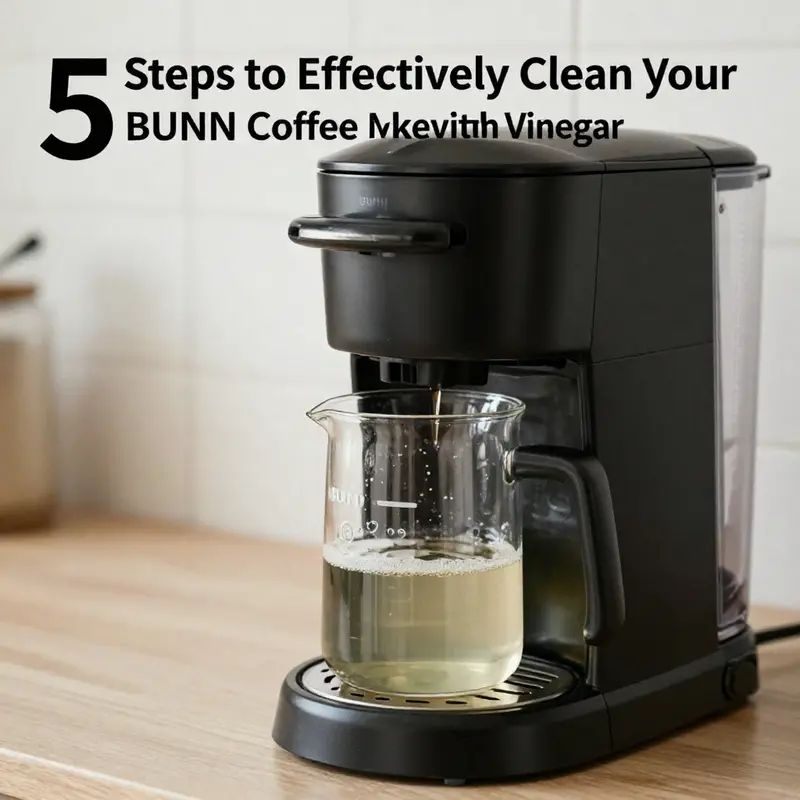
null
Rinsing for Purity: Thorough Water Flush After Vinegar Descale on a Multi-Cup Brewer
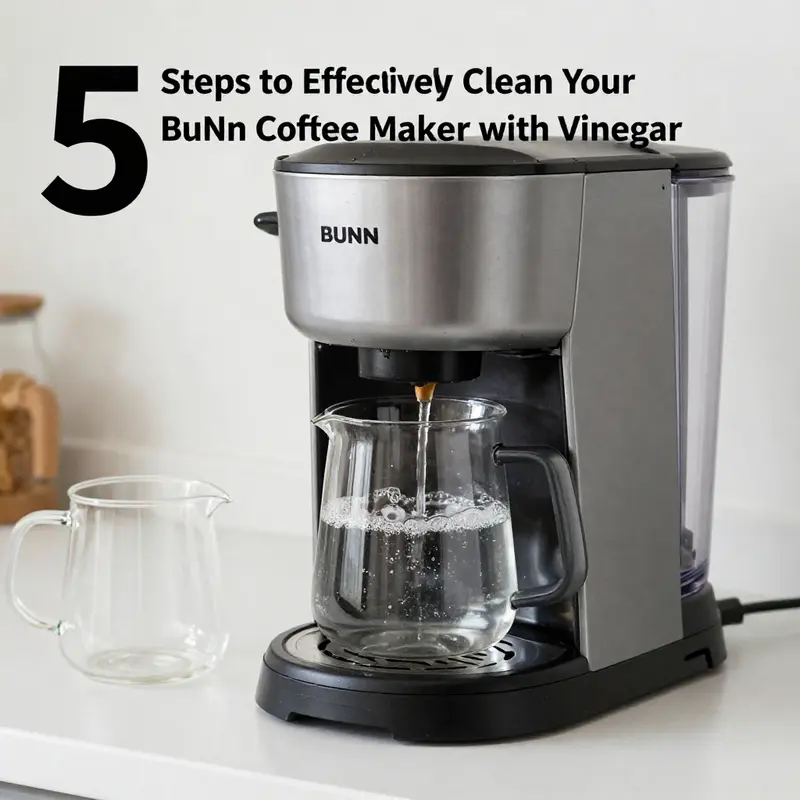
A vinegar descent can transform mineral buildup into history, but the work isn’t finished when you hear the last hiss of the machine. The real test comes with the rinse: a deliberate, multi-cycle flush that washes away acidity, detritus, and any lingering vinegar aroma so your next pot tastes like coffee, not the kitchen appliance’s chemistry. In this phase, the goal is straightforward but non-negotiable: remove every trace of cleaning solution from the interior passages, reservoir, and heating elements. Only then can you return to a clean brewing routine with confidence that flavors won’t be tainted by sour notes or by acid whittling at rubber seals and gaskets. The guidance here builds on a consensus among appliance maintenance experts who emphasize that descaling with vinegar is effective, but rinsing is the safeguard that preserves both flavor and longevity.
To begin, picture the machine as a complex plumbing system with a short circuit of flexible tubes, a heated chamber, and a water pathway that runs from the reservoir to the spray head and into the carafe. After you initiate the descaling cycle and allow the vinegar-water solution to do its work, you’ll reach a midpoint where half the liquid has traversed the machine. At that moment, the next steps become crucial: you unplug the unit, let the internal components pause in a neutral state, and give the remaining solution time to soak. The science behind this is simple and practical. Acids such as acetic acid in vinegar loosen mineral deposits, but they can also linger in narrow passages and on rubber components if you don’t give them time to diffuse away. By pausing for at least two hours, you allow deposits to break away more completely when you resume the cycle and flush, reducing the chance of stubborn residue showing up in your next cup.
The explicit call to soak is echoed in professional guidelines. Dr. Alan Reeves, an Appliance Maintenance Specialist at HomeTech Labs, notes, “Vinegar is excellent for descaling, but thorough rinsing is non-negotiable. Residual acidity can affect flavor and even corrode rubber seals over time.” That insistence on rinsing isn’t about pedantry; it’s about protecting the machine’s seals, tubing, and inner coatings from gradual acid wear. With that in mind, you’ll complete the rest of the descaling by reconnecting power and letting the machine finish the brewing process as the vinegar solution runs fully into the carafe. The result is a cleaned, ready-to-rinse interior that’s primed for an all-water flush.
The rinse itself is where patience pays off. Fill the reservoir with fresh, cold water and run a full brewing cycle. Then repeat this process four or five times in total, each cycle delivering a clean pot of water that carries away any lingering acetic acid. The aim of these multiple cycles isn’t speed; it’s thoroughness. You want to dilute and distribute any residual acid to the point where your taste buds discern nothing acidic in your coffee and the machine’s metal and rubber components aren’t exposed to concentrated acidity. Think of this stage as a series of mini-purges that coax every nook and cranny back to neutral.
Beyond the core rinse, there are practical housekeeping steps that often get overlooked in quick cleanups but can make a meaningful difference. Once the vinegar bath has begun to clear, and while the machine has cooled, disassemble removable parts like the carafe, the filter basket, and the water reservoir lid. These components are typically simple to remove and, once separated, benefit from a thorough wash with warm, soapy water and a soft sponge. Rinse them thoroughly under running water and let them air-dry before reassembly. This isn’t a cosmetic gesture; dirty, soapy residues or mineral films left on these parts can re-enter the brew stream and subtly alter flavor or aroma. Importantly, many manufacturers counsel against placing plastic or rubber parts in a dishwasher, especially if you’re unsure of their compatibility with high temperatures and harsh detergents. By washing by hand, you safeguard these parts from warping, cracking, or making contact with caustic dishwasher detergents that could hasten wear.
Now, as you reassemble, you’ll re-create the machine’s standard operating state for the final rinse. When you run the last water-only cycle, you’ll have essentially created a clean, neutral pipeline that is ready for daily use. The aroma of vinegar should be long gone, replaced by the familiar, clean scent of water and coffee notes in their purest form. If a faint smell lingers, don’t worry. It typically dissipates after a few more cycles, provided you’ve completed all the rinse cycles and reassembled the machine correctly. The key is to be attentive to flavor in the first brew or two after cleaning. If you notice any sour aftertaste, it’s a signal that the rinse hasn’t fully removed the cleaning solution, and you may need to run an additional couple of plain-water cycles before resuming regular use.
An additional, optional but worthwhile cleaning step targets the spray head and any tubing the cleaning solution travels through. While the machine is cooling, you can detach the spray head from the brewing basket and inspect the tiny holes that spray the water onto the coffee grounds. A gentle probe with a toothpick or a specialized cleaning tool can clear clogged openings. Wipe the exterior of the spray head with a damp cloth and mild dish soap. If you’re comfortable, you can also use a thin pipe cleaner or a small brush to access the internal tubing where the spray head connects. This internal path is where mineral deposits can accumulate, and freeing it ensures even spray and proper extraction in future brews. While not strictly required, this extra care enhances the machine’s consistency and reduces the risk of uneven extraction, especially if you regularly brew high-volume pots.
For readers who want a quick procedural anchor, the cycle-counted rinse approach—four to five full cycles of plain water—remains the backbone of residue removal. It’s straightforward, repeatable, and adaptable to different models within the family of multi-cup drip brewers. If your machine has a larger capacity or a slightly different water-path design, you may need one or two extra cycles, but the principle stays the same: water only, no cleaner, no aroma, until the internal channels are fully neutralized. Before you resume normal use, consider a final check by brewing a pot with fresh water only and examining the carafe’s odor and taste. If anything offensive remains, run an additional rinse sequence. It’s not only about removing acidity but about ensuring the final product’s integrity.
This phase also aligns with practical, model-agnostic advice from manuals and support resources. The emphasis remains consistent: never skip the rinsing, never assume a single flush suffices, and always verify by performing several water-only cycles. The science is simple, but the impact is tangible. A thorough rinse protects the machine’s internals from corrosion, preserves gasket integrity, and ensures the next cup tastes like coffee, not a sour solution. When you’re confident that the carafe runs clear and the aroma is neutral, you’ve completed the maintenance cycle with a clean slate. You can then return to brewing with the assurance that the descale has been safely and completely reversed by a proper rinse.
If you’d like a step-by-step reference in a written guide, you can consult a focused resource that walks through these same considerations in detail. For a step-by-step reference, you can see how-to-clean-a-bunn-coffee-maker. This internal guide mirrors the practical sequence described here and helps ensure you don’t overlook the delicate phases between descaling and pristine rinsing. The emphasis on disassembly, hand-washing of components, and careful, repeated rinses is consistent with professional recommendations and supports a long, reliable service life for your multi-cup brewer.
As you move beyond the rinsing window, keep in mind that a clean machine is a happier brewer. The final few cycles aren’t merely a safety measure; they preserve the integrity of seals, tubing, and the heating element, all of which contribute to optimal extraction and consistent flavor. Regular maintenance—comprising periodic descaling when mineral buildup becomes noticeable, followed by a thorough rinse and gentle cleaning of removable parts—helps ensure your coffee remains bright, balanced, and faithful to your taste preferences. The habit of taking care of the machine in this way also reduces the risk of future deep-clean requirements, minimizes downtime, and extends the equipment’s operational life. It’s a small dedication that pays off in daily rituals of morning coffee, in the confidence that your beverage isn’t compromised by residual cleaning agents or degraded seals.
For readers seeking more context on the science and best practices behind vinegar-based descaling and residue management, additional guidance from reputable sources can provide deeper insight into how acids interact with mineral deposits and machine materials. External resource: https://www.hometechlabs.com/coffee-maker-vinegar-cleaning-residue-removal
Descaling the Heart of Your Brew: A Thorough Vinegar Cleaning of BUNN’s Spray Head and Tubing

The spray head and its narrow network of tubing are the quiet workhorses that determine a BUNN coffee maker’s taste, consistency, and reliability. In busy kitchens, offices, or small cafes, mineral buildup from hard water can accumulate there as surely as it does on a heating element. A targeted vinegar clean for the spray head and tubing isn’t just about chasing a sour smell out of the carafe; it’s about restoring water flow, even saturation, and a dependable spray pattern that delivers optimum flavor. This chapter digs into a meticulous, vinegar-based approach to cleaning those hidden pathways, weaving practical steps into a steady narrative that you can follow without losing the sense of a larger coffee routine you rely on every day. The idea is not to tinker with the machine for a moment and go back to old habits, but to integrate a robust maintenance practice that keeps every brew bright and balanced.\n\nVinegar has earned a respected place in descaling because white distilled vinegar dissolves calcium carbonate and magnesium deposits that water leaves behind when heat and time do their work. These deposits can form in the spray head’s tiny holes and within the tubing that connects its components. The science behind this is straightforward: acetic acid in the vinegar reacts with mineral buildup, softening and loosening it so water can flush it away rather than push it further into the system. A home appliance chemist notes that vinegar is a proven, low-cost descaler that works well with hard water. When you apply that knowledge to a BUNN, you’re supporting the machine’s efficiency and extending its life. This approach also reinforces a simple truth: cleaning should be thorough, but it should not damage seals or components. If you have a model with unusual materials or seals, consult your manual or a specialist before applying any cleaner, even a natural one.\n\nBegin by ensuring safety and cleanliness in parallel. Unplug the machine to eliminate any risk of electric shock, then remove the carafe and filter basket. Wash these pieces with warm, soapy water and set them aside to dry. You’ll want to preserve the carafe’s clarity so it doesn’t distract you from the spray-head task that follows. Next, prepare the vinegar solution. Use white distilled vinegar with 5% acidity and mix it with water in equal parts. For example, one cup of vinegar to one cup of water works well for most standard units. If your unit is a smaller model or a larger one, you can adjust the ratio to maintain the same cleaning strength. Distilled water is preferred for this step because it minimizes introducing new minerals during the cleaning cycle. Some people opt to add a touch of lemon to the mixture. A few lemon slices can contribute a fresh scent and a minor boost to the cleaning power, thanks to citric acid. This is optional but can make the process more pleasant, especially in environments where a slight aroma is welcome.\n\nWith the solution ready, pour it into the water reservoir, filling up to the maximum line but not exceeding it. The goal is to have a sufficient amount of liquid run through the entire internal path, including the spray head and tubing. Place a clean, empty carafe beneath the brewer so you can monitor the flow as the cycle progresses. Start a full brewing cycle and permit the solution to travel through the entire system. Do not interrupt the cycle mid-way; allow it to complete. This step ensures that every nook along the route—from the reservoir through the spray head and into the internal tubing—receives cleaning contact. If your model has a timer or a specific scale-setting, use it as you normally would, because consistency in operation helps the vinegar reach places that often get neglected during routine cleaning.\n\nAfter the cycle finishes, an optional but highly recommended pause can increase effectiveness. Let the cleaning solution sit inside the reservoir and tubing for 30 to 60 minutes. This soaking period gives the acetic acid time to penetrate and dissolve stubborn mineral deposits that the initial flow may have loosened but not removed. While you wait, you can wipe down the exterior of the spray head and inspect the brewing area for any obvious buildup on the basket or nearby surfaces. A calm, methodical approach here pays off in the long run, because it reduces the need for repeated scrubbing later.\n\nOnce the soaking interval is complete, restart another full brewing cycle to flush out the loosened residue. After this second cycle has run its course, refill the reservoir with fresh, clean water only. You should perform three to four complete rinse cycles in this plain-water mode, each time allowing a full run through the system. The aim is to eradicate all vestiges of vinegar and any lingering minerals that could impart taste or odor to your coffee. If you catch even a faint vinegar scent, extend the rinsing sequence by one more full cycle. Consistency is key here; skip steps or shorten rinses and you risk a residual taste that undermines the goal of a clean, neutral cup.\n\nA deeper level of maintenance can be achieved by addressing the spray head directly, when the design of your machine allows access. If your model makes the spray head removable, you can use a soft-bristled brush, a toothbrush, or a cotton swab dipped in the same vinegar solution to gently scrub around each spray hole. Take care not to apply metal tools that could scratch the surface or damage delicate components. For some machines, the spray head is not easily accessible, and in those cases the internal cleaning through the reservoir is the most practical method. If an access point is available, you may find an opportunity to also clear the tubing connection with a pipe cleaner or a small brush. The goal is to boost the flushing effect by freeing any minor clogs that could hinder even spray and flow. When disassembly is necessary, consult the user manual to avoid compromising seals or warranty coverage. The beauty of this approach is that even a moderately careful manual clean can significantly improve spray head performance and, by extension, the uniformity of extraction in each cup.\n\nAfter completing the cleaning and rinsing sequence, reassemble the machine. Place the filter basket back in its position and set the carafe, ensuring everything is aligned properly. Run one final rinse cycle with plain water to confirm there is no residual vinegar on any surface that touches the coffee or the water path. This last check helps guarantee that the next pot of coffee tastes clean and neutral. When you’re satisfied with the rinsing, you can brew a test pot using fresh water only to confirm that the spray head is delivering a consistent spray pattern and that there are no irregularities in the flow. If the test pot looks good, you’re ready for a normal cycle, and your next batch should reflect the improvements you’ve achieved through careful cleaning.\n\nIf you want to explore model-specific nuances or confirm a particular configuration for your unit, you can consult a dedicated model guide such as the one referenced in this article. A quick link to a detailed, model-focused cleaning guide can provide added assurance for special configurations, including spray-head designs that resist standard cleaning approaches. For a model-specific guide, see how-to-clean-a-bunn-coffee-maker. Integrating that resource into your routine helps ensure you aren’t missing any subtle differences that could affect performance. This cross-reference is especially valuable if you have encountered unusual spray patterns or if your unit has an uncommon head design that responds differently to cleaning cycles.\n\nAs you consider the broader cleaning plan for your BUNN, it’s useful to remember that vinegar, while effective, is not a catch-all cleaner. Some components—such as charcoal filters, automatic milk systems, or plastic seals—may require special handling to avoid degradation or warranty concerns. If you or your workspace have sensitivities to odors, or if you frequently brew coffee for guests with olfactory concerns, you might opt for a milder scent or a non-acidic alternative after evaluating the model’s compatibility. An appliance maintenance specialist would note that vinegar works well for mineral deposits but does not address organic residues that can accumulate in brew baskets or carafes. In those cases, a complementary cleaning step with a dedicated cleaner designed for organic residue can be beneficial. The combined approach—descaling with vinegar plus targeted sanitation with an appropriate cleaner—offers a balanced strategy that respects both performance and longevity.\n\nIn terms of timing, you don’t need to perform this deep spray-head and tubing clean every week. The frequency should reflect water hardness and usage. A practical cadence is every three to six months for most households, more often in high-use environments where mineral content is consistently exposed to heat. If you live in an area with very soft water, you might extend the interval slightly. Conversely, very hard water or heavy daily use can justify a more frequent schedule. For people who prefer a more natural scent and want to minimize odor, a lemon-and-water alternative can be effective for routine maintenance, though it may not be as powerful in removing heavy mineral buildup as vinegar. The bottom line is to pair a regular cleaning routine with a thorough spray-head and tubing descaling when you notice signs of scale or when the machine begins to show irregular spray patterns or slower flow.\n\nFinally, use the experience to inform broader practices. Keep the reservoir and carafe clean, wipe the exterior to prevent dust buildup, and ensure the filter basket is free of coffee oils between uses. While the spray head and tubing deserve and need attention, a holistic approach to care—cleaning, rinsing, and drying—keeps the entire brewing cycle crisp and consistent. If you ever wonder whether you should switch to a different cleaning agent, remember the guidance from appliance experts: vinegar is a solid, natural descaler for mineral deposits, but it’s not the entire sanitation toolkit. A thorough approach combines mineral descaling with sanitation practices that address organic residues and odor concerns. By integrating these steps into a single, steady routine, you preserve the reliability of your brew, the clarity of its flavor, and the longevity of the machine that quietly underpins your daily ritual.\n\nExternal resource: https://www.thespruce.com/how-to-clean-a-coffee-maker-with-vinegar-4158078
Final thoughts
Effectively cleaning your BUNN coffee maker with vinegar not only extends the lifespan of the machine but also enhances the quality of your coffee. With a straightforward process that includes preparing the solution, initiating the descaling cycle, allowing for soaking, thorough rinsing, and optional cleaning of the spray head, business owners can maintain their coffee equipment with ease and efficiency. A well-maintained coffee maker ensures that your customers consistently enjoy the rich flavors and aromas that only fresh coffee can provide.