

Introduction
In the world of business, success is often measured in abstract terms, but what if we could quantify it in something as simple and relatable as coffee spoons? The metaphor of measuring life in coffee spoons invites us to consider how small, deliberate investments can culminate in significant gains. For business owners, this concept resonates profoundly, particularly in industries like food trucks where each tiny step-whether it be a new recipe or an innovative marketing approach-can lead to a tidal wave of opportunity.
Take the case of pizza trucks, a burgeoning segment of the food truck industry. Each modest investment in quality ingredients or customer engagement can snowball into a loyal customer base and exponential returns. As explored in articles like those from PNC Insights and US Chamber of Commerce, strategic decisions, even seemingly mundane ones, contribute to a larger tapestry of success. This connection between incremental investments and substantial returns defines the contemporary entrepreneurial landscape, and as we delve deeper into this theme, envision how your journey as a business owner can also be measured by the coffee spoons you choose to fill, ultimately crafting a richer, more fulfilling life beyond mere profit.

The Significance of Small Investments in Business
In the world of entrepreneurship, it is often said that great journeys begin with a single step. This principle holds especially true when discussing the importance of small investments in business growth. For new entrepreneurs, understanding the value of these incremental investments can be pivotal in establishing a successful venture.
Why Small Investments Matter
Small investments serve as a crucial foundation for business growth. They allow entrepreneurs to enter the market without the burden of overwhelming financial risk. According to Shopify, many new business owners successfully start their ventures with minimal financial backing, leveraging budget-friendly models such as dropshipping. This approach not only reduces the initial fiscal pressure but also encourages entrepreneurs to validate their business ideas before committing large amounts of capital.
In addition, small investments enable flexibility. New entrepreneurs can allocate resources incrementally, which allows them to pivot and adapt based on market feedback. This strategic approach can lead to sustainable growth, as highlighted by various resources on business strategies. For instance, the article on Incremental Marketing discusses how small marketing improvements can collectively support larger business objectives.
Measuring Progress in Incremental Steps
The concept of measuring progress in incremental steps is akin to “measuring life in coffee spoons.” This perspective shifts the focus from grand goals that can often feel daunting, to smaller, more manageable achievements. Entrepreneurs should embrace this mindset to track their growth and milestones effectively.
Following this model, entrepreneurs can begin by setting small, achievable targets. For example, instead of aiming to secure a massive investor at first, a new entrepreneur might focus on gaining their first few customers or building a simple prototype of their product. This approach not only helps in tracking progress but also cultivates the motivation needed to push forward.
The significance of recognizing these micro-progresses is underscored in a piece on the importance of documenting incremental steps. By focusing on small wins, entrepreneurs can reframe their efforts as tangible progress rather than invisible labor, which enhances morale and commitment to their business journey.
Conclusion
Ultimately, small investments are not merely a method of managing financial risk; they are a strategic tool that fosters business growth and empowers entrepreneurs to thrive. Embracing incremental steps and understanding their significance allows new business owners to pave a road to success that is sustainable and adaptable. As you measure your business progress, remember that every small investment counts and contributes to your larger vision. Let’s venture forth, cup by cup, or in our case, spoon by spoon, towards success.
| Truck Model | Cost Range | Features | Benefits |
|---|---|---|---|
| Basic Pizza Truck | $60,000 – $90,000 | – Standard kitchen equipment – Basic serving window |
– Affordable entry into the pizza truck business – Customizable options available |
| Premium Pizza Truck | $80,000 – $120,000 | – Advanced kitchen amenities – Premium serving technology |
– Higher quality output – Enhanced customer experience |
| Tesla Cybertruck Pizza Truck | Starting at $80,000 | – Electric-powered – Custom pizza oven modifications |
– Eco-friendly option – Innovative and trendy appeal |
| Specialty Pizza Truck | $70,000 – $100,000 | – Specialized equipment for gourmet pizzas – Unique serving style |
– Attracts niche markets – Higher profit margins |
Important Notes:
- The costs can vary depending on specific modifications, equipment choices, and regional regulations.
- Consider the intended use and target demographic when choosing a pizza truck model to ensure it aligns with business goals.
For more details regarding the pizza truck business, you can read this informative guide on starting a pizza truck.
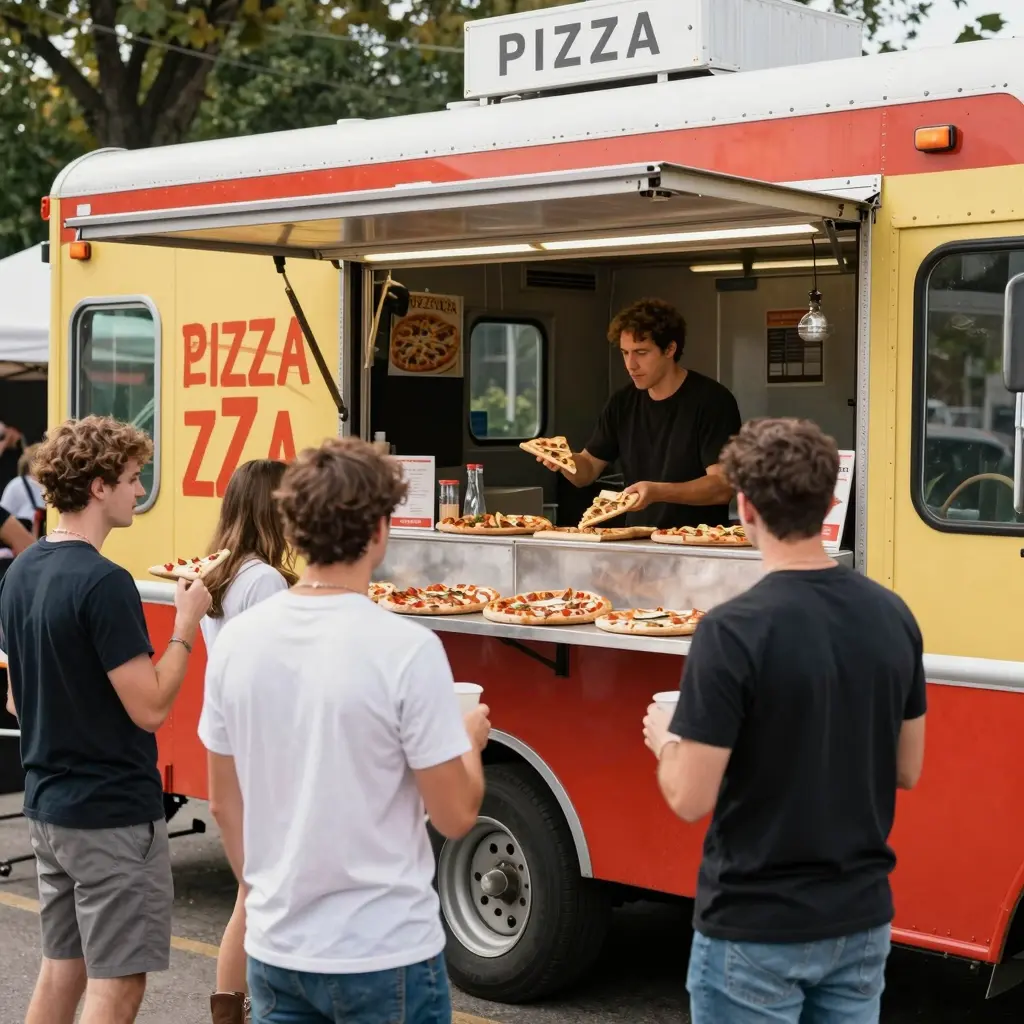
Measuring Success in Business: The Accumulation of Small Achievements
When it comes to measuring success in business, countless business owners grapple with the question: “What metrics should I use?” The distinction between qualitative and quantitative metrics offers a comprehensive approach to understanding success.
Quantitative Metrics
Quantitative metrics are numerical and can be analyzed statistically. They provide clear data points that can illustrate growth trends, performance efficiency, and financial health. Common examples include:
- Revenue growth
- Profit margins
- Customer acquisition costs
- Return on investment (ROI)
These figures play a crucial role in facilitating performance tracking. However, solely relying on them can often create a narrow understanding of what drives success.
Qualitative Metrics
On the other hand, qualitative metrics delve deeper into the why and how behind the numbers. This includes data gathered through surveys, customer feedback, and analysis of brand perception. For instance:
- Customer satisfaction scores
- Net promoter score (NPS)
- Employee engagement levels
These insights can build a narrative around the raw numbers, helping business owners understand customer loyalty, employee morale, and overall brand sentiment. Incorporating qualitative metrics ensures a holistic view of business performance that goes beyond mere numbers.
Accumulating Small Successes
As T.S. Eliot famously said, “I have measured out my life in coffee spoons.” This metaphor serves as a reminder that small successes have the potential to accumulate into significant achievements over time. In business, this means recognizing and celebrating minor milestones can lead to greater motivation and a thriving company culture.
Benefits of Celebrating Small Wins
- Enhanced Morale: Recognizing and celebrating small victories fosters a positive work atmosphere.
- Increased Motivation: When business owners acknowledge small achievements, it boosts team motivation, leading to higher productivity.
- Team Cohesion: Celebrating wins creates a culture of acknowledgment and unity among team members.
Embodying the ethos of measuring success through coffee spoons encourages a consistent focus on gradual improvement rather than fleeting grandeur. Every dollar earned or customer satisfied represents a spoonful of success, building toward larger goals.
Practicing Effective Measurement
To effectively measure success, business owners should:
- Combine Metrics: Integrate both qualitative and quantitative metrics. This fusion allows for a comprehensive analysis that informs strategic planning and innovation.
- Track Progress Over Time: Regularly evaluate both types of metrics, noting changes and trends to guide business decisions.
- Celebrate Small Wins: Embrace a culture where teams can reflect on their progress, no matter how small. For an effective implementation, learn more about creating a positive workplace culture.
In conclusion, measuring success transcends mere statistics. By appreciating the story behind the numbers and celebrating the cumulative gains represented by each coffee spoon, business owners can cultivate resilience and achieve remarkable growth in their ventures.
-
Invest in Quality Equipment: A high-quality portable pizza oven is crucial for making great pizzas efficiently. This piece of equipment not only affects the quality of the pizza but also your cooking speed. Invest in a reliable oven that can withstand the rigors of mobile operation and serve high volumes, especially during peak hours. Learn more about essential equipment here.
-
Understand Local Regulations: Navigating the complex web of health and safety regulations, permits, and zoning laws is a must. Every city has different requirements that can impact your ability to operate. Make sure to thoroughly research and comply with local laws to avoid fines or shutdowns. Check insights on navigating these challenges here.
-
Create a Unique Menu: Differentiating your pizza offerings from competitors is vital. Consider how you can innovate with unique toppings, flavor combinations, or specialty pizzas that cater to specific dietary preferences (like gluten-free or vegan options). This not only garners attention but builds a loyal customer base eager to return.
-
Develop a Marketing Strategy: Building awareness for your pizza truck is essential. Utilize social media platforms to target the local market effectively, share mouth-watering images of your pizzas, and promote your location and schedule. Implementing loyalty programs or special promotions can also encourage repeat customers.
-
Plan for Operational Challenges: As a mobile business, you’ll face unforeseen challenges such as vehicle maintenance or supply chain issues. Have contingency plans for equipment failures or supply shortages. Ensuring robust operational strategies will keep your truck running smoothly. Discover more about managing these challenges here.
Successful Pizza Truck Businesses: Inspiring Success Stories
The mobile food industry has seen phenomenal growth in recent years, particularly with pizza trucks becoming a favored culinary choice for many. These success stories highlight how small beginnings can blossom into significant operations, reflecting persistence, innovation, and strategic business decisions. Here are a few exemplary cases of pizza trucks that have transitioned into successful enterprises:
Timber Pizza Co.
Timber Pizza Co. is a prime example of how a small pizza truck can evolve into a beloved culinary establishment. Founded by friends who wanted to combine their passion for cooking and artisanal pizza with their love for the outdoors, they started their journey in Washington D.C. Their initial venture faced challenges typical of new businesses, including limited resources and scalability issues. However, through creative marketing, community engagement, and a commitment to quality ingredients, they built a loyal customer base. Eventually, Timber Pizza Co. expanded from a food truck to a full-fledged restaurant while keeping the sustainability ethos at their core. Their story exemplifies how dedication and adaptability can lead to notable business growth in the food service industry.
Learn more about their story
Pizzas a la Casa
Starting as a small operation in California, Pizzas a la Casa began with a single truck and a simple menu focusing on authentic, wood-fired Neapolitan pizzas. The founders diligently collected customer feedback and adjusted their offerings, which led to increased sales and a rapid growth trajectory. They utilized social media to showcase their pizzas, strengthing their brand presence and creating a buzz that attracted foodies from all around. Within a few years, they transitioned from a single truck to a fleet of trucks, catering events and festivals and ultimately opening a brick-and-mortar location due to overwhelming demand. Their journey truly embodies the classic success story of a pizza truck adapting and growing alongside its community.
Read more about pizza truck trends
Crust & Crate
Crust & Crate, a renowned pizza truck in the Midwest, epitomizes the power of niche marketing. They focused on offering unique pizza combinations that catered to local tastes and preferences. By actively engaging with their customers through surveys and social media interactions, they refined their menu based on consumer feedback. This strategy not only improved customer satisfaction but also led to organic referrals within the community. Over time, Crust & Crate successfully expanded into catering and events, proving that understanding your market can facilitate significant growth.
Success Measurement
When assessing success in the pizza truck business, entrepreneurs often rely on several key performance indicators (KPIs), including:
- Customer Retention Rates: High retention indicates satisfaction and loyalty.
- Sales Growth: Monitoring revenue over time provides insights into business performance.
- Social Media Engagement: Active and engaged followings can reflect a truck’s popularity and marketing effectiveness.
- Brand Expansion: The ability to grow from a single truck to multiple locations marks substantial growth.
Conclusion
The journeys of these successful pizza trucks are reminders that great things can come from humble beginnings. Entrepreneurs can take inspiration from these success stories that illustrate how adaptability, strategic planning, and community engagement can drive significant business growth in the competitive world of mobile food services.
Trends in Food Truck Popularity
The food truck industry has witnessed remarkable growth over the past decade, driven by a combination of changing consumer preferences and entrepreneurial spirit. This upward trend illustrates the increasing popularity of food trucks, which have become synonymous with quick and diverse dining options.
Growth Statistics
According to various reports, the food truck market has seen phenomenal growth:
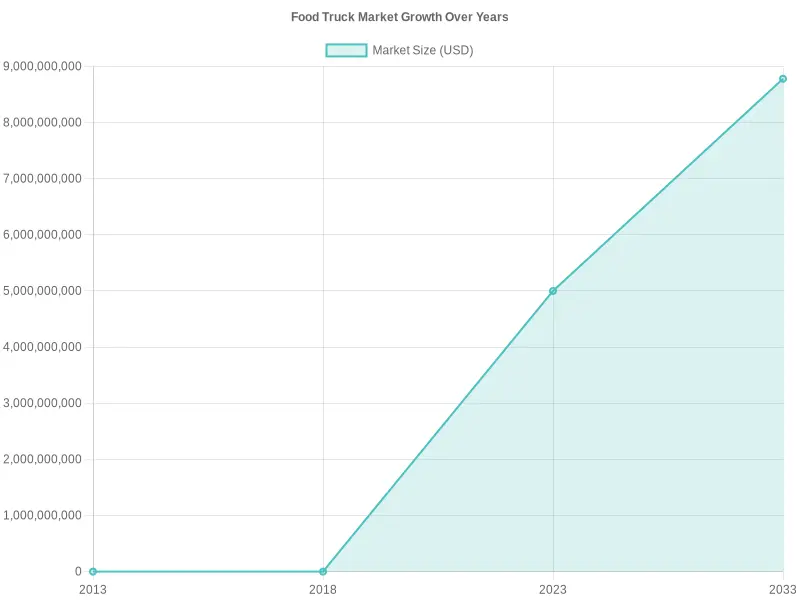
- Food trucks nearly doubled in number from 2013 to 2018.
- By 2023, the market was estimated to be around $5 billion.
- Projections indicate the market could grow to approximately $8.78 billion by 2033, showcasing a sustained upward trajectory in popularity and demand.
Below is a chart that visually represents this trend over the past decade:
Conclusion
The food truck industry not only highlights a vibrant culinary culture but also serves as an exemplary model for aspiring entrepreneurs in the food sector. As trends indicate continued growth, entering the mobile food industry can be a lucrative opportunity for those ready to innovate and provide diverse dining options.
To delve deeper into how food trends affect market dynamics, learn more about the coffee-rich lifestyle here.
For tips on running a successful small business, consider exploring this valuable resource.
Conclusion: Take the Leap with a Pizza Truck Investment
In a world where opportunities are ripe and the food truck industry continues to flourish, now is the perfect time for ambitious business owners to consider the exciting venture of a pizza truck. The food truck market has witnessed tremendous growth, with a valuation that reached approximately $2.7 billion in 2023. This is not just a fleeting trend; food trucks are generating average annual revenues of $300,000 for many entrepreneurs. Notably, those trucks that forge partnerships with local breweries or wineries have seen sales skyrocket by up to 18%.
As outlined throughout this article, investing in a pizza truck not only leads to financial benefits but also offers a unique opportunity to engage with your community, share delicious food, and enjoy the rewarding experience of being your own boss. The substantial market growth – as shown in the chart illustrating the revenue increase from 1.5 billion in 2018 to 2.7 billion in 2023 – indicates a persistent demand for mobile dining solutions.

The potential is immense, with food truck industry growth outpacing that of traditional restaurants. As you measure your investment options, consider the flexibility, creativity, and community connection a pizza truck can offer. From gathering loyal customers at local events to offering a beloved staple of food – pizza! – the possibilities for success are endless.
Whether you’re an established entrepreneur or looking to venture into a new business, don’t hesitate to explore how a pizza truck can fulfill your entrepreneurial dreams. Take the leap today and transform your vision into reality. For more information and resources to help you launch your very own pizza truck, visit TruckPizza.net and discover how you can start your journey toward success!
The Importance of Measuring Success in Small Milestones
In the journey of entrepreneurship, celebrating small milestones is crucial for long-term success. As Napoleon Hill wisely stated,
“Most great people have attained their greatest success just one step beyond their greatest failure.”
This quote encapsulates the essence of resilience in entrepreneurship, encouraging business owners to recognize that each small achievement contributes to their ultimate goals. Embracing the process and its sequential accomplishments can foster a mindset that values growth.
To reflect on the journey and the metaphor of measuring life and success in coffee spoons, we can appreciate how small, consistent steps lead us toward our ambitions.

For more insights into creating a rich coffee life while navigating business challenges, learn more about our mission.