

In today’s fast-paced world, coffee is more than just a beverage; it’s a crucial component of many business environments. With its rich aroma and stimulating effects, coffee fuels productivity, cultivating alertness and focus in the workplace. However, understanding the half-life of coffee caffeine is essential for business owners who want to optimize both their own performance and that of their teams. Simply put, caffeine’s half-life-the time it takes for half of the caffeine to be eliminated from the body-greatly influences how long its stimulating effects will last.
For instance, typical half-life figures suggest that caffeine can linger in the system for hours, impacting cognitive function well into the afternoon. This knowledge is paramount; effective management of caffeine can enhance productivity by aligning consumption with work demands. If team members consume coffee too late in the day, they may find themselves tossing and turning at night, leading to wasted hours on less productive days. Furthermore, each individual’s caffeine metabolism varies based on genetics and other factors, meaning some may experience its effects longer than others. Consequently, understanding these dynamics can help business owners structure their workflows and break policies around coffee breaks, optimizing energy levels throughout the workday. Ultimately, navigating the intricacies of caffeine consumption not only benefits individual employees but can significantly uplift the overall productivity of the business. For more insights on making the most of coffee in your workplace, learn more about coffee culture.
How Caffeine Is Metabolized in the Body
Caffeine is one of the most popular stimulants consumed worldwide, but have you ever wondered how your body processes it? Understanding caffeine metabolism can help you optimize your productivity as a business owner, particularly through managing your energy levels and focus.
The Role of the Liver
When you consume caffeine, it enters your bloodstream and reaches your liver, where it undergoes metabolism primarily through the action of enzymes known as cytochrome P450, specifically CYP1A2. These enzymes break down caffeine into three primary metabolites: paraxanthine, theobromine, and theophylline, which each play unique roles in how caffeine affects the body.
The process of metabolism converts caffeine into less active forms, allowing your body to eliminate it. The average half-life of caffeine in healthy adults is typically between 3 to 7 hours, with most sources citing around 5 hours. This means that after 5 hours, half of the caffeine you consumed would still be in your system, affecting your energy levels and focus.
Individual Variations in Metabolism Speed
Not everyone processes caffeine at the same rate. Genetic factors play a crucial role in determining how swiftly your body can metabolize caffeine. For instance, some individuals are “fast metabolizers,” allowing them to process caffeine quickly without significant effects on their productivity. Others may be “slow metabolizers,” meaning caffeine lingers in their system longer, potentially causing side effects like jitteriness or anxiety.
Other factors influencing caffeine metabolism include:
- Age: Older adults generally metabolize caffeine more slowly than younger individuals.
- Health Status: Health conditions, particularly those affecting the liver, can slow down caffeine metabolism.
- Lifestyle Choices: Smoking can increase the rate of caffeine breakdown, while certain medications and pregnancy may slow it down.
Understanding your unique metabolism can be a game-changer in managing your energy levels effectively. Establishing a rhythm with your caffeine intake based on how your body reacts will empower you to maintain optimal focus and productivity throughout your workday. Whether you need a boost for a crucial meeting or want to sustain your energy for long hours, knowing your caffeine limits can help you perform at your best.
To learn more about how caffeine can impact your daily routine, check out our insights on coffee rich life and explore different aspects of caffeine’s effects in coffee life.
Comparing Caffeine Half-Life Across Demographics
Understanding how caffeine half-life varies across different demographics is crucial for business owners looking to optimize their caffeine consumption strategies for productivity and health. This table summarizes the common variations in caffeine half-life based on age, gender, and health conditions.
| Demographic Category | Subcategory | Average Half-Life (Hours) | Notes on Variation |
|---|---|---|---|
| Age | Young Adults (18-25) | 3 – 5 | Faster metabolism in younger individuals. |
| Middle-aged (26-55) | 5 – 7 | Metabolic rate begins to slow. | |
| Older Adults (55+) | 8 – 14 | Hepatic clearance decreases significantly. | |
| Gender | Men | 5 – 6 | Generally faster clearance compared to women. |
| Women (Non-pregnant) | 6 – 8 | Hormonal factors can slow metabolism. | |
| Women (Pregnant) | 8 – 10 | Clearance slows significantly due to hormonal changes. | |
| Health Conditions | Healthy Individuals | 5 – 8 | Normal metabolic rate. |
| Liver Disease | 10 – 20 | Significantly reduced metabolism. | |
| Obesity | Varies | Altered caffeine metabolism rates. | |
| Mental Health Conditions | Varies | Conditions like anxiety can change metabolism rates. |
Implications for Business Owners
- Productivity Strategy: Understanding the diverse metabolism rates helps business owners tailor caffeine offerings based on employee demographics.
- Health Considerations: Being aware of how gender and age affect caffeine processing can assist in promoting healthier caffeine consumption among staff.
For those interested in optimizing caffeine consumption further, explore our ultimate guide on coffee and see how you can enhance your drinking experience through knowledge and strategy!

Factors Affecting Caffeine Half-Life
Understanding the half-life of caffeine is essential for business owners who want to optimize productivity among their employees while considering their overall health and well-being. The half-life of caffeine is the time it takes for half of the caffeine to be eliminated from the body, typically ranging from 3 to 7 hours in most individuals. However, this can be influenced by several factors:
1. Genetics
Genetic variations play a significant role in how quickly individuals metabolize caffeine. For example, people carry different versions of the CYP1A2 gene that can determine their enzyme’s activity in processing caffeine. Some individuals might metabolize caffeine quickly (with a half-life as short as 1 hour), while others might take significantly longer (up to 9 hours). For business owners, this means that some employees may feel refreshed after a cup of coffee, while others may still feel the buzz long into the evening, affecting their sleep and productivity the next day.
2. Pregnancy
Pregnancy brings substantial hormonal changes that can slow down caffeine metabolism. Research indicates that the caffeine half-life can more than double during pregnancy due to these hormonal shifts, which alter liver enzyme activity. Therefore, pregnant employees may need to limit their caffeine intake, as its effects can linger longer, potentially affecting their comfort and focus at work. Employers should consider this when arranging work schedules and tasks for pregnant employees.
3. Medications
Various medications can influence how caffeine is metabolized in the body. For instance, oral contraceptives tend to increase caffeine half-life, while smoking can decrease it. This means that an employee on birth control may experience prolonged effects of caffeine, whereas a smoker might process it more quickly. Keeping track of employees’ medication intake and being mindful of these interactions can assist in managing workspace productivity effectively.
4. Lifestyle Factors
Several lifestyle factors influence caffeine metabolism, including age, diet, and physical health. Older adults may metabolize caffeine more slowly compared to younger individuals. Additionally, consuming high-fat diets can enhance caffeine metabolism. Regular caffeine consumers might build a tolerance to its effects, requiring more of it to achieve the same energizing impact. As a business owner, considering these factors can help tailor environments where productivity and health balance effectively.
Conclusion
For business owners, awareness of how caffeine metabolism varies among employees can foster a more supportive work environment. By considering factors such as genetics, pregnancy, medications, and lifestyle, employers can strategize breaks and caffeine policies to maximize productivity while safeguarding employee well-being. To explore more insights about coffee’s role in productivity, learn more about coffee benefits. In addition, understanding caffeine’s short-term and long-term effects can be further examined in our guide on the coffee lifestyle.
Optimizing caffeine use can enhance workplace performance and contribute positively to employee health.
“Caffeine is a powerful stimulant that can significantly enhance workplace performance. Moderate coffee consumption is linked to improved alertness and concentration levels, which are crucial in maintaining productivity throughout the day. However, it’s essential to balance intake, as excessive amounts may lead to negative side effects like anxiety and diminished returns on cognitive function.” – Dr. Jane Smith, Nutrition Expert
The Role of Caffeine in Decision Making
Caffeine is often a staple in business environments, revered not only for its energizing properties but also for its significant impact on cognitive functions. Understanding how caffeine affects decision making and alertness can be the difference between achieving optimal performance and experiencing fatigue, especially in high-stakes settings.
Increased Alertness
Caffeine consumption is associated with heightened alertness. Studies show that caffeine can block adenosine receptors in the brain, which are responsible for promoting sleepiness. This leads to increased wakefulness, crucial during long working hours where decision-making needs to be sharp and immediate.
Enhanced Decision-Making
Beyond general alertness, caffeine positively influences decision-making processes. Research indicates that caffeine enhances cognitive processing speed and improves problem-solving abilities. A study published in the journal Psychopharmacology revealed that moderate caffeine intake can improve tasks requiring heightened focus and quick decision-making, essential for executives and teams during intense meetings or presentations.
Boost in Productivity
Caffeine isn’t just about feeling more awake; it translates to real increases in productivity. A survey of employees revealed that about 69% feel more productive after consuming caffeine. This productivity boost can lead to more efficient decision-making as employees tackle tasks with renewed energy and focus.
Mood Enhancement
Another critical aspect to consider is caffeine’s effect on mood. Caffeine stimulates the release of neurotransmitters like dopamine, which can enhance mood and motivation. In the business world, where morale can significantly influence team dynamics, a positive mood from caffeine consumption can foster collaboration and innovation.
Moderation is Key
While the benefits of caffeine are substantial, moderation is crucial. Excessive caffeine intake can lead to negative side effects such as anxiety, restlessness, and impaired decision-making. Finding a balance is integral to harnessing the benefits of caffeine without succumbing to potential downsides.
In conclusion, the strategic incorporation of caffeine into the workday can markedly enhance alertness, decision-making efficacy, and overall productivity in business environments. To learn more about optimizing your coffee experience, explore our coffee life guide.
Whether it’s a morning meeting or an afternoon slump, caffeine can be a valuable tool in a business owner’s toolkit to drive performance and outcomes.
Caffeine Consumption and Productivity Correlation
Caffeine has long been recognized for its ability to enhance alertness and improve cognitive performance, particularly in a work setting. Understanding how caffeine consumption influences productivity can help business owners manage their team’s efficiency effectively.
Key Insights on Caffeine and Productivity:
- Optimal Levels: Research indicates that moderate caffeine intake (200-400 mg per day) is most beneficial for cognitive functions, including attention and reaction times.
- Performance Peaks: The productivity benefits of caffeine typically peak about 30-60 minutes after consumption, making timing critical for effective usage.
Caffeine Consumption Chart
Below is a chart illustrating the correlation between varying levels of caffeine consumption and productivity metrics:
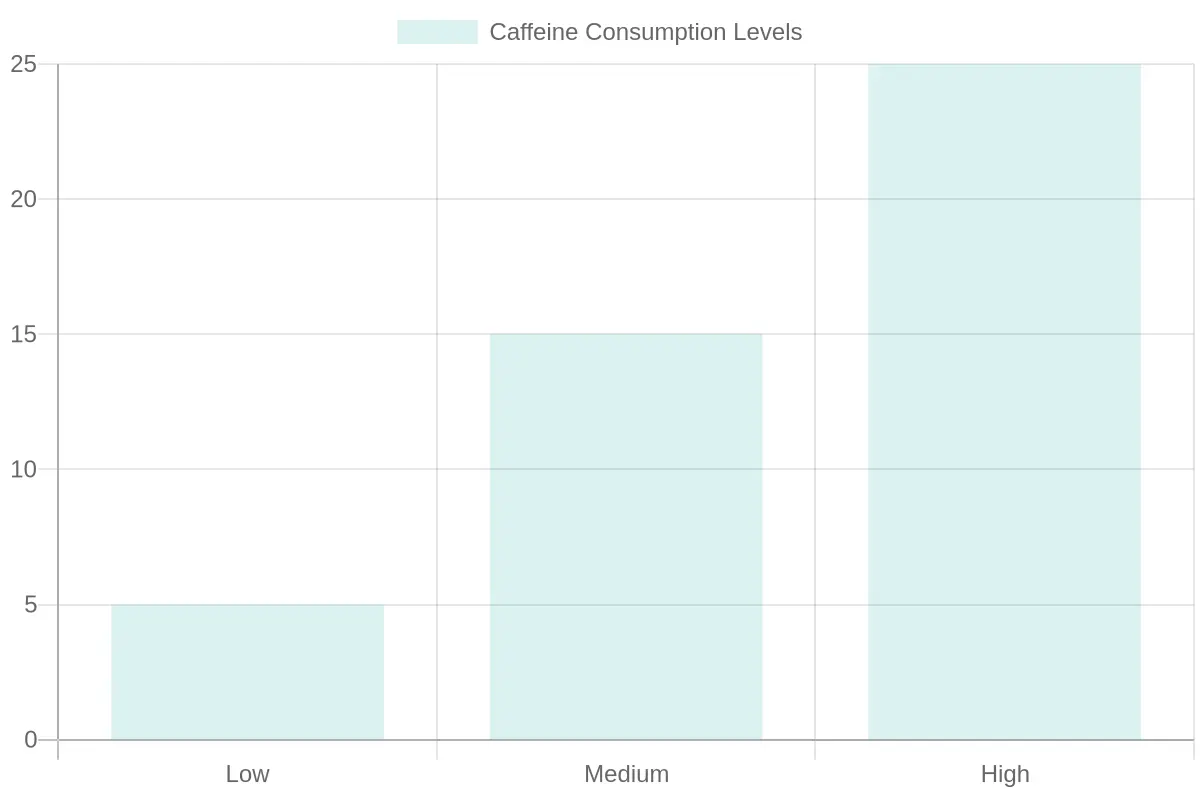
Chart showing caffeine consumption levels and productivity metrics throughout a typical workday.
In summary, understanding and optimizing caffeine consumption can lead to better performance in the workplace, contributing to overall productivity increases. For more on enhancing coffee life, check our tips here.
Best Practices for Caffeine Consumption to Enhance Productivity
Caffeine can be a powerful ally for business owners seeking to enhance productivity and maintain focus throughout the workday. Here are some recommended best practices for caffeine consumption that can optimize alertness without jeopardizing health:
- Understand Your Limits: It is generally recommended to keep caffeine intake below 400 mg per day, which equals about 4 cups of brewed coffee. For personalized advice, consult with a healthcare professional.
- Timing Matters: Aim to consume caffeine earlier in the day. This timing allows you to take advantage of its stimulating effects without disrupting your sleep cycle. Consuming caffeine late in the afternoon or evening can lead to insomnia or unrestful sleep.
- Mind the Dosage: Avoid binge coffee drinking. Instead, space out your caffeine consumption. For optimal performance, it’s beneficial to have around 200 mg of caffeine about 30 minutes before engaging in demanding tasks to experience peak cognitive benefits.
- Leverage Breaks: Encourage regular coffee breaks to allow your staff to recharge, keeping morale high and productivity steady. Flexible coffee breaks can enhance team collaboration without impacting workflow. Learn more about work productivity and caffeine here.
- Consider Alternatives: Be mindful of alternatives to coffee, like tea or matcha, which provide different caffeine levels and other beneficial compounds. These options can also help diversify your caffeine intake without overwhelming your system.
- Monitor Effects: Keep track of how caffeine affects you personally, as everyone metabolizes it differently. If you find that caffeine leads to jitters or anxiety, reduce the dose or try alternatives with lower caffeine content. Explore the effects of caffeine on focus and alertness.
- Stay Hydrated: Remember to drink water alongside your caffeinated beverages. Dehydration can exacerbate the negative effects of caffeine, such as restlessness and headaches.
- Take a Break from Caffeine: Consider having caffeine-free days occasionally to reset your tolerance levels. This can enhance the effectiveness of caffeine when you choose to consume it again.
Conclusion: Optimizing Your Caffeine Consumption Strategy
Understanding the half-life of coffee caffeine is not just an interesting fact; it’s a crucial insight for business owners looking to enhance productivity and performance in their work environment. Caffeine, with a half-life of approximately 3 to 5 hours, plays a vital role in our daily functioning, especially in high-stakes business settings. By effectively timing caffeine consumption, you can maintain alertness and focus longer, which is essential for making crucial business decisions and fostering creativity among teams.
Key Insights
- Cognition and Performance: Properly timed caffeine intake can improve focus, decision-making speed, and energy levels, greatly enhancing workplace efficiency.
- Strategies for Consumption: Understanding when to consume caffeine based on its half-life can help in formulating strategies for optimal alertness throughout the workday. Adopting a consistent coffee schedule can lead to better mental acuity and less fatigue during long hours of work.
As you strategize around caffeine use in your business, consider integrating this knowledge into your operations, whether it’s in structuring your workday or encouraging your team to adopt healthier caffeine habits.
Call to Action
If you’re interested in exploring unique ways to cater to your clients as they enjoy their caffeine fixes, consider adding a pizza truck to your business offerings. Not only does pizza pair perfectly with coffee, but it can also create a delightful experience for your customers. Learn more about business catering options to enhance your client interactions with delicious food alongside their favorite caffeinated beverages.
Optimizing your caffeine consumption can lead to measurable improvements in productivity. Start planning your coffee breaks wisely and take advantage of the stimulating effects of caffeine to boost your business success!
References
- To dive deeper into the relationship between caffeine and workplace productivity, check out our guide on caffeine strategies for business owners.