

Introduction
In T.S. Eliot’s poignant poem, the notion of measuring life with coffee spoons resonates deeply, especially for business owners who often find themselves calculating every decision meticulously. This metaphor reflects how small choices-whether it’s the quantity of coffee brewed in the morning or daily operational strategies-accumulate over time to define the trajectory of our lives and careers. For entrepreneurs, these mini-measurements provide insights into larger decisions, highlighting the importance of precision and mindfulness in business management. Each coffee spoonful not only symbolizes a moment captured in time but also mirrors the daily choices that cumulatively shape our existence and success in the business realm. By recognizing the weight of these seemingly trivial decisions, business owners can embrace a more profound understanding of their influences on productivity, motivation, and overall satisfaction in life. To delve deeper into how coffee influences our daily lives and decisions, visit our Coffee Rich Life page. Additionally, understanding how life’s small rituals can impact business decisions can be further explored through our discussions on coffee and lifestyle choices.
Historical Context of ‘The Love Song of J. Alfred Prufrock’
T.S. Eliot’s poem “The Love Song of J. Alfred Prufrock,” published in 1915, is often hailed as a seminal work of modernist poetry. This poem encapsulates the intricate emotional landscape of an individual thwarted by self-doubt and existential crisis-a reflection of the broader uncertainties of early 20th-century life. Eliot’s use of vivid imagery and innovative structure allows readers to glimpse the tumultuous interior world of J. Alfred Prufrock, the poem’s protagonist.
One of the most striking lines, “I have measured out my life with coffee spoons,” serves as a poignant metaphor reflecting Prufrock’s feelings of mediocrity and the banality of his existence. The act of measuring one’s life with coffee spoons implies a life lived in banal, routine actions, suggesting an accumulation of trivial moments rather than meaningful experiences. This encapsulation highlights his profound sense of paralysis and inability to engage deeply with life or take bold steps toward fulfillment, a struggle that resonates with many individuals, particularly in business ownership.
Broader Themes in the Poem
Prufrock’s story can be viewed through various themes, including:
- Isolation: Prufrock feels alienated from society, reflecting the modern individual’s disconnection in an increasingly urbanized world.
- Insecurity: His obsessive self-scrutiny prevents him from taking decisive actions.
- Time and Aging: Prufrock’s musings on time expose his fears of aging and unfulfilled potentials.
In a business context, these themes resonate deeply with entrepreneurs who often juggle routine tasks while grappling with the weight of their aspirations against the background of daily operational demands. Much like Prufrock, business owners may find themselves measuring their lives-sometimes in terms of profit margins, task lists, coffee breaks, or networking opportunities-leading to reflections on whether their efforts truly align with their goals and dreams.
Self-Reflection in Business Ownership
Incorporating the essence of Prufrock’s self-examination into the realm of business can yield important insights. Self-reflection is essential in business ownership for several reasons:
- Identifying Strengths and Weaknesses: It enables owners to assess their competencies and areas needing improvement.
- Strategic Growth: Regular reflection helps improve business strategies, ensuring they align with personal values and vision. Business owners can avoid falling into the coffee spoon mentality-living life incrementally without substantial progress.
Reflecting on one’s path can aid in discovering the balance between daily operations and long-term goals. The practice fosters adaptability, encourages accountability, and helps maintain clarity in decision-making, which is crucial for success.
For further reading on practical self-reflection strategies in business, take a look at this insightful guide that emphasizes the importance of personal growth for professional strategies. Similarly, mastering self-reflection is highlighted as a pathway to success in own ventures and career growth, providing frameworks for continuous improvement and leadership.
By understanding the emblematic struggles of Prufrock, business owners can better navigate their own journeys, ensuring they do not let their lives be measured merely by mundane experiences, but rather by profound achievements in line with their aspirations.
Measuring Life Through Coffee: A Reflection on Choices
Coffee has often been a metaphor for various facets of life, especially in the lines of poetry where it symbolizes both the mundane and the profound. In T.S. Eliot’s evocative line from The Love Song of J. Alfred Prufrock, the phrase “I have measured out my life with coffee spoons” captures the essence of life’s everyday moments. This article explores the deeper meanings behind this line, particularly in the context of business reflection and life choices.
The Symbolism of Coffee in Daily Life
- Small Measurements: Each cup of coffee can signify life’s small victories and mundane routines. Just as one uses a spoon to measure coffee, we also measure our progress in life with small, often overlooked achievements.
- Daily Rituals: Coffee breaks in the workplace serve not just for caffeine but as moments for reflection and connection. Engaging in these rituals can lead to valuable business reflections that spark new ideas and innovations.
Connecting Life Choices with Coffee Moments
- Reflective Brew: Enjoying a cup of coffee can be a time for contemplation. Business owners might use this time to evaluate their choices and strategies. In essence, the ritual becomes a catalyst for decision-making and life reassessment.
- Measuring Success: Just like the precision of coffee measurements impacts the brew’s quality, the decisions we make in business and life have a profound effect on our outcomes. Each choice, small or big, defines the flavor of our lives.
Conclusion: A Life Steeped in Reflection
In conclusion, T.S. Eliot’s metaphor encouraged us to consider how we measure our lives, intertwining the mundane with the meaningful. As business owners, taking the time to reflect over a simple cup of coffee can lead to greater insights about our choices and the paths we take.
For those interested in expanding their knowledge of coffee’s impact on daily life, feel free to read more about the coffee-rich lifestyle or explore related topics like different coffee-making techniques that can complement your daily rituals.
The Significance of Small Measurements in Business
In the world of business, success is rarely the result of grand, singular events but rather the cumulative effect of countless small decisions and measurements. This principle resonates deeply with the metaphor from the famous lyric “I have measured out my life with coffee spoons,” highlighting how seemingly minor, everyday choices can collectively define the trajectory of a business. For business owners, understanding and leveraging the power of small metrics and daily habits can unlock substantial growth and sustainability.
Why Small Measurements Matter
Small measurements serve as manageable, quantifiable snippets of the larger business puzzle. They offer insights into performance, customer behavior, and operational efficiency. When analyzed consistently over time, these micro metrics allow businesses to detect patterns, adjust strategies promptly, and avoid costly mistakes that might only become visible too late if relying solely on broader metrics.
Moreover, small daily choices-whether in customer service, product development, marketing efforts, or financial management-compound to foster a culture of excellence. They encourage continuous improvement and help instill discipline and accountability throughout teams.
Examples from Various Industries
1. Retail: Conversion Rate Optimization
Retailers often track micro conversions like the number of customers who pick up an item and the proportion who proceed to purchase it. By measuring these small actions, a store can tweak product placement, staff engagement, or pricing strategies, leading to increased overall sales. For instance, small improvements in checkout speed or personalized recommendations may seem minor but can significantly boost revenue.
2. Coffee Shops: The Perfect Brew Ratio
In the coffee industry, precise measurements such as coffee-to-water ratios can transform the customer experience. If a café fine-tunes the grind size or adjusts brewing times based on daily feedback and metrics, it can consistently offer a superior product that retains loyal customers. This attention to detail exemplifies how small measurements impact brand reputation and profitability. (Explore more about optimal coffee ratios in brewing here.)
3. Software Development: Code Quality Metrics
Software companies monitor code quality through detailed metrics like bug counts per module or test coverage percentages. These granular measurements help identify weak points early, reducing downstream costs related to bugs and maintenance. Consistent attention to these seemingly minor numbers can elevate the product’s reliability and user satisfaction.
4. Health & Fitness: Tracking Daily Intake
Businesses in the health and wellness sector recognize that small daily actions, such as calorie counts or water intake, aggregate into significant health outcomes for clients. Apps that enable users to measure and adjust these small factors empower business success through better client results and retention.
Building a Habit of Measuring Small Successes
For business owners, implementing daily check-ins on key small metrics encourages a proactive mindset. Metrics could be daily sales numbers, customer feedback scores, or social media engagement rates. Over time, these minutiae unveil trends that inform strategic pivots or highlight efficiency opportunities.
Additionally, embracing small metrics supports a data-driven culture, empowering teams to take ownership of their contributions to business goals. Encouraging measurement and adjustment at the micro-level often results in enhanced innovation and operational agility.
Conclusion
Measuring life with coffee spoons metaphorically articulates how the accumulation of small, consistent measurements can frame a larger narrative-in this case, business success. By valuing and acting upon these small data points daily, business owners across industries can achieve meaningful growth and sustainability.
For business owners who appreciate the nuanced craft of coffee and the power of precise measurement, combining this mindset with business strategies can be especially rewarding, bringing both rich flavor and rich returns. For a broader perspective on blending lifestyle and business excellence, consider exploring the Coffee Rich Life insights.
Practical Metrics for Business Success
Measuring success is crucial for any business owner. Here’s a practical list of small metrics you can track to gauge your progress and make informed decisions:
- Customer Feedback: Regularly collect feedback from customers to understand their needs, expectations, and satisfaction levels.
- Daily Sales Figures: Monitor daily sales to identify trends, peak times, and revenue fluctuations.
- Social Media Engagement: Track likes, shares, comments, and follower growth to measure brand presence and customer connection.
- Website Traffic: Use analytics tools to assess visitor numbers and behavior on your website.
- Customer Retention Rate: Calculate the percentage of customers that return for repeat purchases to understand loyalty.
- Operational Expenses: Keep an eye on your expenses to ensure profitability and efficiency.
- Conversion Rate: Measure the percentage of visitors taking a specific action (like purchasing) to evaluate marketing efforts.
- Email Open Rates: Analyze the percentage of recipients who open your emails to gauge the effectiveness of your campaigns.
- Net Promoter Score (NPS): Use NPS surveys to measure customers’ willingness to recommend your business to others.
- Employee Satisfaction: Regularly survey employees to identify workplace morale and areas for improvement.
By consistently tracking these metrics, business owners can develop insights that lead to better strategies and improved outcomes. Learn more about establishing a rich coffee culture in your business and how it can positively affect these metrics.
Emotional Insights from Business Owners: Measuring Success with Coffee Spoons
T.S. Eliot once said, “I have measured out my life with coffee spoons.” This metaphor speaks volumes about the way personal and professional lives can intertwine. For many business owners, success isn’t always quantifiable by revenue alone; it can often reflect personal choices, daily rituals, and the emotional connections we have with our work. Here, we explore testimonials from business owners who resonate with this poignant metaphor and the meaning of measuring success in their lives.
The Daily Rituals of Measurement
Anna Patel, Owner of a Local Café
“For me, measuring out my life with coffee spoons resonates deeply. My day starts with brewing coffee. Each spoon, whether it’s for espresso or a latte, is a moment of joy and an intentional choice. In business, it often feels like every small decision, like the amount of coffee I serve, reflects a piece of my larger journey. It reminds me of the importance of consistency, not just in flavors, but in service and relationships with customers. Every cup represents a moment that adds up to my success, seen in the loyal clientele that keeps coming back.’
Reflecting on Personal Choices
Michael Evers, CEO of a Tech Startup
“When I first heard the line about measuring life with coffee spoons, it struck a chord within me. In the fast-paced world of tech, it’s easy to chase after big wins and overlook the small victories. Every software update, every bug fixed, is like filling another spoon. They might seem trivial on their own, but collectively, they build trust with our users. Reflecting on those small moments helps me appreciate where I am today and informs better decisions for tomorrow.”
Symbolism in Growth and Connections
Lara Singh, Founder of a Digital Marketing Agency
“The coffee spoon metaphor reminds me of growth and human connection. My agency’s success isn’t just about the big contracts; it’s about each interaction with clients and teammates. Those moments, however small, teach us resilience and collaboration. They represent the brewing process of our ideas, much like coffee, which takes time and personal touch. By measuring my life with ‘coffee spoons,’ I see how every single interaction contributes to a much larger picture of fulfillment and success.”
Encouraging a Mindful Approach
These testimonials underscore a central idea: success isn’t solely driven by metrics but by the moments we take to savor our journey. The coffee spoon metaphor encourages business owners to appreciate not just the end result, but the process that leads there.
-
For further insights on living a balanced and fulfilling life through your profession, visit Coffee Rich Life.
-
To understand more about the importance of daily routines in business success, explore Coffee Life.
In the modern hustle of entrepreneurship, where numbers often dominate, the coffee spoons metaphor offers a refreshing perspective: it’s the little things that altogether measure the richness of our lives. Embrace the spoons – each holds a story worth telling, and each adds flavor to your unique journey as a business owner.
The Influence of Small Business Metrics on Success
Understanding how small business metrics influence overall business success is vital for any entrepreneur. These metrics provide insights that can steer a business towards growth, profitability, and sustainability. Here’s a look at some critical metrics and statistics that highlight their significance:
Key Small Business Metrics
-
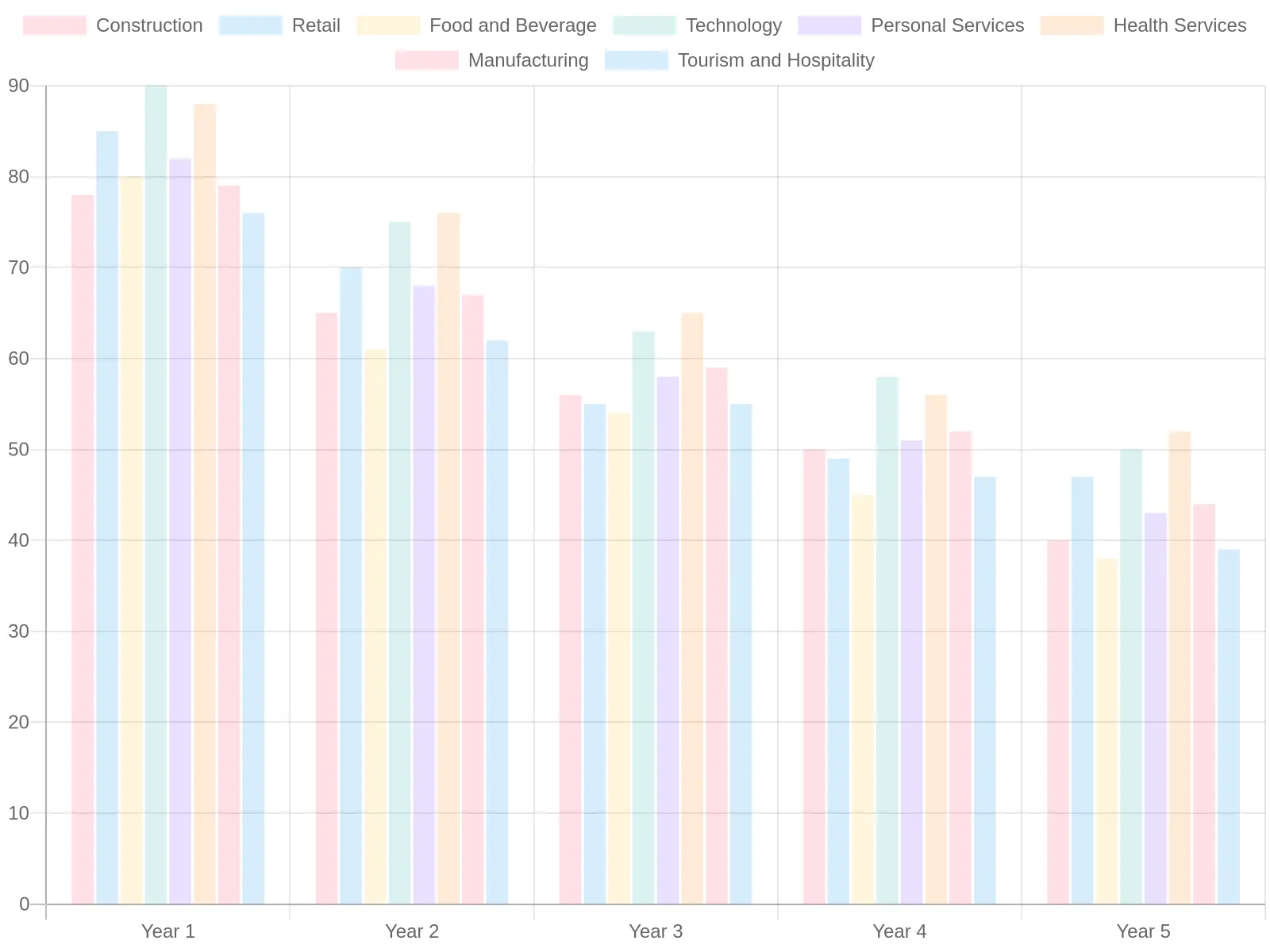
Survival Rates: One of the most telling metrics of a business’s health is its survival rate, which varies significantly across industries. According to recent data, some industries such as healthcare and technology display higher survival rates than others like tourism and hospitality.
Industry Survival Rate (Year 1) Survival Rate (Year 2) Survival Rate (Year 3) Survival Rate (Year 4) Survival Rate (Year 5) Construction 78% 65% 56% 50% 40% Retail 85% 70% 55% 49% 47% Food and Beverage 80% 61% 54% 45% 38% Technology 90% 75% 63% 58% 50% Personal Services 82% 68% 58% 51% 43% Health Services 88% 76% 65% 56% 52% Manufacturing 79% 67% 59% 52% 44% Tourism and Hospitality 76% 62% 55% 47% 39% Source: U.S. Small Business Administration, Bureau of Labor Statistics
-
Financial Metrics: Metrics such as revenue growth rate, profit margins, and cash flow are essential indicators of a business’s financial health. The 2023 Small Business Profile highlighted that small businesses contribute significantly to the U.S. economy, generating about $541.6 billion in exports alone.
-
Customer Metrics: Customer acquisition cost (CAC) and customer lifetime value (CLV) are critical to understanding the return on investment in marketing strategies. Reducing CAC leads to increased profitability, while a higher CLV indicates a successful business model.
Conclusion
By regularly evaluating these metrics, small business owners can make informed decisions that lead to improved performance. Metrics not only provide a snapshot of current business health but also forecast future potential. Implementing practices to track these metrics can dramatically improve the prospects of success for small businesses. To delve deeper into how different aspects of a coffee business can impact your entrepreneurial journey, learn more about the coffee-rich life and explore effective management strategies.
Growth Outcomes by Country and Platform
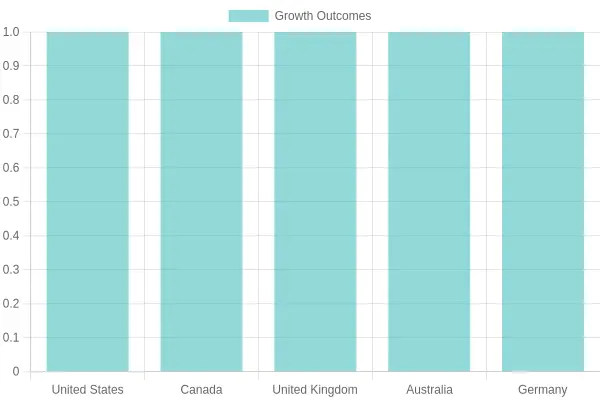
The following bar chart illustrates the correlation between tracking business metrics and business growth outcomes. As shown, companies that actively measure their metrics tend to achieve significant growth results:
Data Overview:
| Country | Platform | Year | Metrics Tracked | Growth Outcome |
|---|---|---|---|---|
| United States | Salesforce | 2022 | Sales Growth, Customer Satisfaction | Increased Revenue |
| Canada | HubSpot | 2023 | Customer Feedback, Operational Efficiency | Improved Market Share |
| United Kingdom | Microsoft | 2021 | Sales Data, Marketing Analytics | Revenue Growth, Market Expansion |
| Australia | Oracle | 2022 | Customer Retention, Sales Metrics | Enhanced Customer Base |
| Germany | SAP | 2023 | Operational Efficiency, Profit Margins | Increased Profitability |
This data reinforces the concept that effective measurement and analysis can lead to improved business outcomes, making it crucial for business owners to invest in proper metrics tracking tools.
Learn more about improving your business strategies and the importance of tracking metrics for growth.
Case Study: Ben & Jerry’s – From Small Scoop to Global Impact
One of the most well-known examples of a small business that successfully expanded with a focus on small incremental changes is Ben & Jerry’s, the renowned ice cream brand. Founded in 1978 by Ben Cohen and Jerry Greenfield in a converted gas station in Burlington, Vermont, Ben & Jerry’s started as a single scoop shop. Their journey illustrates how small, strategic decisions can lead to larger successes, akin to measuring one’s life with coffee spoons-each spoonful representing a step toward achieving their larger vision.
The Coffee Spoon Analogy
In a metaphorical sense, just as T.S. Eliot’s poem suggests measuring one’s life with coffee spoons-emphasizing the importance of small, everyday moments-Ben & Jerry’s founders took things one small scoop at a time. Here is how:
-
Local Community Focus: Initially, Cohen and Greenfield focused on local engagement by using locally sourced ingredients and maintaining affordable prices. This approach created a loyal customer base that viewed their ice cream not just as a product but as a local treasure. Just like each coffee spoonful adds to the overall flavor of a cup of coffee, each customer added a layer to the richness of the brand.
-
Incremental Product Innovation: The company started with a few flavors, such as Vanilla and Chocolate Fudge Brownie. However, they regularly introduced small variations and combinations, like Cherry Garcia and Cookie Dough, based on feedback from their customers. Each new flavor was like adding another spoonful of coffee-building a rich tapestry of choices that appealed to a broader audience and allowing them to gauge what resonated with their clients.
-
Sustainable Practices: As they grew, Ben & Jerry’s also measured success through their commitment to sustainability, beginning with small steps like switching from milk from local farms to Fairtrade-certified suppliers. This decision reflected their values and gradually built an image of social responsibility that resonated well with consumers who prefer to support ethical brands.
-
Social Activism: Understanding that their brand is a reflection of their values, they incorporated social activism into their business model. Each campaign, whether for climate change, LGBTQ rights, or racial justice, was a careful, spoon-measured outreach that appealed to their customers’ values and built relationships over time.
The Impact of Small Metrics
The impact of small, measurement-based strategies became evident as Ben & Jerry’s expanded nationwide and then globally. Their focus on community feedback, incremental product development, and ethical commitments allowed them to carve a niche in a competitive market:
-
Growth Metrics: After just five years, by 1983 Ben & Jerry’s had achieved $4 million in sales. This growth continued as they embraced strategic milestones, and by 2020, their parent company was reporting annual revenues exceeding $600 million.
-
Customer Loyalty: The focus on customer satisfaction led to high retention rates; loyal customers often became brand advocates.
-
Social Impact: Their business model not only provided delicious ice cream but also helped local communities thrive and raised awareness on global issues, creating a network of consumers who identify with their cause.
Conclusion: Measuring Success Through Small Steps
The journey of Ben & Jerry’s is an inspiring example for business owners, particularly when reflecting on the coffee spoon metaphor. Each incremental measurement-whether it was customer feedback, local ingredients, or ethical practices-combined to create a substantial impact akin to measuring life in coffee spoons. For entrepreneurs, understanding that success is often built through small, consistent actions is invaluable.
By embracing small, deliberate changes, businesses can create a culture of continuous improvement that leads to greater achievements. If you’re looking to apply similar principles within your own business, consider how small steps can lead to monumental outcomes.
Incorporating these insights from Ben & Jerry’s tactics into your business approach might just be the scoop of strategy you need for optimal growth. For more tips on creating a thriving business atmosphere, check out our guides on coffee-rich life resources for entrepreneurial success.
The journey through life and business is often measured in small ways, echoing the sentiment found in the idea of “measuring out life with coffee spoons.” Just as coffee spoons represent the seemingly trivial details, small measurements and actions play a significant role in shaping our experiences and outcomes. In both personal and professional realms, recognizing the importance of these seemingly minor metrics can lead to profound progress and success.
The Significance of Small Measurements
In business, measurement serves as a cornerstone for decision-making. It enables entrepreneurs to track performance, manage resources efficiently, and align their actions with strategic goals. As highlighted in sources like the Real Business article, effective measurement provides clarity on performance indicators, helping leaders make informed adjustments. This importance extends beyond mere numbers; it encompasses the essence of navigating opportunities and challenges. Likewise, in everyday life, small measurements guide choices that affect our routines, health, and productivity. The concept of the “small changes” principle-where incremental adjustments lead to significant outcomes-emphasizes the cumulative effect of consistently applying these small measurements in both spheres.
Actionable Steps for Business Owners
For business owners, embracing small measurements isn’t just a practice; it’s a mindset. Here are some actionable steps to integrate this philosophy into your business:
- Set Specific Metrics: Define clear and measurable goals. This could involve tracking sales figures, customer engagement metrics, or employee performance indicators. Specificity empowers you to assess progress effectively.
- Monitor Progress Regularly: Create a habit of regularly reviewing these metrics. Regular check-ins allow for timely adjustments, keeping your strategies aligned with your evolving goals.
- Celebrate Small Wins: Acknowledge and celebrate the small victories. Whether it’s reaching a minor milestone or improving a specific process, recognizing these moments boosts morale and encourages continued effort.
- Foster Customer Relationships: Implement small gestures to enhance customer experience. Personalized communication or quick responses to inquiries may seem minor, but they can significantly impact customer satisfaction and loyalty.
The Coffee Spoon Connection
By drawing parallels between coffee spoons and business measurements, we encourage you to savor the small steps that contribute to your success. Every sip of progress is significant, and each small measurement taken can lead to an enriched business landscape. As you move forward, remember that your journey doesn’t just rely on the grand gestures but thrives on the little things that build momentum.
In conclusion, the significance of small measurements in life and business cannot be understated. They act as the framework upon which your success can be built. Embrace this philosophy in your endeavors and start measuring the success of your efforts, one coffee spoon at a time. For more insights into how small actions can amplify your business impact, consider exploring our resources on living a coffee-rich life or the small joys in coffee.